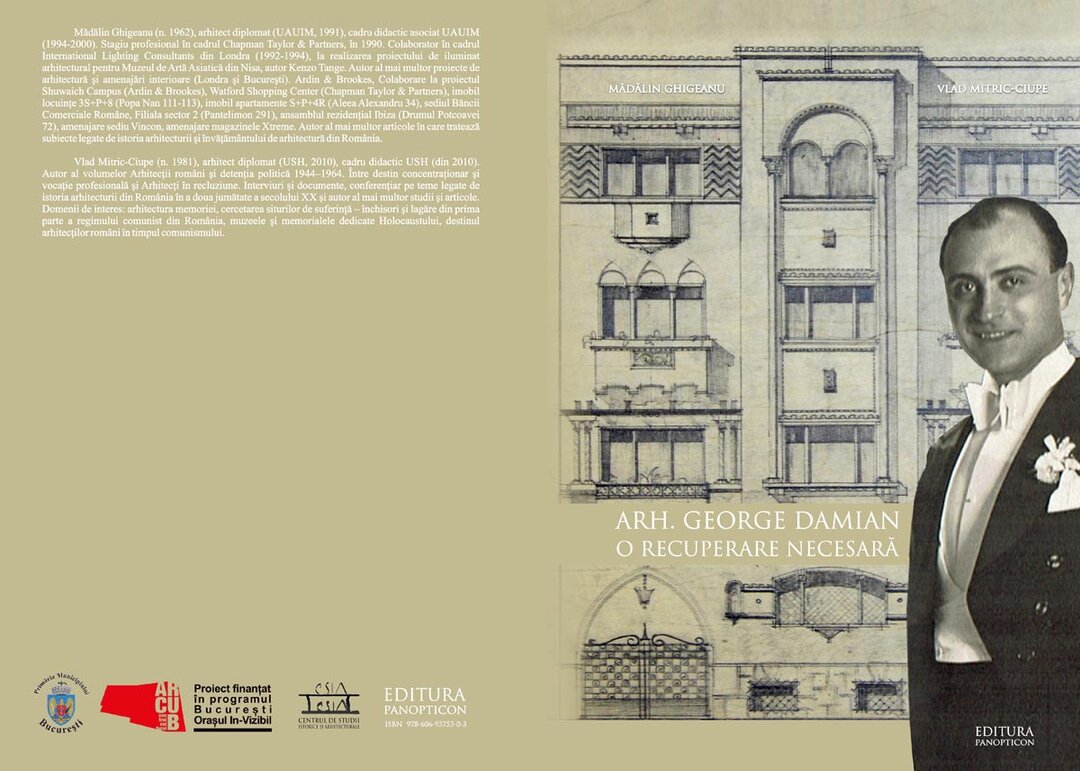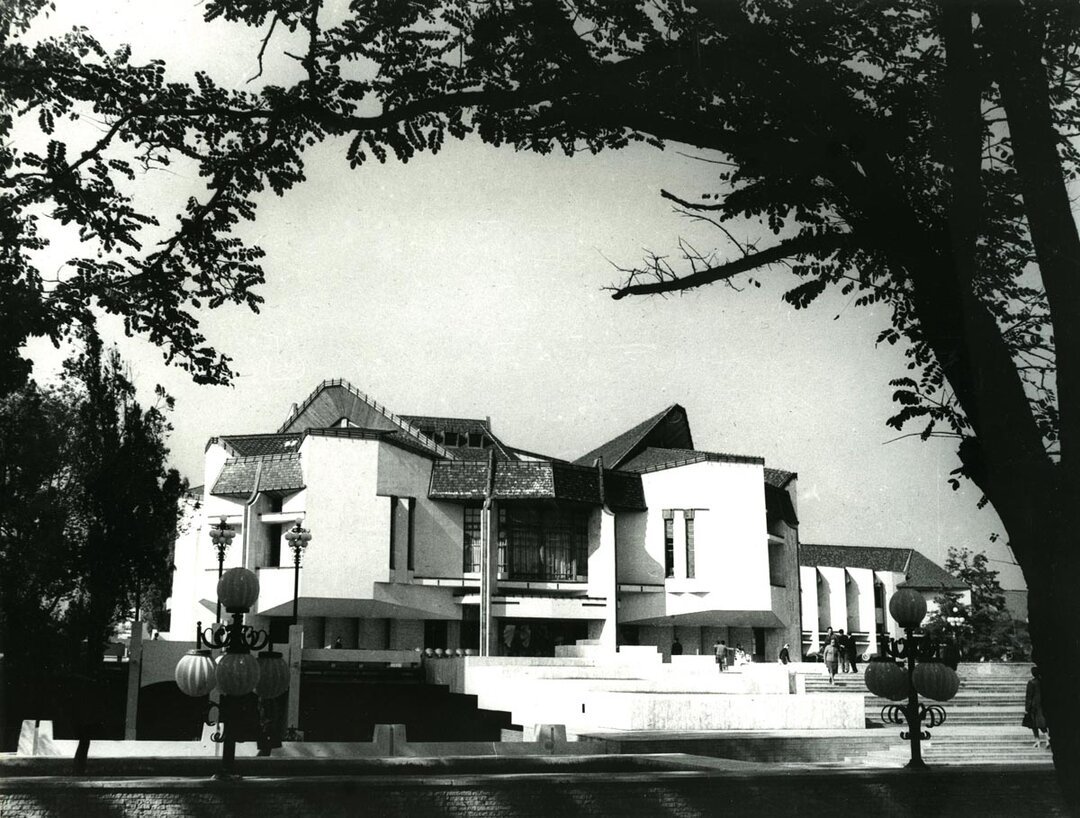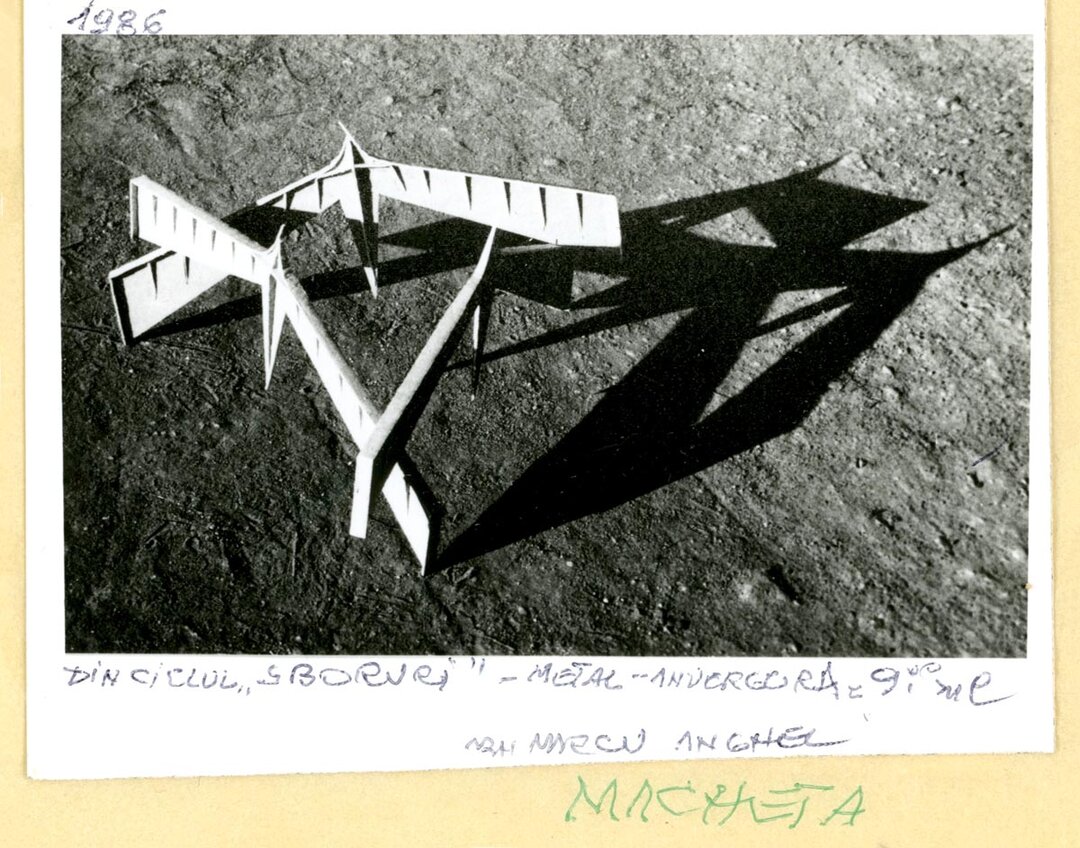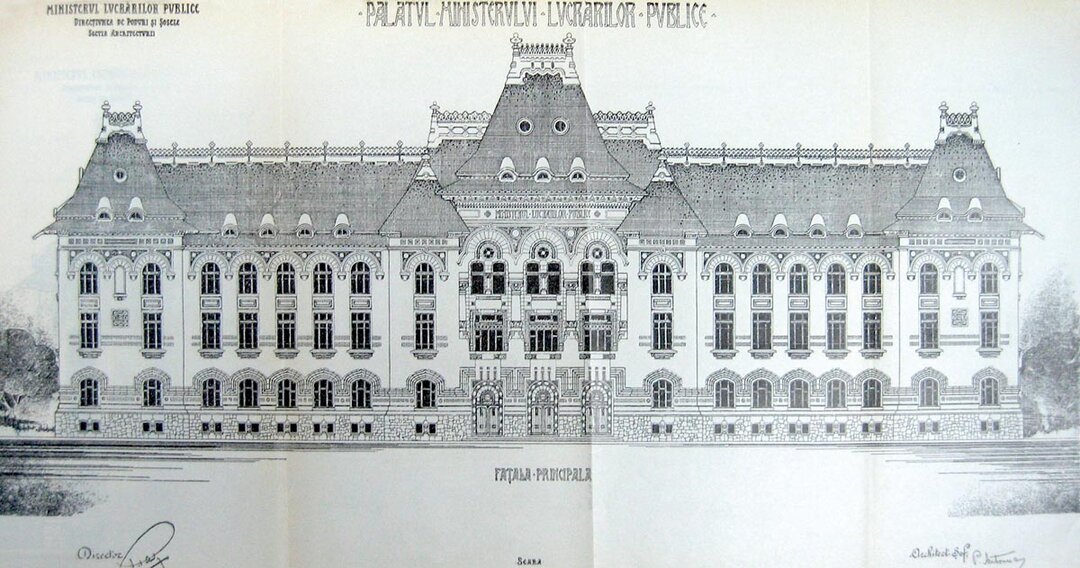
The photography archive of Romanian Union of Architects. Online and Offline

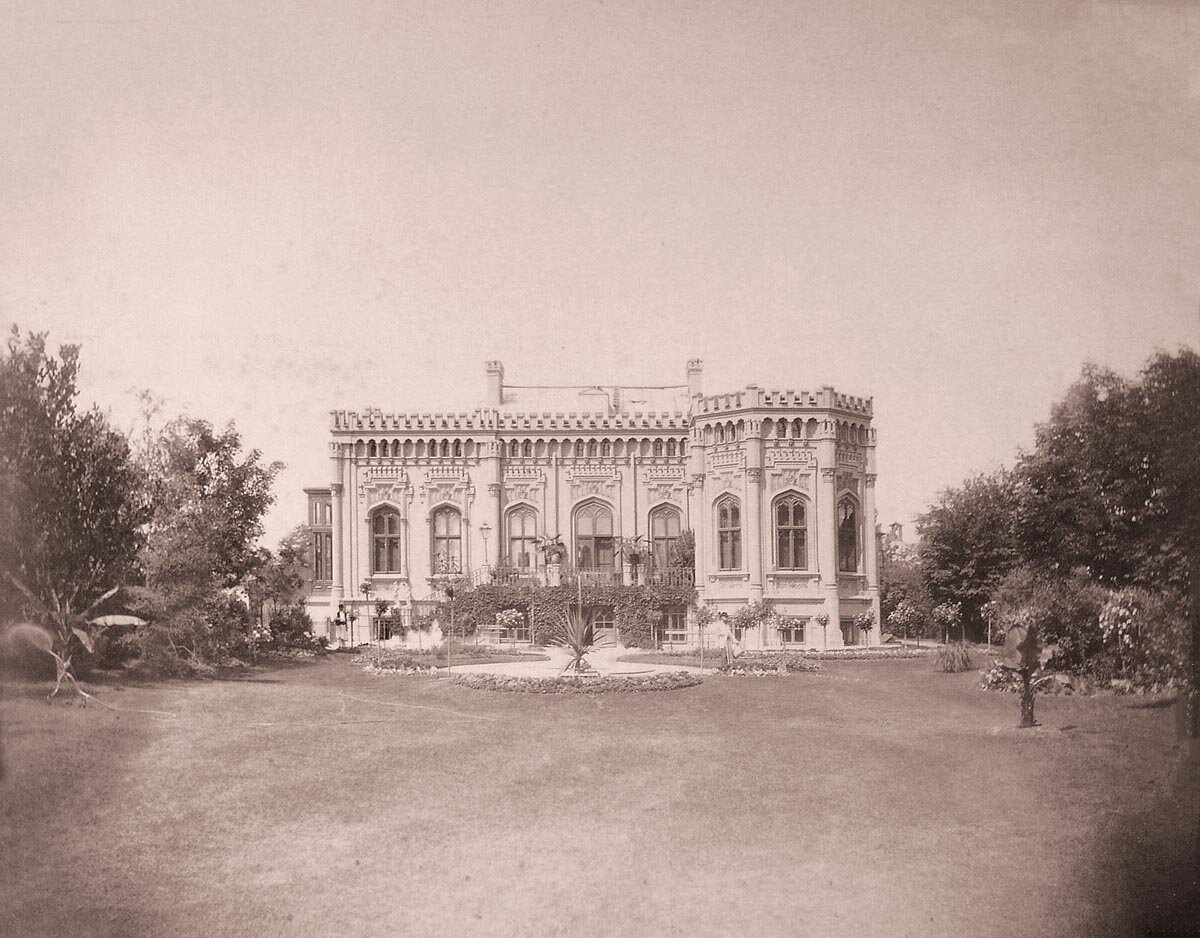
The historic Liebrecht-Filipescu house1 with its huge garden, located between Dionisie Lupu, Arthur Verona and Jean Louis Calderon streets, is one of the symbols of Bucharest, with a huge cultural, historical, architectural, landscape and, last but not least, financial potential2.
The former Liebrecht-Filipescu property is now made up of two entities: the House and Garden of the University of Bucharest and the DECOFLORA Garden3. In the summer of 2016, OAR Bucharest - by organizing the Bucharest Architecture Annual -, and Calup - at Street Delivery Meserie! -, drew attention to this semi-abandoned green space: 'Every day we pass by forgotten gardens that cannot be opened for legal or ownership reasons. Bucharest lags behind in terms of green spaces per capita, so it's high time that unused land is given to the public, by revitalizing them as public spaces"4.
In the summer of this year, Calup "wanted to open the DECOFLORA Garden to the public at Street Delivery, as a natural continuation of the Icoana Garden Park (...) but the property is in dispute and access is restricted, as in too many other cases, so it offered a series of sustainable solutions to reactivate urban gardens, but also to resolve the dispute:
a. Proposed solutions for the revitalization of urban gardens: public garden, botanical center, community vegetable garden, gardening workshops, amusement park, dendrological park, greenhouse with café and terrace, relaxation area with deck chairs, without major anthropization, summer garden with cushions for meditation, recreational space with hemp composite furniture, fairground, removal of fences around green spaces, removal of posts with inscriptions and concrete, asphalted alleys or excessive urban furniture.
b. Proposed solutions for gardens in dispute: Voluntary contribution for debt payment with the condition of opening to the public, crowdfunding for debt payment with opening to various activities and workshops, interim administration during the litigation, use of the gardens until the litigation is resolved by an initiative group from the riparian community, occupyy for community activities (arts, crafts, events), urgency of such processes by law, entry under the administration/use of an NGO/civic initiative group, auction for debt payment, transfer to the state and increase green areas."5
Are these proposals appropriate solutions for a historic garden?
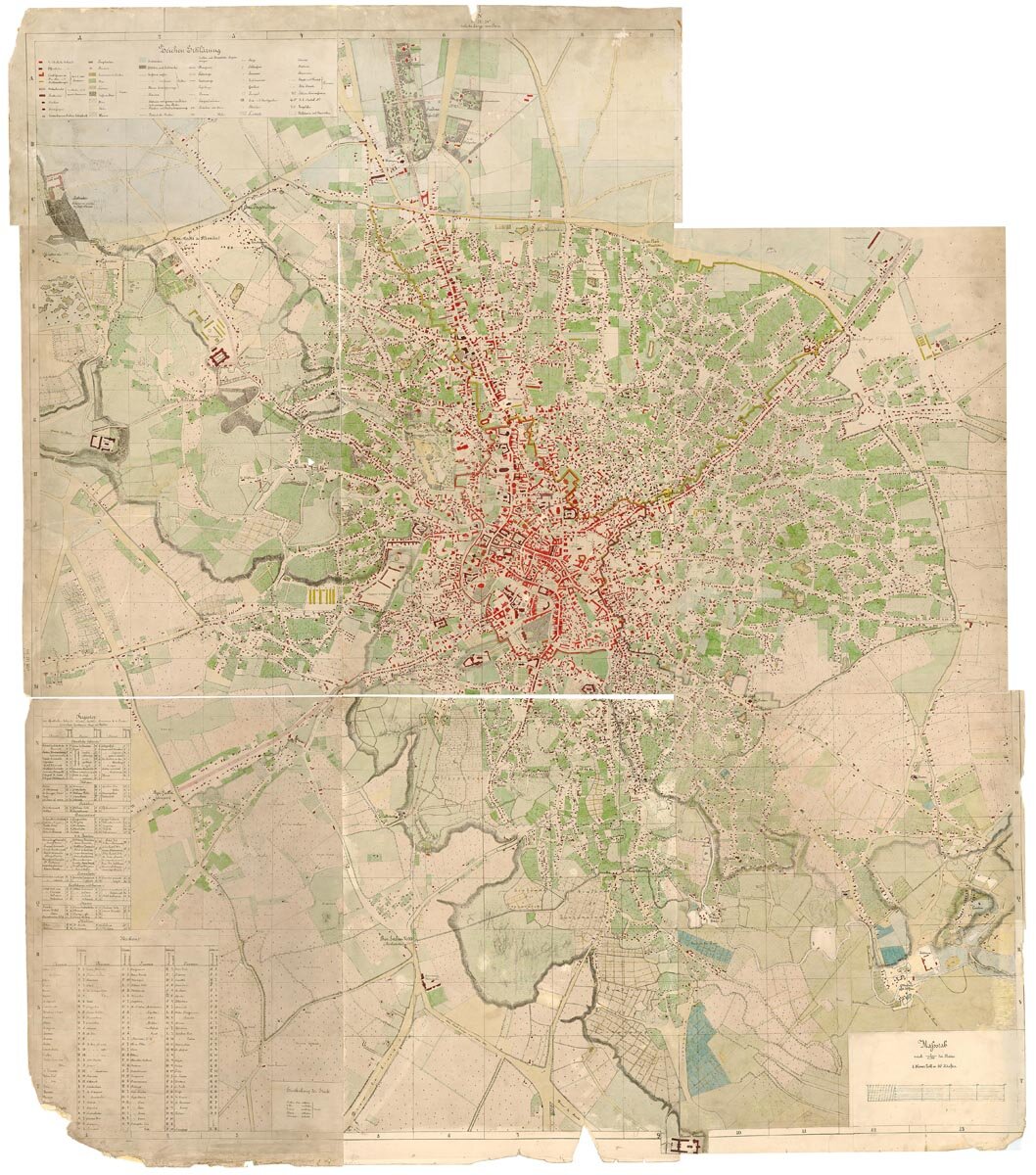
In 1846, the land with the orchard belonged to the logophat Gheorghe, Caesar Liebrecht (1820-1890) built his famous residence in 1860, according to the plans of the architect Luigi Ludovic Lipizer. "It lost the property in 1866, when it was auctioned and bought by Gheorghe C. Filipescu (1840-1902), marshal of the royal palace. After 1870, Gheorghe Filipescu enlarged his property by auctioning the land on the south side of the Maidanului Stăpânirii - on the occasion of the development of the Icoanei Square and the alignment of the Memoriei Street (today, Arthur Verona Street). The land had been parceled out by the City Hall for the purpose of sale, and Filipescu had adjudicated 8 lots out of 19, located to the west, the other lots being adjudicated by other people. He then bought these 11 lots as well."6
After Lydia Filipescu's death7, in 1943, this property reverted to Eforiei Spitalelor Civile according to the will of Gheorghe and Lydia Filipescu. Later on, the property was nationalized and in 1948 it became the headquarters of the University House.
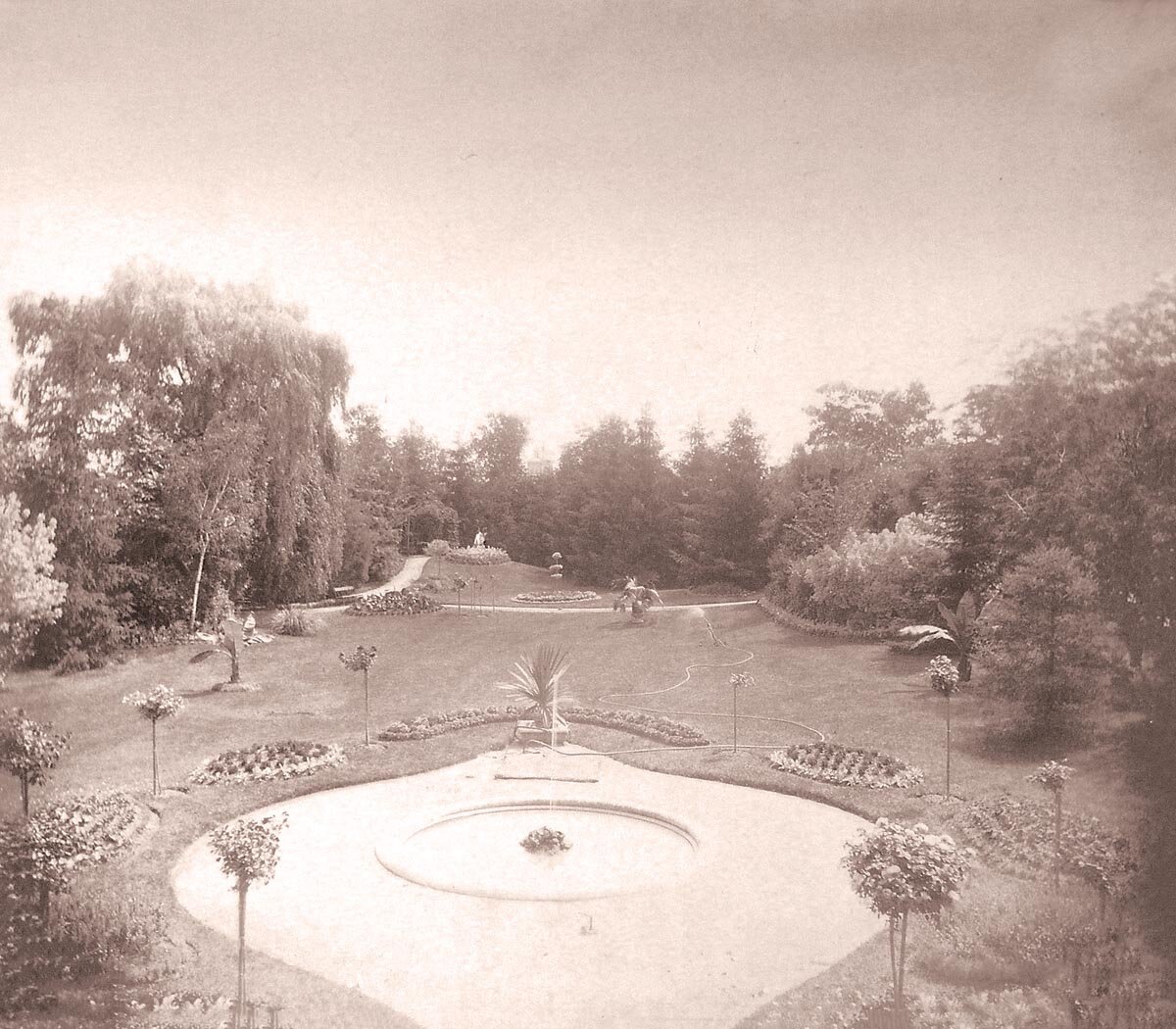
In the period photographs taken by Franz Duschek and in the archival plans of Bucharest, the garden of the Liebrecht-Filipescu House appears to have been designed in a free style, probably influenced by Romantic fashion8. This architectural manner of organic organization is not accidental, but is part of a fashion that characterized 19th century gardens in Romania and beyond. The famous worldly critic Claymoor described the garden party etiquette and atmosphere of the Filipescu Garden in the newspaper 'L'Independance Roumaine' in the 1880s: 'L'entoure en féerique, Armide n'en aurait pas volu un autre. La nature y a prodigué et homme son goût. Des arbres touffus d'un vert éclatant entretiennent une frâcheur agréable et forment comme un rideau de fond à ce coin de paradise. Flowers, roses, roses, lilacs, anemones, reseda, etc. fill the air. L'escalier qui conduit dans ce jardin enchanté rappelle un décor d'opéra"9.
Framed in Western compositional patterns, the garden of the historic monument building was conceived as a central representational space doubled by a series of perimeter spaces that physically and visually enclosed the courtyard, thus creating an intimate, isolated setting. The central area was defined, as can be seen in the two period photographs, by a large central lawn, quite formally treated and decorated with groups and solitary specimens of native and exotic vegetation.
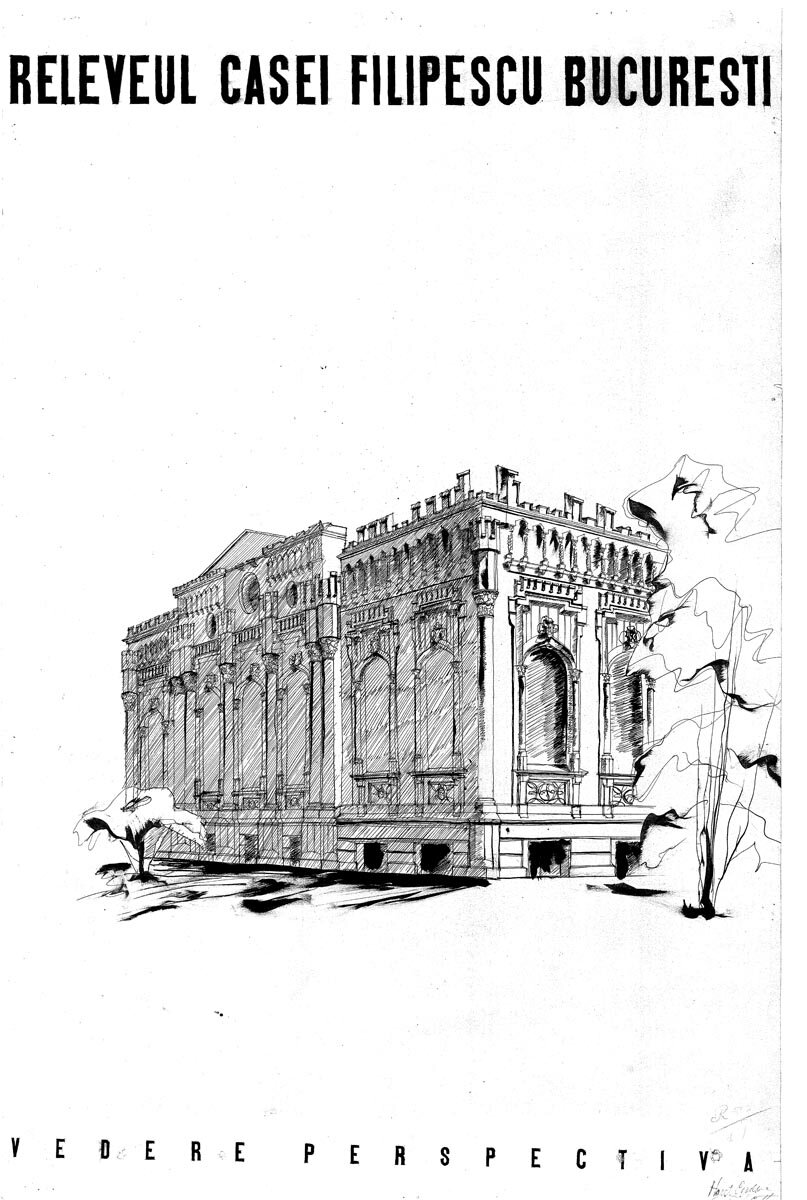
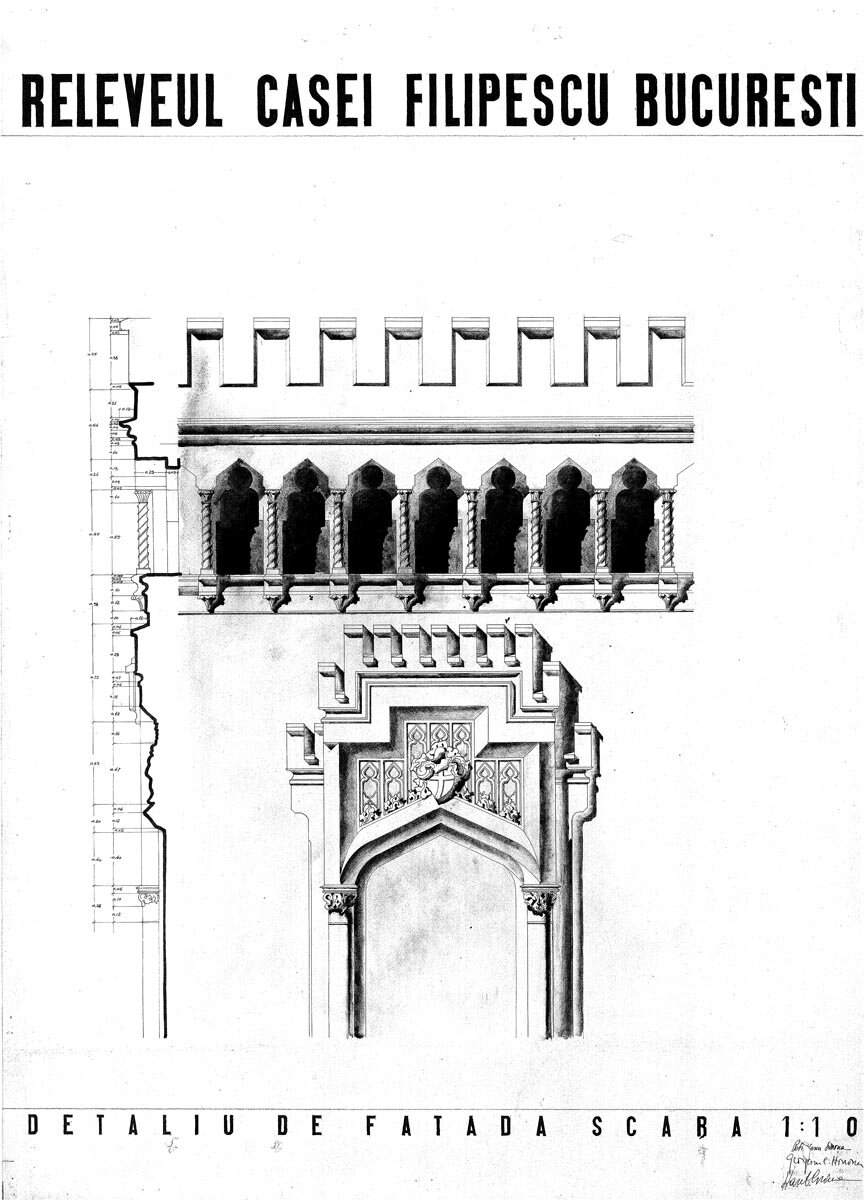
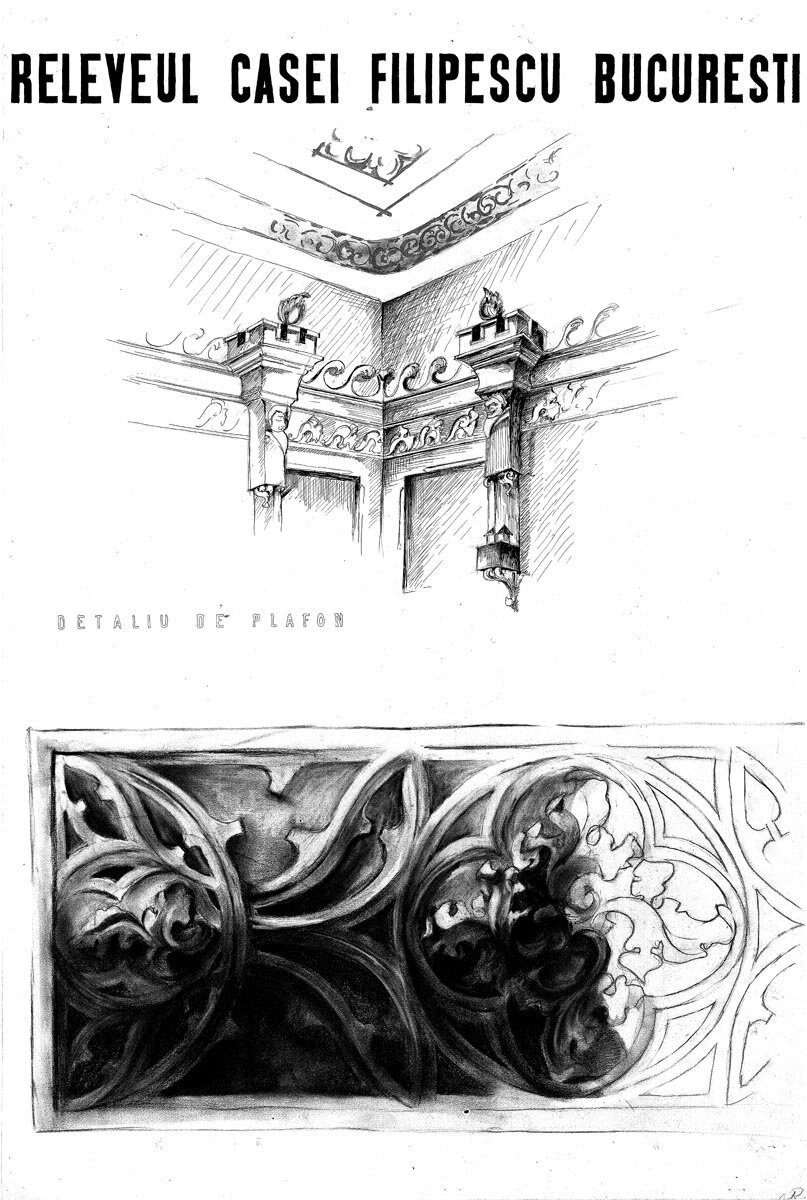

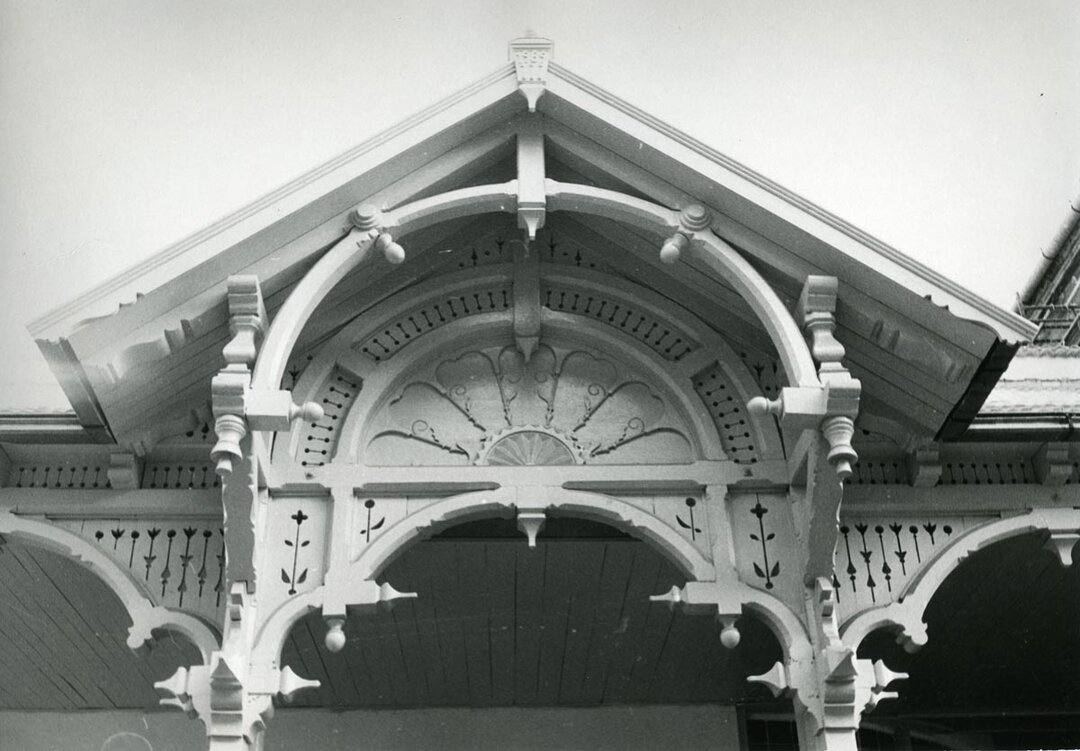
Relief of the Filipescu House: perspective, facade detail, ceiling detail, interior details / © UAUIM Relief Room
In 1882, N. R. Danilescu described the variety of varieties cultivated in the Filipescu Garden, presented at the Agricultural and Industrial Exhibition in Bucharest: "G. C. Filipescu has produced a most impressive collection of fruit both in number and in the choice of varieties. Much has been said about his beautiful garden in Dionisie Street; well, this time the public has had the opportunity to convince itself, from the fruits on display, whether the reputation of this garden is well founded. This is how we like to see all the owners: he is a great landowner, and an excellent cultivator. Let him give intuitive examples, which are more instructive than books; let him be a source of light both in towns and especially in villages for small growers. Mr. Filipescu's collection numbered 40 different varieties of pears, 6 of apples, 4 of grapes, 2 of figs, then raspberries, cantaloupes, and spices, each variety in several specimens. But a landowner with the good will to undertake a systematic cultivation, such as the former marshal of the court, needed a skillful man, a hard-working gardener who understood his intention and knew how to carry it out in the climate and soil of Romania. This skilled man he found in Mr. Vermeulen, who, in order to explain the art of how to obtain the poplars, also sprouted trees in nature"10.
Although the exact shape and plant composition of this garden cannot be known at this stage, there are some specimens of old vegetation which seem to have been part of the 19th century landscape. In this respect, we can mention the several specimens of secular yew, which represented some of the formal elements framing the lawn, as well as several trees whose age has been estimated, on the basis of preliminary dendrometric measurements, to be around 110-130 years. If the observations are verified by landscape archaeology studies and more complex measurements, we would be able to identify in much more detail the history, form and atmosphere of the garden from when it was executed to the present day. Thus, these details, together with the information we have from archival sources, can create a body of information, on the basis of which a landscape restoration project should be imposed to recover the image of the entire architectural and landscape ensemble, thus contributing to the protection of a "binomial" of residence and garden, a complex specific and, in a certain sense, traditional for Bucharest.

A classical or in spiritu restoration project can bring back to life a series of public and/or semi-private spaces that characterize the central area of the city: the Ioanid Garden, the Icoanei Garden, the Liebrecht-Filipescu Garden. Last but not least, perhaps the most important argument in support of the protection, conservation, but above all of the architectural-landscape restoration is that of reconfiguring the historical images and the specific atmosphere that have defined the entire neighborhood over time.
Certainly, there are many and varied solutions for the revitalization of such semi-abandoned, unused green spaces, and "people's interest in them and the inventiveness of the proposed solutions will make it possible to implement concrete public policies for their reuse", but until then it is imperative to preserve them as green spaces and restore them landscape-landscape.

NOTES
1 "Major Caesar Librecht d'Albeca, a Belgian by birth, lived there with his wife, née Malaxa, and his son, who became governor of Dahomey, until the dawn of February 11, 1866, when he was arrested and his house was - again - confiscated by the state. Subsequently auctioned, although Liebrecht, who had been released in the meantime, had also taken part, it was sold to the great boyar Gheorghe C. Filipescu (or Philippesco), who was appointed Marshal of the Court (until 1874) that very year, 1866. Disgusted, the former rightful owner and the true founder of the Romanian Post Office fled to Paris, where he died a pauper". "Bucureștiul neogotic (III)", Emanuel Bădescu, "Ziarul financiar", December 12, 2013 http://www.zf.ro/ziarul-de-duminica/bucurestiul-neogotic-iii-de-emanuel-badescu-11762019, accessed 12.12.2016.
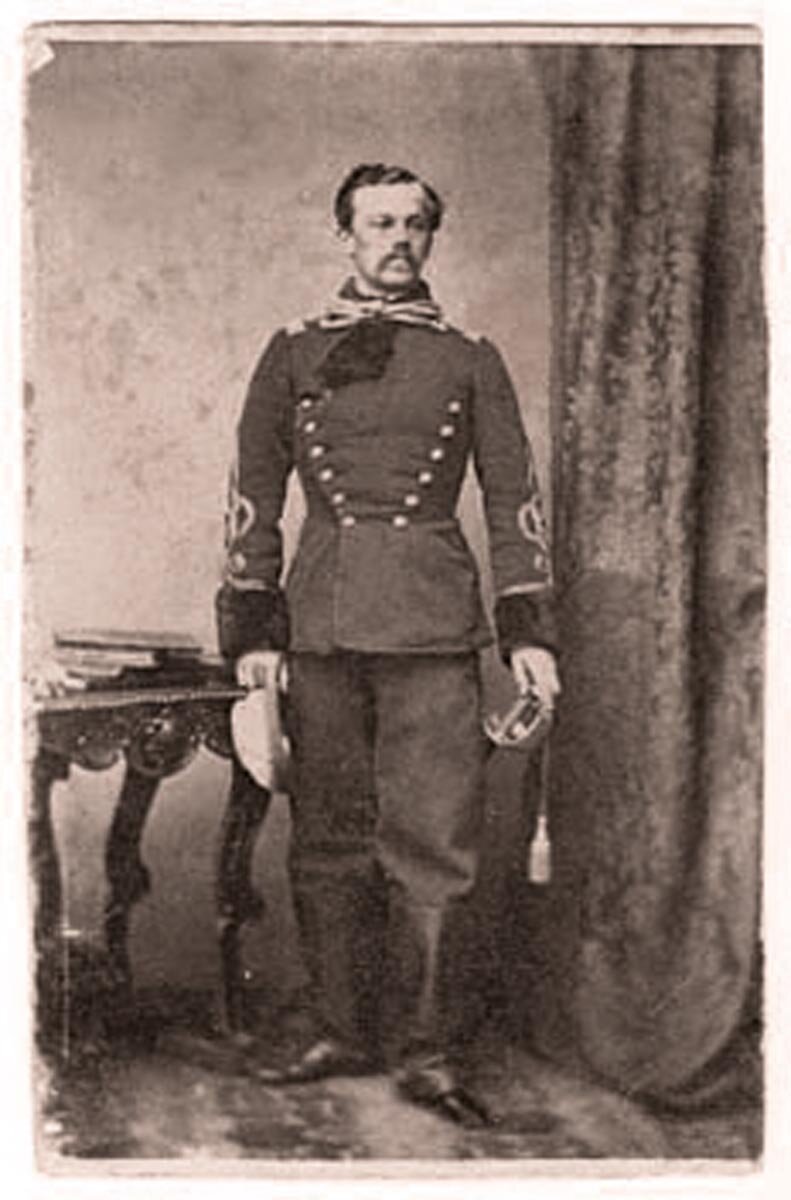
"Gheorghe C. Filipescu was born in Bucharest in 1840. He was educated in Germany and Austria, and then entered the Moldavian army with the rank of second lieutenant, being the aide to Prince Cuza. He resigned from the army in 1863 and settled in Bucharest. He was appointed marshal of the Court of His Serene Highness Prince Carol I in 1866, and held this high dignity until 1874. Then sent as the country's agent to Petersburg, he held this post until 1876, when he resigned following the withdrawal of the Lascăr Catargiu government. He was naturally a friend of Germany and a devotee of King Charles". Dimitrie R. Rosetti, Dicționarul contimporanilor, Editura Lito-Tipografia Populară, Bucharest, 1897, p. 75.
2 v. PUZ Traseu cultural Calea Victoriei, Episcopiei Street, Painter Arthur Verona Street, Icoanei Garden, Prodid, 2005, authors: Șerban Sturdza, Doina Sturdza, Mariana Celac, Iulian Ungureanu, Ioana Rusu, Lucian Corduneanu, Antoniu Baghiu, Francina Palade, http://www.arhiforum.ro/proiecte/puz-pictor-arthur-verona, accessed 12.12.2016.
3 DECOFLORA is currently in Insolvency Proceedings, no. 17608 of September 30, 2016, also a lawsuit is ongoing between the University of Bucharest and DECOFLORA.
4 Open gardens, strategic interventions, http://beta.calup.ro/ro/blog/18/posibilitatea-unei-grădini-urbane, accessed on 12.12.2016.
5 Open gardens, strategic interventions, http://beta.calup.ro/ro/blog/18/posibilitatea-unei-grădini-urbane, accessed on 12.12.2016.
6 Defirea regimului tehnic al construcțiilor supuse autorizării în zonele protejate și în zonele de protecție ale monumentele istorice în scopul protejării patrimoniului arhitectural și urbanistic al municipiului București, fase a II-a-a/2009, Zona Protejată 34, Pitar Moș, p. 15, v. ANDMB, Fond Tehnic, dossier 2/1870.
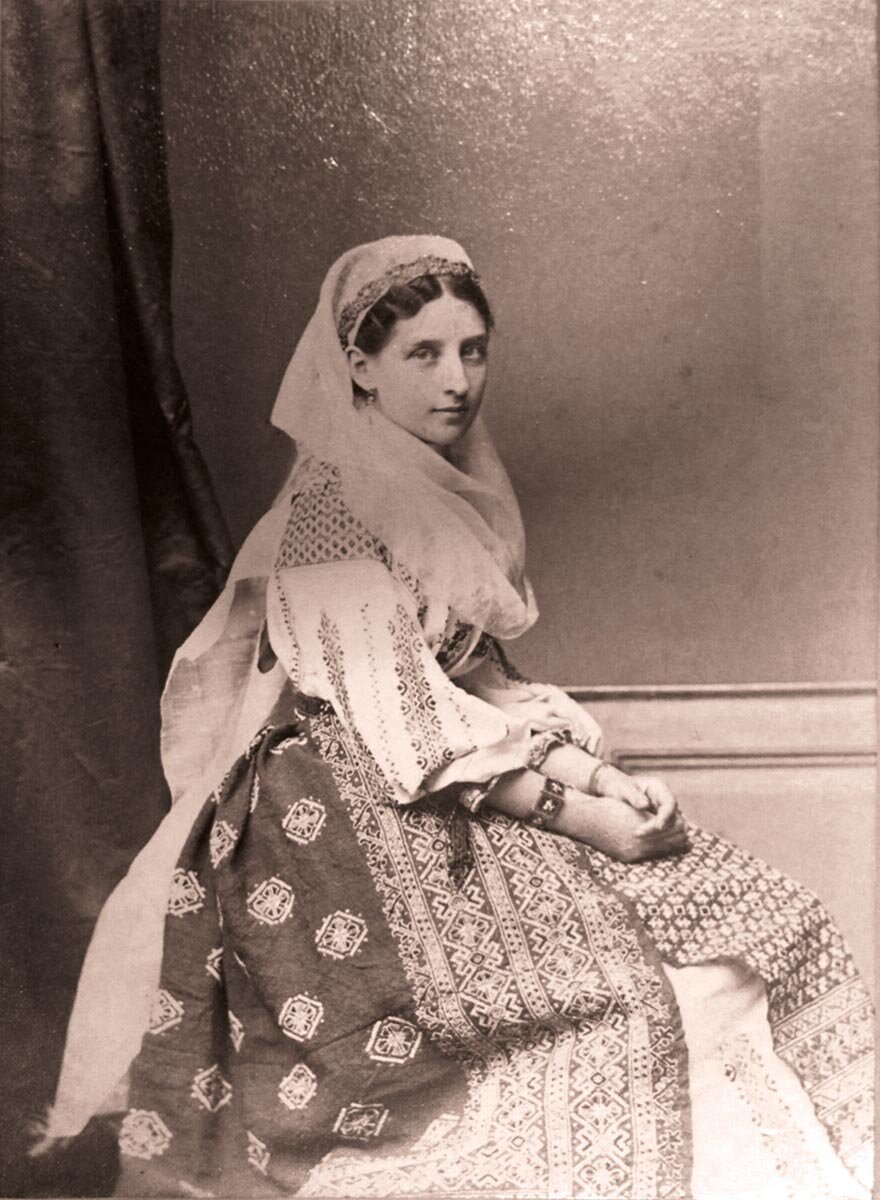
7 Lydia Filipescu, née Hangerli (1864-1943). Blonde, with blue eyes, she was 24 years younger than her husband. She was known for her punctuality, strict etiquette, passion for German culture and music, and flowers. Photographs, correspondence, piano scores dedicated to her, etc. have been preserved in the Saint Georges collection of the National Library of Romania. From her correspondence with Queen Marie's ladies-in-waiting, we learn that she often sent flowers from her garden to the Queen and was often invited to the Palace for tea.
8 The historian Emanuel Bădescu claims that Hofmann realized the garden of the Liebrecht house around 1860, see "Neo-Gothic Bucharest (III)", "Ziarul financiar", accessed 12.12.2016. It is certain that, in 1882, Vermeulen was the gardener of the Filipescu estate, v. N.R. Danilescu, Rural Economy, pp. 54-55, SANIC, Filipescu family fund, file I/55.
9 "Surrounded by enchantment, Armida would not have wished for another enchanted garden. Nature is generous and man tastes it. The bright green bushy trees maintain a pleasant freshness and form a backdrop for this corner of heaven. Flowers, roses, lilies, lilacs, anemones, reseda etc. perfume the air. The staircase leading up to this enchanted garden is reminiscent of the sets at the opera", BNR, Fonds Saint Georges, XLVI.
10 Agricultural and Industrial Exhibition in Bucharest, N.R. Danilescu, Rural Economy, pp. 54-55, SANIC, Filipescu Family Fund, file I /55.