70-300

Moto: "(...) the past is as irreversible as it is fascinating and always, poorly known." Felicia Antip1
In my attempt to draw up a competition regulation (RUR), I found that the institution of the architectural (and urban planning) competition as an intellectual exercise has somewhat lost its importance in shaping the image of today's city. It has lost its importance both because of the lack of interest of the professionals ("caught" by the "building wave" of the last 10-15 years), the lack of funds (sponsors) for the organization and awarding of the competition itself or for its implementation, and the complicated and autistic legislative rules related to the organization of the competition (when the money comes from the public-administrative area).
Reflecting nostalgically on the last 20 years, on the last architecture and urban planning competitions (national and international) organized in Romania, which still animated the life of the profession after 1989 and had a certain impact (see the competition for the Telephones Palace - the area of the former National Theater on Calea Victoriei - or the competition for the Cathedral of the Salvation of the Nation) or urban planning (see the competition for the Victoriei Square or Bucharest 2000 and/or more recently the competition for the University Square), one can only note that they were never (for the last - for the time being!?) put into operation and that the impact on a new image of the city was practically nil. But this reflection on the competitions' track record shows something else.
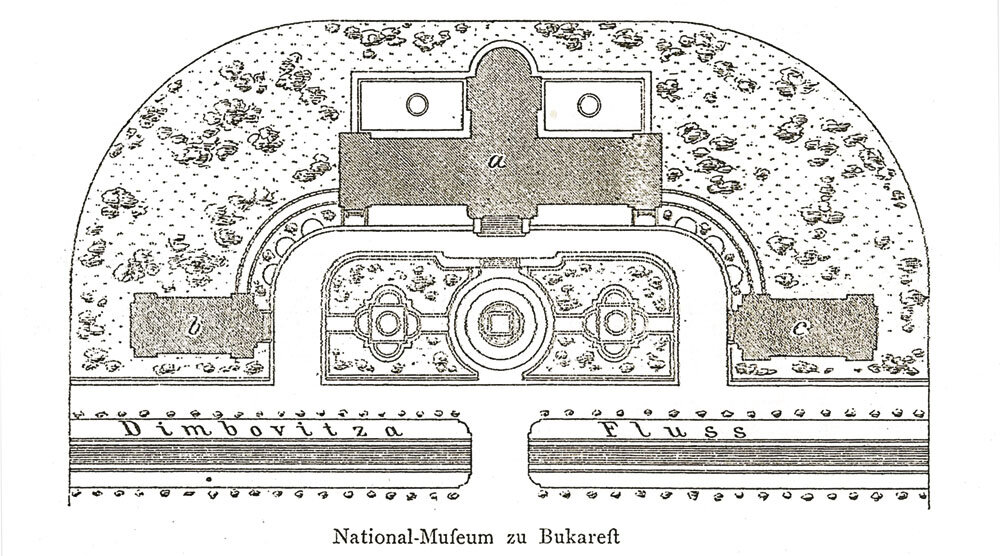
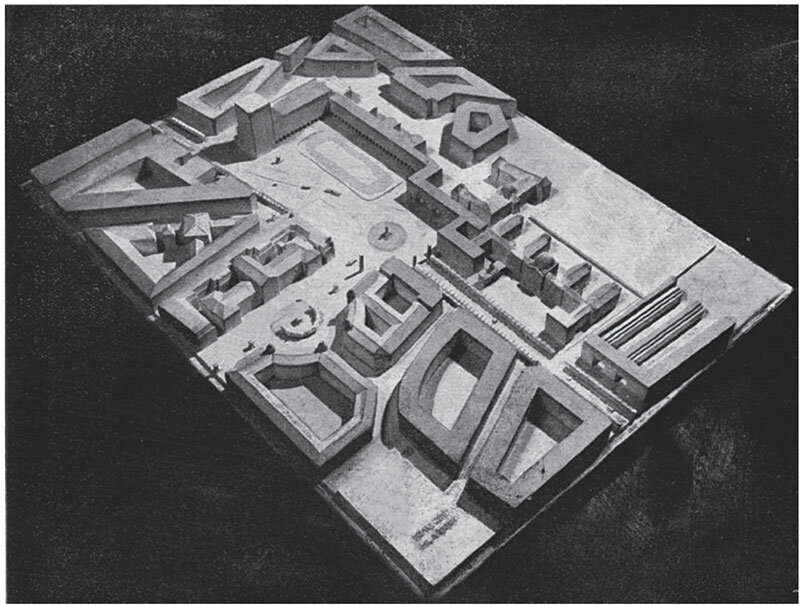
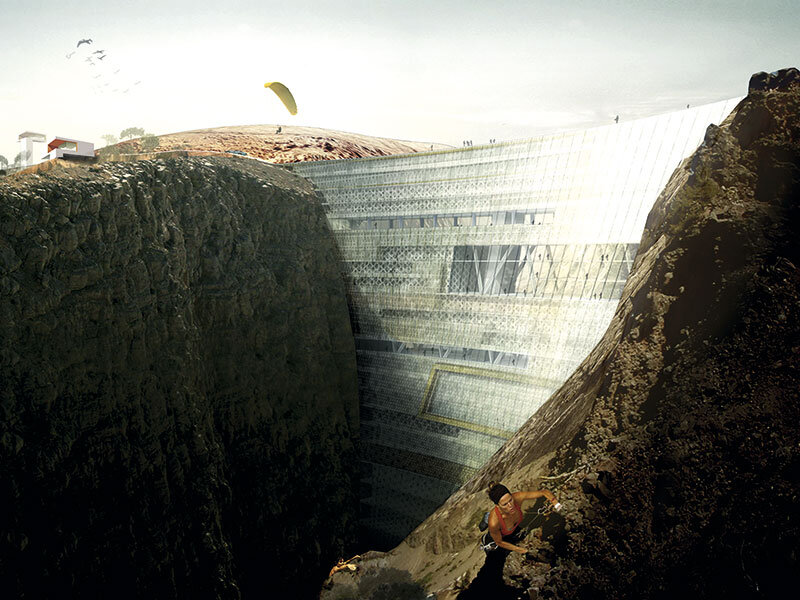
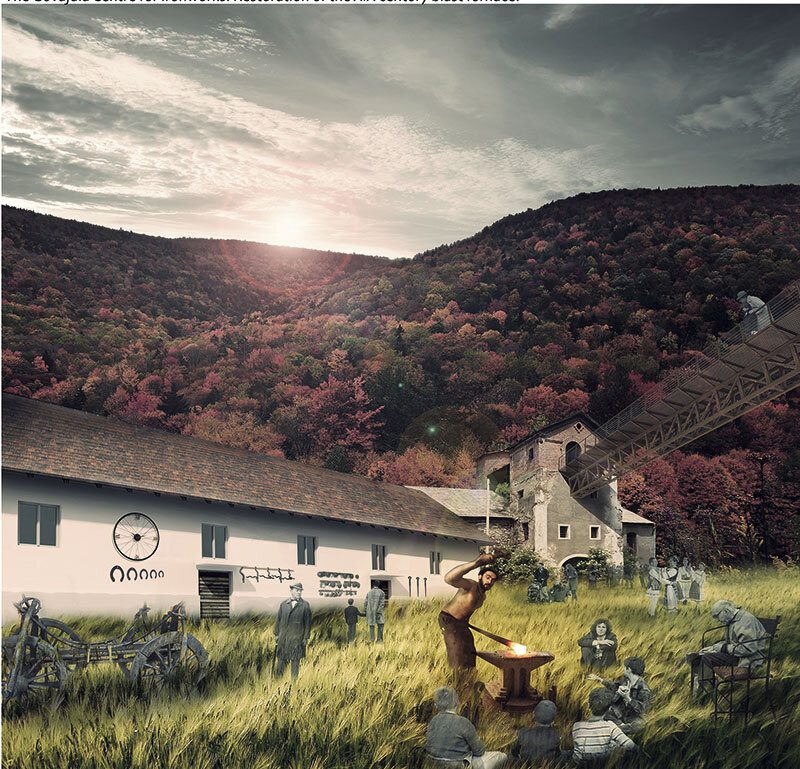
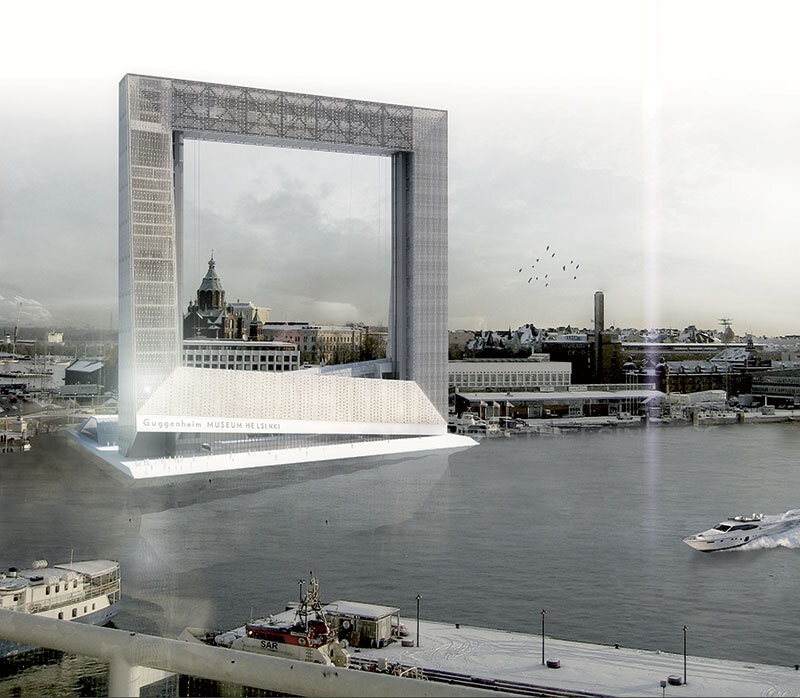
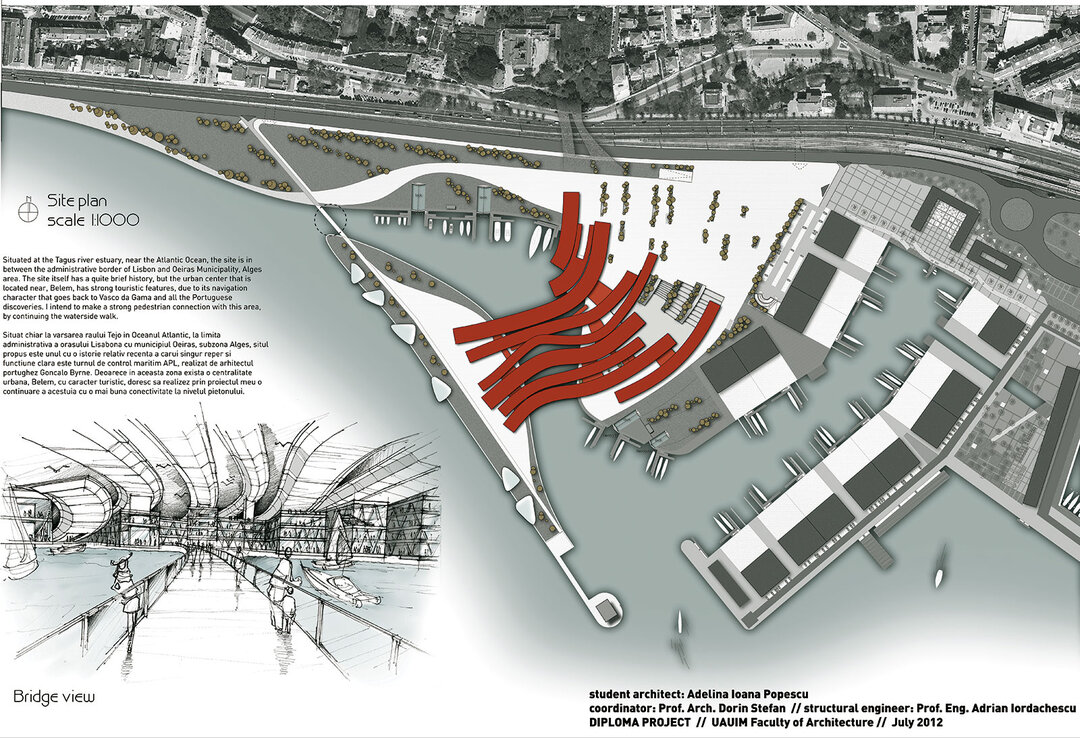
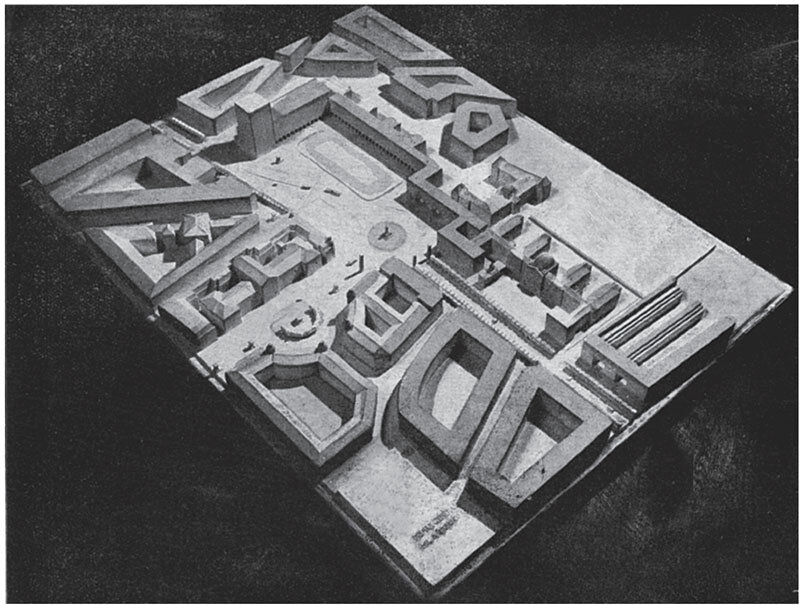
It shows that cities can be not only what was built, but also what could have been with what was not built. What has not been built constitutes a set of essential forms and images of a city and its history, because the projects materialize the dreams that responded then, as now, to a need of the moment in the city.
Amos Oz, in an interview with Jean Daniel in Le Nouvel Observateur2,said : (...) Anything born of a dream can only be disappointing. The only way to preserve a dream is not to live it incarnate. This is true (...) in the writing of a book and in the birth of a country" (...) and, by extension, one could also say in the conformity of a city, which is what happened in most cases with architecture and urban planning competitions in Romania and... only dreams remained...
Experienced architects and urban planners know that the realization of a project is still linked to a good dose of chance.
The natural consequence of such reasoning is: what would (pseudo)ucronic3 Bucharest have looked like if, disregarding the underlying hazard, the projects in the record of the architectural and urban planning competitions, as many as there have been, and other important projects of the era, had been put into operation and realized in Bucharest in the last 100 years?
Even if it is said that the non-implementation of some projects is necessary so that better and more finished projects can be "implemented" (which is not always true), a (pseudo)uchronic interpretation of the image of Bucharest through the prism of projects that were not realized can only be, nostalgically said, interesting both intellectually and aesthetically.
Paraphrasing ucrony, which as we know is an imaginary evocation of historical time, we can say that urban ucrony can define an alternative history that can also be applied to Bucharest.
Read the full text in issue 4/2012 of Arhitectura.
1. ANTIP, Felicia, Hitler sau Adolf, in România literară, no. 36, Sept. 24. 2010.
2. DANIEL, Jean, www jean-daniel.blogs.nouvelobs.com/Le Nouvel Observateur (...)
3. ucronie (n.) - a theory in the philosophy of culture according to which the events and civilizational facts of human history occurred as an inevitable, but not foreseeable, consequence of continuous progress. (<fr. uchronie), www dexonline.co.uk; (pseudo)ucronic in the sense that it refers exclusively to the inserted urban image and not to the consequences of project implementation.