70-300

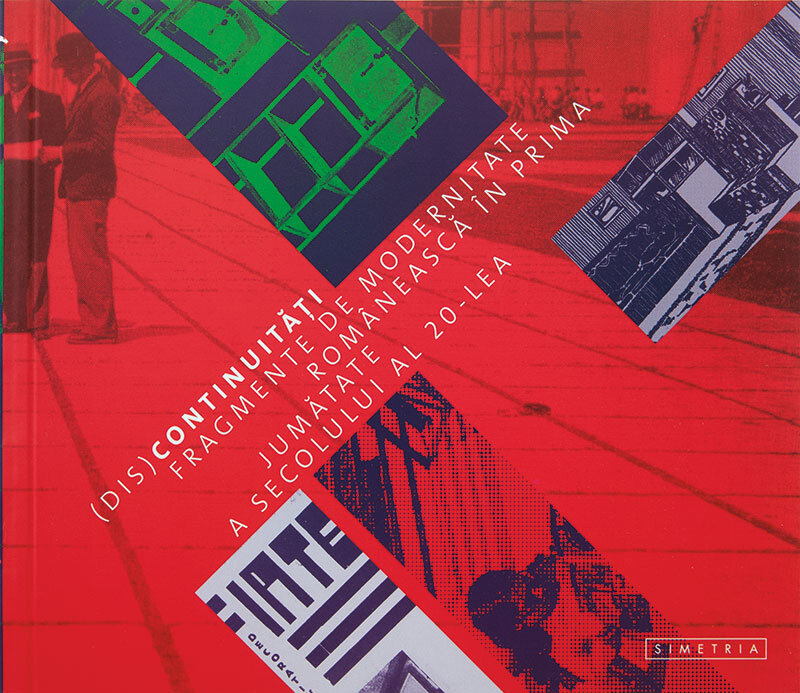
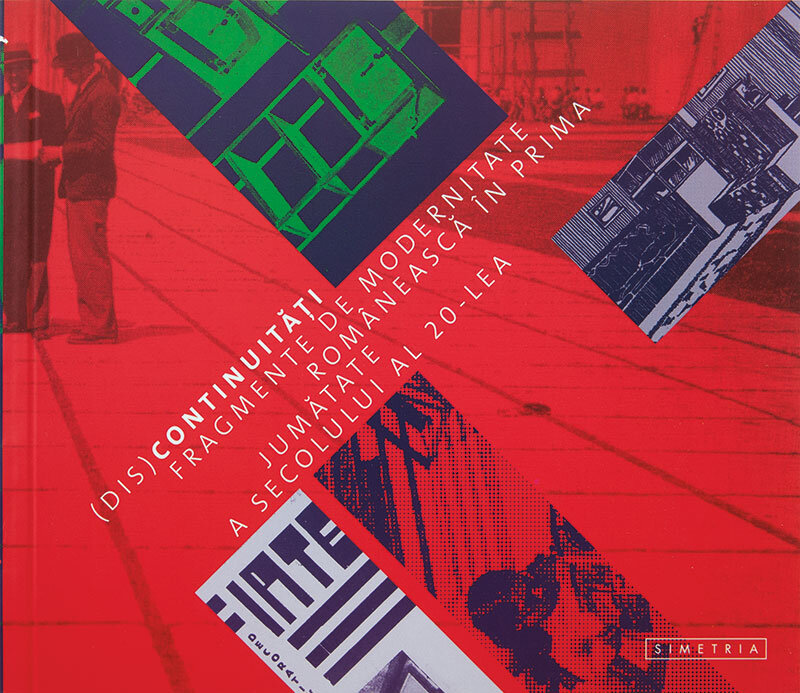
The present volume is doubly indebted to the fragment: the partial vertical and horizontal coverage of its subject - determined by the possibility of covering it as such - has, at its basis, also a pure methodological motivation. We found it impossible to talk about modernity as a key notion other than through the prism of the fragment, which makes it possible to capture the complexity of the concept, attempting to render not only its plurisemantism but also the polyphony of the voices that composed it.
If the logic of the fragment is seen as a specific tool of postmodern instrumentation, it is not foreign to modernity, which it has served in revealing its multiple facets, in highlighting the plurality of discourse. The volume thus places itself, duplicitously, both at the center of modernity and at a distance from it, in the scrutinizing zone of the "post" perspective: it draws its inspiration from the former, using the collage technique - often employed in the three contributions that make up the volume - while borrowing from the latter the idea of the part that suggests, mirrors the whole.
The geographical limitation is the very challenge of this book: how does Romanian modernity manifest itself in the wider context of the time? What are its particularities and what determines them?
Temporal (De)Limitation has sought to blur the boundaries of the usual chronologies, without, however, denying their operational viability. The traditional chronological 'barrieres' of the two world wars have here been blurred in order to bring a certain porosity to the perception of an epoch thus expanded, which encompasses its own premises while at the same time taking a fleeting glance at its consequences. This "fluidization" of temporality is reflected in the way of analyzing the coordinates of the concept of modernity, observed in the dynamics of their becoming.
The three texts that make up the volume meet, without overlapping. Their dialog - also fragmentary - aims to restore the different faces of Romanian visual culture over a period of almost half a century, which sums up its mature years. The intersections between the three texts were deliberate, provoked in order to offer the reader different perspectives on a common subject. Thus, we hope that the idea of modernity regains - at least in part - its complex character. The first text is devoted to the actual space of modernity, including, in addition to an exploration of the architectural object, an incursion into the space understood as urbanity and into housing practices; the second analyzes the related territory of the decorative arts, weighing the dilemmas of their double belonging, participating in the new concerns of architecture and urbanism as well as in the problematics of the plastic arts; the latter constitute the object of predilection of the last text, which analyzes in depth their relationship with modernity from a theoretical perspective. Thus, the three contributions are intended to be complementary not only in their thematics, but also in their approach.