70-300

BUCAREST, LE TROUSSEAU DES SONGES
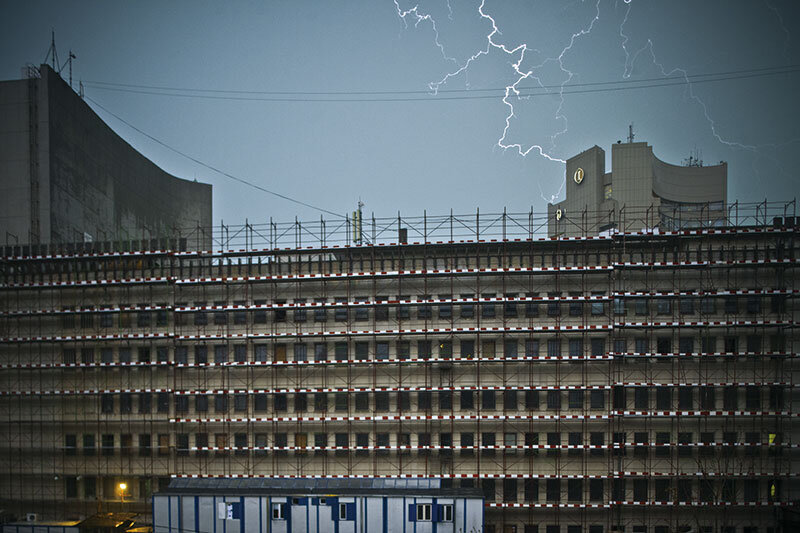
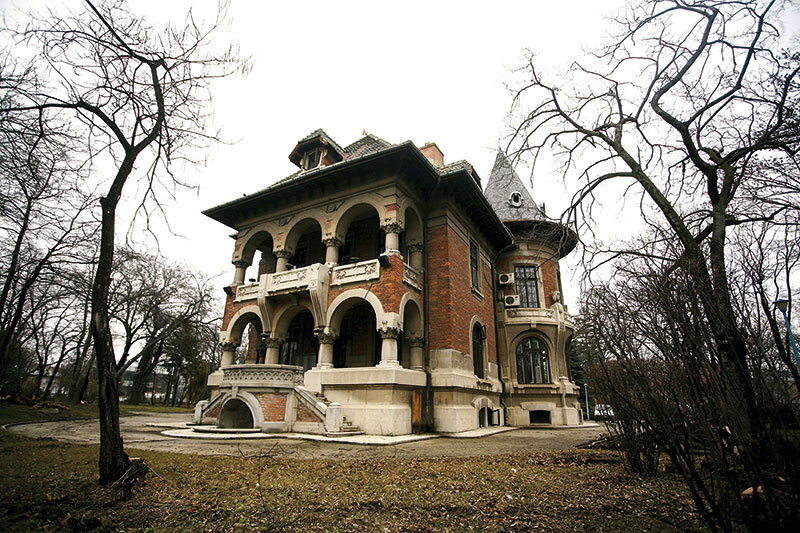
| Perhaps it is precisely because it has no place of its own, because it has sprung up at a crossroads in the middle of the fertile meadows that stretch all around it, that Bucharest seems to have no points of attachment, except perhaps those of passing stories. Stories from other lands, brought by travelers, merchants or warriors who stopped here before moving on. Stories that are made up and then fall apart, that follow one another or overlap, born of reasons that have crossed the city and which it has kept to itself, but which the wind has then blown away, carrying them ever onward to other distances.Too exposed to become a fortified place and too secluded to arouse the appetite, the city was more like a caravanserai where riches and cultures mingled and slowed down for a stay, a jumble of languages, flavors and fragrances that have perpetuated themselves, renewing themselves in the rhythm of departures and arrivals.From these times, the city has inherited the porosity and plasticity of a sponge, able to soak itself to the point of refusal with the liquids absorbed, to retain them in the cavities that make it up, but also to express them, thus letting them see further on their way; it has kept those that stagnate, those that are stopped in their flow by the residues that dry up and settle, caught in the grip of a slow slipping away or suddenly hardened, as if squeezed of life. In this way, the city reminds you of the bottom of the sea at low tide, uncovered by the sometimes calm, sometimes tumultuous slopes of history, on whose traces remain, one by one, fertile layers of sediment, dead wood stranded after long drifting drifts or wrecks, tossed by the waves, now lying forgotten. These differential times that make up the substance of the city are woven like threads in the fabric of a time like that of dreams. A time twisted by an immobile and obscure logic, torn apart by the telescopic escape of flashes that are cunning enough to blind your eyes with the light in which they bathe and sprinting just enough to escape as soon as they appear, leaving on the retina of the spirit only the trace of undifferentiated, uncertain, moving imprints, unable to be fixed and even less discerned. And so Bucharest gives you the feeling of an infinity of possibilities, which, as soon as they seem to fulfill themselves, disappear. *** Bucharest contains within itself the vestiges of many dreams, which pass through without intersecting, so watertight are they. Each piece of the road traveled traces a dream for the passer-by on his way through the city, which can just as easily slip away, carrying him on his way to another dream. But he does not passively endure the city; on the contrary, he can give it different turns according to the road he has chosen or abandoned, the shortcut where he loses his trail, the buildings, parks and eras that are offered to him. The city has the elegance of not submitting to a center. It is itself on the move, in a perpetual search for itself, on the periphery of itself. Its identity is that of having not one identity but several, of being constantly outstripped by what it has run after and is still running after. His ubiquity makes him unreal, as does his heterochronicity. For each of his times is out of step not only with the present, but also with the time in which he was born. *** This feeling is accentuated by the lack of very old buildings. The town burned down in the mid-nineteenth century. All that is left of what it once was is the structure: an aggregation of parish communities clustered around a green field on which the church stood, detached from its surroundings, with only a few narrow side streets as access roads to protect it. Within this lattice-work backdrop, houses surrounded by gardens are built. Depending on the affluence of the neighborhood, the houses are also larger and smaller, and form different groups with the street: sometimes they stand apart, sometimes they parade or simply join in a stroll. Each has its own individuality, each is a dream, itself a composite. Each one hints at a timeless, timeless world outside of time, reminiscent of the story of the beauty of the sleeping forest, infinitely multiplied. Some are enclosed, with gardens overgrown with weeds and fences that hold only a padlock. The ravages of isto-ria have left them orphaned, caught in the tangled web of origin, inheritance and title deeds, which probably give a whole battalion of magistrates and civil servants a hard time. Most are divided among tenants without the means to maintain them. Most of them offer the spectacle of a bygone splendour, shrouded in the veil of old age, torn apart by the uses that are insinuating their sewage pipes everywhere, bearing the stigma of air-conditioning, destroyed by the present inculturation or by the force of the vegetation that is gradually swallowing up every trace of stone. The same goes for the buildings that take the place of houses in some streets. You almost can't resist the temptation to mentally cleanse them of the scaling, so cleverly are they so cleverly put together and assembled. Like old books, only the inside can still be leafed through. The covers no longer arouse interest, nor, for that matter, the common space in which they are found. The streets are left to cars parked haphazardly on the pothole-ridden pavement. The outside belongs to everyone and no one takes care of it - the numerous guards guard only the inside; the whiff of abandonment seeps through all the cracks of what once housed the social kernel of life and which today is nothing but the neglected reverse of the inside. These neighborhoods are very pleasant because of the surprises they have in store. Sometimes the houses are home to a restaurant, a bookstore, a shop or an institution, and sometimes they are even a little bit interlinked. The gardens are numerous, lending the place the air of a country town, with references to the rural roots of this backdrop, once as rich, fine and colorful as the motifs woven into the festive clothes, once as free and surprising as the traditional music which, embroidering on a melodic theme, blossoms and gives it the color of the moment from which it was born. *** Later, another dream came to Bucharest: that of being a capital. So the city tried to put on such airs: public parks, impressive institutional buildings, a few small squares, boulevards, trams, high-rise buildings and galleries made their way, in places breaking up the ancient canvas. There is no transplant here, just substitutions that have given these new places the appearance of fragments of a prefecture or principality. They mark the irruption of a bourgeois and metropolitan super-ego, which, on the other hand, lacked the time needed to contaminate or infiltrate the whole in depth. And yet the dream is still at work, spurred on by the clock which today strikes European time. It is just that it is still held in place, confined to a kind of inner periphery. These fragments are in a state of reversibility. One would have wished them to be a mask for the city, but here they remain at the edge, even as they cross it. Noisy, screeching crossings, embodied and enacted by cars that would be traveling at dizzying speeds if the relative narrowness of the avenues didn't stop them. The way taxi drivers drive is illustrative: torso bent forward, hands clasped on the steering wheel, honking, swearing and cursing through their teeth, these metropolitan guards frighten their passengers, who suddenly find themselves prisoners in their walking boxes. Along with their fellow guildmates, they clear the city's arteries. ... Read the full text in issue 4/2012 of Arhitectura magazine Translation: Georgiana Banu |
| Perhaps because it has no site, perhaps because it was only at a crossroads in the middle of the great fertile plains that surround it, Bucharest appears without hooks, except those of stories in transit. Stories formed elsewhere, brought by travelers, traders or warriors who stopped here before setting off again. Stories that are formed and distorted, one after the other or one on top of the other, for reasons that have passed through it and that it has kept to itself, but that the wind has carried away.Too exposed to become a stronghold and too far back to force appetites, it must have been a caravanserai where riches and cultures mingled and did not linger, a hubbub of words, scents and flavors that perpetuated and renewed itself with the arrivals and departures.It has kept the porosity and plasticity of a sponge, capable of gorging itself with the fluids that soak it, of retaining them through the cavities that make it up, but also of expressing them to return them to their paths, unless they stagnate, unable to drain away, clogged with dross that ends up remaining there, dried up, as if immobilized by a sudden viscosity, or fossilized by a loss of vitality. So much so that the city gives the impression of a foreshore uncovered by the undertow of history, alternately tranquil and tumultuous. Here it has deposited sediments that have accumulated slowly enough to form a fertile substratum, or dead wood stranded after a long drift, or wrecks violently discarded and abandoned. These differential times that form the substance of the city weave a dream-like time. A time stretched by an immobile and obscure logic, torn by the telescoping of flashes of light that are cunning enough for the light that bathes them to dazzle to the point of blinding, vivid enough to escape as soon as they appear, leaving on the retina of the mind only indistinct, uncertain, shifting imprints, impossible to fix and even more impossible to distinguish. So that Bucharest gives the feeling of an infinity of possibilities, vanished as soon as they seem to be realized. *** These are the remnants of several dreams that can be traveled in Bucharest, without intersecting, so impervious are they to each other. Each path through the city gives a frame to the dream of the walker, who can at any moment escape it and drift towards another. He is not subjected to the city. On the contrary, he is free to give it a different twist according to the path he takes or leaves, the crossroads through which he escapes, the buildings, gardens and periods that present themselves to him. The city has the elegance of not submitting to a center. It is itself in movement, in search of itself, on the periphery of itself. Its identity is to have not one, but several, to be constantly overwhelmed by those it has chased and is still chasing. Its ubiquity makes it unreal, as does its heterochrony. For each of its times is itself out of synch with the present, as well as with the period in which it was formed. *** This feeling is accentuated by the absence of very old buildings. The town burned down in the mid-nineteenth century. All that remained of what it had once been was a structure: an aggregate of parish communities clustered around the empty field on which the church stood, detached from its surroundings and accessible by slanted streets designed to protect it. This reticulated canvas, in the background, hosts houses surrounded by gardens. Depending on the neighborhood and its opulence, they are more or less large and blend in differently with the street: sometimes they are set apart from it, sometimes they are parked in it, sometimes they are side by side. Each has its individuality, each is a dream, itself a composite dream. Each gives a glimpse of a timeless world, out of time, and refers to the tale of Sleeping Beauty, multiplied ad infinitum. Some are enclosed, gardens overgrown with weeds, gates held by a simple padlock. The vicissitudes of history have left them orphaned, caught up in the tangled imbroglios of origin, succession and title, which must occupy battalions of lawyers and bureaucrats. Most are divided between occupants not wealthy enough to maintain them. All offer the spectacle of their splendour covered by the veil of dilapidation, scratched by the uses that insinuate themselves to make the drains run, stigmatized by air-conditioners, damaged by the pre-se-nte uncultured or by the force of vegetation capable of taking hold of the stones. What is true of the houses is also true of the buildings that have replaced them in some streets, and it is always tempting to mentally free them from their blight, so learned and learned are they. They are old books, which can only be leafed through from the inside. Their covers are no longer of interest, nor is the common space in which they are found. The streets are abandoned to cars, which park in a mess on the broken pavement. The outside is everyone's and nobody's - the many guards protect only the insides; abandonment creeps in through all the cracks that once sheltered sociality and are now just the neglected underside of the inside. These are very pleasant neighborhoods, so many surprises in store. Sometimes the houses house a restaurant, a bookstore, a shop, an institution. The gardens are numerous, and give an urban country look that harks back to the rural roots of this backdrop, once as rich, fine, colorful as the patterns of festive clothes, once as free and surprising as the traditional music capable of drifting on a melodic theme to enrich and tint it with the moment that plays it. *** Another dream later seized Bucharest: that of being a capital. The city then tried to give itself the appearance of a capital: public parks, emphatic institutional buildings, a few squares, avenues, trams, multi-storey buildings and galleries were created to tear up the ancient fabric in places. No grafting, but a substitution that has given these new places the airs of pieces of prefecture or principality. They mark the irruption of a bourgeois and metropolitan superego that has not had time to contaminate or deeply infiltrate the whole. The dream, however, still functions, revived by the European hour. But it remains impeded, finding itself thus confined to this sort of inner periphery. The situation of these pieces is indeed reversible. They wanted to mask the city; they remained on the edge of it, even as they crossed it. Noisy, clattering crossings, materialized by the cars, which would travel at an unreasonable speed if the relative narrowness of the avenues did not hold them back. The conduct of taxi drivers illustrates the point: bust forward, hands clenched on the steering wheel, honking, beeping and vituperating, these metropolitan guardians give their passengers, prisoners in their itinerant lodges, a hard time. They and their ilk purge the city's pipes. ... Read the full text in issue 4/2012 of Arhitectura magazine Translation: Georgiana Banu |