70-300

Alexandru Alley
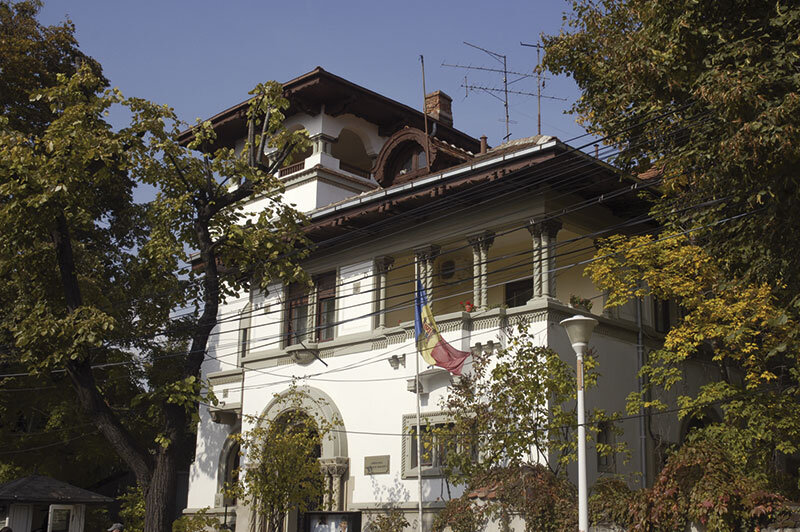
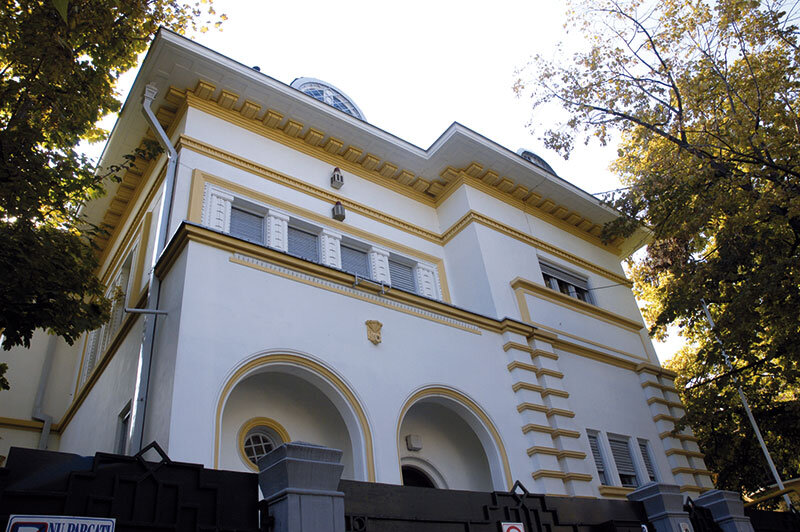
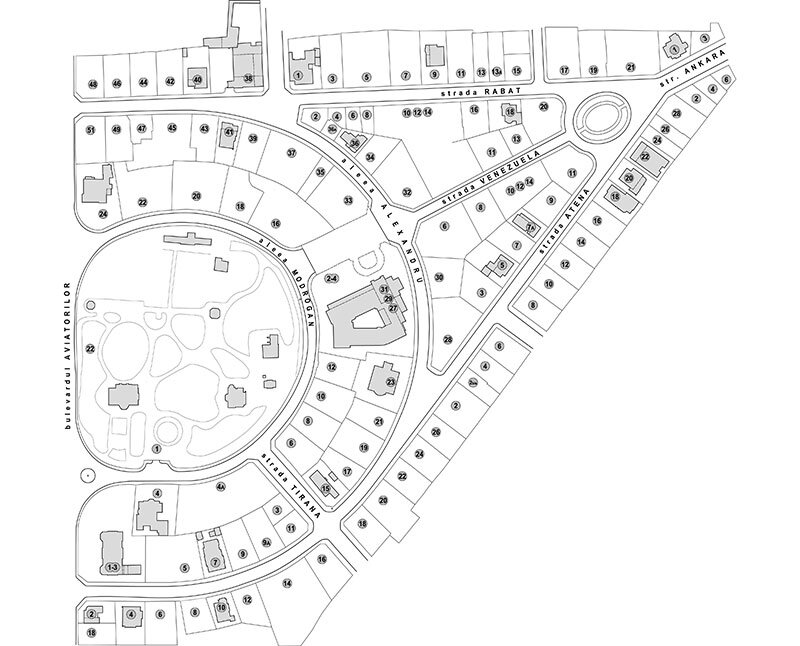
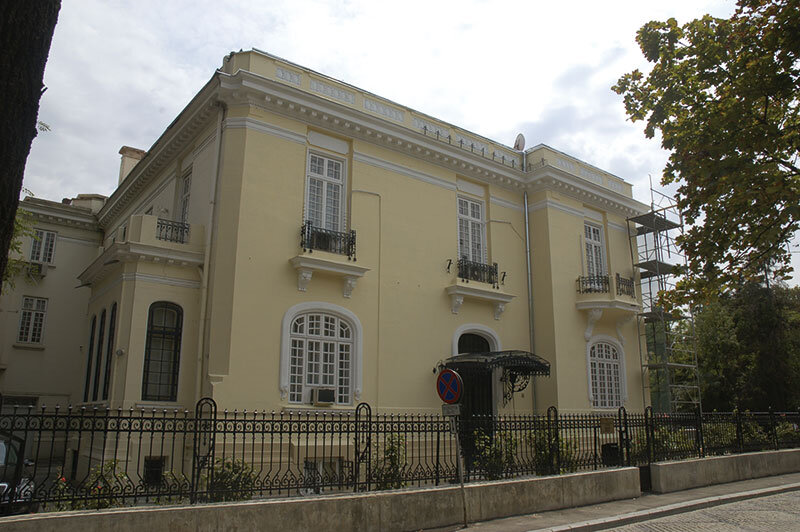
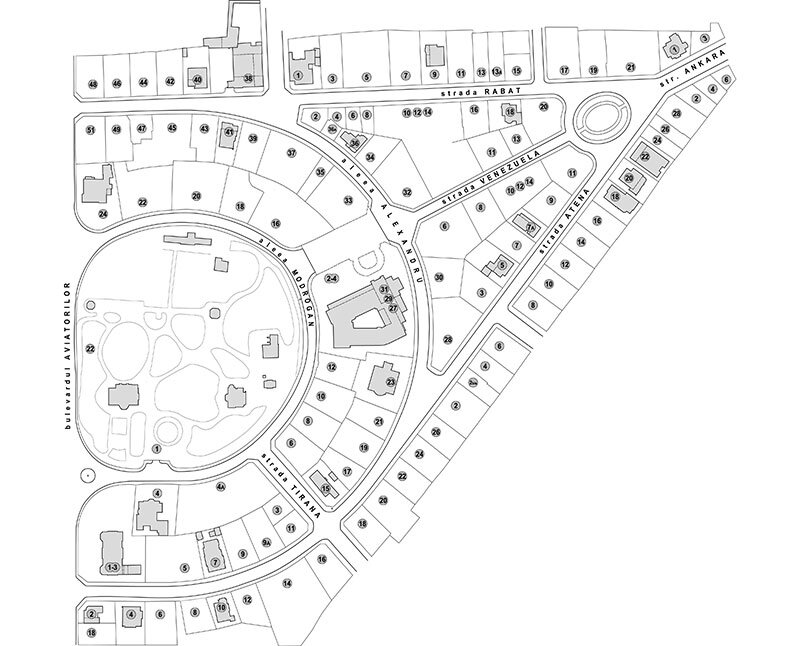
Nr. 1-3. It was built by the son of General Gheorghe Manu and modeled after the Biron Hotel in Paris. The overall concept, the proposed architecture and the high quality finishes have led to the residence of various personalities over the years.
No. 2. The Popovici family residence was designed by architect Mircea Cherembach.
No. 7. The house belonged to Haralamb Fundățianu, who called on the services of architect Paul Smărăndescu for the project.
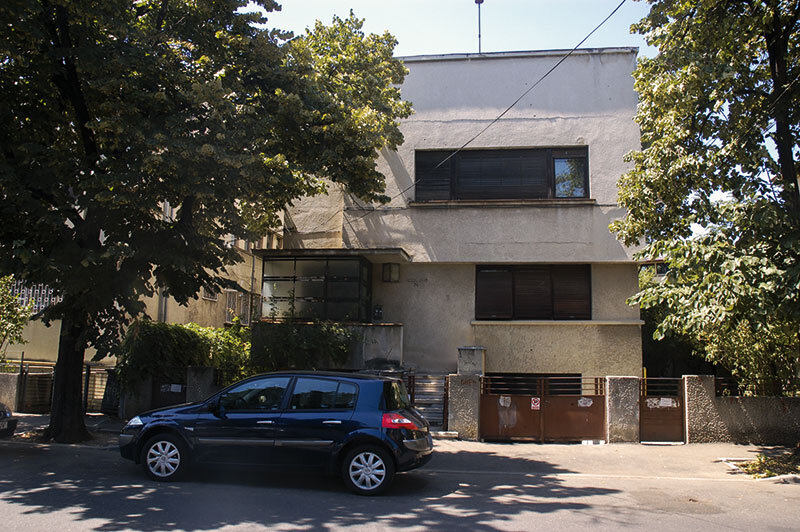
No. 12. The house realized according to the plans of architect Horia Creangă, in 1932, belonged to engineer A. Bunescu.
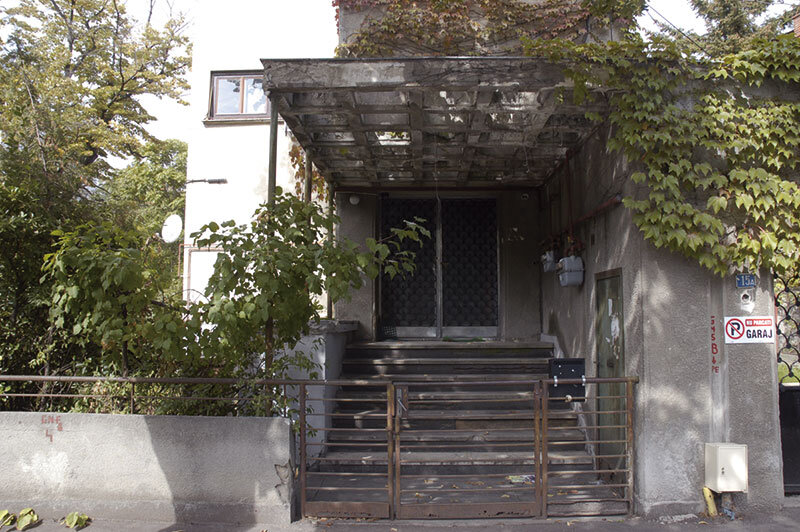
No. 15. Very close to engineer Bunescu's house, Horia Creangă also designed Elisabeta Cantacuzino's house. The building permit issued by the City Hall of the Galben Sector I was issued in April 1934.
No. 27-31. The building was built in 1945 for the headquarters of the C.C.C. of the P.C.R., and now houses the Ministry of Foreign Affairs. The plans were realized by the architects Dorian Hardt, Harry Stern, Ignace Șerban. The importance of the project required the merging of several plots, as well as changes to the prospectus of Venezuela Street. In addition, the street (the section between Allee Modrogan and Allee Alexandru) is currently closed. The disruption of public traffic is causing major problems for the coherence of the ensemble.
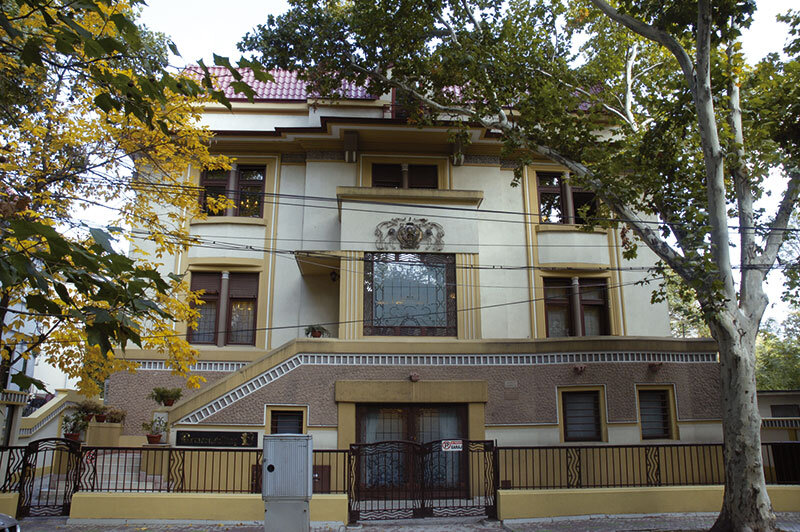
No. 36. It was designed by the architect Gheorghe Simotta and executed by the Belli brothers' contractor. Gheorghe Simotta is the one who will design several houses in the Filipescu subdivision, being the architect with the most interventions (7 houses).
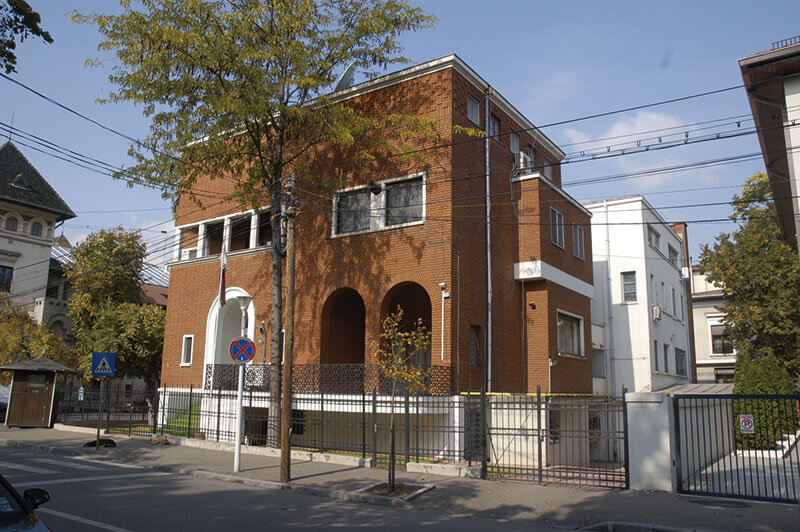
No. 40. The house designed by I&T Niga is now the seat of the Embassy of the Republic of Moldova.
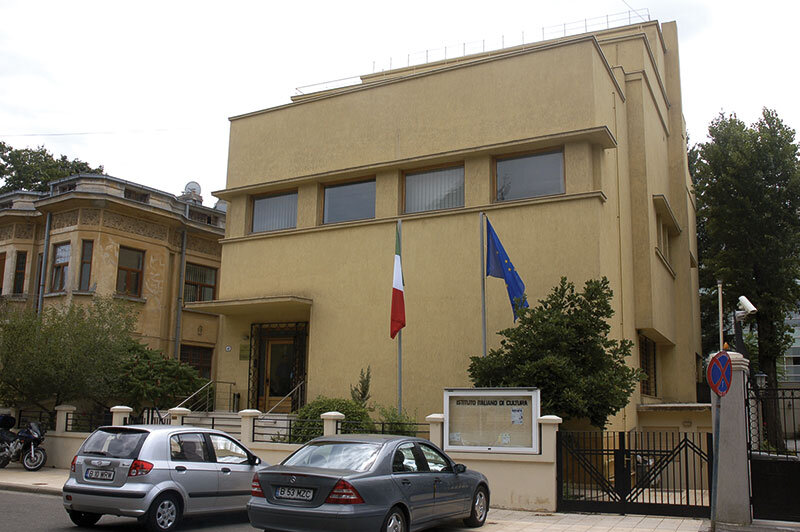
No. 41. The headquarters of the Italian Institute of Culture was originally the house of Evy Lempart, who called upon the services of Alexandru Zachary. The specialized bibliography attributes the house to Tiberiu Niga.
Ankara Street
No. 1. The house was designed by the architect Gheorghe Simotta and the construction contractor was the engineer Corneanu.
Atena Street
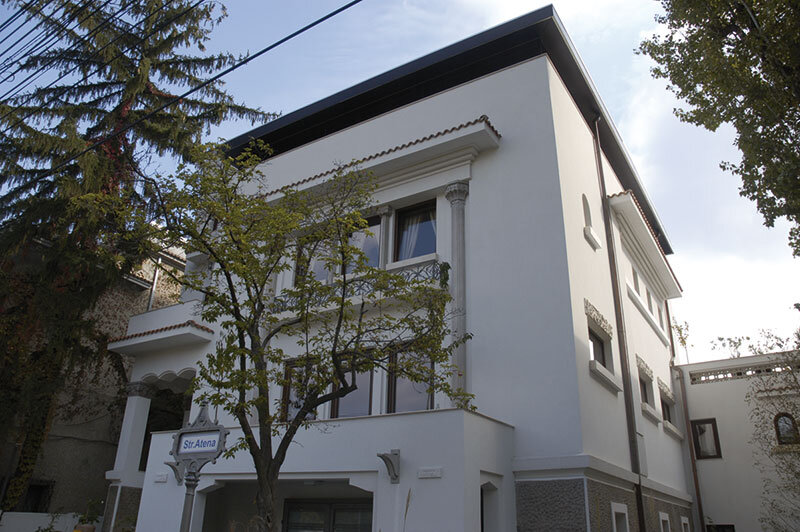
No. 5. The house built in 1933 belonged to Dr. Ion Edeleanu and was designed by architect E. Wenzel and engineer Emil Prager.
No. 7A. In 1933, E. and F. Moldovanu asked for permission to build a house. The submitted plans are signed by architect Ion Boceanu.
No. 18. The house was realized by Gheorghe Simotta and the contractor was the engineer Leon Löweton. The two had a constant collaboration.
No. 22. The building completes the series of three houses on Atena Street designed by the architect Gheorghe Simotta. The building management belonged to the owner. The bombing in 1944 caused damage to the house, which was later modified.
Modrogan Alley
No. 24 (Bdul Aviatorilor, no. 24). General Florescu's house was designed by the architect Dimitrie Hârjeu. It now houses the Embassy of the Republic of Ukraine.
No. 1 (Bdul Aviatorilor, no. 22). The house was built on the initiative of Alexandru I. Filipescu after the plans of architect Roger Bolomey. In the enclosure of the property can still be seen, in a state of ruin, the greenhouses of the garden, realized in 1912. They are located in the northern part of the property.
No. 4. It was designed by Gheorghe Simotta. The contractor was the engineer Ioanovici. The Embassy of the United Arab Emirates is currently based here.
Rabat Street
No. 1. With its proposed architecture, building materials and details, the residence of the engineer Constantin Bușilă represents a unique realization in the architectural landscape of the Filipescu subdivision.
No. 9. The house was designed by Gheorghe Simotta and built by the Belli brothers' contractor.
No. 18. The architect of the house is Jean Monda and the engineer Emil Prager.