Seaside. A published chronology

Engaging socio-political connotations, commenting on the one-to-many relationship in the age of consumerism, as well as documenting everyday life and the natural or urban landscape, artistic archives are today establishing a new type of (active, engaged) gaze and opening up lines of flight in the field of photography. From a historical perspective, the first projects appeared in the late 19th and early 20th centuries, as part of large-scale government initiatives such as that of the French Commission of Historical Monuments to record the state of the national architectural heritage on the basis of an archive created by photographers(Mission Héliographique, 1851) or that of the Roosevelt regime to document the lives of American farmers in the Depression through the Farm Security Administration program (1935-1943). Paradoxically, these complex, socially-sensitive programs have been more likely to retain their collaborative artistic components in history, with the name Farm Security Administration now synonymous with the group of photographers involved(Walker Evans, Dorothea Lange, etc.) The early 20th century also brought a few independent archival initiatives, such as Aby Warburg's famous Mnemosyne Atlas (1924-1929) or Duchamp's suitcase of miniatures and reproductions of his own works left behind in occupied France(Boîte-en-valise, 1935-1941). However, art archives really invaded the international cultural scene in the second half of the 20th century. It was mainly photography (Berndt and Hilla Becher with The New Topographics, the DATAR mission), but also installations (Claes Oldenburg with his waste weapons, Ray Guns, exhibited at documenta 5, and soft sculptures of consumer objects) or interstitial zones such as that between photography, collage and painting (Gerhard Richter's Atlas).
In this context, the particularities of the archive as an artistic field of multiplicity need to be debated on the basis of a series of dissociations between: individual and collaborative archives, archives based on found artifacts and archives created ex nihilo, photographic archives and "recalcitrantly material" (Hal Foster, 2004) collections of objects or shrines. Among the questions pursued are: What does the archive entail as form or medium? What kind of gaze doesit engage? How does an artistic archive acquire educational, anthropological or historical stakes? What is the much-touted transformation of "documents into monuments" (Michel Foucault, 1999)?
Archive theory and important curatorial discourses (Okwui Enwezor, Archive Fever, 2008) are usually based on how Foucault and Derrida extended the concept of the archive from the topos of an accumulation of documents to an active and regulating discursive system, a mode of expression and interpretation of the world belonging to a center of force, a will to power. Thus, based on the double connotation of the ancient Greek term arkhē, of beginning, principle, but also mode of government, it can be deduced that any archive establishes and legitimizes a certain order, a sense of reading.
Paradoxically, however, although they emerged as the memory of the state, as an expression and legitimization of the few but powerful, charged simultaneously with the rule of the city, the writing of history and the guarding of documents(archons), once they came into the possession of artists, archives became a subversive instrument. Many contemporary archival projects thus aim to generate possible scenarios, alternative narratives capable of undermining history and official memory. Such a hijacking is carried out by Lia Perjovschi's Contemporary Art Archive, Centre for Art Analysis, an ongoing project initiated during the Ceausescu regime's period of closure and acute lack of information, with the aim of subjectively re-constructing art history, beyond censored manuals, institutional landmarks, artistic genres and species, or History Archive/ Arhiva de Istoria Art, in which the subREAL group re-contextualizes the image collection of the ARTA Magazine, the official publication of the Union of Visual Artists (1953-1990).
As far as the Romanian scene is concerned, even if there were some anticipations produced in the 1970s-1980s by the neo-avant-garde's play with the principle of multiplicity (Paul Neagu's tactile boxes, object books, Bitzan's biliotecile) or mail art practices, the "archive fever" only really took hold in the post-communist period. Emerging in direct connection with the desire to rewrite the memory of the communist period and the double identity trauma "linked to the destabilizing coexistence between a shameful past and an uncertain future, respectively the constraints of a necessary reinvention of the self in the context of transition" (Cristian Nae, 2015), the archives realized after 1989 engaged either the construction of subjective art histories made up of books photographs and materials that were so lacking at the end of the Ceausescu regime (Lia Perjovschi), or commentaries on the relationship between photography, monument and representation in the communist period (subReal, the photo archive of the Arta Magazine), or fictional histories developed from real characters or events recorded in the archive of the Arad Art Museum (kinema ikon).
The 2000s saw a proliferation of archives, with the development of critical thinking and interest in socio-political issues. The most eloquent examples of the logic of the archive remain the collections of photographs and the constellations of projects that spring from them. Whether these are artist projects (Iosif Kiraly, Matei Băjenaru), collaborative, interdisciplinary archives created ex nihilo to map recent history (RoArchive, DPlatform), or initiatives to appropriate and reactivate existing image collections (Mihai Oroveanu collection in Bucharest, CNSAS archive, the Minerva archive of the Cluj newspapers Igazság and Făclia), we recognize the same subversive archival impulse, the intention to undermine the official memory, controlled by politics, amplified by the press, the criticism of the production, circulation and association of image shards in the fake news era. The discourse on photography's ability to mirror facts and truth in the age of post prefixes (post-photography, post-cinema, post-truth) meets a paradoxical return to the object and authenticity (see the photo installations of Lucian Bran or Andrei Mateescu, the heliographs of Răzvan Anton, the reassembly of old photographs in panels by Mircea Nicolae), as well as the need to reconstruct non-linear histories populated by characters who do not shy away from returning to the public that new type of active, engaged gaze(the gaze) that makes contemplation impossible (see the problematic portraits of Ana Pauker and Elena Ceausescu used by Mircea Nicolae for the exhibition The Absent Museum, at the Salon de Projecte). We are witnessing the configuration of a field of artistic and theoretical research that contributes significantly to the deconstruction of the notions of time, inhabitation, memory, authenticity, aura, truth, historical fact, discourse.
***
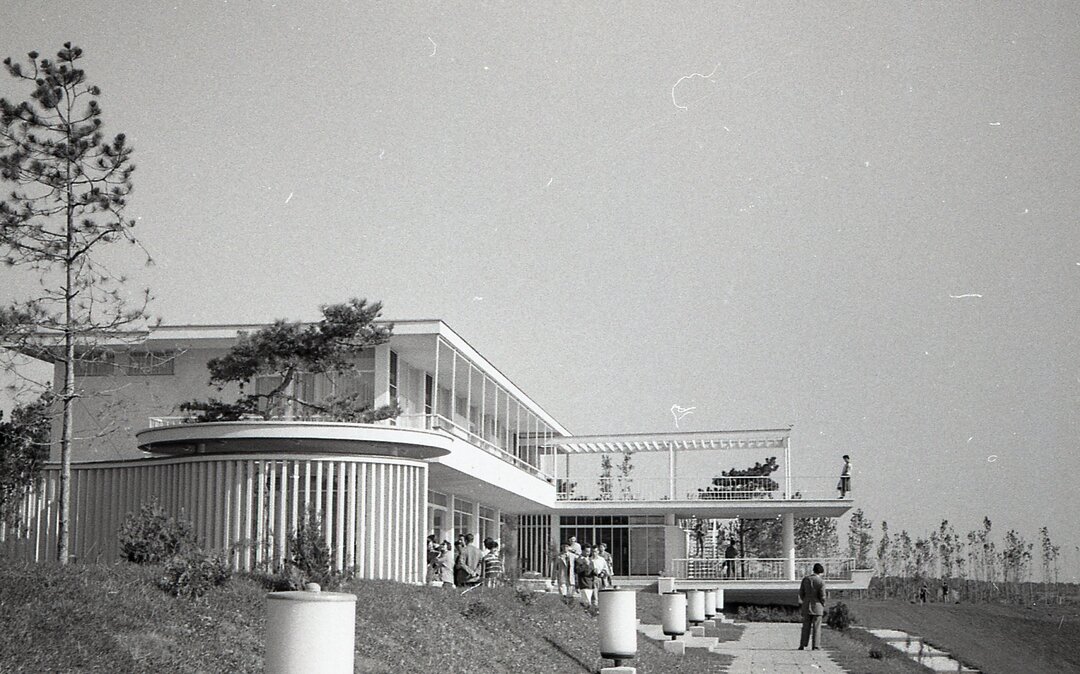
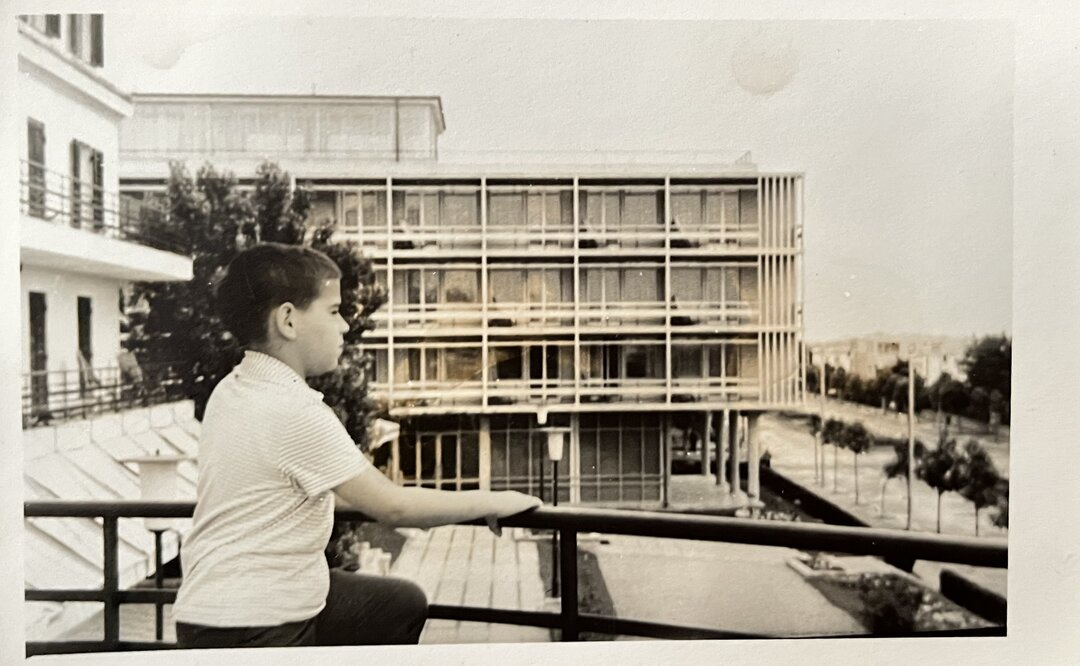
On the same trajectory of redefining artistic practice as a collaborative research process is the project Arhivele Litoralului, started in Eforie Sud in 2022 and subsequently extended to cities such as 2 Mai and Constanța. The objectives entailed both the investigation of documents and photographs of historical value from the Romanian littoral space, as well as a series of symposia and meetings with active members of the visual arts scene and the academic world. To this end, the project team brought together theorists and artists, professors of visual arts and aesthetics from the National University of Arts in Bucharest (Raluca Oancea, Raluca Paraschiv, Iosif Kiraly, Alexandra Croitoru), the "George Enescu" University of Arts in Iasi (Matei Bejenaru, Cristian Nae, Cătălin Gheorghe, Cristina Moraru), University of Arts and Design in Cluj (Răzvan Anton), specialists in archiving photography and sound recordings from the Romanian Peasant Museum (Iris Șerban, Iuliana Dumitru), anthropologists specialized in the digitalization of archives and community practices (Cristina Irian), specialists in the field of art, heritage, ecology with international experience such as Kopacz Kund, lecturer at the Catholic University "Eszterházy Károly" (UCEK), Călina Bârzu researcher at Nederlands Fotomuseum, Rotterdam, Irina Botea-Bucan, PhD Goldsmith College of Arts and professor at The School of the Art Institute, Chicago.
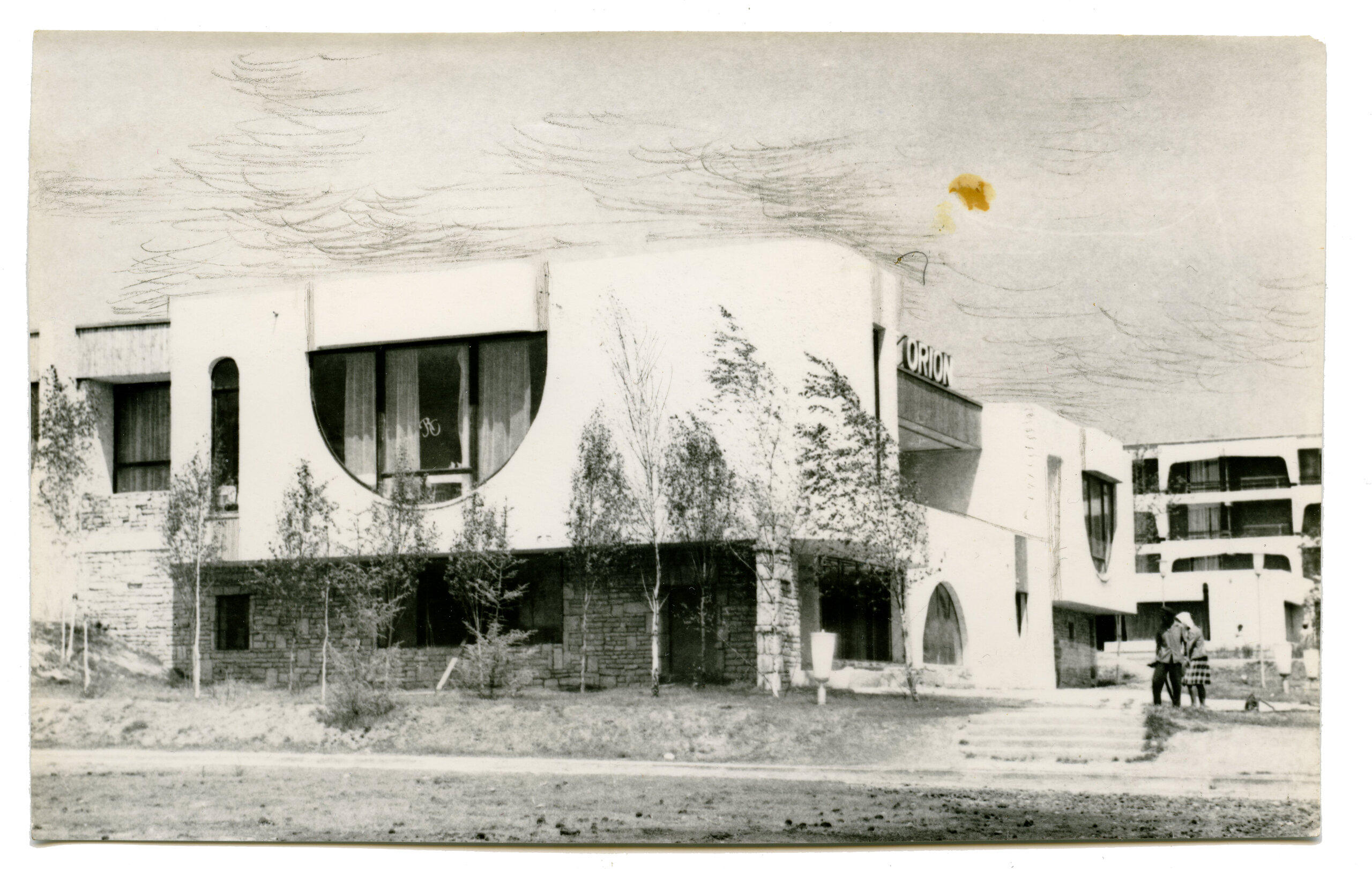
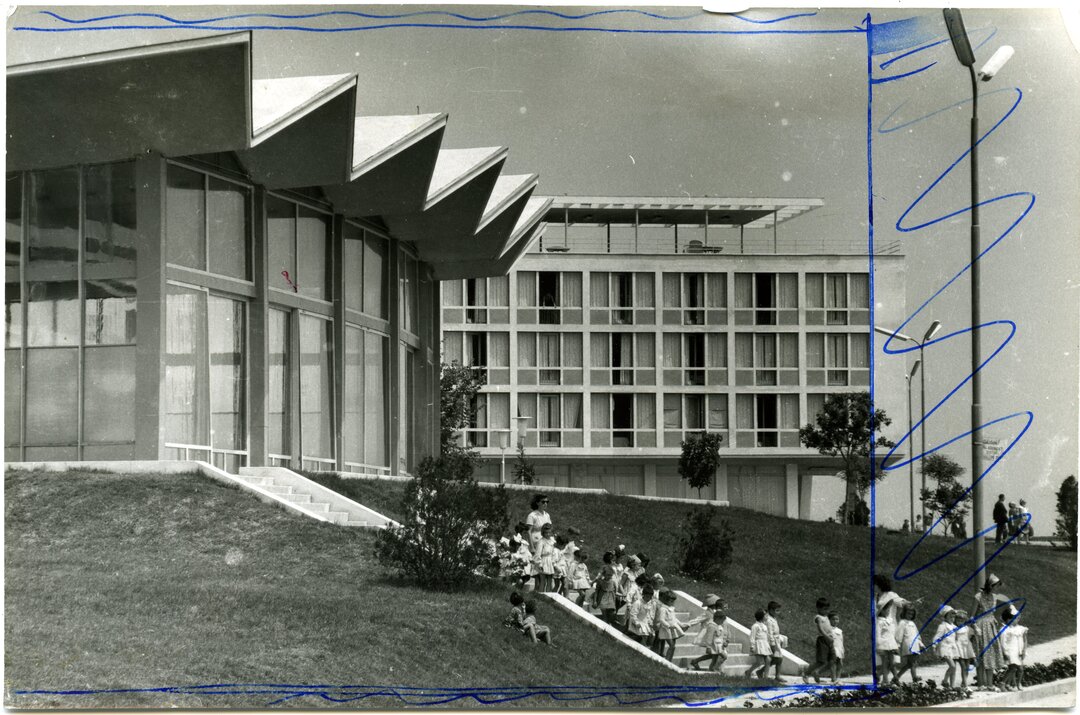
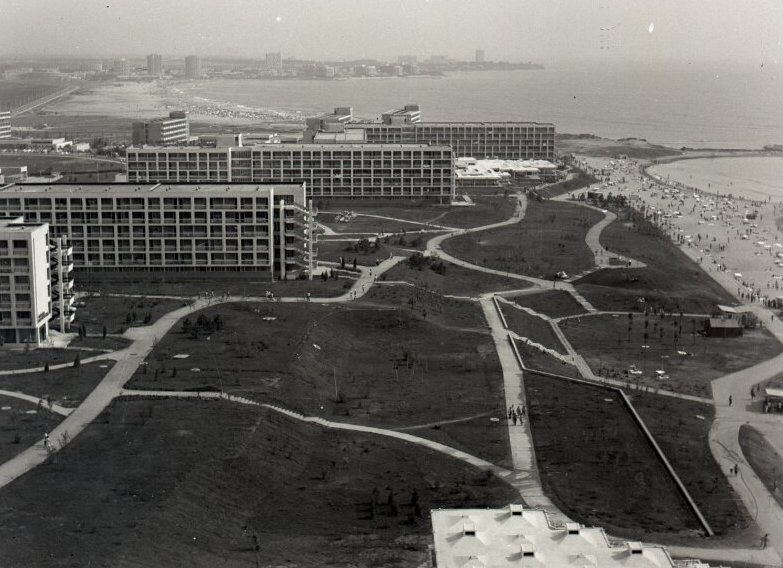
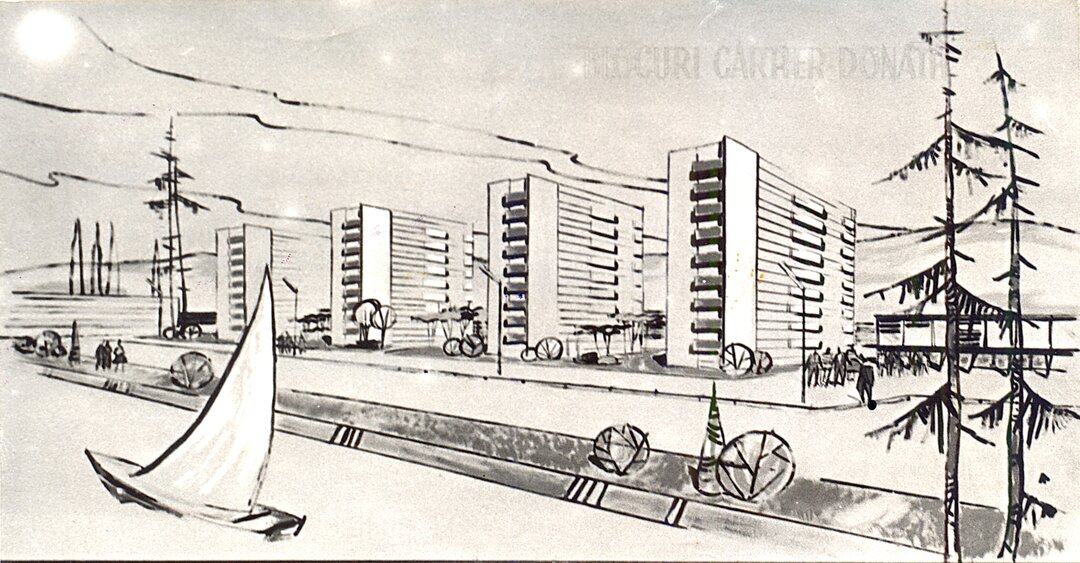
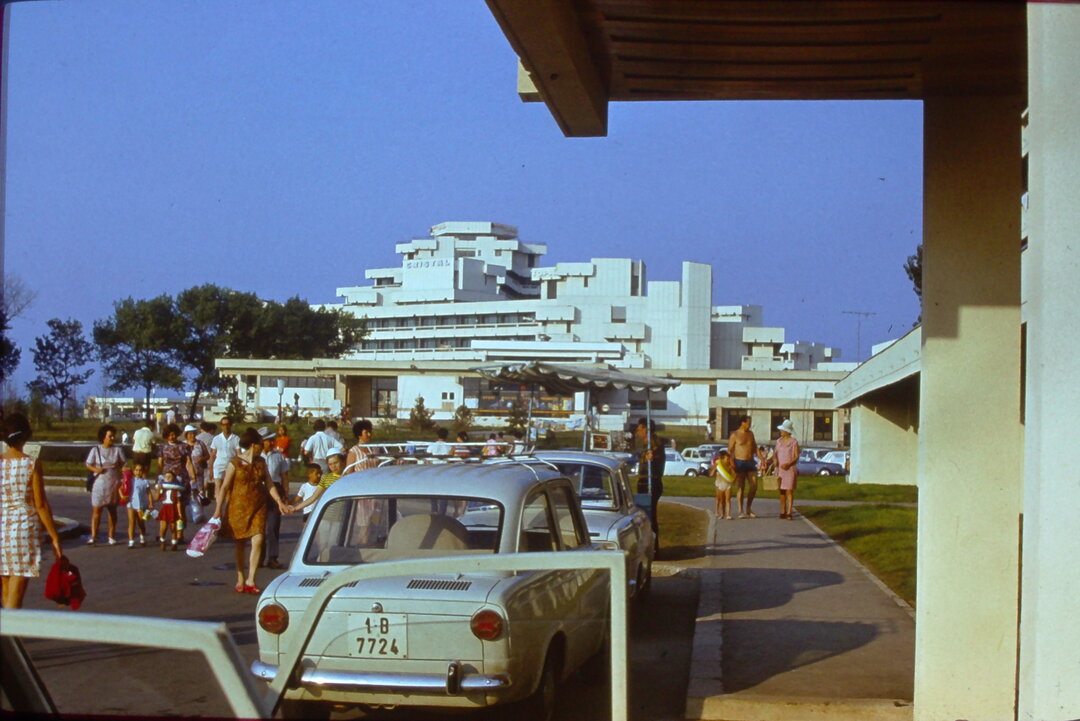
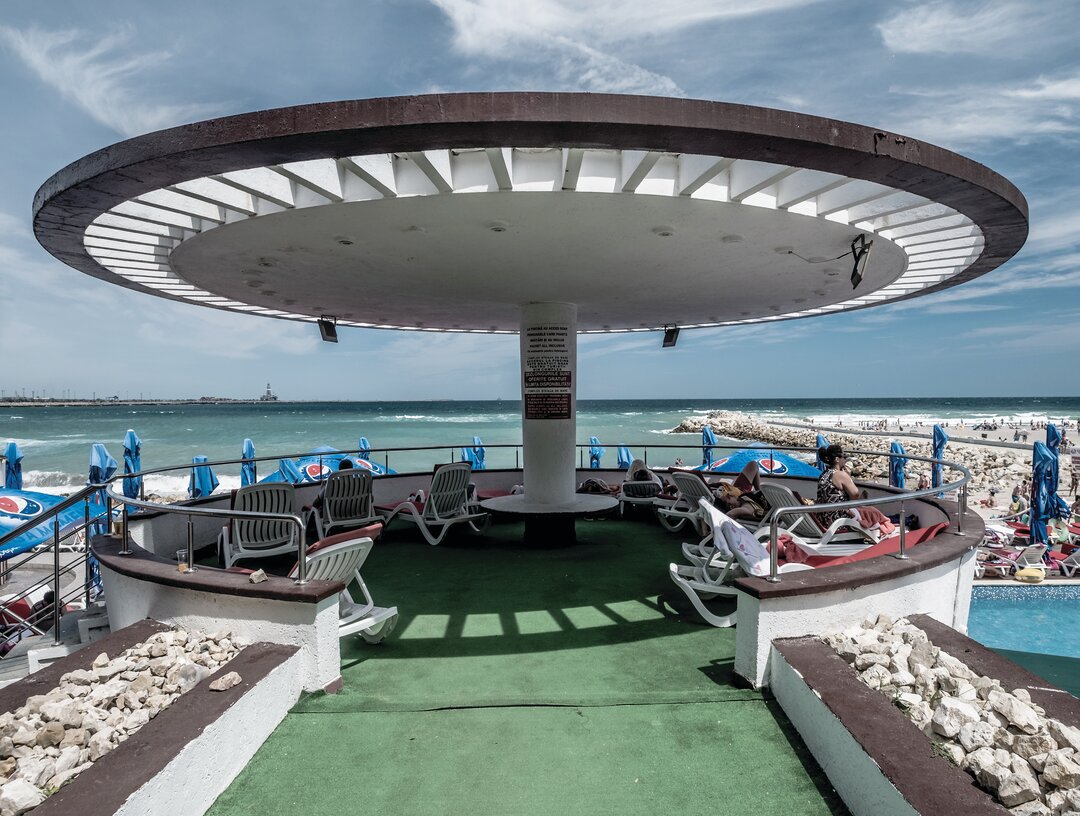
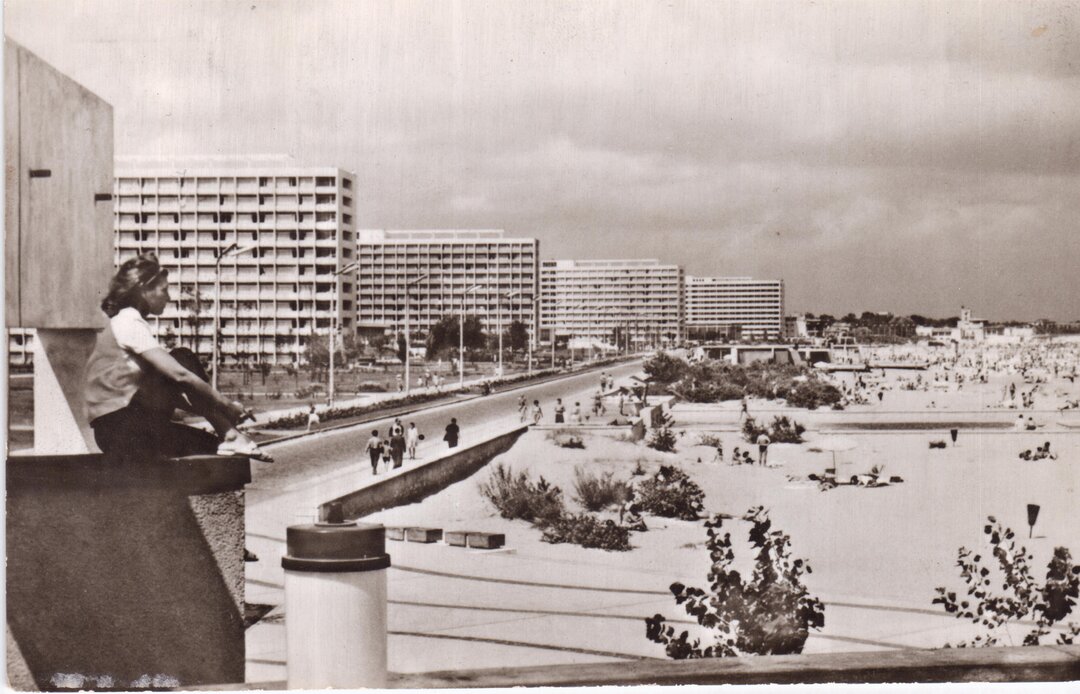
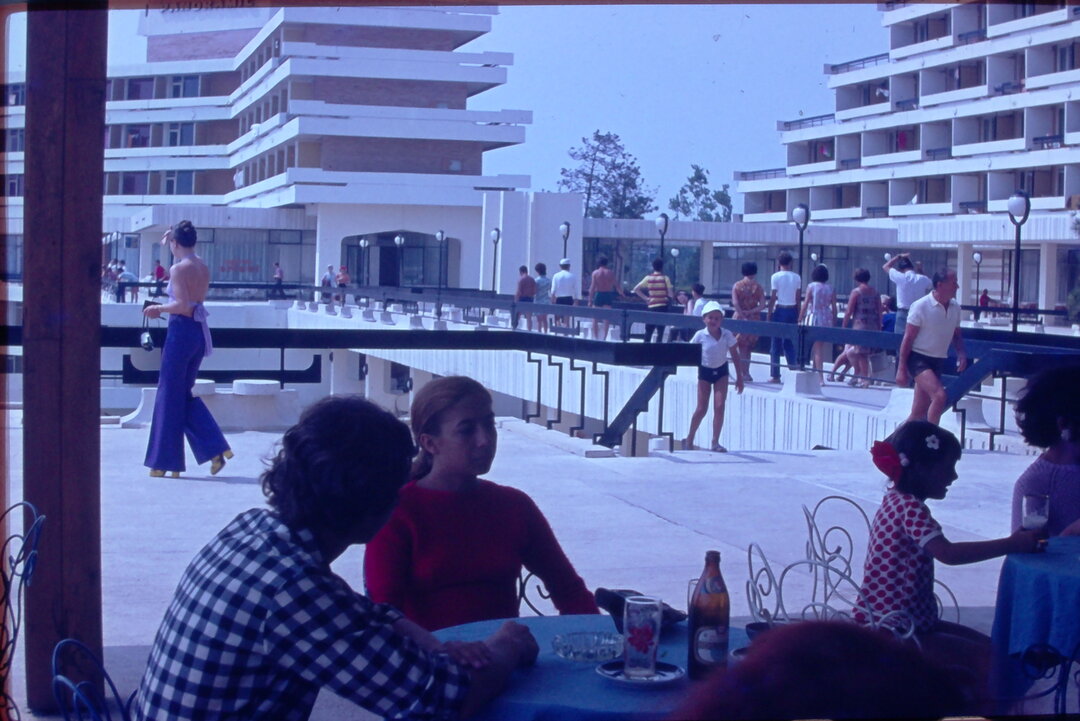
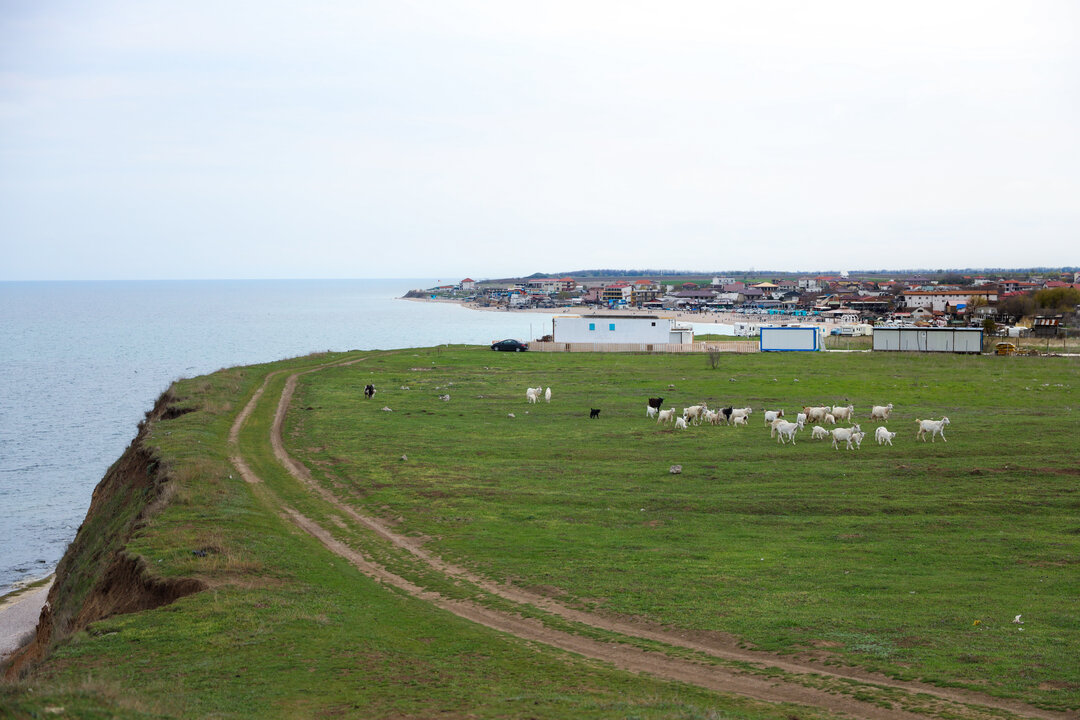
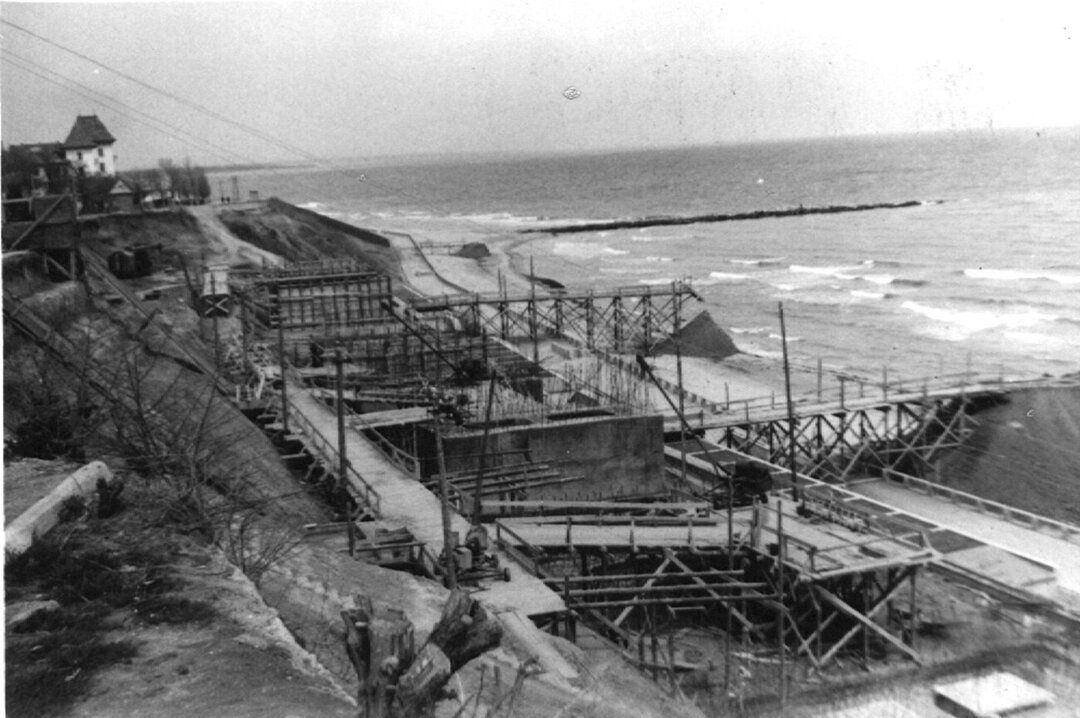
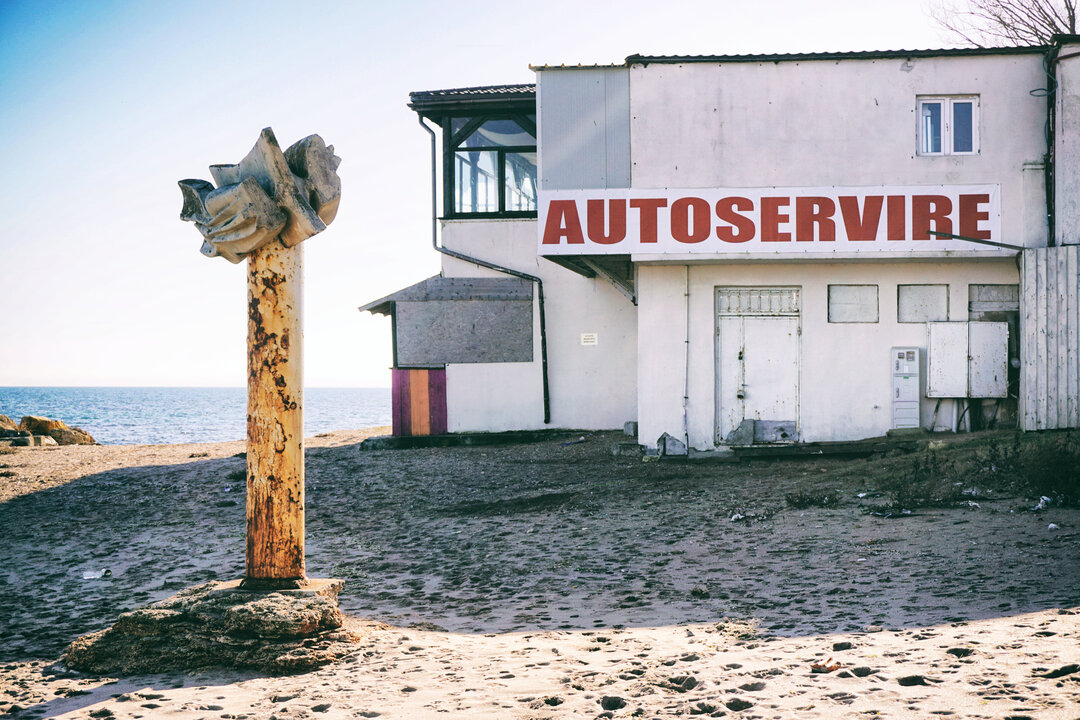
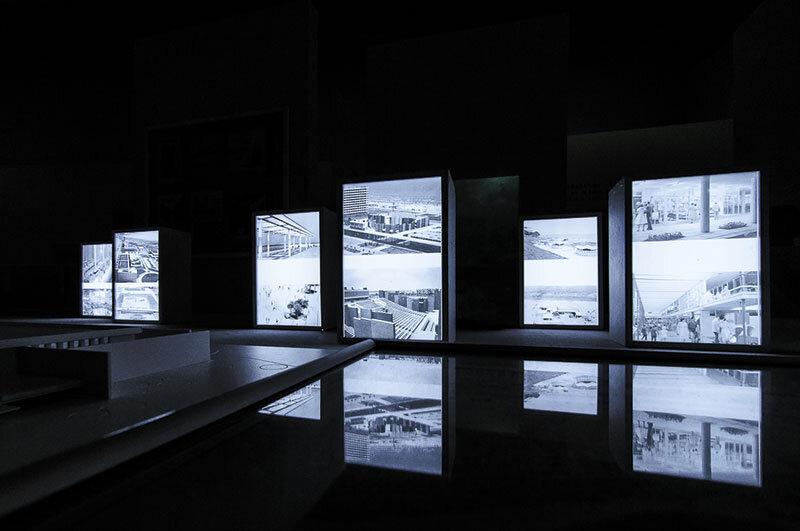
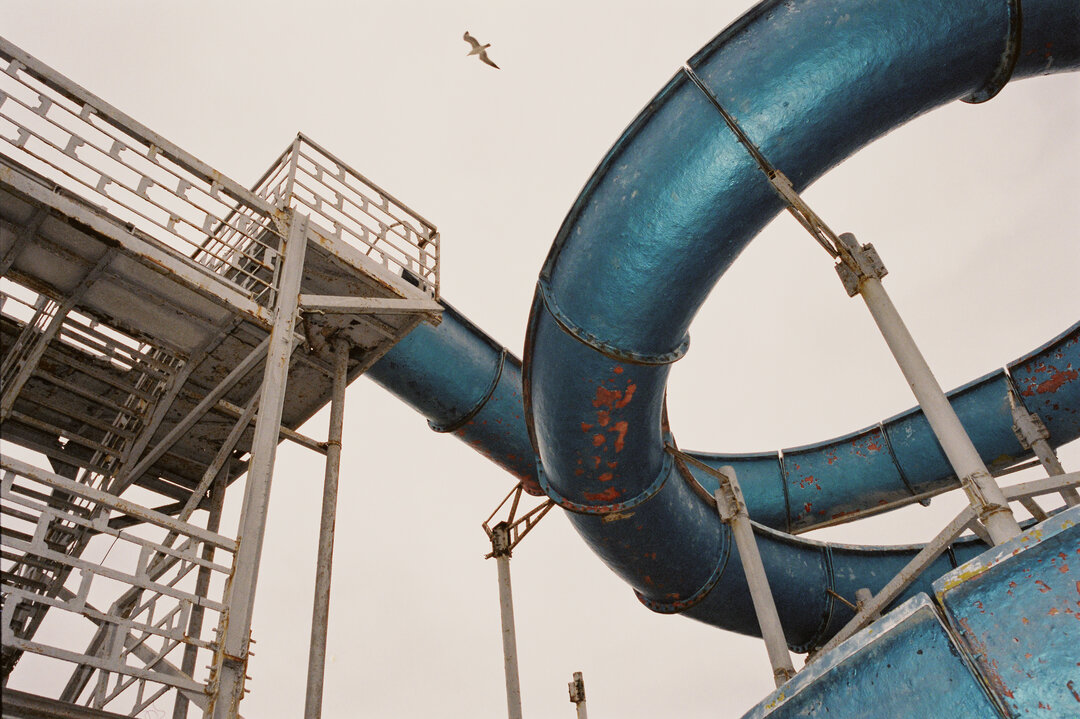
Run by the Forumul Forumul Artelor Vizuale Association (FAV - Cristian Emil Ghiță and Alexandra Dumitrescu, initiators of the Eforie Colorat Film Festival), with a wealth of experience in the life and history of the place, in partnership with a number of associations such as Theodor Burada in Constanța (Iulia Pană), the project addressed the condition of seaside towns, reduced - despite their multicultural, geopolitical and seaside resort potential - to mere entertainment venues for three months of the year, deserted in winter, with no museums or libraries. As a solution, it was proposed to set up a Virtual Museum of the Seaside, an archive mapping the development of the area from the end of the 19th century to the communist and post-communist period, thus attesting to its importance, unique identity and values. The methodology of the Seaside Archives, centered on reconsidering personal histories, aimed to generate a subjective history, an alternative to official narratives, in line with Michel Foucault and Hal Foster, but also a way of relating to the communities in the area in order to ensure community health and increase self-esteem.
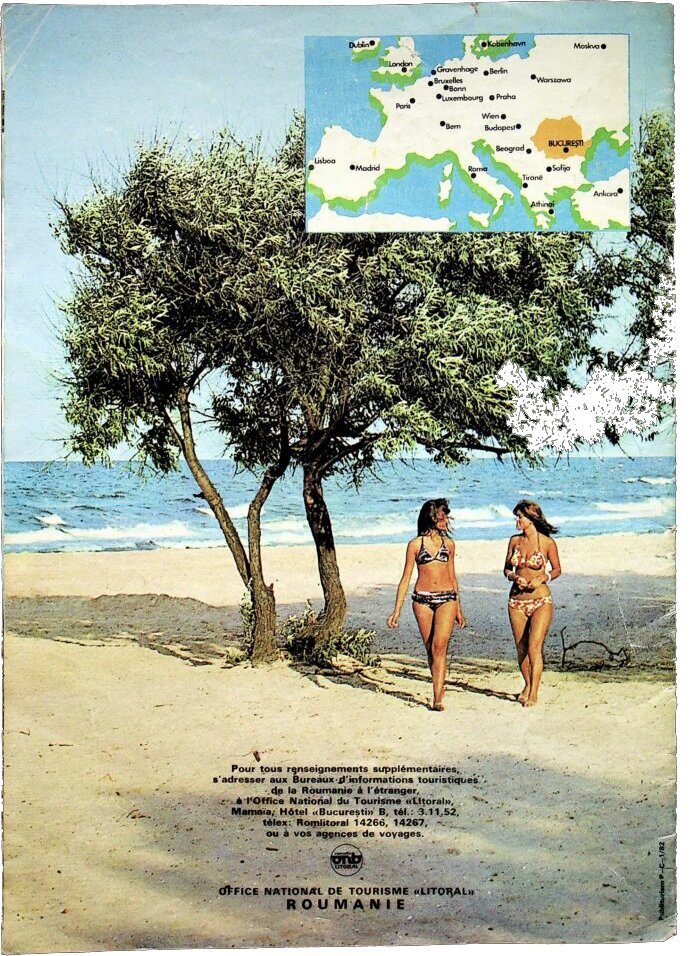
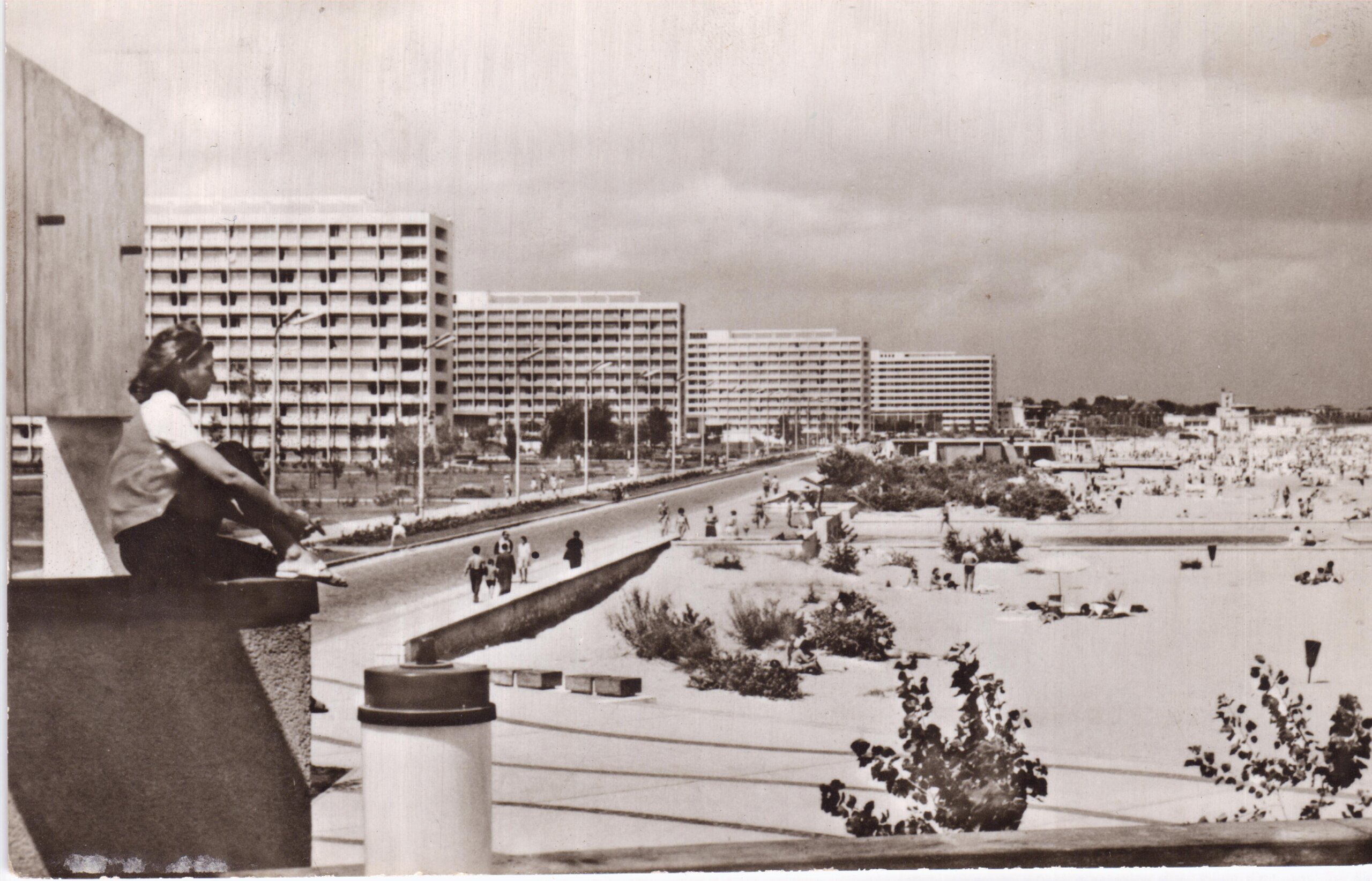
A first step of the project involved the digitization of collections with social and documentary mapping potential for the area. The starting point was the FAV collection, centered on the towns of Eforie Sud and Nord, which numbers around 1.000 photographs and postcards, objects and documentary material related to the sun, air and mud baths, the curative properties of Lake Techirghiol, the town's sanatorium, customs and stories about the bathing program and the costumes used by the ladies and gentlemen: bonnets, lace umbrellas, sailor suits, Cio-Cio-San kimonos or, later, communist super elastic briefs.
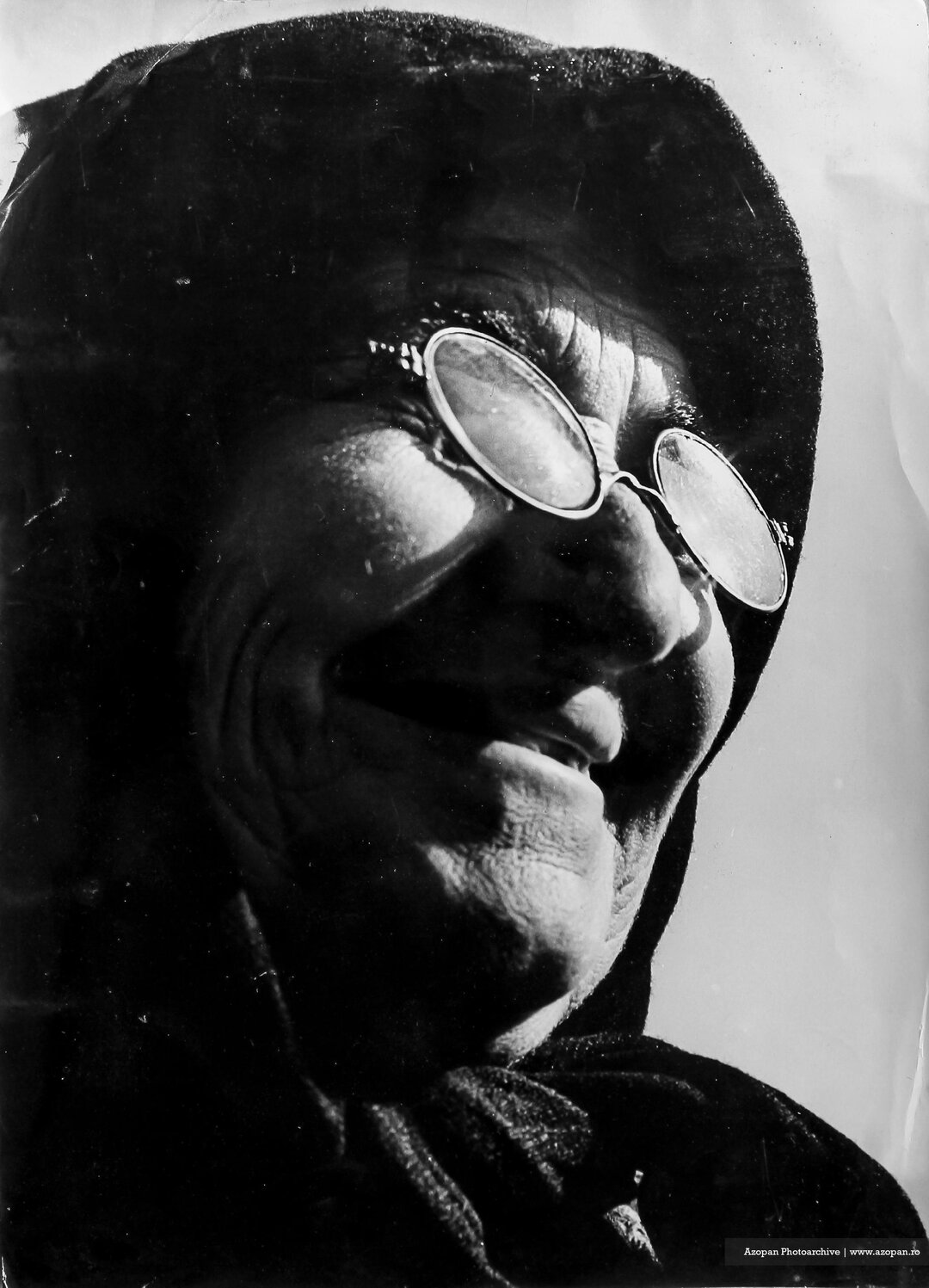
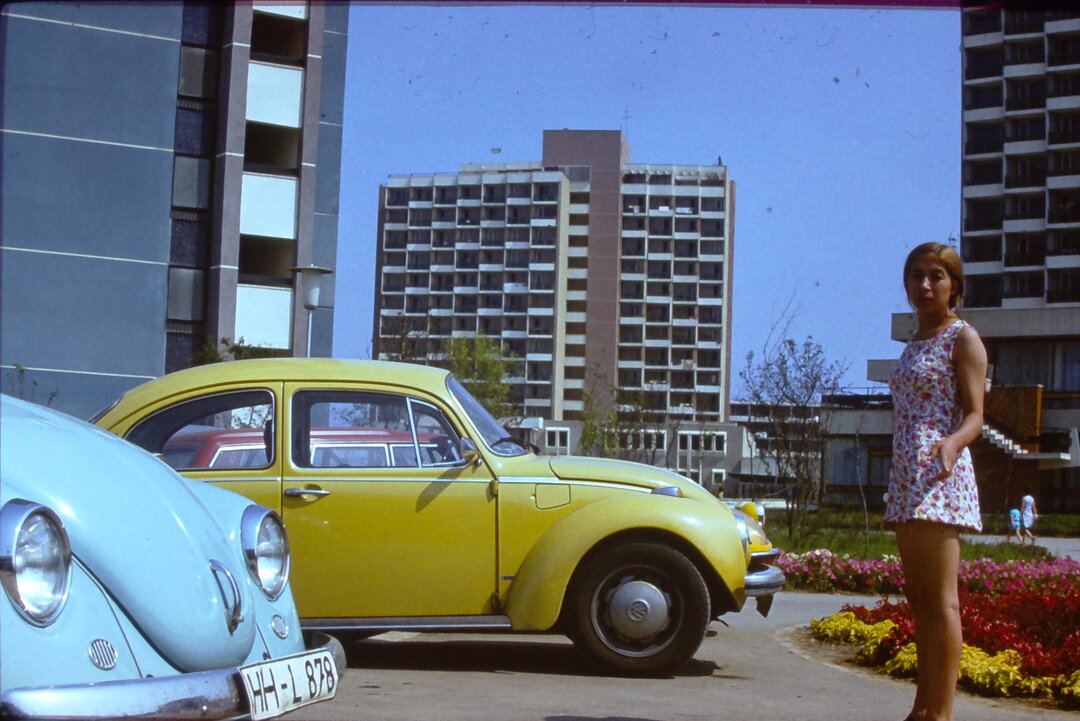
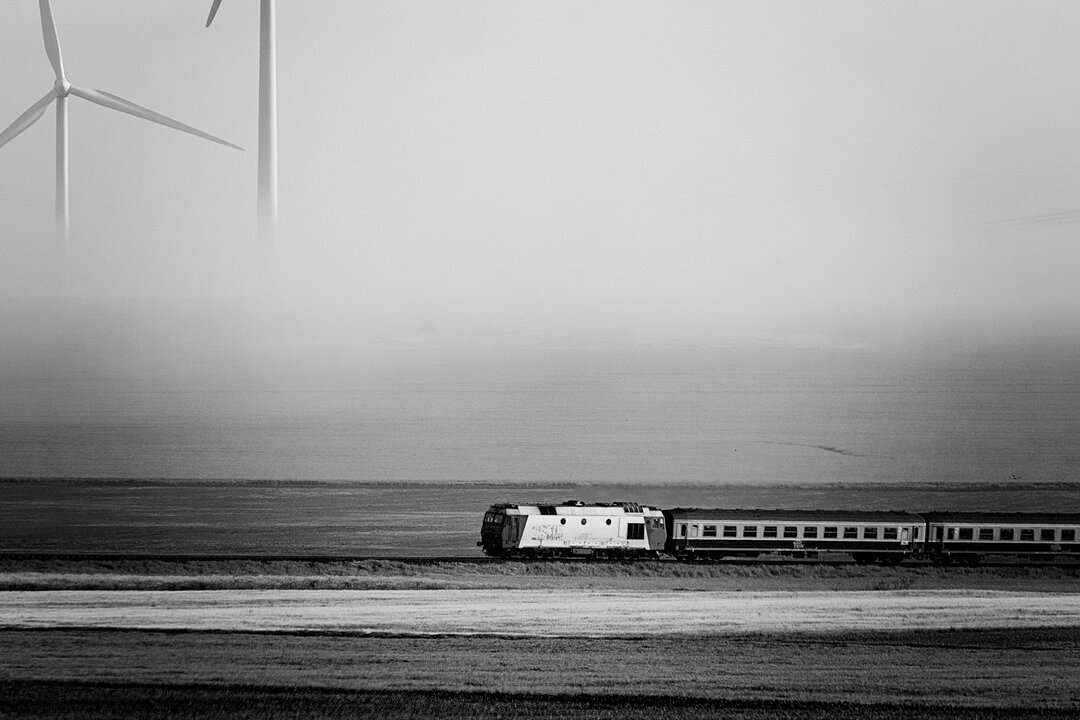
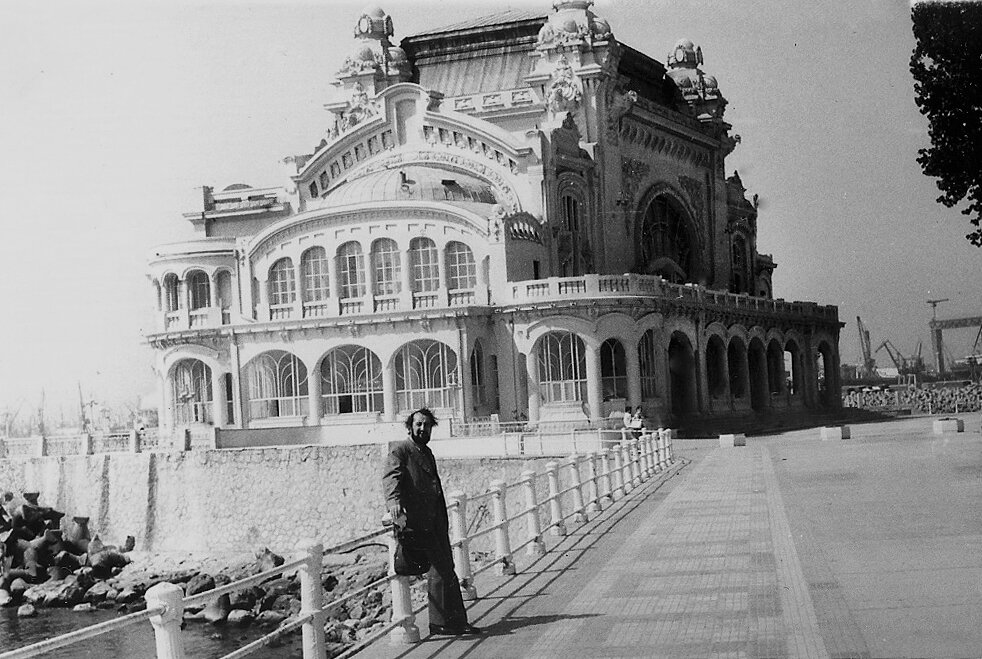
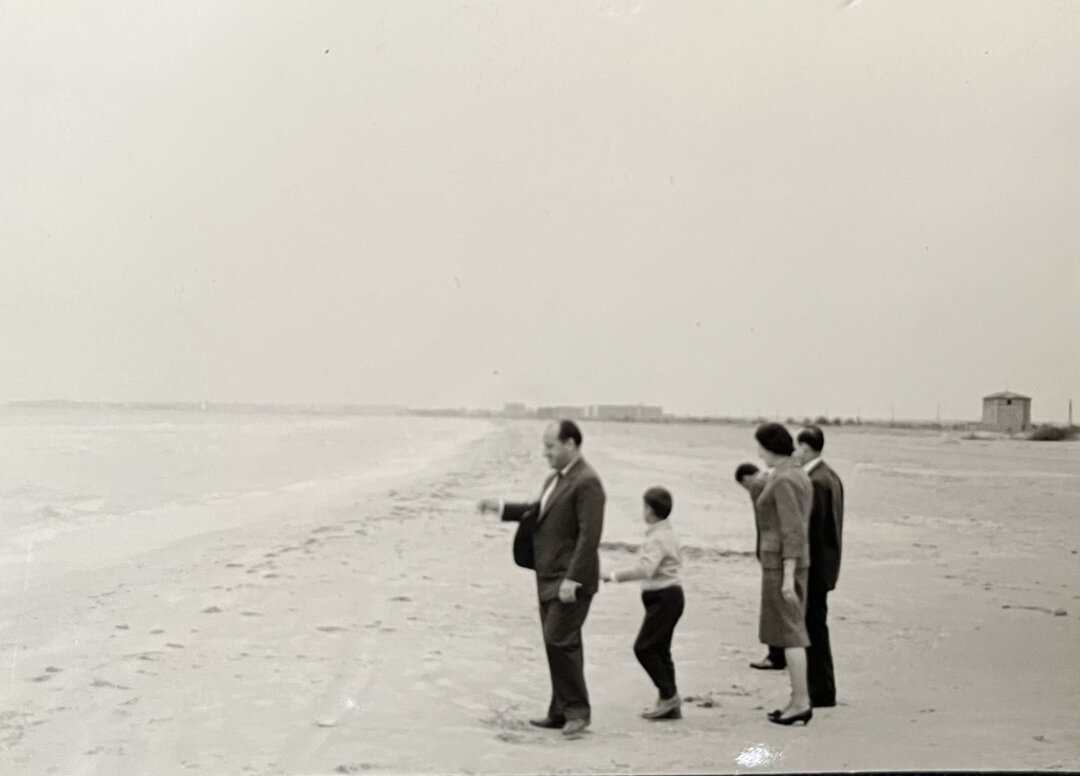
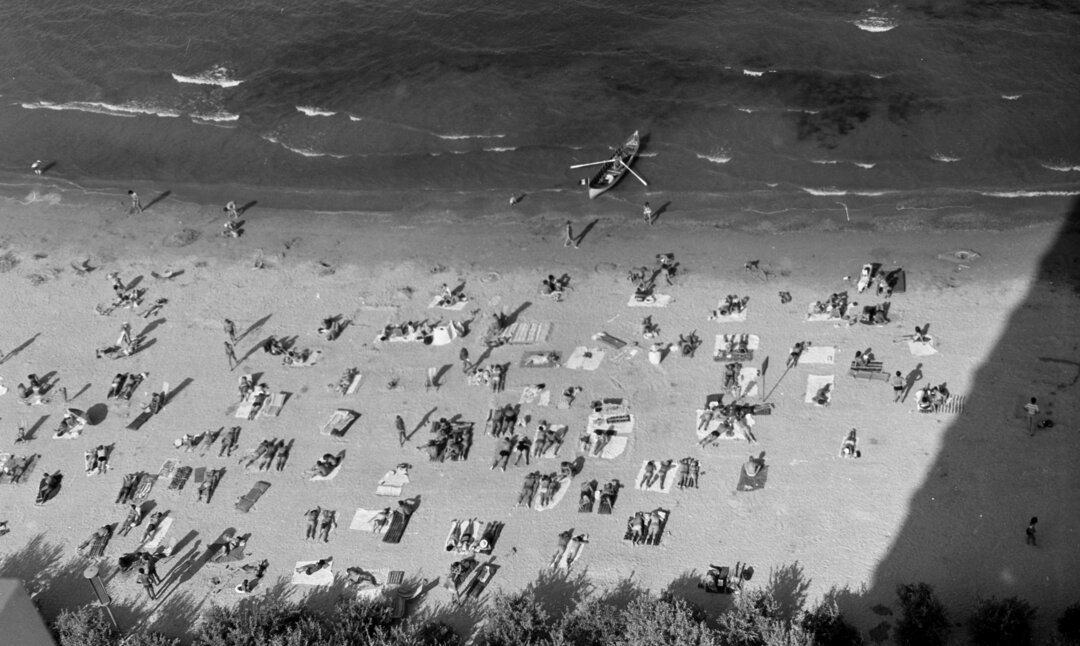
All of these were joined by testimonies that reconstruct a succession of epochs, with emotional nuances and tones. The personal stories of the inhabitants gave us a glimpse into the bowels of everyday life, beyond the top view of a stretch of sand with sun loungers and people as small as ants. Mr. Victor and Mr. Marcel were delighted to tell us about the brilliance of the Eforie Sud water casino, unique in Romania, and its decline after the freezing winter of 1928, which turned the sea into an ice sculpture, about the scarcity of water that was brought by tankers on the railroad and the abundance of cold wine that was once drunk with a net or a barrel, about the mornings spent by children in the 1960-1970s carrying the luggage of German, Polish or Danish tourists and the afternoons on the beach, when they investigated the concrete bunkers, played the countries or the so-called Poarca.
Crucial details have also been recovered from the backs of postcards, where people used to write their thoughts giving rise to unexpected "Exercises in Style" similar to those in Raymond Queneau's novel. In this sense, the living literature distributed on the back of the illustrations conveys the same message of the seaside (meeting the sea, the sun, the hosts, the city) in dozens of different styles, each ultimately expressing a human typology: the penniless student addressing his parents, the young man hopelessly in love with a girl who has spent the summer in the city, the unimaginative civil servant, the thoughtful and impersonal 1950s party activist.
From here, the invited artists have produced and continue to produce works that function in turn as a series of alternative narratives, a warm and personal history of the seaside, based on memories, found artifacts and reinterpreted. One of the projects in Eforie Sud was the interactive performance initiated, at the Băile Reci beach, by Irina Botea Bucan, PhD in Visual Arts at Goldsmith College, together with sociologist and artist Jon Dean. The two have succeeded in sketching a true phenomenology of mud as an element of connection, on a bodily and social level, as well as an articulation between Eros and Tanatos. A series of questions emerged: does mud hide, protect or scare you? And if so, why does it scare you, who is it hiding you from? By dipping microphones into the mud pools of the Băilor Reci, the artists even probed the intimate sound of this fascinating raw material, which they then broadcast through the baths' megaphones. At the end of the performance, the public was invited to write in mud on a giant nine-meter parchment on the beach. The collaborative work was imprinted with traces of sunburnt bodies, palms, soles, messages and drawings.
BIBLIOGRAPHY
Horea Avram and Raluca Oancea, Editorial, Revista ARTA print, no. 50-51, Memorie, arhive și baze de données, Oct. 2021
Jacques Derrida, Archive Fever. A Freudian Impression, The University of Chicago Press, 1998
Okwui Enwezor, Archive Fever: Uses of the document in Contemporary Art, New York International Center of Photography, 2008
Hal Foster, 'An Archival Impulse', in October, vol. 110 (Autumn, 2004), pp. 3-22, ed. The MIT Press
Michel Foucault, The Archaeology of Knowledge, trans. Bogdan Ghiu, Editura Univers, 1999
Cristian Nae, "Archival Practices in Romanian Photography of the 2000's: Attitudes, Strategies and Motivations", in Ro Archive, Ed. UNARTE, 2015, pp. 16-28