Seaside. A published chronology

The winning solution of the international solutions competition
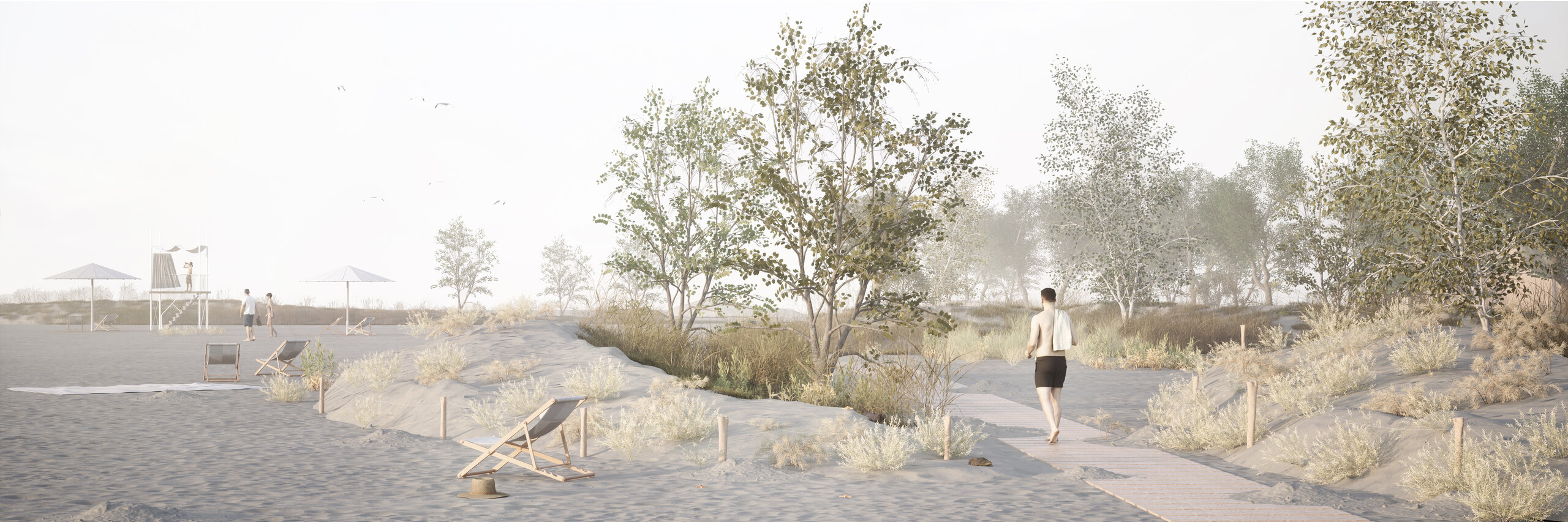
In the summer of 2023, the Romanian Order of Architects in partnership with the National Administration of Romanian Waters and the Dobrogea-Litoral Water Basin Administration launched an international project competition to identify an integrated plan for the sustainable development of the beach of Mamaia resort, in line with contemporary principles of urban coastal planning and management. Nineteen projects were submitted by teams from home and abroad, of which the following solution was declared the winner.
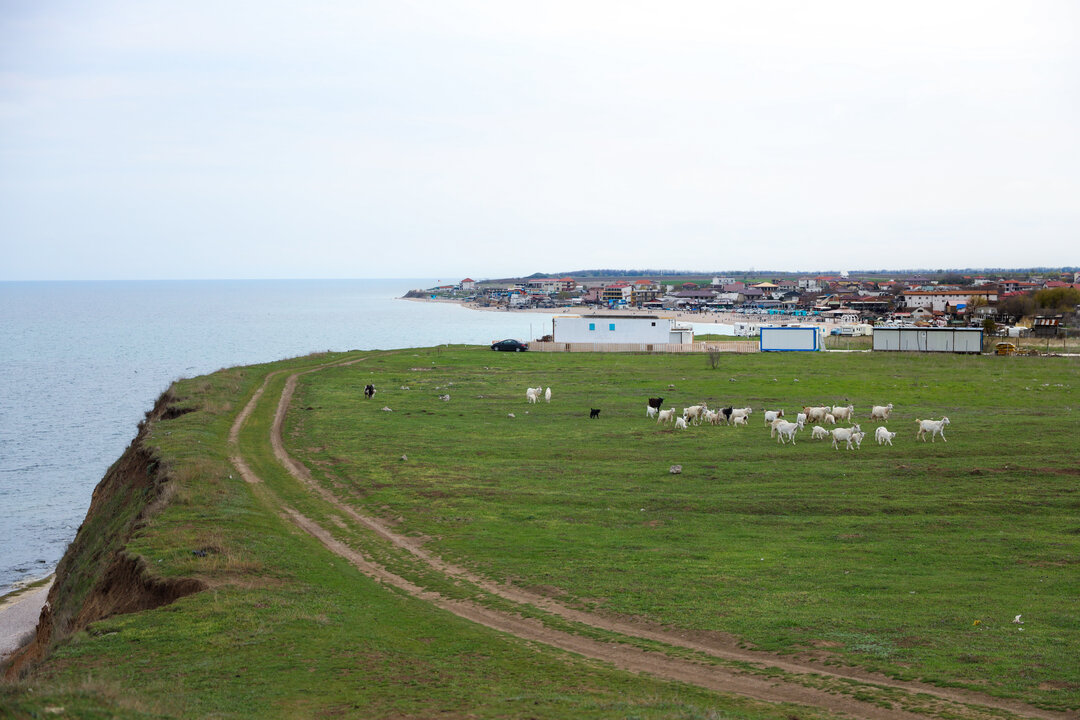
In the context of the accelerated anthropization of the Romanian coastal strip of the Black Sea in recent decades, the project aims to reconnect with the natural environment, taking advantage of the immediate vicinity of the site with the Danube Delta Biosphere Reserve. Given the amalgam of anthropic elements present in the resort of Mamaia, the solution aims to recover a clarity and visual recognition based on the natural landscape, to the detriment of developments based on built elements and over-design. At the same time, the aim of the solution is to create a short, medium and long term intervention and maintenance strategy, which will ensure the sustainability of the developments and their compatibility with the surrounding natural environment
The project proposes several interrelated levers of action, starting from the natural context and ecosystems specific to the area and relating to the built environment and current activities:
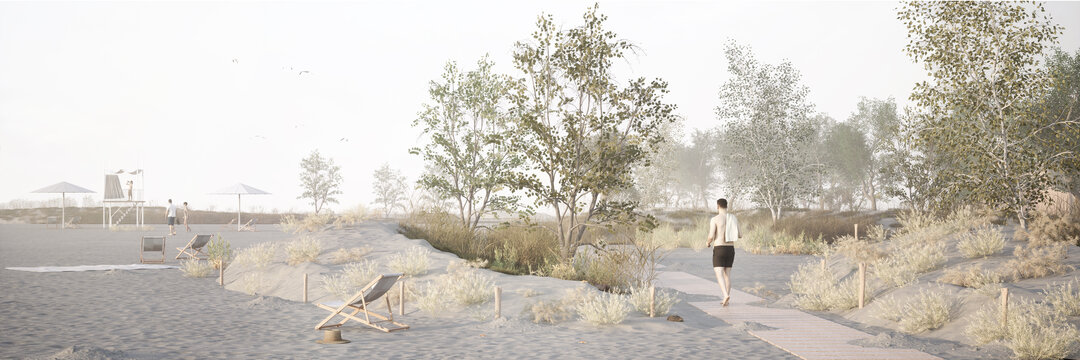
Erosion and sand transfer from the beaches to the resort are anticipated in the project by the creation of a protective strip of sand dunes of variable heights. The subsequent revegetation of the dunes with native species ensures their consolidation over time and contributes to the renaturalization of the beach. The proposed plantings on and adjacent to the dunes are sustainable over time, with a high self-regenerative capacity and low maintenance. The proposed landscape evokes the image and charm of natural beaches, seen as a lost component of much of the Romanian coastline.
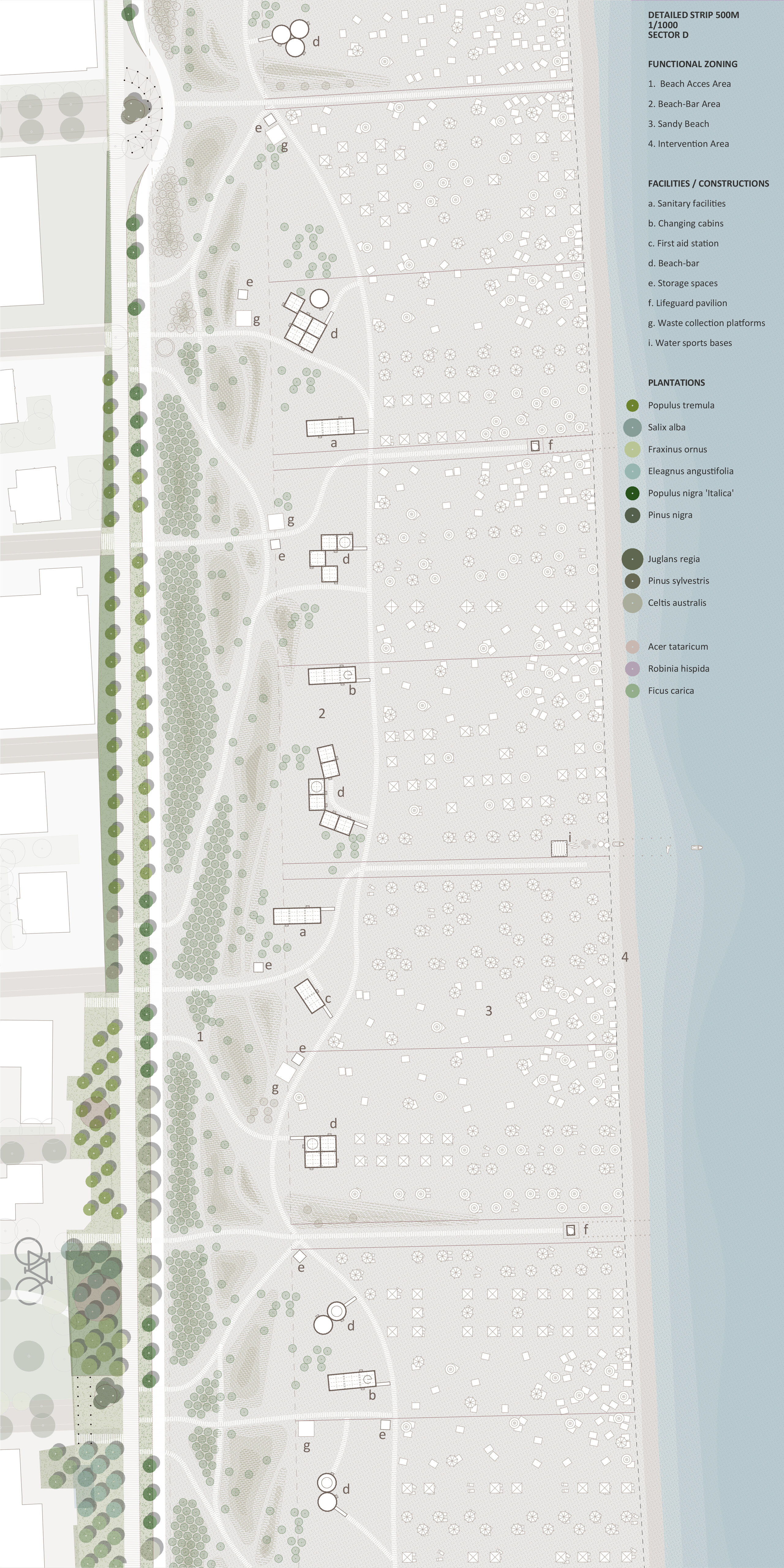
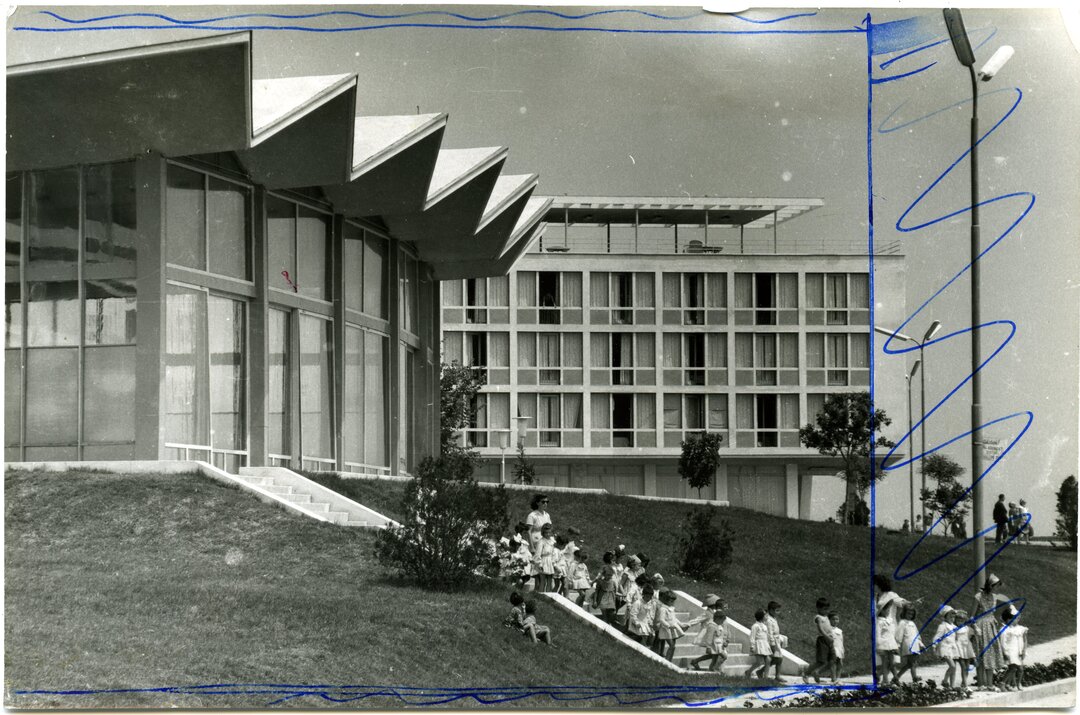
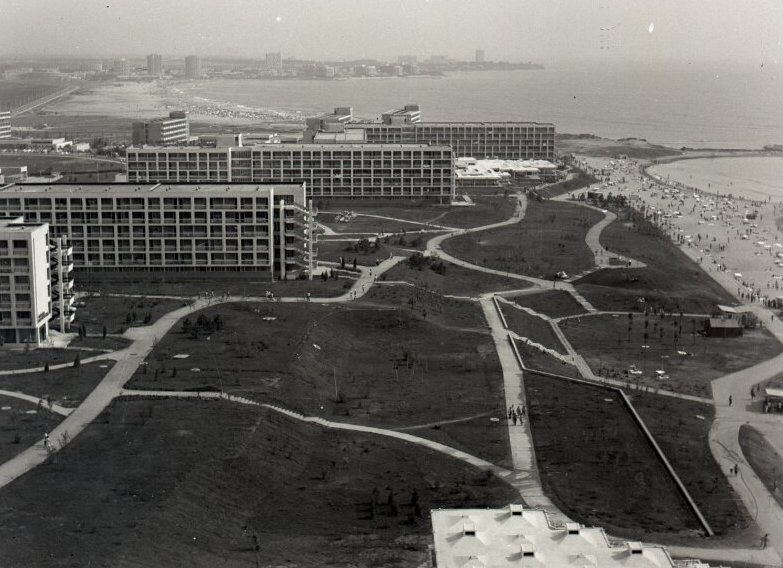
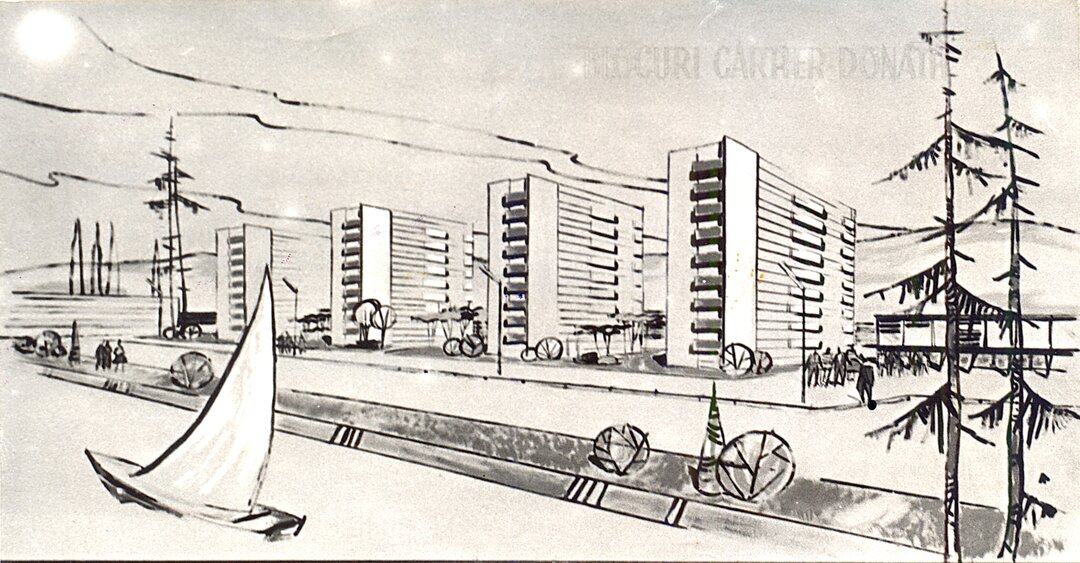
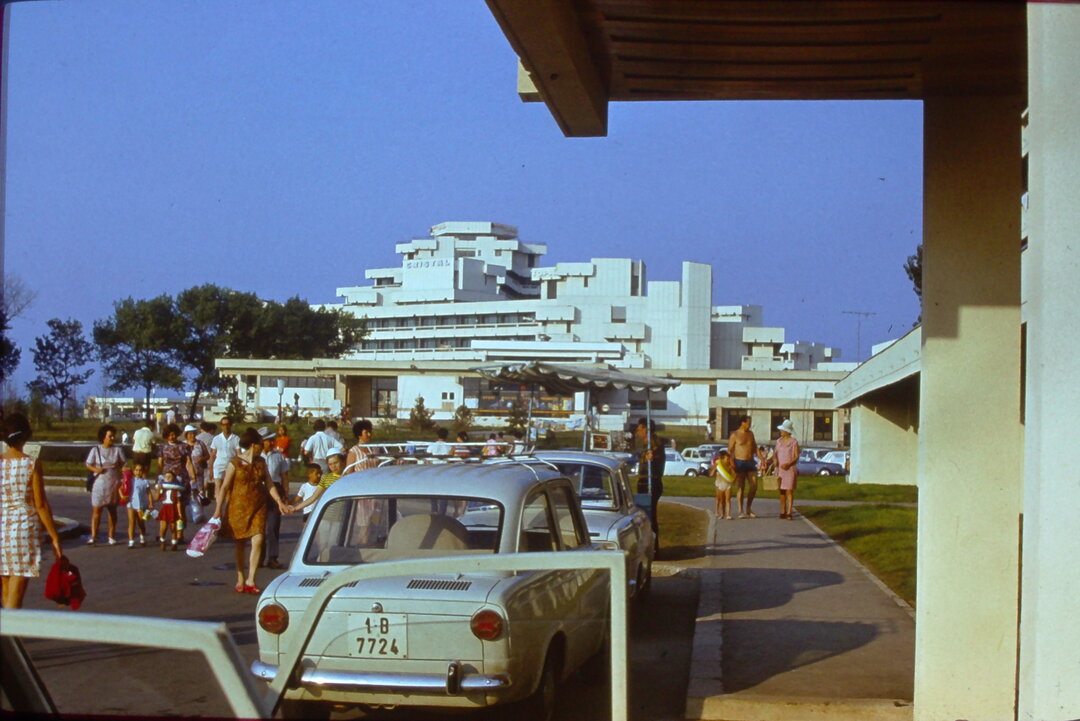
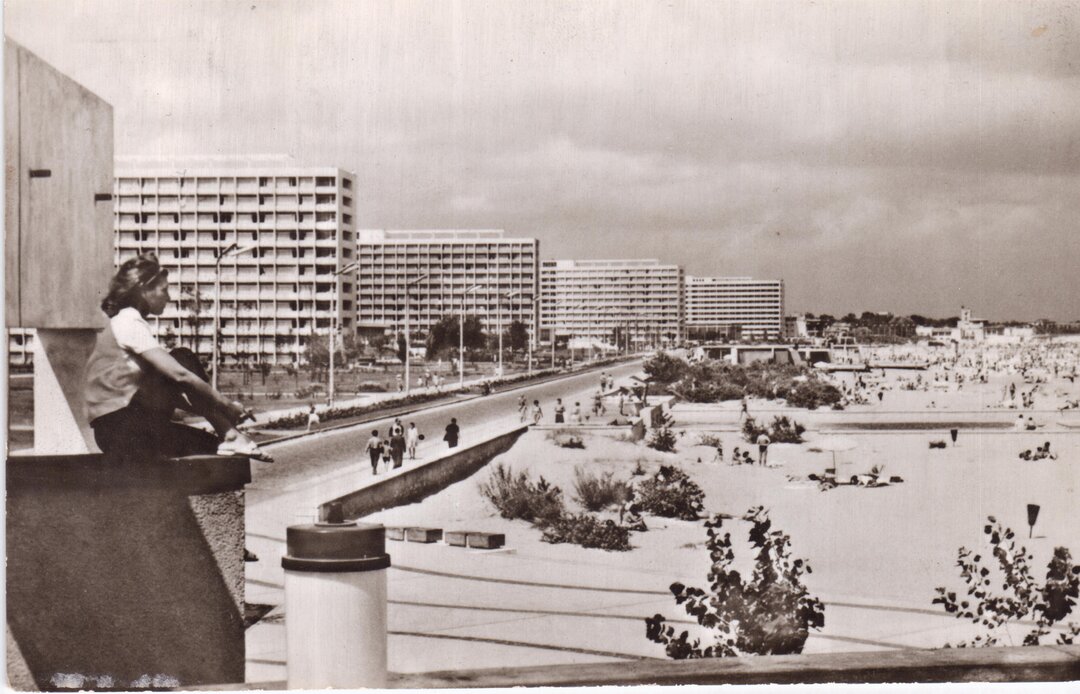
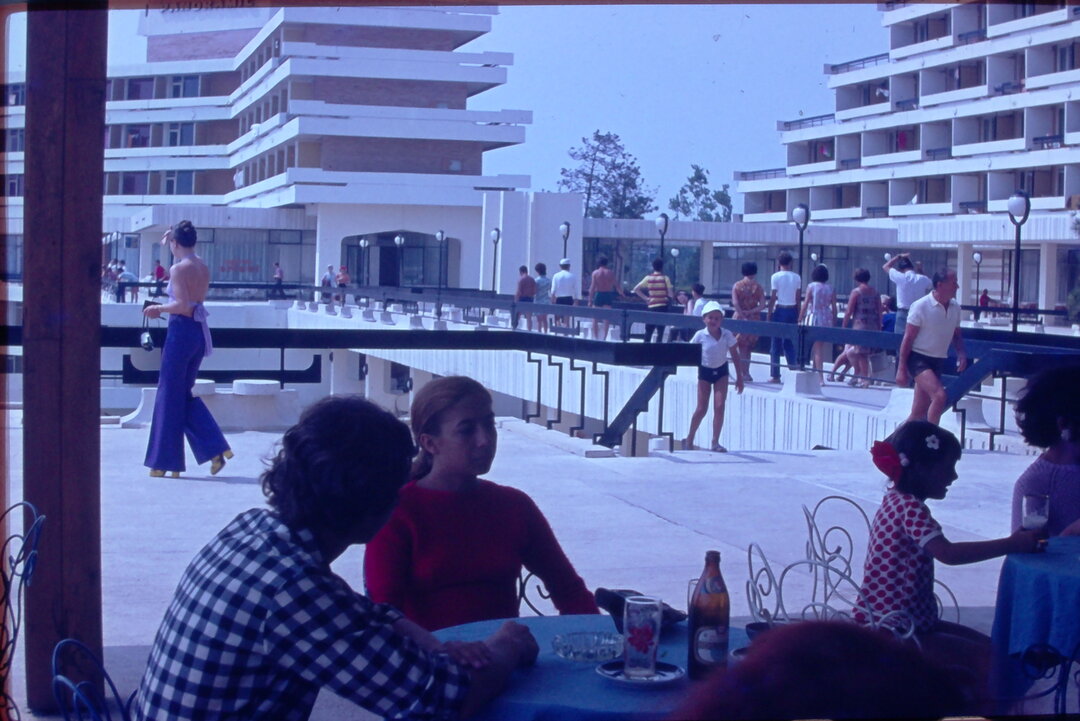
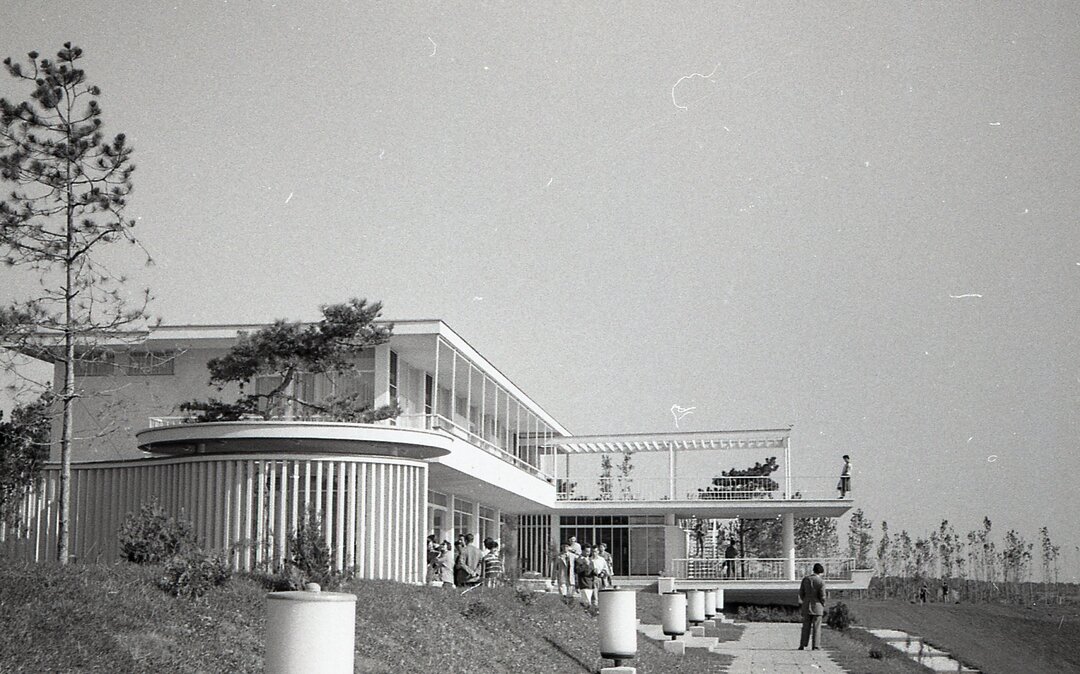
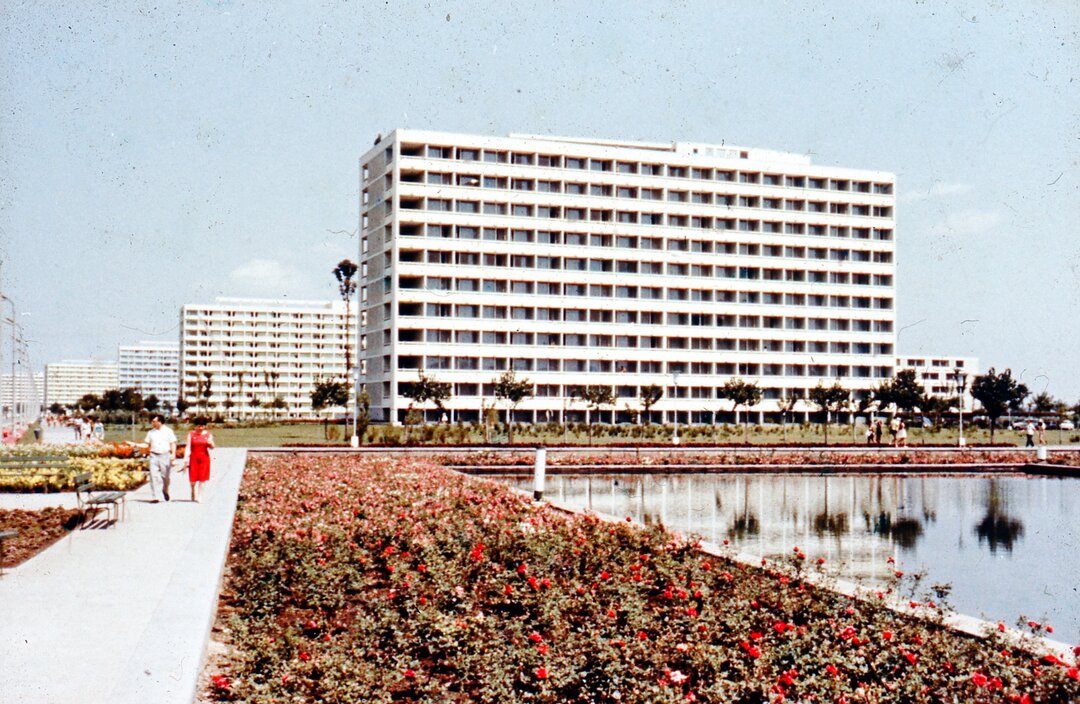
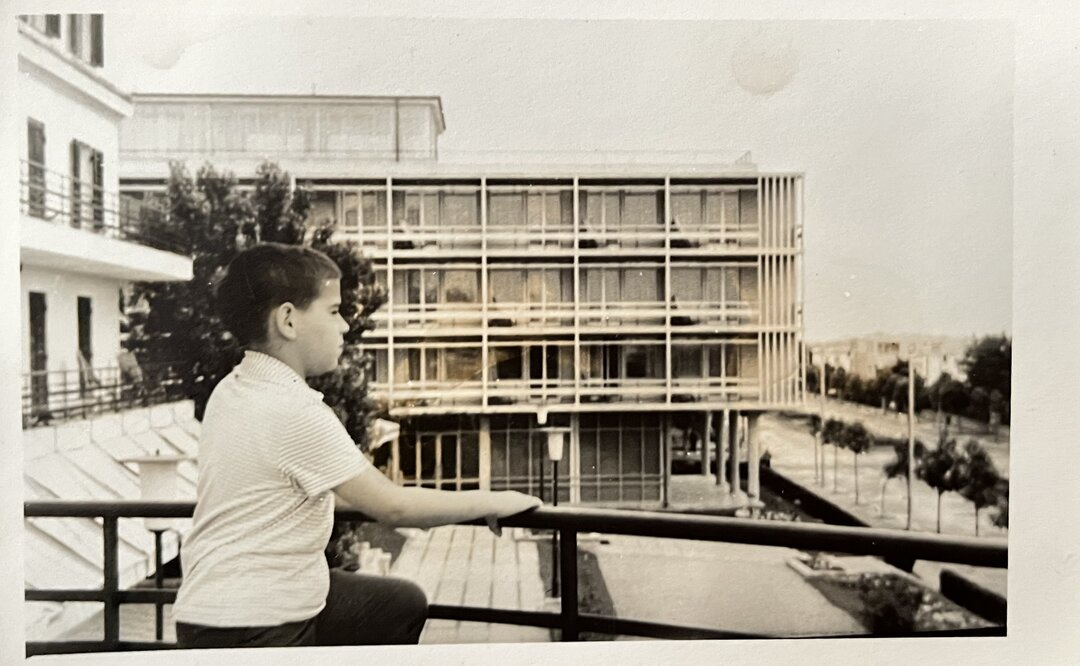
The resort of Mamaia has experienced unprecedented dynamics over the last three decades and has largely nullified the coherence of the modernist project started in 1958. Even if the systematization of the 50s and 60s implied the reclamation of wetlands and the radical transformation of the natural landscape, its merit consisted in the proposal of an urban ensemble with a large, coherent and airy image, and in which the beach gained a consistent strip of vegetation. The present project evokes this strip of vegetation by proposing a green area linking the beach to the porous boundary of the new waterfront. This strip composes a landscape dominated by species of trees and shrubs specific to the coastal landscape, which is individualized into four sub-areas with different identities (determined by the built background) and responding to the four sub-areas of the beach, defined in accordance. Through the choice of species and the configuration of plant compositions, the four zones make a transition from an urban park landscape in the southern part of the beach to a natural park in the northern part, close to the protected natural area. Each new landscaping is particularized both by a formal configuration and by the choice of species that make up the designed plantings.
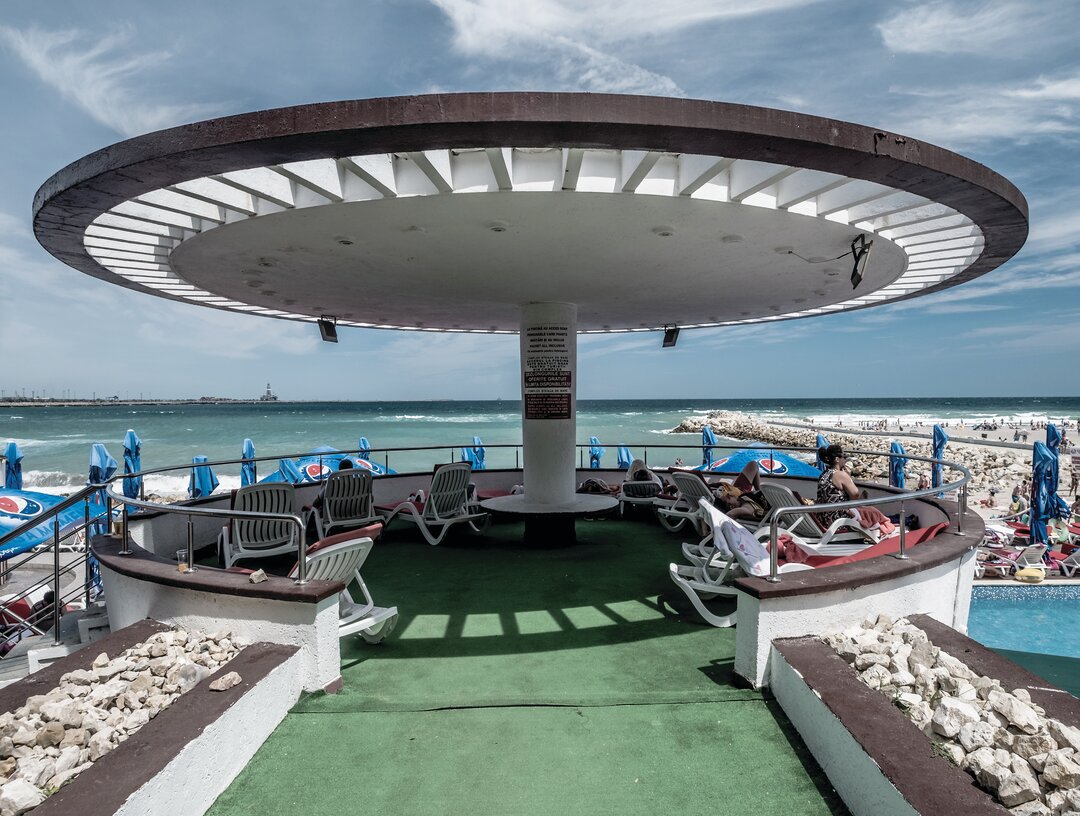
A number of notable groups of buildings from the different historical periods of the resort are noted and highlighted along the beach route. The landscape responds through accidents of vegetation composition, particularizing places and creating points of interest addressed to architectural objects. The route along the coast is thus accompanied by different landscape elements, which are intended to form elements of articulation with the built heritage, but also to create a dynamic of the cliff itinerary. To mark these places, notable plant compositions are proposed, either by using different strategies for planting trees and shrubs, or by planting species other than the dominant species (including allochthonous species adapted to local particularities).
The promenade of the existing cliff is continued in the northern part - where it is missing - with the help of a wooden pedestrian deck up to the northern limit of the intervention area, where it is possible to articulate and continue this route towards the beach of Năvodari.
The bicycle lane on the cliff is also continued following the same logic as the pedestrian path, the proposed finish is stabilized earth (with different soil compositions) for better integration with the proposed natural setting.
Both the planted area and the sandy beach are laid out with wooden footpaths for better accessibility for all categories of public.
The hierarchization of the accesses is made according to the articulation with the existing built environment and the interest generated in walking along the promenade in terms of pedestrian movement - thus, every 400 meters (5 minutes) there is an access marked with a light pavilion-type entrance structure that generates visual interest (landmark) and provides shade on hot summer days. These access pavilions are modular, based on a module used for general access. The more important accesses (linked to certain key areas of the resort), usually arranged at distances of about 800 m (10 minutes walking distance) are particularized according to the character of the surrounding area: orthogonal Cartesian organization in the areas with the modernist ensembles and organic organization towards the north where the character of the landscaping is also more natural.
Taking into account the size of the intervention area and the intensive degree of use, the sustainability of the project lies in the use of landscaping and planting of vegetation with the least possible physical wear and maintenance over time. Given the particularity of the site, the tree and shrub plantations are proposed with species with high ecological amplitude and adaptability. At the same time, the landscape solution proposes species with rapid rooting capacity and/or amplitude, which over time contribute to the stabilization of the terrain and especially the sand dunes. In addition to the local flora species, there are several other allochthonous species that can be accents in the landscape, but which, due to the higher degree of maintenance required and/or the lower adaptive capacity, are more reduced in number.
The rest of the landscaping and street furniture elements follow the same principles, using highly durable materials such as metal, stone and concrete.
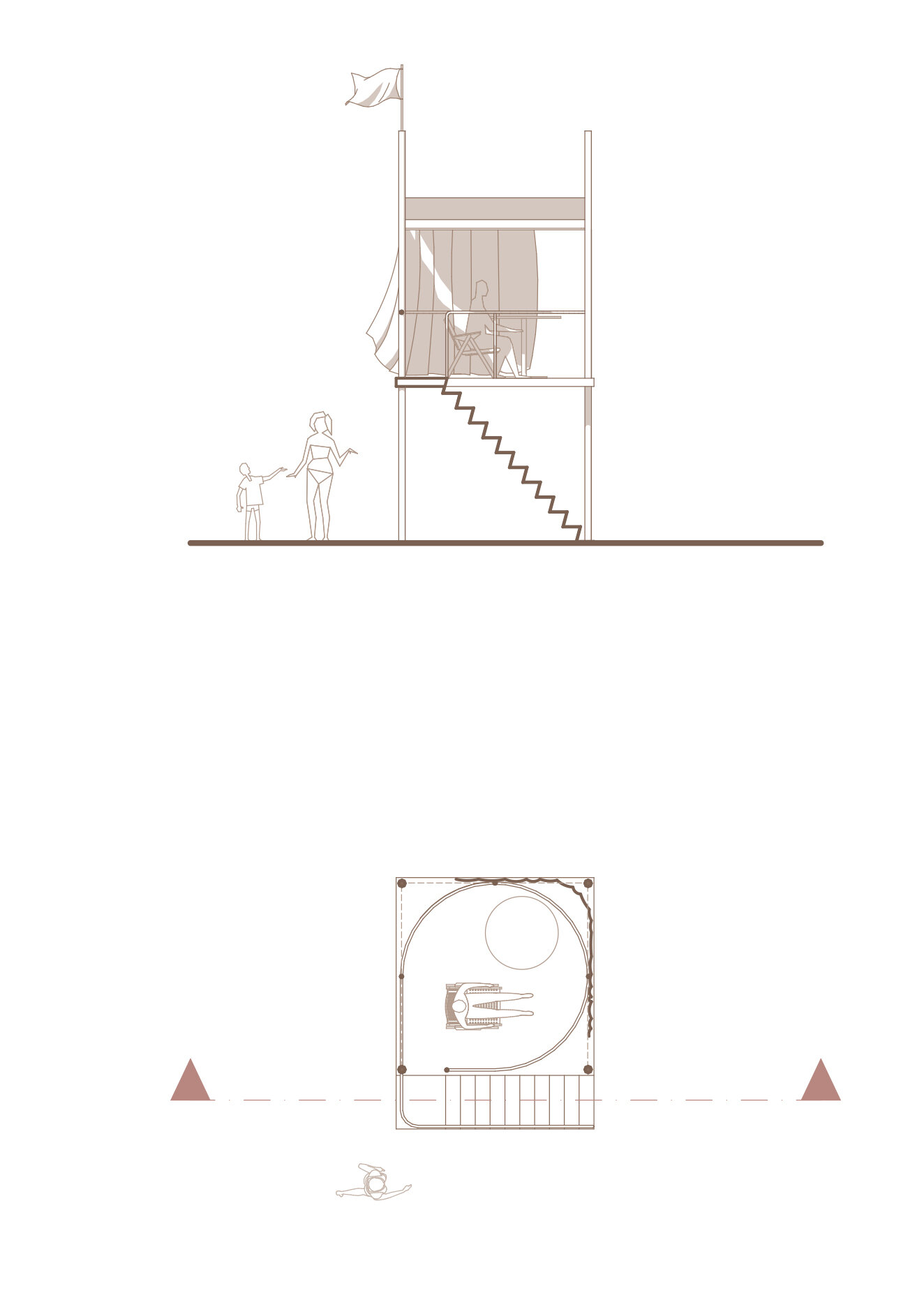
The solution opts for providing a visual identity to the new temporary buildings on the beach. This visual identity derives from the modular construction system, which allows for a variety of building typologies, flexibility in use and efficiency in transportation and installation. Modules with dimensions of 5x5 m are proposed, with metal and wooden structures, based on a reversible mechanical fastening. These modules can be assembled in various configurations, providing the necessary space for the different facilities serving the beach activities. The solution also offers the possibility to reuse and recycle these modules in the future, when the original building structure is replaced or extended from one season to the next.