Seaside. A published chronology

Looking back from our age, surrounded by screens and information from all corners of the world, you can hardly comprehend a completely different world than the one we live in even 70 years ago.
The project and then the achievements that we know as the Romanian Coast were born out of chance, inadvertence and oversight.
In the second half of the 1950s it was decided, at the level of the party leadership and the Union of Trade Unions, to grant paid vacation leave to employees. This decision was aimed at a large number of beneficiaries, but it had no adequate logistical basis.
The decision was forwarded to the organs of power in Constanța County that, in less than a year, a large number of accommodation places would be built to receive trade unionists on vacation. The existing hotels, mostly in Constanta or existing since the inter-war period, were not suitable or sufficient for the wave of vacationers eager for the sea and the sun.
Constanța's investment managers found themselves with a problem they did not know who to pass on to. They had at hand a team of young architects who were in charge of realizing some constructions (workers' dormitories) in Năvodari, to solve the accommodation needs of the Danube-Black Sea Canal construction site staff. As they were in charge of accommodation projects and as they were not involved in the county's activities, they were just the right people for the job. Any failure would not have affected the "county" too much,
The first realizations in 1957 were destined for Eforie Nord and were intended to cover seasonal accommodation and catering needs. Projects and realization proceeded at a steady pace, with relative political oversight, and by late spring the hotels and restaurants were ready, much to the delight and relief of the county leadership.
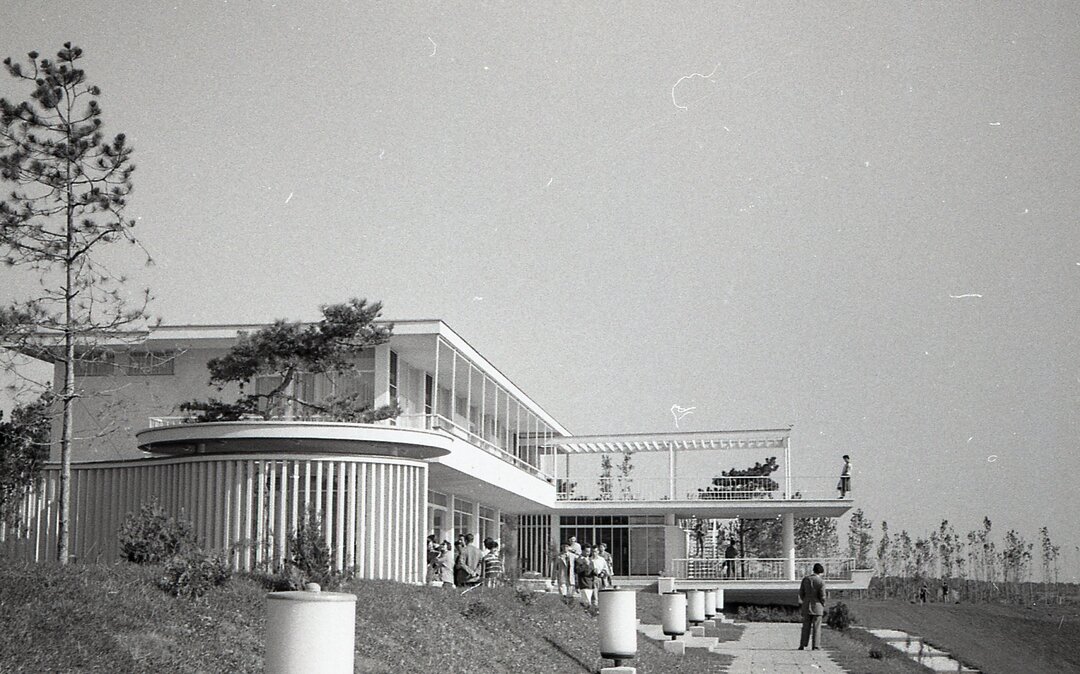
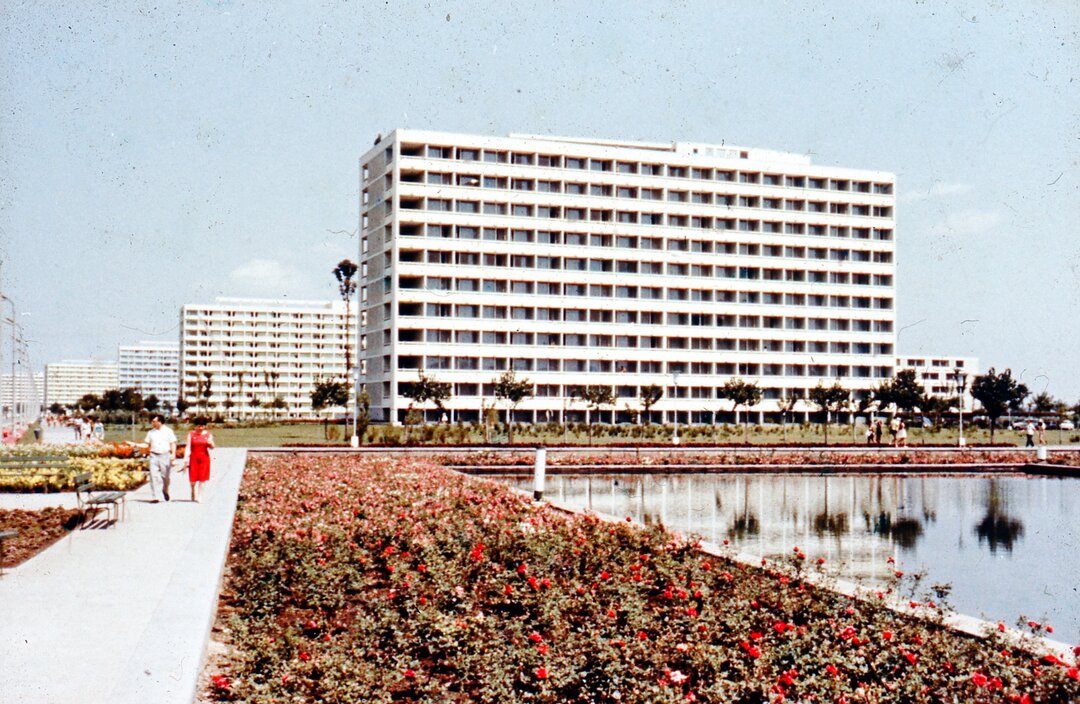
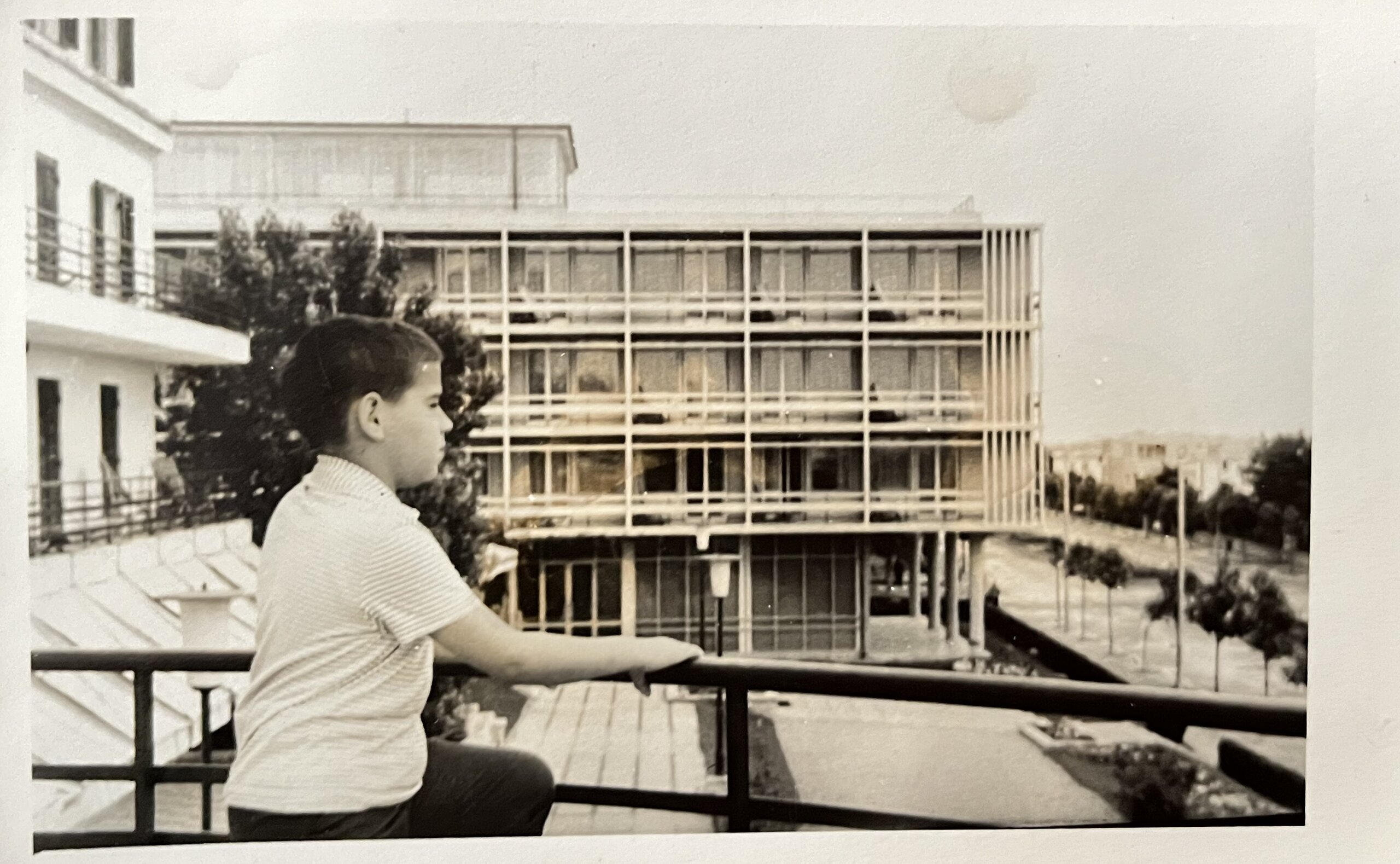
They were buildings with generously glazed facades, open to the sea; their seasonality allowed a broader relationship between inside and out. The Perla Mării restaurant in Eforie expressed modern international thinking. One problem, they were illegal.
At the time, a state building law required the use of the "socialist realist" style, yet the buildings were the opposite of the principles of this style. The reality was that, in the time and with the given budget, it was impossible to realize these constructions. To this was added the desire, the courage (or unconsciousness) of the team of architects who naturally wanted to design buildings in the style of the time, to participate in the international movement in architecture.
Shortly, a political commission came from Bucharest to assess the violations of the law and to provide for due process and sanctions.
The head of the team was my father, architect Cezar Lăzărescu. He was summoned to the Party's Central Committee, to the office of the Secretary General, Gheorghiu-Dej. He entered aware of the serious consequences. But, contrary to his expectations, Dej told him that, despite all the violations of the law, he greatly appreciated the constructions in Eforie, that they corresponded to the idea of vacation and relaxation and that he had decided to appoint him responsible for the development of new investments on the seaside in the coming period.
As the team of architects grew, intense activity followed between Eforie and Mangalia.
Among the achievements in Mangalia, apart from the central area, there was an important sanatorium base, an element as important as the hotels for the syndicates, although on a smaller scale of investment.
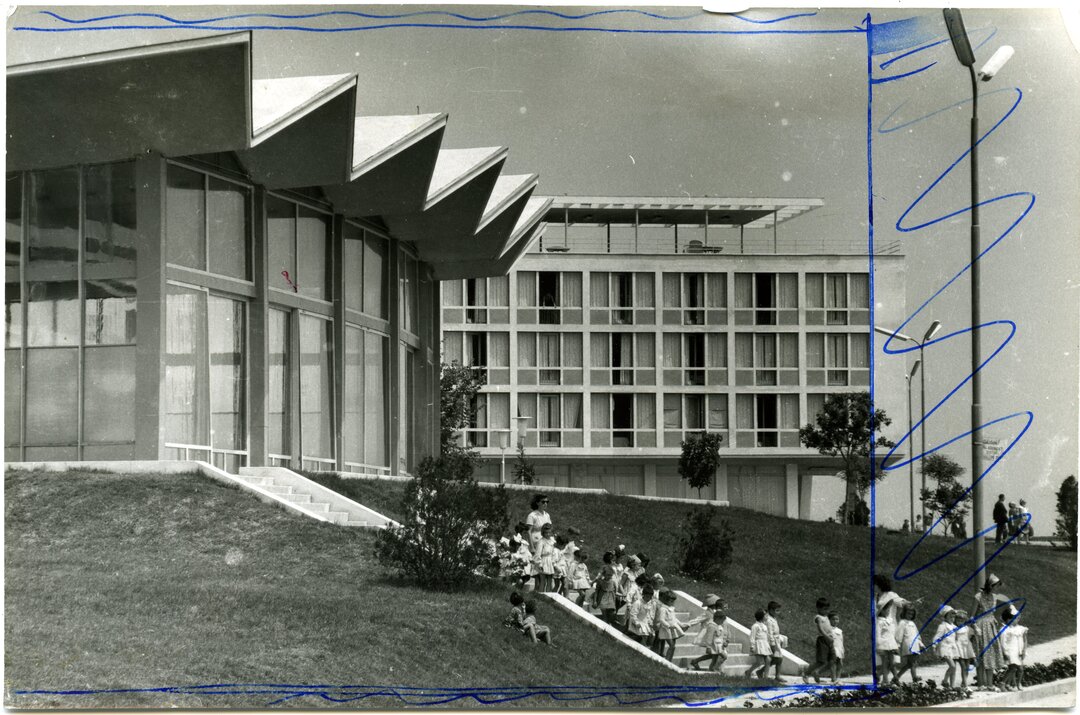
Among the works of a smaller scale were the 2 children's colonies on the beach between Eforie Nord and Sud (Vasile Roaită) which, due to the minimalism and graphic linearity of the elements, remained very modern for a long time.
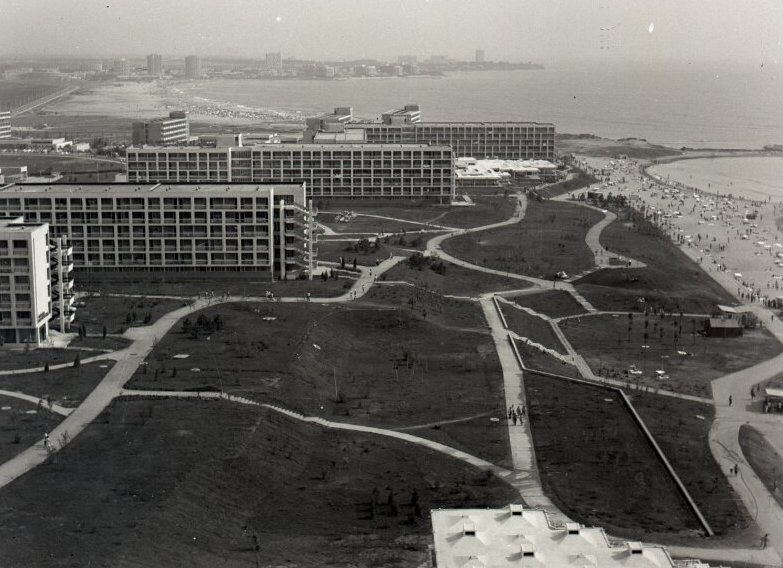
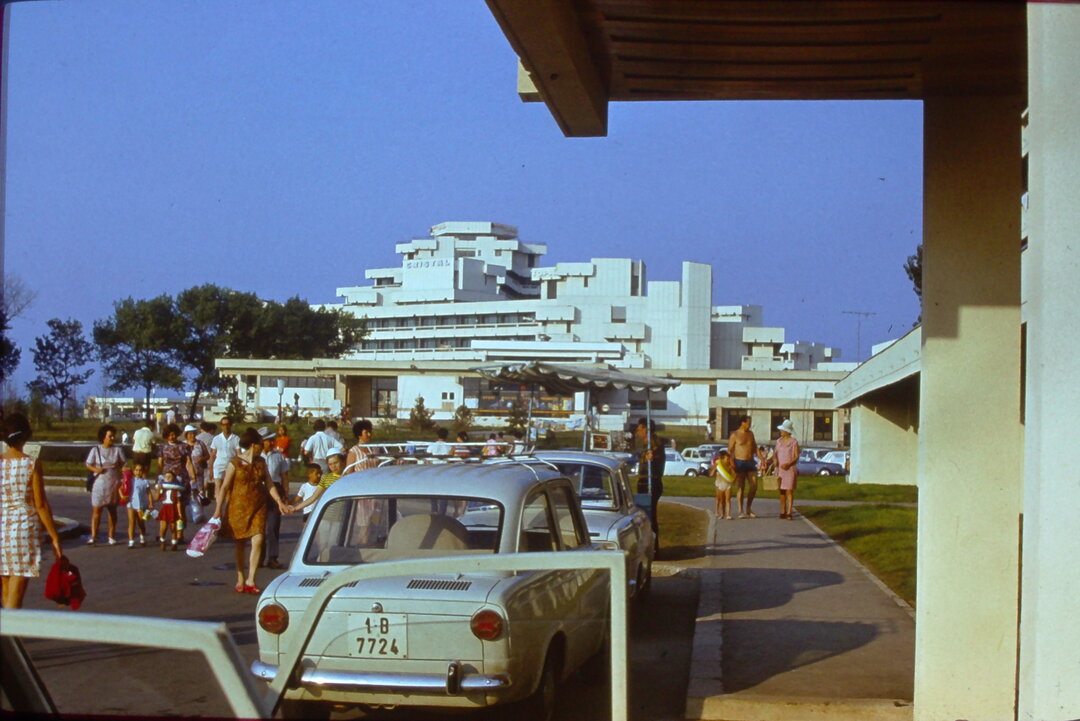
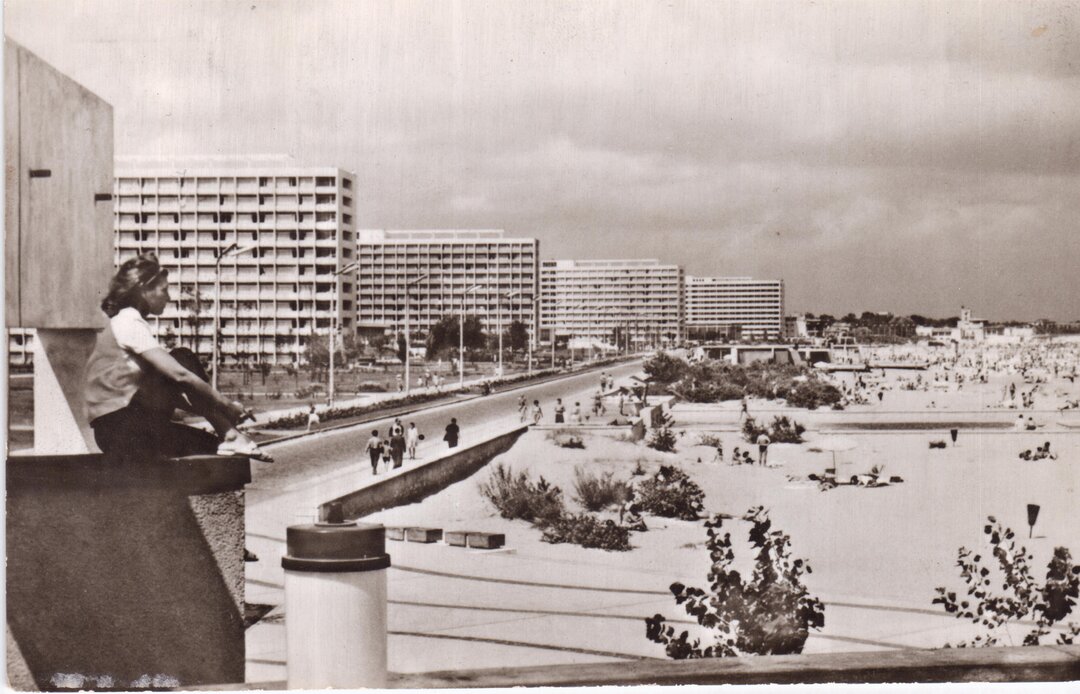
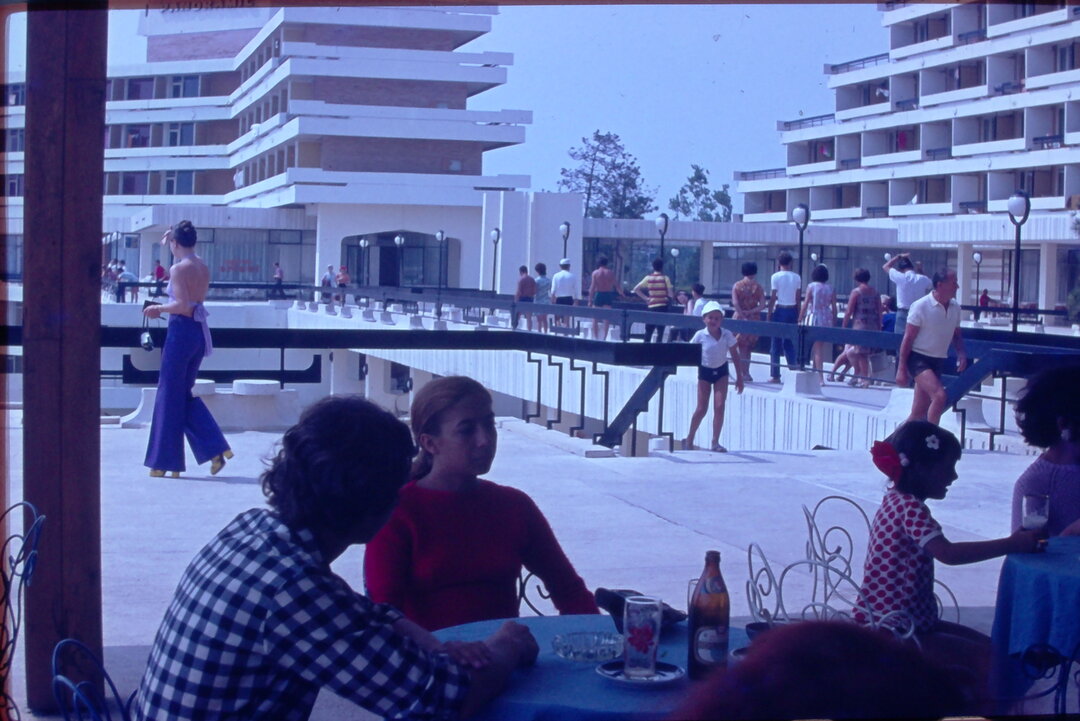
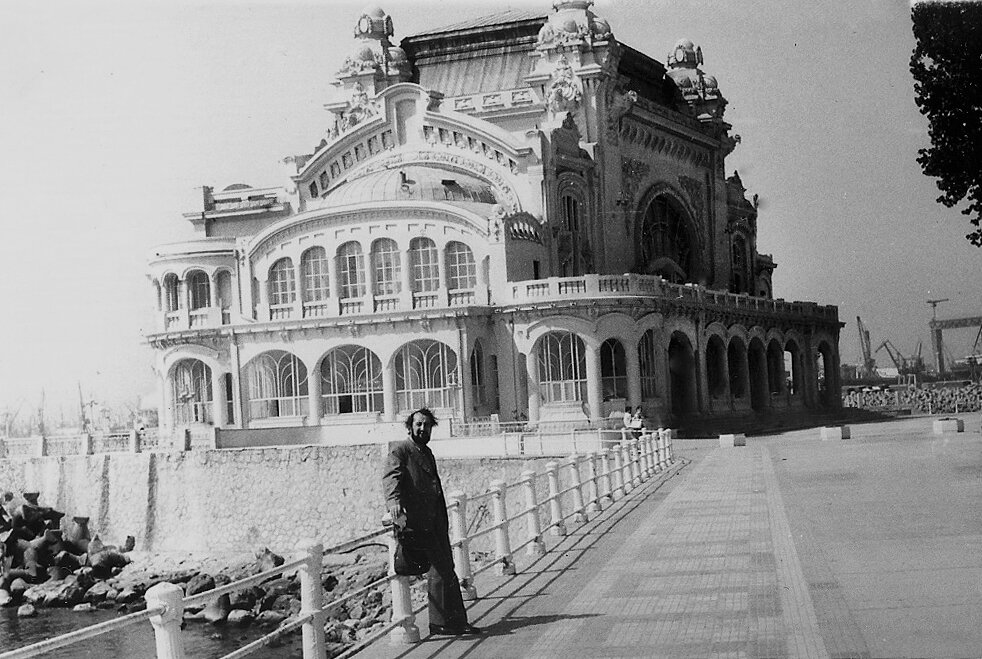
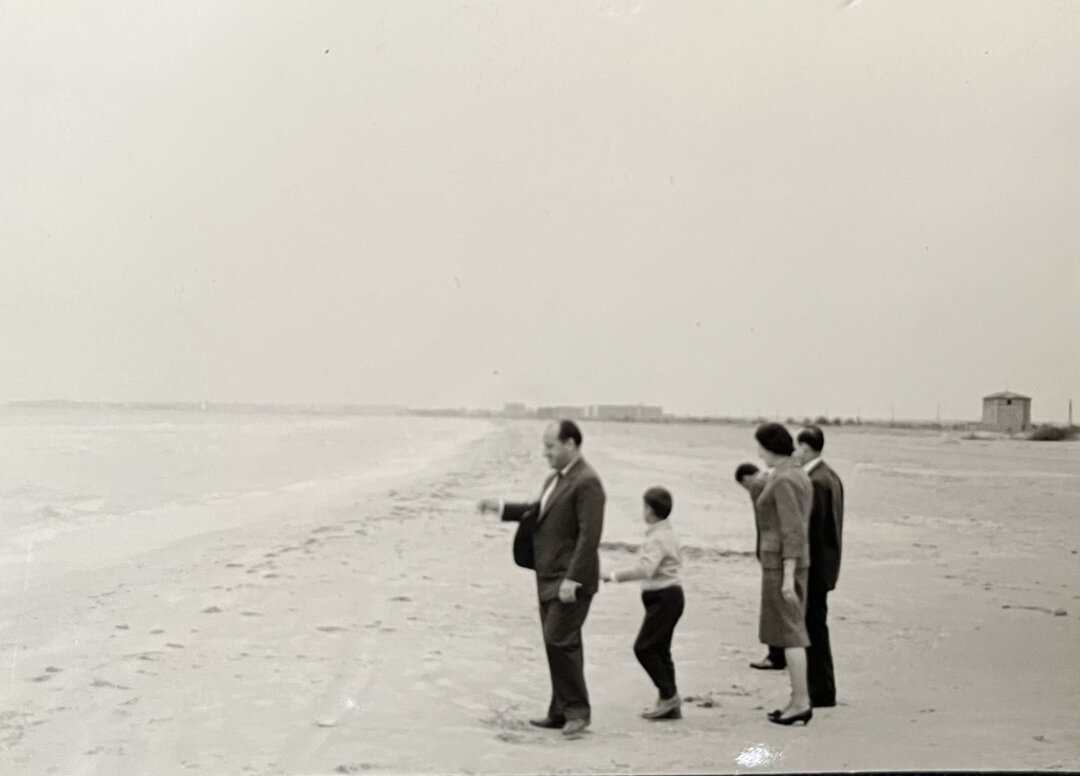
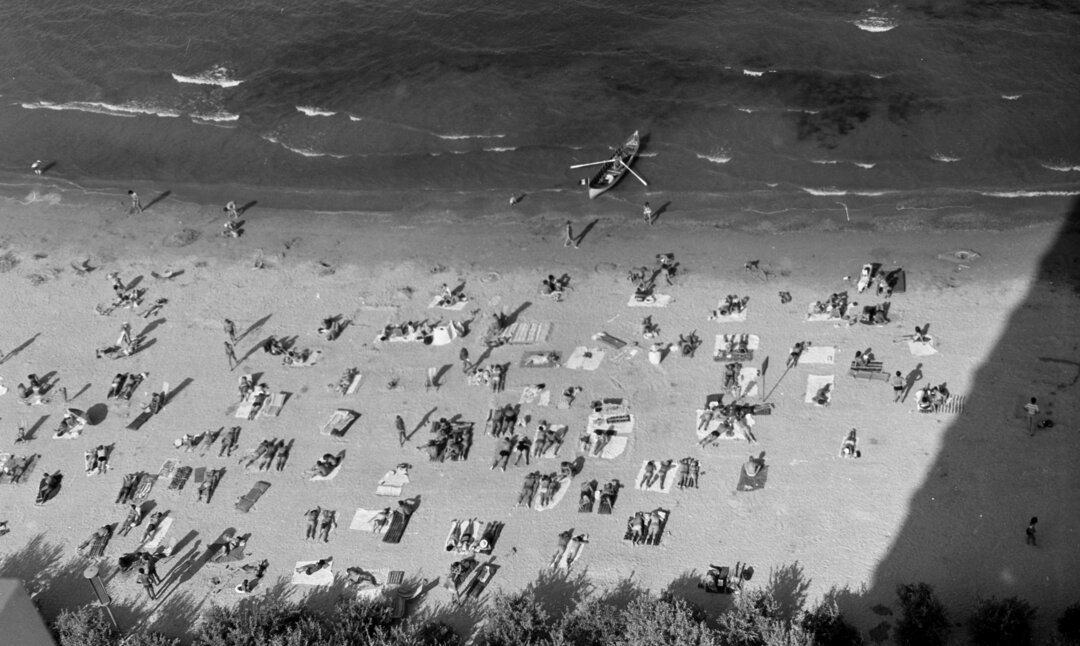
Then came Mamaia, a strip of sand between the sea and Lake Siutghiol. It was dotted with several buildings, private villas and a hotel, the Casino. An ideal site for the realization of a hotel complex aligning the principles of modern architecture, with large spaces, open to nature. The lack of context (the existing buildings were lost in the scale of the ensemble) made it possible to create an innovative image for the time.
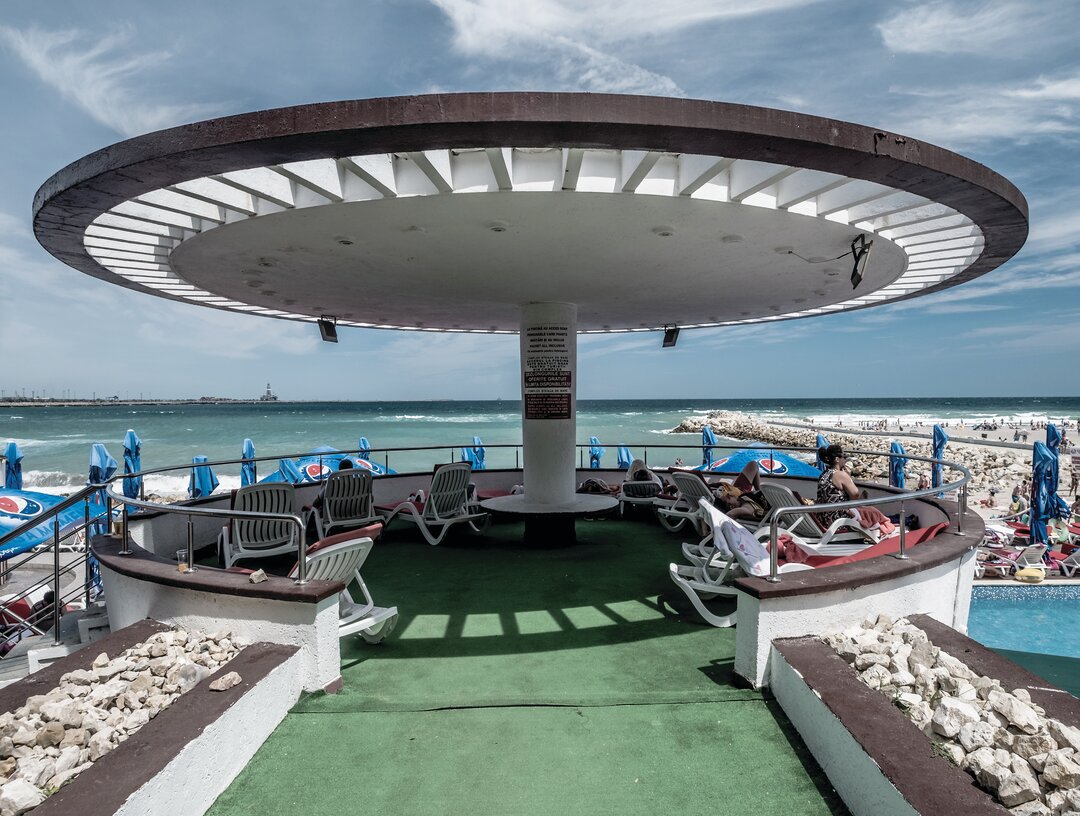
The buildings were built in record time, the structure of the hotels going up one storey a day, with sliding formwork. The "mushroom" structure of the restaurants was innovative for the time, giving the possibility of a large surface area behind light, glazed facades.
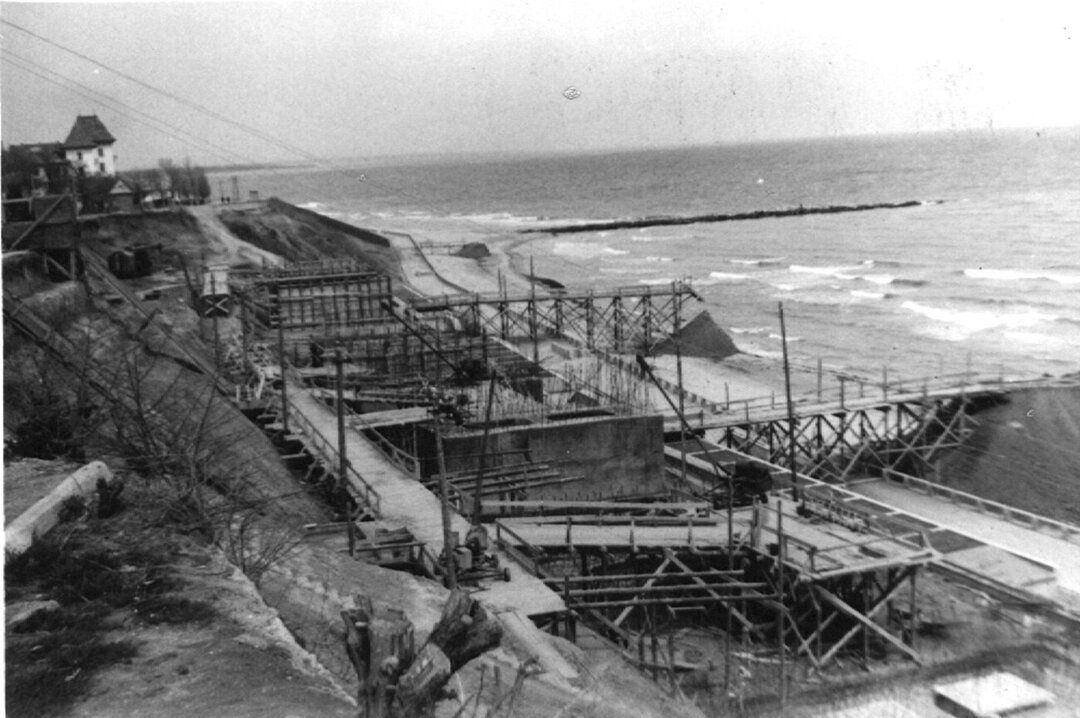
The sewage drainage system (a spectacular, if invisible, achievement) collected water from the entire resort and piped it to Tataia, to a treatment plant. The ground level in Mamaia is eminently horizontal and very low, close to sea level. A large number of underground pumping stations pushed the water up to Tataia.
The Parc and Perla hotels had a more special treatment, more elaborate interior and exterior finishes, a sign of the beginning of a differentiation in the hotel levels, an opening towards national and international tourism, distinct from the "syndicated" premises of the beginning. We find this trend amplified in later achievements (Hotel Europa in Eforie Nord) and, more widely, in the development of the Neptun area.
The Dej period (until the spring of 1965) included, for the team of architects led by Cezar Lăzărescu, after the development of the seaside, the construction of a significant number of villas, at first villas representing foreign dignitaries, then also Dej's villas, and then villas for a significant number of Romanian political figures. The only request for a villa was refused, from the Ceaușescu couple, with the argument that "they do not know how to respond to the taste and demands of the client". This refusal led to a period of blacklisting, from 1965-1969, until the Otopeni Airport competition was awarded.
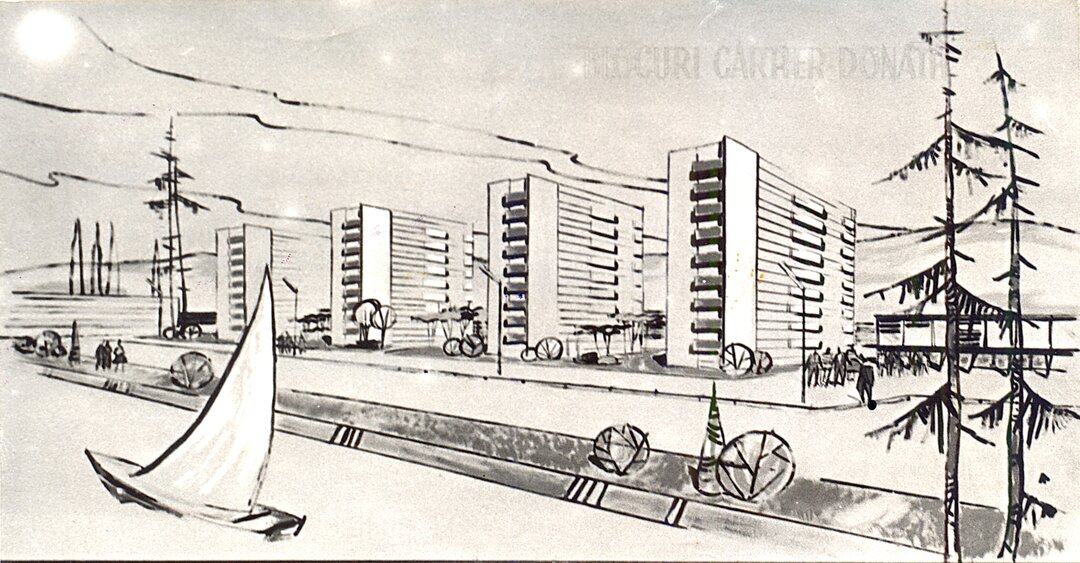
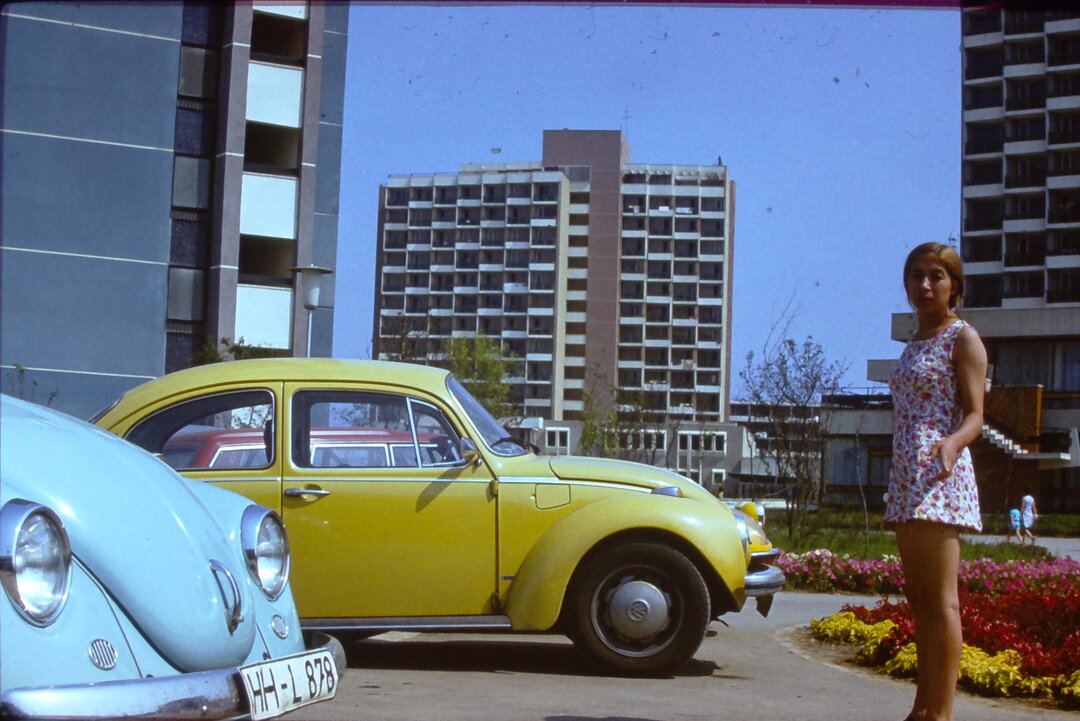
During this period, the development of the coastline was directed more towards the Neptun area, linked to a logistics base in Mangalia, and then gradually became independent. The level of construction in the Neptun grouping is geared towards international tourism, a natural development in terms of both the clientele and the finishes used. The team of architects that Cezar Lăzărescu was part of has broken up, leaving only friendships. The constructions in Neptun in which they participated are punctual and discreet.
A "presidential" villa was built in Eforie Nord and then in Mamaia. In Neptun the endowment in special villas has increased, the feeling of social strata is much more present than it was at the beginning of the development of Eforiei, Mangaliei or Mamaia.
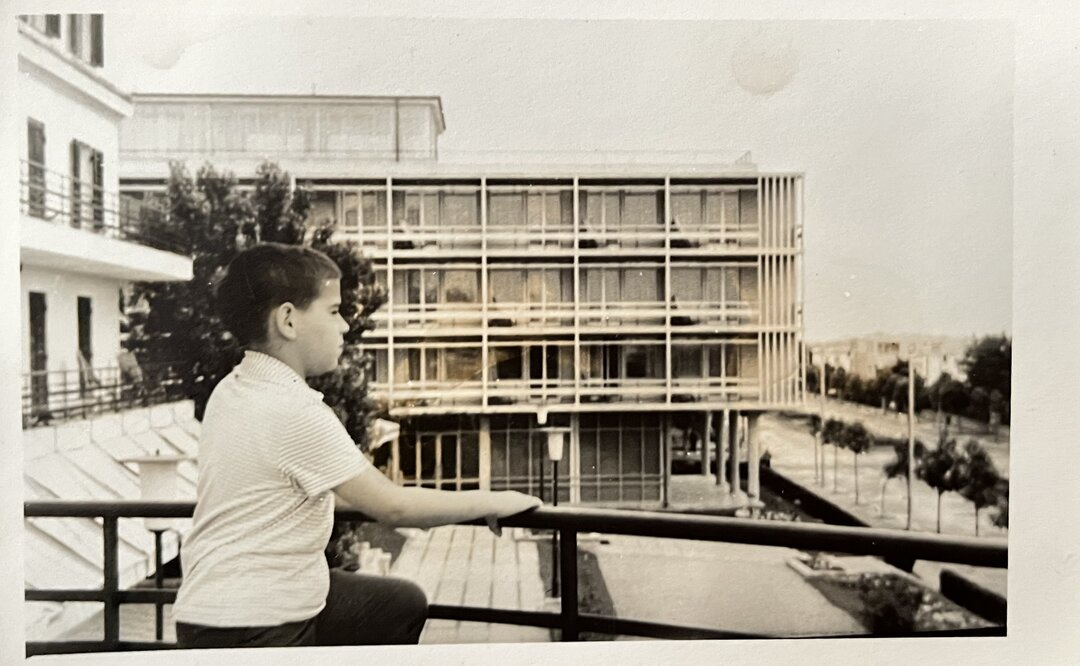
The team that surrounded my father was growing in the early days of the seaside, co-opting a number of talented architects. My memories are of a child looking through a ajar door at the group of "youngsters" who met, every Saturday evening, to dance after a week of long working days. The enthusiasm and excitement of their work (passion) made them float in a soap bubble, a little out of touch with the surrounding reality. It was a period of creative freedom rare in the professional lives of most of the confreres. From the close collaborators, far from a complete list, I fondly remember Anca Borgovan, Dinu Gheorghiu Gheorghiu, Gabi Cristea, Ani Coveianu, Luky Popovici, Petrache Carp, Virginica Gheorghiu and many others. The feeling of complicity and friendship dominated, and probably led to valuable collaborations.
Designing was done in workshops, a bit of a college atmosphere. I say that, but my thoughts go back to the atmosphere I knew in the 1970s, when we came to "school" (few called it college) to feel in a world of our own, and when the teaching (sometimes overnight) was almost as satisfying as the select "teas" (parties of the time). I say this because the mindset was different. I don't know how many still remember, I get the feeling that the fact that money was not the main measure of success (you couldn't make a fortune, everyone was consumed in a generally affluent life until the mid-70s) made passion and professional worth recognized by one's confreres the driving force and pleasure of life. At least around me.
There was always a personal responsibility, whether you were in charge of the party design, the development of a building area or of decoration elements (on rare occasions a decoration part was designed by my mother), but the atmosphere was closer to a group of students than to a state structure (suit, tie...) this was also because the trust between them was high, and because, having "infinite" work prospects, the need for professional advancement was not based on intrigues and eating.
The development of the Seaside was a moment of 'tipping point' between forced submission to arbitrary, political rules designed to create a position in the hierarchy of the socialist camp and the opening towards an assertive international identity and presence.
The coastal construction programs were simple. At the beginning a budget, a reception date and a number of places. The logistical side of the restaurants (and let's not forget all the ancillary buildings needed to operate - laundry, logistical and food storage, staff accommodation, etc. were done by architects with a delegate from the direct beneficiary) and became more complex as the number of users grew. No link between Eforie, where an urban structure pre-existed, and Mamaia or then Neptun, which were to be autonomous, for the most part. The program involved limited political intervention, apart from the expected scale and media resonance, and had few aspects of an official political character. In the special villas, the party household decided the number of rooms and lounges according to the needs of the international protocol, then there was a collaboration between the beneficiary (through the protocol for the party leadership villas) and the architects.
Some of the seaside design (I remember the Mamaia period) was done on site. One of the inter-war villas was the architects' studio and accommodation. The communication possibilities were much more rudimentary than today and with a building site that evolved spectacularly every day, you practically had to keep a constant watch. The materials were basic, the architects' design detailed everything down to the execution plans (1/1) of the joinery, stairs, masonry, everything.
The disappearance of the "socialist realist" style would have happened anyway, sooner or later, and was part of Dej's political struggle to de-russify the political circle - and the dogmas imposed on it - and to assert national pride. The great good fortune of the team of architects and my father was to propose something that corresponded to the moment.
.