Seaside. A published chronology

Information about the history of park and garden planning in Romania and, moreover, about the history of landscape architecture in our country is still incomplete. If the history of gardens has a certain documentary basis, the history of landscape architecture, where it leaves the garden area to be integrated into urban design and planning, is even more incomplete, the main reason being the loss or inaccessibility of most of the archives of the design institutes from the communist period, the period marking the entry of landscape architecture into the modern era.
The few older or newer studies make essential contributions to our understanding of certain phenomena, of certain types of development and, last but not least, of the cultural and/or natural values associated with large or small territories or the state of conservation of certain objectives, but they are insufficient. These aspects were pointed out as far back as the 1980s - possibly even further back - by Maria Paleologu in her article 'Some Observations on the Protection and Valorization of Historic Gardens', in which she wrote as follows:
'The few studies on the Romanian "historic garden" or rather the history of gardens in Romania, understood as a work of art and, at the same time, a monument and document of civilization that needs to be protected as such, although incomplete in terms of documentation and interpretation, have nevertheless had the merit of drawing attention to the seriousness with which this issue must be treated in our country. Such an observation urges us, once again, to emphasize the need to study the art of gardens in the context of the current enhancement of the national cultural heritage".
Research in the field of landscape gardening is - as in many other more or less related fields - insufficient and, in any case, the quantity of studies and the depth with which they have been elaborated differ from one cultural-geographical area to another. Analyzed from this point of view, it is easy to observe that the Dobrogea area remains among the least studied, from a landscape point of view, regions of Romania. However, following a simple review of the landscape projects developed on the Romanian coast in the last ca. 120 years, one can distinguish at least three relevant periods related to the subject of the present material: (1) the pre- and inter-war period represented by the punctual development of private gardens and public parks; (2) the first post-war period of large urban planning and green spaces projects; (3) the post-Decembrist period of visionary strategies and projects for the valorization of the coastal landscape.
1. Specific developments of private gardens and public parks
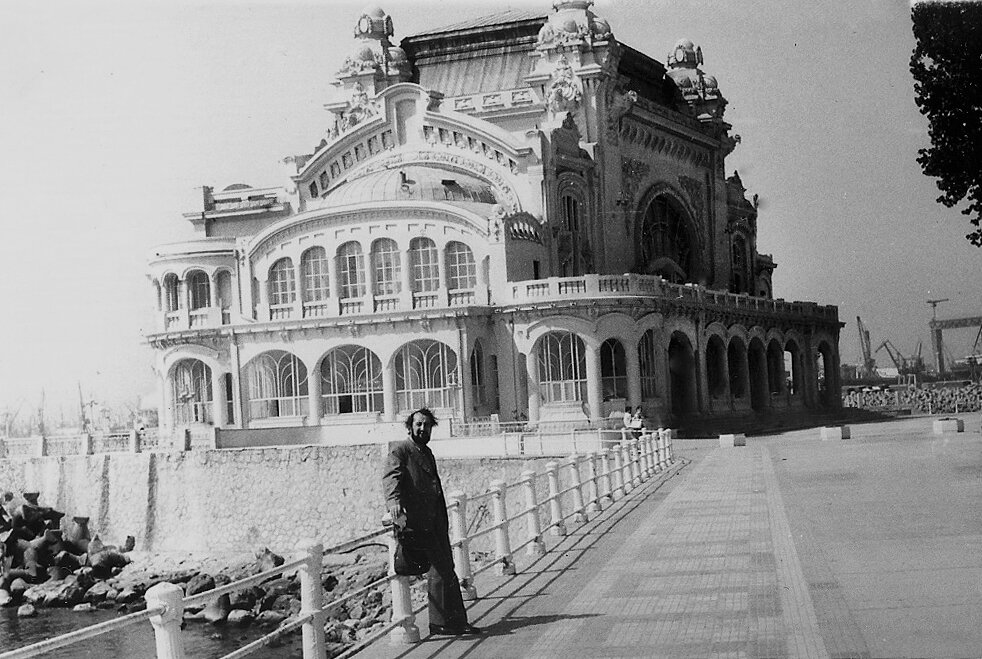
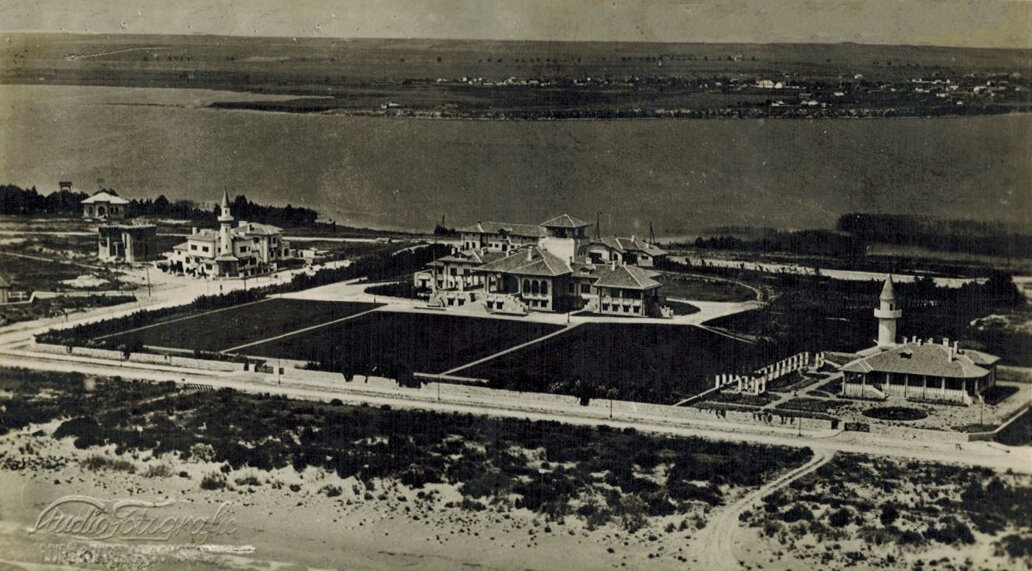
In the ante- and especially the inter-war period, we know of a limited number of landmark works in the wider field of landscape design, mostly in Mamaia and Balchik (today in Bulgaria), and which are made up in particular of private gardens attached to individual dwellings. Obviously, the works to which we are referring are the royal gardens of Queen Maria's castles in Mamaia and Balcic, but also smaller or less complex works realized for beneficiaries such as Barbu Știrbey, Jean Chrissoveloni, Ion Pillat, Octavian Moșescu, Mircea Cancicov, etc. In the case of the royal gardens, we know from the primary documentation and the few specialized bibliographies that they were designed in several phases and landscaped by foreign gardeners and landscape gardeners such as Jules Janin, Carol Gutman and Friedrich Rebhuhn. It is possible that the same landscape gardeners also worked on the private gardens of beneficiaries such as those mentioned above, but for the moment we do not know enough information about these specialists, let alone about many of their works.
In addition to the landscaping around private residences, whether of the monarchy or of wealthy beneficiaries, we also know of the landscaping - as part of a larger urban planning project - of the central park in Eforie Nord, today known as Ion Movilă Park. From the existing information - scarce and incomplete -, this park is a rare, if not isolated, case on the Romanian coast, both in the inter-war period and today.
2. Green space projects in the post-war period
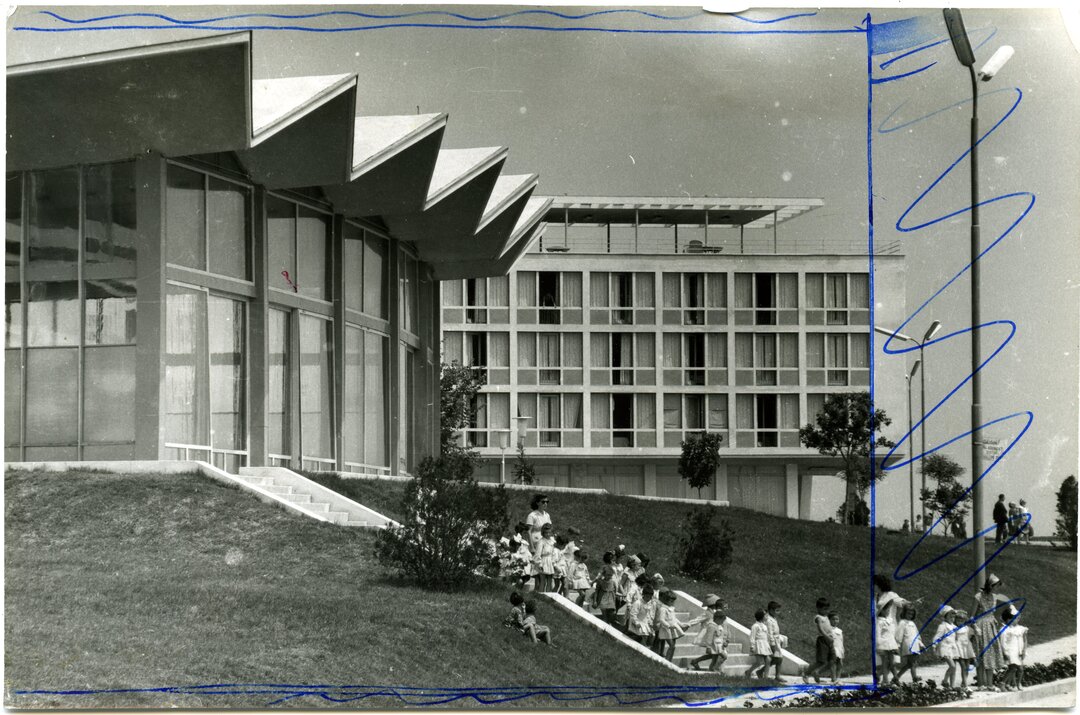
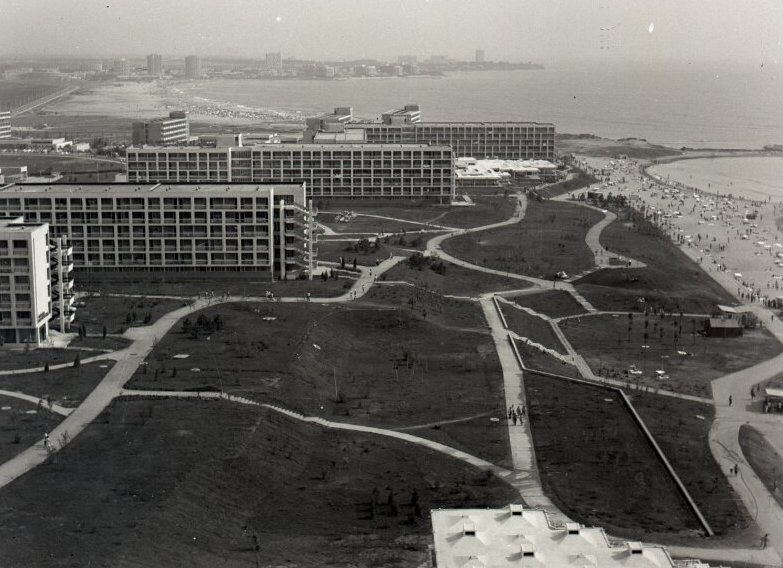
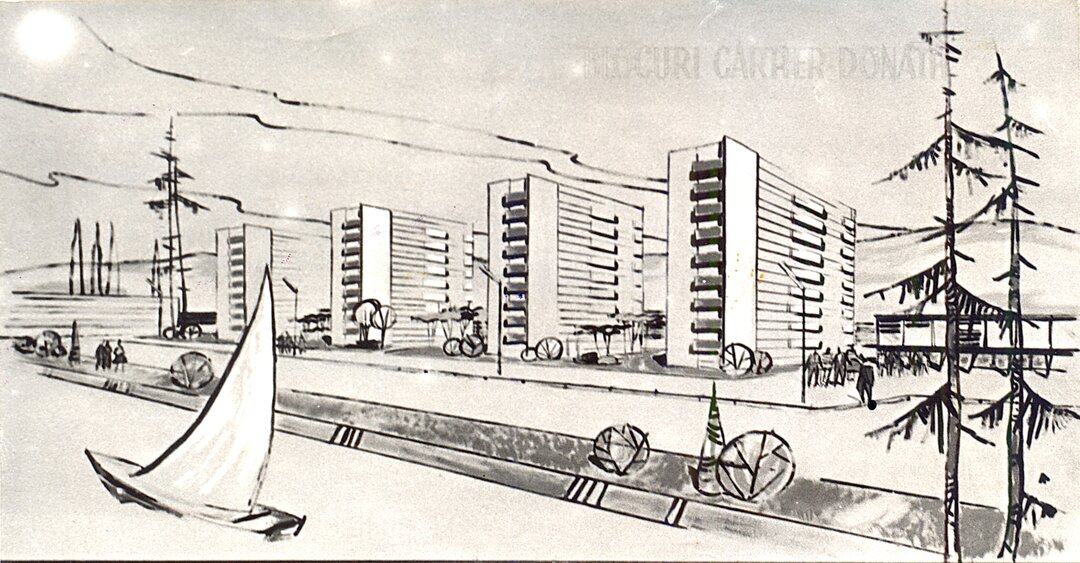
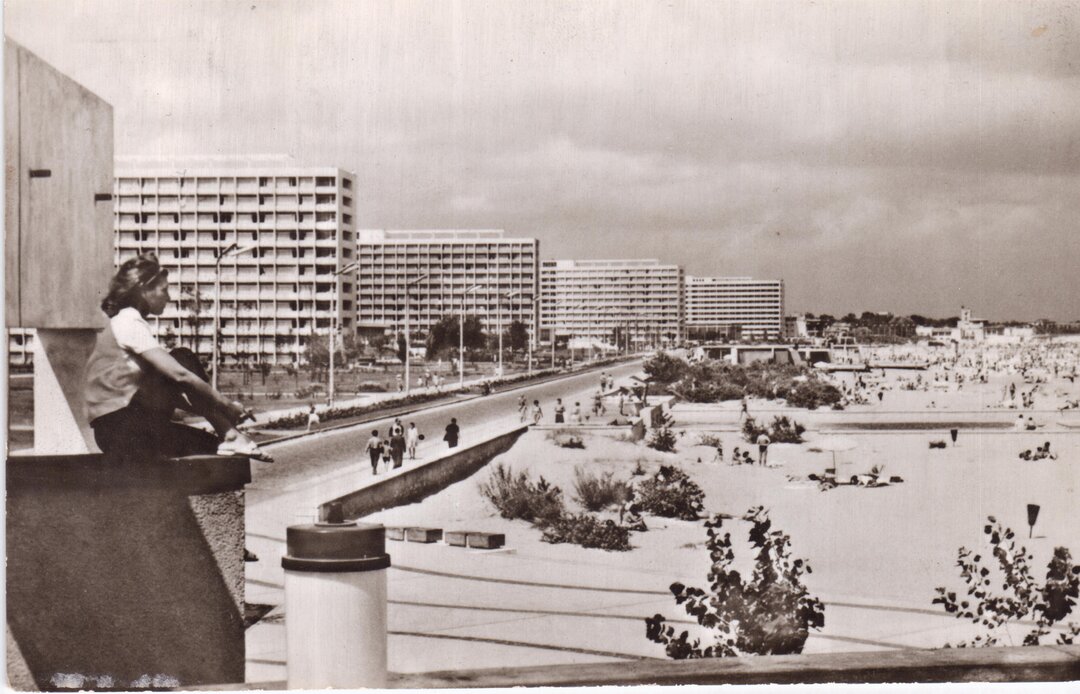
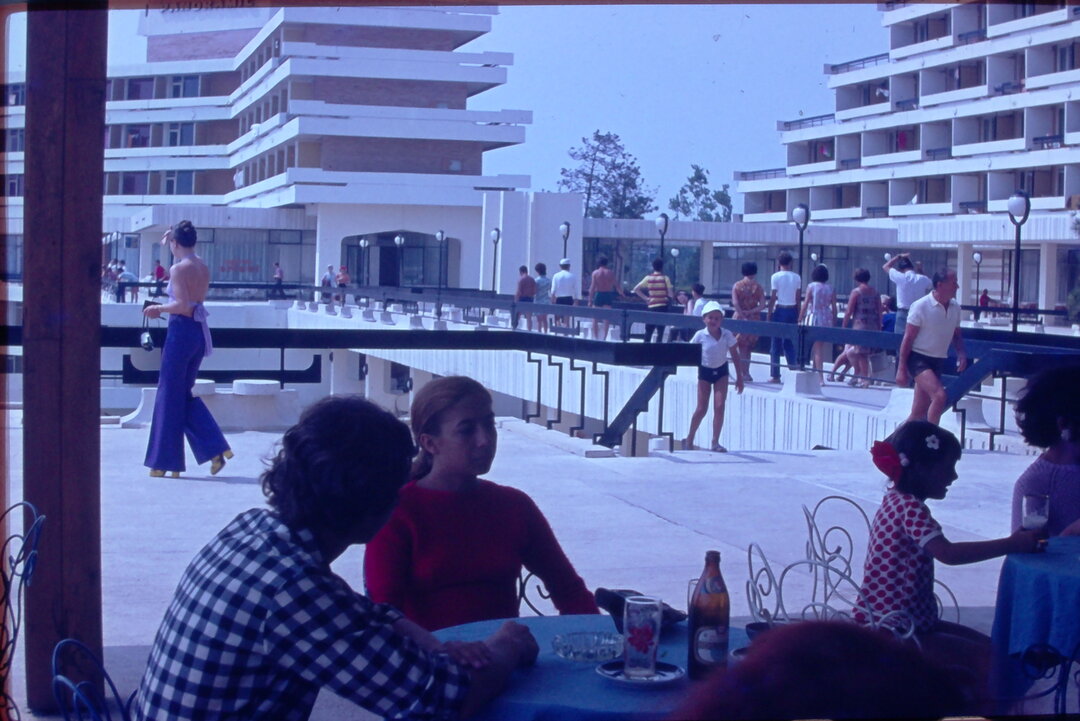
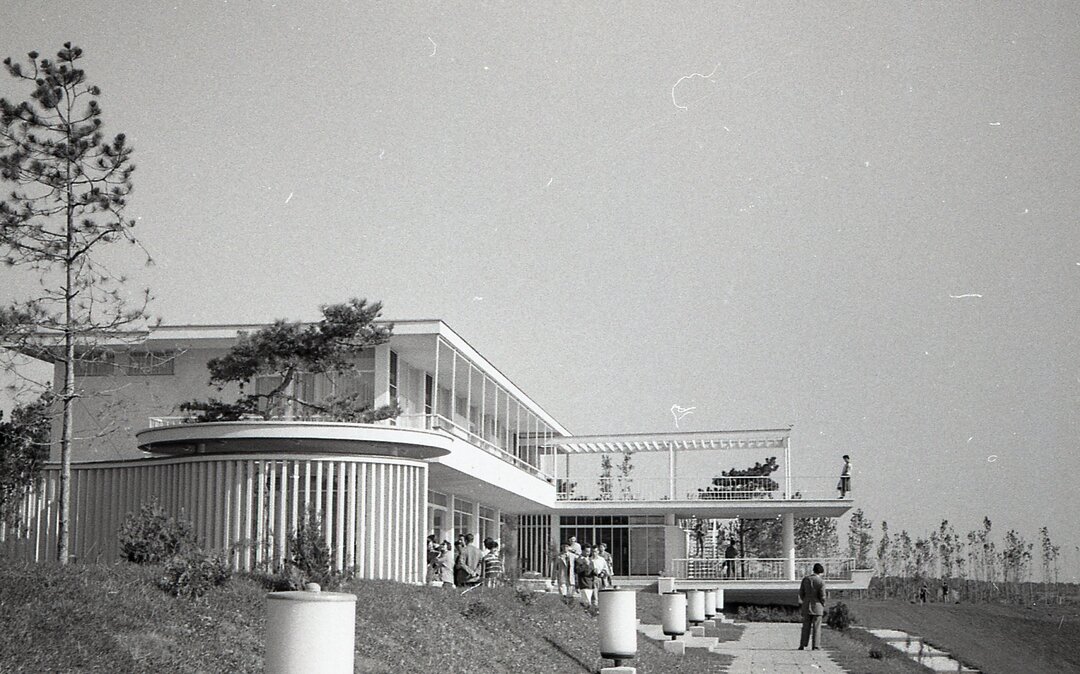
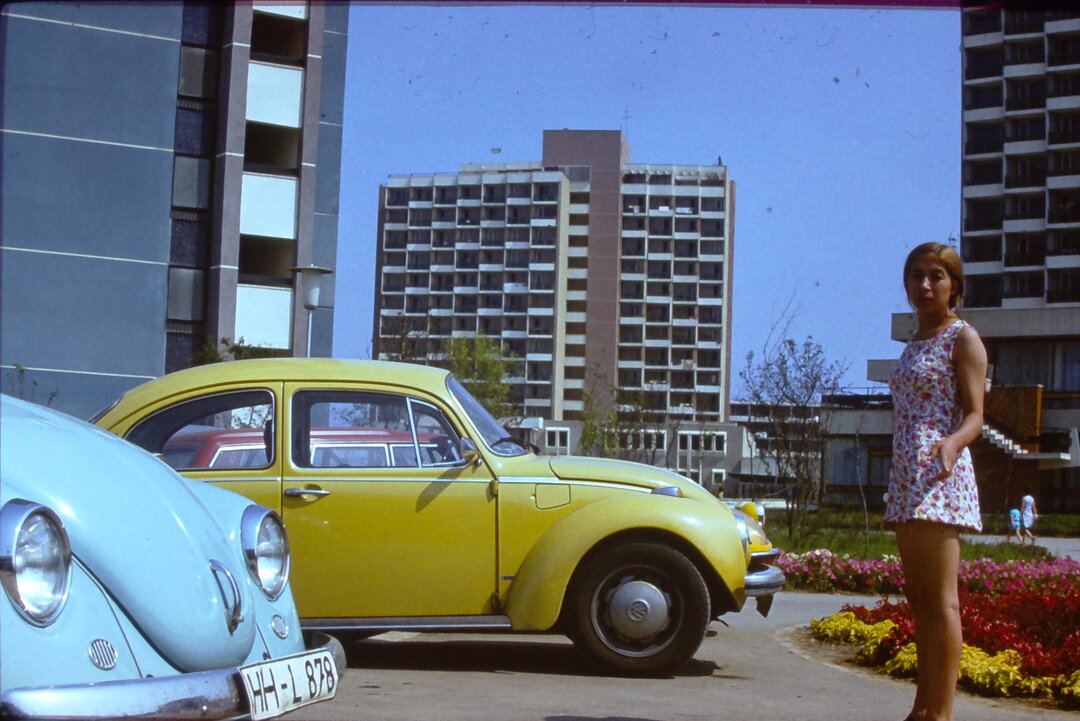
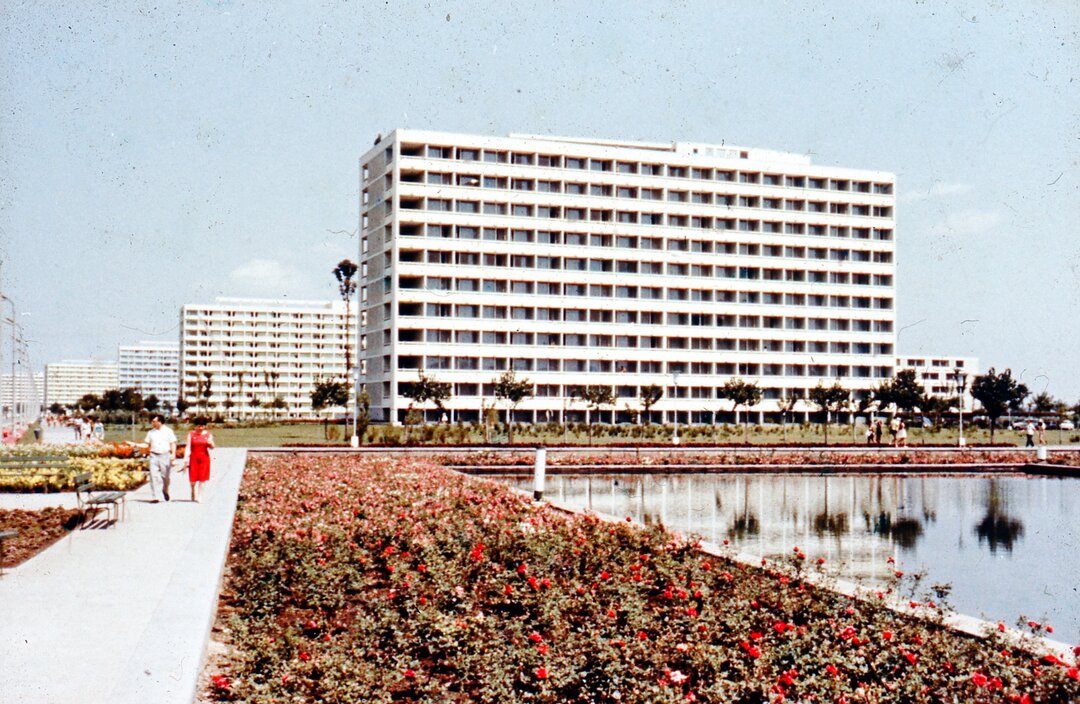
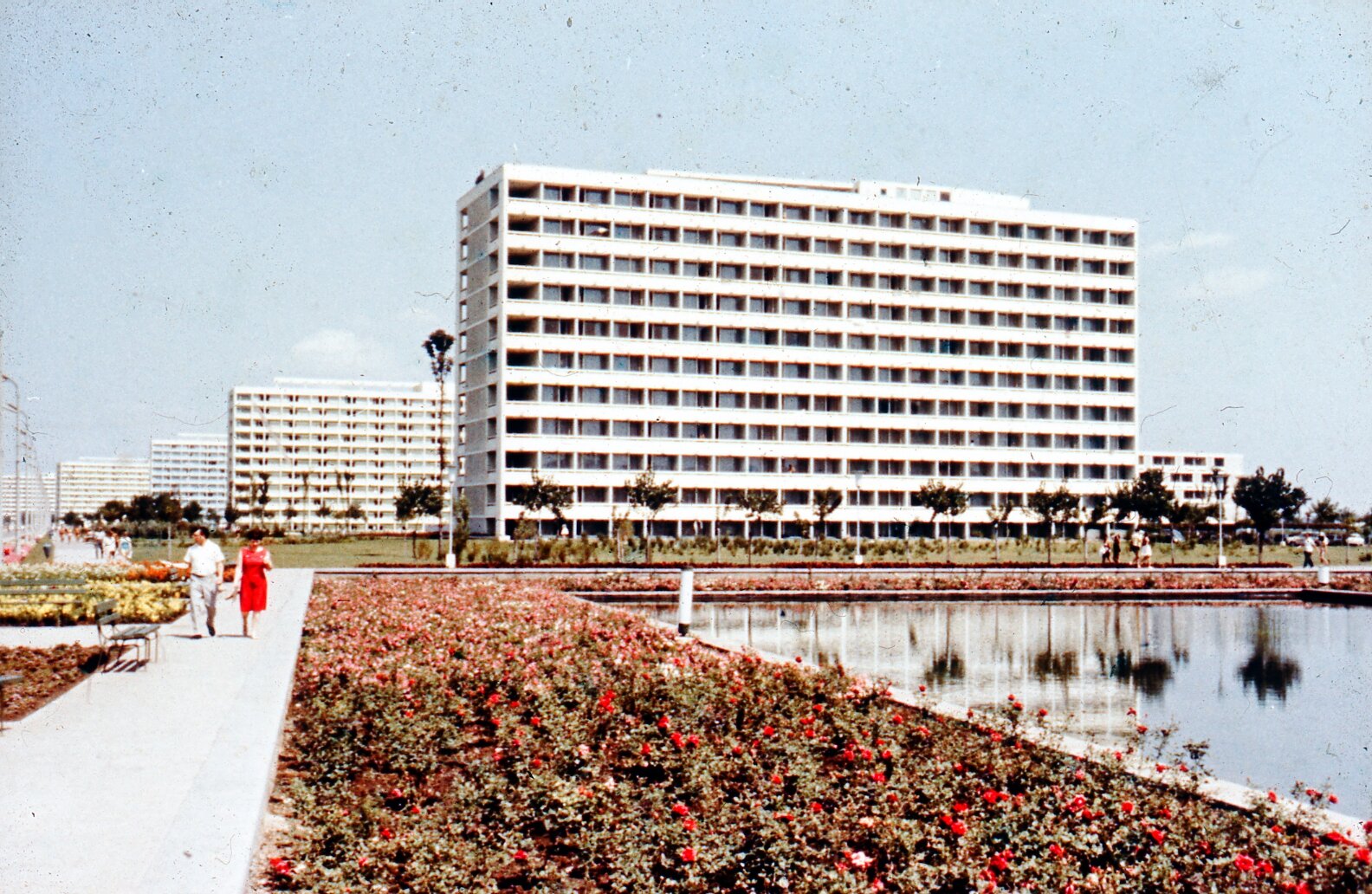
The new urban planning vision for the development of the coast, which involved both extensive works in existing towns and the construction of new localities (coastal resorts), also brought about important changes in terms of green space development works. Thus, while in the first half of the 20th century, landscaping works were mainly related to private gardens and, in exceptional cases, to small public parks, in the second half of the century there was a major paradigm shift. During this period, large systematization projects were complemented by complex projects of green spaces (street plantations, squares and even parks), in which the landscape became part of the urban infrastructure and not a mere decorative element: "The composition of complexes with simple volumes differentiated by position, height and color, as well as independent and aerated, providing for planted and landscaped open spaces [...]" (Cezar Lăzărescu in Revista Arhitectura no. 8-9/1958).
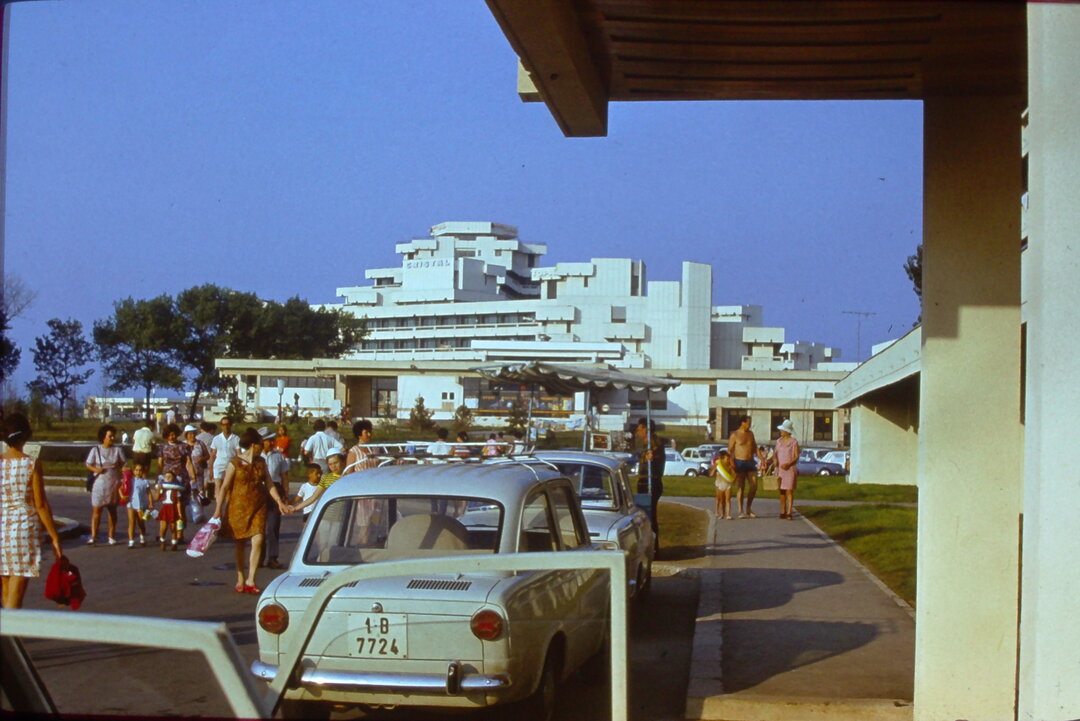
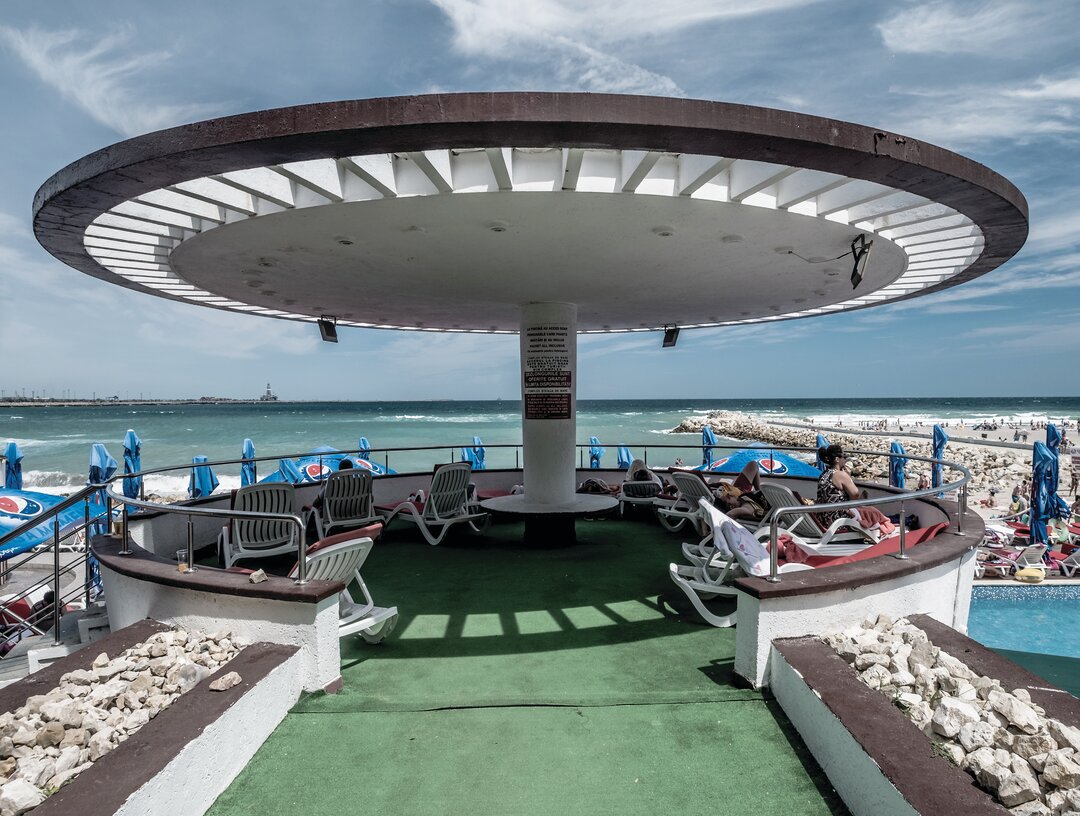
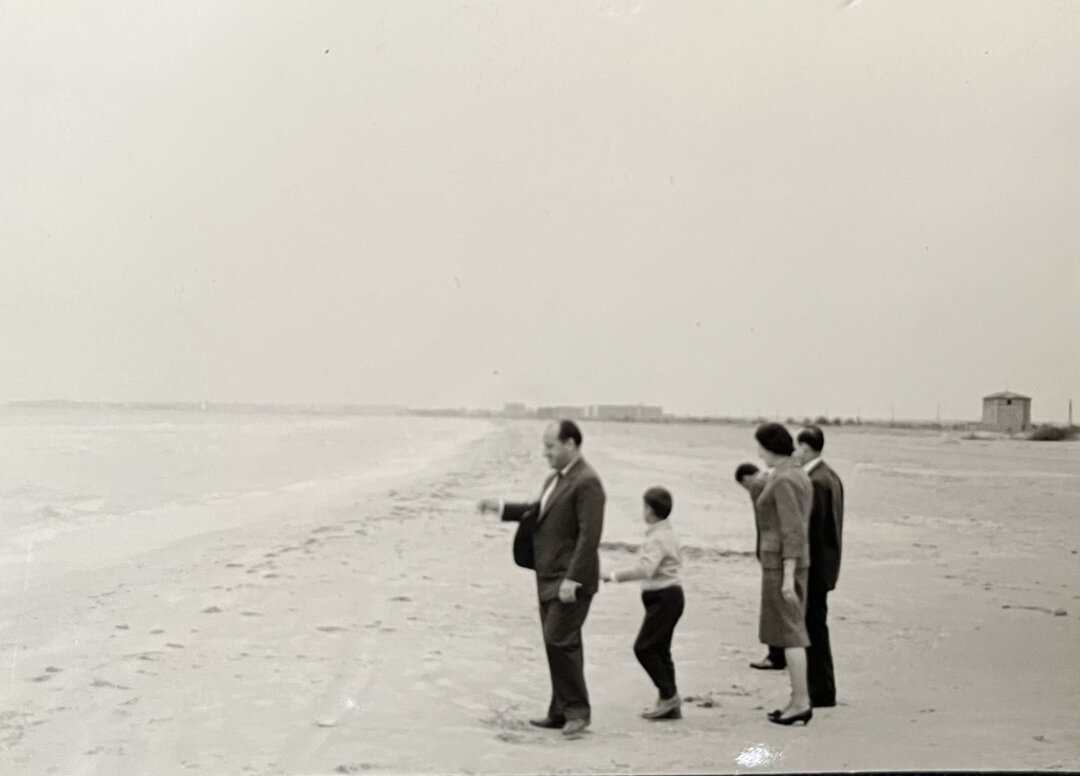
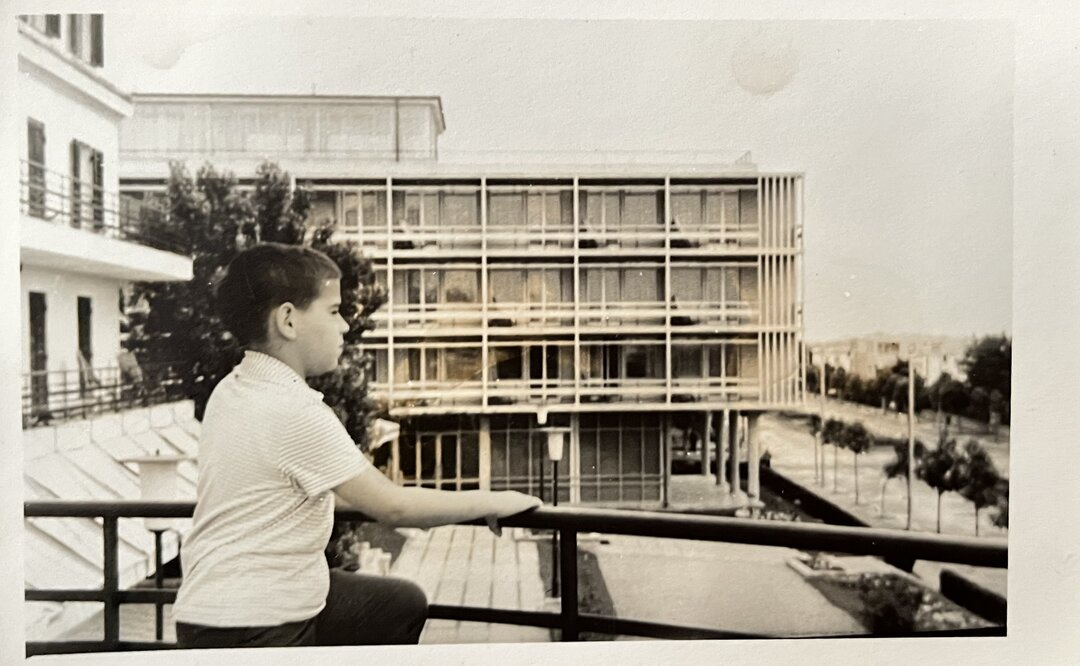
On the other hand, although complex and carefully detailed, even at the level of plans for large territories, once implemented on the ground, landscaping was considerably simplified or implemented only to a limited extent. Modernist landscaping was often replaced, in particular, for financial reasons (see the repeated invocation in the pages of Arhitectura magazine of economic arguments concerning architectural and urban planning projects on the coast - "judicious economy", "a number of economical solutions", "realization of all these within the limits of maximum economy to allow the investment to pay for itself in the shortest possible time", etc.) or because of the administration's "preferences", with simple floral borders and borders with panselons. The designs and layouts published in the Arhitectura Magazine and the numerous photographs capturing the result of the implementation of the projects on the ground support the above. Moreover, although landscaping works and the realization of shrub and tree plantations can be identified in some vintage images, they only partially correspond to the published projects and, in any case, their evolution over time, their completion with possible new systematization works, the way (e.g. the possibility of bringing in fertile soil from different geographical areas further away from the coast, planting of species foreign to the area, etc.) and the different degree of establishment of plantations in seaside resorts, new plantations planned, proper maintenance or lack of maintenance of vegetation, etc., make it difficult at present (but not impossible!) to find original landscaping that is in keeping with the architectural plans.
The comments about the complexity of the design and the low degree of implementation of landscape projects are not peculiar to the coast. As even professionals of the time such as Gheorghe Petrașcu or Rică Marcus, who invoke the lack of attention paid to public spaces and landscaping, criticize and criticize the absence of vegetation in spaces otherwise called "green", or as fellow landscape architects nowadays conclude (see Oana Pîrvu on the Floreasca Neighborhood - dissertation USAMV Bucharest, 2015), many of these projects remained in the blueprint stage and were rarely/incompletely put into operation.
Just as in the case of representative projects for the historical period previously briefly described above, in the case of the post-war period, information on the actual projects and/or the specialists involved is sketchy, and the archives have not yet been sufficiently well studied to help a deeper understanding of the period and the specialists involved. Furthermore, it should be pointed out that in the publications of the time, including the Revista Arhitectura, the major systematization projects, although supported by complex landscape design projects, were not accompanied by a list of all the specialists involved, but only by a restricted number of authors-architects and, possibly, engineers. On the other hand, written or orally transmitted memoirs present as the main pioneers of the landscaping works Eng. Florin Teodosiu and arh. Valentin Donose and Eng. Ana Felicia Iliescu, but the projects signed by them, any technical memoranda or other similar documents supporting the hypothesis presented above have not yet been identified in the archives and/or published by their authors or by those who have studied the coastal landscape.
3. Visionary strategies and projects for coastal landscape valorization
The end of the 20th century, and perhaps especially the beginning of the 21st century, brought new changes in terms of how we relate to landscape design. As a result of a number of factors, including irregular real estate development, the densification of towns and resorts, the lack of interest on the part of central or local authorities in the proper maintenance of existing green spaces and/or the implementation of large-scale projects which did not include landscape analysis, etc., the landscape of previous periods has deteriorated and, at the same time, the lack of an overall vision has distorted the landscape.
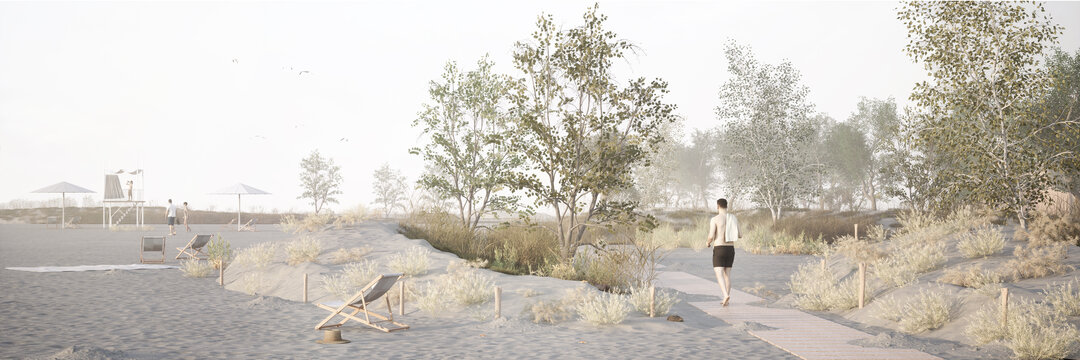
The establishment of landscape schools since 1998 and the realization by architects, landscape architects and representatives of other professions of the problems of green spaces on the coast and the deterioration of the coastal landscape have contributed to the growing interest in developing visionary strategies and projects, mostly at territorial scale, for the enhancement of the built and natural landscape of the Black Sea coast. Diploma projects targeting the coastal area, cultural and research projects developed by professional associations, non-profit organizations, universities and research centres around immovable cultural assets and cultural landscapes in the Dobrogea area or landscape studies carried out for an integrated approach to urban planning documents are now creating the basis for a better understanding of the territory from a landscape point of view, as well as for its proper regulation and management and all its components, including those represented by planted spaces, whether public or private.
--16686-xl.jpg)
--16687-xl.jpg)
--16688-xl.jpg)
--16689-xl.jpg)