Seaside. A published chronology

Interview with Alina Șerban, Sorin Istudor, Kalliopi Dimou
"Modern man's pleasure / To travel.
Modern man's desire / To know.
Modern man's interest / To make the most of his free time".
Ioana Alexe: To what extent do you consider that the archives currently available, including documents, photographs and oral testimonies, provide a solid basis for a complex and nuanced understanding of the socialist period in Romania? What gaps do you identify in these archives and how could they be filled to provide a more complete picture?
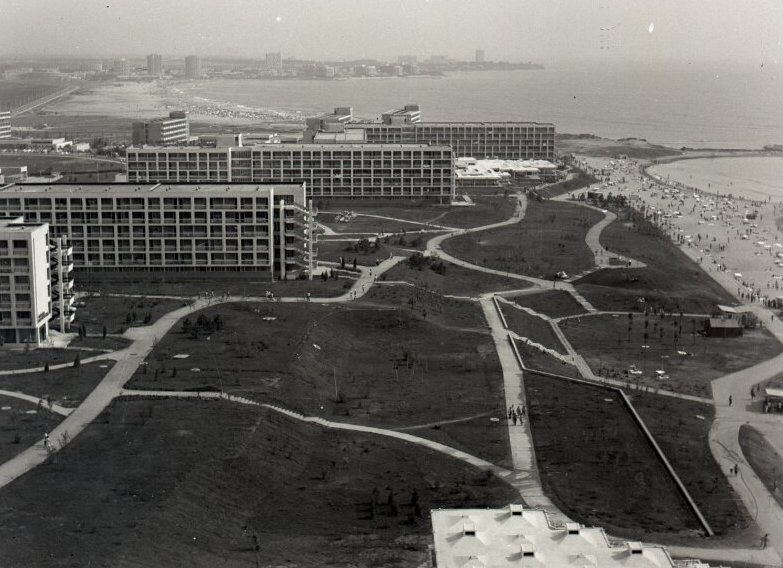
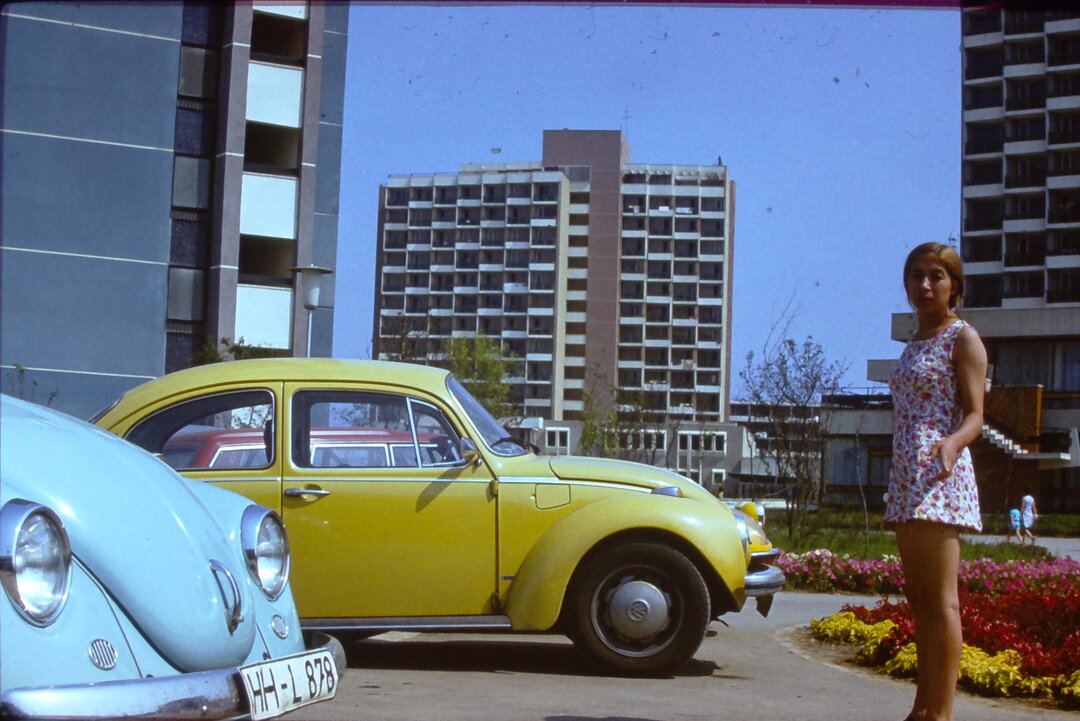
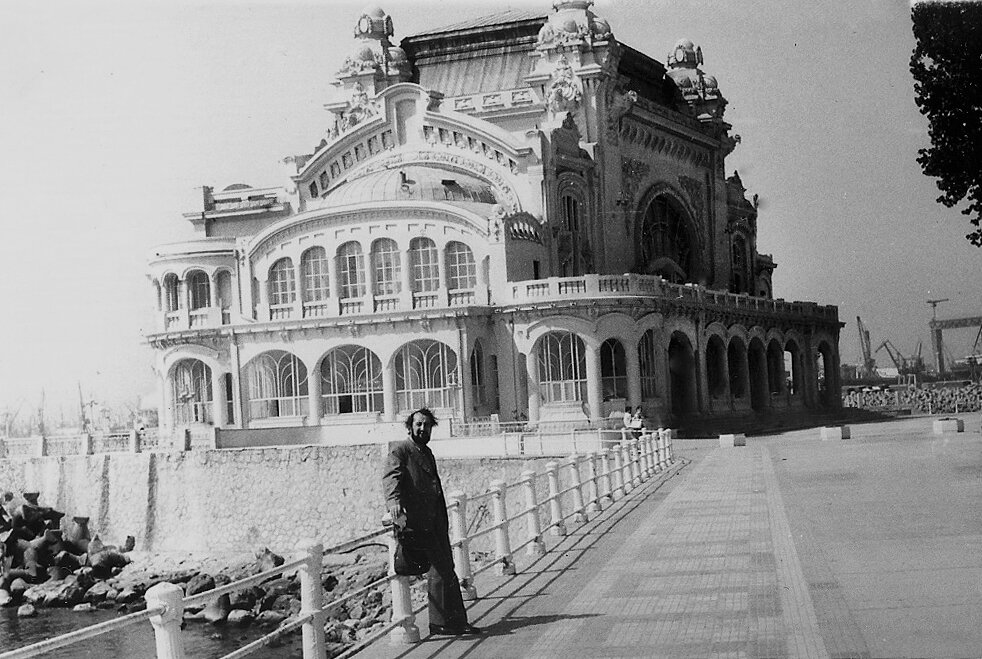
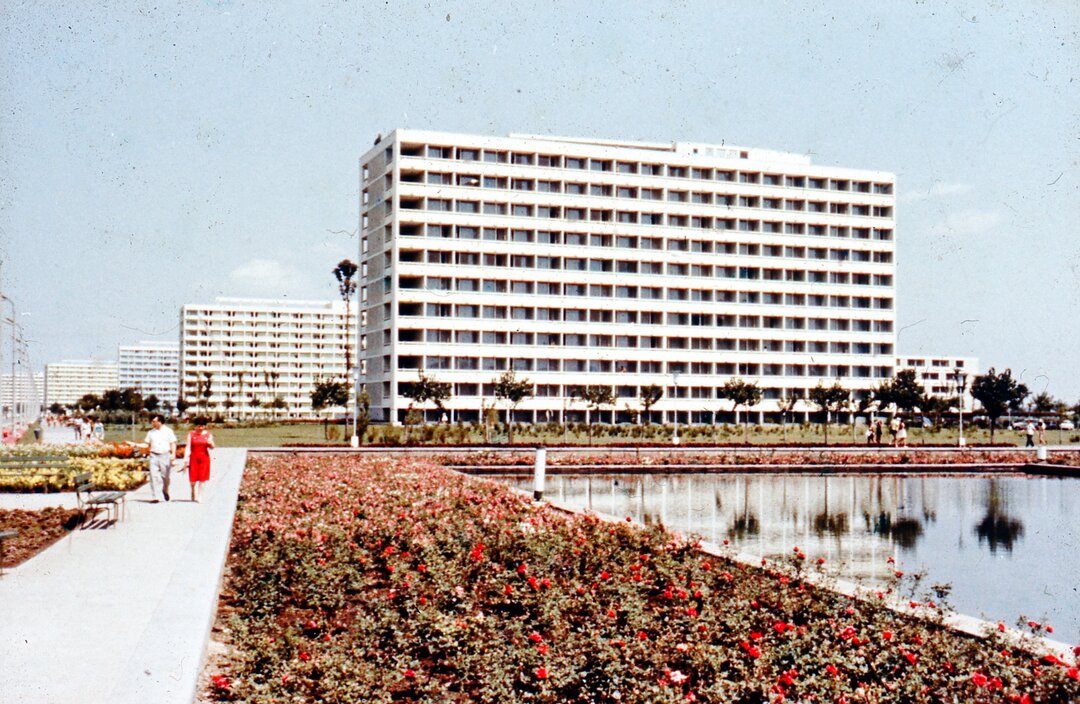
Alina Șerban: The archives per se are neither limitative nor exhaustive. For a better orientation in this debate that has arisen (and still persists) around archives, it is worth re-reading, for example, Hal Foster's article, Archives of Modern Art, published in 2002. There are some important pointers there that can broaden the way we think about working with archives (institutional or private) and survey the mass of materials contained (inventoried or not), according to our own methodology, in search of answers to our questions. For me, archives do not represent the main key on the ground of a research, they are just a link in this chain of unraveling the features and processes that characterize the "project theme", which was, in our case, the architecture of the Romanian seaside in the 1960s and 1970s.
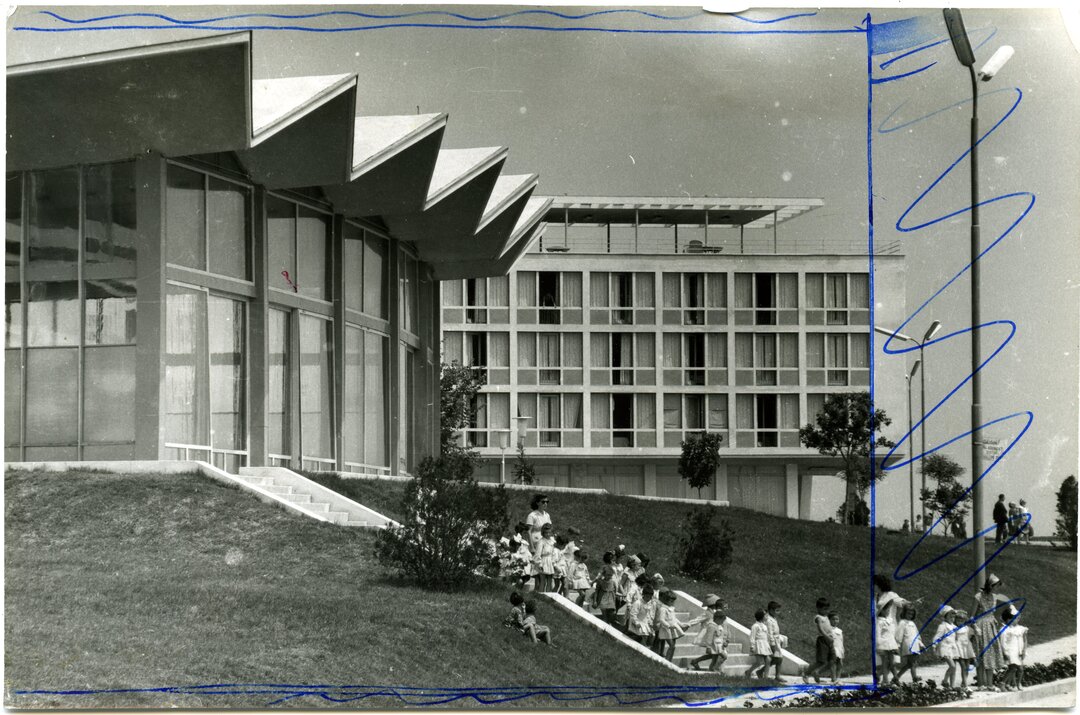
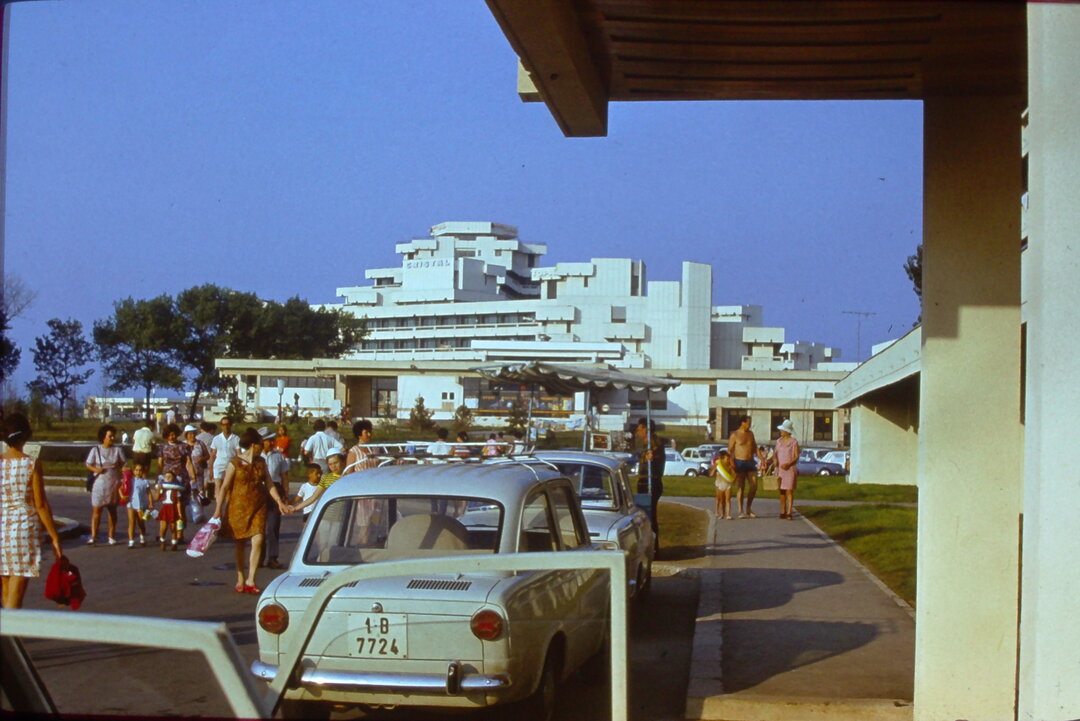
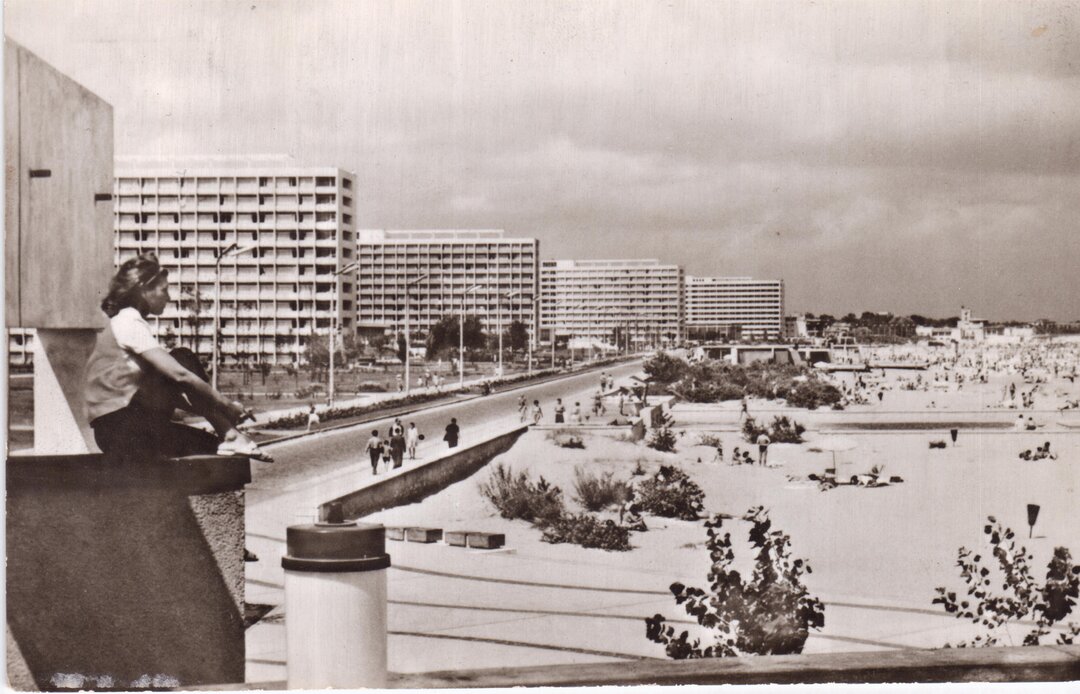
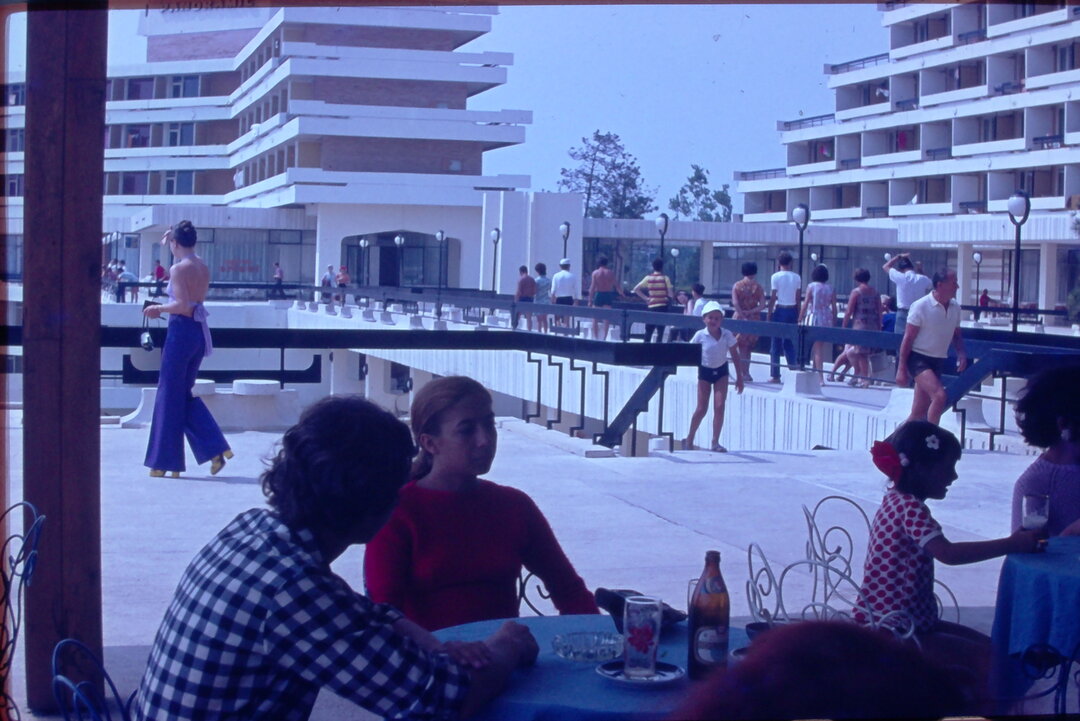
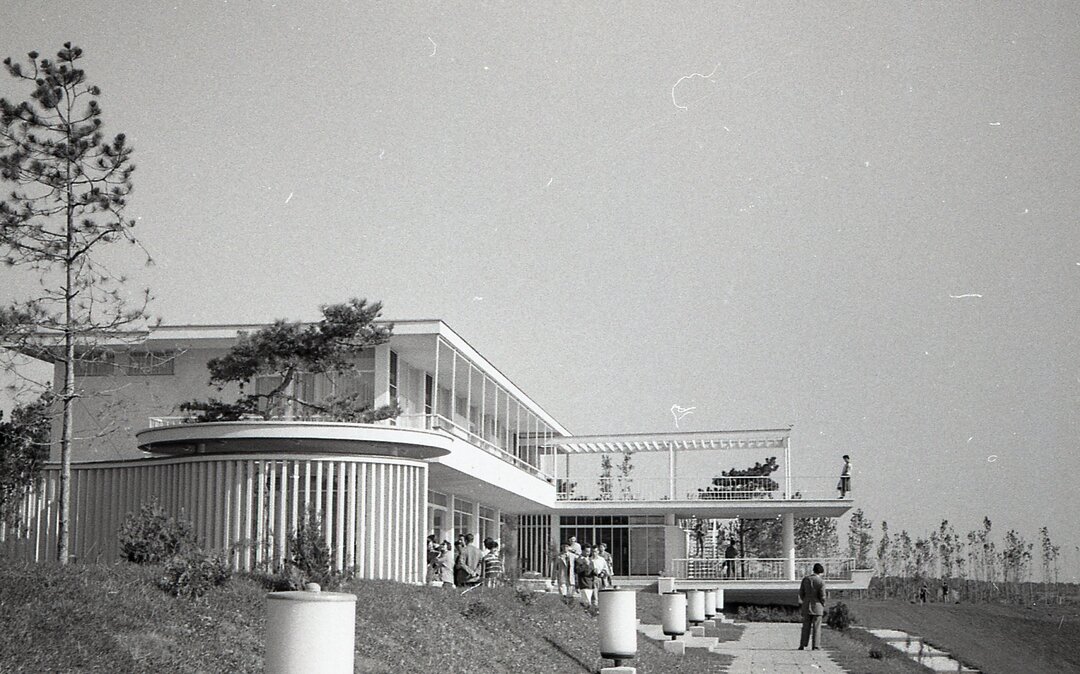
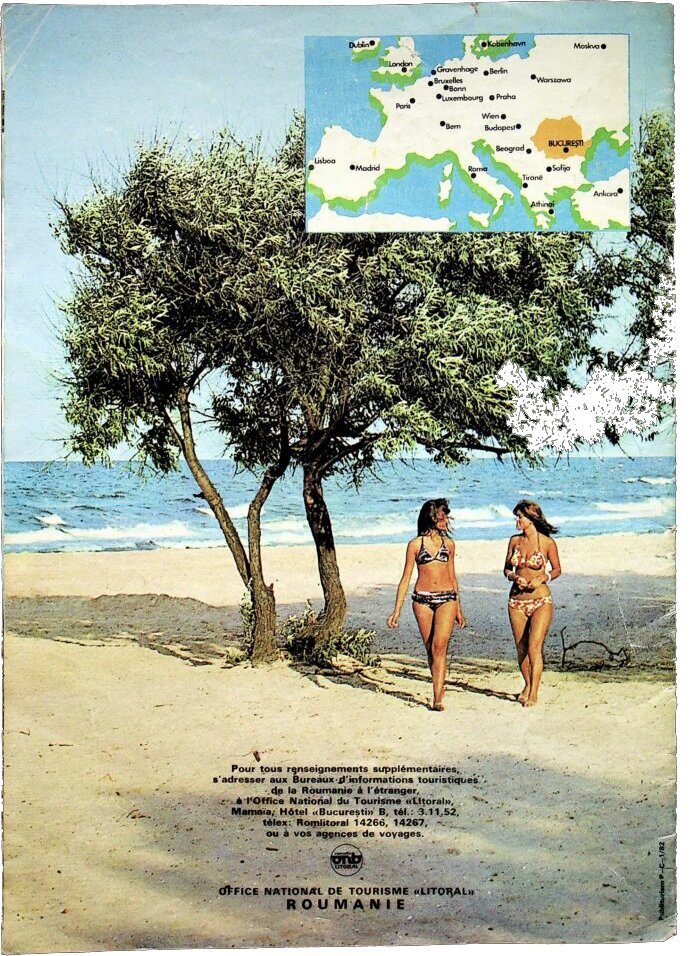
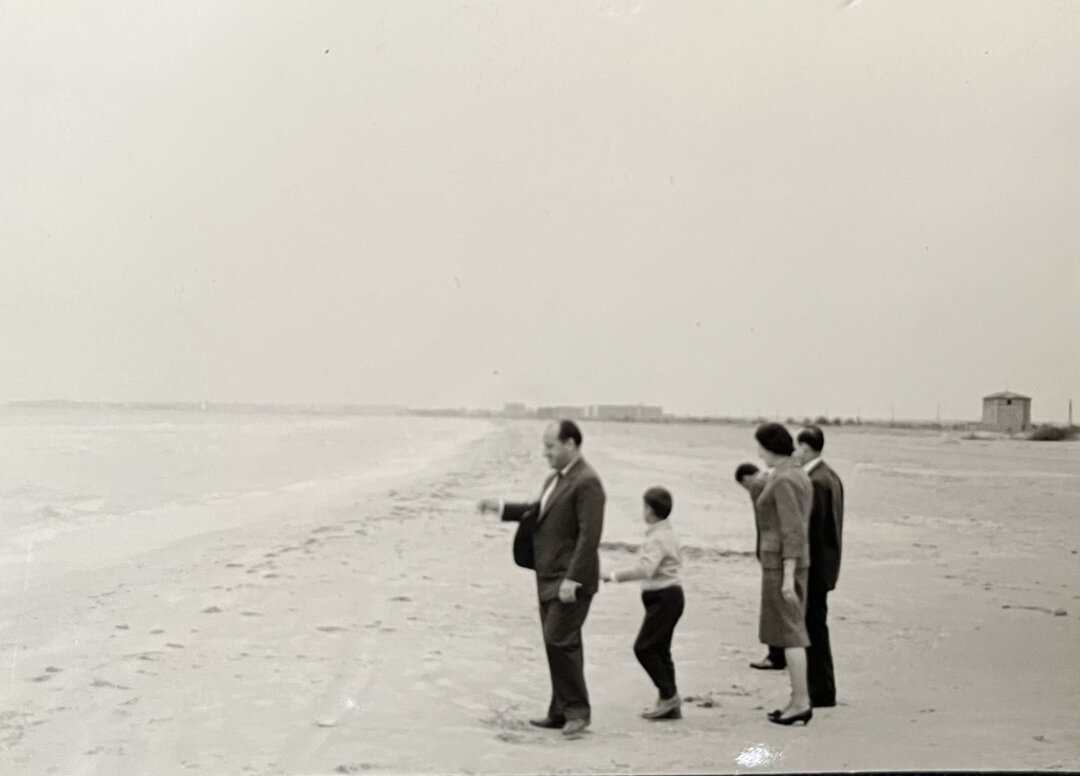
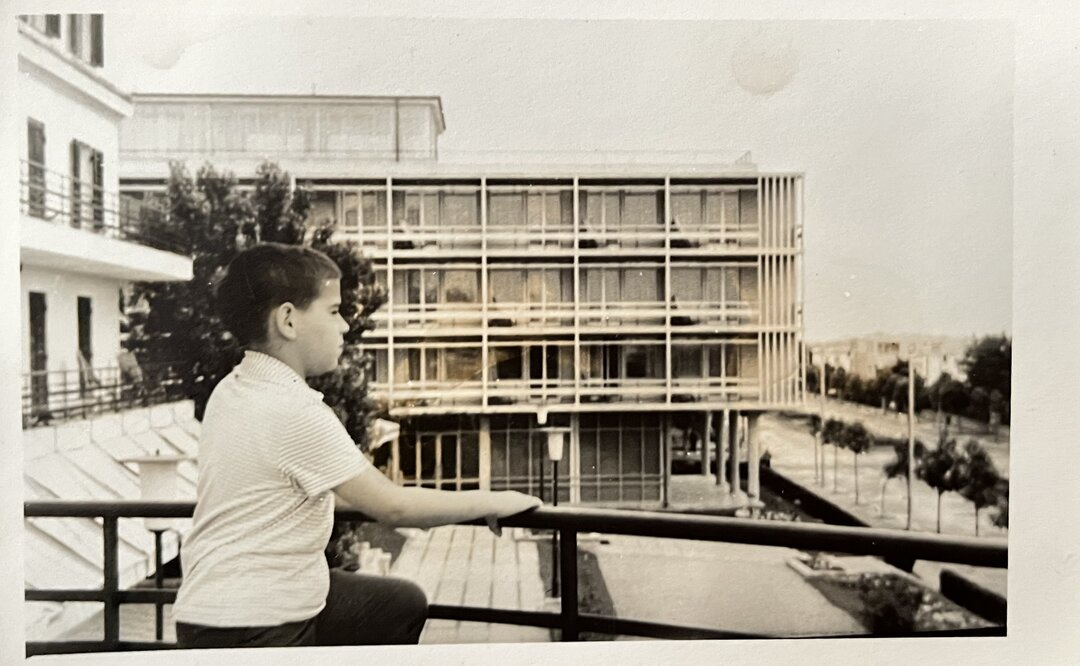
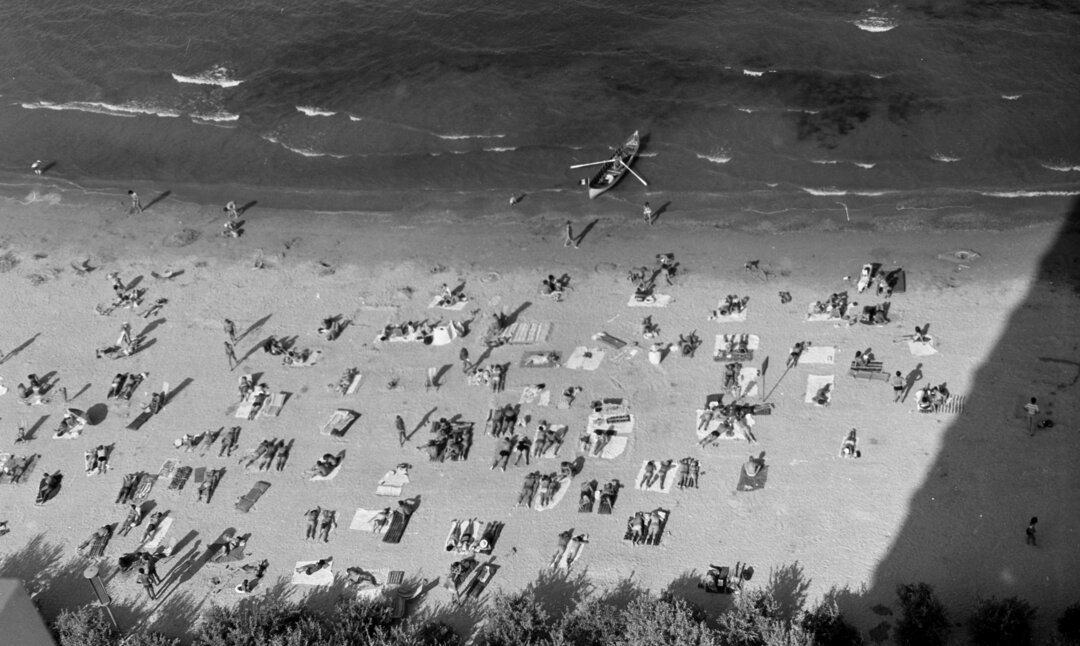
In retrospect, perhaps the most interesting aspect that we pursued, in working with the archives to which we had access, was to provide a basic terminology for our argument. What Foster states in his text, that the archive comes to structure the discourse, we integrated it somewhat instinctively into our research. So, I would not speak either of gaps or exhaustiveness, but only of the need to integrate the theme into a dialectical process of clarifying the coordinates of a moment in Romania's recent cultural and social history. Thus, we tried to associate what existed in the field with the documentary and photographic material from the archives and publications of the time. The variety of sources was extremely wide, ranging from ONT advertisements to interviews with architects who worked on the coast. Many of the archives were already there, accessible to any researcher, even if the subject was not sought after. I believe that AGERPRES, on the occasion of our exhibition Enchanting Views, scanned for the first time some of the material in their archive. From the point of view of the mechanics of memory, the interviews with the architects involved in the development of the seaside project, the materials kept in their private space, and the postcard collection, which inspired us in the choice of the title, were extremely important for us, because it clearly showed us the role and impact that the image of seaside architecture had on social life in those years, as well as the ambiguity of the approach of this large-scale project, with multiple nuances (ideological, but also avant-garde).
Ioana Alexe: How can researchers and historians maintain a balance between the nostalgic tone, which can naturally arise when working with archival material, and the need for a critical, objective approach, seeking the specific truth of that period? Are there strategies or methodologies you recommend to avoid the pitfalls of unjustified idealization?
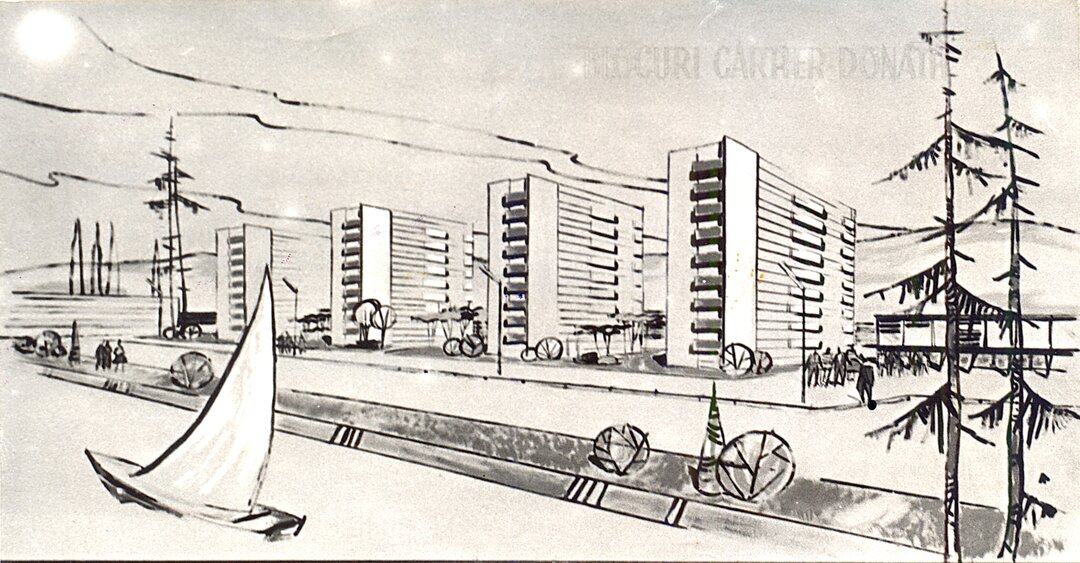
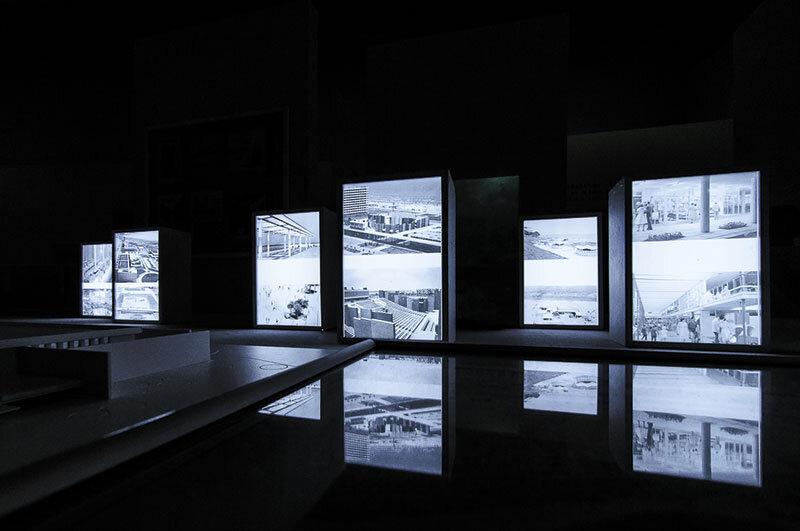
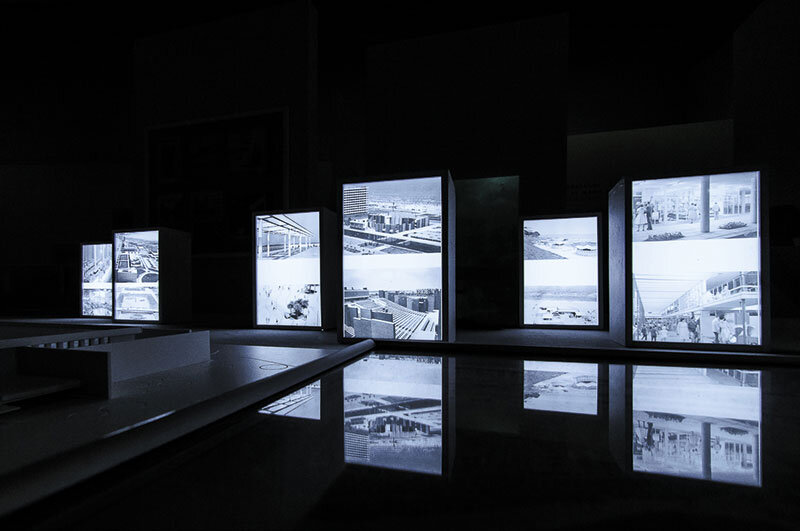
Sorin Istudor: I don't think I can answer on behalf of historians, but for us, for the Enchanting Views project, nostalgia was never at any point the reason for approaching this theme. We were aware that it could appear as a sensation in the exhibition, being about leisure, the sea and modernist architecture, so from the very beginning we set out to control it, to study it, to look at it from a broader perspective, but not to be drawn into it. Although it is an exhibition about coastal architecture, the research was not limited to it, we contextualized it very broadly historically and territorially, thus having a distance, a critical and "sober" perspective on the subject. For us, as young architects, the rediscovery in the archives of the Design Institutes of those huge plans "drawn in ink" on tracing paper, that "reality and materiality of the architectural process" which has almost completely disappeared today, has, I would say, naturally given us a nostalgic feeling for the way the design collectives worked. But looking at the broader context of the period under study, you realize that this microhistory is a minor element, at the level of a professional group, part of a political, economic and social complex with significant historical repercussions. Thus, the presence of these artifacts in the exhibition was not conceived as object-form, but as architectural content. Critical thinking and spatio-temporal contextualization help a lot in avoiding an exaggerated nostalgia for a subject or its fetishization.
Alina Șerban: For some time now, I would say for about 15 years, we have been observing a boom in academic, curatorial or artistic research dedicated to the 1960s and 1970s in Eastern Europe. Personally, I am less afraid of this melancholic background than of an overemphasizing of the multiple and complicated aspects present in the period, of a forced search for local curiosities or particularities and their advancement as the norm. I think it is extremely important to have a balance in correlating historical data with the researcher's interpretation. On the other hand, coming back to the archives, they are not enough if there is no 'storyteller'. We need the witnesses of the moment, those who lived and thought what we are researching today, taking into account the time and the limitations that existed then. Luckily, the period we are talking about is not very distant. I am interested in this oral history through which information that is not written down anywhere can be retrieved and known, often making a difference to what we know exists in an archive.
Ioana Alexe: What do you think is the role of archives in shaping the current public perception of the socialist period? How can these archives be used to educate the general public in a way that strikes the right balance between reflecting historical realities correctly and avoiding a distorted view of nostalgia or, on the contrary, of outright rejection?
Sorin Istudor & Kalliopi Dimou: Archives in Romania are a very complicated topic, in short, archives are ignored, they are perceived as visual trends or they are instrumentalized politically. In general, we do not have a good relationship with archives as a society. That is why even archives containing socialist architecture are perceived either nostalgically or purely visually as a trend. Efforts are being made in the academic field to study them, doctorates and books have been written that propose a reasoned critical analysis of the architectural phenomenon of the socialist period. There is an audience, especially young people, but the subject is complex and vast, so we need patience and attention in studying it and we will get results.
Alina Șerban: The role is essential, obviously! But it needs institutional vision, a joint professional effort and constant funding to make a difference. Unfortunately, many materials, part of the recent architectural memory, have been lost (just think of the archives of the Romanian Design Institutes). What will happen to private archives? Which institution now has the capacity to retrieve, research and then present this material? Because in working with archives we are not just talking about storage and maintenance, we need to activate and develop content, which of course also has a training component.
Ioana Alexe: To what extent do you think that the exceptionality and modernity of the Romanian seaside architecture during the socialist period has been taken up or reflected in the subsequent developments on the seaside after 1989? What are the main barriers or challenges that have hindered this continuity and how could they be addressed in order to capitalize on the architectural heritage of that era?
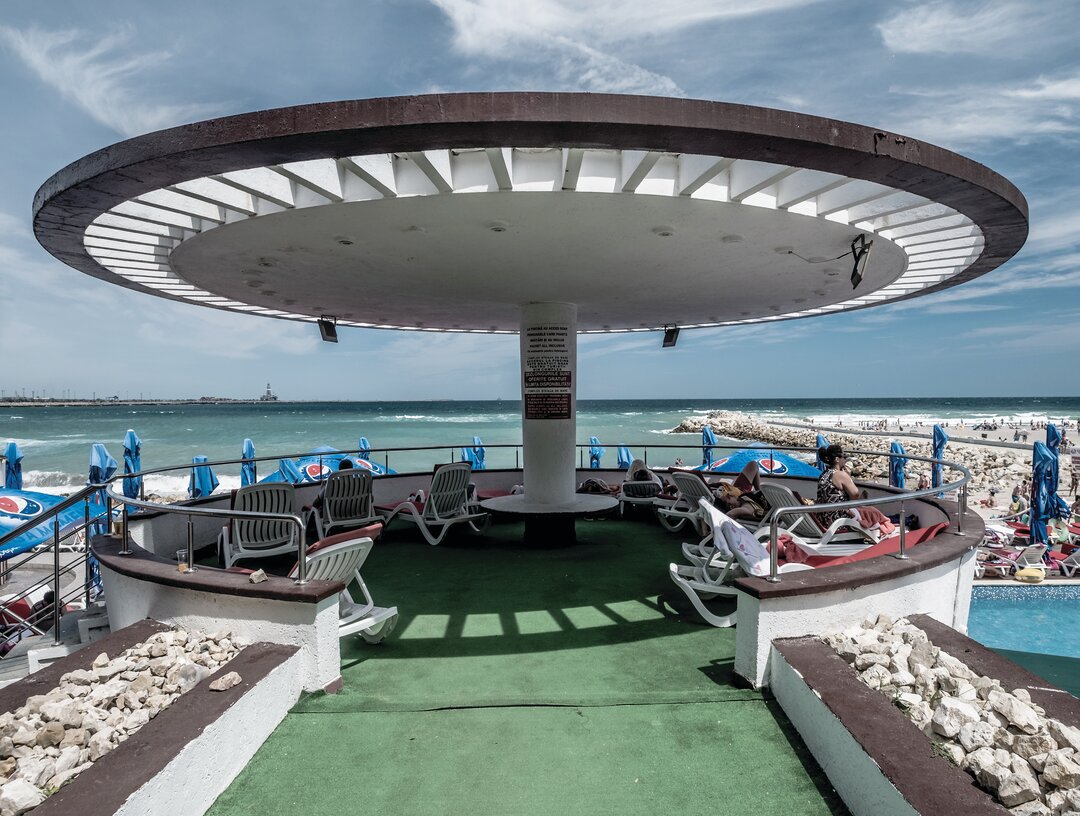
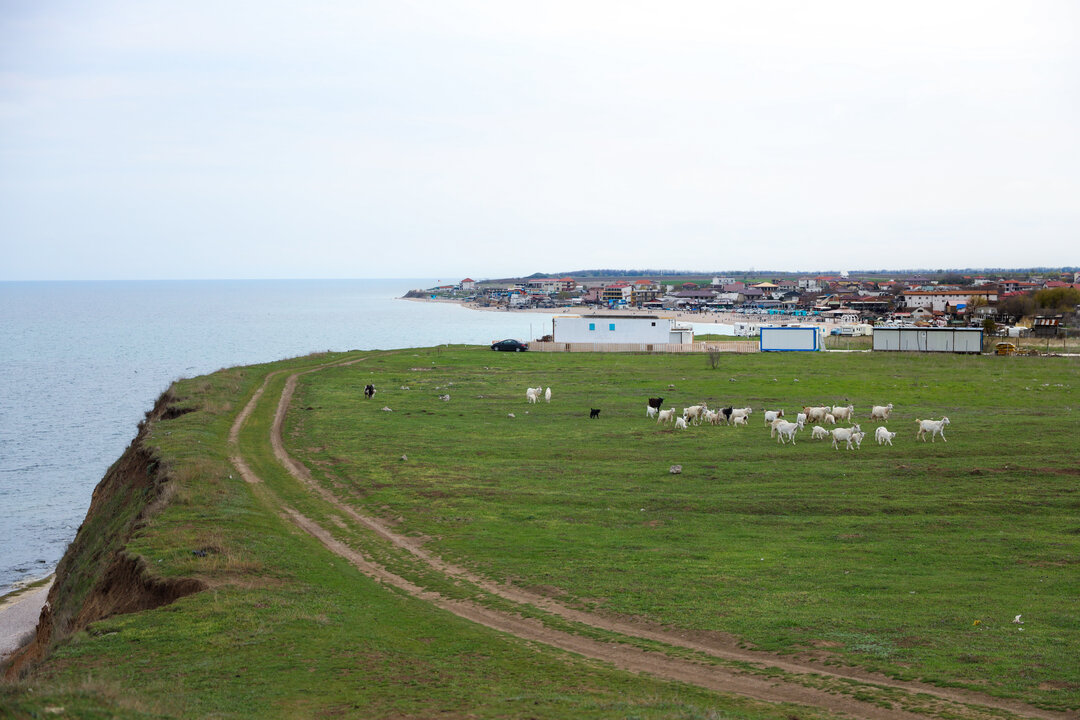
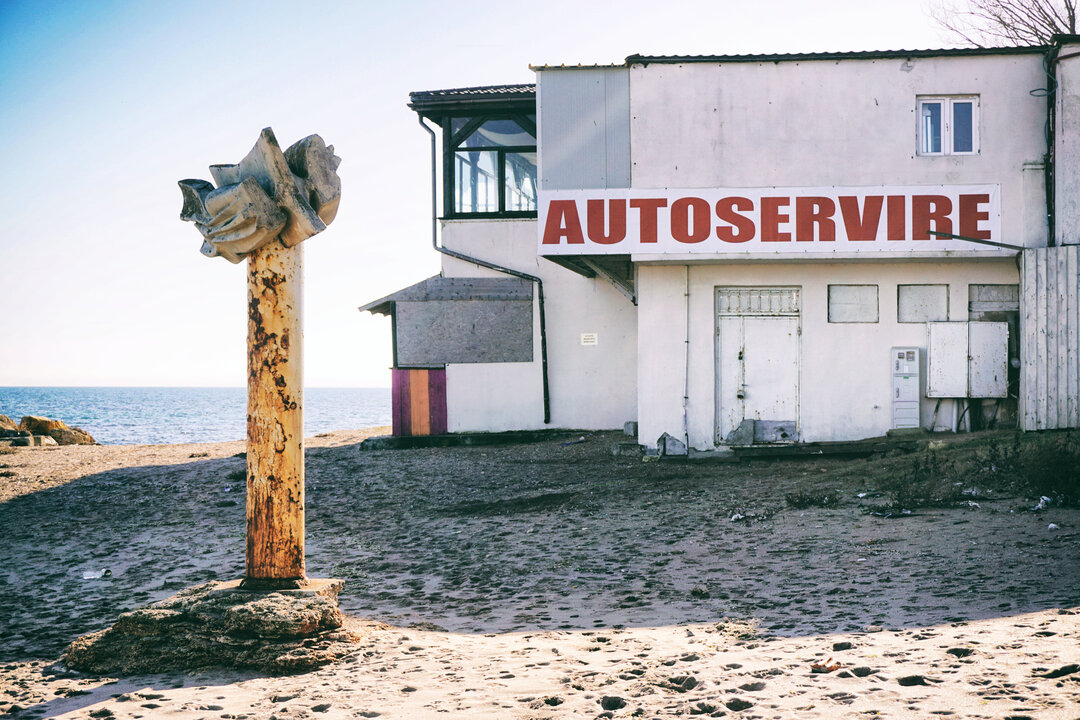
Sorin Istudor: It would be unrealistic to have expected a continuity or at least a takeover of the modernity of the seaside after 1989, especially in the first decade, but unfortunately the total abandonment of valuable architectural, urban and landscape elements says something about the accumulated violence in Romanian society. There has been a lack of steps to study the architecture and urban planning of the seaside in order to base further development, so things have been forgotten and local capitalism has gone about its business in a chaotic fashion. Whole areas have been canceled and destroyed, not only in terms of post-war developments, but also much of the inter-war coastal architecture and planning. At the moment, I think we can only have a common approach to all the historic and natural layers of the area to get a coherent plan for the future.
Ioana Alexe: Given the plans to reprint the work "Enchanting Views", what new elements would you include to reflect the changes and developments that have occurred in the perception and study of Romanian coastal architecture since its first publication? How would you approach the reconfiguration of the content and design of the exhibition, if you were to organize it today, in order to respond to the current interests and sensibilities of the public?
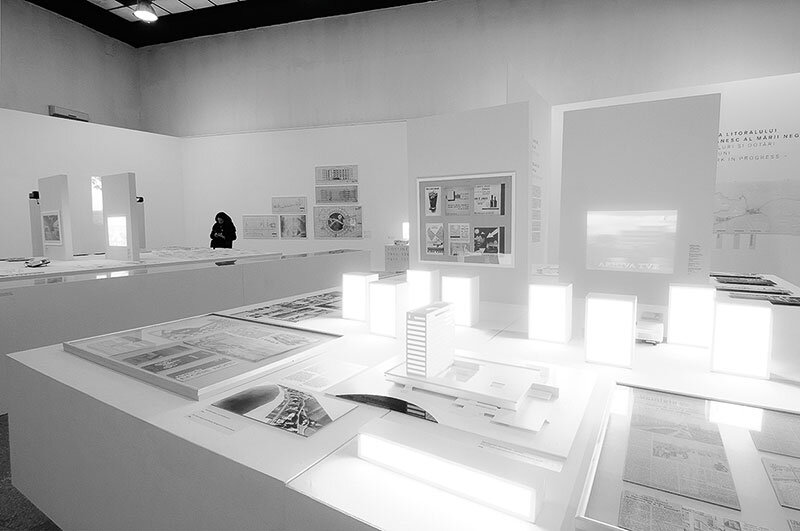
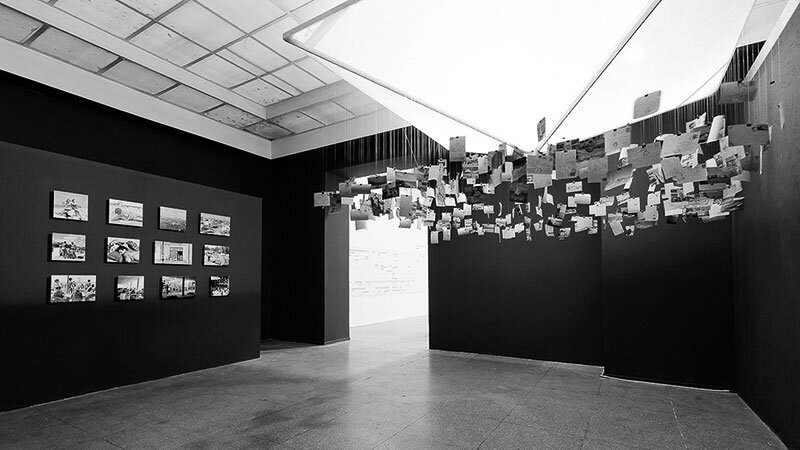
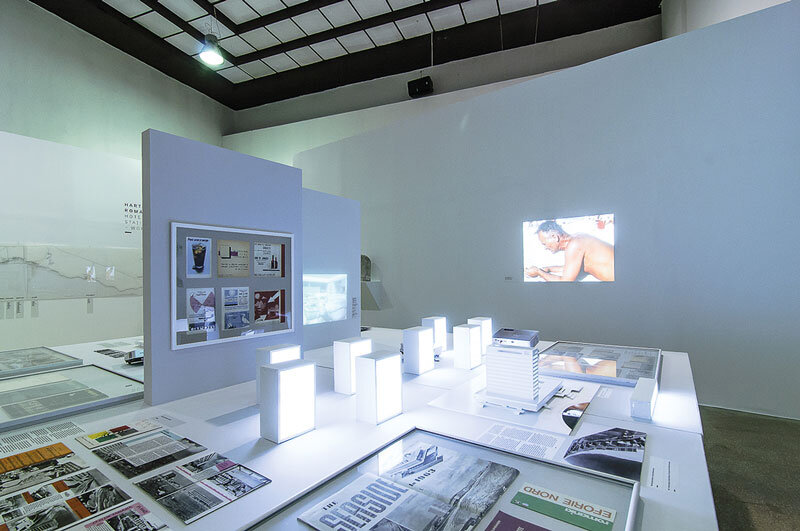
Alina Șerban: I believe that the exhibition Enchanting Views was the first consistent curatorial endeavor dedicated exclusively to the phenomenon of leisure architecture in Romania. It was important for us to connect the academic area with the exhibition area, and implicitly with the public. The publication is not a catalog, but an essential addendum for a complete reading of the evolution of the phenomenon locally, where we invited authors and researchers who have examined the subject from multiple points of view (sociological, architectural, filmic, artistic). It is an extremely important resource-book and it is a joy to be able to republish it. What I would bring new, if I were to redo the exhibition... I would go back to the initial plan I had in mind at the time: an exhibition scanning the territory of leisure architecture from a regional perspective. We wanted to relate the extremely different situations present along the Black Sea coast in those years, so the Romanian case would be contextualized alongside the Bulgarian, Turkish or Soviet ones. We managed to do some preliminary research in Turkey at that time, but the scale of the project would have been far too large for the resources we had at that time. Instead, the publication has this comparative dimension, including a series of texts on the subject written by architectural historians from the region.
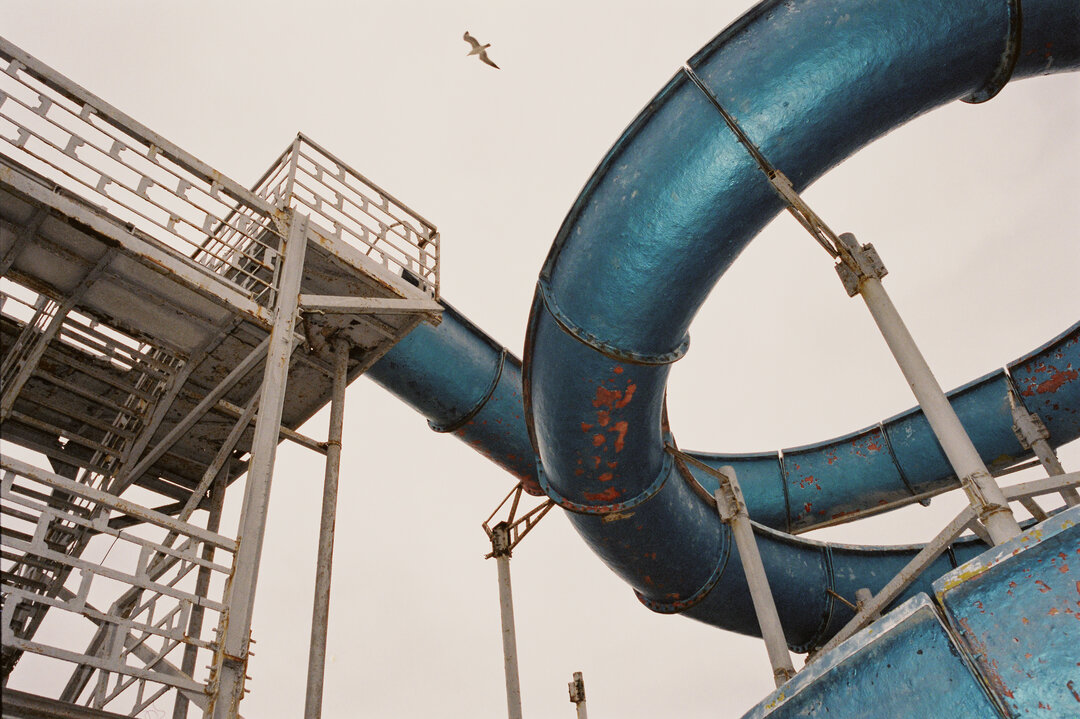
Ioana Alexe: Given the current state of abandonment and degradation of many buildings on the Romanian coast, what are the challenges and opportunities in the conservation and revalorization of this architectural heritage? How should they be addressed in the contemporary context?
Sorin Istudor & Kalliopi Dimou: As we were trying to say above, it is serious, but it is not too late. Through a careful study and a fair and reasoned evaluation of the built heritage together with a contemporary territorial and ecological approach, solutions can be found for the present and the future, solutions in which the valuable elements of the interwar and postwar built heritage can be reused and integrated in accordance with the new European architectural-urbanistic concepts and adapted to the realities and needs of the Romanian society we want.
Ioana Alexe: To what extent has the exhibition succeeded in raising awareness and appreciation among the general public of the importance and architectural and urbanistic value of the Romanian coastline during the communist period?
Sorin Istudor: We intended the process and the results of the research to materialize into a multidisciplinary exhibition and we wanted it to function as a seductive mechanism that attracts the public with the aim of revealing the complexity of the phenomenon of socialist modernity on the seaside. We also wanted all this research, together with the way in which it is presented, to create the context for debate, to raise questions and arouse interest in the subject. I think we succeeded to a great extent, the exhibition was visited by a lot of people in Bucharest and then toured in various forms and internationally: Brussels, Athens, Istanbul, etc., and the book, which was published later, sold out in bookstores and we are republishing it this year.
Alina Șerban: It is difficult to analyze this impact in retrospect. I can only say that, within the local and international professional community, the project was relevant, starting from the way the exhibition was conceived, the types of material it contained, but also from the novelty of approaching the phenomenon from the perspective of visual studies, in other words, the debate on leisure architecture as a contact zone between the social and the political, between discourse and lived experience.
Ioana Alexe: What role has the exhibition played in stimulating research and academic debate on architecture and urbanism in communist and post-communist Romania? Were new research projects or publications generated as a result of the interest aroused?
Sorin Istudor: We don't know exactly what the subsequent impact was, but the exhibition and the publication of the book were certainly a way to contribute to opening a debate with the general and professional public, to raise awareness of the need to revisit recent history and to stimulate future research. We need continuity in multidisciplinary research processes, plurality in opinions, each contribution is important and helps to define a complex historical perspective on the period.
Alina Șerban is an art historian. Her research is devoted to exhibition history, non-linear historiographies of post-war Eastern European art and its specific theoretical and social contexts of manifestation, oral histories and artist archives. He is the recipient of the Igor Zabel Fellowship Award for Culture & Theory (2022). In 2013 he founded the publishing program P+4 Publications, where he publishes Enchanting Views. Urbanism and architecture in Romanian Black Sea tourism in the 60s and 70s.
Sorin Istudor and Kalliopi Dimou are architects, working in Bucharest and founders of the architectural office skaarchitects. They participate in various small and medium scale projects, always with an interest in developing spaces adapted to the context and needs.