Seaside. A published chronology

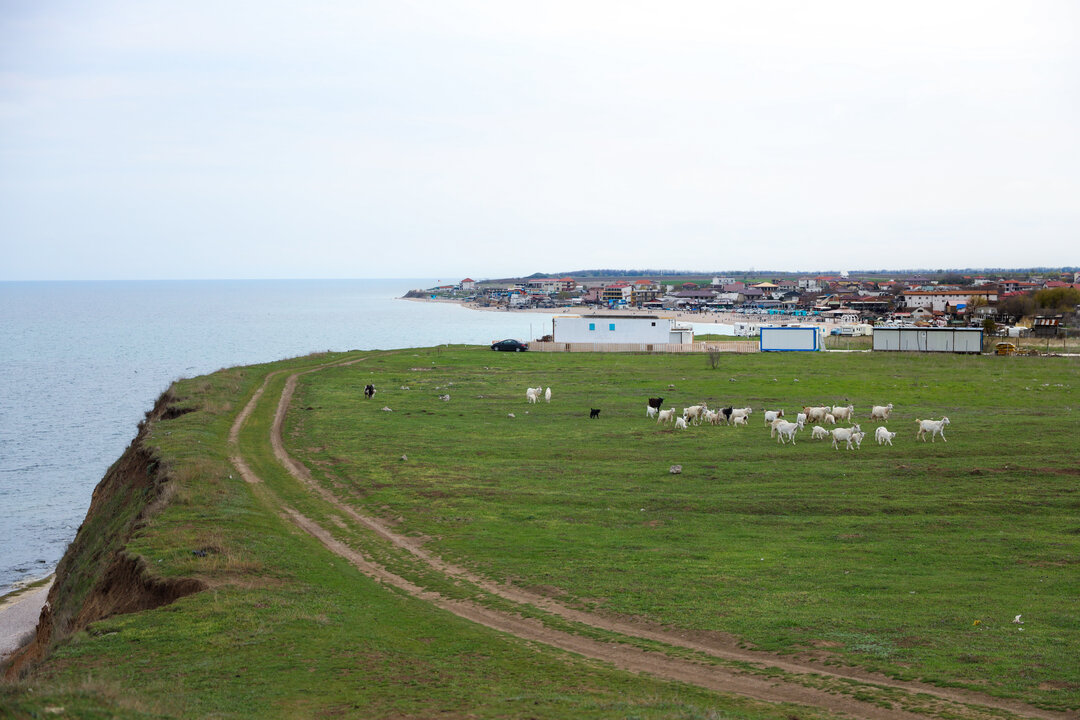
There is no doubt that the Black Sea littoral has remained in the collective imagination as one of the brightest chapters of the Romanian post-war period. In its condensed form, the "littoral" represents the great place of manifestation of creative freedom, where the world of the socialist East met the unapproachable West, through architecture and art and the presence of tourists who came here1. How authentic can this land of reverie be seen today, when more and more people are talking about true escapes into the freedom of seaside vacations, far from the tumultuous life of the official resorts, south of Mangalia, in the fishing villages of 2 Mai and Vama Veche2. From such a perspective, the famous Romanian seaside seems to be a delusion, an attractive concept wrapped up in public discourse, but nevertheless nothing but a way of regulating vacations3, nothing but one of the great socialist projects, a "smokeless industry", as inefficient and artificially inflated as any other socialist industry.
The text aims to provide landmarks and outline possible research directions from this perspective, putting together: a sketch of the development of the seaside, coordinates of tourist interests in relation to the seaside and the way in which the seaside architecture was promoted in various popularizing publications.
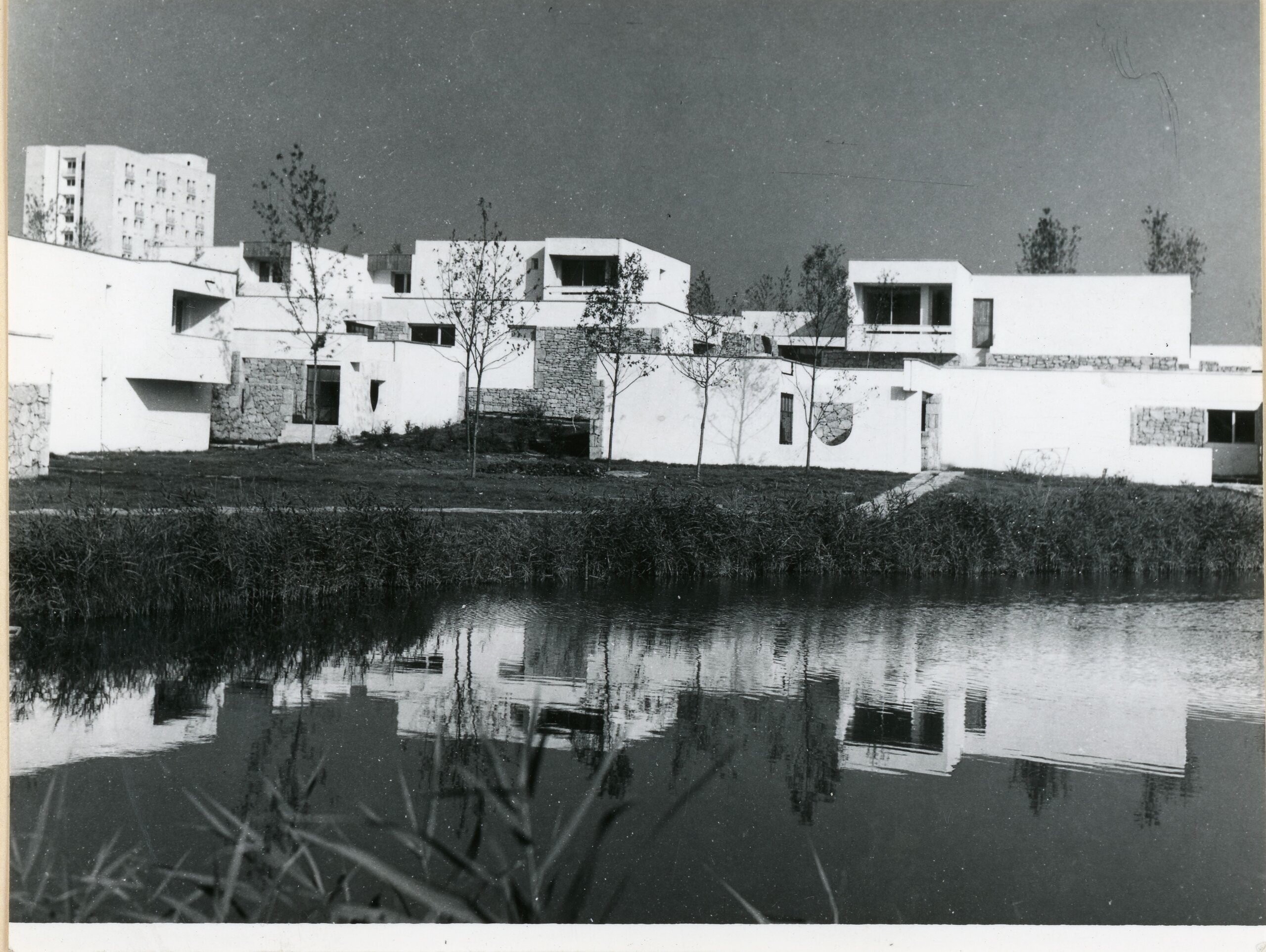
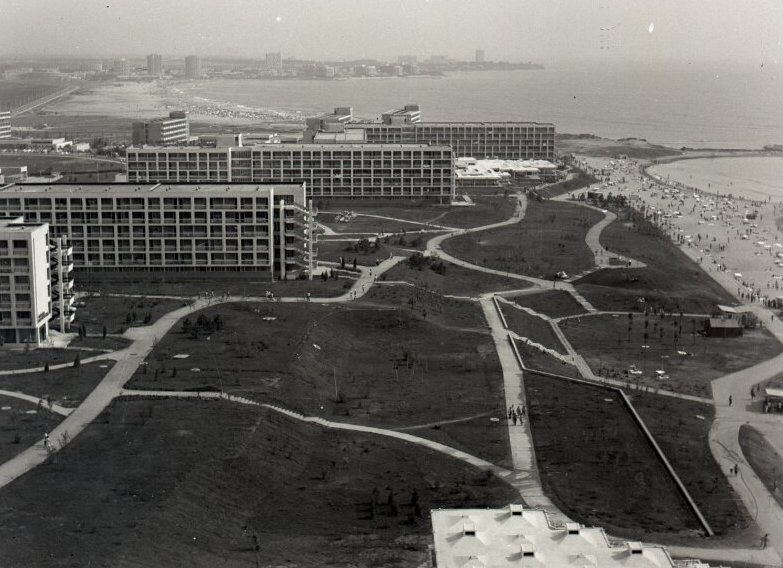
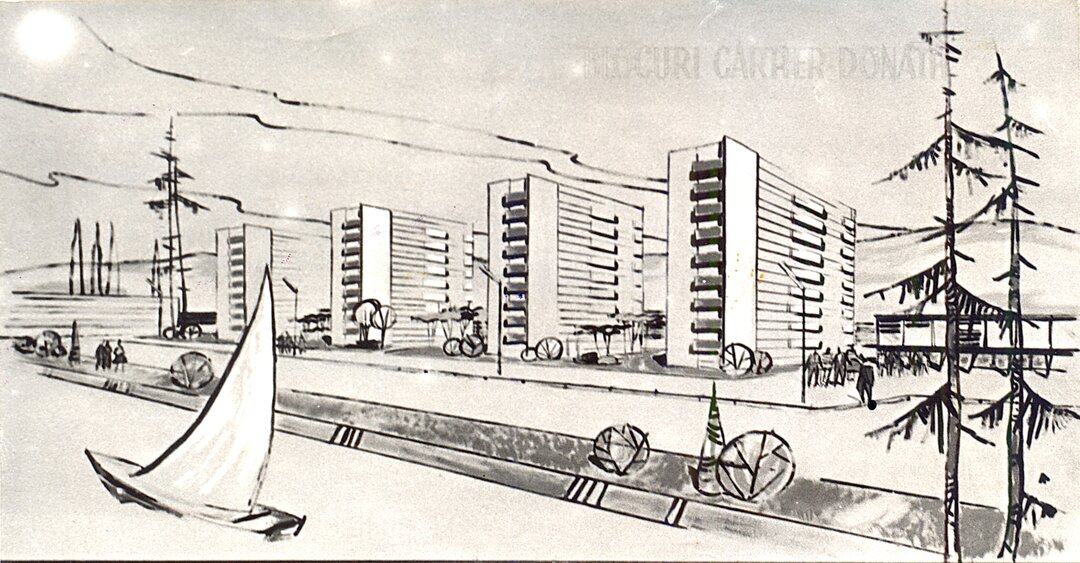
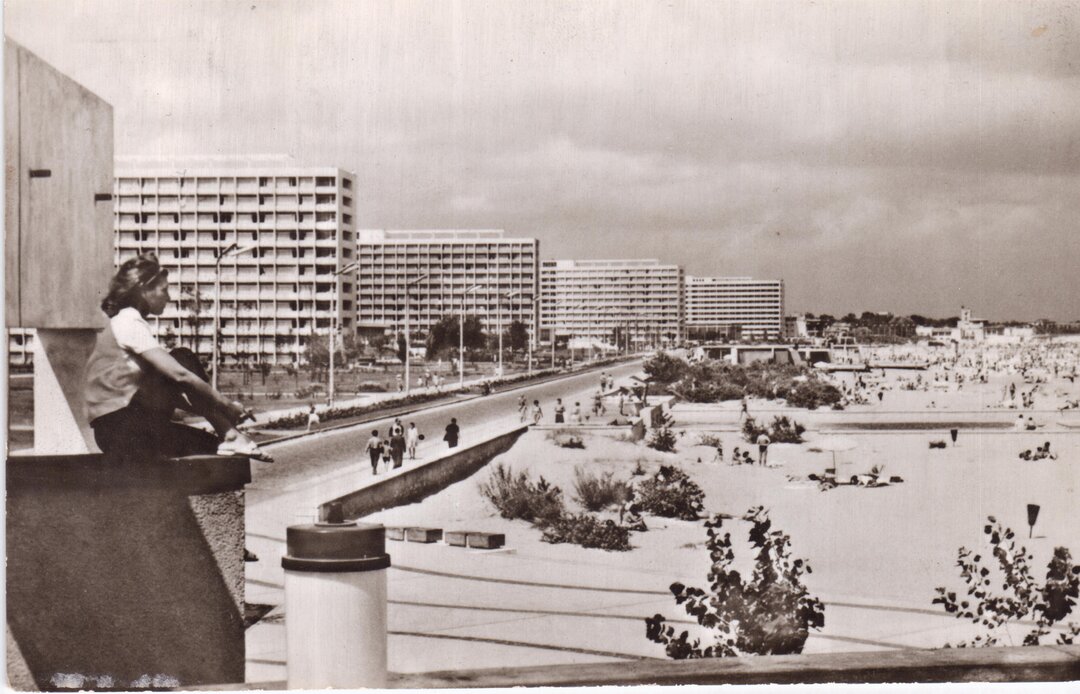
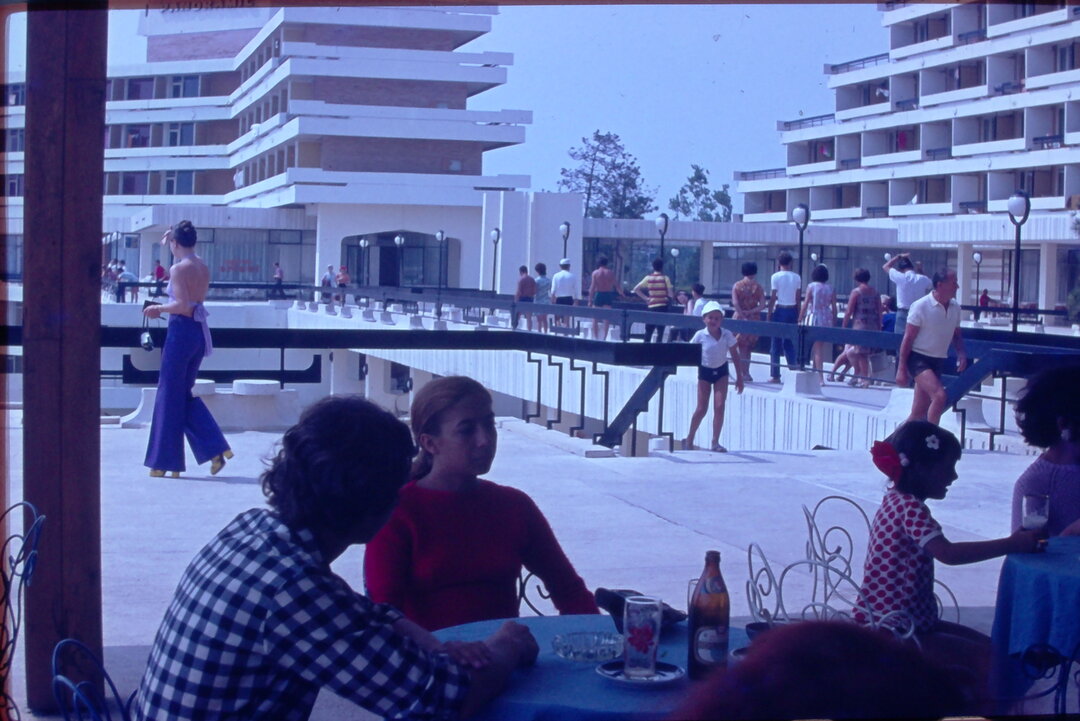
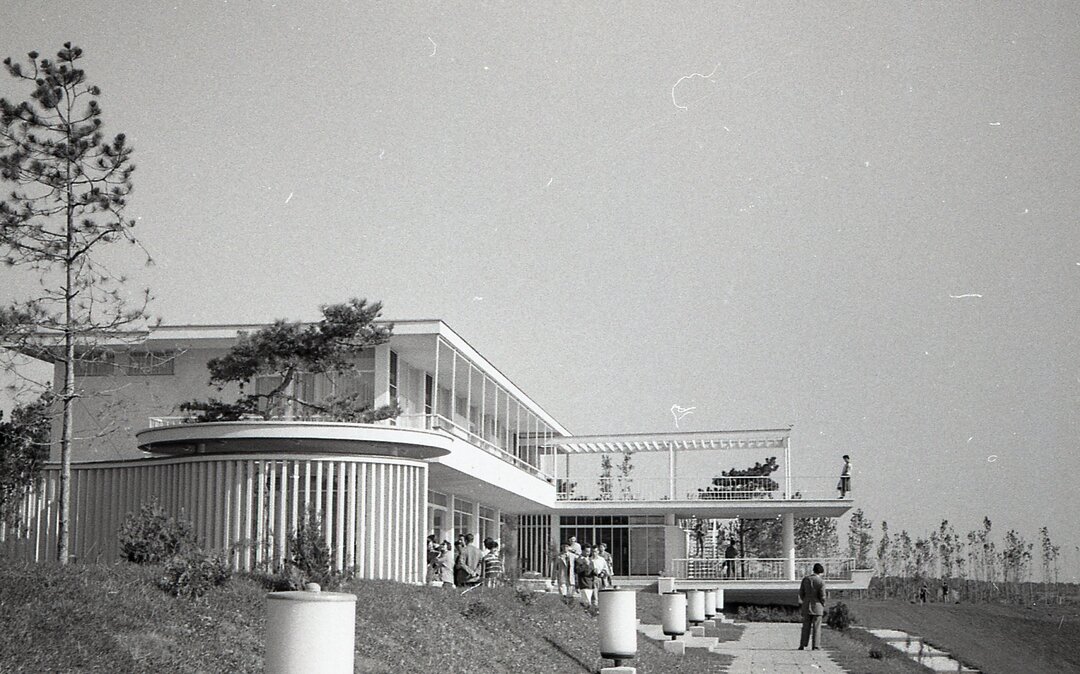
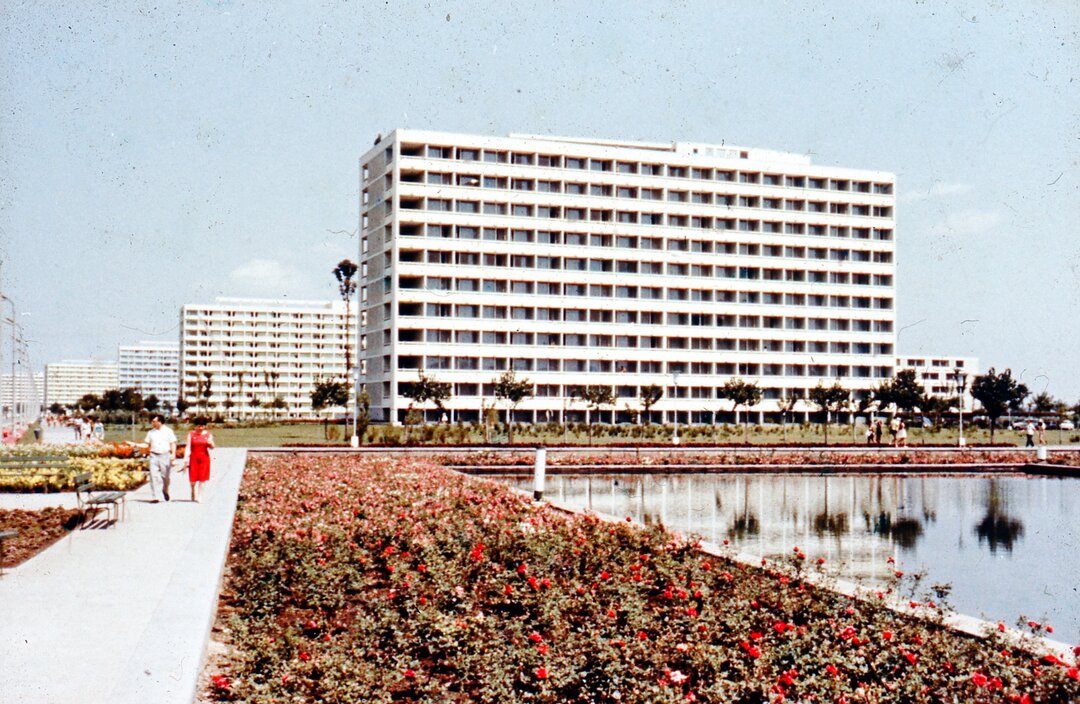
The evolution of the seaside seems to have been linear, with a clear project and precise stages: from the development of low-rise, modernist complexes, in a first phase, in Eforii and Mangalia; to the culmination of post-war modernism, Mamaia in the 1960s, with the dominant volumes of the accommodation blocks, a starting point and exemplary model for Romanian functionalist urbanism; with its last phases of evolution through the intensive occupation of the land with buildings dedicated to international tourism, marked by a return to traditional references and discourses about "specific". However, a closer look reveals a more hesitant path, with negotiations and changes of direction.
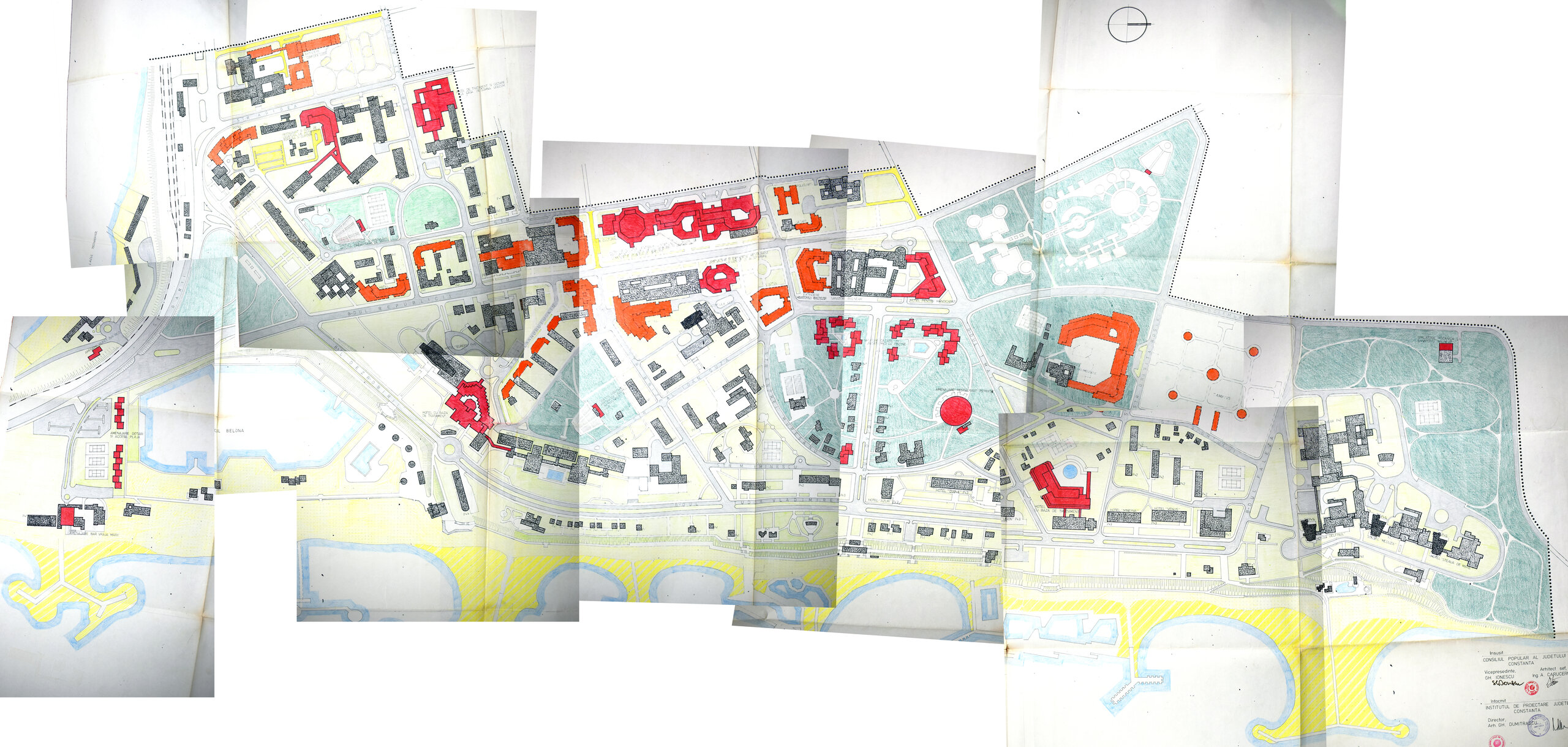
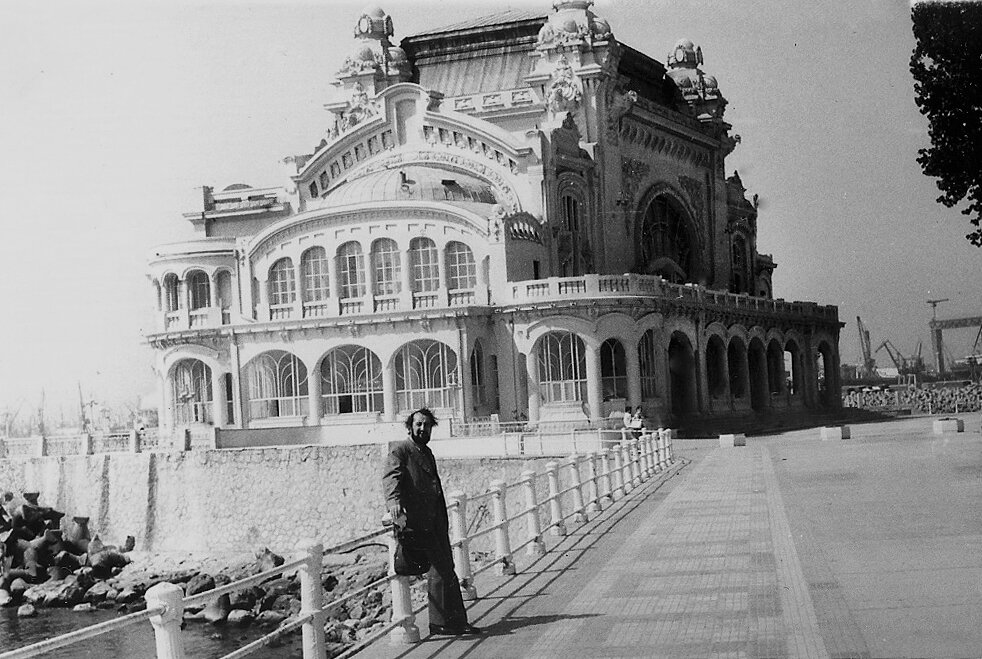
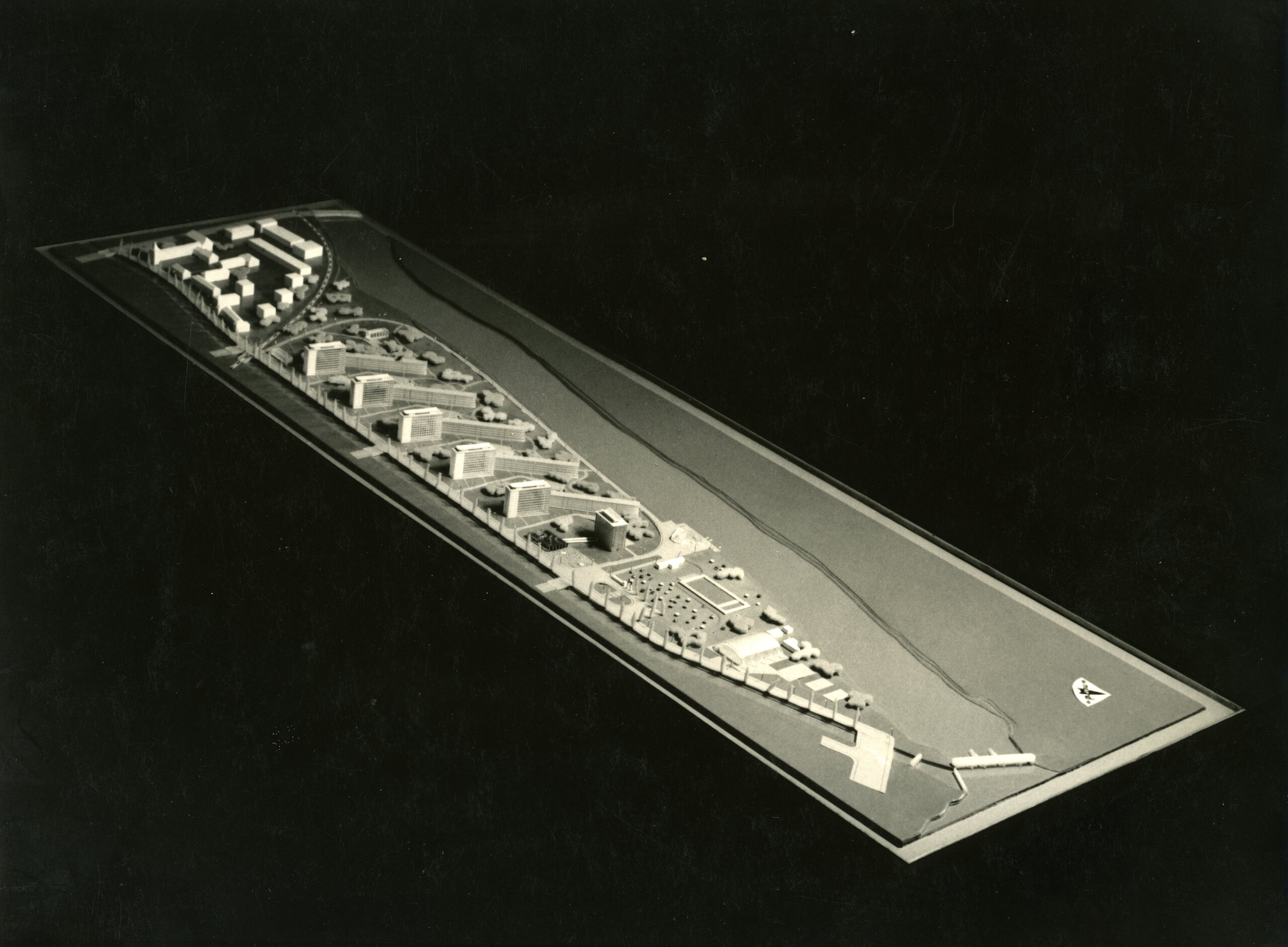
The first sketches of territorial systematization of the area, undertaken in the mid-1950s (ICSOR), proposed distinct functional characteristics for groups of resorts located on the Black Sea coast, with the city of Constanța as the centre of gravity4. Thus, to the north of Constanța, the resorts with a strong recreational ("rest and entertainment") and seasonal character were established; in the inter-war period, Mamaia had established itself as an independent resort, while Tataia, Duduia, Trei Papuci and (beach) Modernă were only beaches of the city of Constanța. In the southern part, the group of "cure and treatment" resorts with a longer period of the year was to coagulate. This second group consisted of Techirghiol, Carmen Sylva (under the new name of Vasile Roaită), Eforie and Agigea. The first three were resorts with a broadly outlined fabric, with plans for systematization or sketched out regulations, already established in the inter-war period as modern seaside resorts, as was the case of Carmen Sylva, famous for its modern architecture, but also for its spa properties. Agigea, which was much less developed, was intended to widen this network5. In order to increase the yield from tourism, the project to systematize the coastline aimed, on the one hand, to increase the natural potential (beaches and Lake Techirghiol) through technical and development works designed to amplify and consolidate it. Such actions prepared the coast for the future arrival of about 200,000 seasonal tourists in the resorts, paving the way for mass tourism. By making treatment activities permanent, the resorts were to be transformed into small towns, with a much more stable population and for which a progressive demographic development was expected by 1970: Agigea, the smallest, was expected to have an estimated increase of 3,000 inhabitants, and Vasile Roaită (Carmen Sylva), the largest, would have reached a population of 20,000. The need to provide accommodation (for the summer periods or throughout the year) obviously had as a consequence, as a priority need, the realization and development of building works, and then the reorganization and expansion of the fabric (new buildings, public spaces and green areas). In order for the ensemble to be able to function as a territorial whole, it was necessary to create road networks between the settlements.
By the end of the 1950s, the first constructions were completed at Vasile Roaită (the future Eforie Nord), which represented the "heroic" beginning of the seaside project. And the project of territorial systematization and functional distribution in the territory was refined to a certain extent: the idea that Mamaia would continue to be a resort for entertainment was maintained, with the proposal to extend the exploitation of the beaches up to Midia; the group of spa and treatment resorts was maintained, but consisting of Vasile Roaită (Carmen Sylva), Eforie and Techirghiol, while Agigea and Costinești were intended for camps and children's colonies. If the resorts for leisure (adults/families and camps) were envisaged as seasonal destinations, the idea that the group of resorts for spa treatments should represent a single administrative unit of a permanent nature was consolidated6. Moreover, the issue of extending the spa season was already being discussed in the inter-war period, and was considered a prerequisite for the healthy development of the resort7.
Until quite late, the theme of assigning specific functional destinations to groups of resorts was recurrent, without actually finding a clear-cut finality, and continued to become more complex after the diversification of accommodation types; later documents reflect the lack of conclusions on this issue, with the specificity of seaside resorts being required to be "profiled" by the end of 19708.
The mid-1960s9 broughta new perspective in the systematization of the territory, adjusted to the strategies of tourism development, extending the interest to the whole region of Dobrogea, one with a "different and appreciable potential, insufficiently exploited and exploited". New areas of land were to be conquered and proposed for major transformations. The guiding principles of this new phase were a direct response to the need to make the tourism industry in the territory more efficient, transforming the region into a tourism product with a "specific personality, distinguishing the coast from Romanian and foreign tourist regions, in order to compete with them", with a coherent administration (tourist zoning, functions in the territory and clear coordinating centers) and economic efficiency (offering a diverse offer and, at the same time, increasing the permanent offer)10.
The zoning of the entire region provided for the creation of distinct zones (compartments) in relation to the identified (natural) potential of the territory: the first, for the coast, between the borders with the USSR and Bulgaria; a second, the Danube Delta; a third around the 'great lakes' (Sinoe and Razelm); a fourth, along the lower course of the Danube, between Calarasi and Tulcea; and the last, the 'Dobroge Plain and Dobroge Plateau'. Of these, the first three were intended for the development of tourism, and the coastline was the area with the greatest potential, in turn divided into four units (distinct tourist complexes with Constanța as the overall coordinating centre), cutting off sections of the coastline from south to north: "south coast" (under the primary coordination of Mangalia and secondary coordination of Eforiei); "Mamaia", between Constanta and Lake Sinoe (under the coordination of Constanta); Chituc, between Lake Sinoe and Portița (with a center still undefined); and Sfântul Gheorghe, between Gura Portiței and the border with the USSR (under the coordination of Sf. Gheorghe).
Such a development of the tourist area brought with it the need for a specific urbanization of the territory, by increasing the number of seasonal settlements: from the 8 existing resorts in the mid-1960s, the number would have doubled in the end. At the same time, the number of permanent resorts was to increase through the planned creation or urbanization of settlements (rooted in old villages). As in the previous phase, it was proposed in the near future to intensively develop the areas to the south of Constanța, which already had some infrastructure in place11; while to the north of Constanța, preparatory work was to begin: afforestation, development of the banks, cliffs, extension of road networks, etc. The transformation of the territory through urbanization and the construction of new accommodation facilities was to be targeted for the year 2000, when a total of 280,000 accommodation places should be reached along the entire coastline. Interestingly, the most significant increases were targeted for some of the future outermost resorts. From south to north, this distribution would have looked like this: Vama Veche (6.000), 2 Mai (16.000), Mangalia (2.700), Mangalia Nord (12.000), Comorova (6.300), Costinești (12.000), Tuzla (2.000), Eforie Sud (12.500), Eforie Nord (9.000), Agigea (4.500), Techirghiol (12.000), Mamaia (20.000), Midia (38.000), Corbu Sud (10.000), Corbu Nord (5.000), Chituc (53.000), Sfântu Gheorghe (44.000), Sulina (7.000), the resorts near the large lakes of the Delta (8.000).
The recently completed systematization project (DSAPC - Constanta) was being evaluated by various centralizing and coordinating bodies (State Planning Committee, Ministry of Internal Trade, National Tourist Office), which expressed reservations about the concrete possibilities of implementation. However, the project, although seen as having potential, was insufficiently well-founded and relatively vague, with no clear milestones for the immediate future12. One of the recurring themes, expressed as early as the 1950s, was to make tourism permanent by transforming and developing resorts of a treatment nature, but this was difficult to achieve, even in the case of newly constructed buildings which proved to be thermally inefficient (thin walls, simple windows) for cold periods. For the treatment area (Agigea, Eforie, Techirghiol, Mangalia Nord), the Ministry of Internal Trade and the ONT called for the construction of buildings strictly dedicated to treatment or buildings to be used, in the first stage, for temporary accommodation, but which could easily be converted into 'sanatorium houses', so that the treatment use of the group of resorts in question would remain a long-term stake.
The new resorts to be developed in the immediate future, which would have covered a significant number of places of accommodation, would have occupied the areas north of Mangalia and Mamaia. For each of them, a maximum accommodation capacity of just over 10,000 places was estimated, thus the size of the famous project already realized in Mamaiei. At the same time of the debate on the systematization project, in 1965-1966, the Council of Ministers issued decisions directly related to the start of works in the area north of Mangalia, already mentioned under the name of Neptun and included in the five-year investment plan13. This was followed by the construction of the complexes at Olimp, Saturn, Venus, Venus, Jupiter and then Aurora. Moreover, the choice of the area north of Mangalia seems to have been due to economic reasons, in the sense that the realization of the infrastructure for water purification was much easier to achieve by extending the existing networks in Mangalia and Eforie, while for the Midia area such works would have required higher costs, due to the considerable distance of the Constanța Nord treatment plant. The lack of clear documentation regarding the possibility of building in the Midia area continued until the end of the 1960s, and this fact is also evident from the comments on the competition organized for the future Midia resort, for a 30,000 accommodation places complex (all these uncertainties ended with the construction, starting in the mid-1970s, of the Midia Petrochemical Combine and the cancellation of the possibility of expansion with an accommodation area)14.
The novelty proposed by the systematization plan - to extend the coastal area to the northern extremity and create links with the other tourist areas of Dobrogea - could not be put into practice without the implementation of infrastructure works at local or territorial level (sewerage, reorganization and extension of the traffic, rail or road networks, etc.). However, the lack of centralized funding for such works meant that large-scale plans were partially abandoned15.
The 1966 draft of the 1966 systematization proposed a large-scale vision - in terms of time, territory and volume of construction - built in conjunction with measures to make tourism more efficient. However, the provisions of the blueprint were not fully realized, neither until 2000, nor very faithfully to the objectives of the first stage. Because of the priority given to the seaside, according to statistical data, in 1971 the total number of accommodation places on the seaside exceeded the number of all accommodation places in the rest of the country (more than half of them were realized after 1966), which was considered an imbalance in relation to the very varied potential (natural and urban) that could be used in the development of Romanian tourism. At the beginning of the 1970s it was decided to diversify the tourism offer, and the changes of direction thus brought about meant that, for a period of time, major projects and investments on the coast stagnated, most of the tourism funds being redirected towards mountain areas and the coast being removed from the list of tourism priorities16.
The following moments circumscribe the coastline to centralizing measures that marked the whole territory. A first organizational measure was the delimitation of the functional-tourist zones of the Black Sea coastal localities (Constanța and Tulcea counties). This was approved by the Decree of the Council of State 102/1975, and following this and on the basis of Law 58/1974 (systematization of the territory and urban and rural settlements), the systematization plans of Cernavodă, Hârșova, Eforie, Mangalia, Medgidia, Năvodari, Techirghiol, Basarabi, Băneasa, Cobadin, Negru Vodă, Mamaia and Costinești were approved by the Decree of the Council of State 50/1979. In fact, this last moment represented the proposal of radical transformations in relation to the previous fabric of these localities, with interventions on the central areas, located outside the functional-tourist boundaries.
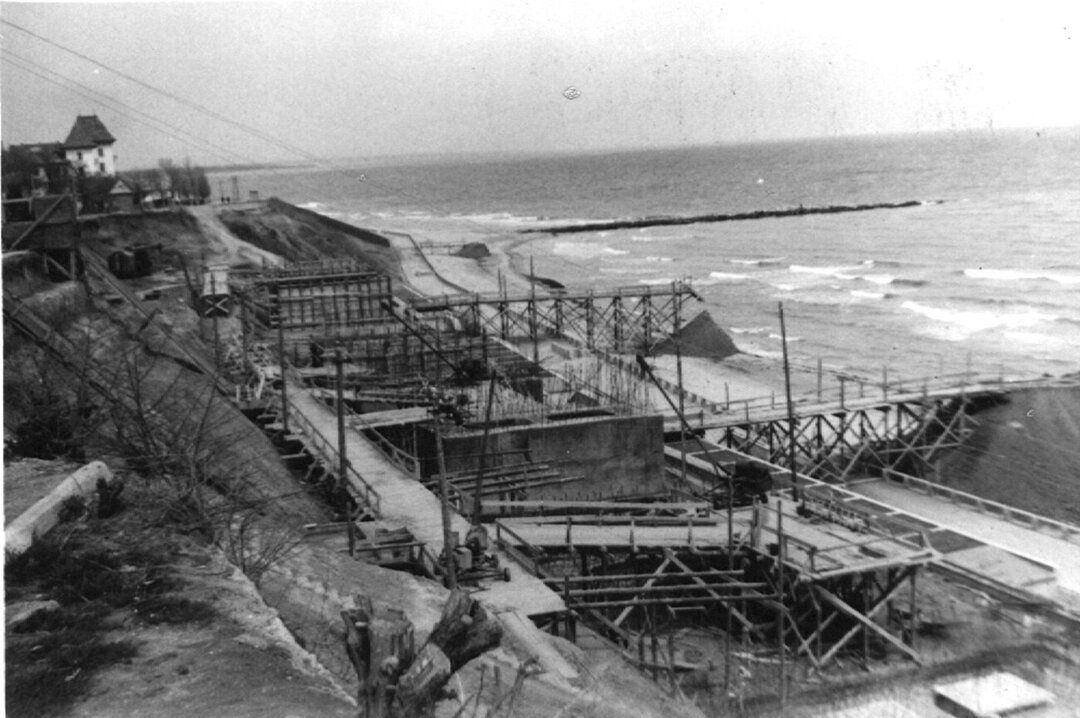
The intense process of erosion, signaled at the beginning of the 1980s, consumed efforts other than investing in large accommodation complexes and directing investments in partial protection and ennisipation works (Mangalia Nord, Eforie, Constanța, Mamaia), requiring considerable funds due to the extent of the erosion caused by the expansion of the ports of Midia and Constanța (1981).
In 1969, a short text entitled "Architectural creation and hotel and tourism technology"17 was published in the front pages of Arhitectura. This was shortly before the pages of Arhitectura in 1971 (at the end of another five-year period) were flooded with a new wave of tabs full of photographs and plans that presented in a fairly confident tone the multitude of buildings realized in the new phase of the seaside. Nicolae Pruncu's 1969 text is somewhat at odds with the extensive presentation of the coastline in 1971, which is overwhelming, at least by the scale of the images presented. N.P. began his article by debating the term "hotel and tourist industry", the validity of which he wanted to demonstrate with great seriousness (and objectivity) throughout the text, opposing the idea - much supported by the local architects of the time, he said - that the production of hotel and tourist architecture is nothing more than pure aesthetic creation, without the input of a technological specialist (trained, therefore, to understand how these programs work). The author of the article argues that, while in the early days of hotel construction, the 'heroic pioneering', such a break could be accepted, to make tourism a truly effective 'industry', the contribution of such specialists with direct knowledge of how to operate buildings was needed. A link can also be made - albeit less directly - with Romania's failures in international tourism in the late 1960s.
In the political thinking of the time, the creation of a Western audience for tourism in the socialist countries was understood as a "political action", with the declared aim of popularizing the political regime, "the achievements made in the construction of socialism and communism" and countering "the imperialist propaganda against the socialist camp". And the construction of the Romanian seaside was part of this endeavor, and, from this perspective, it meant nothing more than the fabrication of a careful scenography based on an attractive decor. In a report written by the NTO in 1961, at one of the meetings of tourist 'organizations' in the socialist countries, it was stressed, in the formal language so typical of these documents, that tourism should be integrated into the general socialist economy, so that investments in tourism would be associated with 'systematization plans based on architectural concepts of layouts and taking into account the principles of construction of socialist resorts, with the aim of creating conditions of optimum comfort that would make it possible to take an active holiday of the socialist type. These constructions, by their organized and planned character, by their content, create real socialist cities of rest, standing alongside the other great achievements of socialism"18. The idealized image of the socialist city was supposed to be sold to foreign tourists through the newly built resorts.
Opening tourism to the international environment was, on the other hand, not only a way of "educating" about the great successes of socialism, but at the same time it turned tourism into a "foreign exchange factory", for which the seaside played an extremely important role (from 1961 onwards), albeit insufficient in comparison with the productivity of other socialist states. A comparative presentation of the mid-1960s reveals this state of affairs: in 1964 Romania was visited (ONT) by 186,000 foreign tourists, while in 1965 Bulgaria received 1,000,000 foreign tourists (the Bulgarian coast had already started in earnest in 1961, with 10,000 tourists), and Yugoslavia received more than 1,500,000 foreign tourists in the same year19. Romanian tourism for the West remained inefficient until the end of the seventh decade.
What were the causes?
In 1969, a survey was carried out by the Directorate of Studies and Conjecture of the National Institute for Research and Development in Tourism (Direction de études et conjunctură of the Institut National de Recherche Développement en Tourisme), which attempted to identify, by means of questionnaires, the dissatisfaction of Western tourists with the seaside resorts (Mamaia, Eforiile, Neptun, Jupiter)20. Most of the complaints of foreign tourists were mainly related to specific services directly linked to the hotels or generally associated with the resorts, with bad, insufficient food, served cold, lack of hygienic conditions in rooms and public toilets, uncomfortable mattresses, small beds, thin blankets, smelly pillows. At the same time, the lack of standards for the accommodation rooms was frequently mentioned: water supply, sewage, electricity, but also unmaintained, outdated furniture, inadequate installations (sanitary, electrical), lack of sound and thermal insulation. There were many complaints about the functional organization of the program: small rooms for common activities (in some cases, the lack of dining rooms associated with each accommodation unit) and even the non-existence of spaces for entertainment (reading rooms, bowling, table tennis, chess) or spaces needed in special conditions (common spaces for the cold weather in the extra season, rooms and play areas for children). In addition, the public areas were poorly designed and equipped, lacking toilets, changing rooms and commercial spaces. Sometimes the criticisms were harsh, although positive situations were mentioned as an exception: "Mamaia is a wonderful holiday resort, but spoiled by the poor organization of hotels and restaurants". "You do mass tourism, you consider us a group of sheep and no one can enjoy consideration as an individual." "Smaller and quieter hotels, and restaurants. No more organized parking in front of hotel rooms. No construction sites behind hotels. Hotels should not be built so close together. Room arrangements should be more convenient."21
The situation does not seem to have improved any time soon: a note in a material containing various information on "tourist activity on the seaside" announced that the West German tourist Wilbert Engel, staying in the summer of 1972 at the "Scoica" hotel in Jupiter, dissatisfied with the poor and inconsistent food provided during his stay, had addressed himself directly to comrade Nicolae Ceaușescu. In his letter he said: "The children's milk, for example, was impossible to drink. The bread was old and dry. Once I found on my plate a potato, six peas and a small piece of meat. For dessert for three people I had a peach'; 'The complaint was upheld', the note added22. Although the situation did not seem to apply to all restaurants, poor service was still not isolated23.
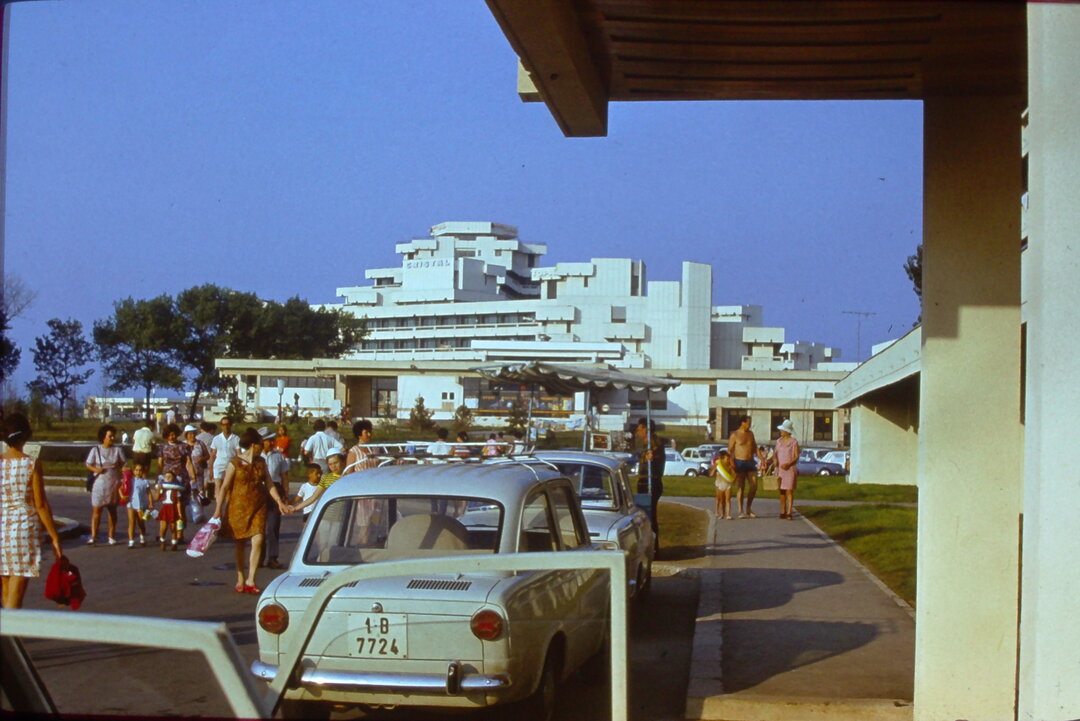
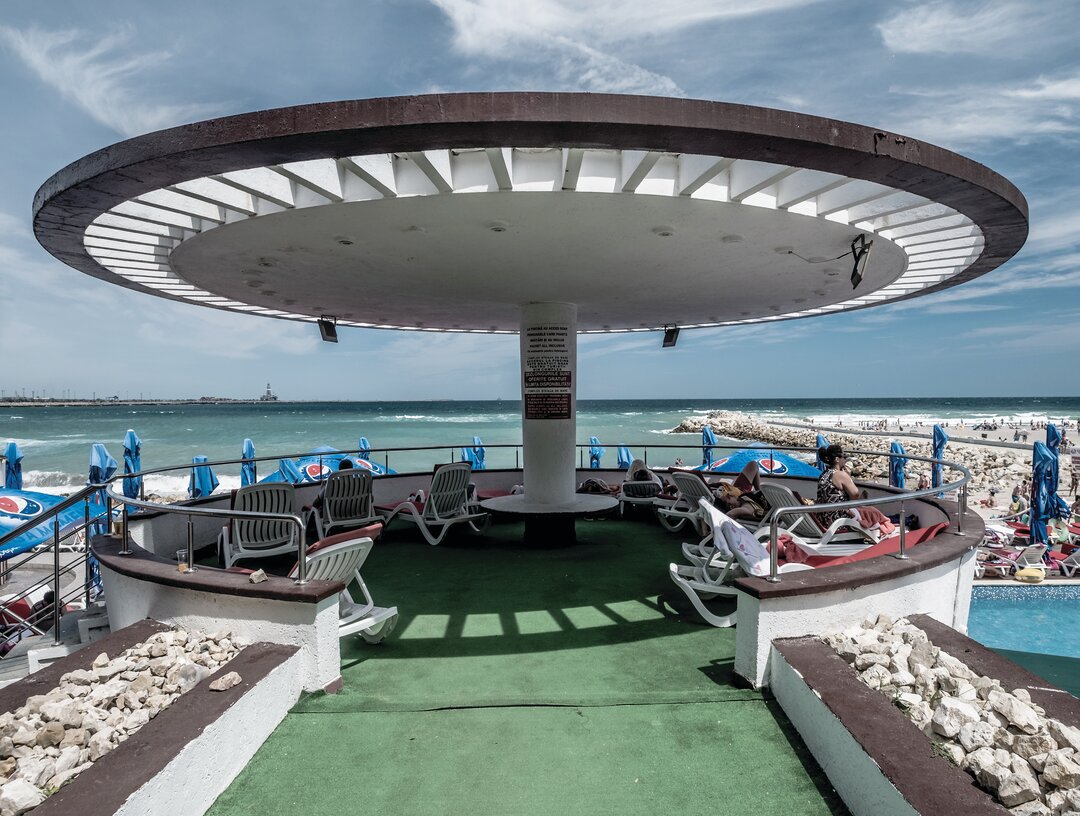
In the light of this attitude of foreign tourists towards their stay at the seaside, and after further surveys and various analyses (1971), Mamaia turned out to have been a more efficient investment, especially in comparison with the group of newly built resorts in the north of Mangalia (Neptun, Jupiter, Venus, Saturn). On the other hand, these resorts had proved to be very cost-intensive because of the artificial beaches; moreover, with the exception of Neptun, which was in a favourable position in a green area (which can be attributed to its special nature), all the resorts lacked adequate infrastructure (public lighting, sewage), public spaces and green areas, and were thus of no interest to international tourism (one of the purposes for which they were built). In addition, the lack of investment in any other kind of useful services complementary to tourism (commerce, leisure, activities, etc.) made these resorts unattractive. So, in fact, very soon after the beginning of the construction of the coast (10-15 years), the decision was taken to redirect the funds mainly to Mamaia and Eforie, which were considered the most attractive resorts for international tourism. By 1975 the priorities in the allocation of investments were back to their original targets: maintaining Mamaia's competitiveness as a resort for international tourism, and making Eforie's season permanent. The area to the north of Mangalia, less profitable, was divided into an international seaside area (Mangalia and Saturn) and an area dedicated to international tourism (Neptun, Olympus, Venus, Jupiter). The last in order of priority for investment were Costinești, Techirghiol, Agigea and 2 Mai, mainly for domestic tourism. The seaside's glittering dream was coming to an abrupt end, the only investments allowed were "emergency" ones, from the annual funds, with "simple, cheap solutions" (directed by the Ministry of Tourism). In principle, among the emergencies were the various types of facilities that were completely lacking, from beach facilities to restaurants and other leisure facilities24.
In fact, many of the comments made by Western tourists demonstrated not only the inability of some of the hotels to be converted into permanent accommodation, but also the fact that they were completely unprepared to accommodate extended stays in the off-season. The many replies from guests (around 2,000 questionnaires were completed) also reflect an understanding of tourism needs solely in terms of the number of places to stay, a lack of investment in infrastructure and the lack of provision (or funding) for complementary facilities, a lack of uniform coordination of both the design-construction and management of hotels, and a lack of specialized coordination to take account of the specific problems of tourism. All these seem to have been some of the reasons why the tourism industry was as inefficient as the Romanian industry as a whole, turning architecture into a beautiful backdrop for photographs. In the words of one German tourist, it sounded like this: "Let hotels and restaurants be built less architecturally expensive. Useless waste of the people's money".
Much has been written about the value of the seaside as an engine of creativity and a breeding ground for quality architecture, and about its notoriety among architects, both domestic and even international. At the time and recently25. The seaside has remained a landmark for Romanian architects, in that it has constantly represented a reference to the much coveted West, in the "avant-garde" role it played in the early 1960s, in the "silent" or more "vocal" links it created with the architecture of inter-war modernism and even in the vivacity and diversity that the architecture of the new resorts displayed with the latest major investments. The architects were honored and praised, the builders and workers too26. With the completion of the work on Mamaia in the early 1960s, Cezar Lăzărescu established himself as the main architect of the seaside, receiving the State Prize in 1962 for a work praised for its "urban composition, its real functional, technical-constructive and economic qualities. The work also stands out for its artistic qualities, its forms and proportions, its vivid coloring and its appropriateness to the place and its destination, and is appreciated both at home and abroad."27
For the fact that the architecture of the seaside was used as a calling card for international contacts, there can be no doubt: especially after the privileged resort of Neptun was built, many of the visits of high officials to Romania began or ended here, with Nicolae Ceausescu receiving his guests here and the visits being recorded in communiqués in the Official Bulletin; in 1967: Swedish Minister of Foreign Affairs Torsten Nilsson; Willy Brandt, Federal Minister of Foreign Affairs; the President of the XXI Session of the General Assembly of the United Nations, A. R. Pazhwak; a delegation from the French National Assembly, led by Achille Peretti, Vice-President of the National Assembly, or the Prime Minister of the Republic of Turkey, Suleyman Demirel, accompanied by Mrs. Demirel; a delegation from the National Assembly of the Czechoslovak Socialist Republic, led by Helena Sefterova, Vice-President of the National Assembly... and visits to the seaside or to Neptun have been going on for several years. There is no doubt that, from this level down to popularizing publications, the seaside has been a key to tourism propaganda and beyond. But if for the architects (and in the specialized magazines) the qualities of architecture were the target of all appreciation and the spearhead of the seaside's success, the question arises as to how the seaside was present through its modern architecture in the popularization publications28. And it is of course well known that since the inter-war period the architecture of socialist realism was a subject of many Soviet publications, being conceived specifically as a powerer of political message, especially in its forms using simplified references, understandable to the masses.
In 1961, the album Le Litoral Roumain, with an introduction by Mihai Beniuc, was published in French in the collection Peisajele României, published by Editura Meridiane in French. Appealing to the distant history and fame of Ovid, long exiled on the outskirts of civilization, the author introduced in beautiful words the timeless landscape of the seaside. However, the end of the text focused on new architecture and the beautification of the seaside, which had become "a matter of state". Talented and competent architects were creating large, solid, comfortable, brightly colored buildings, the sun itself became an accomplice in the creation of the new decor, "playing on the facades of the numerous balconies and greeting the working people who had come to rest on the seaside". Nature, light and color are, in the presentation of this album, the key elements that complete the new architecture. The album, full of spectacular photographs, exposes the lines of the new architecture either through strong contrast and the presence of long shadows illustrated in the black and white photographs or by the use of bright colors (red, yellow) in the color photographs. The short descriptions of the photographs seem to emphasize the obviousness of the images: "Concrete and glass. Comfort and beauty", "in the age of socialism, the useful cannot be separated from the beautiful", "sun, clarity, color, transparency, welcome to the seaside", "a poem of the stairs: rhythm...", "Can we talk about a style of the Romanian seaside from now on?".
Some of the tourist guides published at the time (Demetru Popescu, Claudiu Giurcăneanu, Ștefan Stoenescu, Alexandru Pop, Dobrogea, Ed. Meridiane, 1964), keep a reserved note when it comes to describing the architecture of the new resorts, without poetry and metaphors. It is limited to including only substantial, illustrated chapters on the resorts. The texts point out very clearly, but exclusively from a quantitative perspective, the facilities: beaches, amenities, number of floors and rooms, etc. Naturally, no guidebook forgets the party's concern.
Others (***, Constanța. Litoral, Ed. Științifică, București, 1962) describe the entire architecture very precisely, carefully recording details of the evolution of the interventions, in flowing texts, lavishly adorned with epithets and metaphors, going beyond the purpose of a simple tourist guide and turning into veritable pleadings for modern architecture:
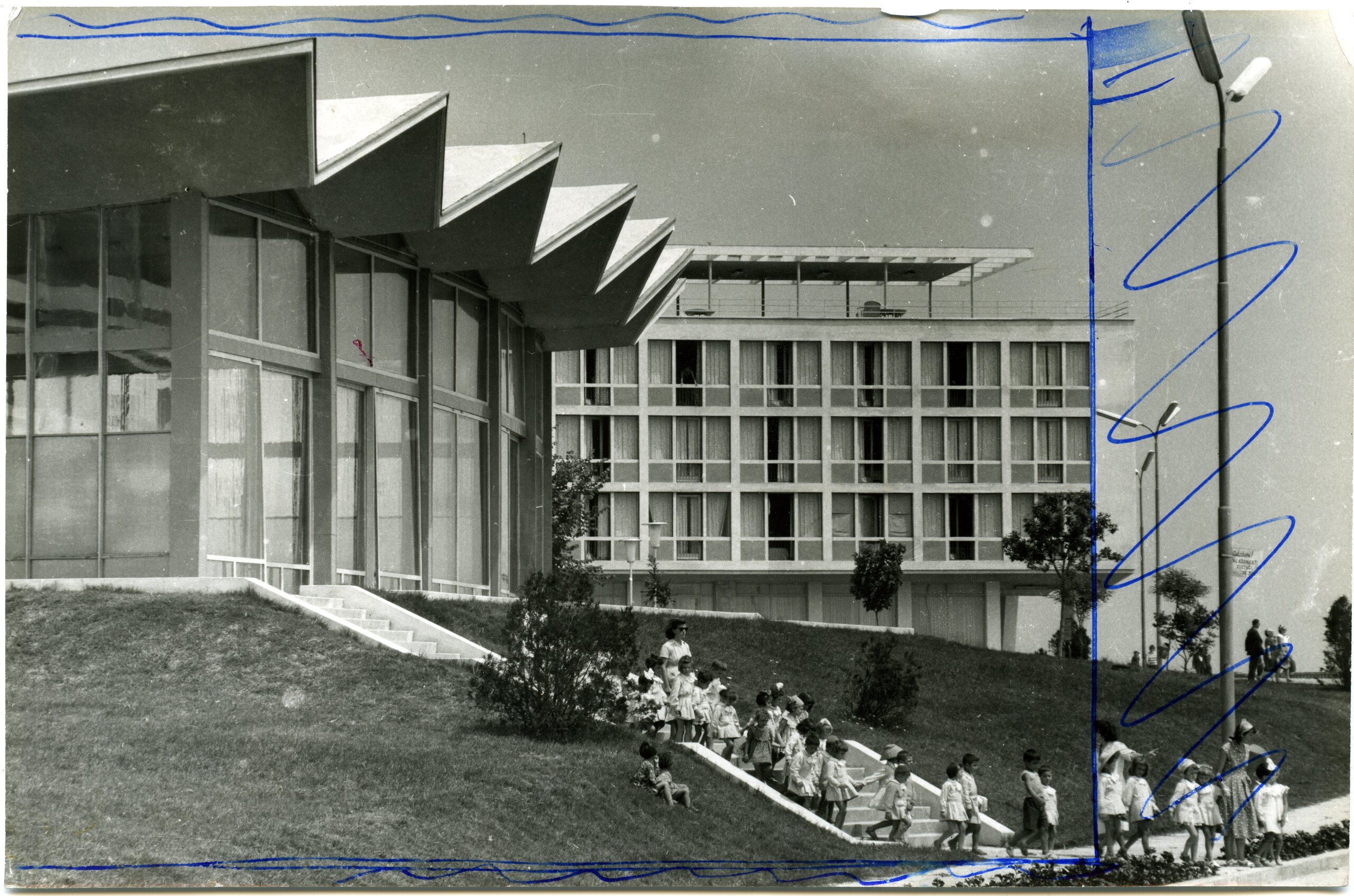
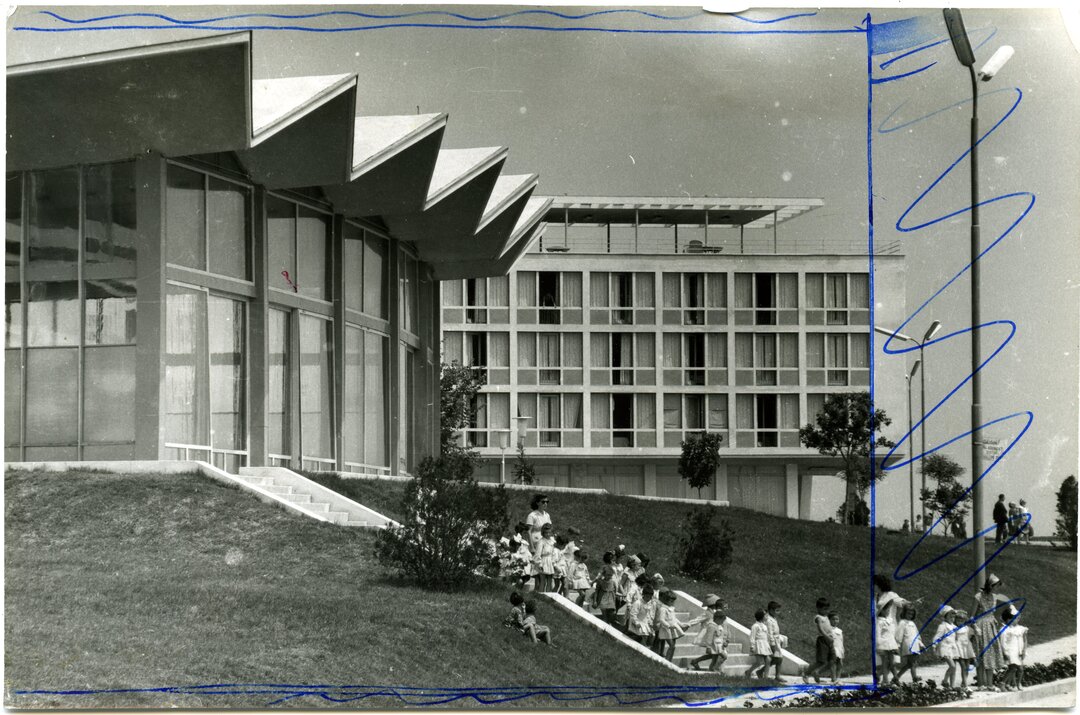
"Today, however, the traveler will encounter new buildings of 10-14 stories that surpass in grandeur almost all the other complexes on the coast. In the summer of 1961, four-story hotels welcomed guests for the first time: Delta, Neptun, Pelican and Sulina, and of the 8-10 storey hotels Doina, Flora and Sirena operated in excellent conditions. Flooded with light, the complex offers ultra-modern, pleasant and restful comfort." (...) "The architectural plasticity of the blocks is achieved by vertical lines that further emphasize their heights" (...) "Towards the northern edge of the park, in the immediate vicinity, we find a beautiful sunny building, the "Albatros" hotel, and next to it the "Albatros" restaurant, built in 1958, with a sumptuous terrace facing the sea. (...) Its construction is dominated by concrete and glass. (...) and next door there is a restaurant-brasserie, whose roof, to enhance the diversity of the architectural concept, is treated in broken lines" (...) "Nearby, a veritable palace has been built, the "Ialta" hotel. Its exterior is particularly striking in the rhythm of its arches, pilasters and columns, which form the monumental portico of the main facade." (About Mamaia)
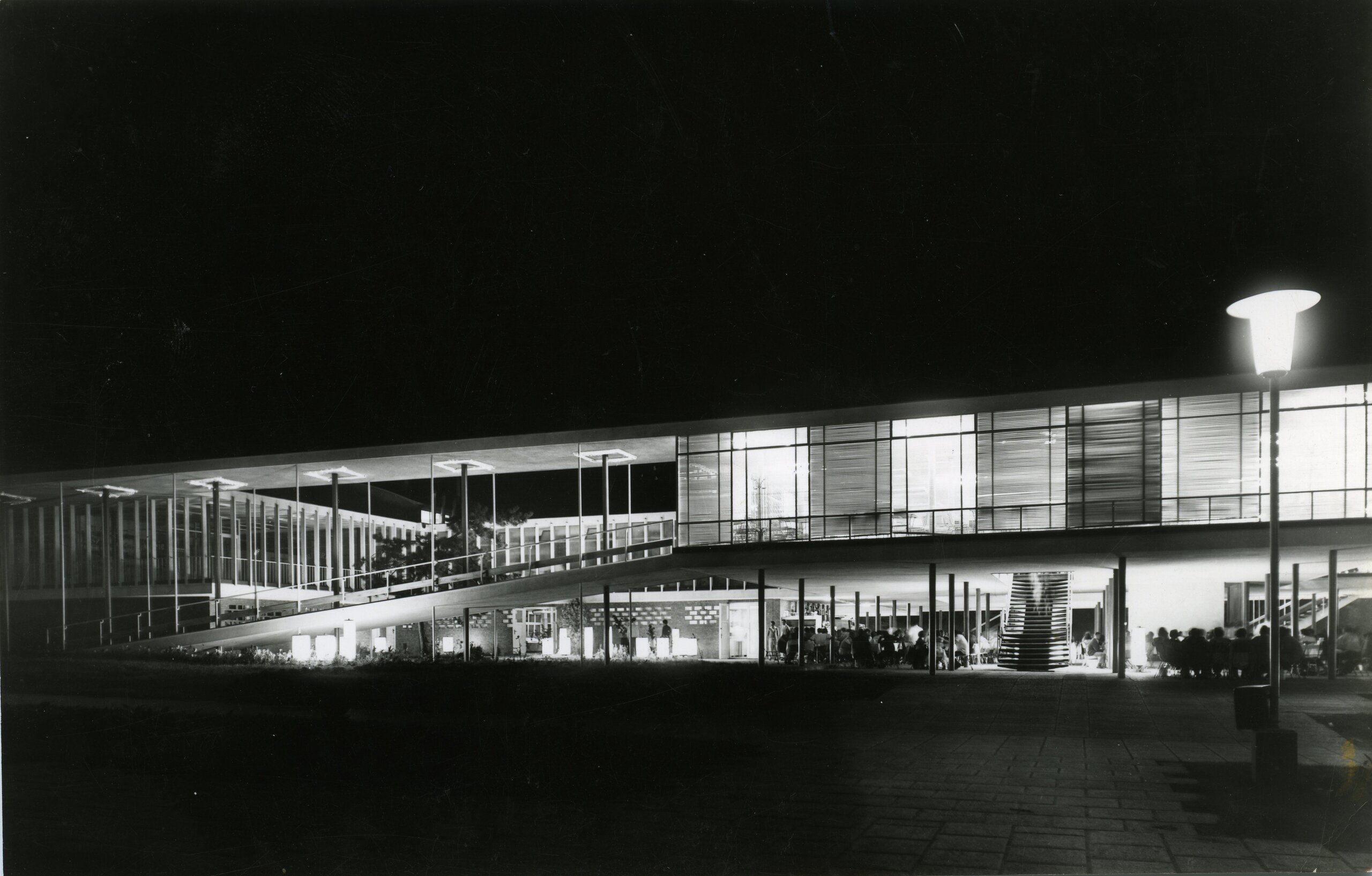
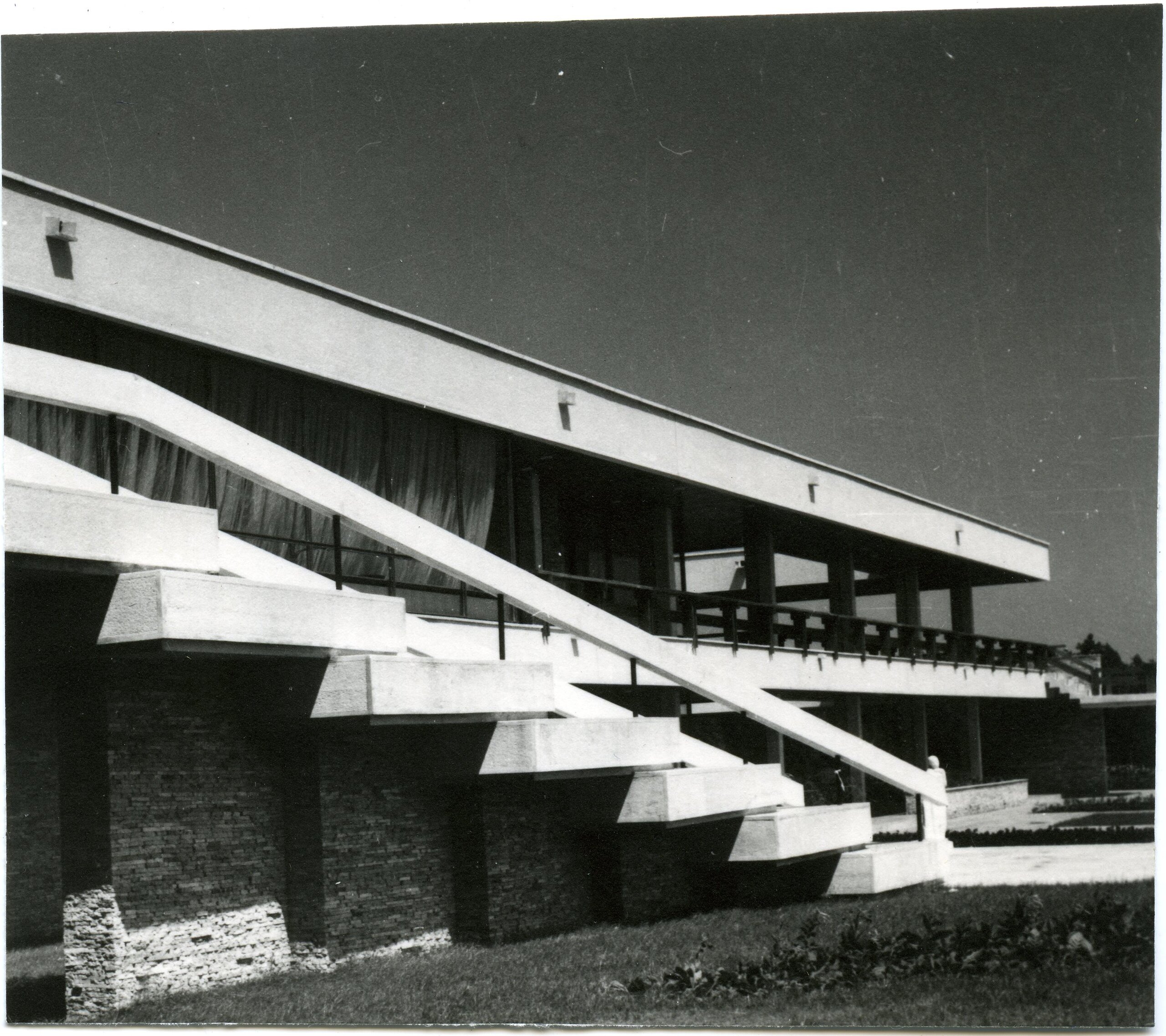
"Let's stop for a moment at the more main buildings on the seafront. On the north side, the terrace-restaurant "Vraja mării", further on, towards Ovidiu Boulevard, we find a large complex of modern apartment blocks. To the left of the boulevard is a string of small, colorful, small villas that do not obstruct the view of the sea." (...) "Around the corner on Tudor Vladimirescu Boulevard is the "Restaurant of Lights", with suspended terraces and wide outdoor staircases. Its architectural aesthetic is reflected in the rhythm of the dozens of columns on which the terraces rest. In the evenings, the fluorescent light of the complex and the marvelous soffits in the neighboring meadows provide a magical backdrop to these buildings, which are an exponent of the most advanced Romanian modern architecture. In the vicinity of the complex we notice a cluster of villas with small terraces, their plasticity underlined by attractive colors." (About Eforie Nord)
The seaside has constantly been portrayed in various periodicals, its architectural qualities being described in more exuberant or more technical forms, thus reinforcing the status of modern architecture: "The impressive architecture of the large buildings on the seaside has become one of the elements of the new cityscape in our homeland" "From the new railway station in Constanta to the "Parc" hotel you are met by a multitude of tall buildings. If there was a competition on "Which is the most beautiful building on the seaside?" no one could give an exact answer. In all the resorts, at every step you come across buildings of unique charm (...) The most beautiful restaurants await the seaside guests every evening.".(Dobrogea Noua, 4922, June 5, 1964)
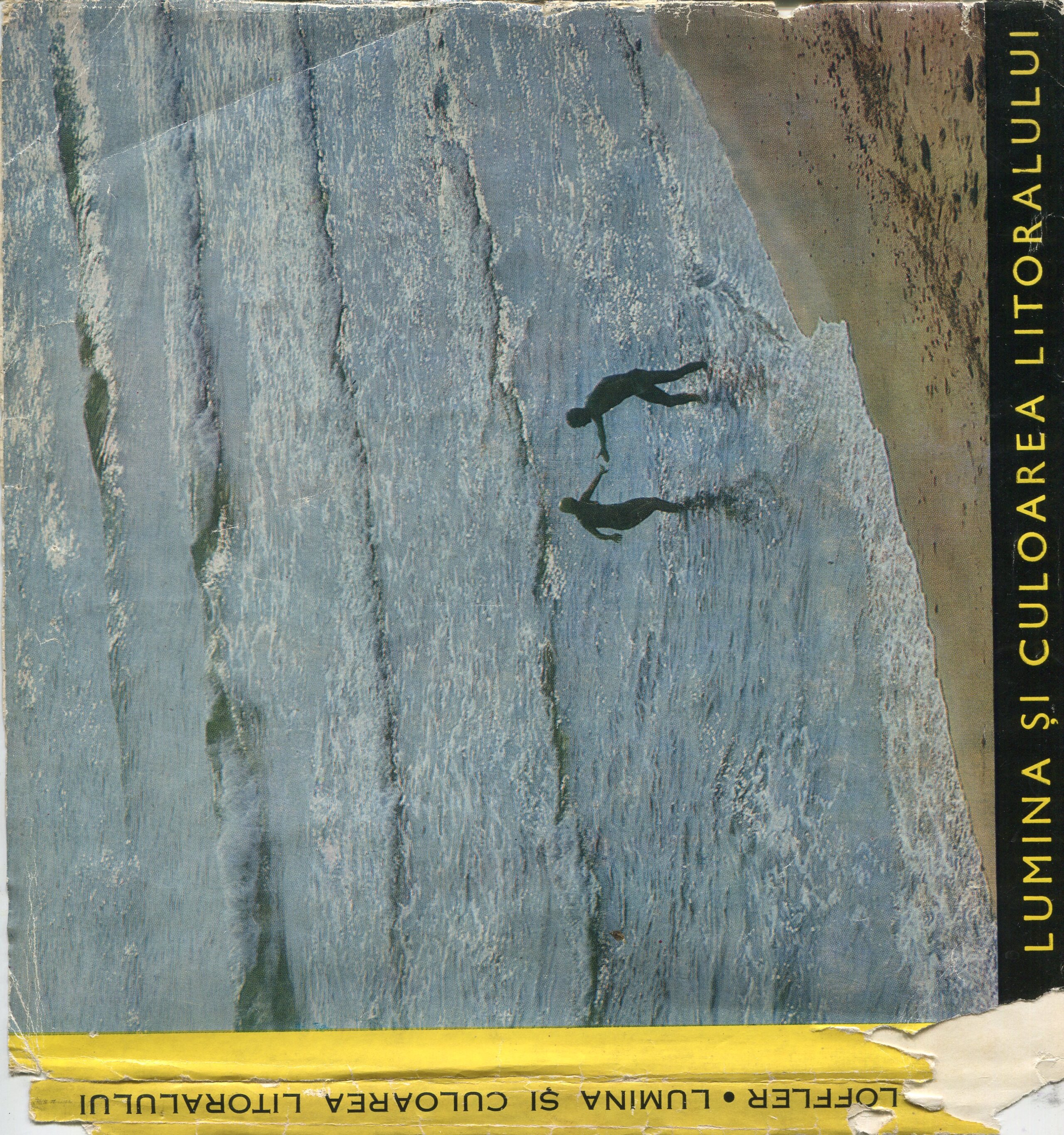
One of the most "successful" publications to promote the seaside in the 1960s was the photo album Lumina și culoarea litoral (1967), whose photographs were taken29 by Hedy Löffler, a renowned photographer of the period30. In fact, the album was made up of several well-known names of the time, figures dedicated to the political cause: Val Munteanu, for the album's graphics, and Vasile Nicolescu, for the text. The text takes up the pattern of the 1961 album, anchoring the coast in ancestral references and the ancient history of the territory; it condenses the ideas to the maximum, in a tone so specific, suffused with vibrant figures of speech:
"The pearl of the homeland, a magnificent chain of modern architecture and sunny beaches, with beauties created by the collective effort of socialist civilization, the sparkling seaside is precisely the charming and fanciful replica of the sensibility of a free people, of people who love the sea, its boundless poetry".
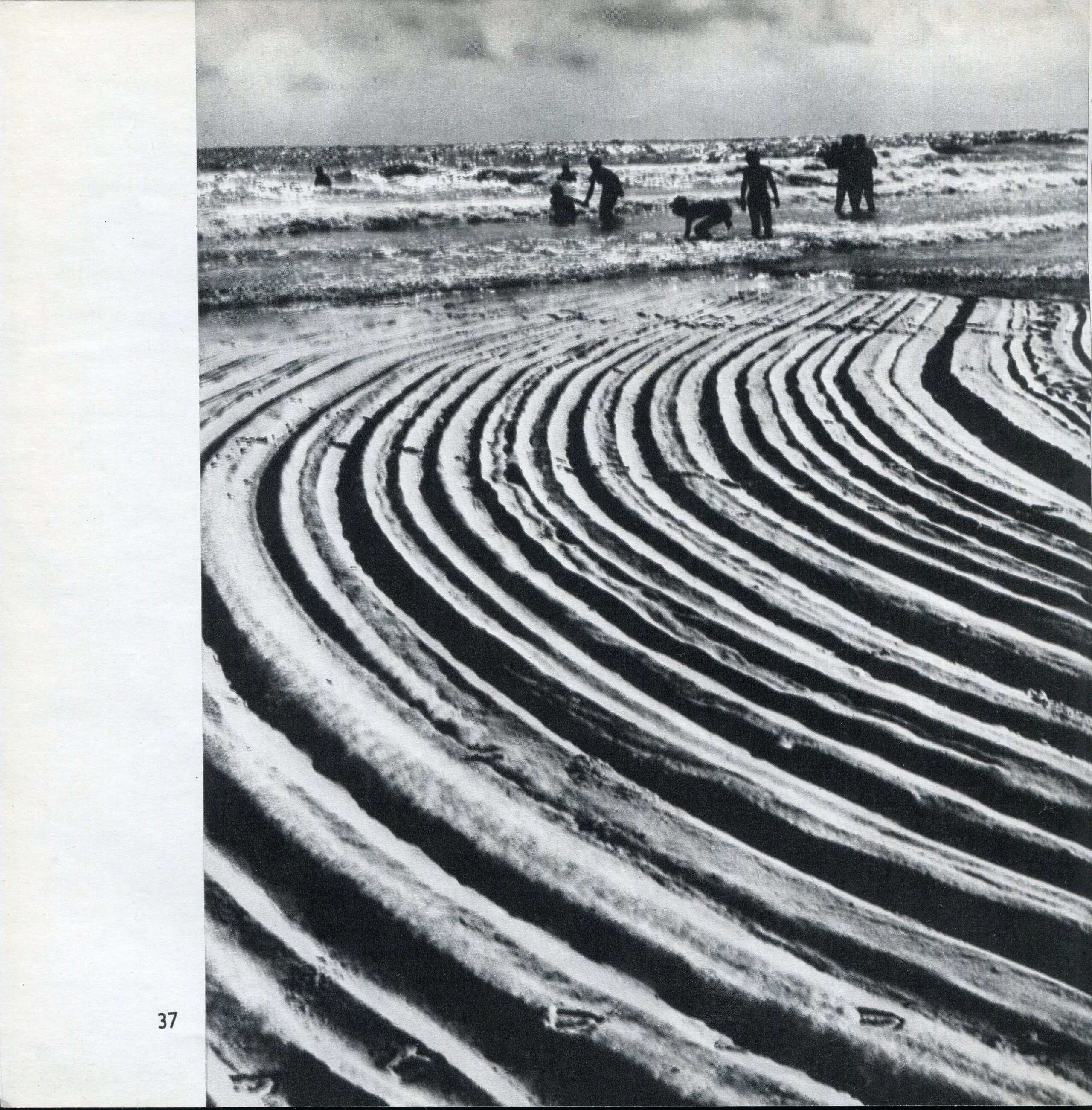
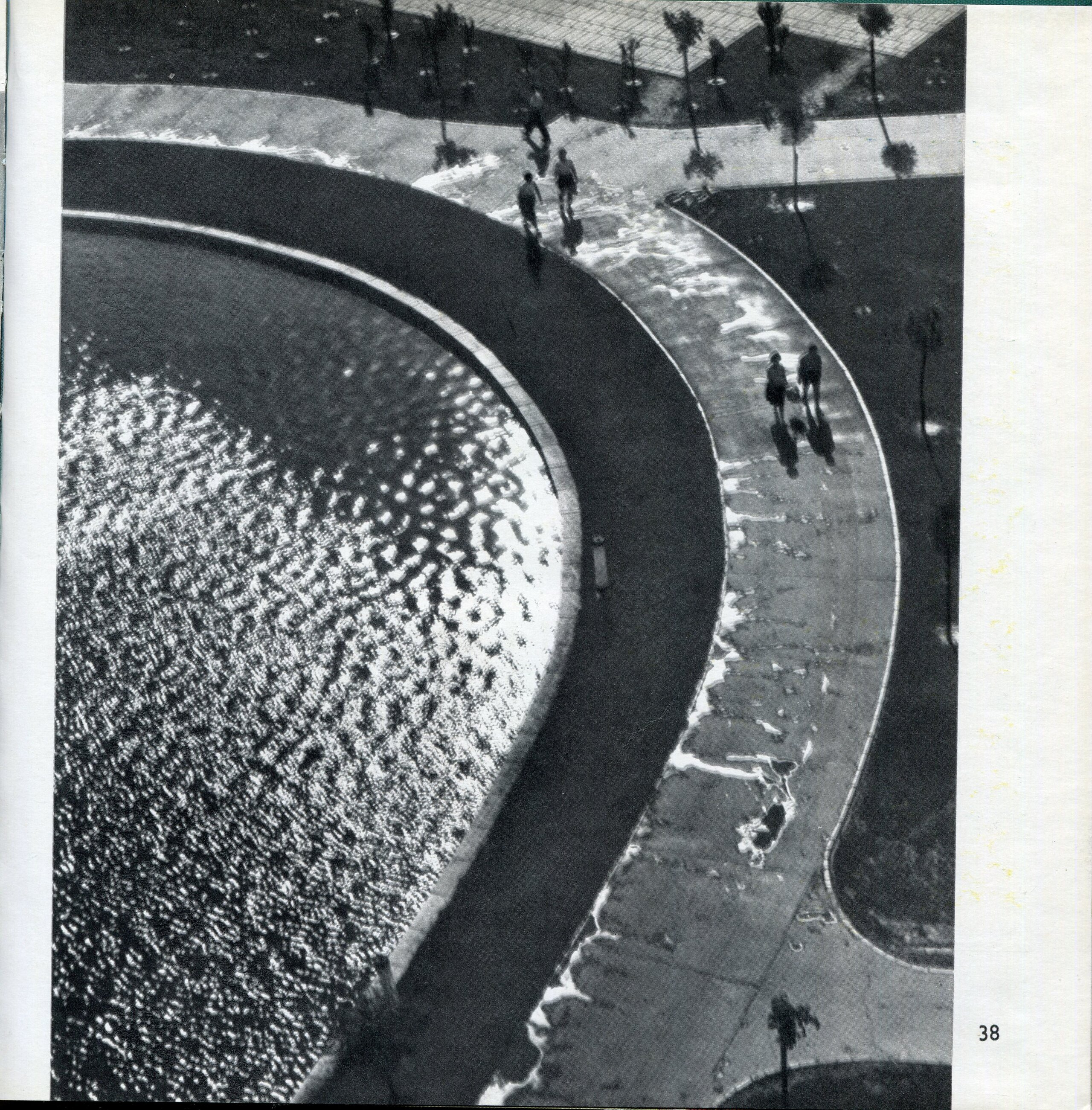
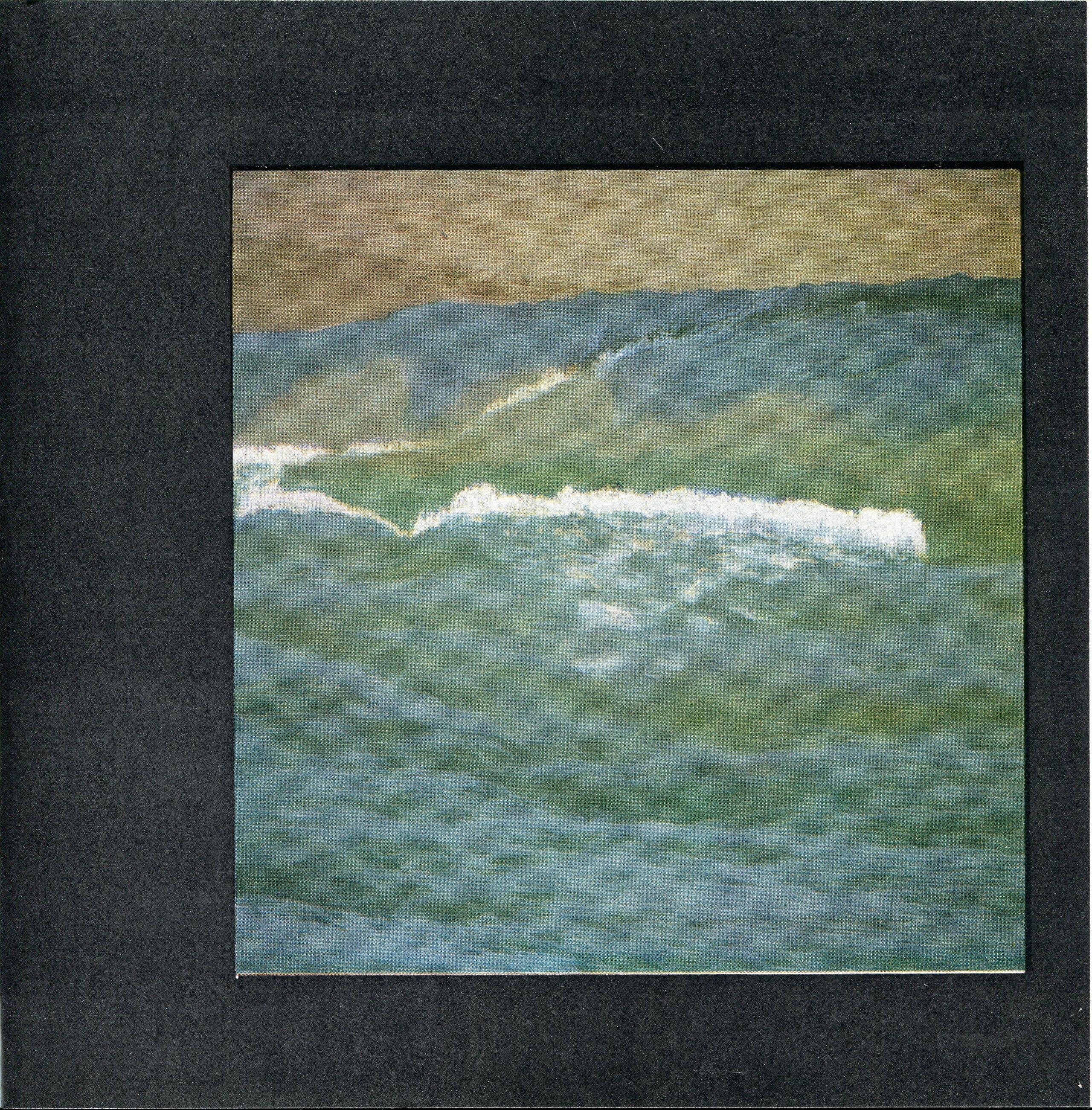
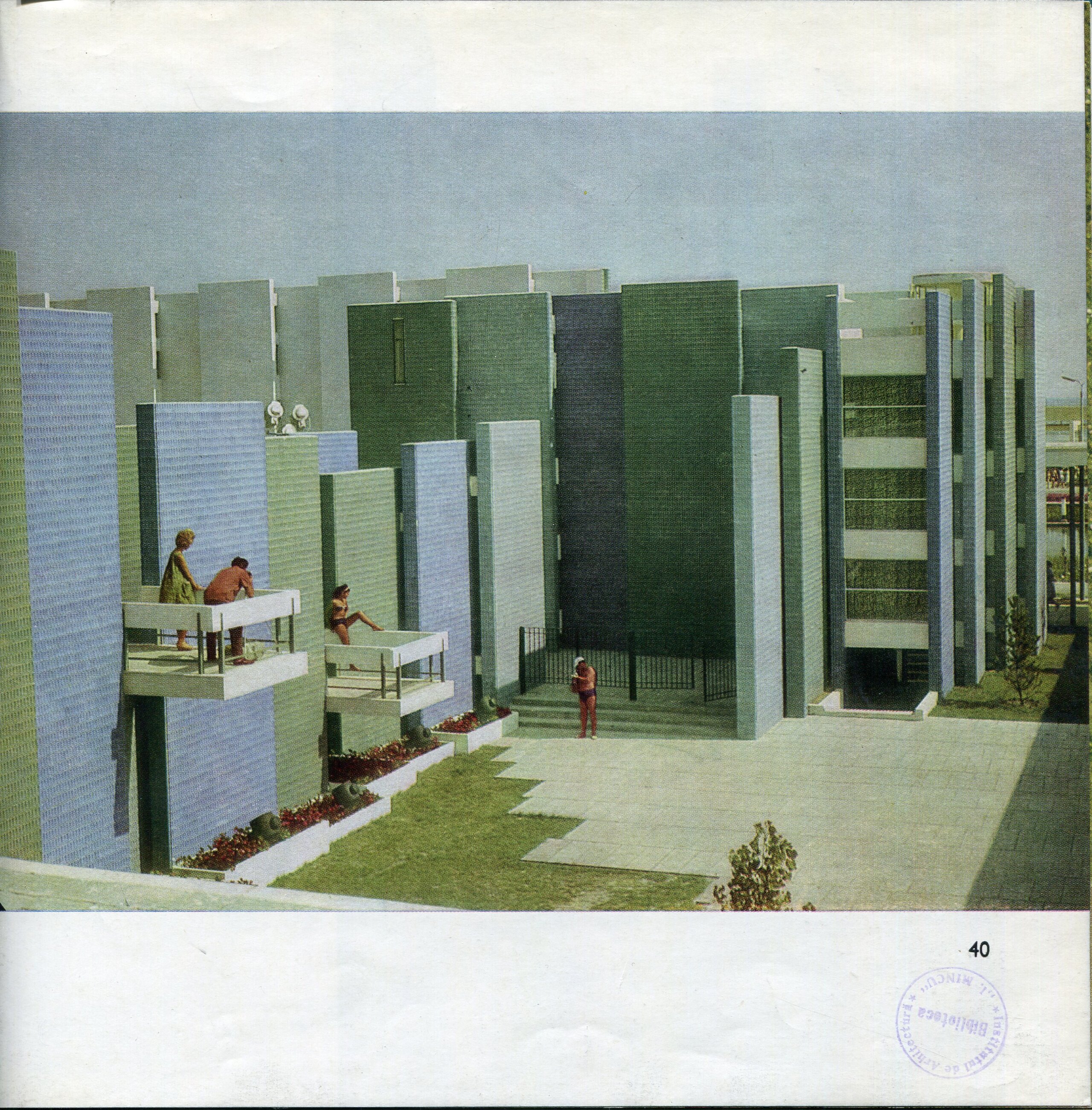
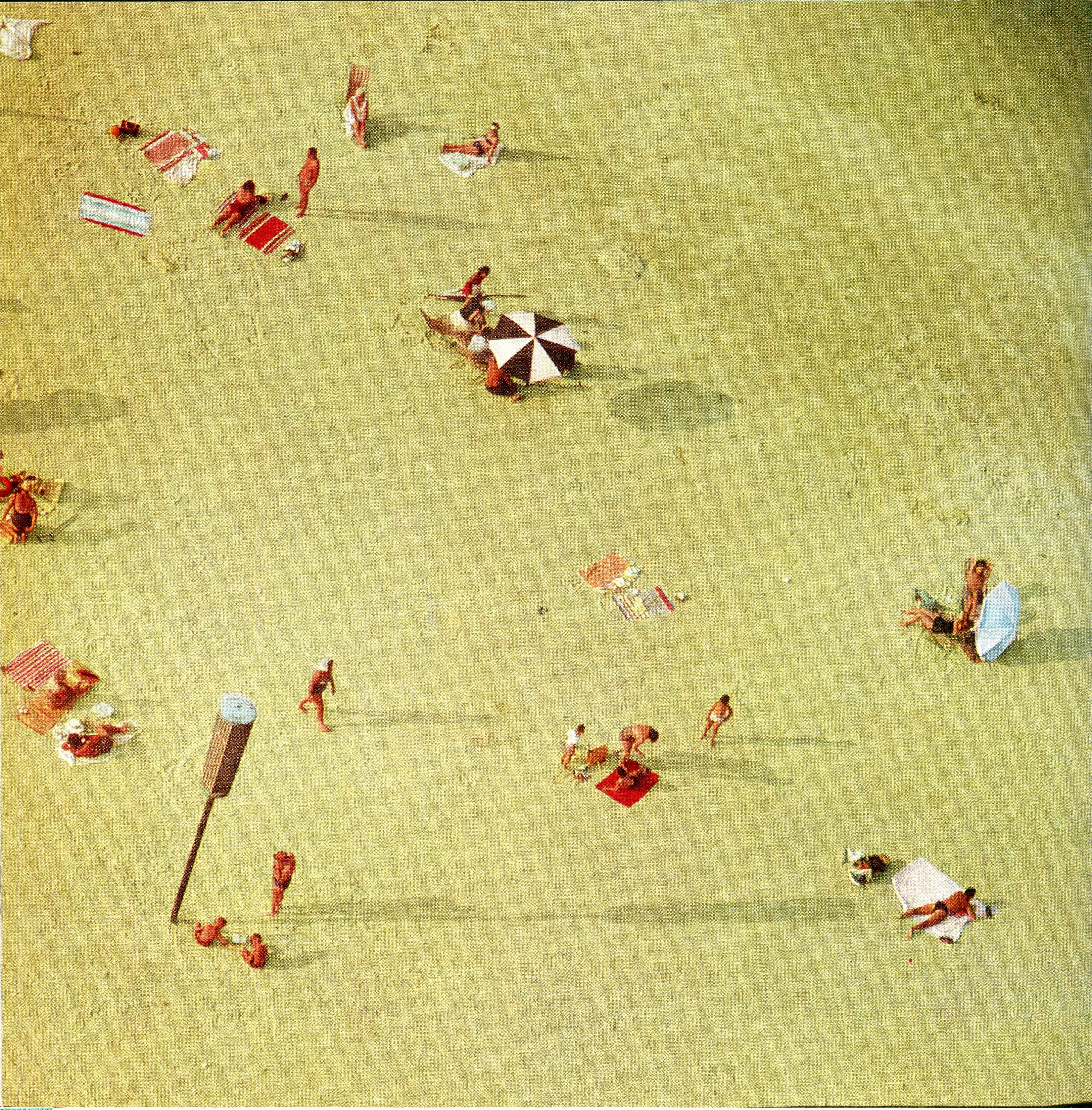
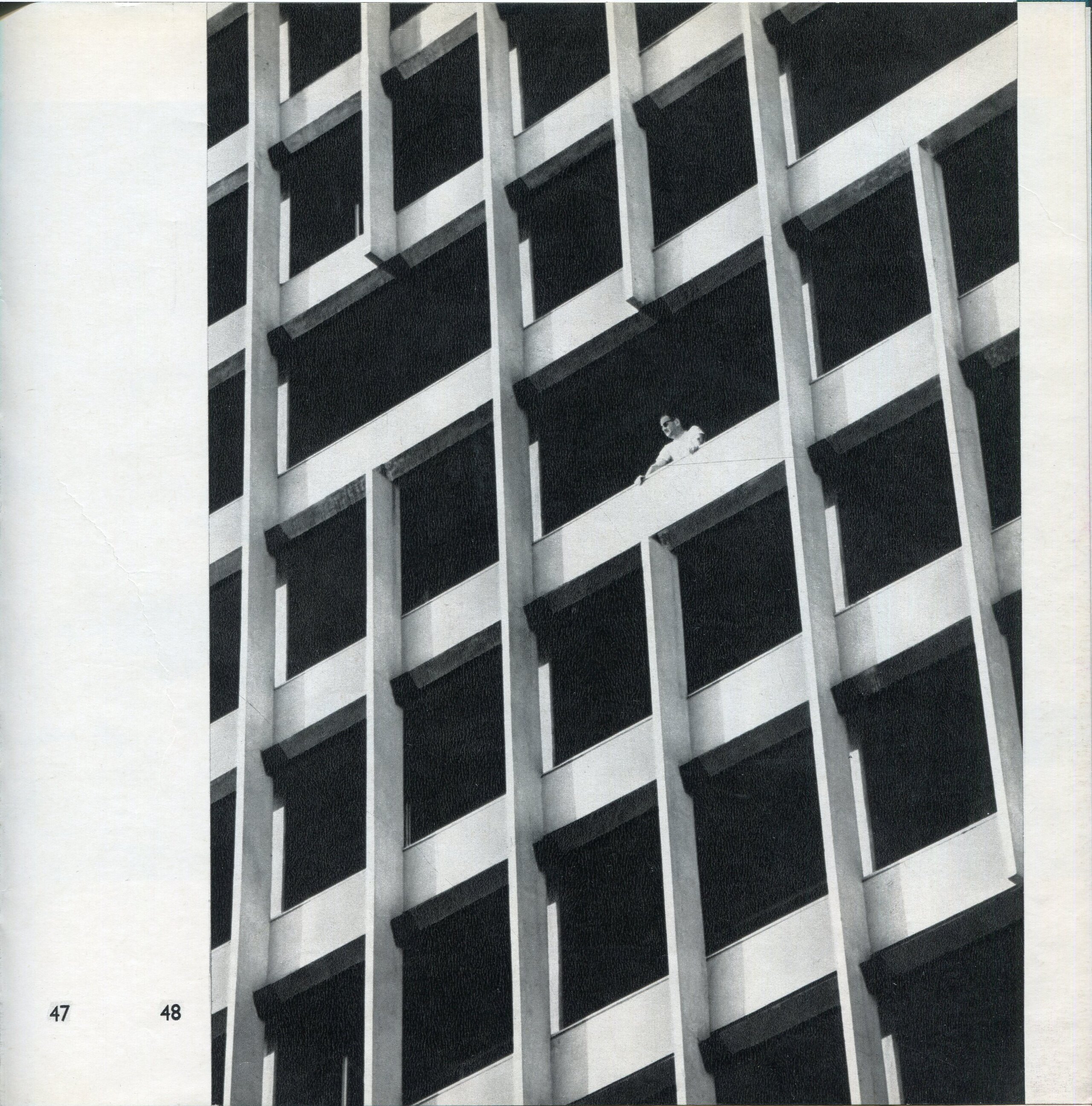
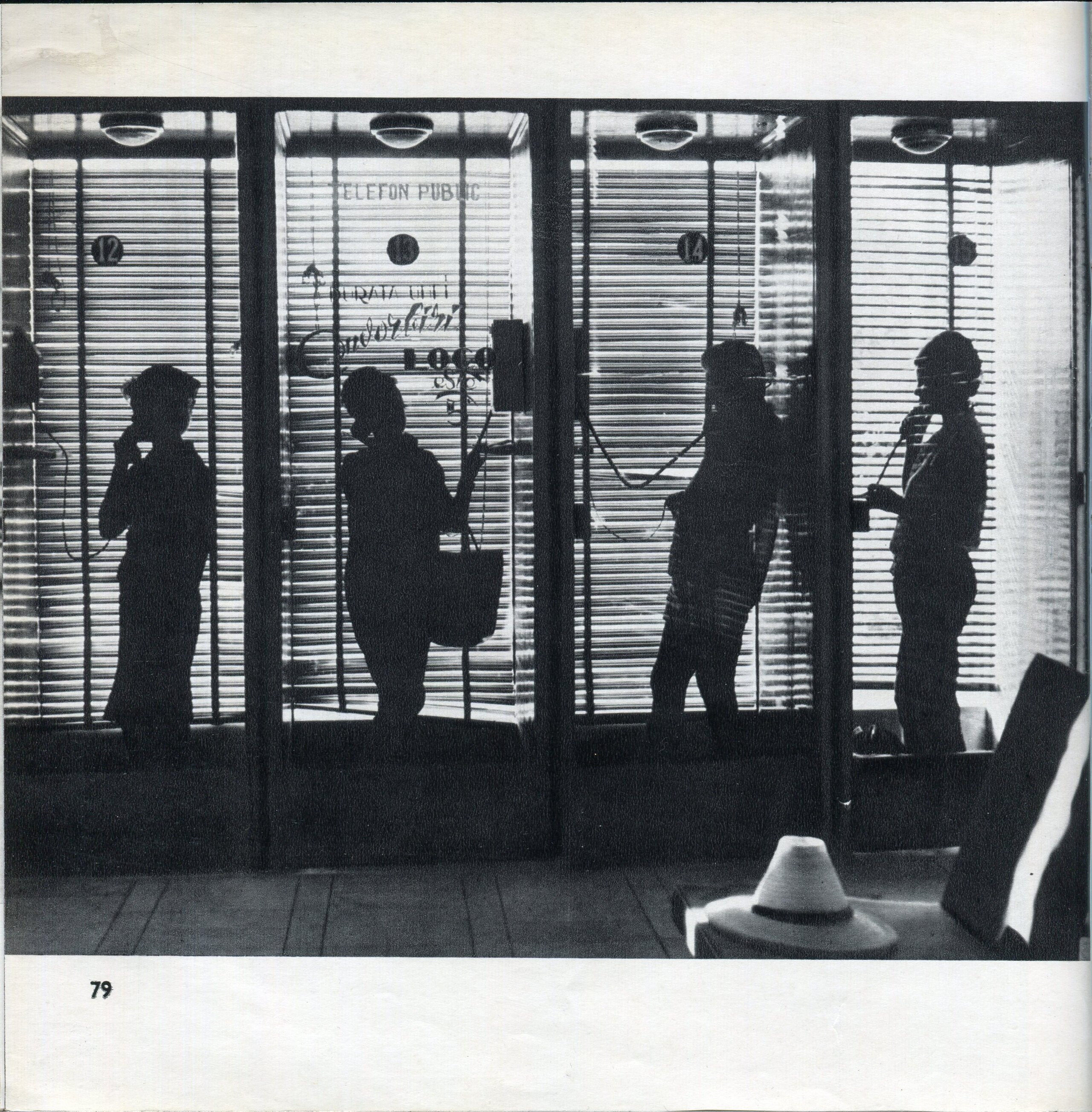
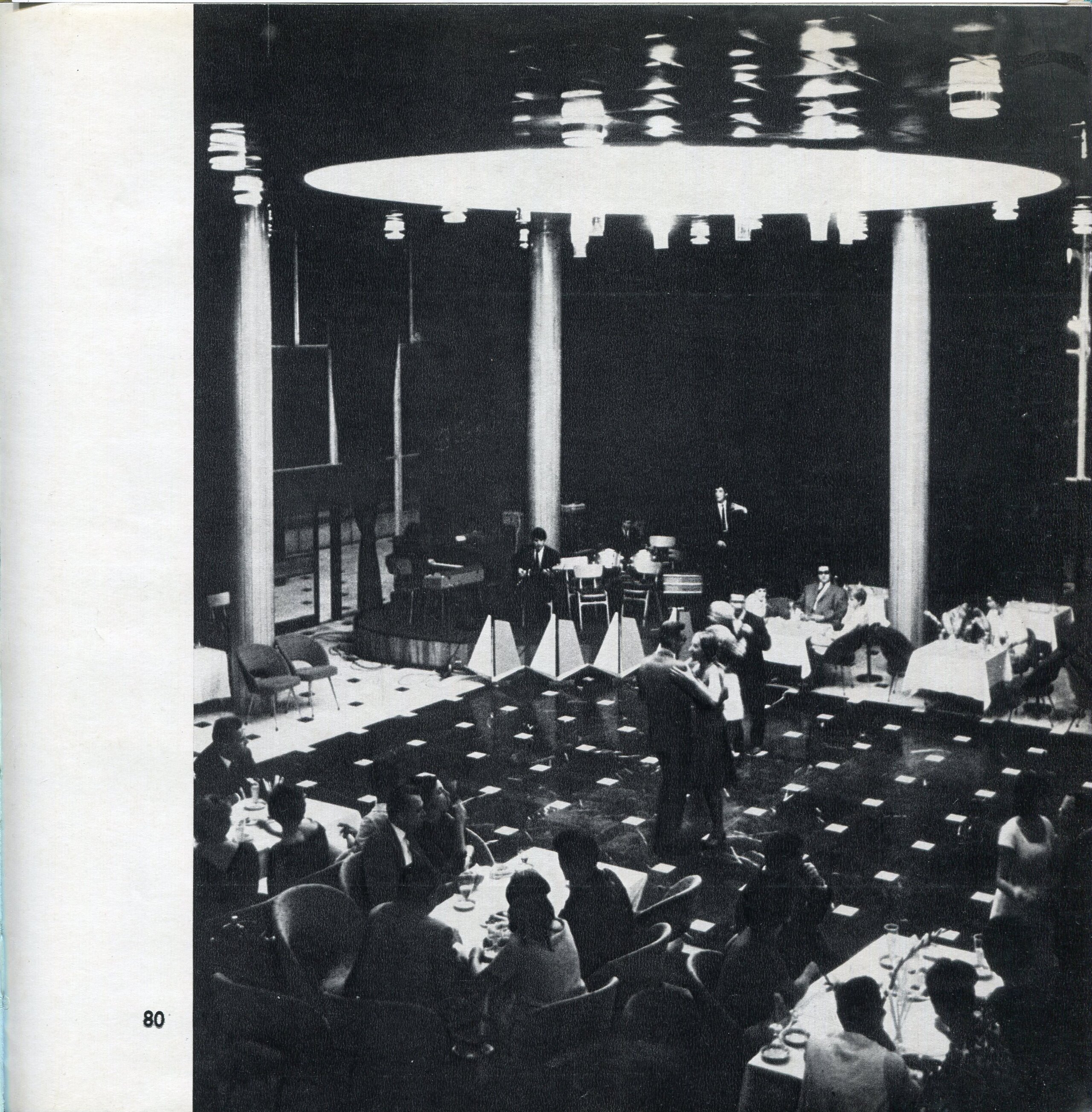
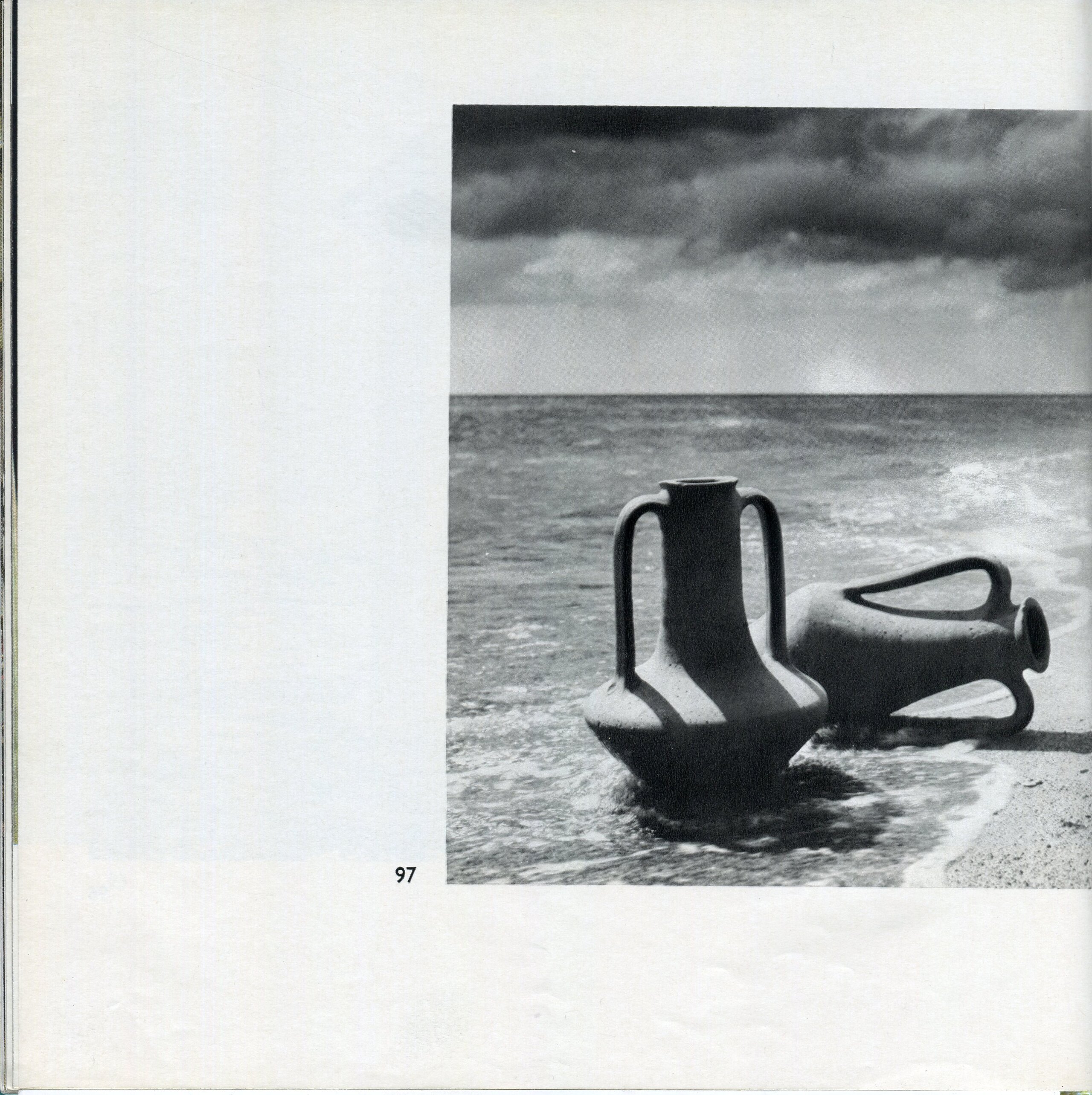
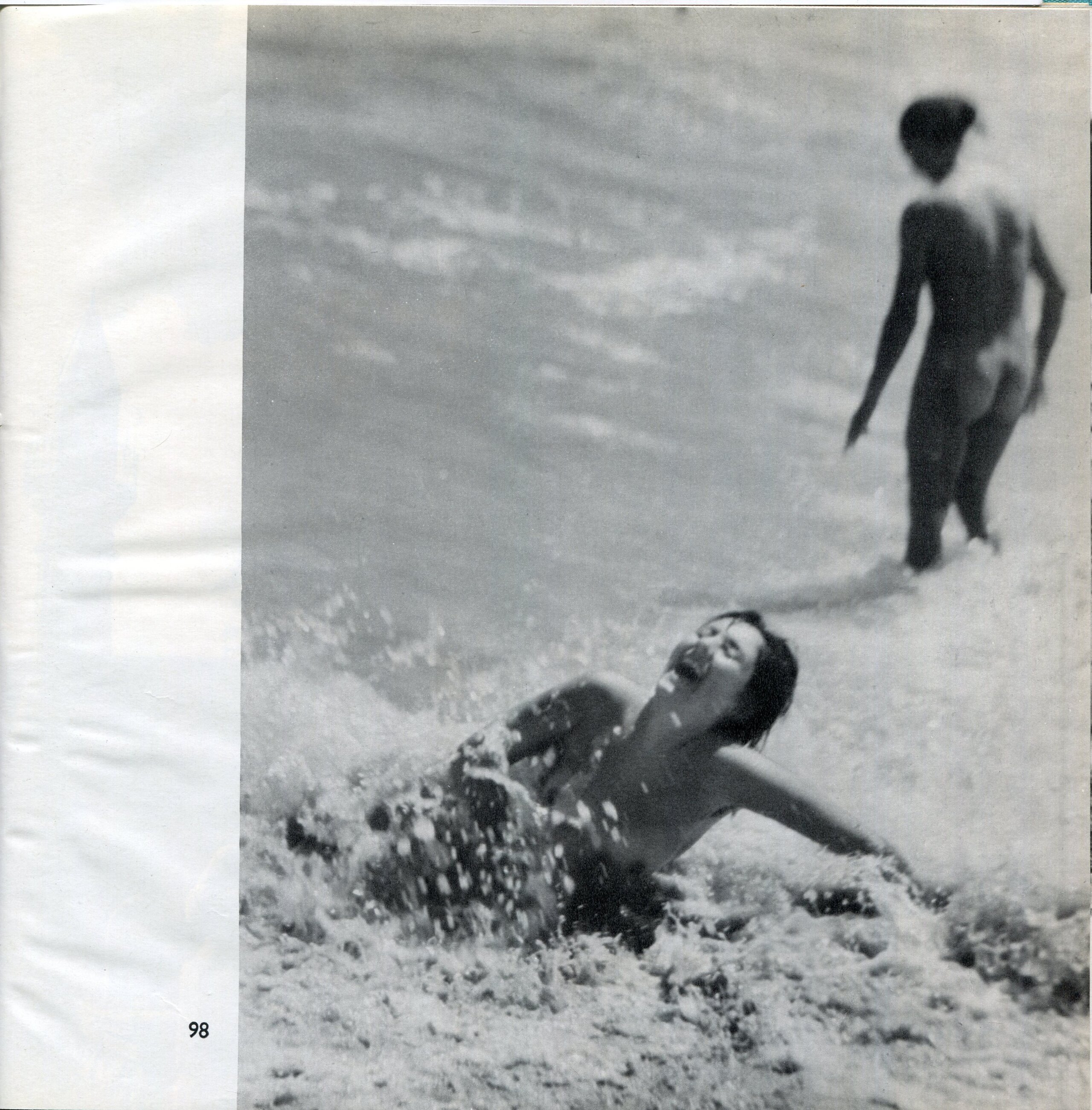
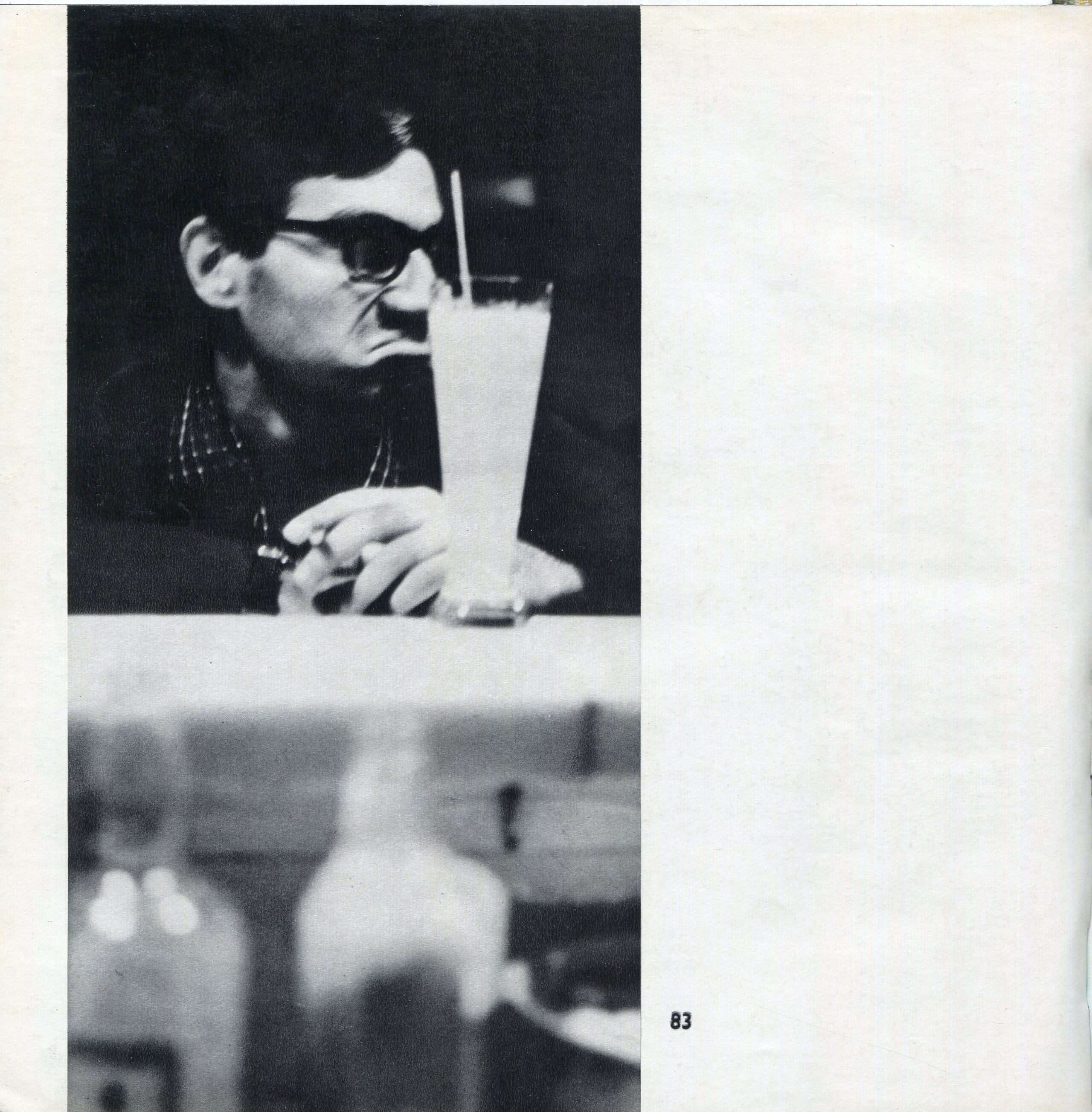
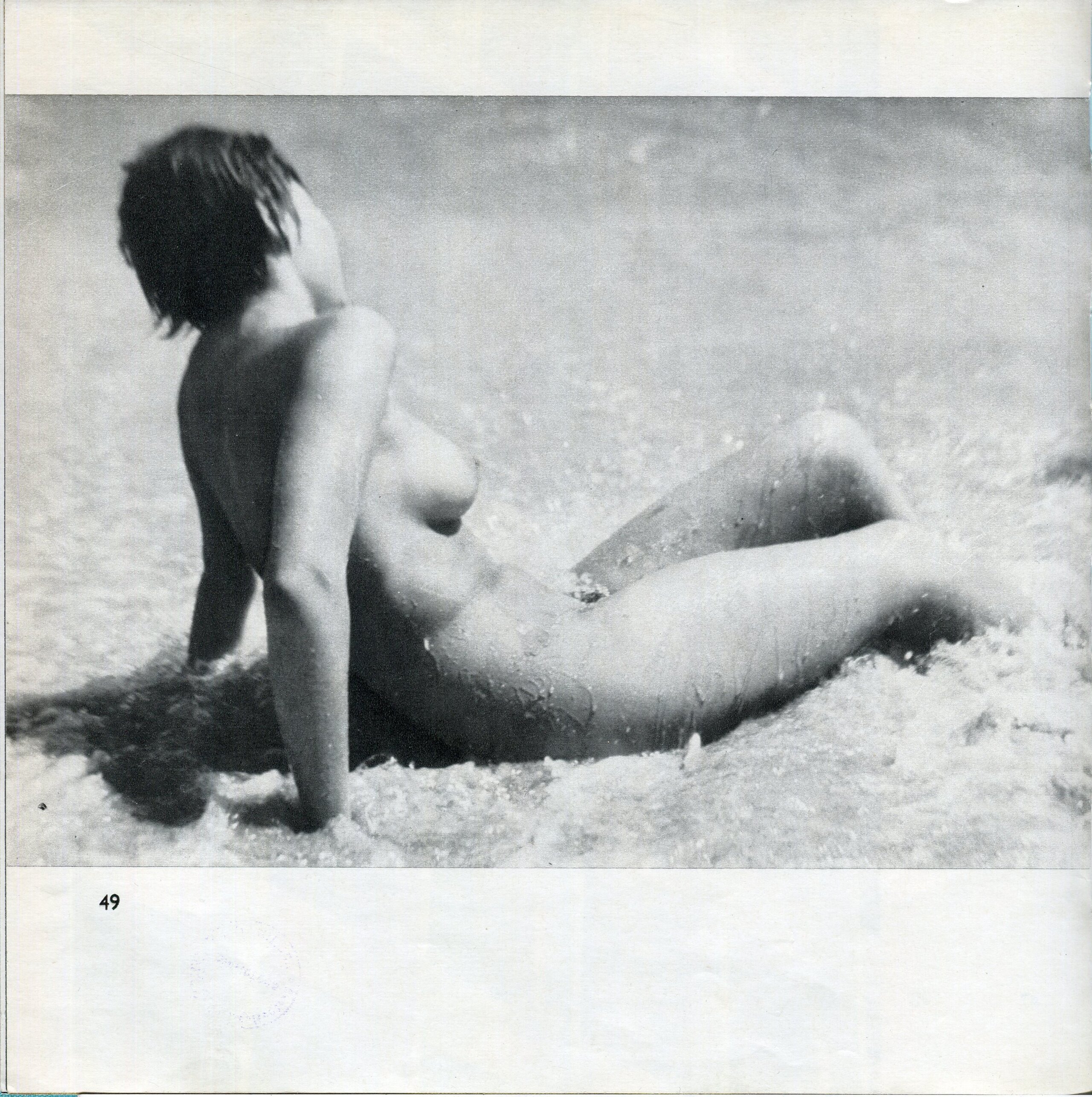
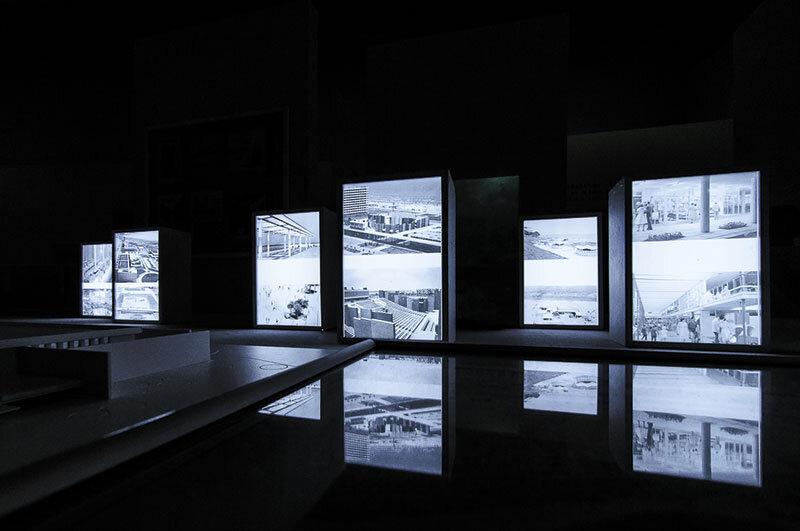
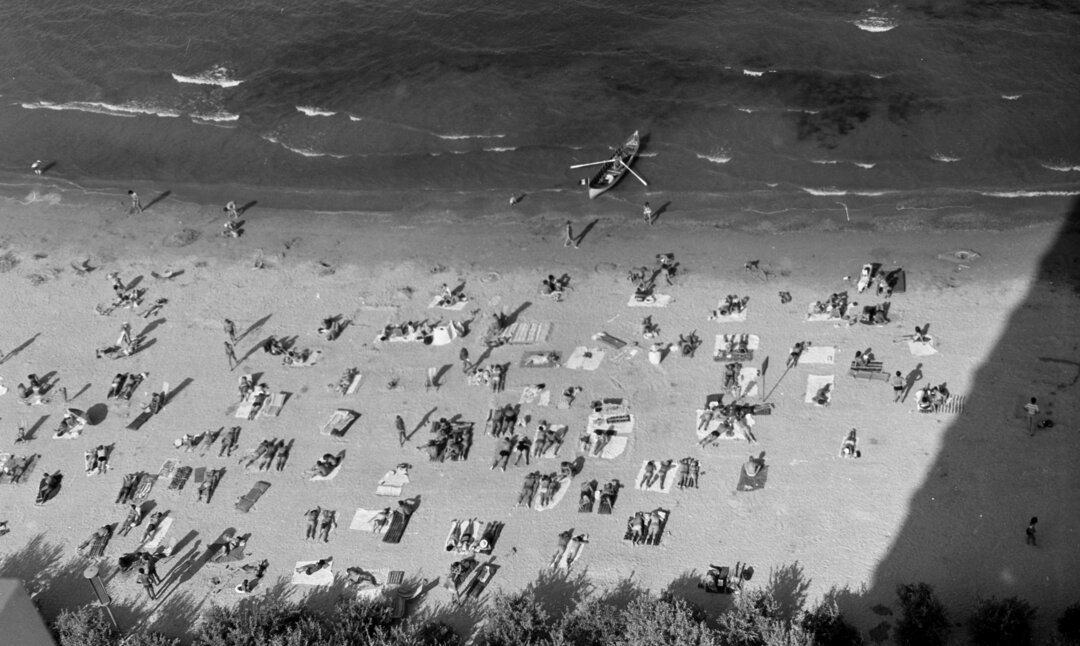
The album follows an exhibition that puts in dialog the images of the album (left-right). Some of the pairs of images in the album use the now classic pattern of the antithetical new/old presentation in different forms: the chaotic bourgeois city in opposition to the new modern socialist city (photos 9/10: Morning in Constanța), the ancient city/modern city (30/31: Flowers at Histria / Exuberance. In other instances, the album pursues the dialog between the natural landscape / human representations and the rigorous image of built forms, and here the qualities of the photographs and the way they are paired together actually demonstrate subtlety and artistic refinement. Extremely suggestive in this respect is the pair of images 37/38(Beach / Reflections) , which, using the curve as a graphic form, exposes, on the one hand, freshly raked sand and, on the other, the smeared asphalt surrounding a water mirror. In other situations color is the common element of the natural/architectural pair, as in images 39/40(Paleta mării / Summer Theatre "Ovidiu" in Mamaia, in others the contrast is total (47/48: Mosaic / Details): the golden beach with scraped, colorful elements contrasts with a black and white image with the rigorous structure of a block facade, the uniformity of the image is disturbed by the presence of a single person. Night images, in which the presence of light creates fine drawings from the structures of carpentry, various types of screens or brie soleil were frequent. Hedy Löffler also makes use of such a pattern by introducing shadowy female silhouettes into the photograph (79: Chords), creating a particular dynamic to the image; the pair of this image uses light elements with slightly curved shapes, representing the interior of a club (80: Chords). Equally surprising in this album is the presence of photographs depicting the everyday naturalness of a seaside holiday: photographs of female nudes (49, 98) or snapshots depicting the banal, unidealized life of the socialist worker, always with a smile on his face (83).
If one accepts the exceptional qualities of these photographs, one could still consider that such a work loses its validity solely because it represents engaged art. Naturally, such a discussion can be extended to the whole photographic production of the period, all too often associated with propaganda publications31. In fact, the discussion can be similarly addressed to the entire production of seaside architecture, which is, after all, the backdrop for these photographs.
The rhetoric of the "beautiful seaside" was preserved over the years and the fame of the 1960s ensembles was consciously reinforced, in line with the post-1971 change in tourist strategy, which can be said to have eliminated any opponent in the beauty contest of seaside architecture: "To fix Mamaiei's place in the ensemble of the Romanian Black Sea coastline, it is not enough to say that it is the first in the string of resorts stretching from Năvodari to Mangalia over a distance of almost a hundred kilometers, that it is the most beautiful and the most loved by tourists. If I were to use a seafaring term, I would have to say that Mamaia is the flagship of the seaside and summer tourism by the sea. You get this image especially at night when, seen from afar as it sits between the waters of the sea and Lake Siutghiol, bathed in a bath of lights, it looks like a giant transatlantic liner detached from the shore and set off on a long voyage. It is the holiday superlative for hundreds of thousands of tourists every year, in every summer season, which - it is worth emphasizing - maintains the longest season in relation to the other seaside resorts"(Dobrogea Noua, 7797, September 15, 1973). This remained true even though, since the beginning of the 1970s, there was already talk of a change of scale and repertoire in architectural aesthetics, and this direction was also affirmed in the pages of the same publication: "The architecture of the Romanian seaside is currently conceived in the idea that the monumental, often descending into a pronounced gigantism, is not only not efficient - economically speaking - but, which is perhaps just as serious, it also produces an undesirable sensation in man. That is why our projects foresee for the future relatively low buildings, generally of four storeys, corresponding to the human scale"(Dobrogea Noua, 7072, May 15, 1971).
If in the 1970s, the opening of the seaside to international tourism was reflected in the press by the creation of a double reference to architectural contemporaneity and to belonging to the great European civilization ("Every Romanian should pass through here, to find out what Romanians can do, and as many foreigners as possible, to spread the news about the birth of Le Corbusier and Niemeyer on the shining seaside, with its shining civilization, not yesterday, the day before yesterday, but for about 2.500 years"(România Pitorească, No. 4, April 1, 1973). And also, the voice offering undeniable testimonies about the beauty and comfort of the seaside was that of the foreign tourist, a position quite the opposite of the one revealed by the questionnaires left season after season to evaluate "seaside activity":
""After having visited the entire Romanian coastline, I can report that I have never known such a beautiful, wide-open and unpolluted sea coast anywhere else in the world. You have the cleanest sea in the world! And Mamaia, with its beautiful beaches, reminds me of my California. As for the beauty of the Romanian resorts, their architecture, their tourist endowment - my congratulations!", Sam Yorty, mayor of Los Angeles"(Picturesque Romania, 1974).
Or:
""We were simply amazed by what we found here. I had only heard of Mamaia at home. Now we have seen your entire coastline and, however much my patriotic sense of patriotism may resist, I have to admit that although less spectacular in terms of geographical settlement than the Yugoslav one, the Romanian coastline is extraordinary for its architectural landscape, which has made it one of the most beautiful in the world. I am envious, but full of admiration", Dorde Zelmanivic, editor of the newspaper Vjesnik, Yugoslavia"32(Picturesque Romania, 1974).
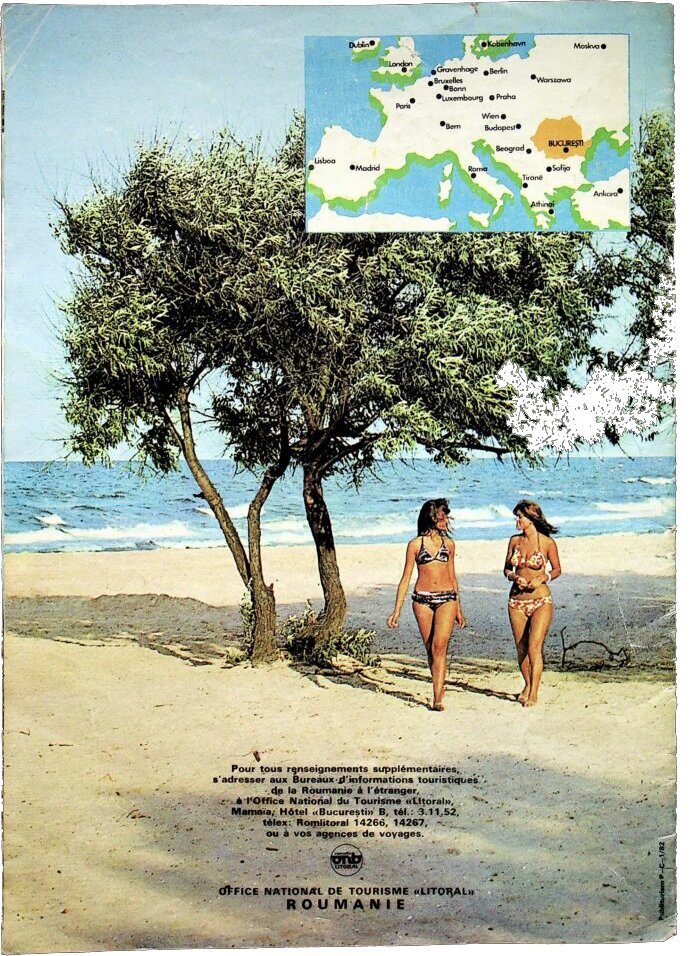
In 1982-1983, a series of guides to seaside resorts was published, with photographs interspersed with occasional close-ups of neglected green public spaces. The texts follow the pattern of short architectural descriptions, in many cases combined with the undeniable testimonies of more or less famous foreign visitors.
However, is it any wonder that, after so many pages written about the beauty of seaside architecture, almost none of these buildings has remained unaltered. Compromise with power is certainly part of the effect. Another certainty is that today the unspoiled beaches and fishing villages of 2 Mai and Vama Veche have become over-densified. Certainly not as the systematization projects of the communist period would have predicted, but it is to be explored how far they have responded to the growth estimates predicted in the mid-1960s.
1 Referred to by Ana Maria Zahariade as a "'summary' of the evolution of expressive tendencies in communist Romania", in Arhitectura în Proiectul Comunist. Romania 1944-1989, Ed. Simetria, 2011, p. 68 and the following pages on the seaside. The same position that particularizes the littoral can be found in the texts signed by Carmen Popescu and Irina Băncescu, Kalliopi Dimou, Sorin Istudor, Alina Șerban (editors), in Vederi încântătoare. Urbanism and architecture in Romanian Black Sea tourism. The 60s and70s.
2 The reputation of 2 Maiului as an informal summer destination had become clearly established among Romanian intellectual groups in the 1970s, Julian Hale (1971) apud. Irina Costache, 'From the Party to the Beach Party. Nudism and Artistic Expression in the People's Republic of Romania", in Cathleen M. Giustino, Catherine J. Plum, Alexander Vari (eds.), Socialist Escapes, Breaking Away from Ideology and Everyday life Routine in Eastern Europe, 1945-1989, 2013, p. 133. In this context, the book by Ruxandrei-Iuliana Canache, Marginal Spaces and Cultures of Dissent in Socialist Romania's Black Sea, can also be mentioned, which also points out the particular status of the two localities, as well as various facets of the alternatives to the mass tourism proposed by the regime and, equally, prominent figures of the time, part of this phenomenon.
3 Planned mass tourism connected to the grand socialist system and set alongside individual holiday homes as a departure from the norm of this line of production is a very suggestive perspective set out in Epp Lankots, Triin Ojari (eds.), Leisure Spaces Holidays and Architecture in 20th Century Estonia, Estonian Museum of Architecture, 2020.
4 In 1958, the decree on the territorial-administrative organization of the coastal area was issued, whereby the towns of Vasile Roaită, Techirghiol and the communes of Agigea, Ovidiu and Năvodari became municipalities subordinated to the city of Constanța (Official Bulletin of the MAN, RPR, No. 1, 14 January 1959).
5 Cezar Lăzărescu, "Studii pentru sistematizarea localităților de litoralul Mării Negre", in Arhitectura, nr. 11-12, 1955, p. 32.
6 These were to become "a large complex for rest and especially for preventive and curative treatments, with the construction of rest houses, sanatoriums and medical facilities" (Cezar Lăzărescu, "New constructions on the coast", in Arhitectura, no. 8-9, 1958, p. 12).
7 See Rampa, July 29, 1937, p. 3.
8 See in SANIC, Council ofMinisters Presidency, File 11/1966: "Preliminary study for the development of the coastline and summary of the discussions held with the heads of the ministries concerned", f. 33.
9 The 1966-1970 economic plan envisaged new investments of 1 billion lei on the coast, with a first phase covering 32,000 accommodation places for international tourism, 1,000 places for treatment at Techirghiol, 3,000 places at Năvodari, in children's camps (File 45/1966, Presidency of the Council of Ministers, 1956-1977, f. 13).
10 Ibid, ff. 6-7.
11 Among the provisions of the new systematization plan, the efficiency of investments took into account the linking of new constructions to the existing infrastructure (technical and public utilities or existing public buildings), the use of vacant, unoccupied land, filling in gaps in the fabric, and avoiding demolitions.
12 SANIC, Presidency of the Council of Ministers Fund, File 45/1966, f. 36-40.
13 HCM 1280/1965, HCM 1792/1966 and HCM 3035/1966 approving the construction of the Neptun Rest Complex and special investments for the Party Household Section. Part of these investments were specifically dedicated to ordinary and special international tourism (delegations, businessmen from abroad).
14 Ludwig Staadecker, "Ideas competition for the new Midia resort", in Arhitectura, no. 3, 1969, pp. 40-46.
15 "Concerning the new route of the national highway between Eforie and Mangalia and the doubling of DN 39 between Constanța and Eforie Nord, we point out that no funds are foreseen until 1970. Likewise, the necessary funds for the modernization of the regional road 391 between Adamclisi and Mangalia (...) In relation to the development of the constructions at the M. Kogălniceanu airport for the service of tourists in international traffic, no funds were allocated for the period 1966-1970."
16 SANIC, CC of the PCR, Economic Section, File 9/1972.
17 The text was part of a group of speeches published following a "creative discussion" held at the Architect's House in November 1968, in which various topics were discussed: Arhitectura, no. 1, 1969, pp. 2-32.
18 SANIC, Presidency of the Council of Ministers Fund, File 29/1961: Report/Information of the ONT Carpathian Delegation to the 4th Conference of Tourist Organizations of the Socialist Countries - Moscow 1961. Incidentally, this idea of bringing foreign visitors to carefully controlled places was nothing new, and was one of the hard cores of communist propaganda for the foreign environment.
19 SANIC, Presidency of the Council of Ministers, File 45/1966. By 1970, Yugoslavia had reached 3,000,000 tourists.
20 SANIC,National Institute forTourism Research and Development, File 5/1969.
21 Ibid.
22 In fact, the tourist had announced that he was going to send copies of the same letter to the various forums: ONT, the CC of the PCR, the party president and the magazine "Karpaten Rundschau" from Brasov (SANIC, Fonds CC of the PCR, Economic Section, Dossier 9/1972, folders 76-88).
23 In the years that followed, the research center for international tourism continued to follow, through surveys and interpretations, the quality of services offered on the Romanian coast. Many of these studies partially repeated the same criticisms that had been formulated at the end of the 1960s.
24 SANIC, CC of the PCR, Economic Section, File 9/1972.
25 Last substantial publication on the subject: Enchanting Views. Urbanism and architecture in Romanian Black Sea tourism in the 1960s-1970s (2016), with general texts on the whole evolution of seaside architecture by Carmen Popescu and Irina Băncescu.
26 For example, financial incentives were granted to workers, technicians and engineers to complete the works for the Mamaia complex in a very short time (SANIC, Presidency of the Council of Ministers Fund, File 80/1959).
27 SANIC, Fonds Presidency of the Council of Ministers, File 361/1962.
28 The following fragments refer in particular to publications in Romanian.
29 With the exception of two photographs taken by Valentina Giurgianu and Alexandru Florescu.
30 Hedy Löffler-Weisselberger (1911-2007) was a photographer, born in Timișoara, who studied photography in Vienna with Trude Fleischman and was internationally acclaimed(Minimum, no. 15, 1988, p. 74). She was the author of a considerable number of photographs for postcards, tourist guides for cities and regions in Romania - Brasov (1962), Vatra Dornei (1967), Sighisoara (1976), Tara Barsei (1971), Bucharest (1984), Bucharest Gardens (1984), but also for European cities - Budapest (1970), Naples (1973), Yugoslavia: Popasuri Adriatice (1974), Popasuri Olandeseze (1976), Belgium (1977), Poland (1978), Paris (1980), Orașe din Republica Democrata German (1987) and with many works dedicated to the seaside(Lumina și culoarea litoralului, 1967, or Litoralul Românesc, 1975). He had a long career in Romania and emigrated to Israel in 1988.
31 Eugen Negrea, apud. Uschi Klein, 'Picturing the Female Gaze. Photography as a Form of Cultural Resistance during Romania's Communist Era", in MIEJSCE 7/2021: https://www.doi.org/10.48285/ASPWAW.24501611.MCE.2021.7.13. The article details in particular the context of the last years of the regime.
32 It is worth noting that, during the same period, analyses carried out within the Ministry of Tourism revealed the extraordinary success of Yugoslav tourism. In the same context proposals were made following the analysis of Yugoslav tourism strategies. In this sense, see: Radu Ionescu, Dezvoltarea specificului unor resorțiuni pe litoral. Preliminary Study, Ministry of Tourism. Direcția de Studii și Conjunctură, February 1971, and Radu Ionescu, Raport asupra specializare din RSF Yugoslavia, in probleme de turism, April 1973 (Fond Institutul Național de Cercetare-Dezvoltare în Turism, Dosare 23/1971 and 35/1973).