Seaside. A published chronology

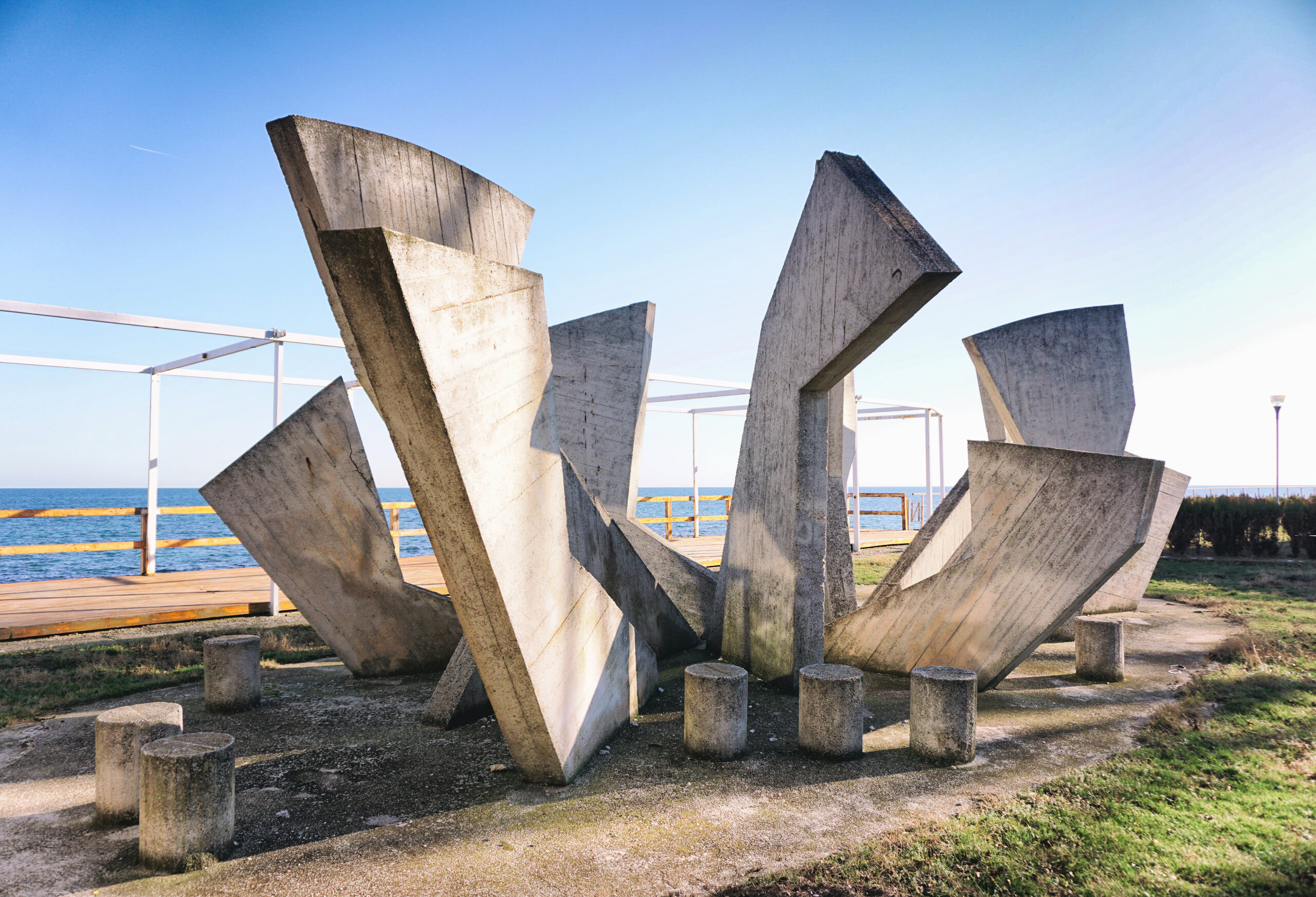
It advances by standing, receives by giving, implacable apparition, in a place that knows the aridity of sand. Its walls are unwritten, but they are not dead, they are waiting, receiving - support for the unwritten thought. It can be read as a labyrinth, a call to initiation.[....] This work is a labyrinth with wings, pleading wings that have broken under the burden of pain, pain hovering over an entire space as large as a continent of pain, with people with muzzles, with millstones tied to their feet, with people who saw and did not understand what they saw, heard and did not understand what they heard, the drama of a period not yet captured in a systematized presentation.
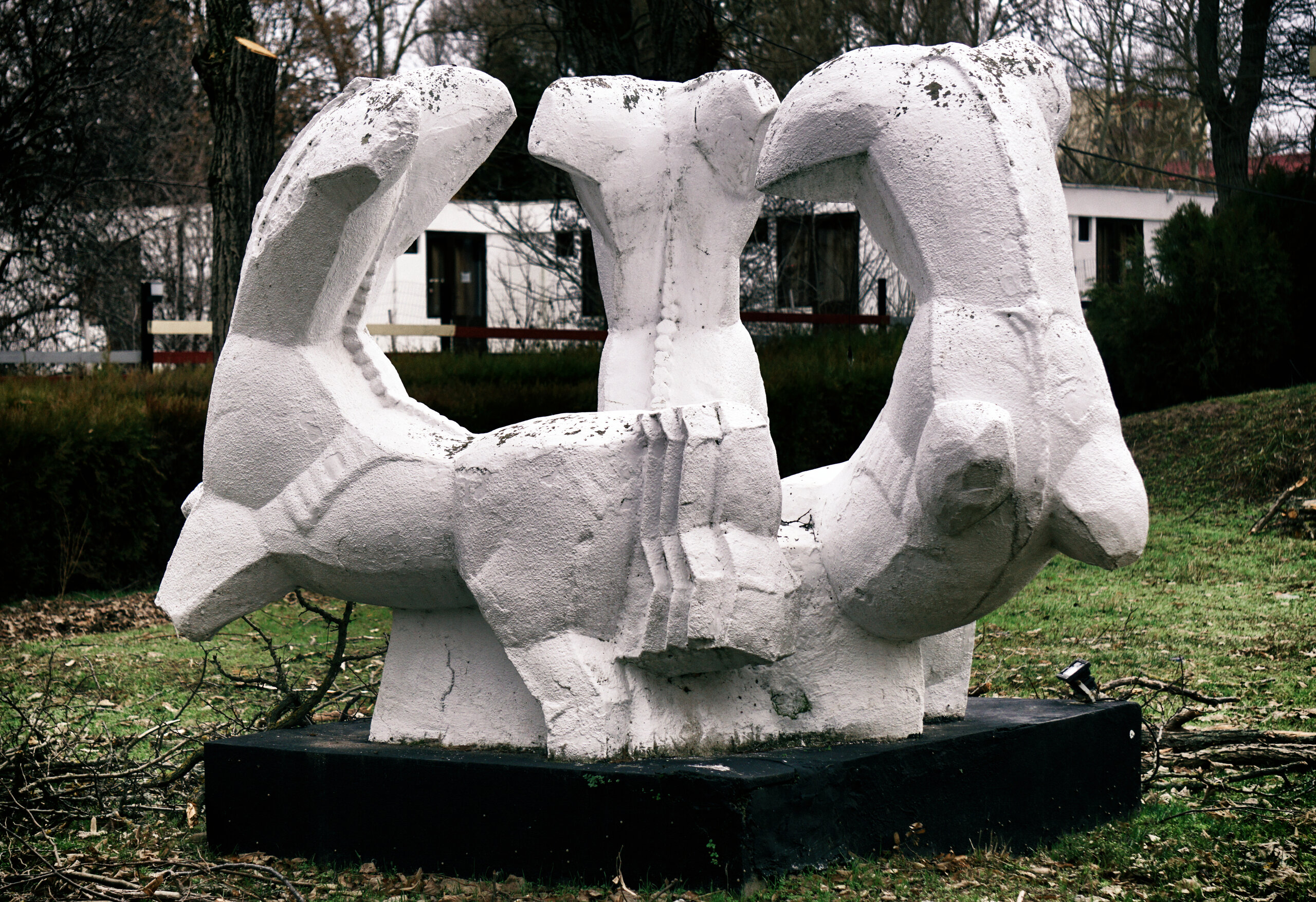
Silvia Radu, on her abstract composition "Ambient", Costinești
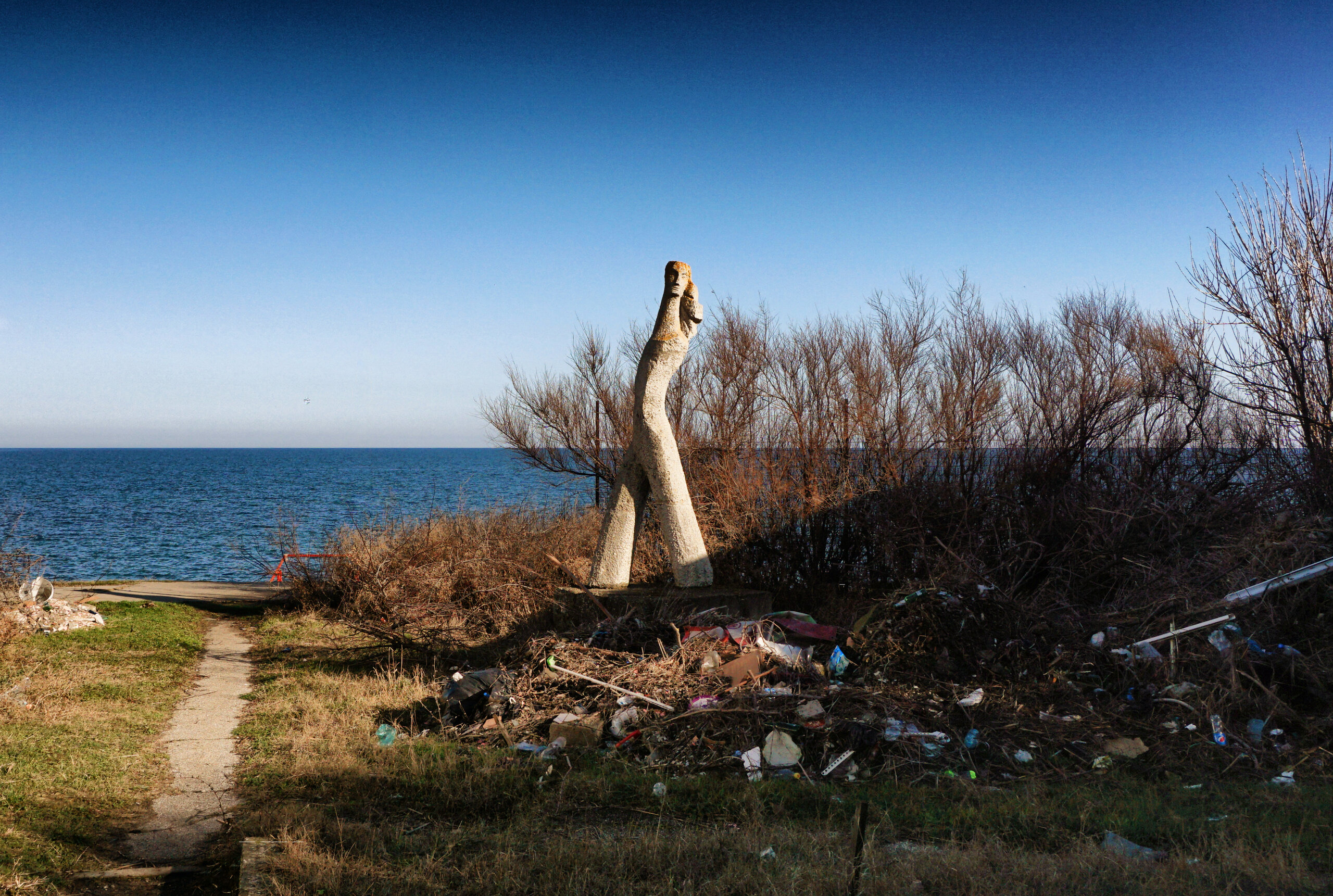
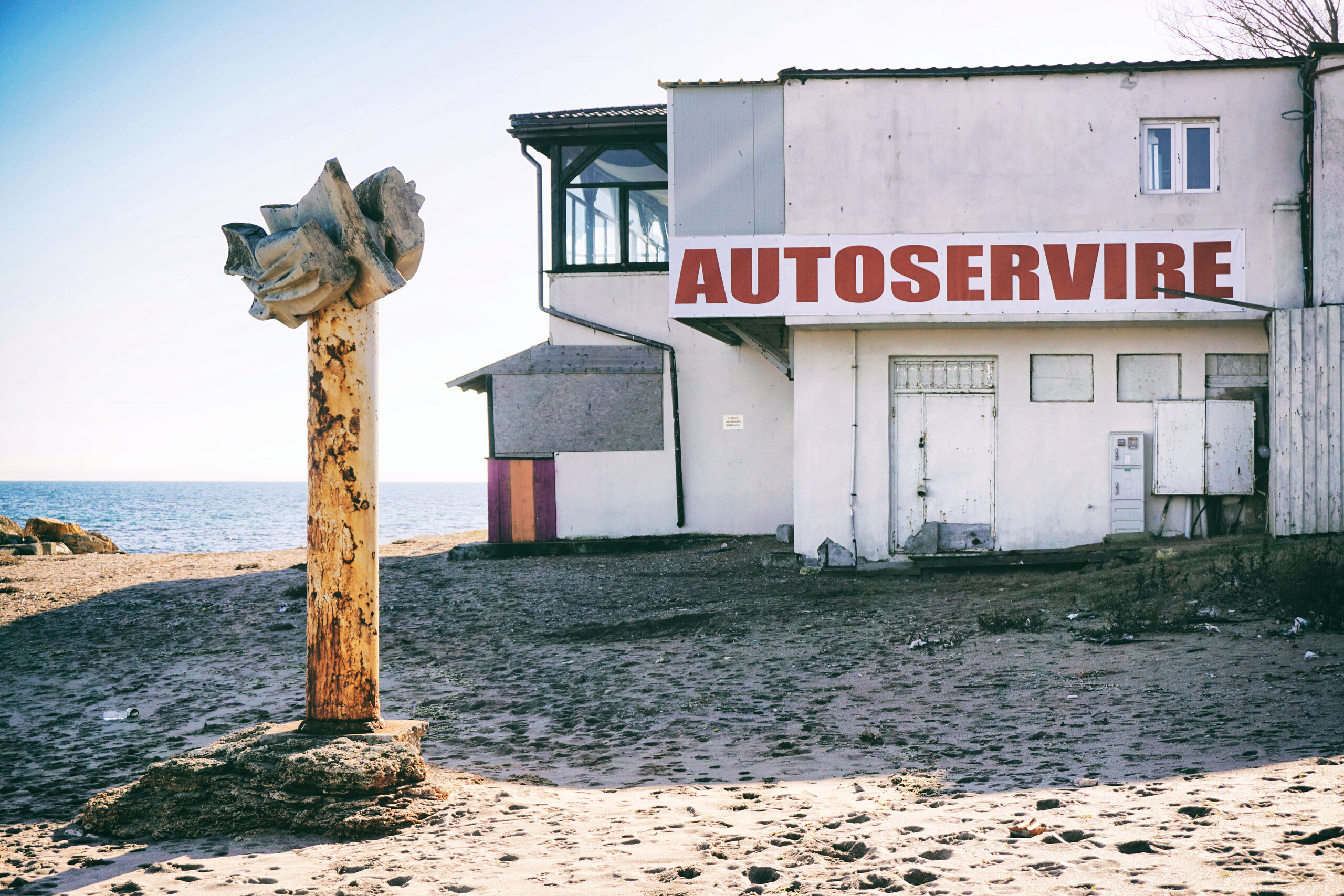
Vestiges of the time when art organized the territory sprout today in Costinești from piles of rubbish and rubble. Amid the sculptures left by the indifferent present, prey to the fury of nature and human ignorance, a promise of freedom, fresh and bright, emerges from the darkness of half a century to the present.
Sets of monumental works, with a wide variety of themes, compositions, materials and techniques, free, on facades or inside buildings, have accompanied the impetuous development of the Romanian coastline, from Mangalia to Năvodari, in a real synergy of the arts. In the seventh decade of the last century, in the period of cultural liberalization which naturally followed a certain relaxation of ideological pressure, architecture and monumental art experienced a turning point. Leaving behind socialist realism, Romanian architects and artists sought to recover the values of pre-war modernity and, at the same time, to connect with the international cultural current of the time. In the field of the arts, the 'Constantin Brâncuși' International Colloquium, held in Bucharest in 1967, was an important landmark in the artist-ideology relationship, with aesthetics gaining a certain autonomy from politics.
At the beginning of the 1970s, the Union of Visual Artists initiated a series of camps for the creation of monumental outdoor sculptures - in stone at Măgura and Căsoaia, in steel at Galați, in wood at Arcuș and in ceramics at Medgidia.
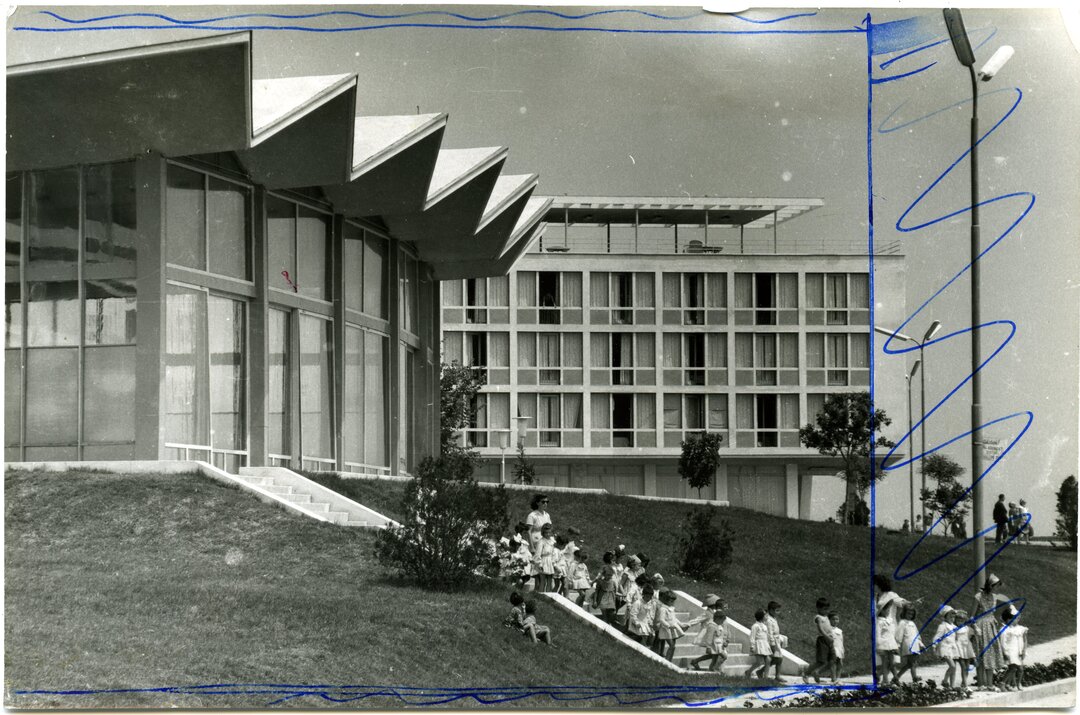
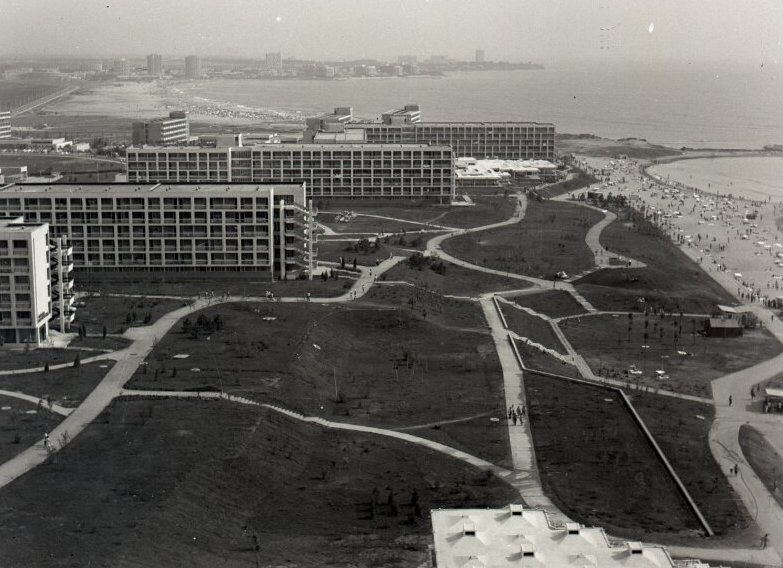
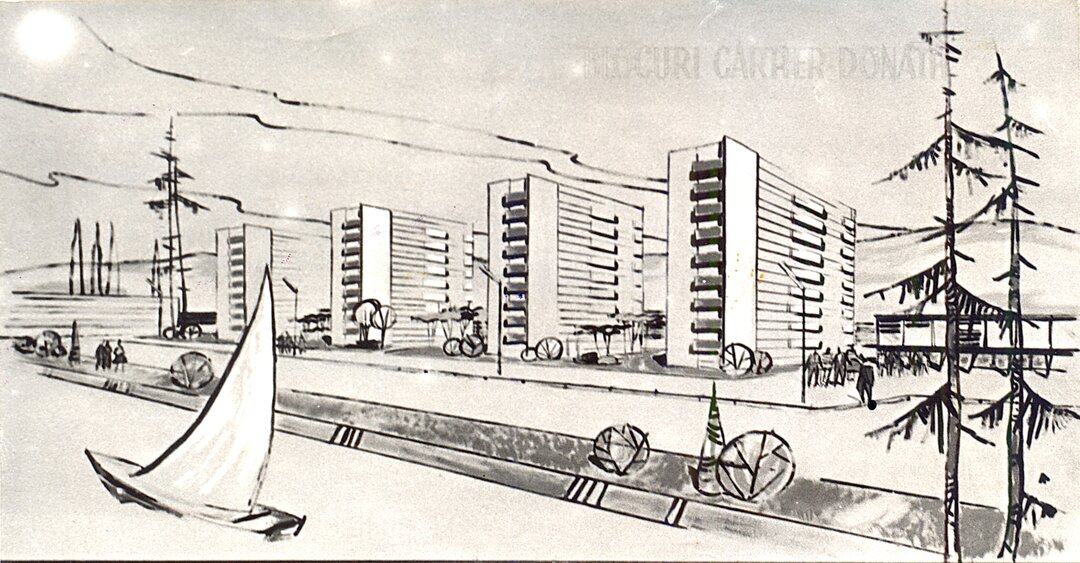
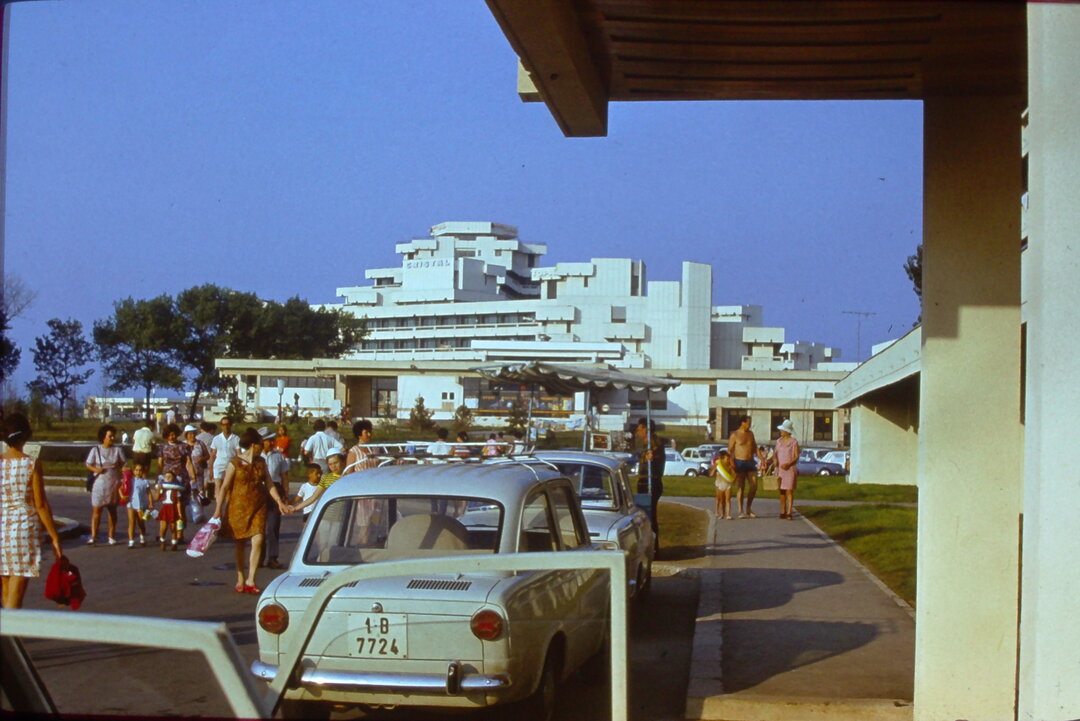
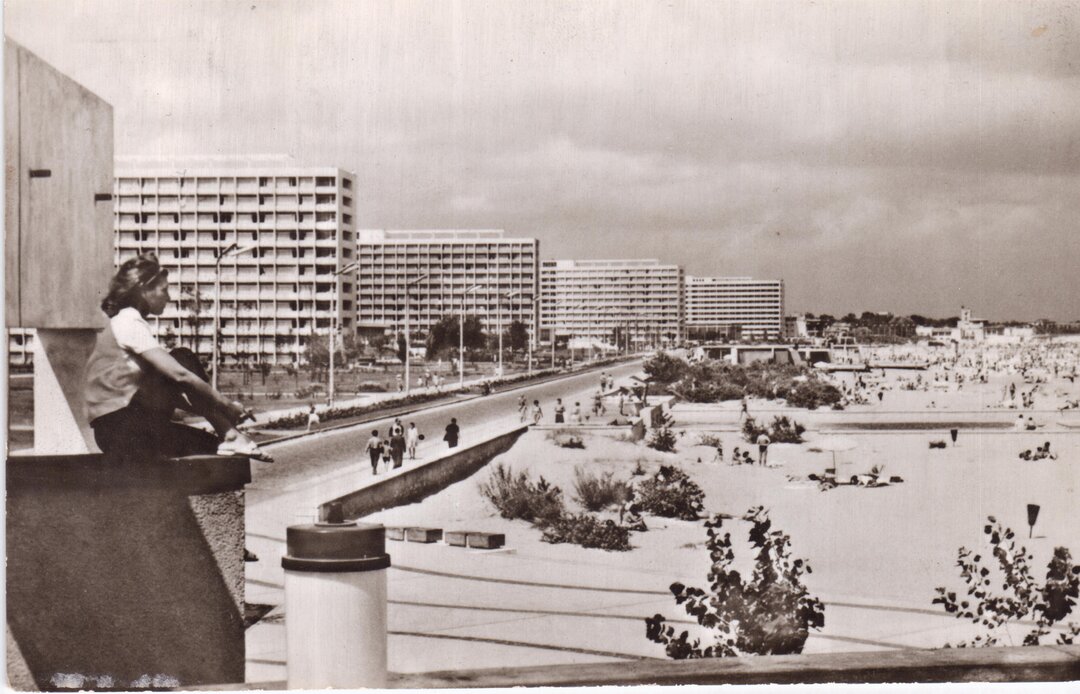
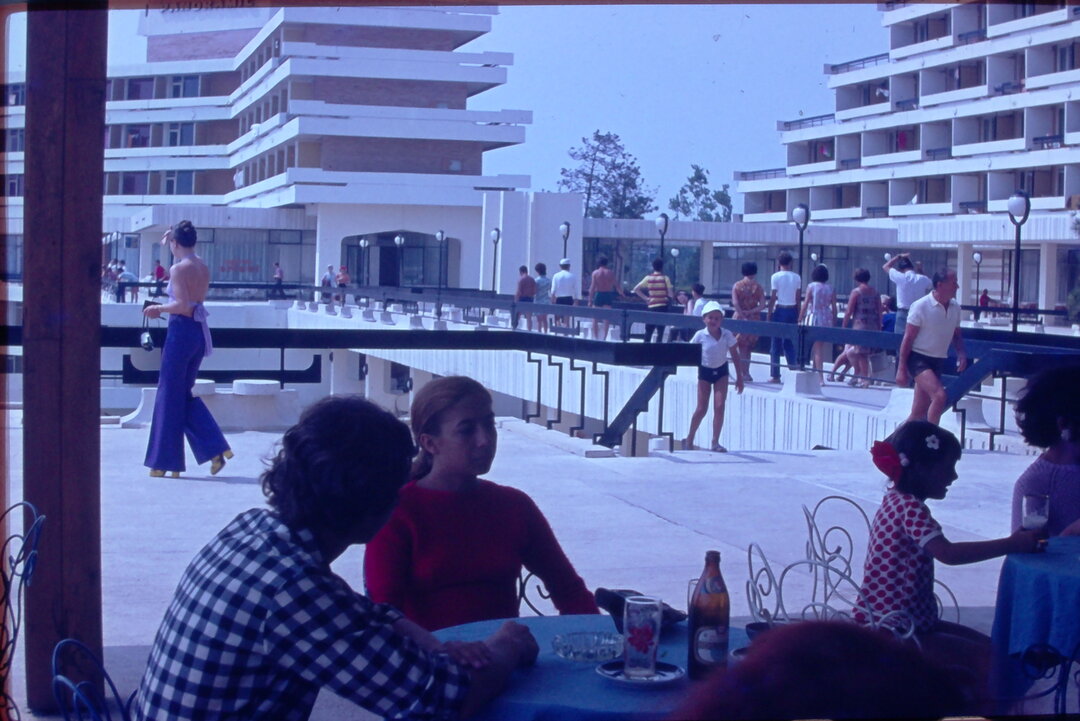
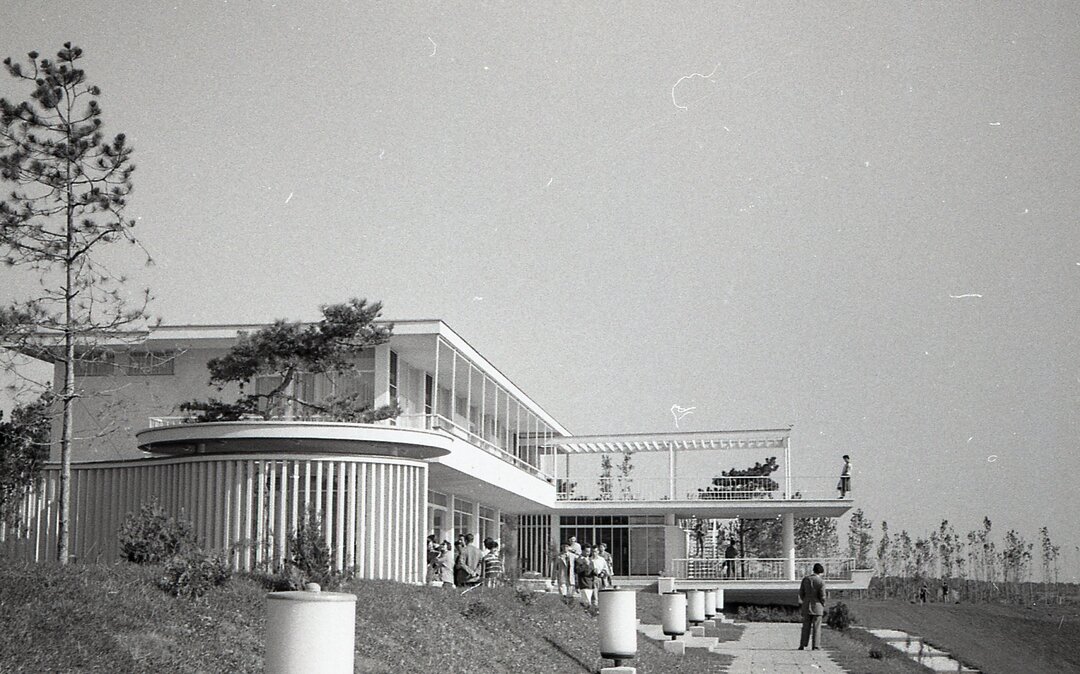
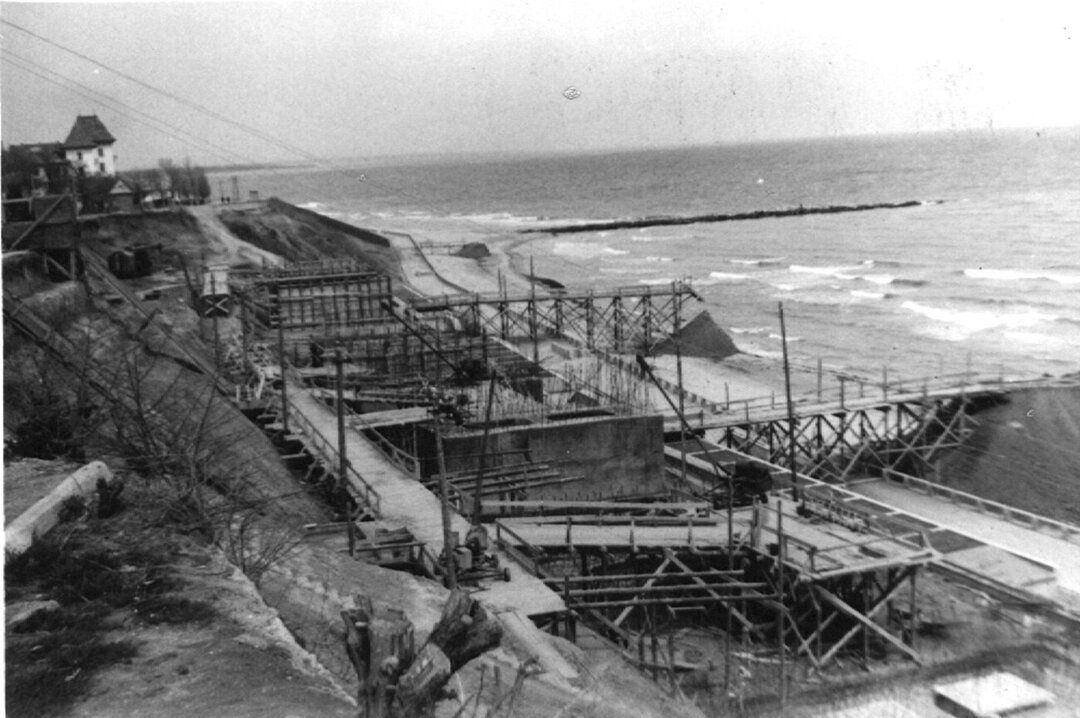
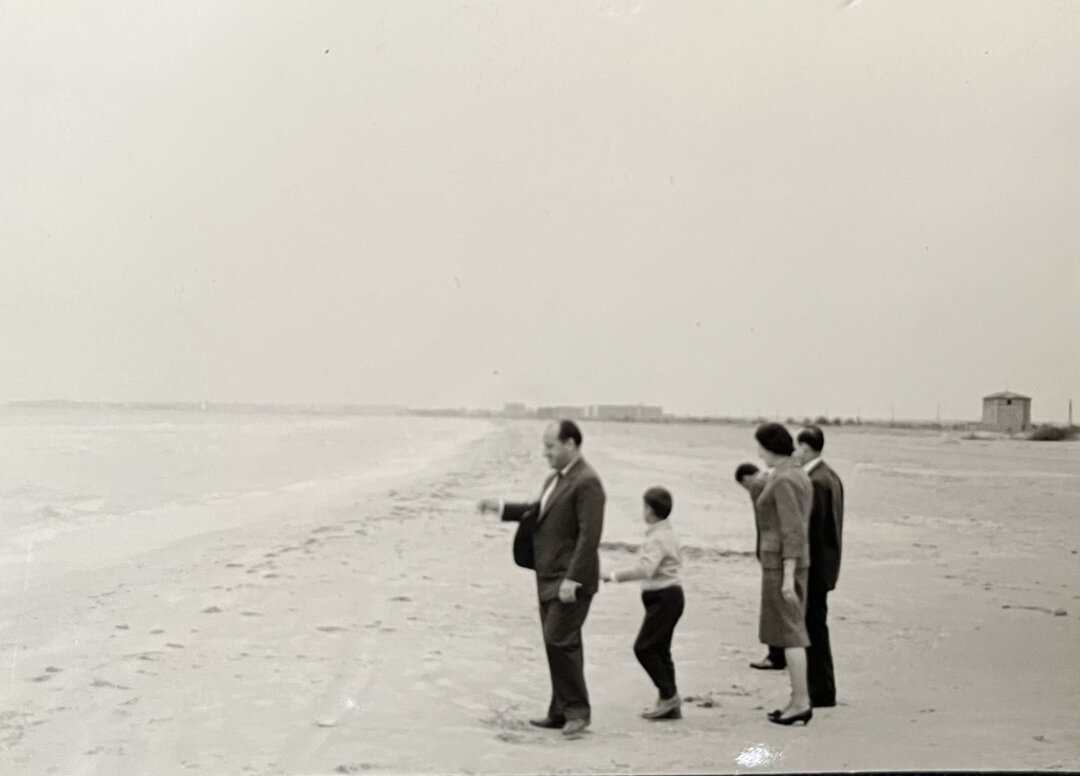
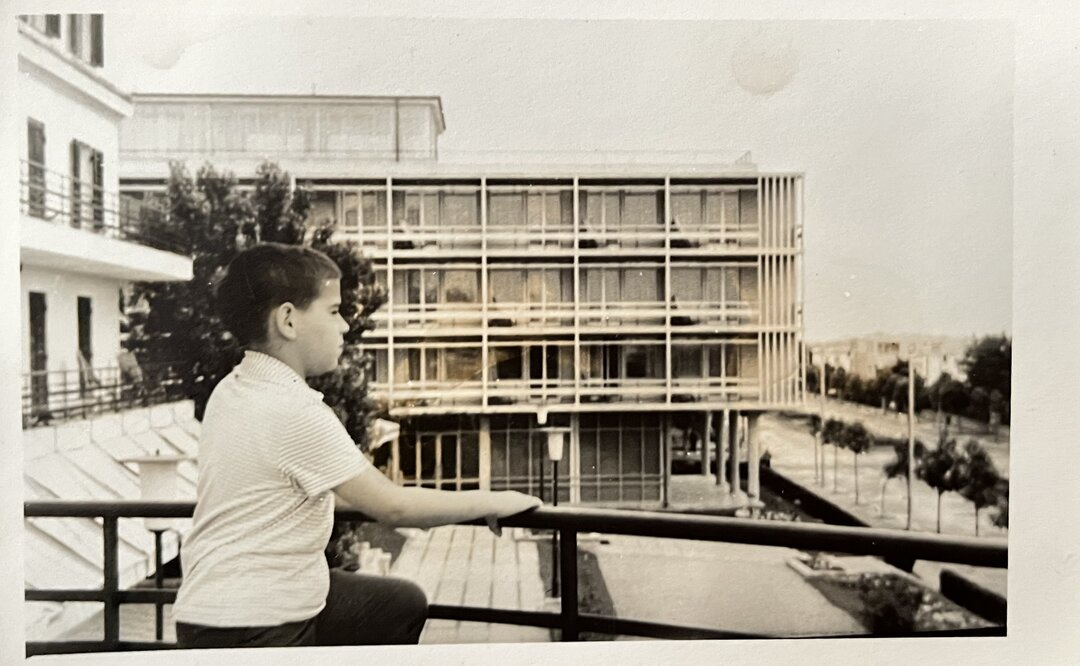
On the coast, as in the rest of the country, public art and decorative arts accompanied the major building sites. From 1965 onwards, the international student camp at Costinești, set up in 1959 as a result of collaboration between the Romanian Students' Association and the International Union of Students, and managed by the Communist Youth Union through the Youth Tourism Office, was equipped with cottages made of prefabricated reinforced concrete panels, initially providing accommodation for 1 000 people. At a later stage, between 1970 and 1972, the architect Ion Mircea Enescu was given the task of expanding and systematizing the camp by doubling the accommodation capacity and equipping it with recreation areas, sports, club, open-air theatre, developing the canteen and the terrace-ring, arranging the waterfront with stairs and platforms, etc. The project envisaged the integration of extensive monumental and decorative art works, financed by the Ministry of Culture through the Union of Fine Artists.
Ion Mircea Enescu had initially conceived the accommodation units as fully factory-built spatial cells, with all finishes and fittings included, to be transported on trailers and assembled on site with a minimum of site work, but for economic reasons, the supplier, the Constanta Prefabricated Concrete Enterprise, modified the solution, delivering flat prefabricated elements - reinforced concrete panels.
As the sums allocated for the monumental works would hardly have covered the costs of quarrying, transportation, carving, shaping and erection if they had been made of stone, the architect suggested that the artists work with apparent concrete. Ion Mircea Enescu coordinated - today we would say curated - the entire artistic experiment, with the technical support of the engineer Șerban Stănescu. The architect designed the entire art ensemble, determining the location of each work in the camp. The artists quickly understood the qualities and limitations of the new material and working with formwork. Some of the sculptures were given a utilitarian side, also functioning as places to sit, sheltered from wind and sun.
Artists of all generations took part in the experiment, most of them already established at the time, some of them even internationally renowned, such as Pavel Codiță, Florica Hociung, Mimi Șaraga, Cecilia Botez-Storck, Eugen Patraș, Ioana Kassargian, Marius Cilievici, Lia Szasz, Anton Eberwein, Ion Condiescu, George Apostu, Marin Gherasim, Silvia Radu, Vlad Florescu, Mircea Ștefănescu, Elena Greculesi, Florin Mitroi, Peter Jacobi, Wilhelm Demeter, Wilhelm Fabini and others.a. The engineer Șerban Stănescu, a technologist of apparent concrete, provided technical assistance to the artists who worked with this material, in the realization of the foundations and formwork of the works and in the establishment of the recipes of the concrete.
The relevance of the ensemble at Costinești lies in the way the arts and architecture and urban planning work together in a highly coherent manner and in their complete appropriateness to the site.
The authors succeeded in exploiting to the full the potential and expressiveness of concrete, and for some of them, taking part in the Costinești experiment was a watershed moment, as they later stated:
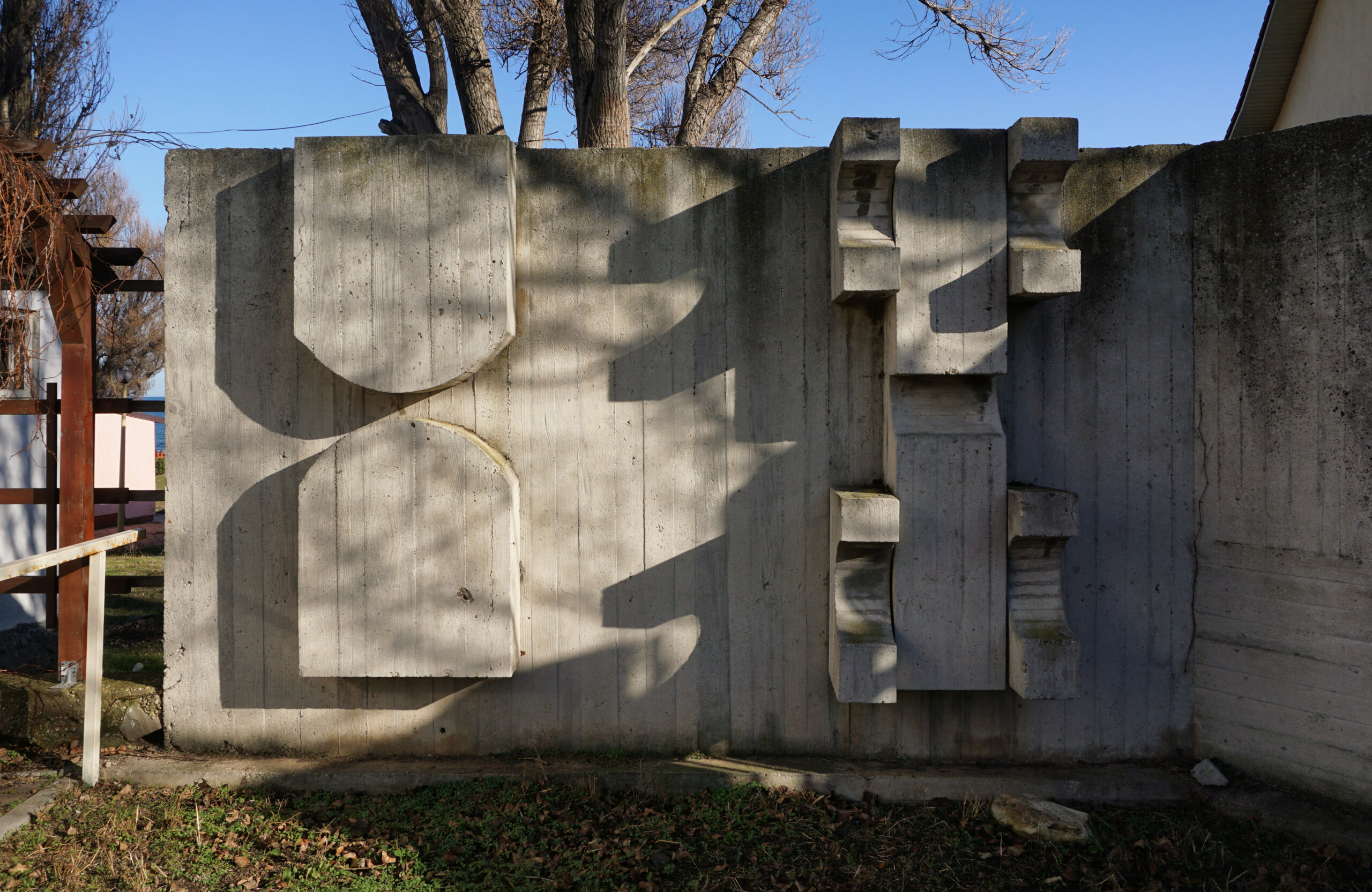
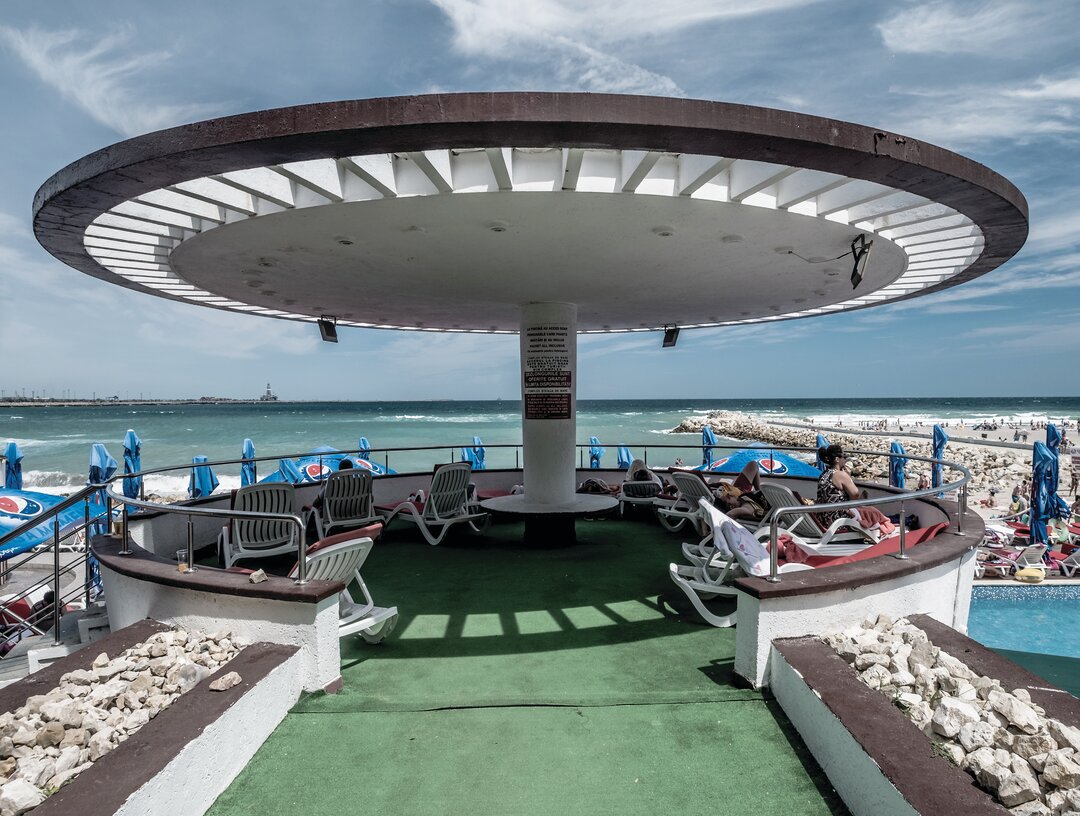
Vlad Florescu was awarded the Union of Fine Artists' Prize for monumental art in 1970 for the screen-conca placed on the club terrace.
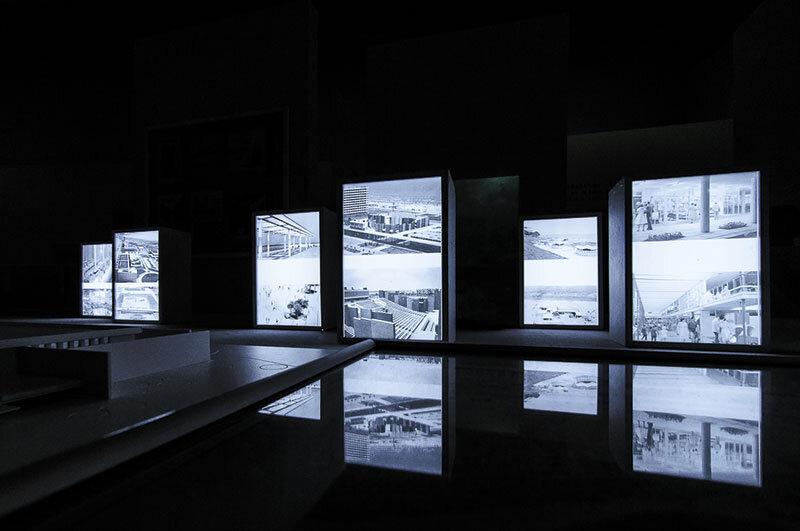
Some of the works produced at Costinești represented Romania at the 1976 Venice Biennale, on the theme of the relationship between art and the environment, either through photo panels ("Echerul" by Vlad Florescu and Marius Cilievici) or models ("Ambientul" by Silvia Radu and "Floarea" by Eugen Patras). Several works produced at Măgura and Costinești were published in the Romanian exhibition catalog.
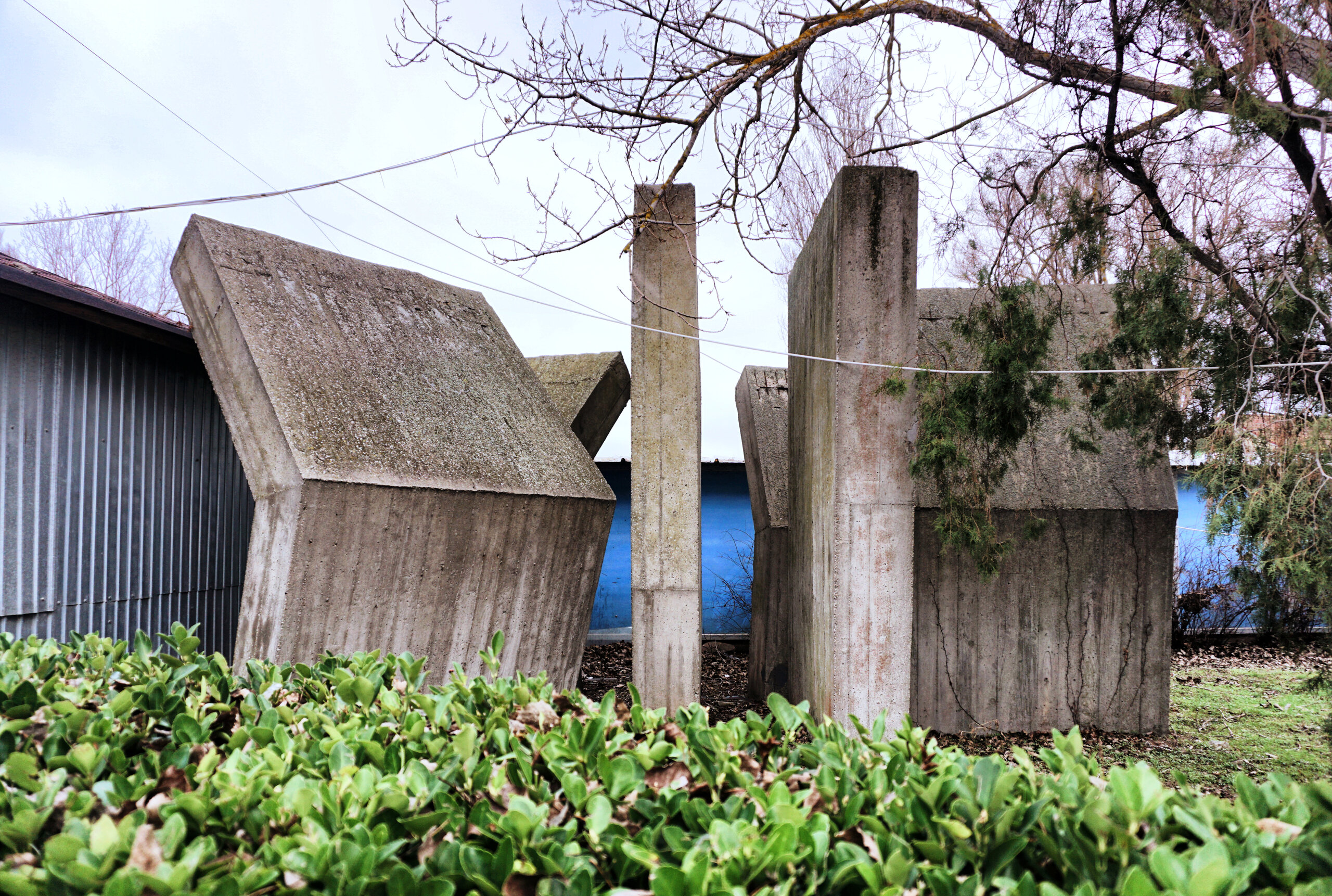
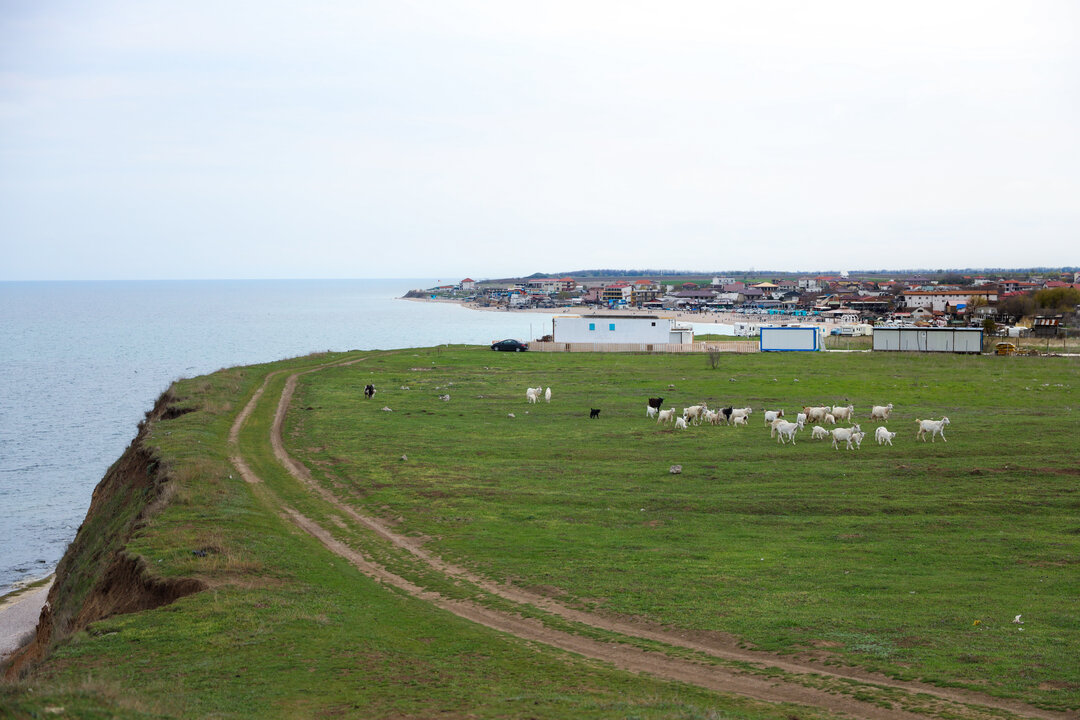
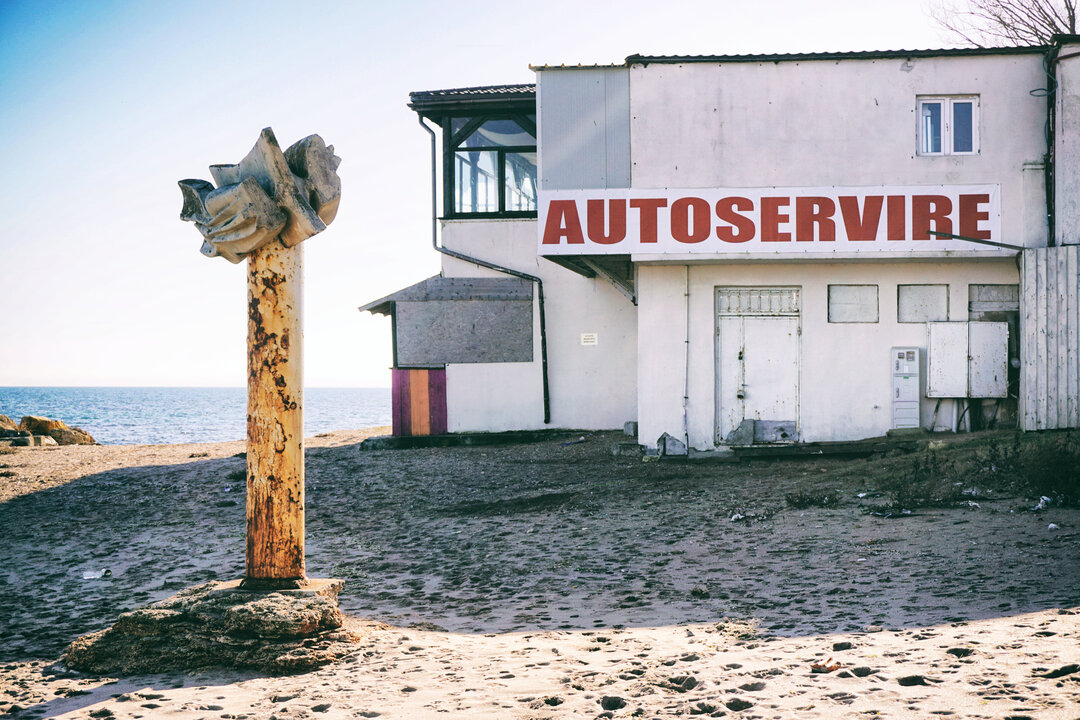
Some of the works from Costinești were destroyed by the devastating floods in September 2005, such as Wilhelm Demeter's "Camp Signal" or Vlad Florescu and Marius Chilievici's "Echer", and those that survived continued to deteriorate, forgotten among the rudimentary and chaotic construction sites of the last decades.
At the beginning of 2024, Eugen Patras' sculpture "Birds" was demolished under incomprehensible conditions. The sculpture "Sun Fruit" (George Apostu), used as a cable support in recent years, broke and is currently lying on the ground. These incidents - neither the first nor the last, unfortunately - bring into sharp focus the lack of an effective regime for the protection of public monuments in Romania, especially those made during the communist period.
Sources:
Ion Mircea Enescu, Arhitect sub comunism, București, Paideia: 2006
Magda Predescu, "Arhitectură și arte monumentală pe litoralul românesc în perioada "dezghețului" politic. Dezvoltarea taberei de la Costinești (1970-1972)", in Vederi încântătoare: urbanism and architecture in Romanian tourism on the Black Sea in the 1960s and 1970s, Bucharest, pepluspatru Association: 2015
Florica Postolache, Monumental Art of the Coast, the City and County of Constanța, Constanța, Art Museum: 1973
Cosmin Nasui, Monumental decorative arts in Romania / An incursion into the second half of the 20th century, Voluntari, Postmodernism Museum: 2020
Note:
Photographs Andreea Cel Mare, February 2021.
Photo captions:
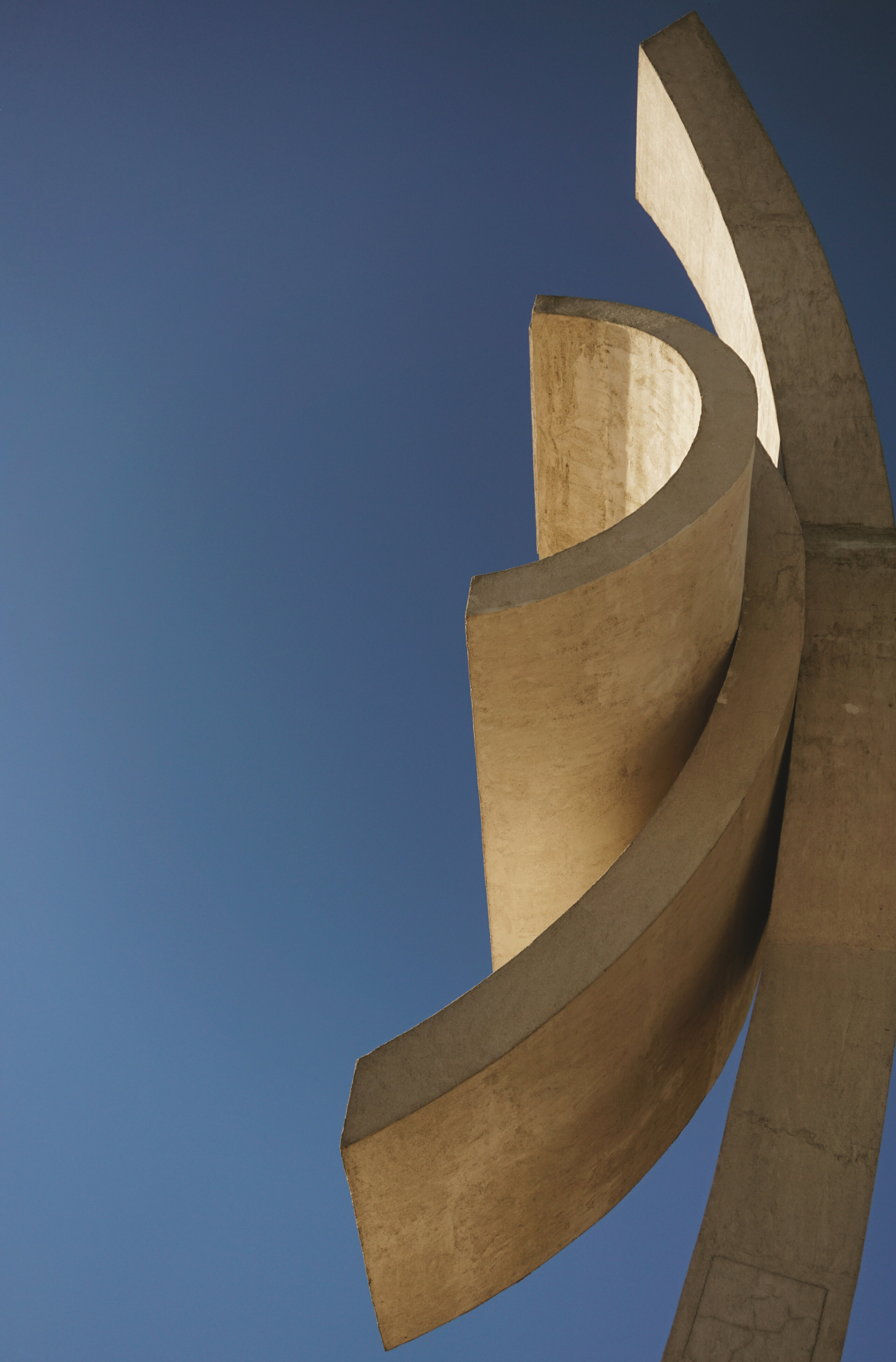
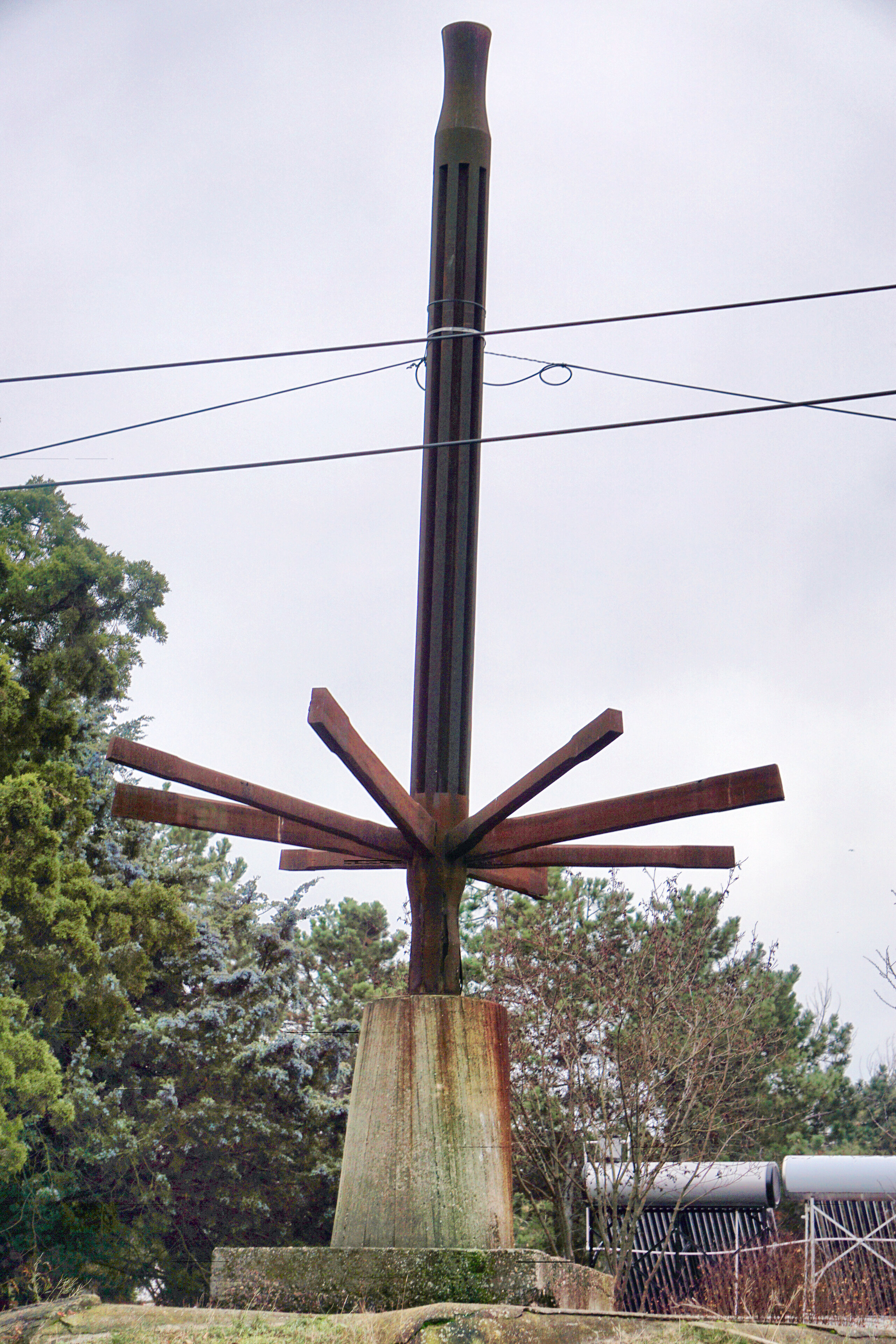
1a: Wilhelm Demeter, Obelisk, concrete, 2006 (erected on the site of the original "Camp Signal", which disappeared in 2005)
1b: Wilhelm Demeter, Obelisk, concrete, 2006, detail
2a: Wilhelm Fabini, Flag, concrete, 1972
2b: Wilhelm Fabini, Flag, concrete, 1972
3: Vlad Florescu and Marius Cilievici, Echer, concrete, 1971 (ruin)
4: Eugen Pătraș, Birds, concrete, 1972
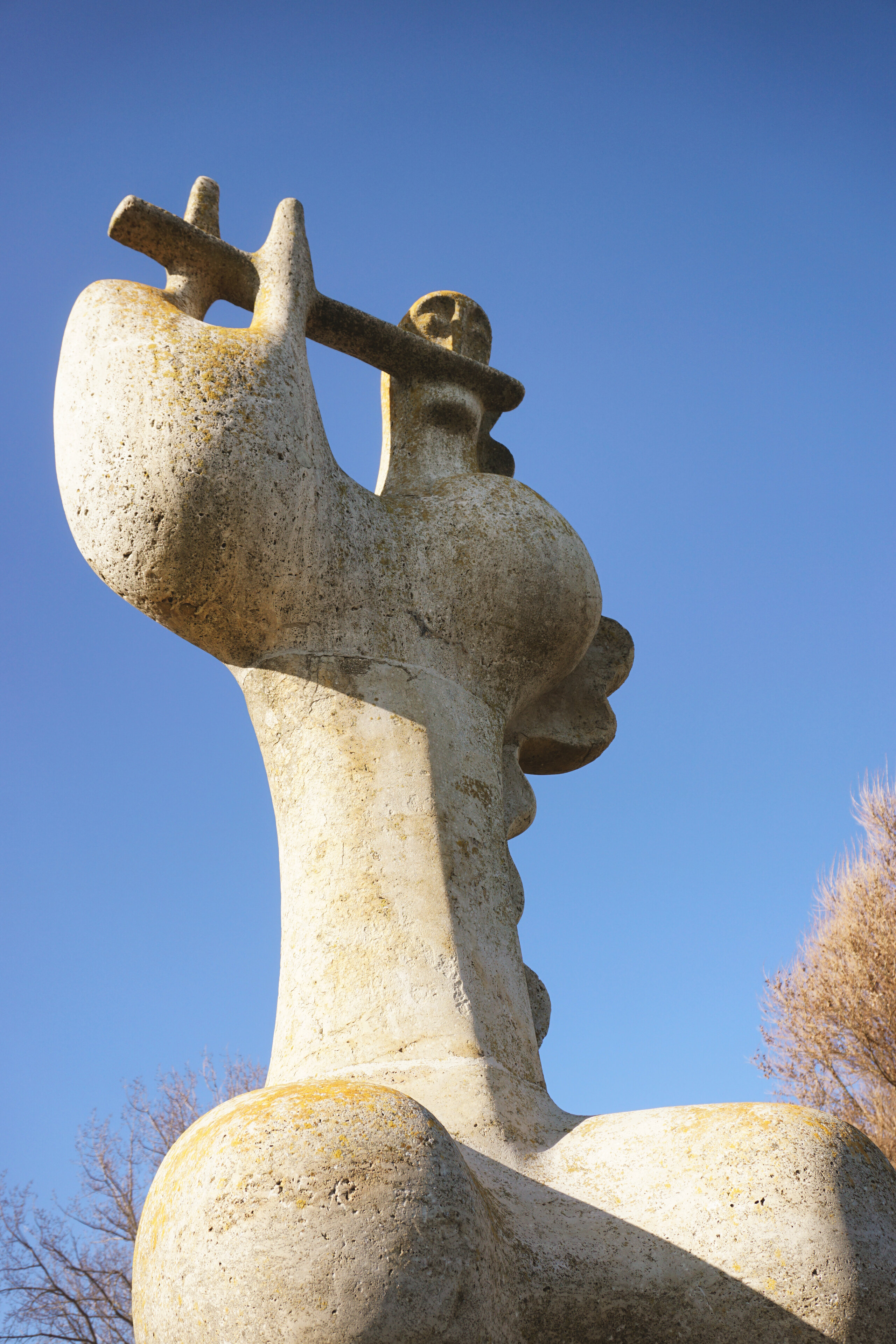
5a: Ioana Kassargian, Flautist, stone, 1972
5b: Ioana Kassargian, Flautist, stone, 1972, detail
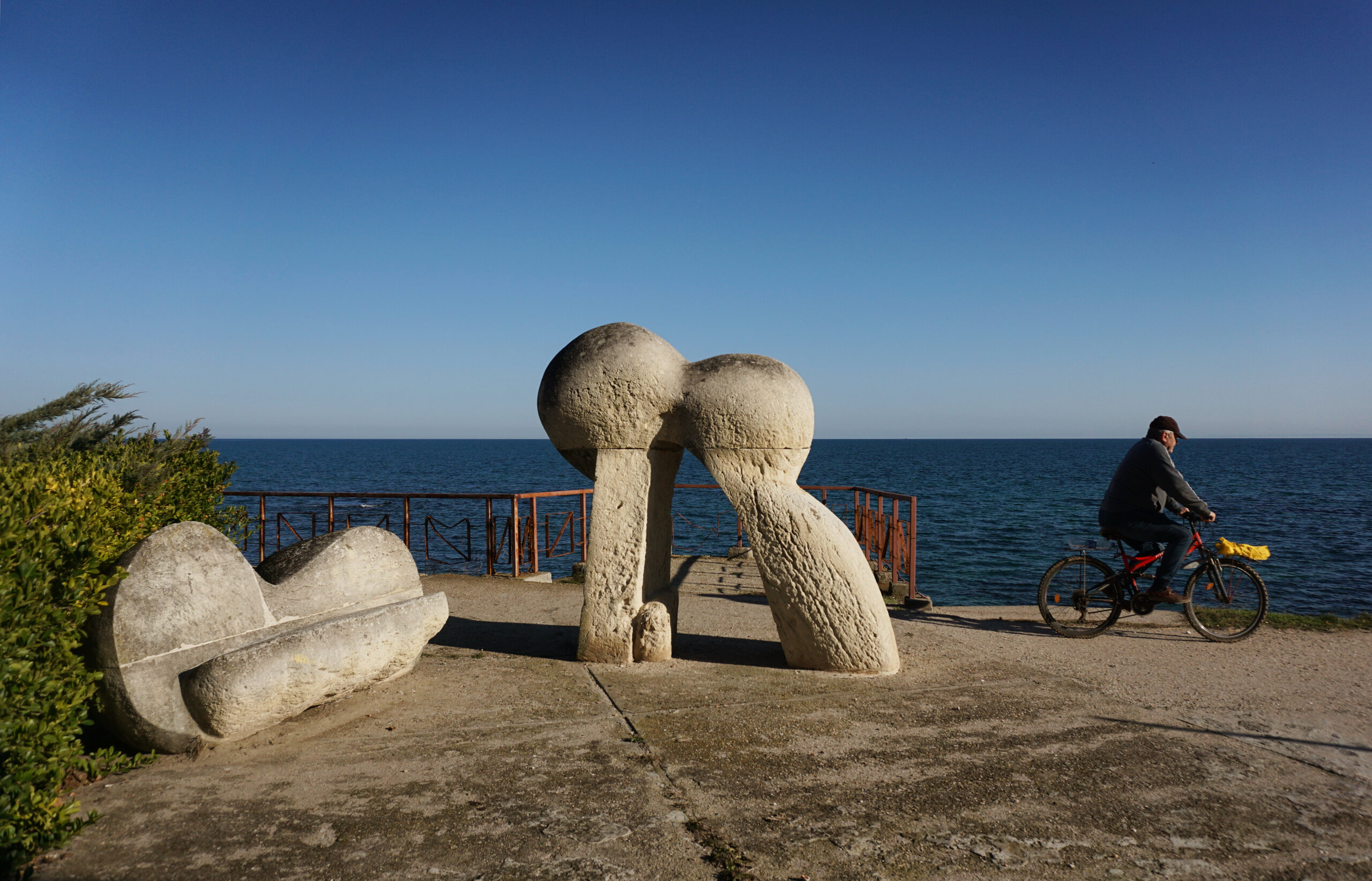
6: Ion Condiescu, Ambient, stone, 1971
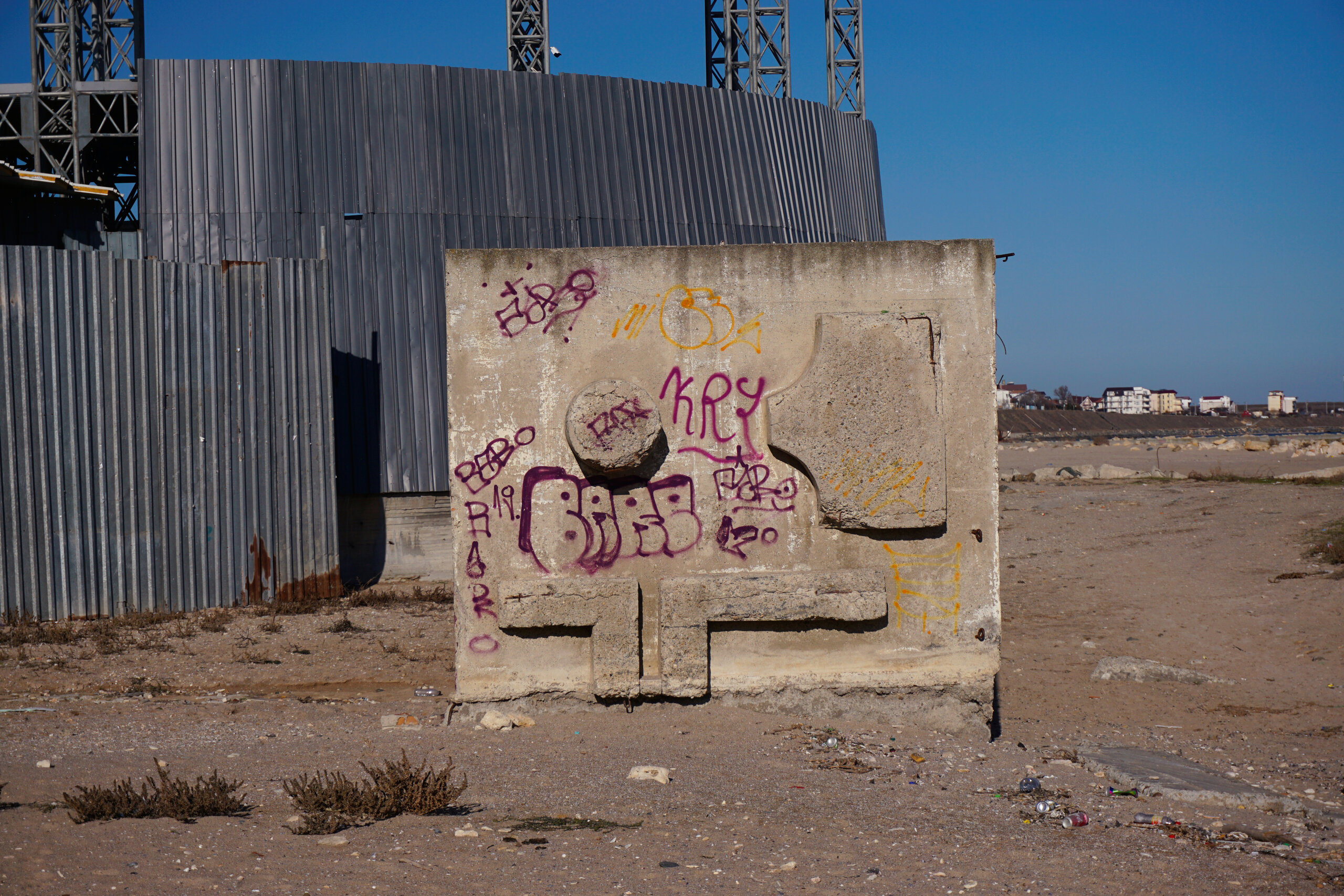
7a: Marin Gherasim, Time, concrete, 1971
7b: Marin Gherasim, Time, concrete, 1971, detail
8a: Florica Hociung, Poetry, stone, 1972
8b: Florica Hociung, Poetry, stone, 1972, detail
9: Silvia Radu, Ambient, concrete, 1970
10: Mircea Ștefănescu, Centauri, concrete, 1971
11: George Apostu, Sun Fruit, metal, 1971
Note:
Photos were taken in February 2021.
I remain an adept of new materials, which, unfortunately, are very little experimented with in our country, because the artist takes a double risk. Once, by the lack of technicians to execute the transposition of his work into a definitive material and, secondly, by the lack of receptivity of the clients, who are more accustomed to classic materials. This was also the story of reinforced concrete in France. At the time when Auguste Perret was perfecting the technique, architecture students preferred a lesson in Gothic roofing to a lesson in reinforced concrete. Artistic concrete came later, when the beauty of this "rock" replaced the ugly cracking plaster. The structures and grays obtained with impressive fidelity have made concrete more and more popular. But making concrete listen to you requires a certain amount of schooling; otherwise the risks are very high.
Vlad Florescu, on the screen-conca on the club terrace
Working with reinforced concrete - this material full of nobility, if you know how to "understand" and realize it, stimulated my sensitivity for the textural aspect of the image, but also my structural thinking, the whole having to have a unitary spirit of forms, rhythms of full and empty, the affirmation of active forms contrasted with calm pauses, etc. [...]
The Costinești sculpture was for me the foundation stone for the thinking and realization of my later painting.
Marin Gherasim, about his monumental screen in apparent concrete - "Timpul"