Seaside. A published chronology

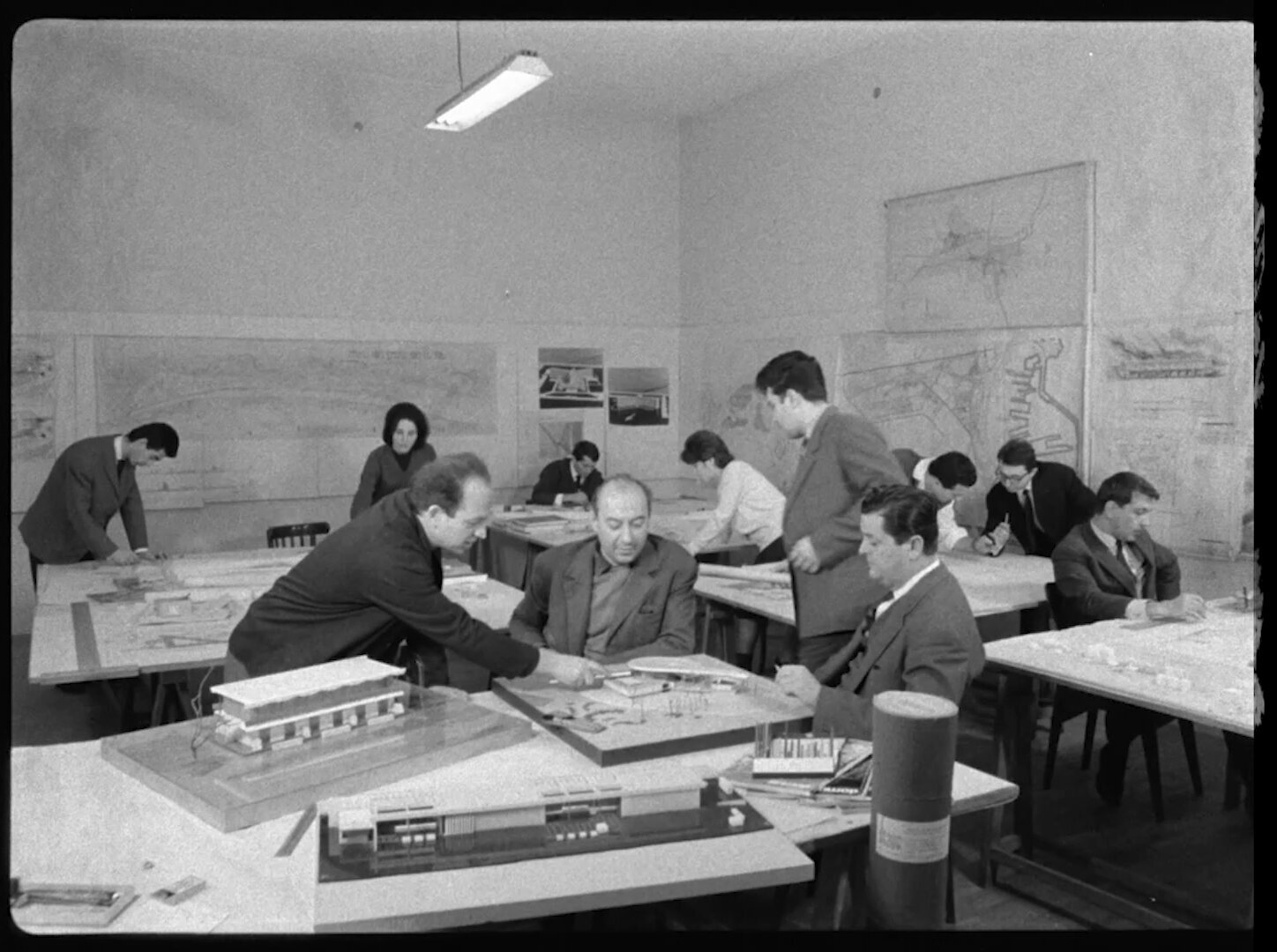
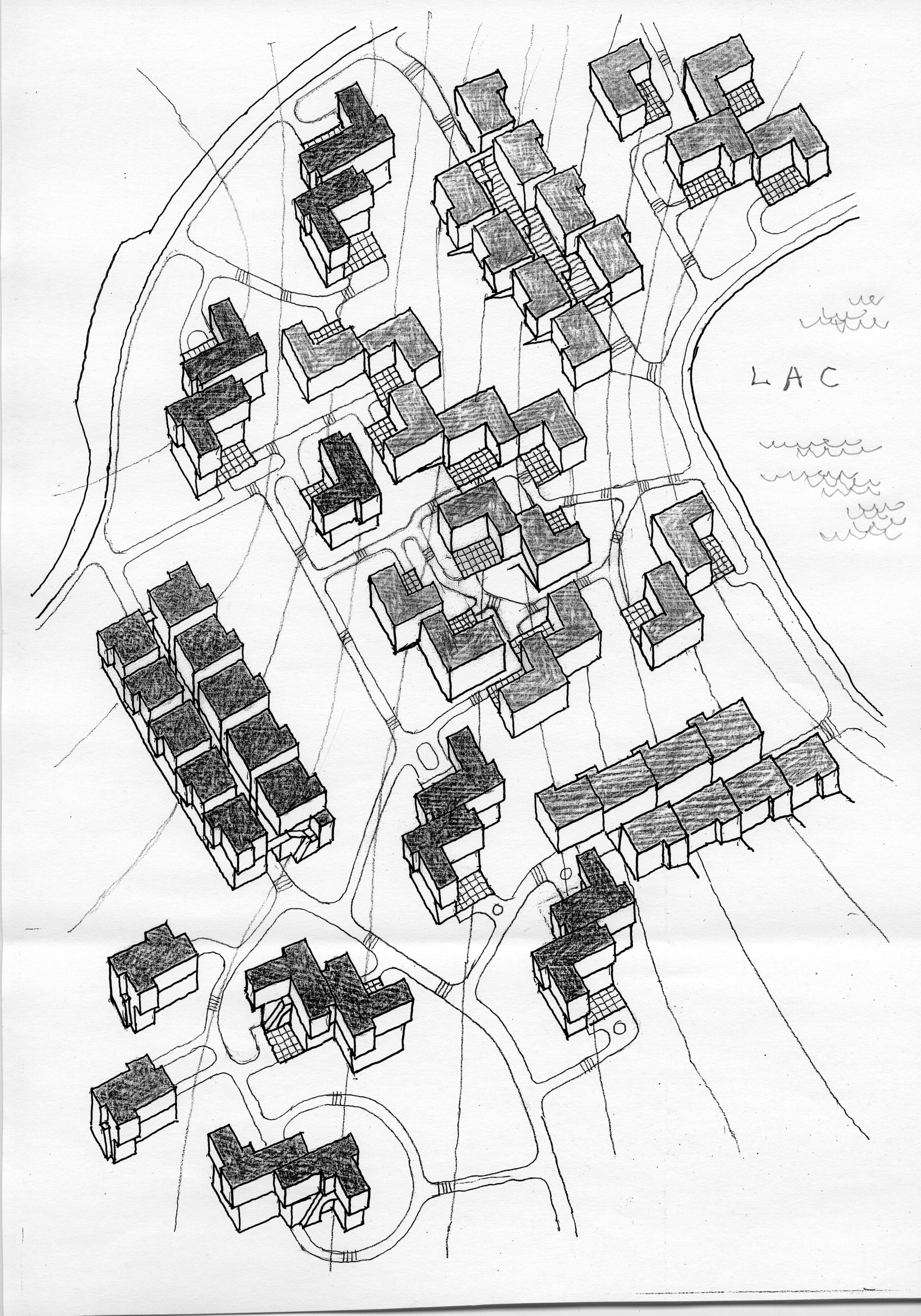
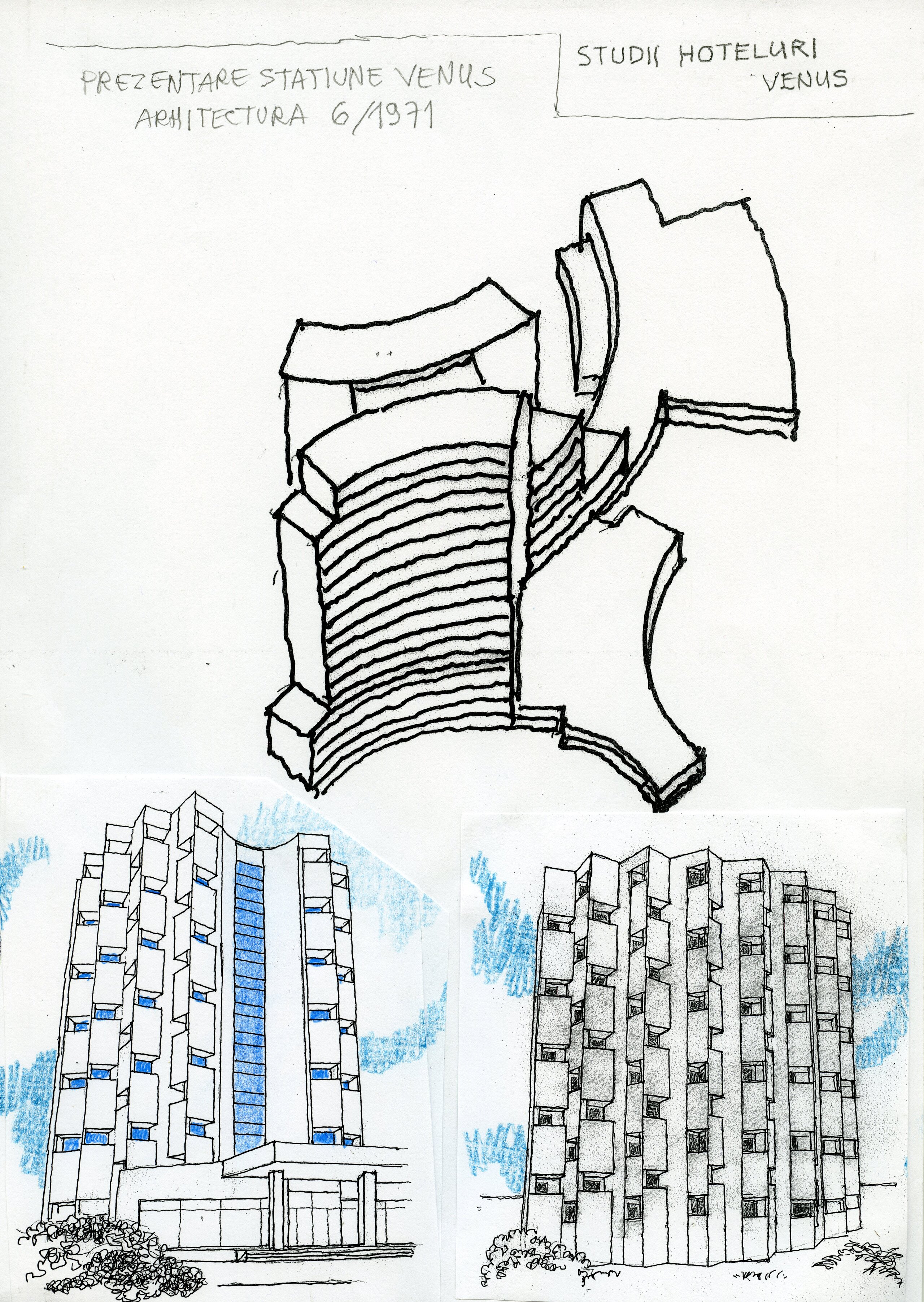
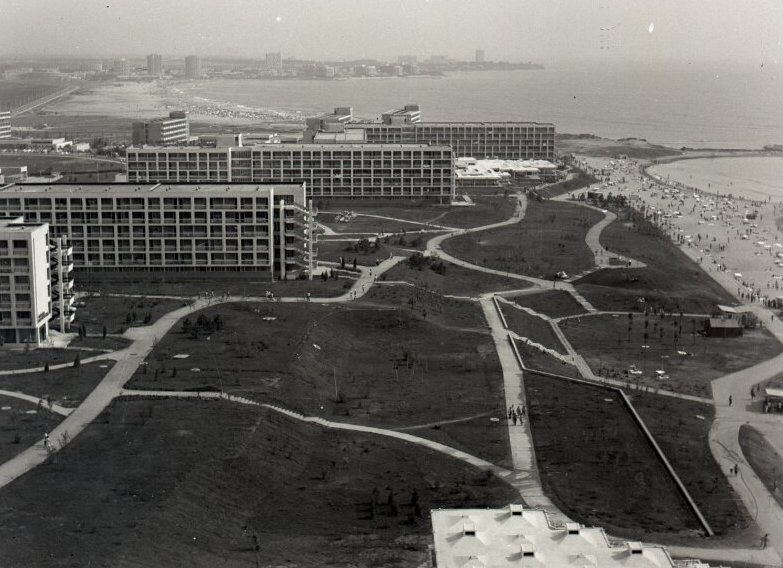
I had the privilege to work, from the first years of practicing the profession, with arh. Șerban Manolescu in the configuration of the VENUS seaside resort.
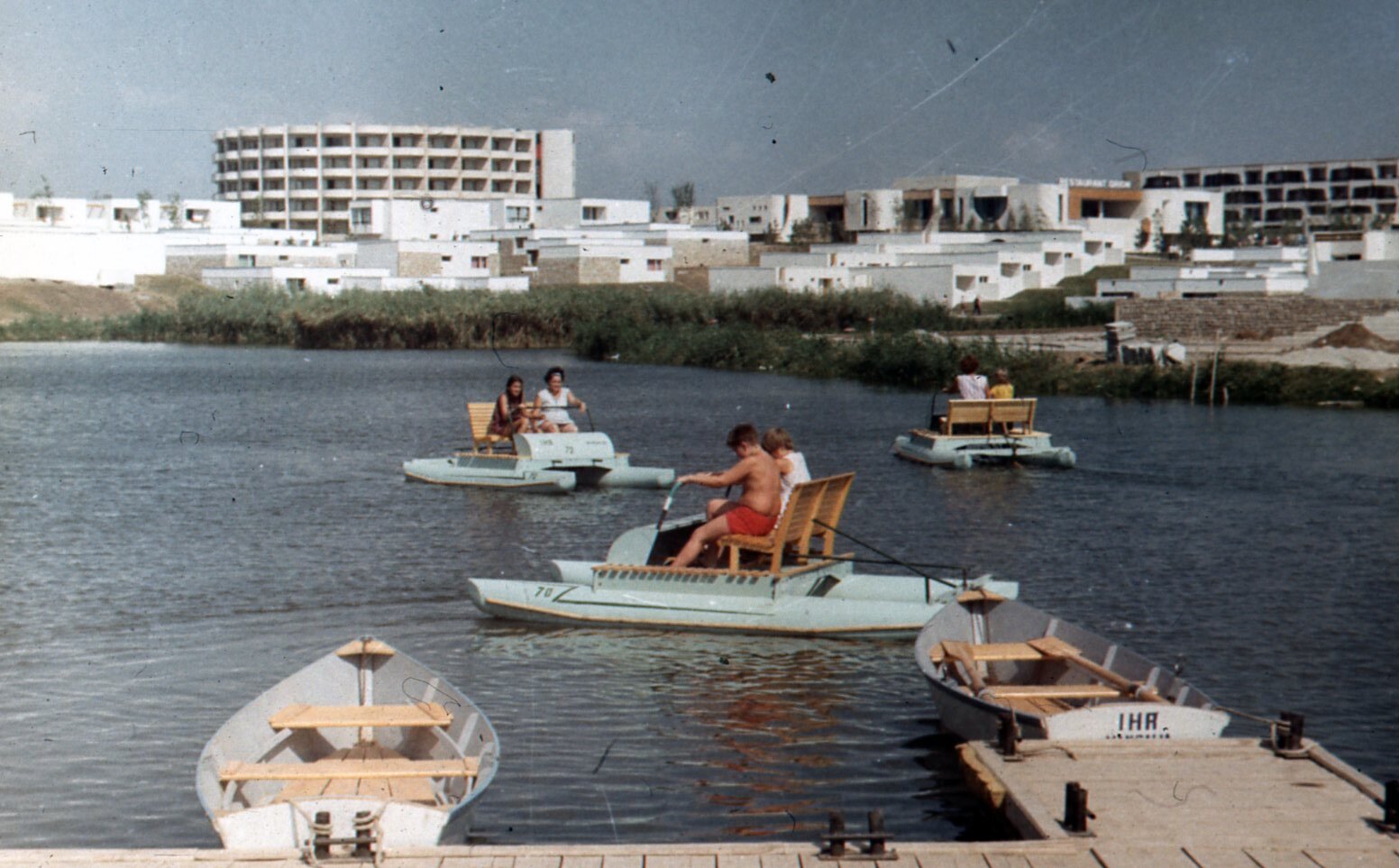
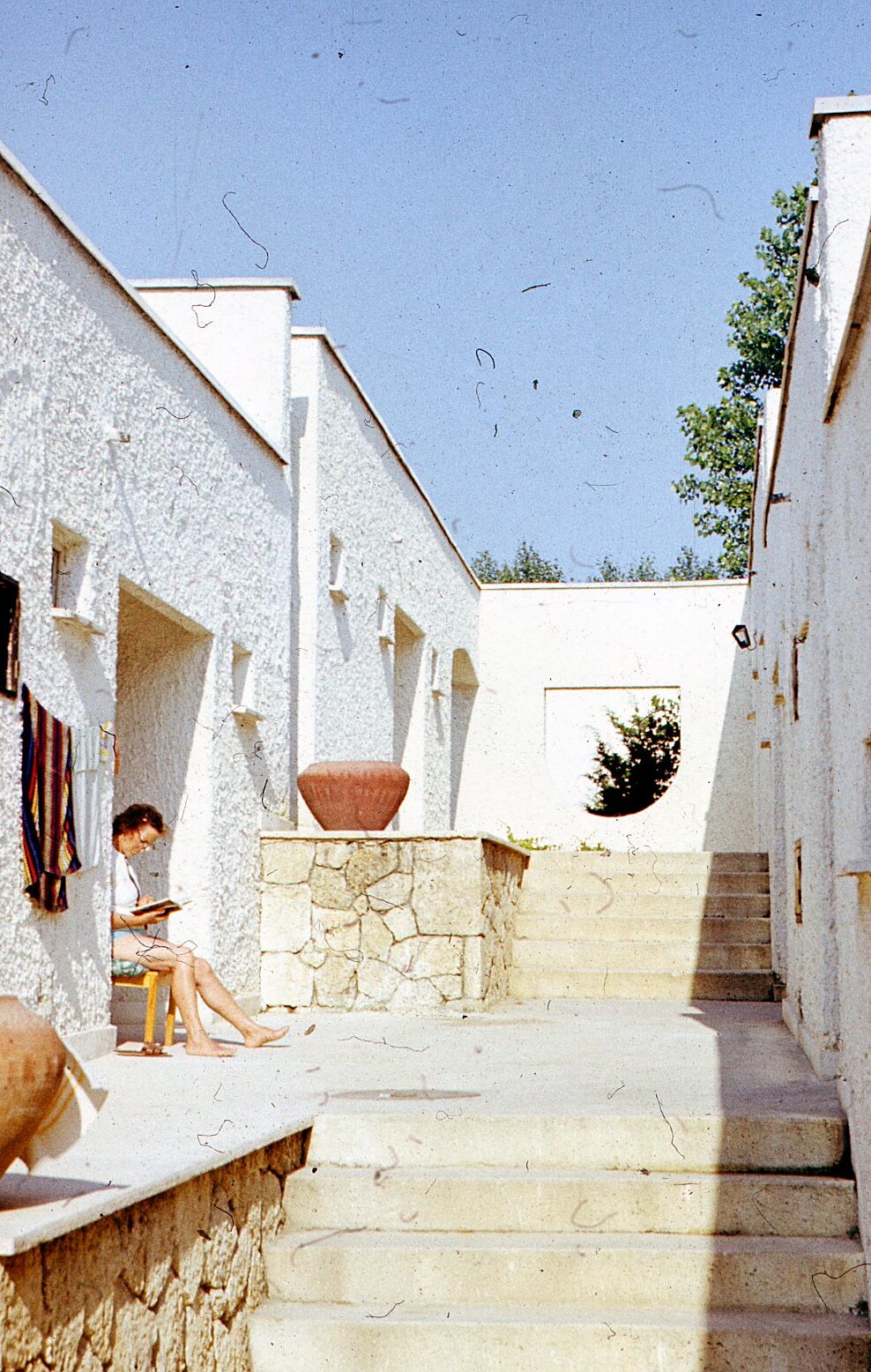
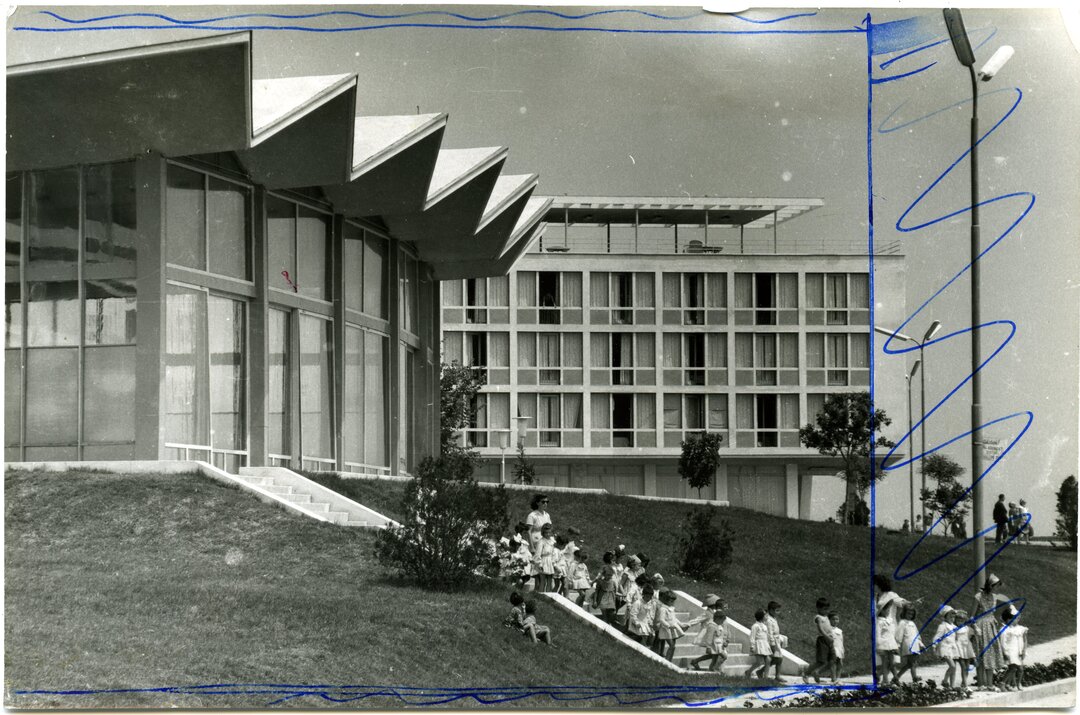
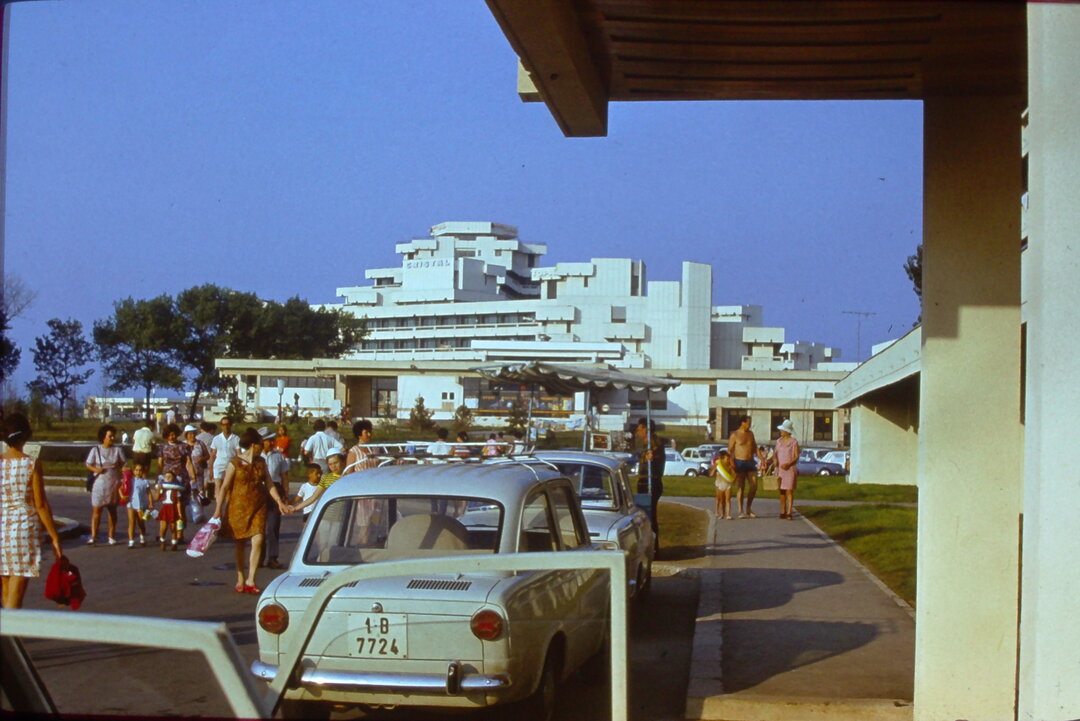
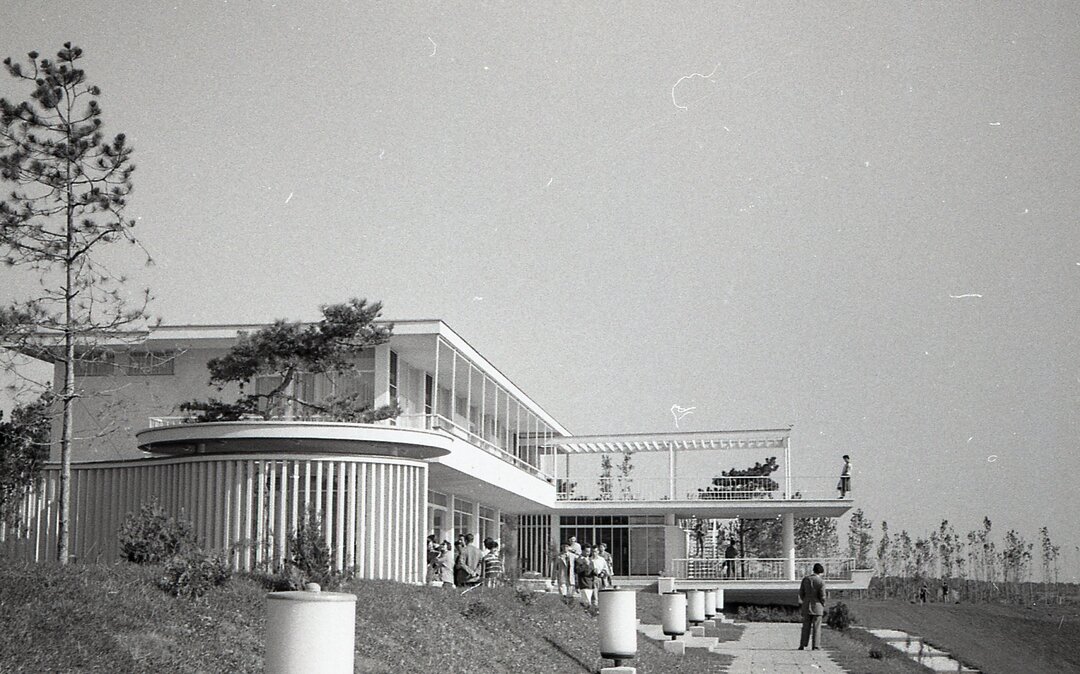
The collective led by Șerban was an environment in which we experimented with novel forms of hotels, villas, restaurants and other facilities that defined the resort, with no other constraints than our own creativity.
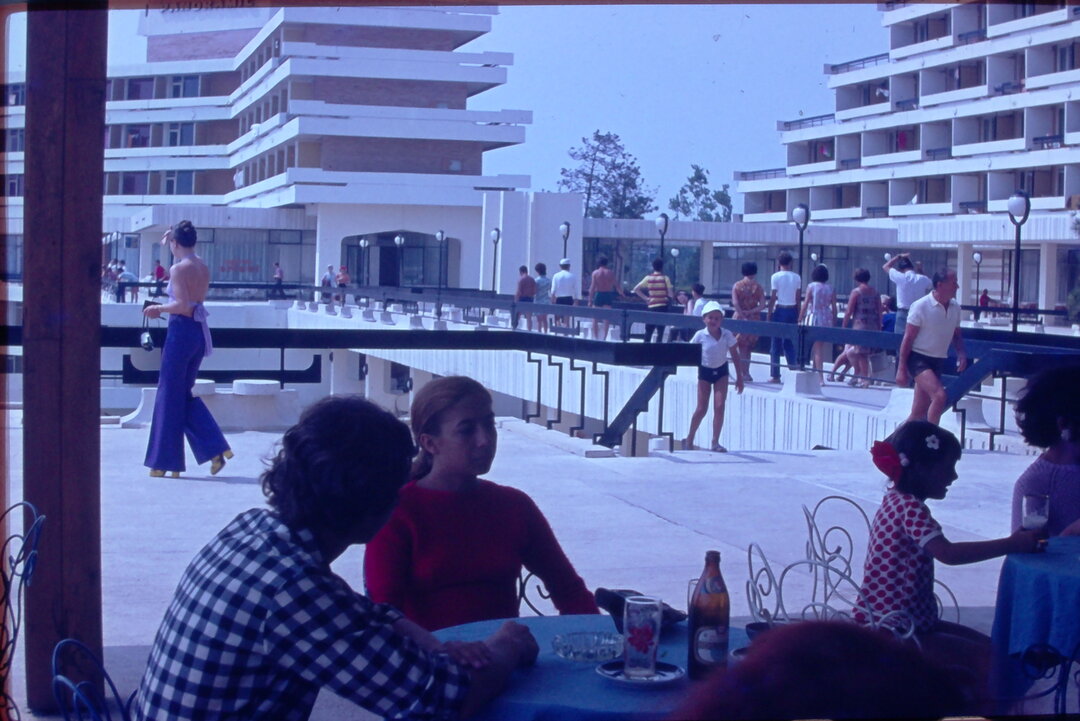
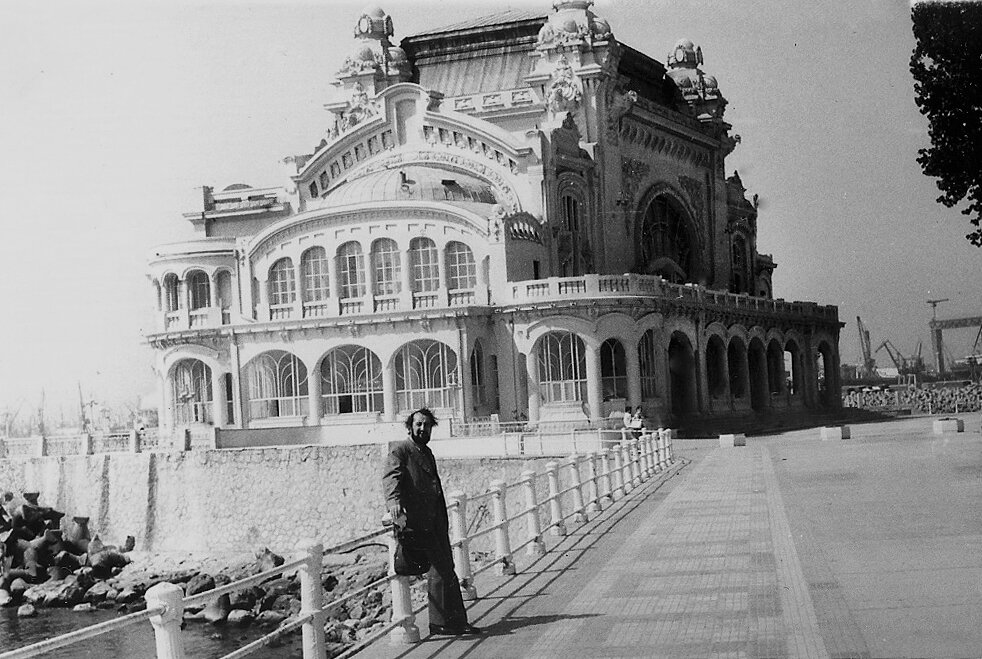
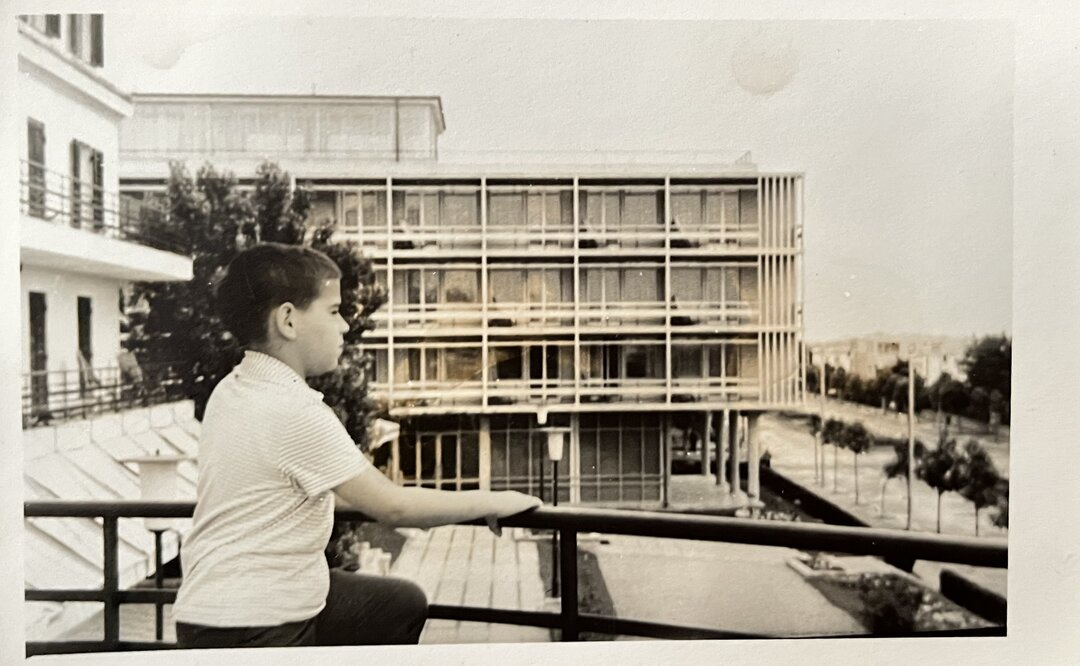
At that time (1966-'70), the Design Institute in Constanța, where the projects for the seaside were worked on, was located in the building on the seafront, built by arch. Alexandru Orăscu (where the Admiralty is currently located), and our architectural studio was oriented and overlooking the sea, which was beneficial in supporting the creative approach.
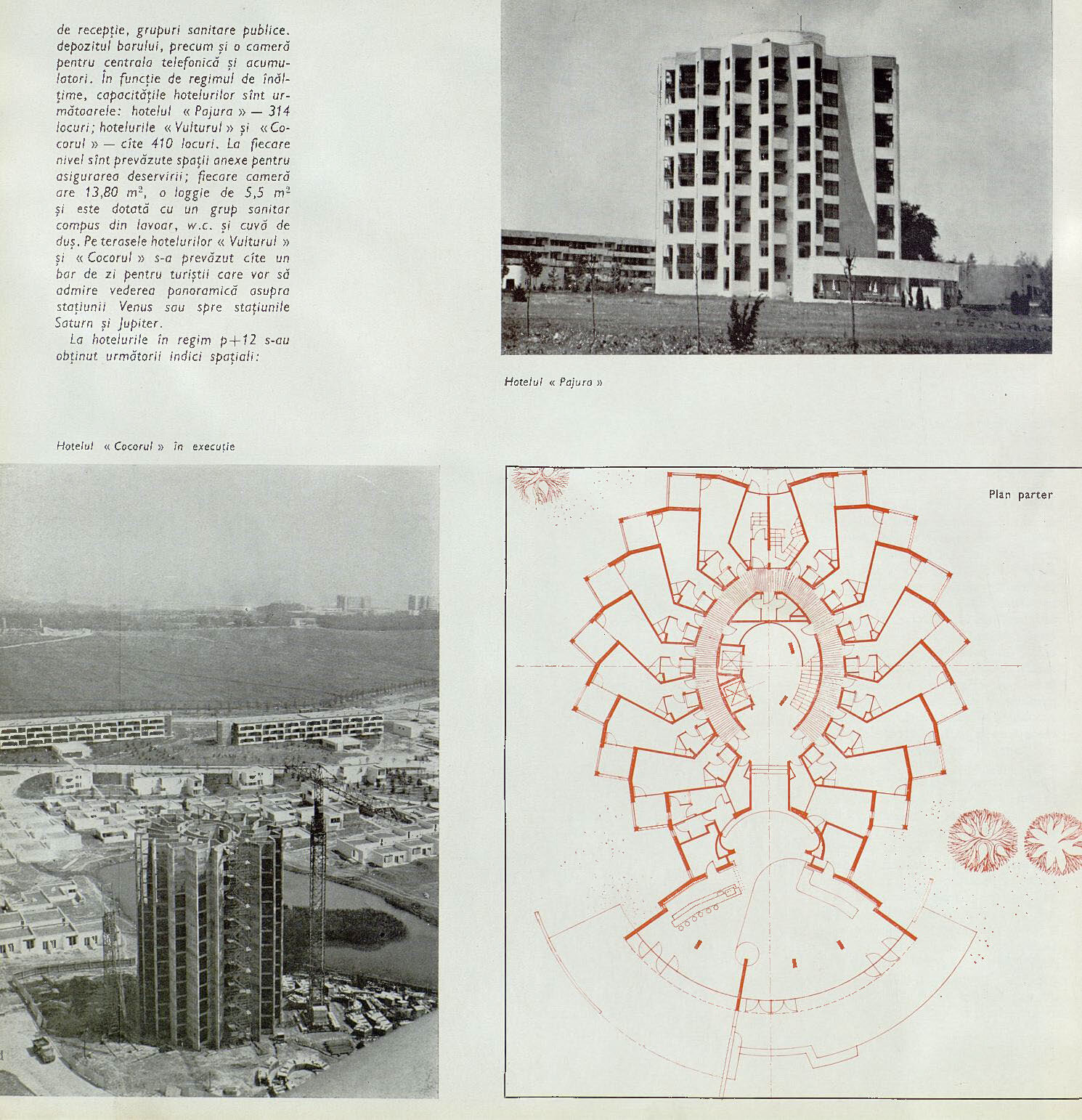
A particular challenge was the finalization of the design of the resort's high-rise hotels (Eagle, Crane, Meadow), whose plan is spider-like, with the rooms radially arranged at different inclinations to the central core. The plans geometrically configured by us (architect Kemal Ghengiomer and me) were handed over to the engineers, who said that we should specify all the dimensioning elements (otherwise laborious to draw up), the engineers hoping that we would thus dispense with the very elaborate shape of the plans. But being quite familiar with trigonometric forms of calculation, Kemal and I provided them with all the dimensioning elements of the radial inclinations of each room in degrees, minutes and seconds, so the engineers complied with the original plan presented. During the execution, all the necessary elements for the hotels to be raised by sliding were drawn on the general invert of the construction.
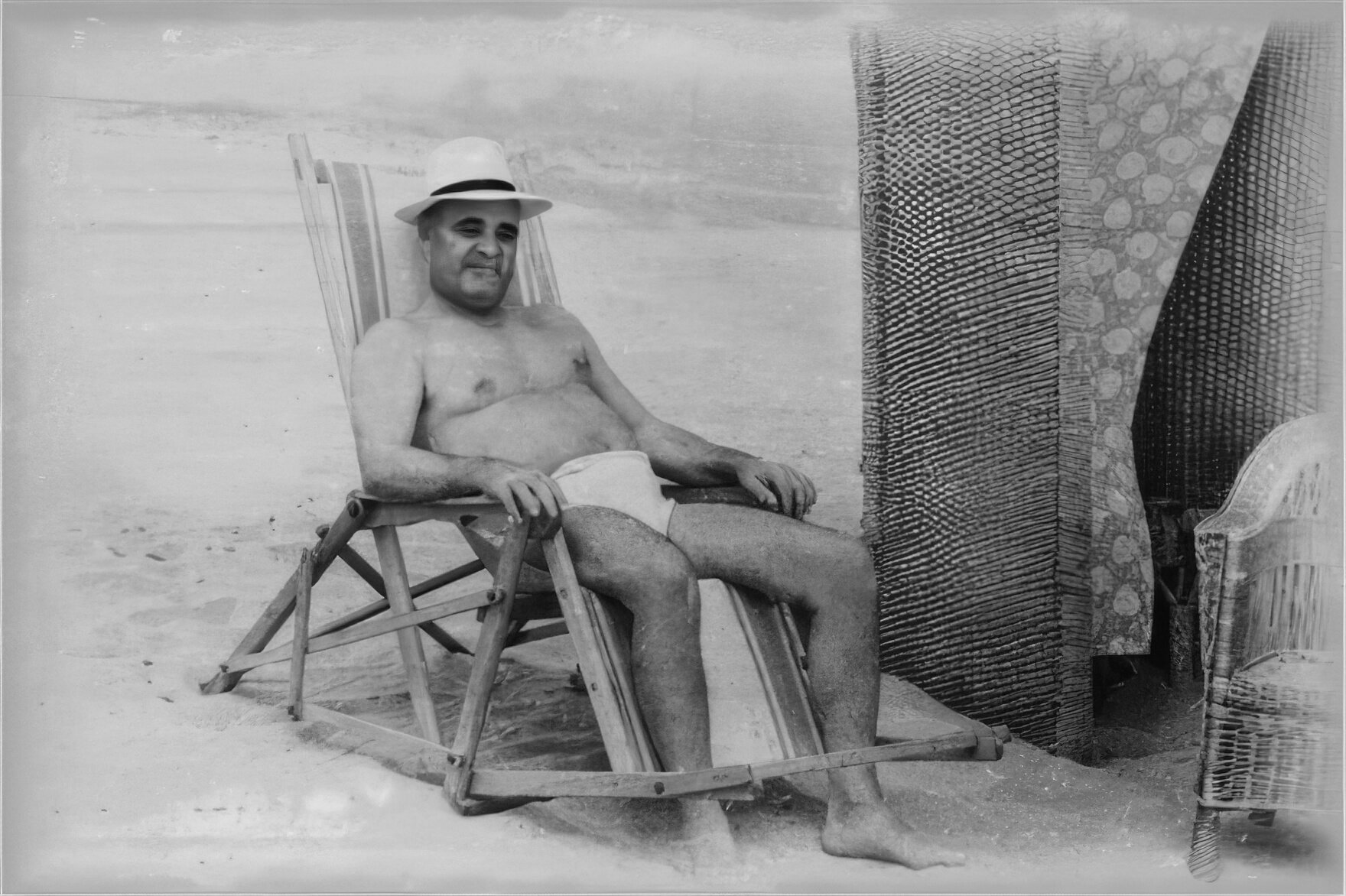
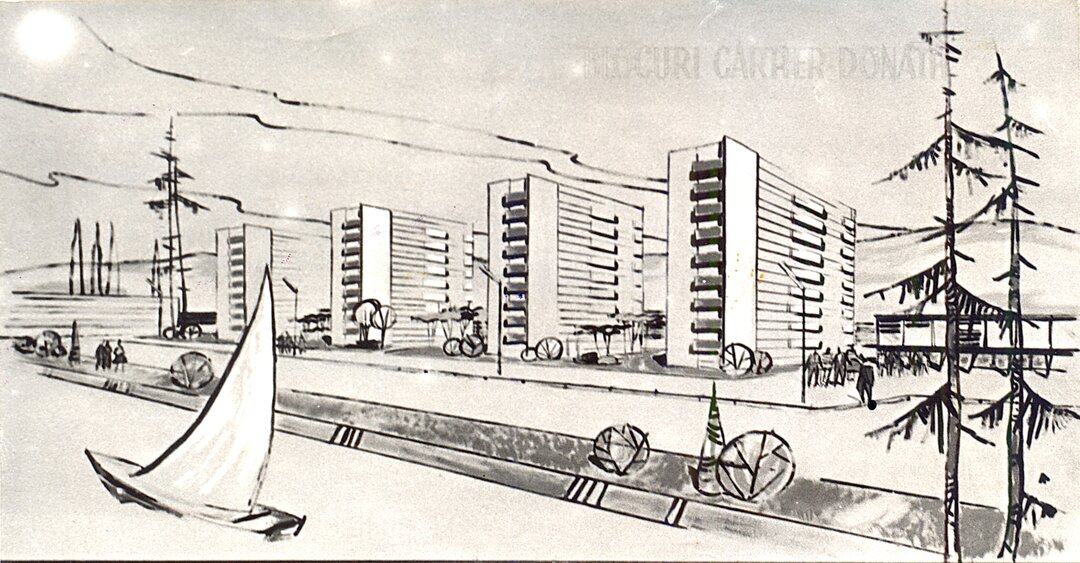
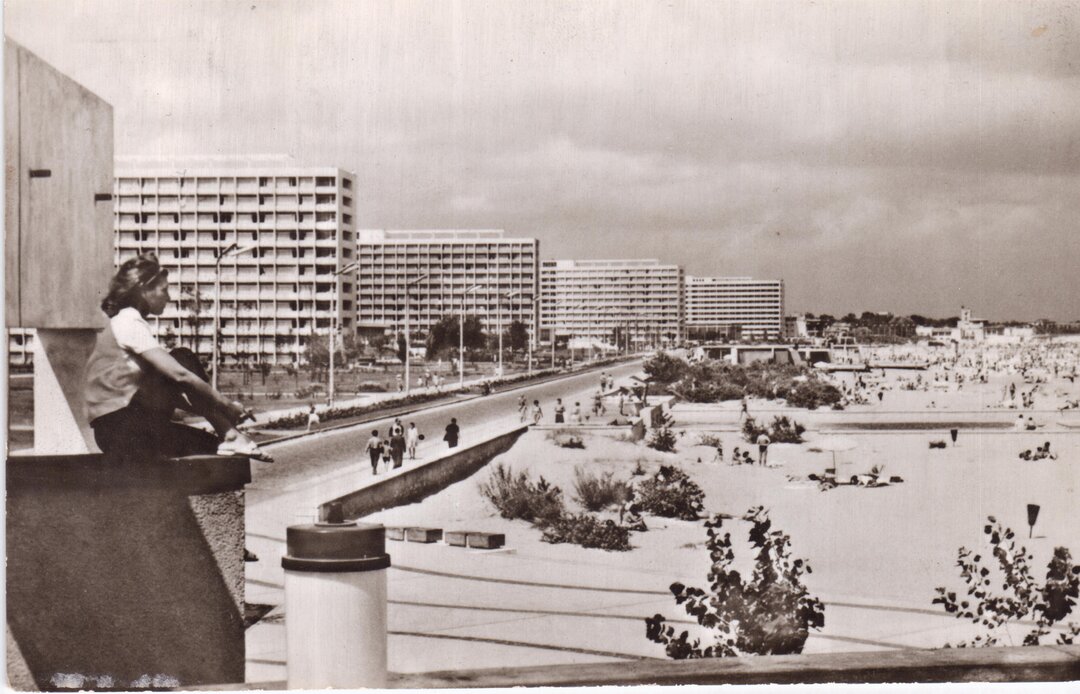
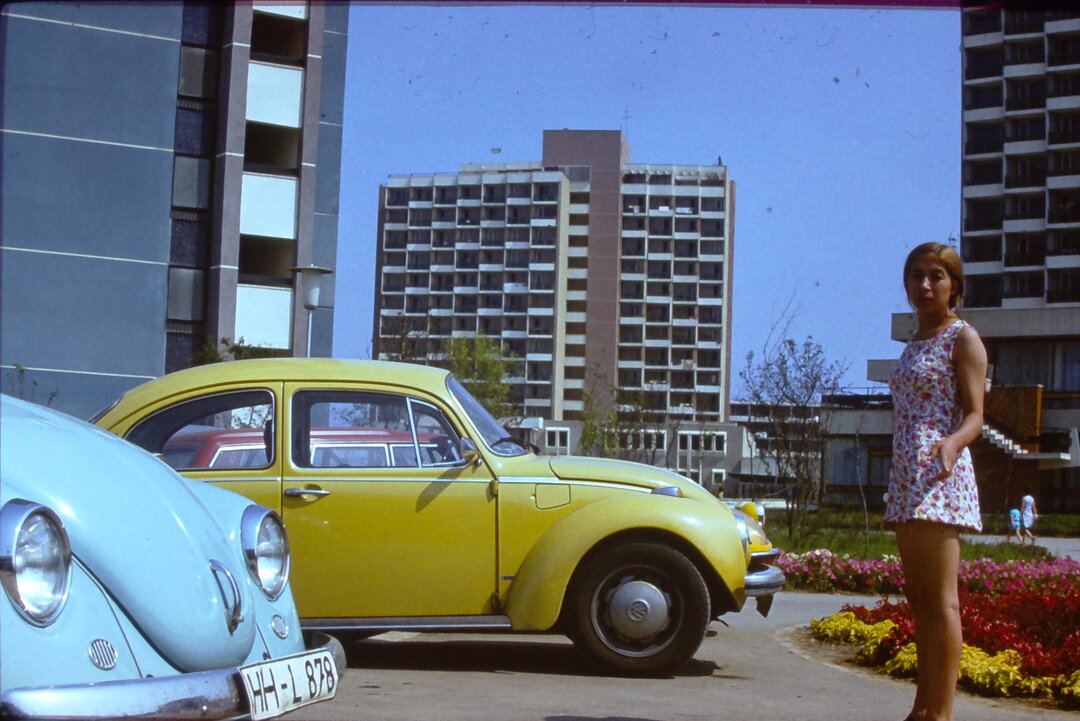
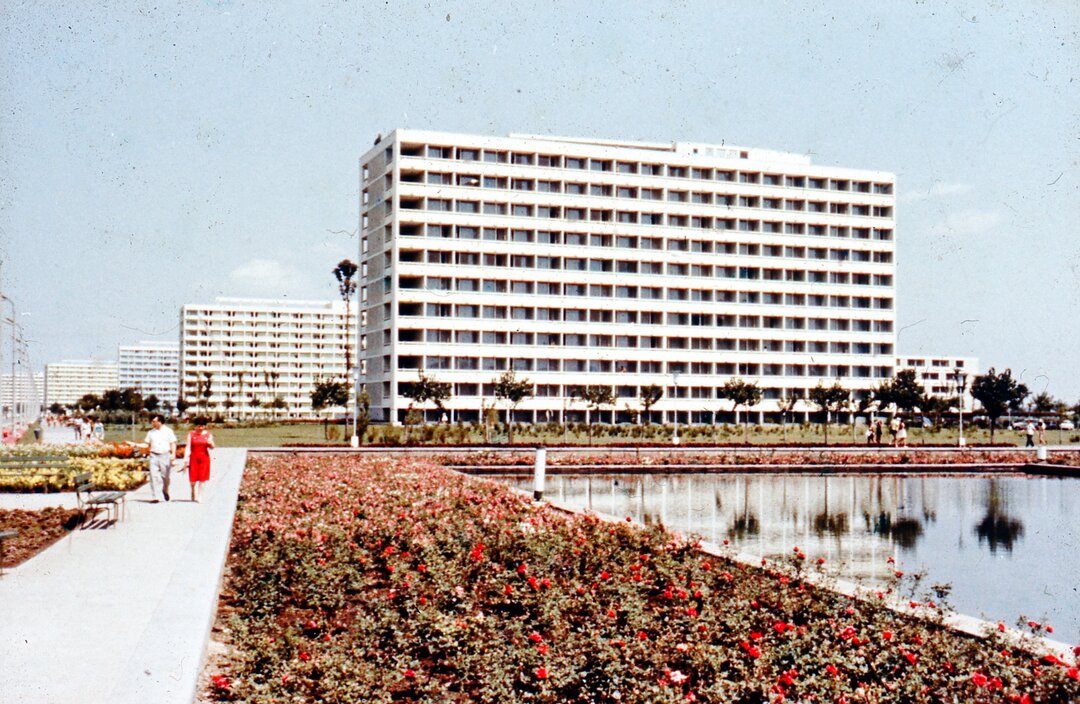
When most of VENUS' tourist facilities (hotels, cottages, restaurants, etc.) were completed, the resort was visited by Nicolae Ceausescu in the summer of 1968. Surprised by the variety of building forms, which were presented as an attraction for foreign tourists, Ceaușescu replied that if this diversity did not bring in extra money from tourists, everything that was left to be done should be done in more simplified, repetitive and possibly prefabricated forms. Thus the construction of a high-rise hotel on the seafront and a casino, for which there were already plans, was abandoned. As a result, the resort's seafront was furnished with four five-storey plus five-floor hotels made of prefabricated buildings, the design of which was entrusted to a team from ISLGC Bucharest. Some of the cottage-villas that remained to be completed were also replaced with prefabricated P+1 prefabricated houses.
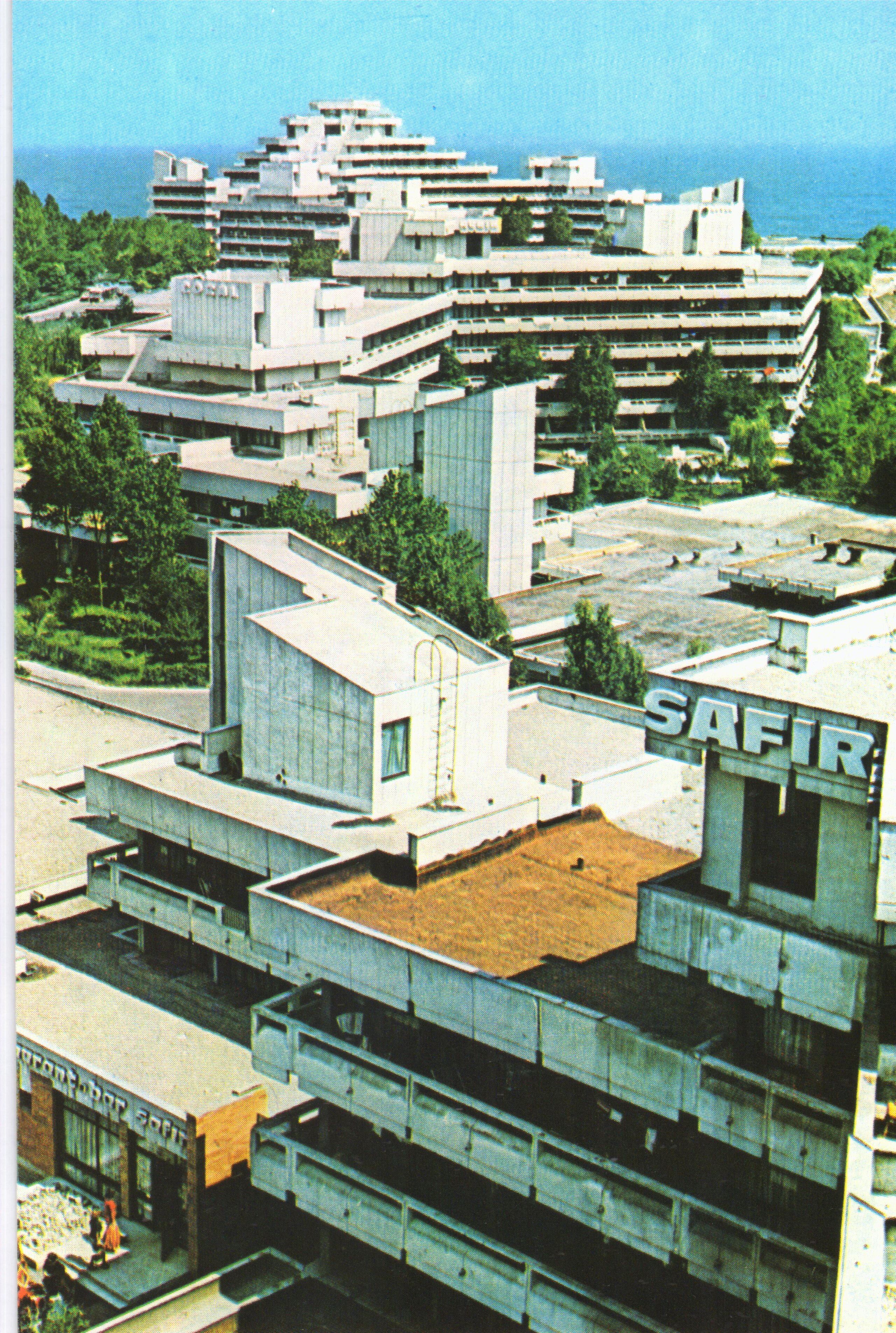
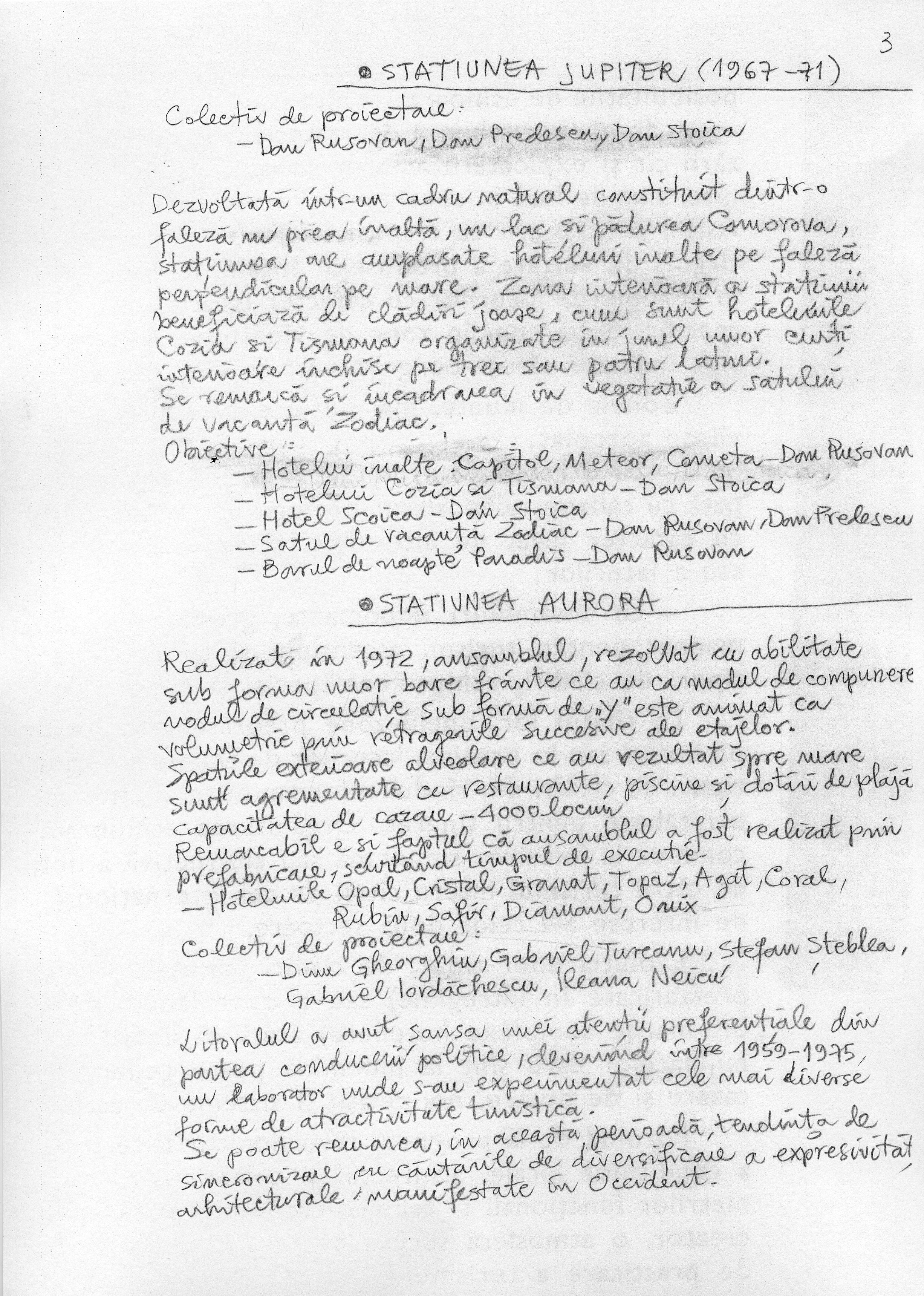
Ceaușescu's visit to the Venus construction site also had repercussions on the configuration of the Saturn resort, where design and execution work was at an earlier stage. The creative enthusiasm of the team led by arch. Constantin Rulea's creative genius was halted, and solutions were adopted to reuse and adapt hotels realized in other locations. An example of this is the hotels in the Olimp resort.
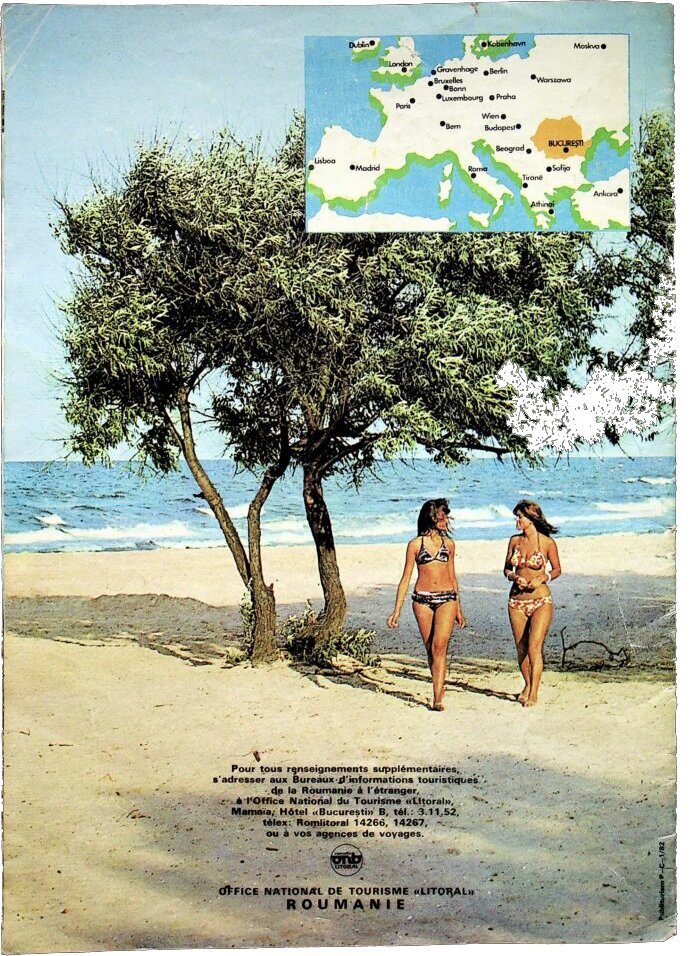
To present the resort in tourist brochures we were asked to "baptize" the hotels and restaurants. We amused ourselves by naming the hotels after girls (among our acquaintances, the members of the collective), such as Ileana, Anca, Raluca, Dana, Lidia, Rodica, Iris, Corina, Florica, Veronica, Sanda, Claudia.
Only for the high hotels we have chosen bird names: Crane, Eagle, Meadowlark and Egret.
Another episode I would like to mention is my collaboration with Șerban Manolescu in the realization of the Amfiteatru - Belvedere - Panoramic hotel complex in 1972.
When this project was published in the magazine Arhitectura no. 6/1972, I was not included in the list of the design team because, at that time, I was on a trip to Germany. Out of prudence, assuming that I would not return to the country, Șerban presented the collective without mentioning me (at that time, those who were out of the country were no longer entitled to be present in published texts).
After 1990, during Petre Roman's government, the opportunity arose to grant a concession to the French tourism company Club Méditerranée for the area of the villas for dignitaries in Neptun, so that, within the Carpați Project, we studied the possibility of organizing rooms with their own sanitary facilities in each villa. This was possible, so the necessary paperwork was to be finalized. When the French party came to sign the contract, the Romanian government announced that it was withdrawing its offer.
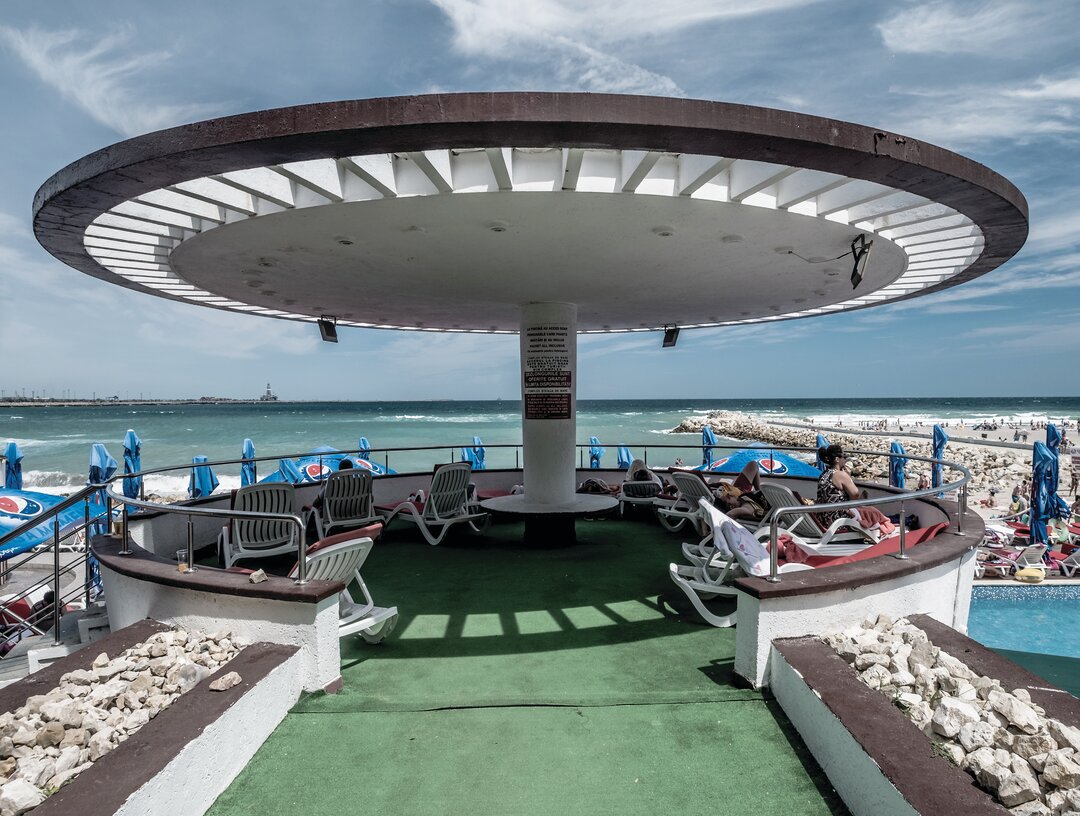
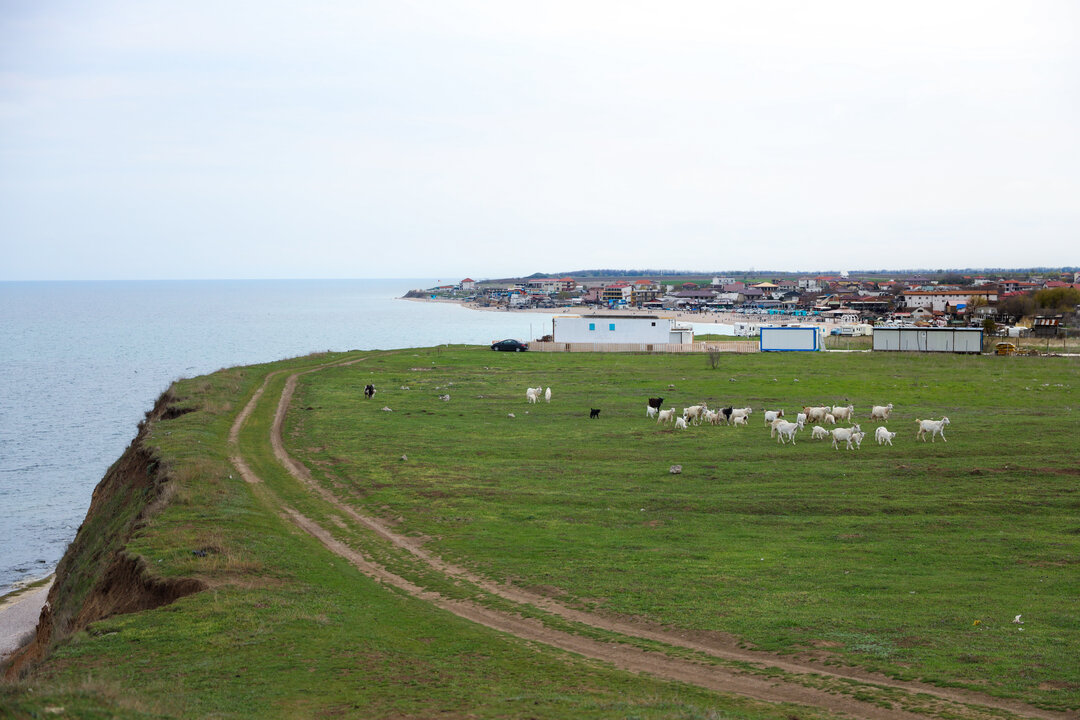
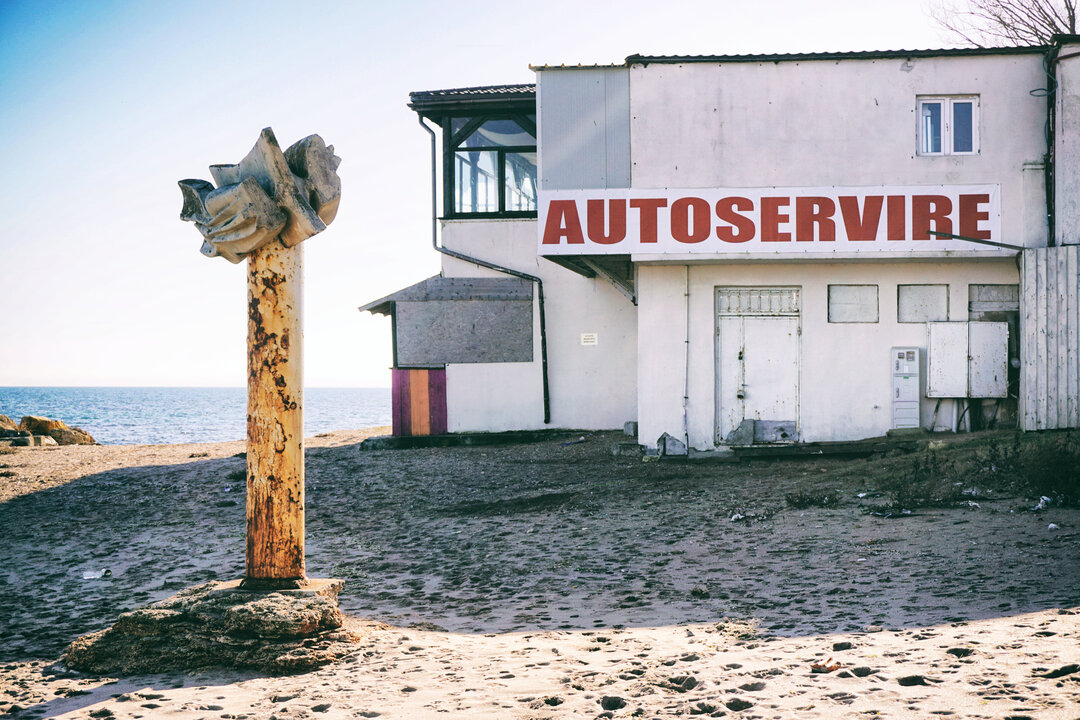
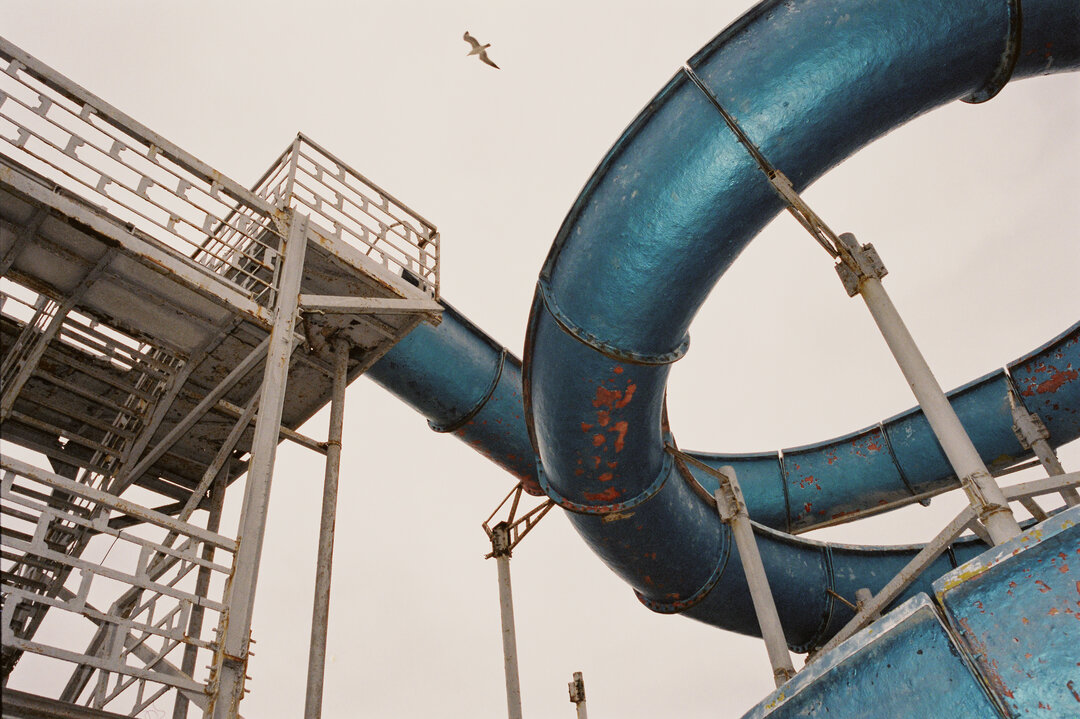
Today, like other facilities in seaside resorts, the resort of Venus is faced with the lack of concern on the part of local and central authorities to preserve and restore the tourist facilities on the coast.
In Venus, some hotels have been abandoned for a long time, including the Raluca and Ileana hotels, which are still being renovated.
It is only in recent years that Mera has taken over the cottage-villa area around the lake.
Other buildings, such as Hotel Egreta, the Post, Razelm and Orion restaurants are still unused.
The Amfiteatru hotel complex in the Olimp resort, abandoned for a while, has only been revitalized in recent years by Phoenicia, with interventions that give it an oriental atmosphere, without distorting the overall image.