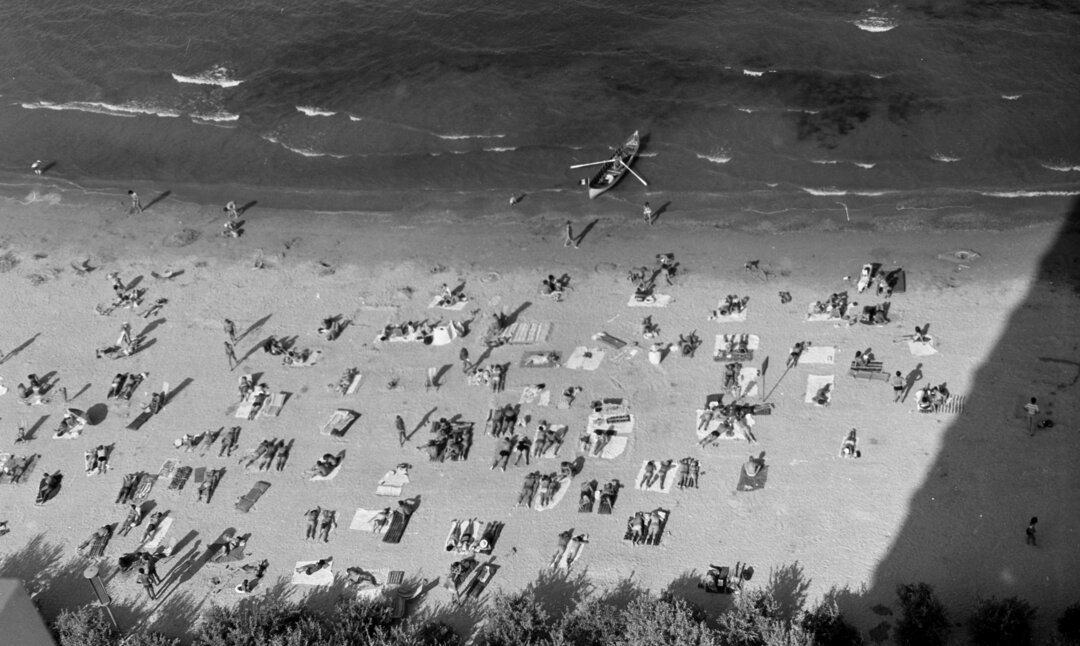
Seaside. A published chronology

Text genre: conceptual help for students
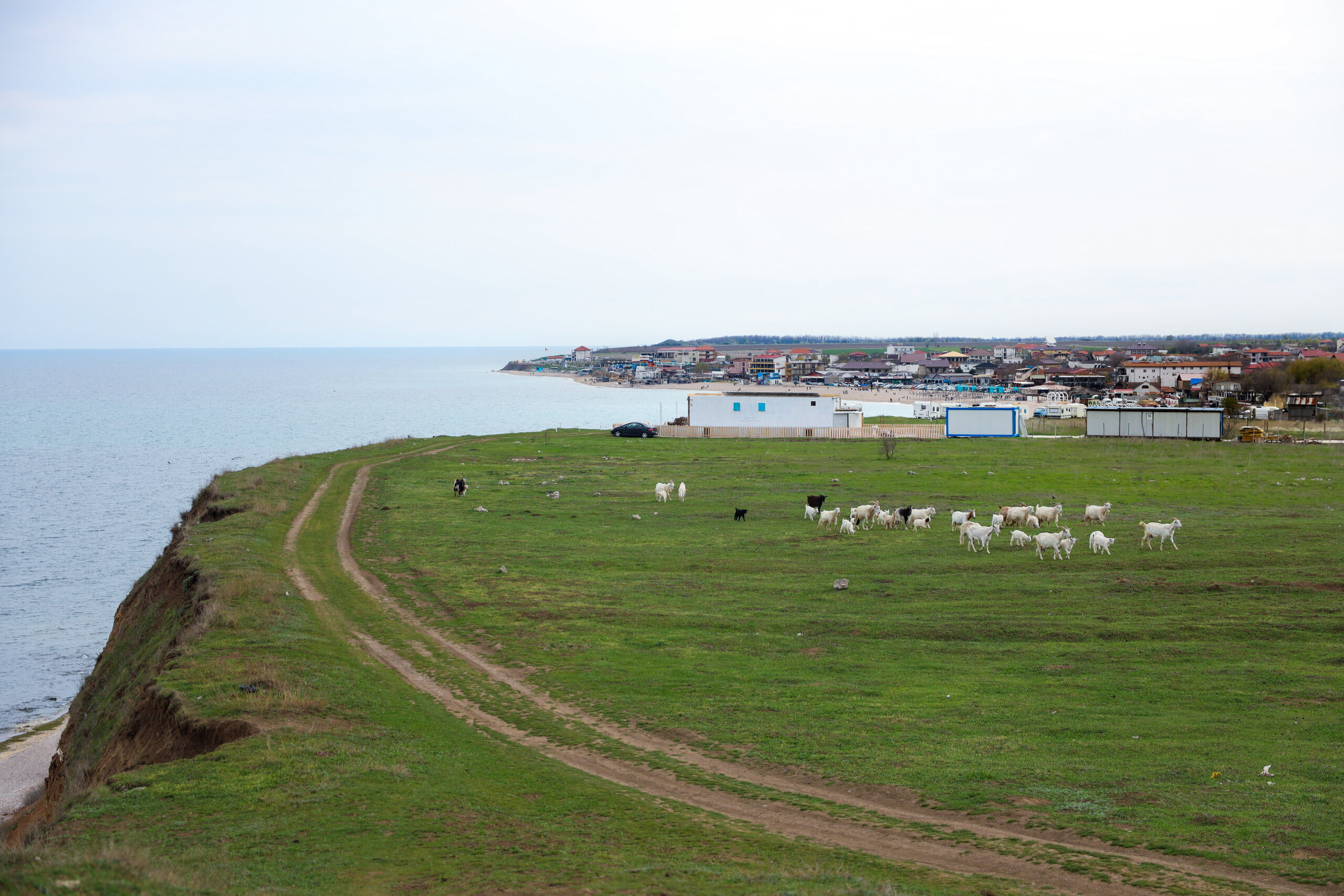
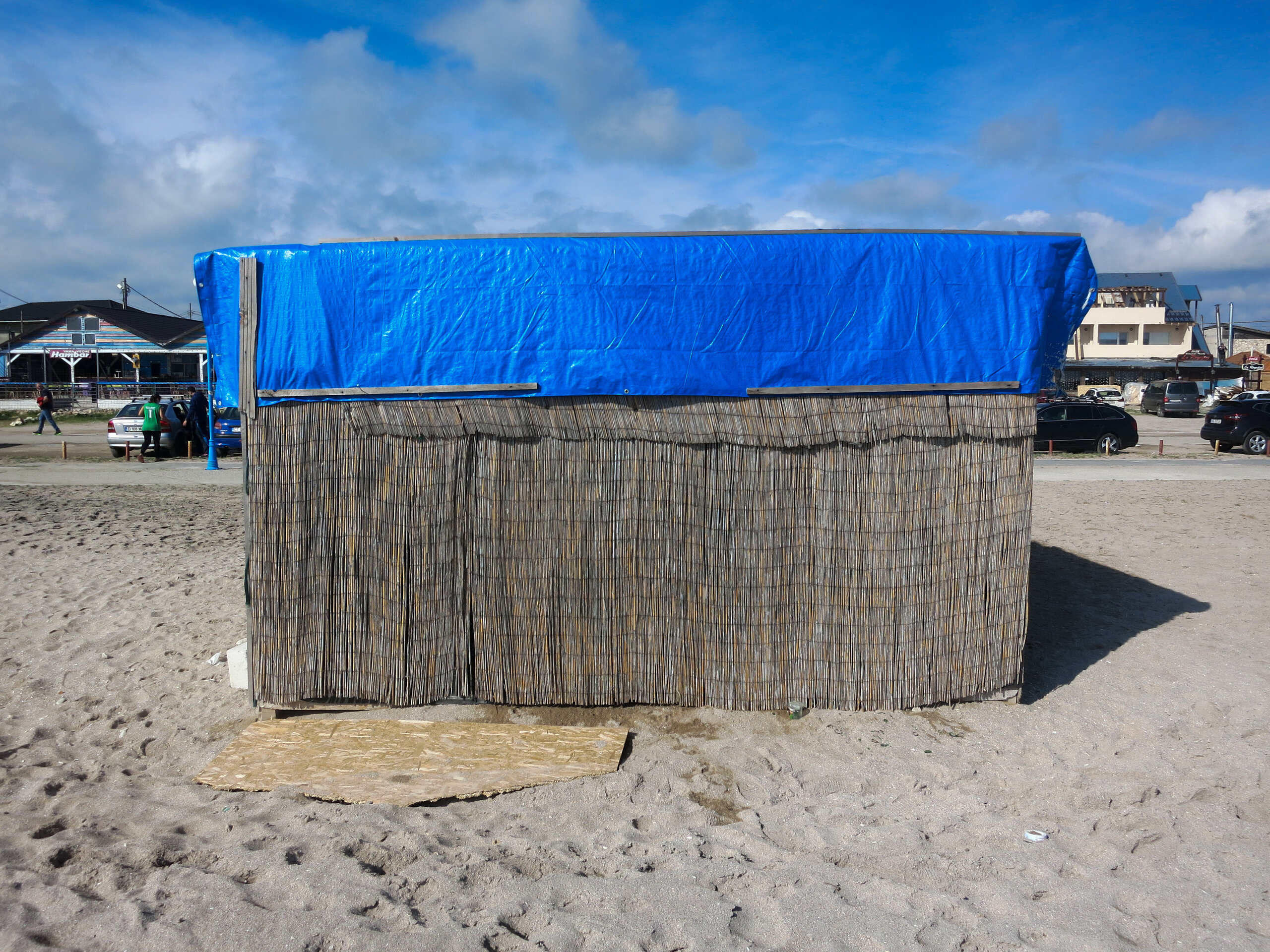
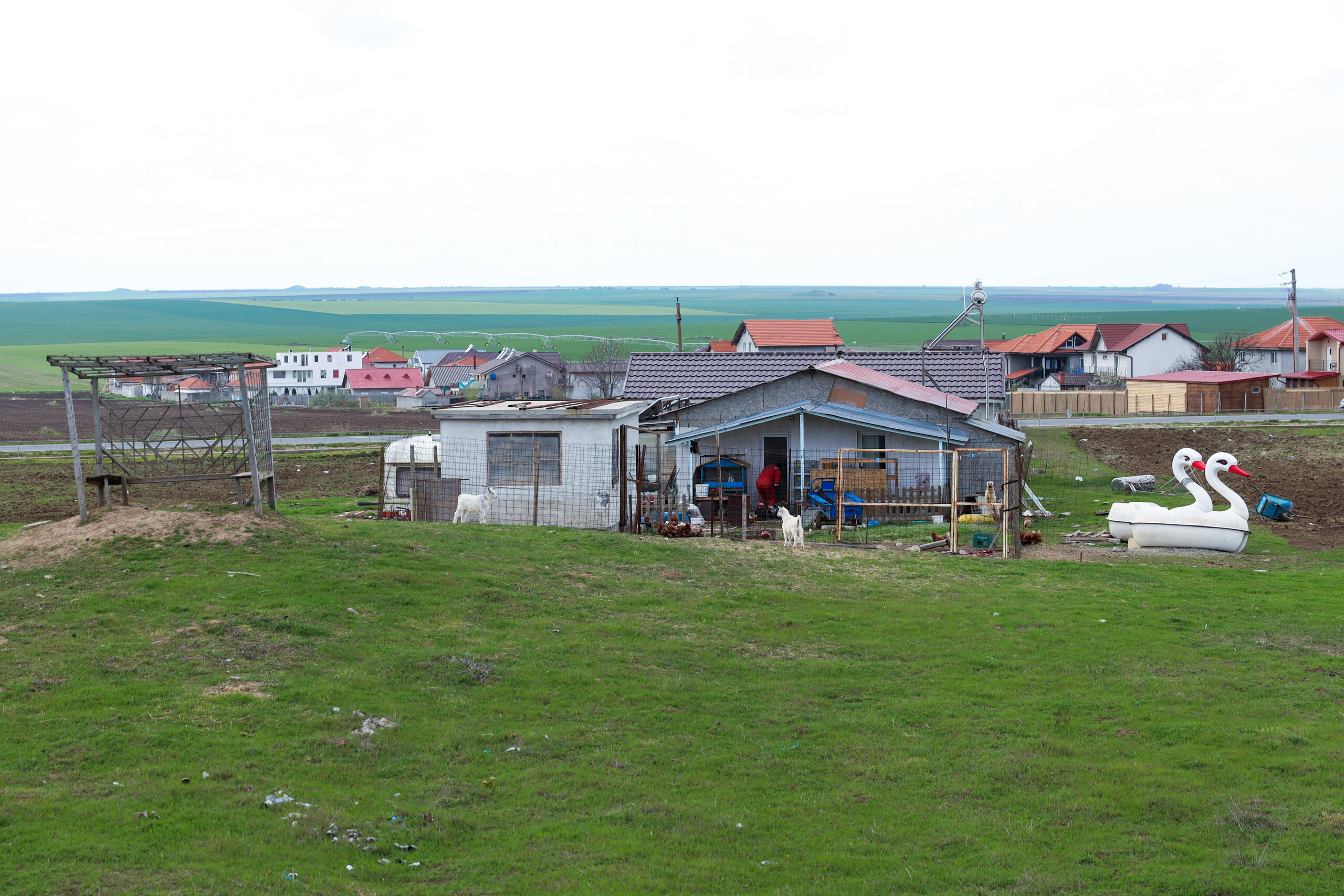
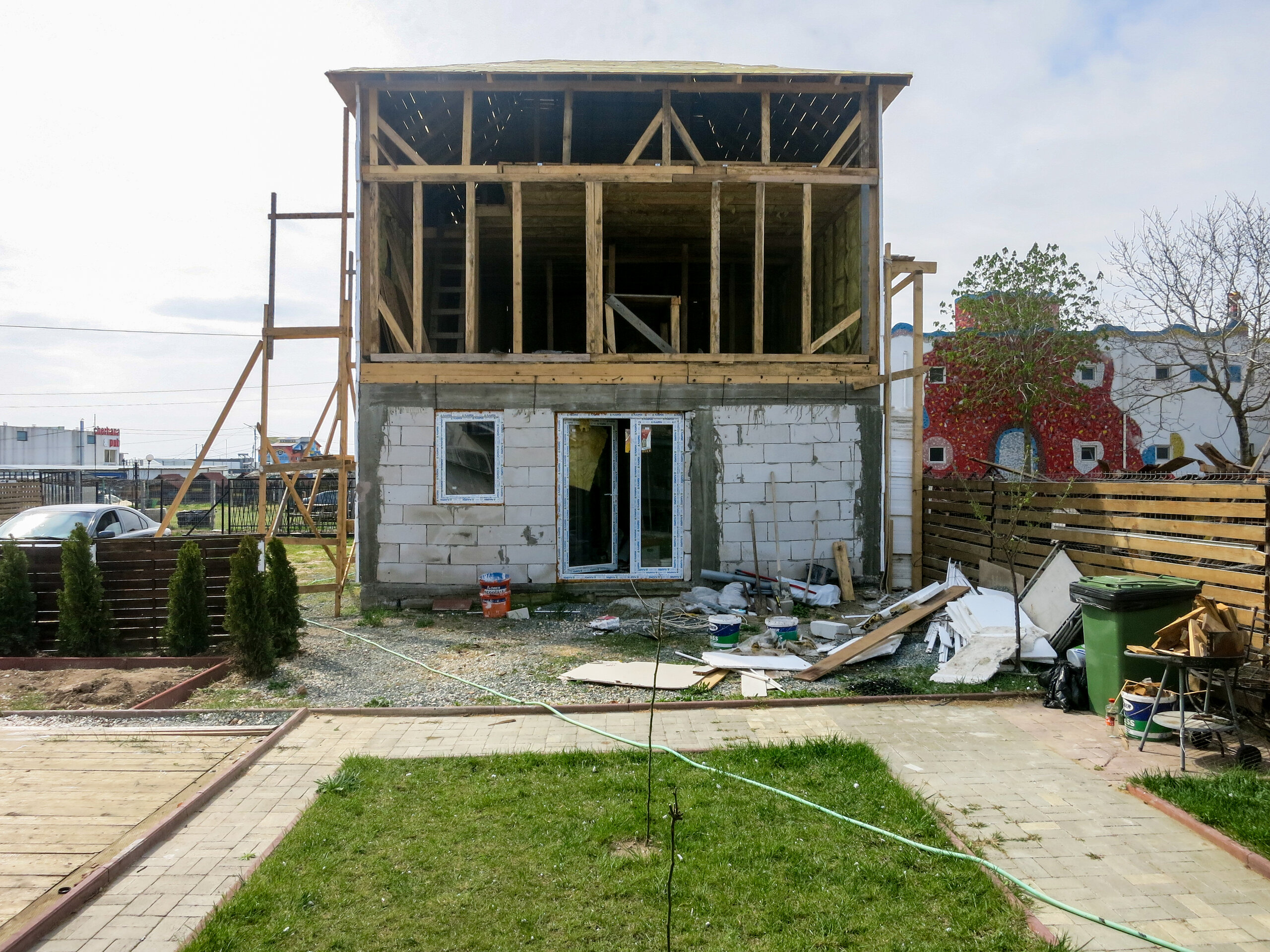
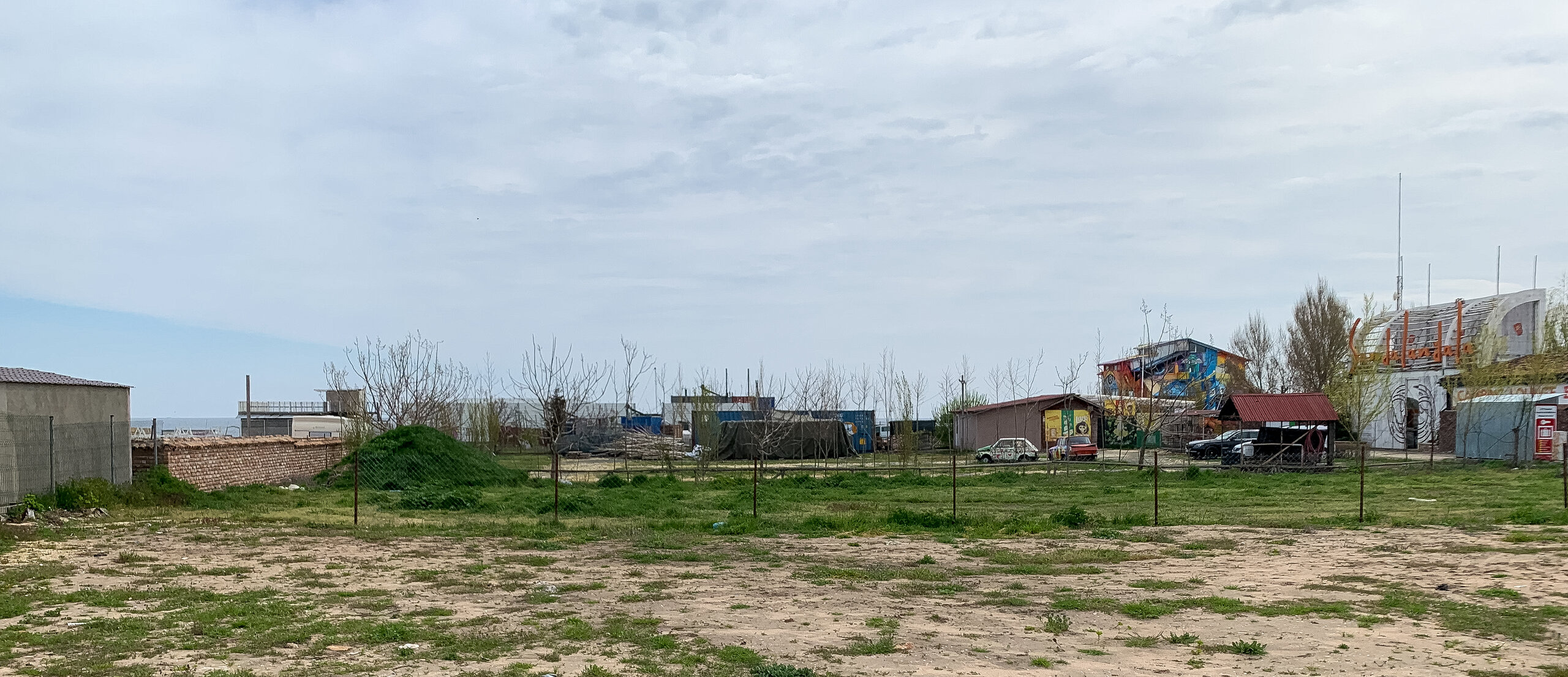
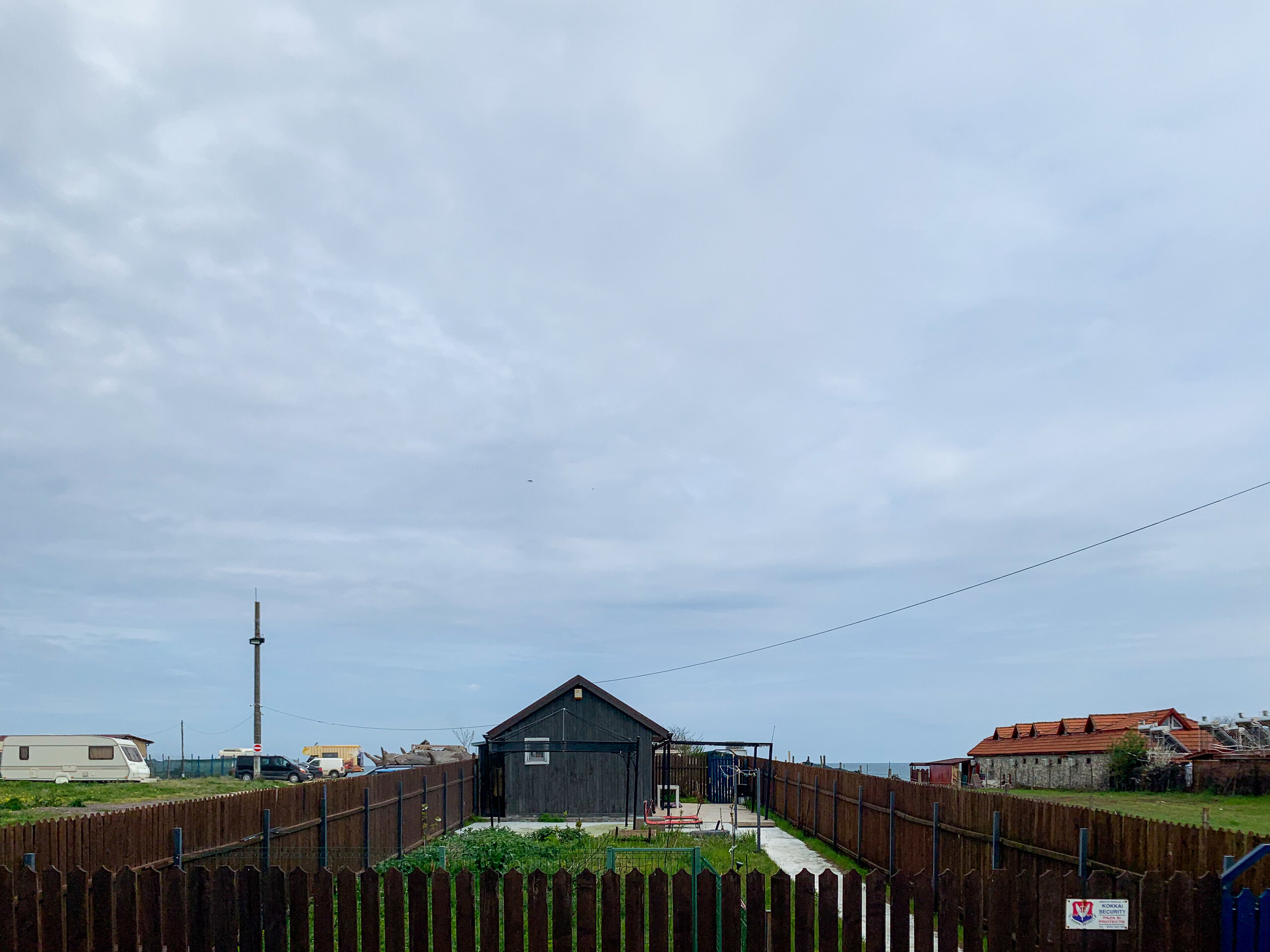
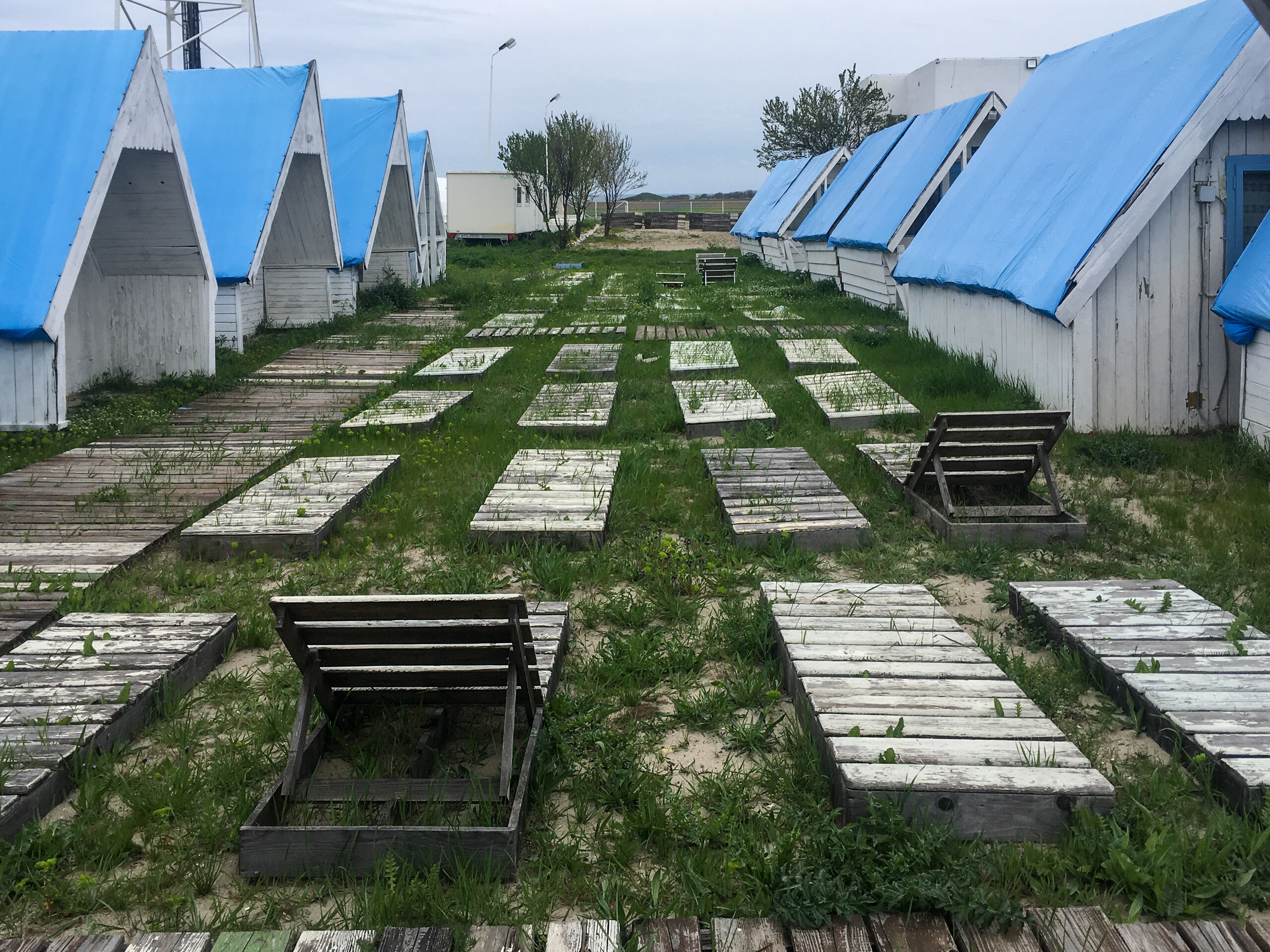
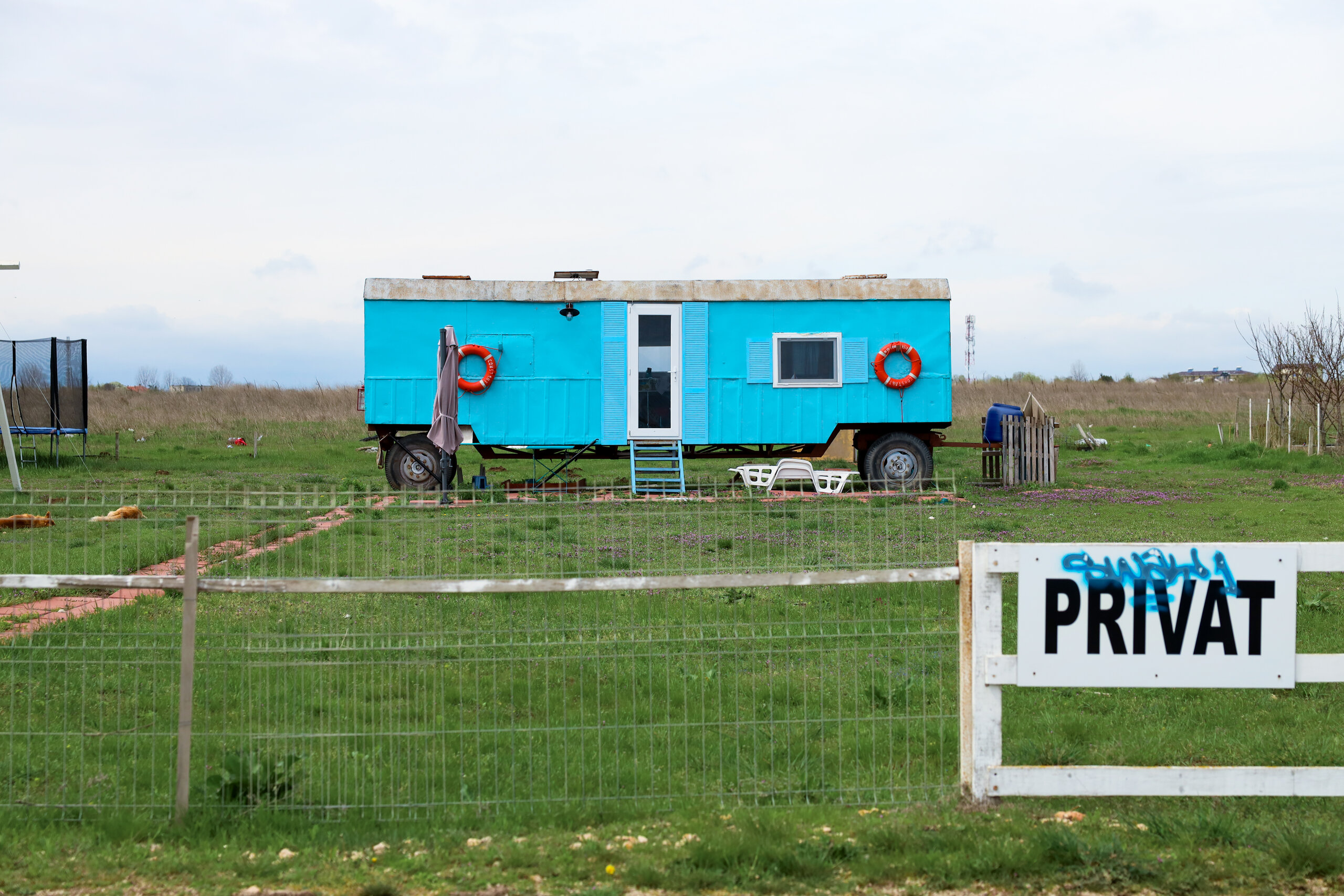
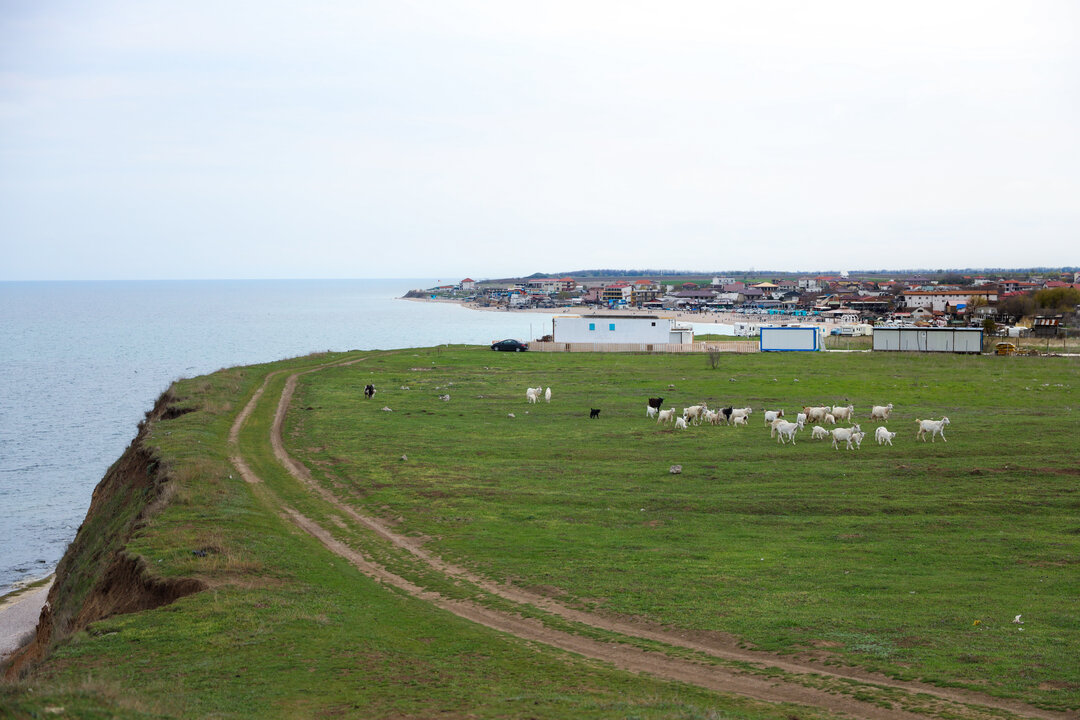
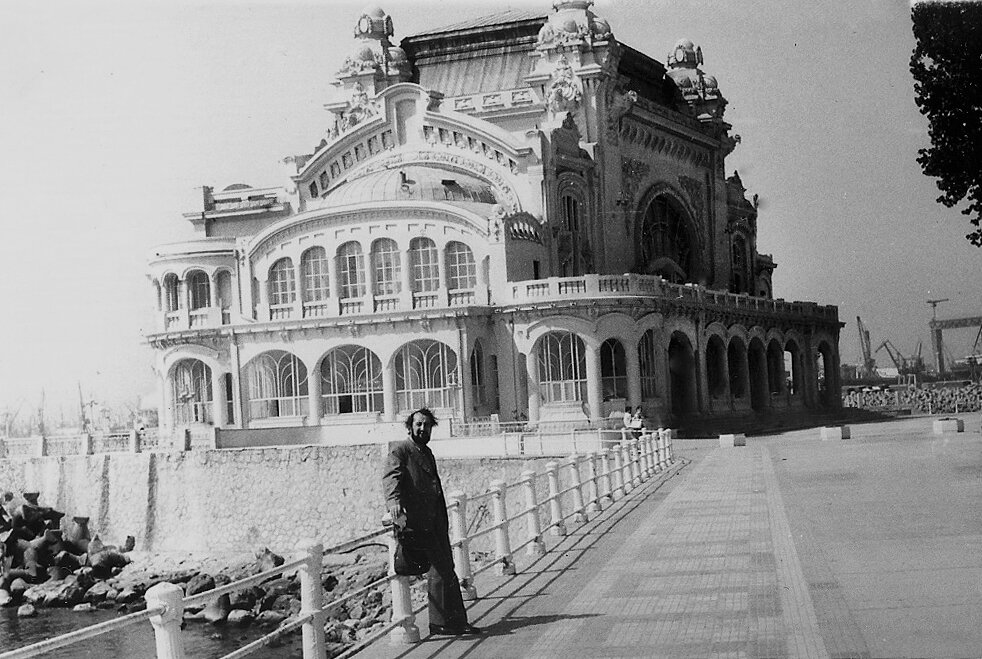
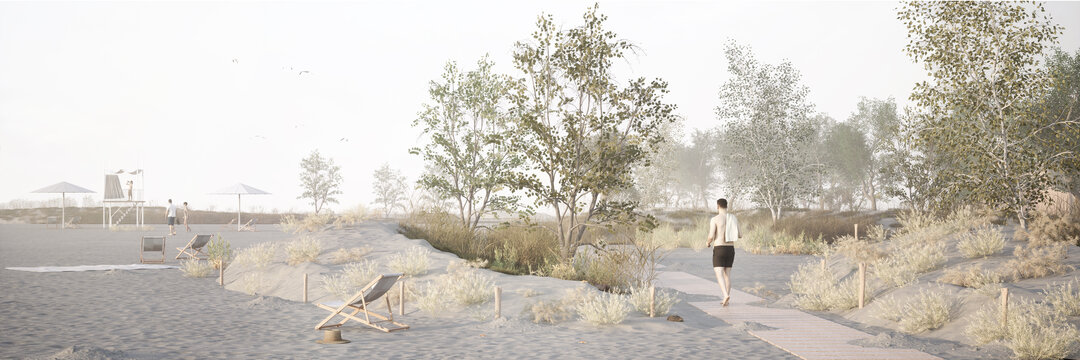
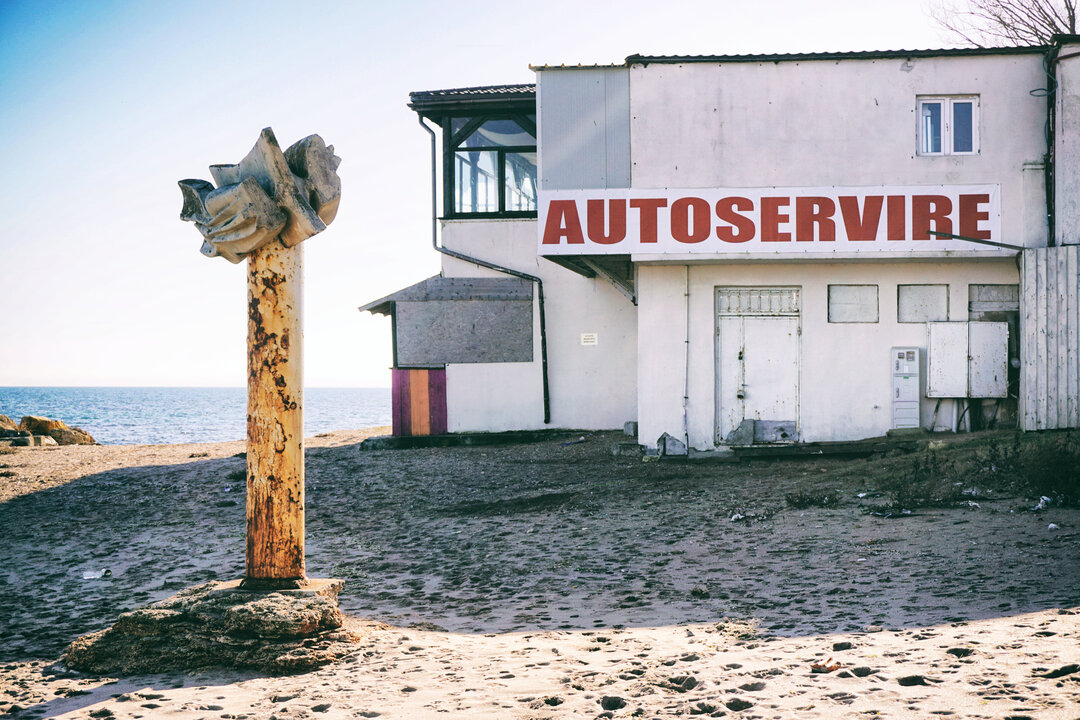
Between October and April, Vama Veche becomes a 1:1 model of the Old Customs House. It becomes quiet, people disappear and solitude prevails. The buildings are wrapped for winter in OSB, PVC, tin and tarpaulins. Without the tourists and the buzzers, the spatial typologies invented over the years, the strategies of land use and construction techniques become clearer. In the post-tourist quiet, the casual visitor can reflect on the nature of this place.
1. Categorization difficulties
Vama Veche eludes the usual urban categories. It is too urbanized and cosmopolitan to be a simple village. It is too cluttered and ambiguous in form and function for a tourist resort; it is too uncivic and too impermanent for a town or city.
Closer to the truth are the spontaneous and emotional labels: the Vama is the commercial plankton at a Bucharest-Iancului intersection by the sea, a light in the night, appealing as a highway gas station, unstructured and jumbled as an outpost on the edge of the world, a playground for grown-ups, an intermittent city, a lived-in spectacle unfolding in a precarious but permanent setting.
2. Locals
Everyone is a local in Vama Veche. We have locals-owners and locals-tourists. Only the locals feel alienated, confused by the stroboscopic effect of the new local urbanism. They struggle with the vivacity of newly arrived immigrants, say yes to every opportunity, run from place to place and dream of making money. As for the village elders, here we find those early capitalists, tourism futurists or eccentric intellectuals: "I bought this land just after the '90s because I wanted to do a socio-economic experiment on the transition from communism to capitalism", I heard them say in a historically valuable establishment.
3. Research question:
What is the quickest way to fence a place, to cover, protect and enclose it so that you can then exploit it as accommodation? This (research?) question was answered in a personal way by each local, pouring into the void left by the question their own vacation experiences or testing the limits of what is acceptable.
4. The fence
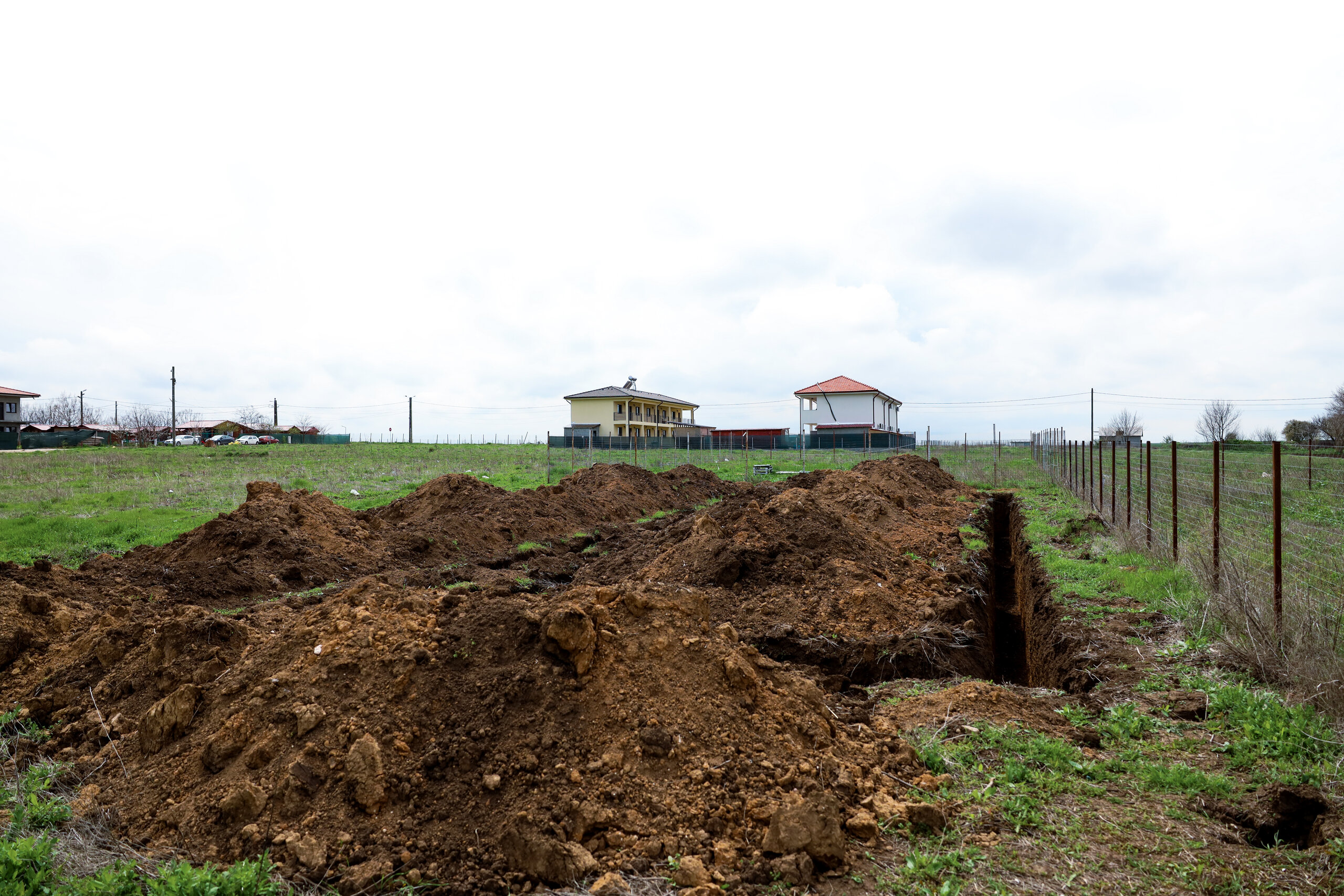
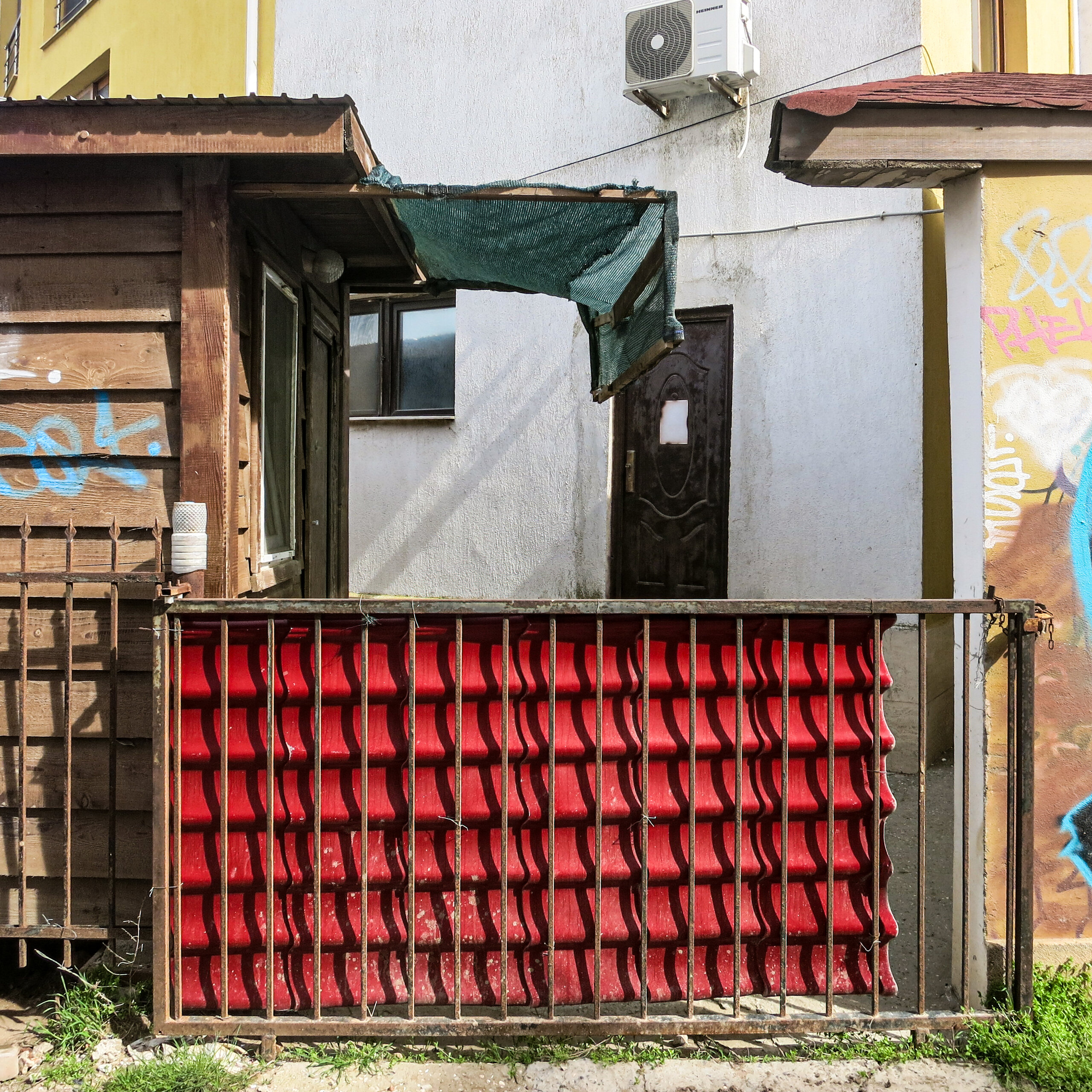
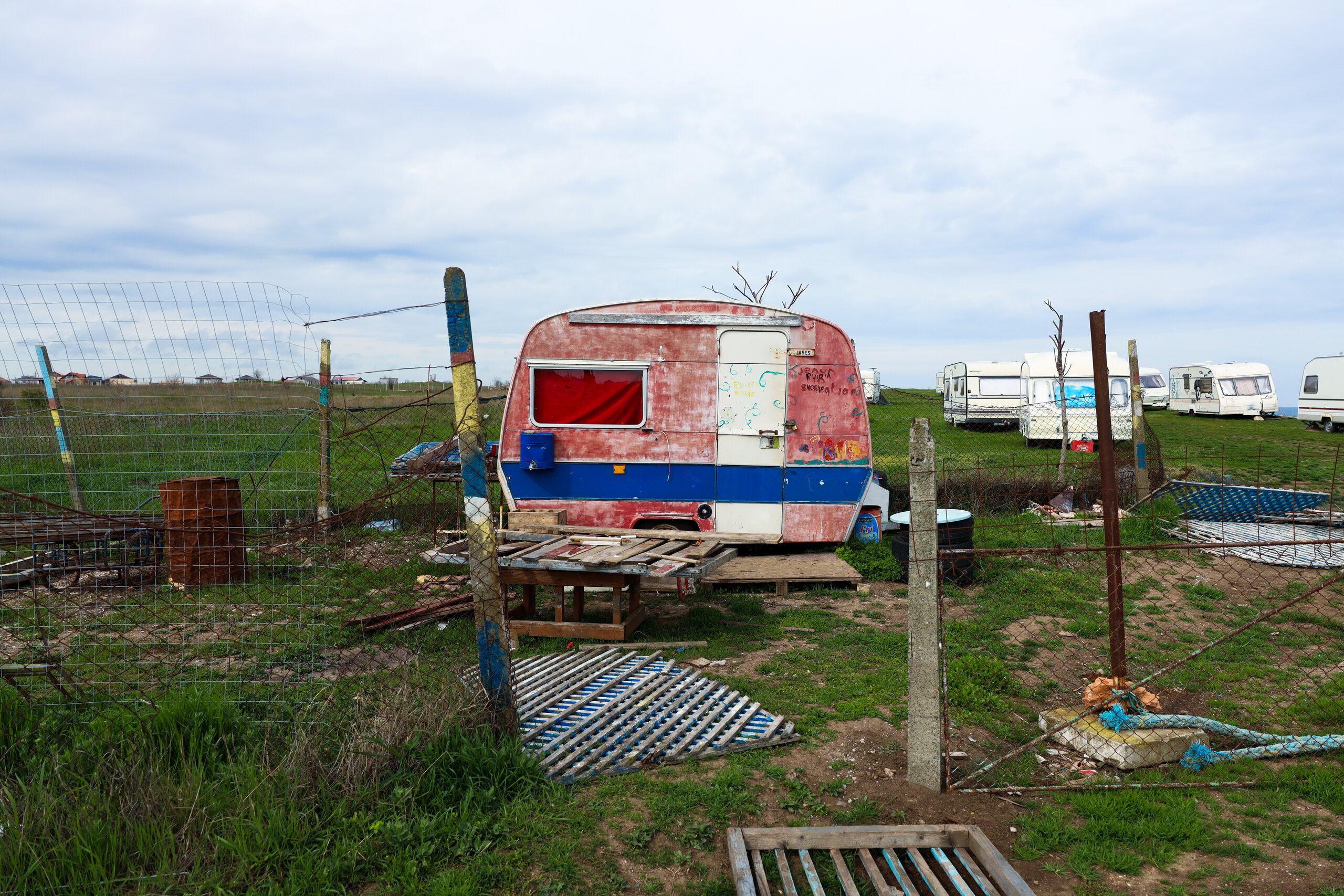
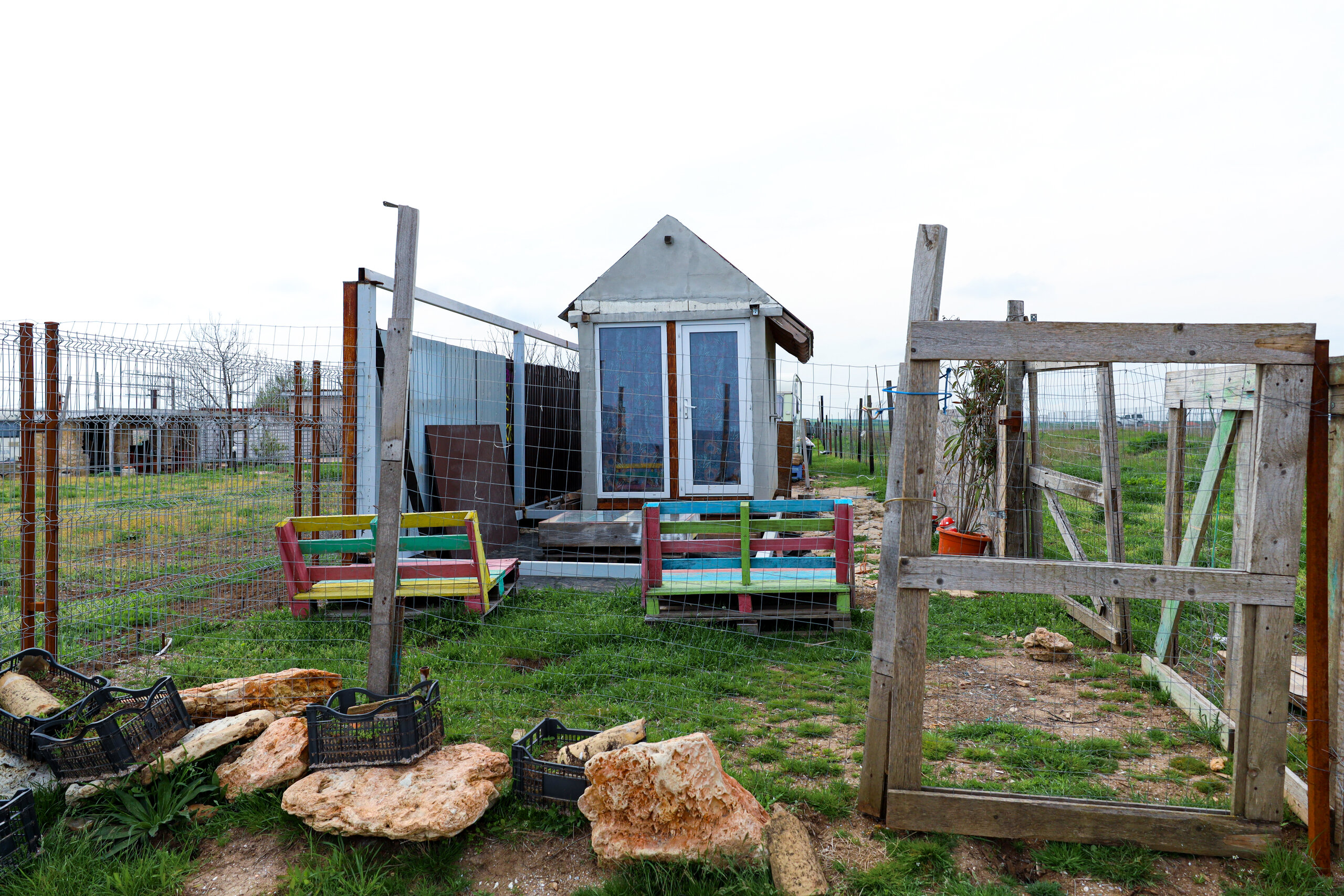
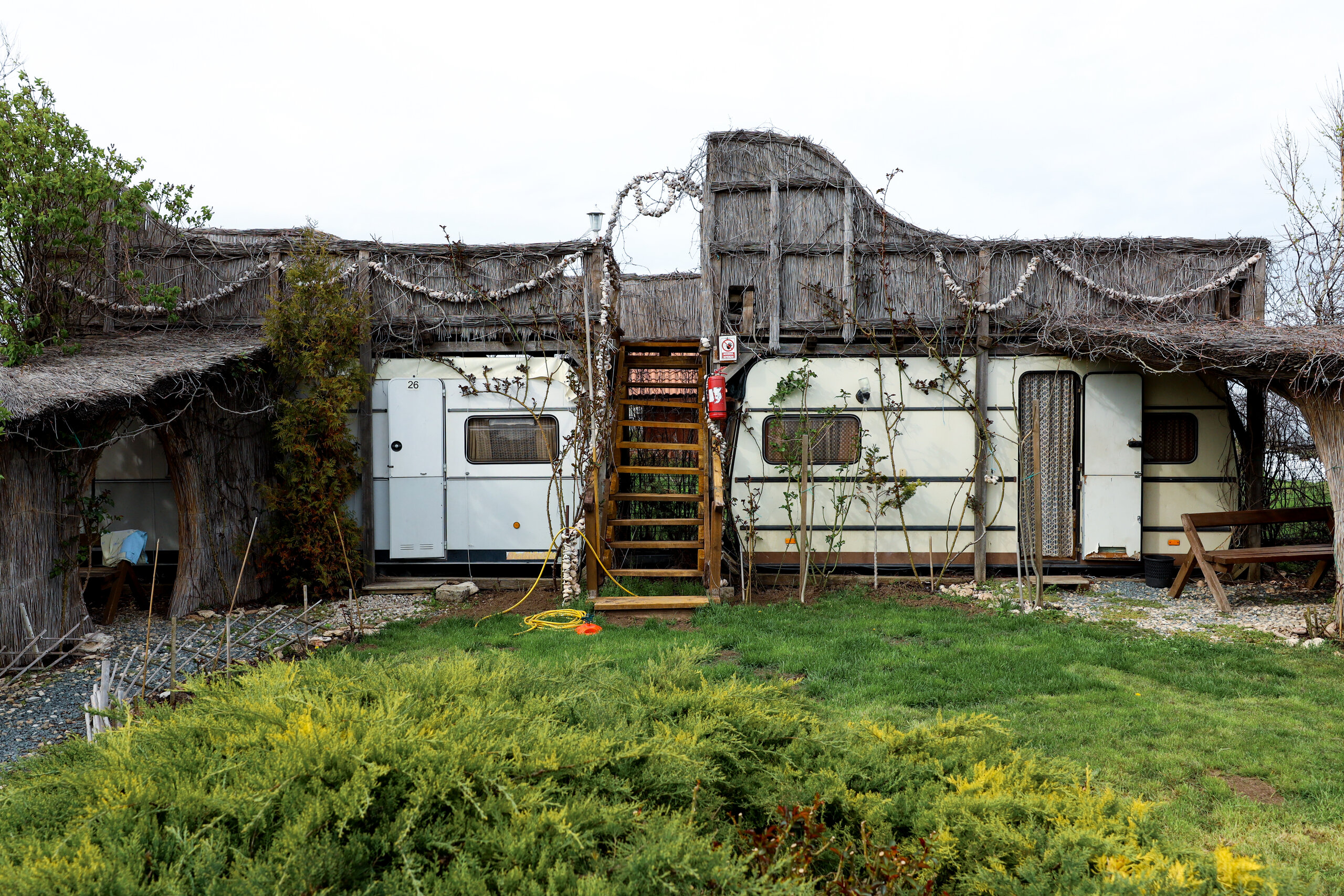
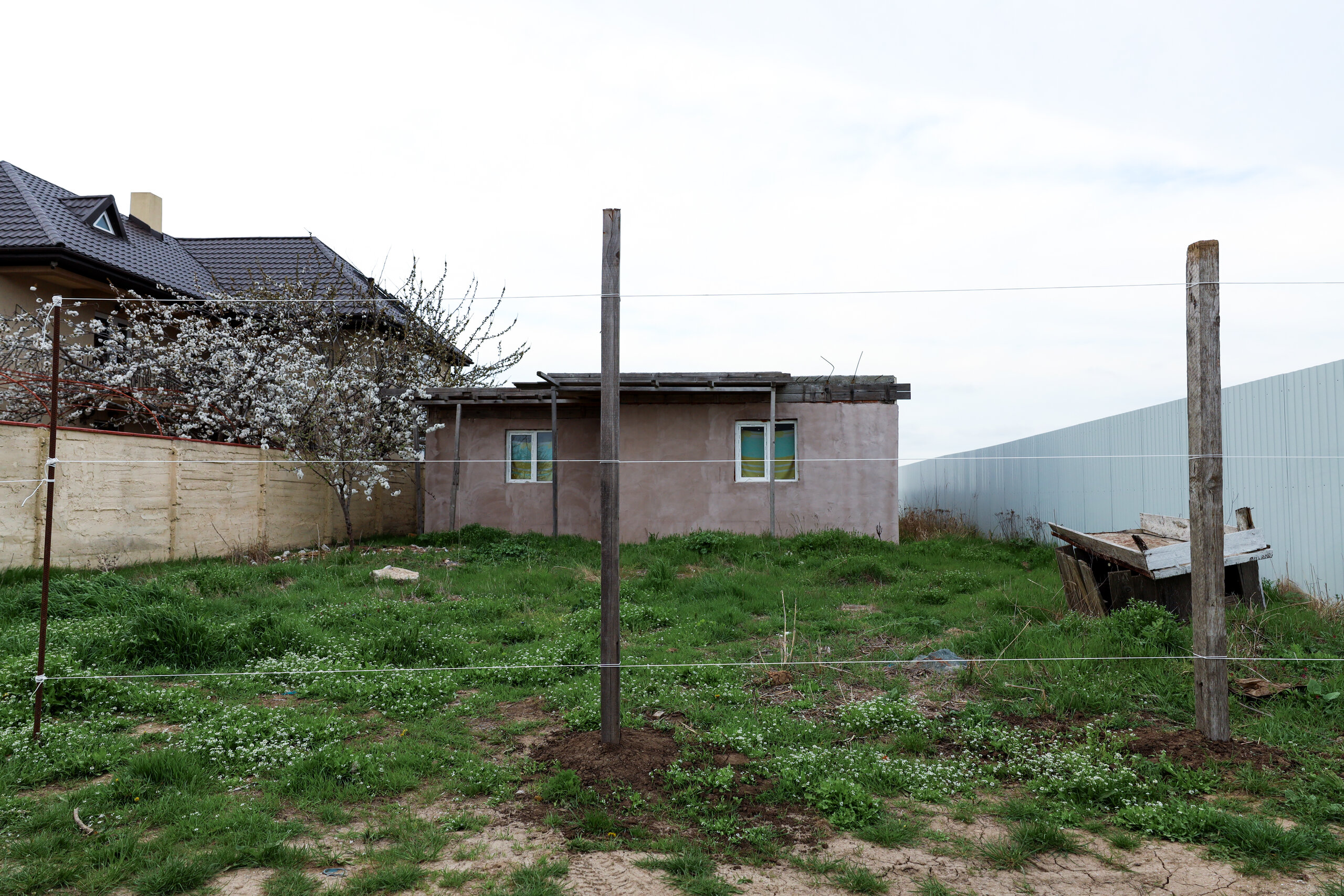
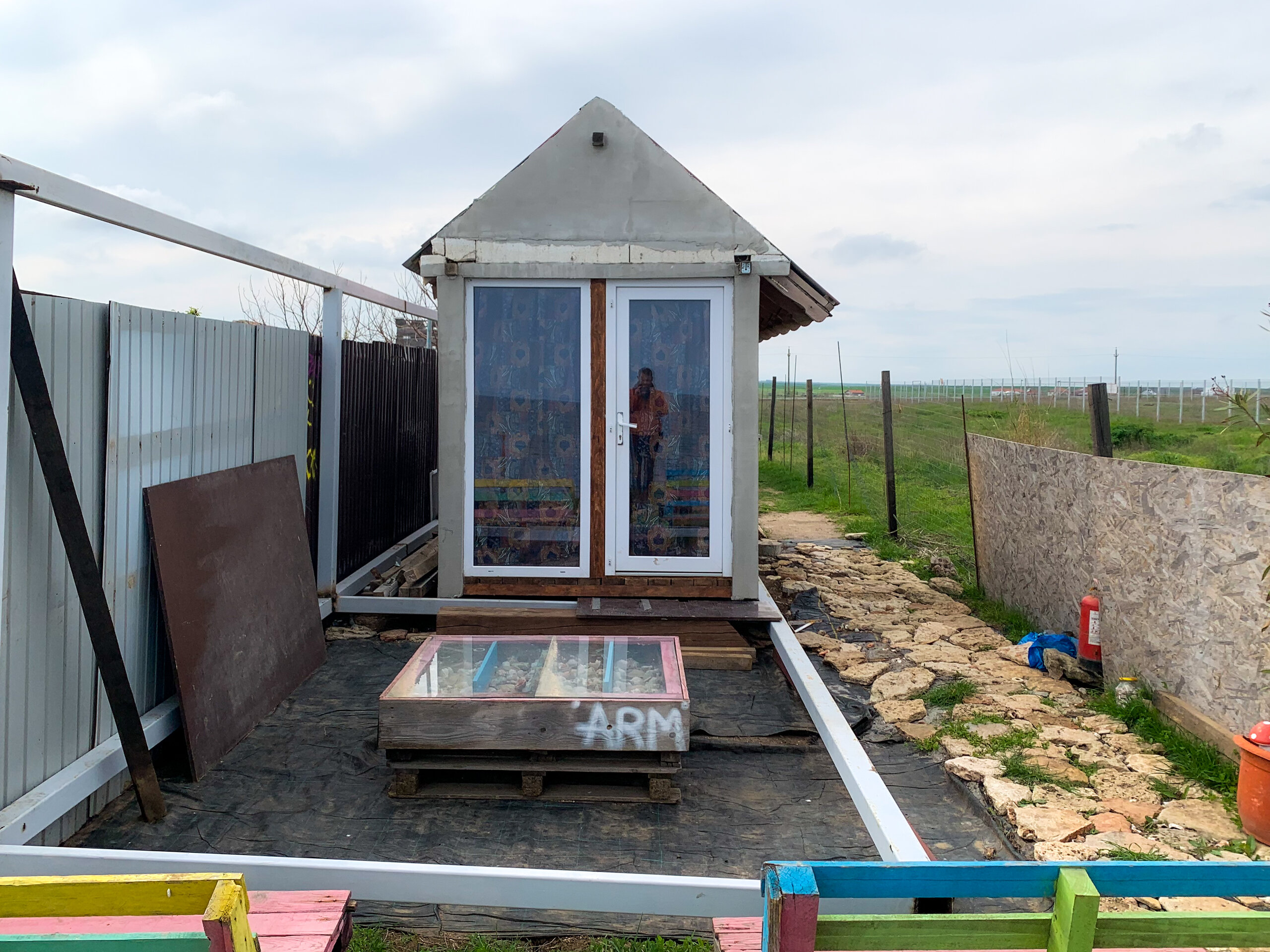
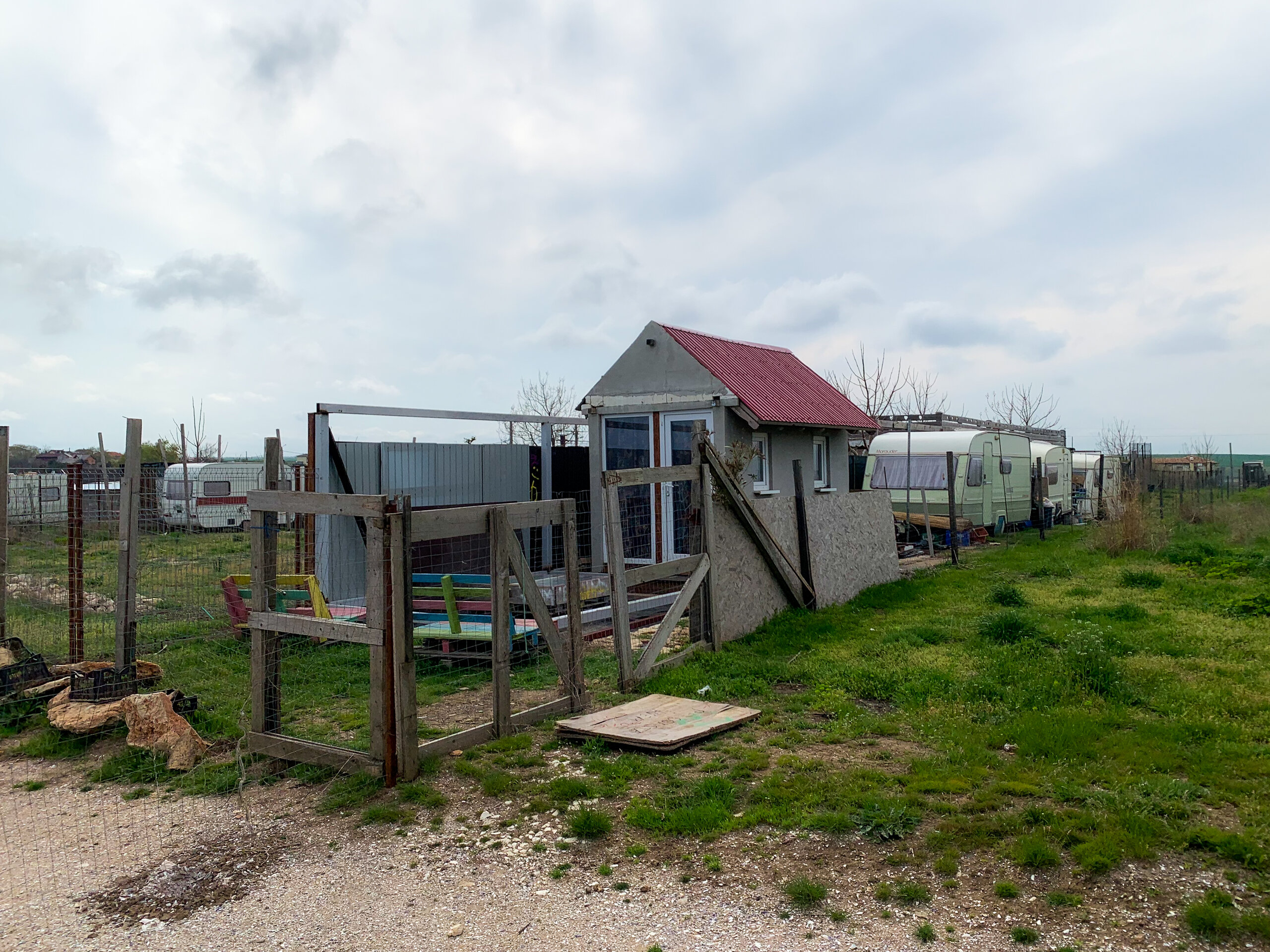
How does one actually go about realizing this beautiful nightmare? Although it is easily overlooked, the fence seems to be the basic building typology - the zero degree of architecture. In Vama Veche the land is the building. From a simple perimeter fence to the familiar form (house with landscaping) there are multiple intermediate degrees where real architectural and business successes have been realized. Often the land begins to be inhabited before the building appears. The land is connected to water and equipped with a place to shower, the land gets a table, hammock, chairs. You live outside or in a tent, and at some point it shows up:
A container
5. Symbols on vacation
Collage is how Vama is urbanizing. Once the land is fenced off, each local-owner brings a small piece of the world map, adds it to the big patch-work of Customs and offers it to the local-tourists. One's from Greece, another from Turkey... but sometimes reverberations of the Prahova Valley or Bran. Hippie beach, but also Predeal. Mediterranean, but also mountain. Some people even move bits of Vama Veche around. That is to say, the old Vamă - the one that is supposed to have disappeared, but intermittently reappears There or Beyond.
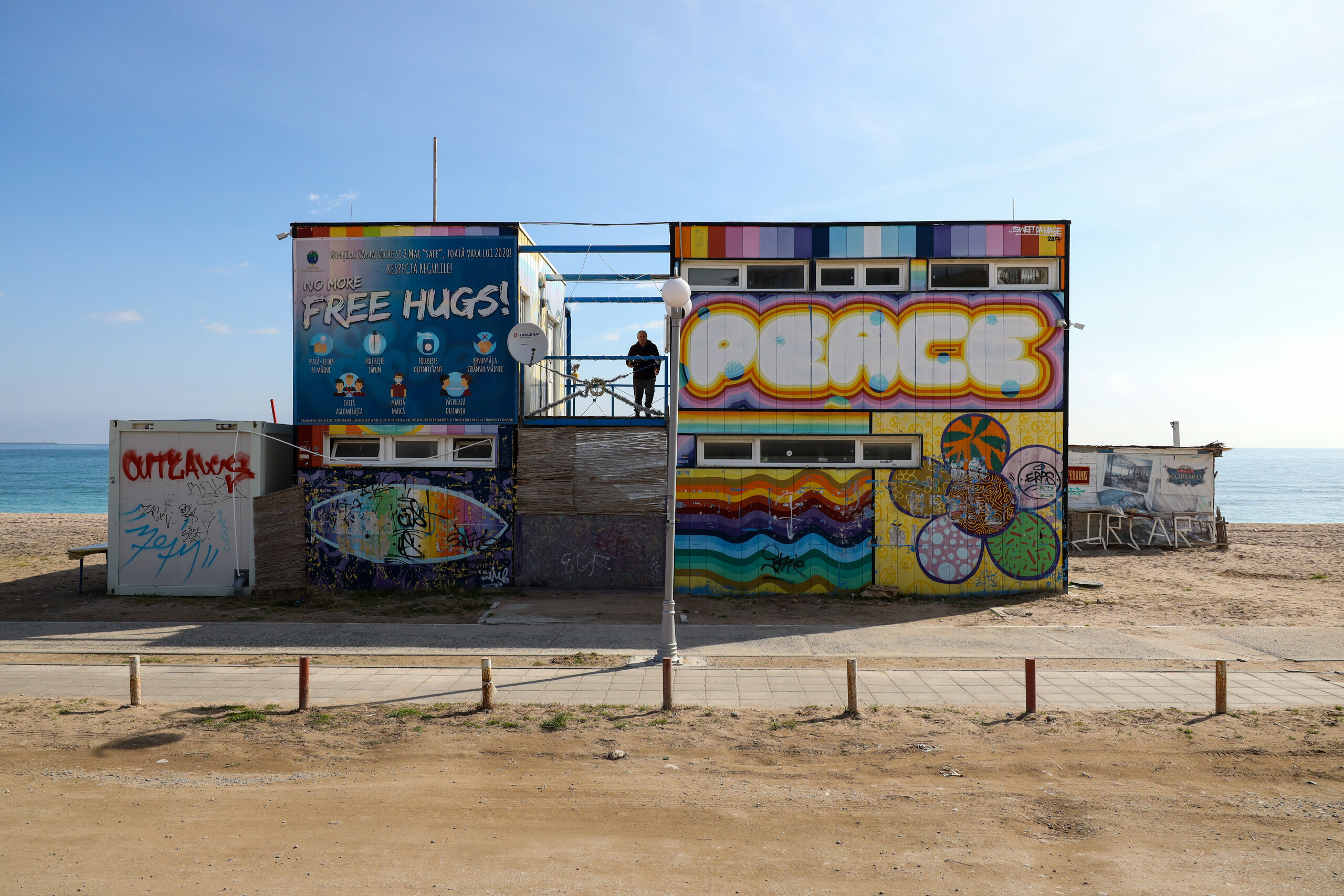
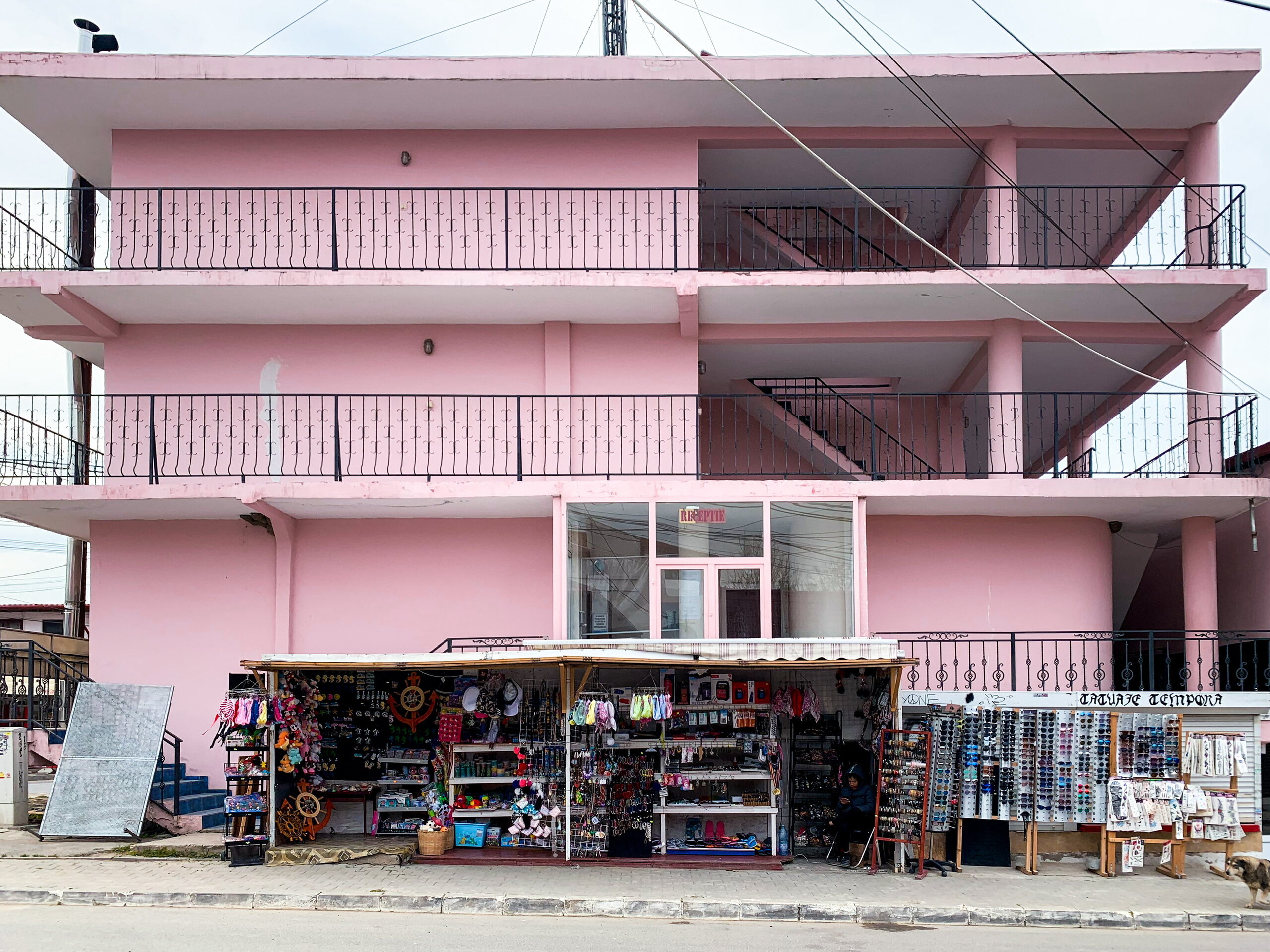
One might say, then, that the Vama is the result of an emotional dialog between those who ask and those who give. The dialog is carried through the services, the layout of the land and buildings and results in the grand urban form so typical of this place. Finishes and colors contain messages. They are an intuitive language that guides the local-tourist to the thing or place that 'meets their needs'. Are you hippie punk-ist or against the system? Come on over, we've got a yard with tents and pallet furniture. If you're into partying and don't care where you live, come to us - we've got tiles everywhere, we sanitize daily, and our building has as many features as it takes to recognize it. Are you a design hipster? Join us, we have riff raff,gourmet breakfast and Norwegian furniture. "Architect-built building by an owner who believes Vama is not what it used to be," reads the wordless writing on the facades of some of the hostels.
6. Precar
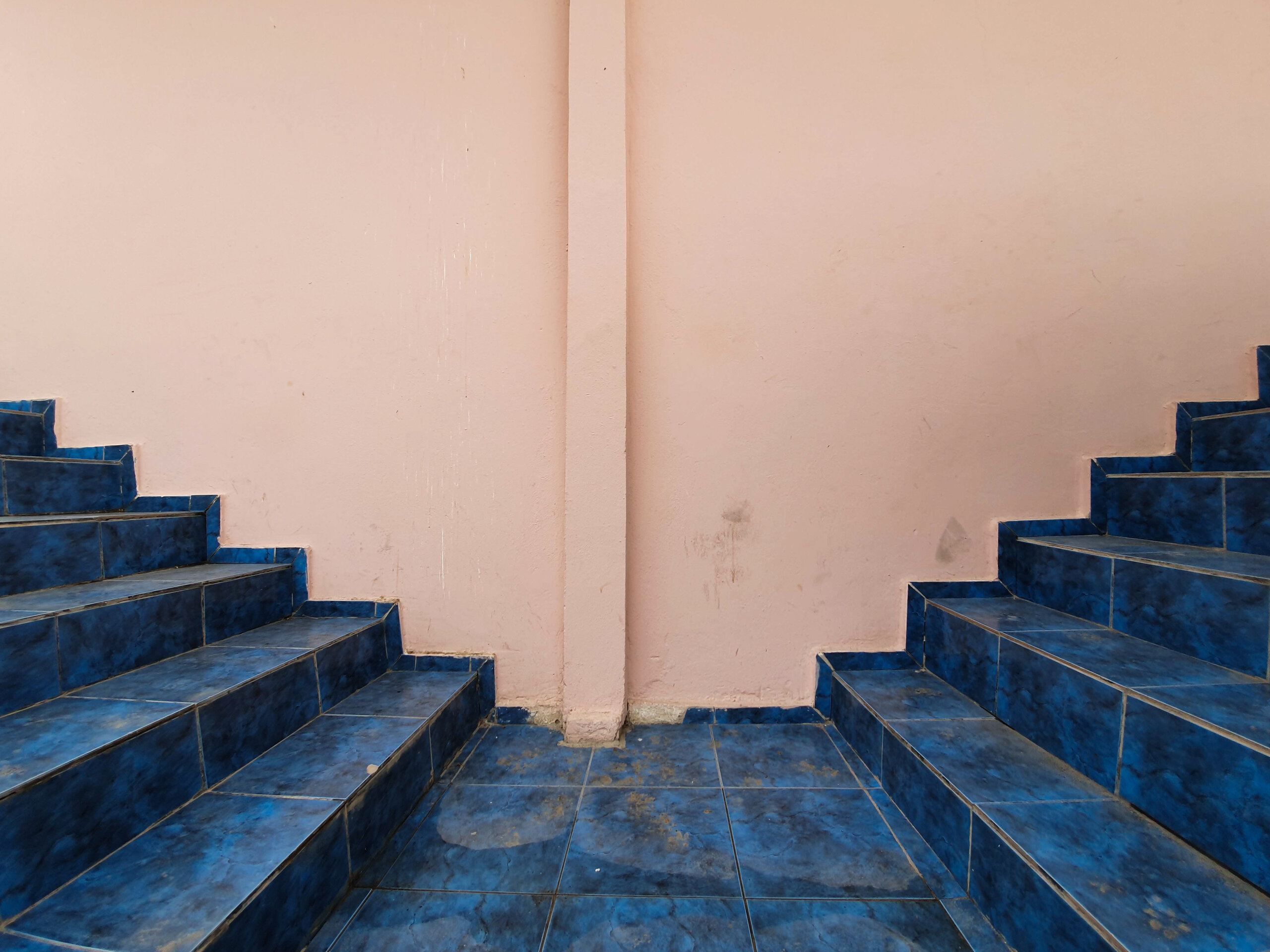
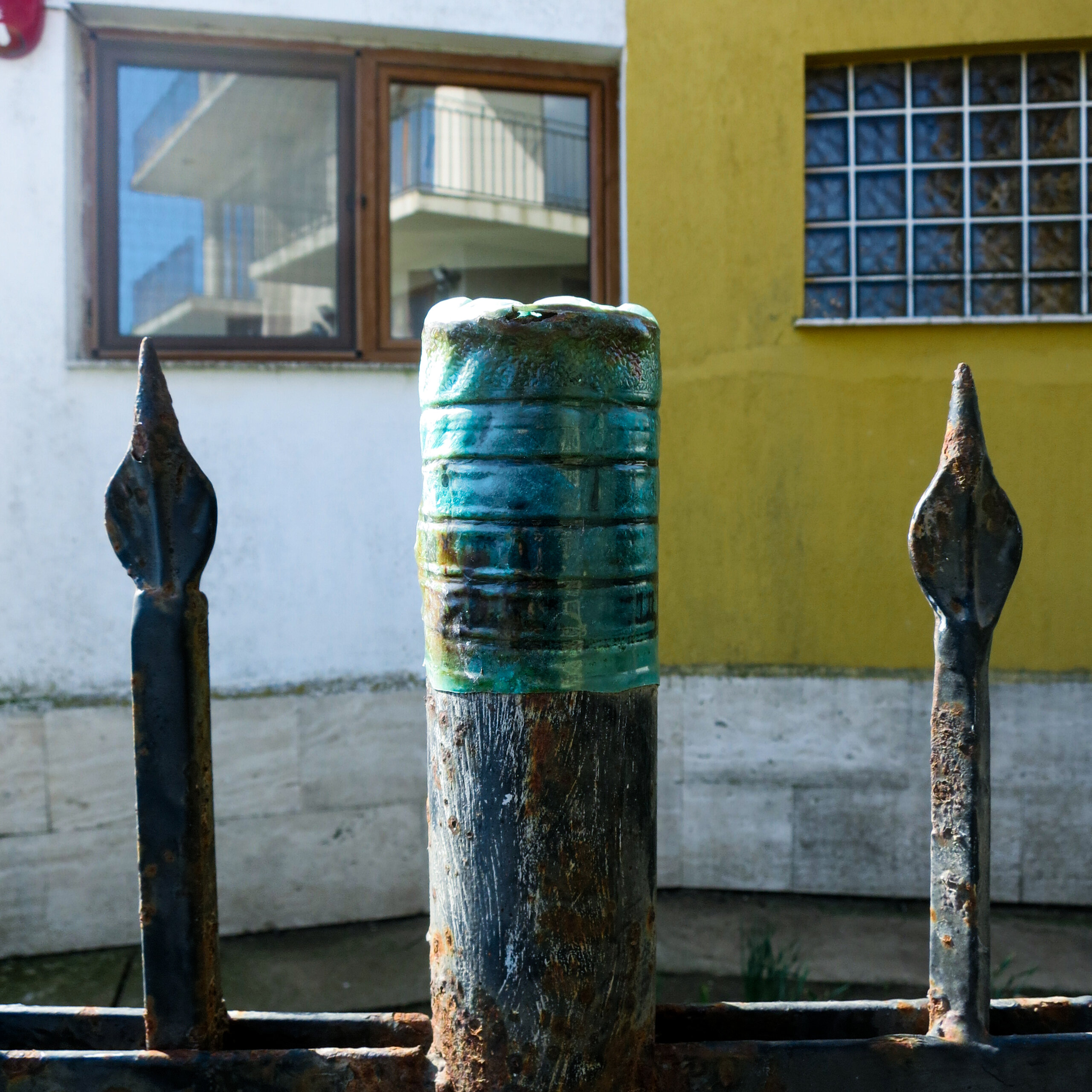
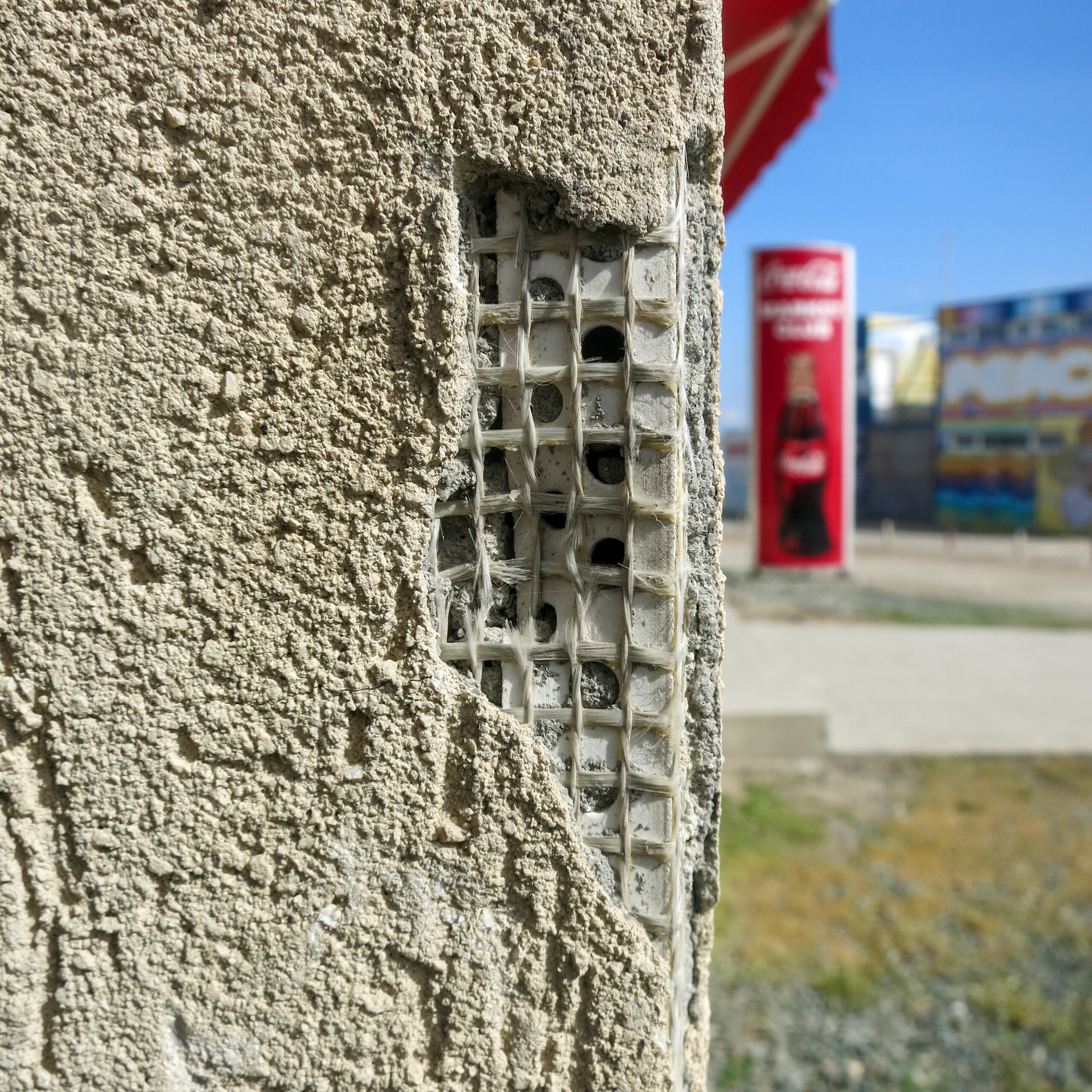
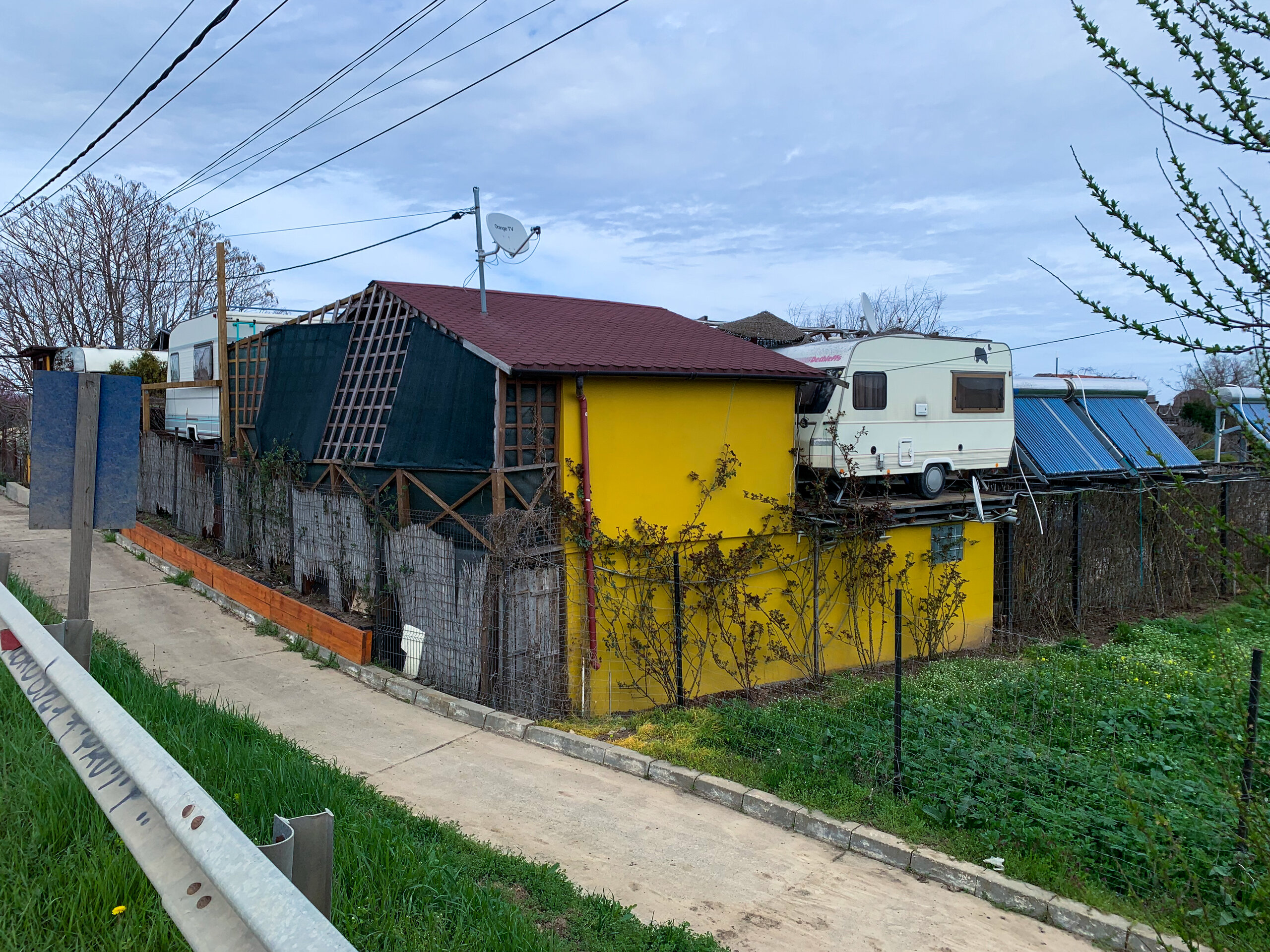
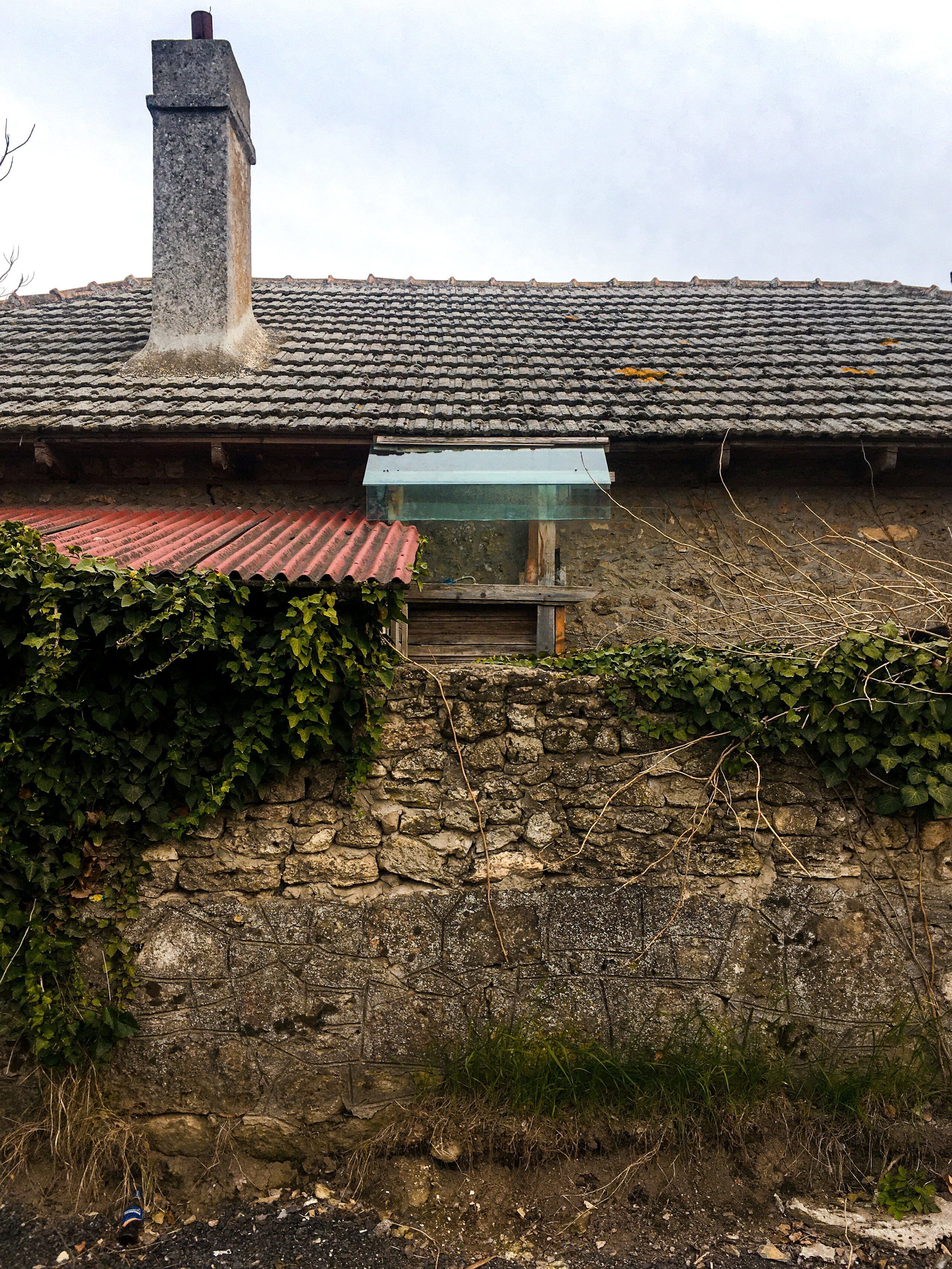
Precariousness leads the way. Precarious means stopping at the edge. Maybe a little beyond. The foundation of the house is precarious, the structure of the house is precarious, the installations are hastily done. Precariousness underlies the most important aspect of Old Old Customs House - it is a laboratory for experiments in housing, so it moves forward by trial and error. The Old Old Customs House is a record of its own evolutionary process, it is urbanism with track changes - it doesn't hide its tracks, and its mistakes are almost defiant - challenges to other builders to dare. To err harder.
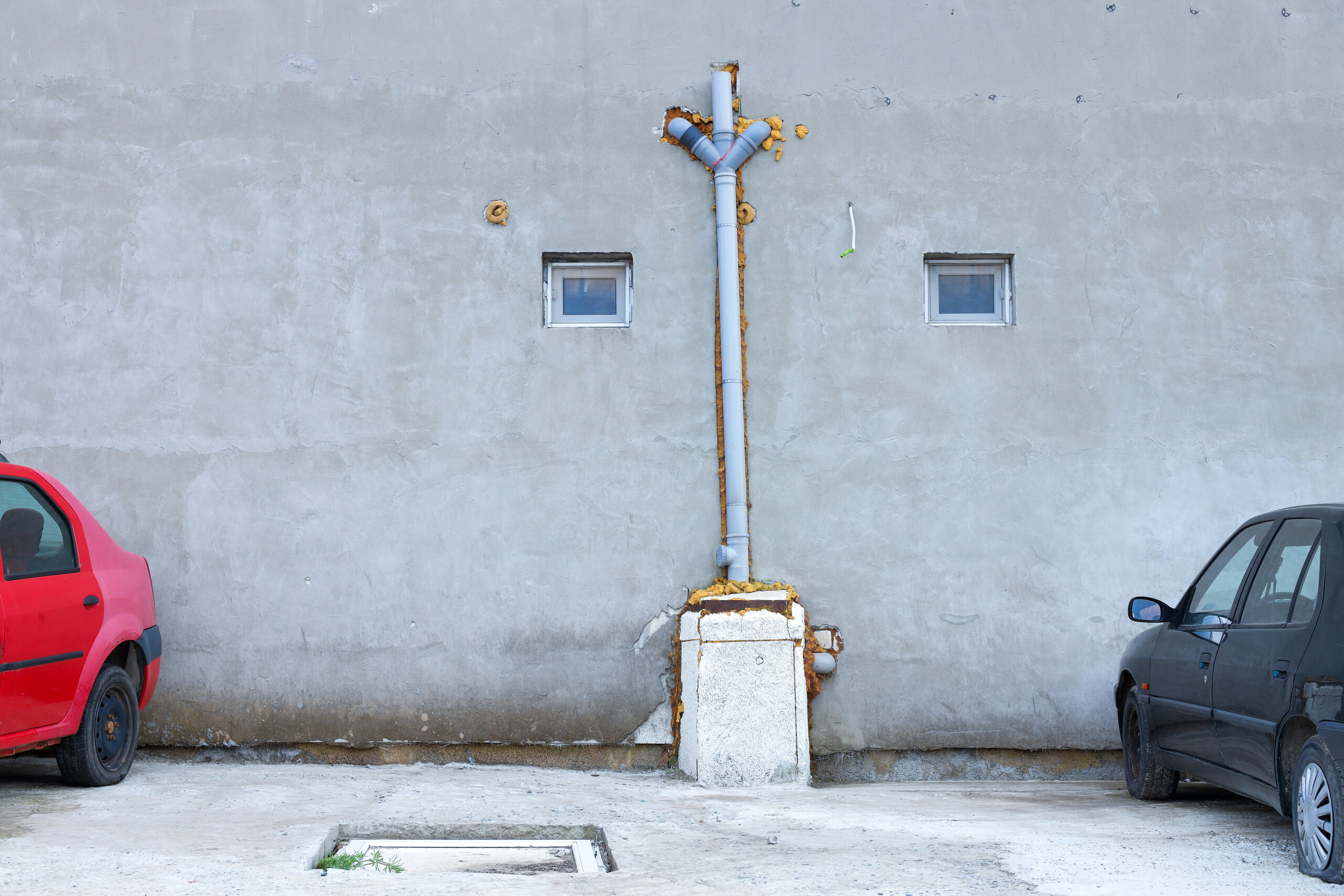
The "good" architecture seems foreign, inauthentic, respectable, but out of step with a well-read city dweller's dream of what they should find by the sea. To understand this place's contribution to our understanding2 of the idea of the contemporary city you have to let go for a moment of prejudice. Mixture and invention are significant. On every site someone has invented at least 1 thing, a space, a solution to one of the problems of the place. There are thousands of such inventions, surprises, passageways, passageways, hollows, vegetation vaults and half-closures, ells, porches, parapets, curches, little courtyards, little rooms and other spatial diminutives. The elements of the vim lean, crowd, adapt. They are the height of contextualism. Then there are countless other kinds of fasteners, glues, screws, adhesive strips, but nothing beats the power of silicone to cure any architectural ailment, to bandage any hole, to decorate any bathroom. The big sea, the Black Sea, jostles on the beach with the sea of the commercial vernacular, of stone, mortar, BCA, BCA, OSB, copex, fir wood, nails, screws, sawdust - Dedeman in cocktail shaker.
"Nothing exciting here, some would say, just pragmatic decisions and a desire to get things done as quickly and cheaply as possible." True, but not quite. Customs' pragmatism defies reason. And since when did the idea of building cheaply lose moral validity?
7. The inevitable aesthetic project
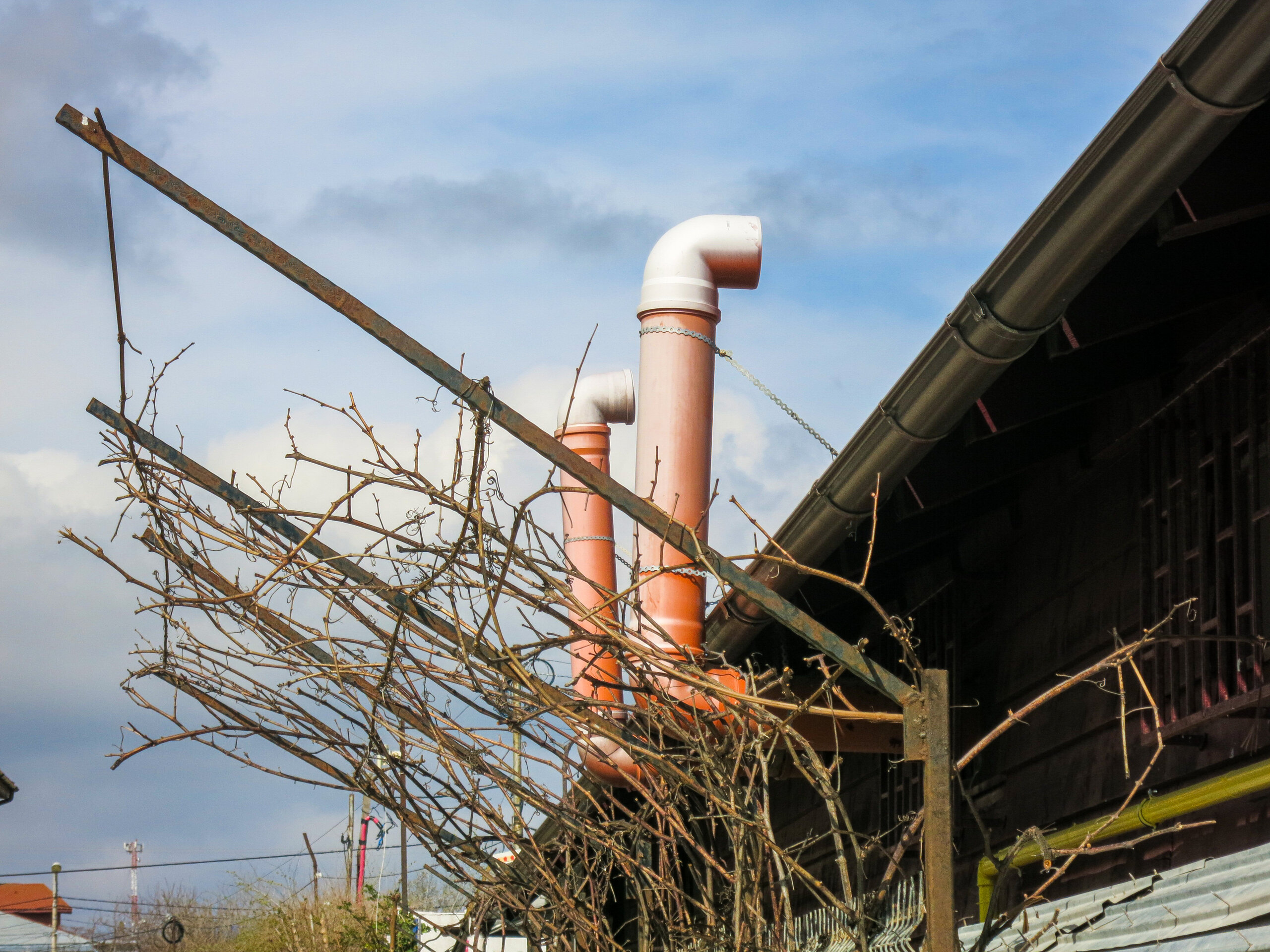
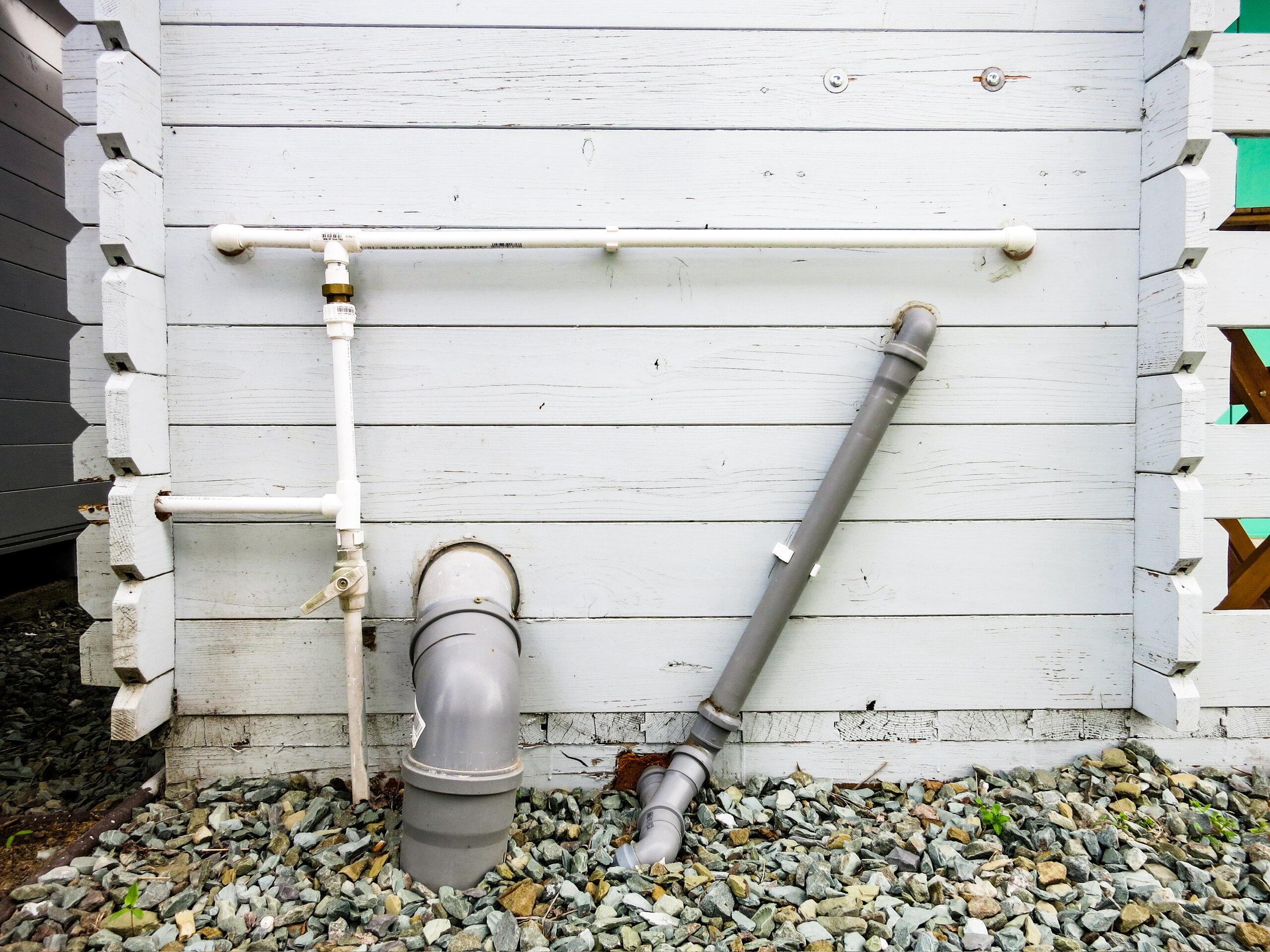
Customs only operates seasonally and that simplifies the facilities situation. You don't need heating, and you can leave the pipes exposed on the outside of the building. If you want, you can put them out on the street, expose them, evacuate them from the inside, and that way you integrate them into the city. In the Vamă the preconditions for the expression of installations and structure on the facade have been created, therefore a new aesthetic project is inevitable - how exactly should these elements be expressed - on color codes - open source arrangements or talking decorations?
8. Inside
Many of the interiors of Customs are virtually absent. They are so generic, so non-specific, so sufficient.... The theoretical reason for the existence of this place is poché: a rest or a technical space because, technically, you need sleep.
o
At the construction shop
But the Customs House wouldn't be possible without its complementary opposite - the construction supply store. The creativity of the Customs House is rooted in the rigorous order of the materials store - an orthogonal space with clear categories - a library of elements that allow you to make combinations. A grid. Vama is anti-categorization (e.g., a non-functional bicycle has been welded into a metal frame as a gate) and encourages juxtaposition and collage, but how could it do that without access to a database that can be twisted. The construction shop, on the other hand, as real-and-imaginary space compulsively indexes, divides, distinguishes and regregisters. The randomness of a contemporary urban space such as Vama Veche seems directly proportional to the indexing capacity of the building materials store. And if the store's big box could be likened to the box of a children's building game, Vama would be the space delimited by those 4-5 objects that appear in front of the box, in an inevitable promotional image3 - "here are some of the countless combinations you can create with this game".
The firmness of the organization of the construction shop conveys a certain fragility of the placement of the elements, in practice. The conceptual matrix of the shop is so strong that it seems as if the materials can't really break away from it; they can't melt into new arrangements and structures. One minor detail betrays the relationship of the two spaces - builders no longer bother to peel bar codes off various objects. The beams, cornices, sinks and lamps seem to await their return to the storeroom once the masquerade is over.
NOTES
1 Venturi, Scott Brown, Izenour, Learning From Las Vegas, MIT Press 2005, p. 3.
2 I commend to the reader Albert Pope's book Ladders, on the shape of the contemporary city, which begins as follows: 'The contemporary city, the city that is at this moment under construction, is invisible. Despite the fact that it is endlessly reproduced, debated in learned societies, and suffered on a daily basis, the conceptual framework that would allow us to see the contemporary city, is conspicuously lacking. While it remains everywhere and always in view it is fully transparent to the urban conceptions under which we operate'.
3 Although I do not wish to illustrate this passage in particular, the reader can look for one of the Austrian Matador games, invented in 1899 by the engineer Johann Korbuly. In addition to their quality, the reader will delight in the passage from Aristotle that occasionally appears on the boxes: For the things we have to learn before we can do them, we learn by doing them (from Nicomachean Ethics).