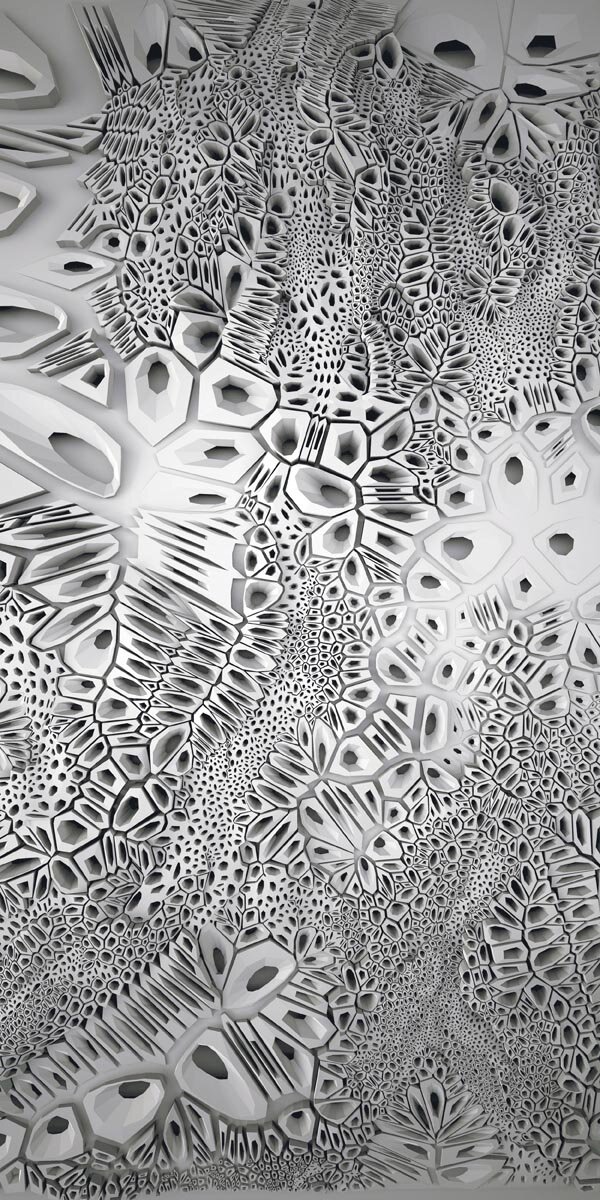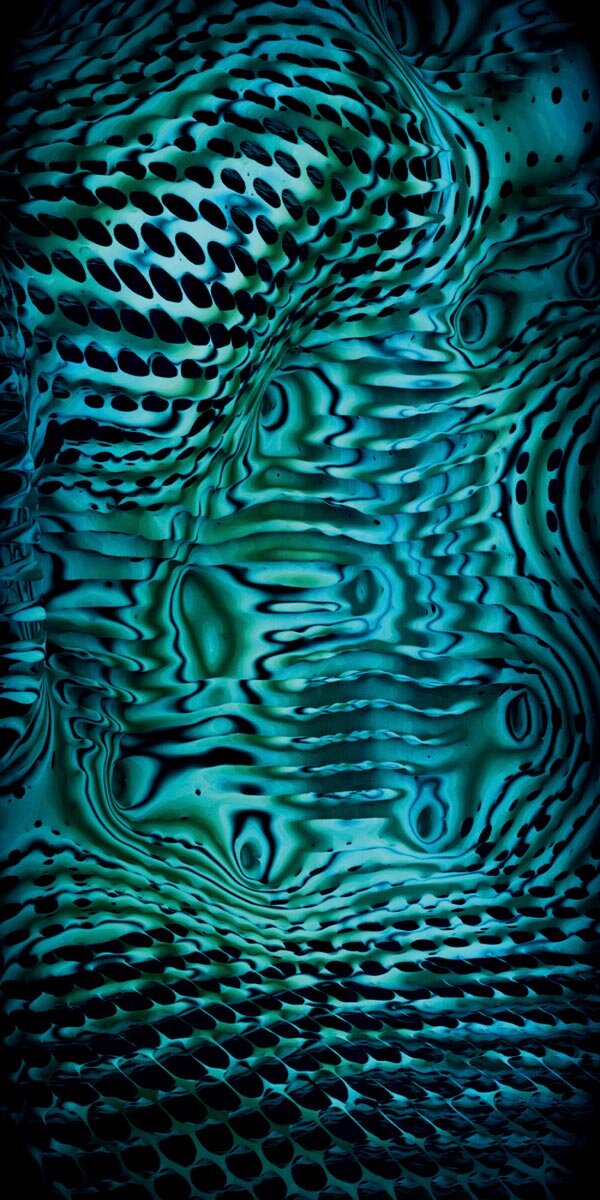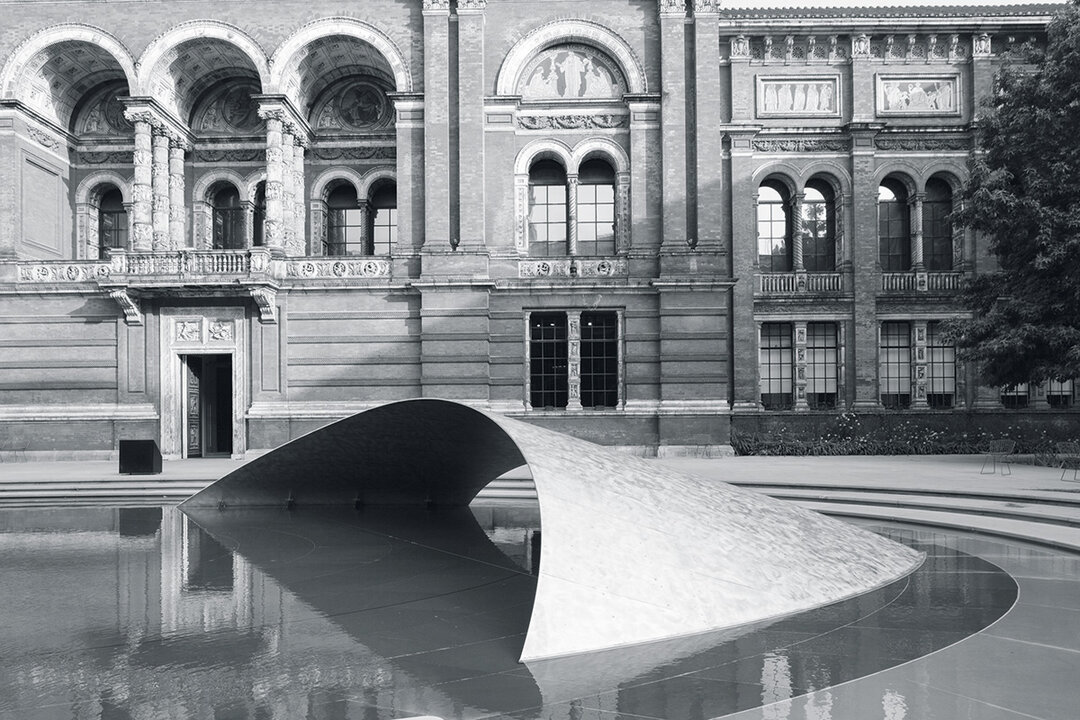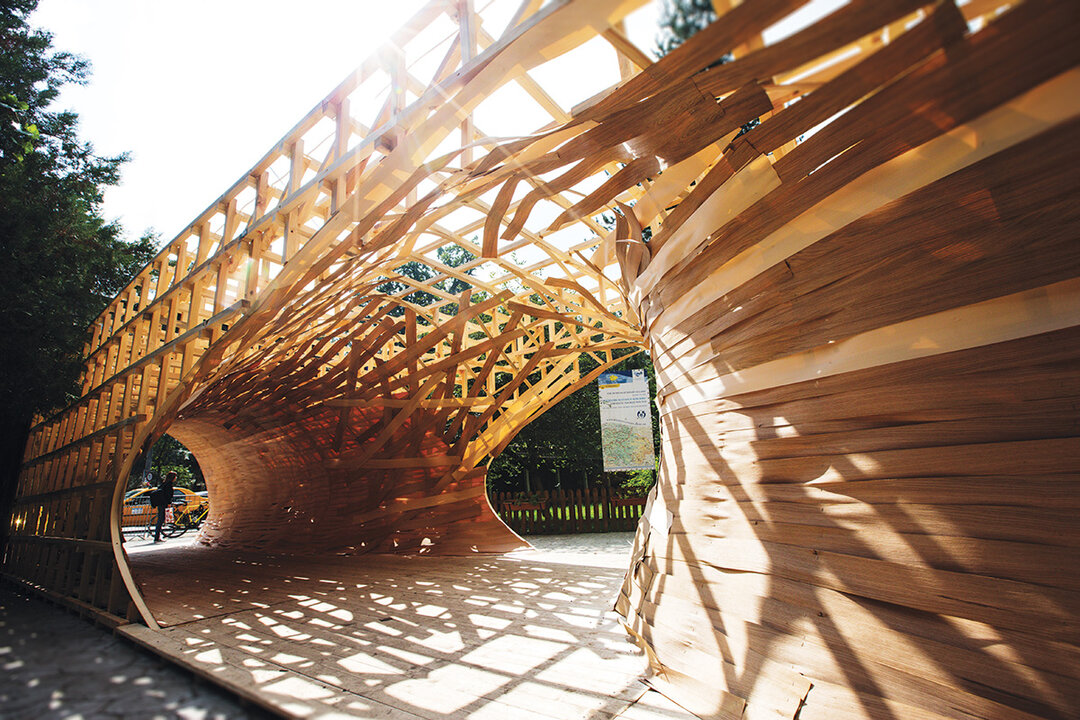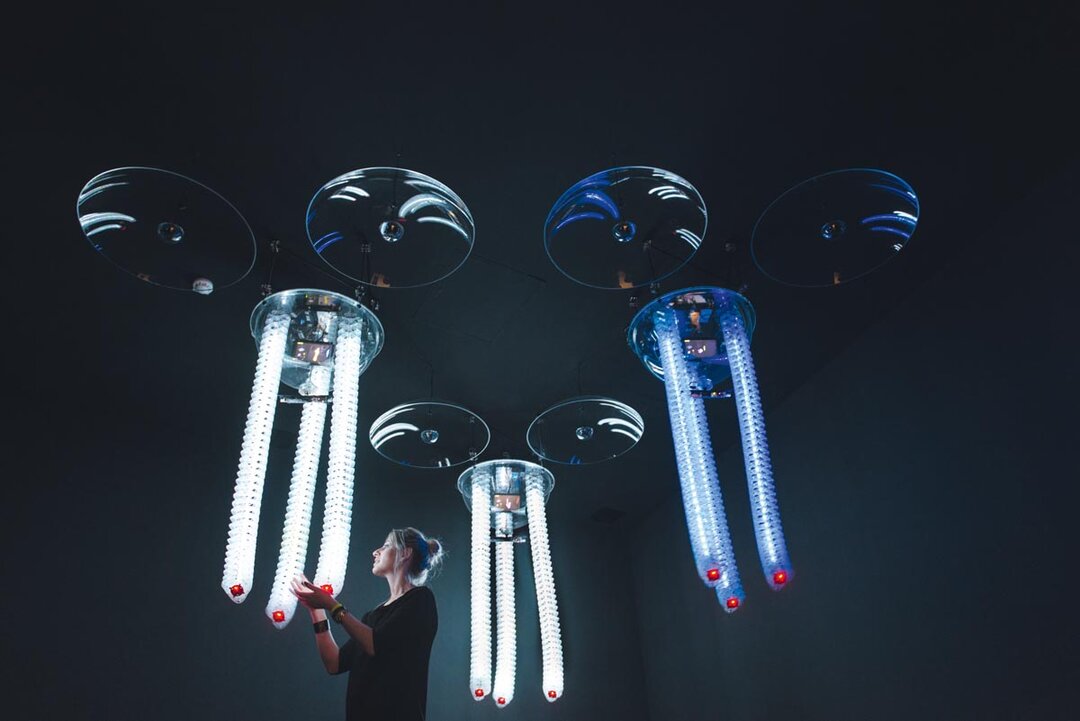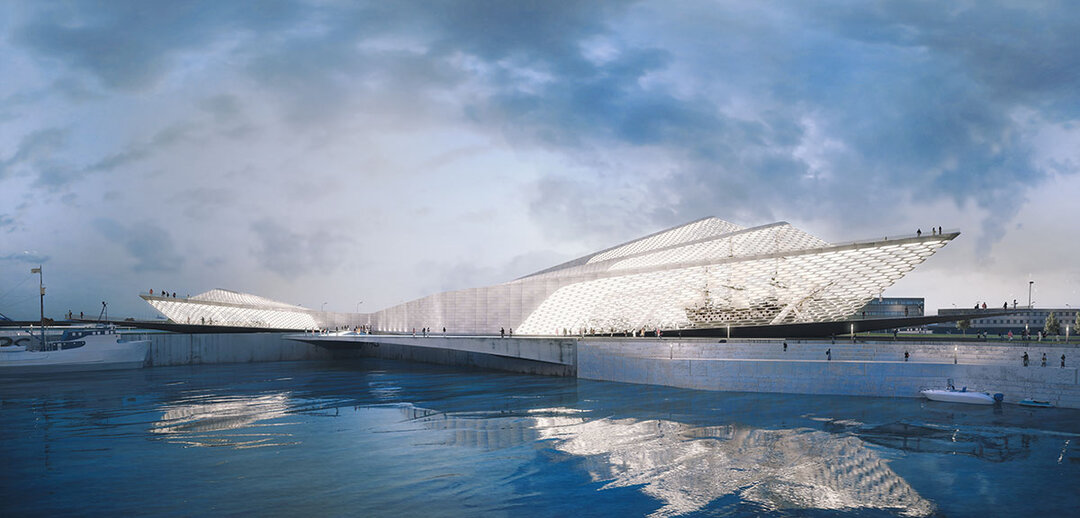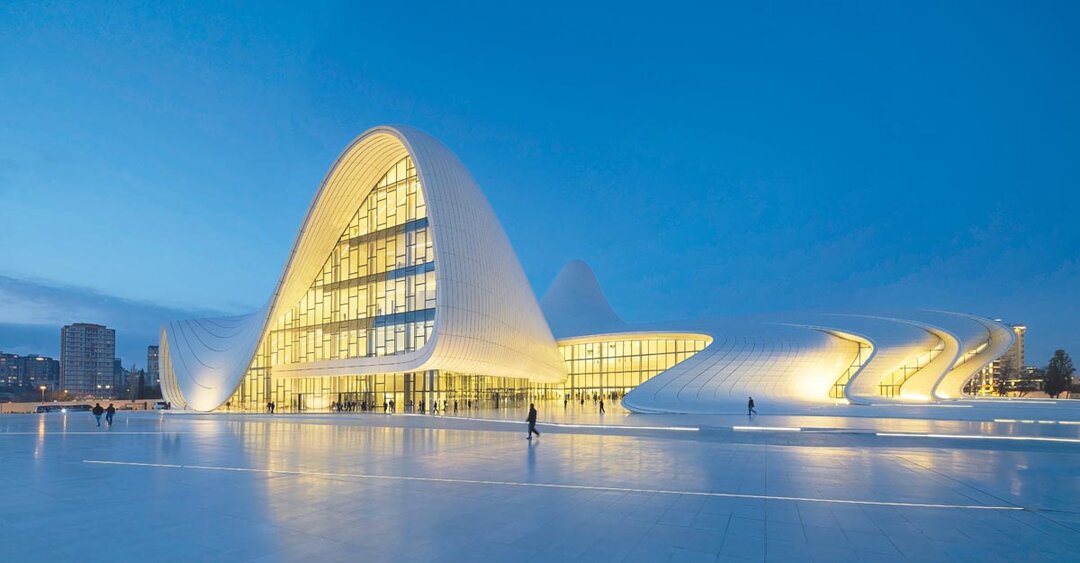
VES-EL - Design: Gareth Neal & Zaha Hadid


Nonstandardstudio is an architecture studio, based in Vienna, focused on questioning conventional methodologies and experimenting with and developing innovative, computationally accessible design methodologies/strategies related to urbanism, architecture, design.
Agenda
Nonstandardstudio's research agenda focuses on generative strategies aimed at creating highly complex autopoietic systems that can provide novel opportunities, for architectural organization, articulation and meaning, strategies resulting from simulating growth algorithms, rule-based, multi-agent systems and bottom-up approach.
The main theme of the agenda is the creation of complex interdependent autopoietic systems, having as reference natural systems, constituted of subsystems with enhanced properties of awareness and adaptability, both with respect to the components of the system composition and to the local systems and environment. These systems are able not only to adapt to the local environment, but also to create new environments and ecologies. Therefore, they create an open, highly differentiated and correlated, rather than a closed system.
Environment - Supercomputing (GPGPU) - Stigmergy systems
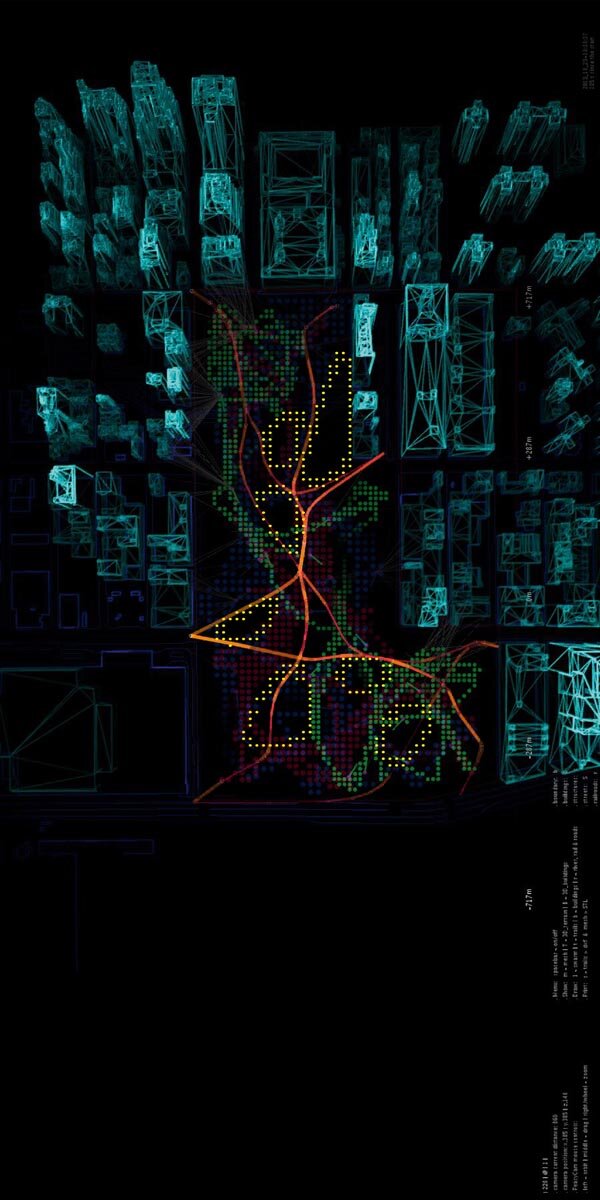
In Emergence: The Connected Lives of Ants, Cities and Software, Steven Johnson presents urban fabrics as a manifestation of emergence, operating as an adaptive dynamical system based on proximity interactions, pattern recognition and mediation, like any emergent system.
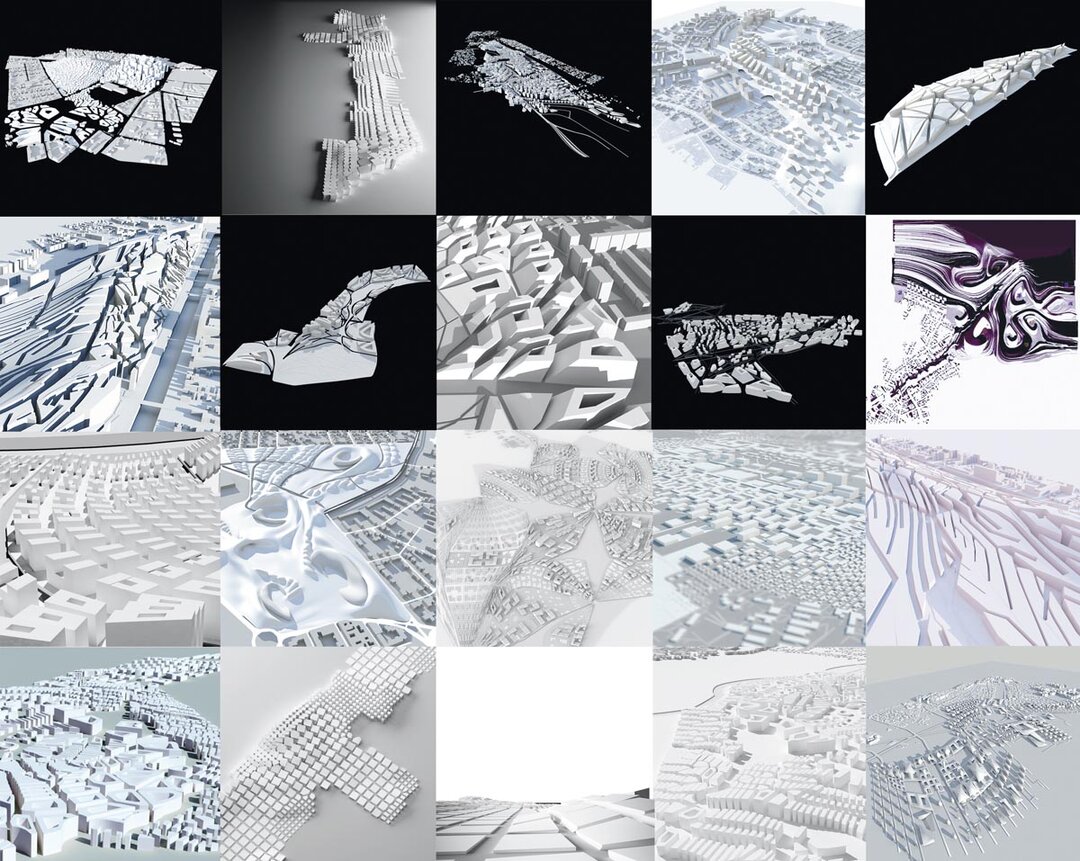
Supercomputing enables the development of new design methodologies for architects and designers. They make it possible to move from static parametric models to models based on the simulation of complex systems that require massive computational power (such as multi-agent systems - MAS, learning algorithms, stigmergy systems, social agent simulation, fluid simulation and other growth or computational algorithms for building physics).
While until now the design process has been predominantly dominated by a sequential approach - the design being generated and evaluated in a sequential way, with reference to different manufacturing, accessibility, navigation, structural, efficiency, environmental/context parameters - recent advances in computer technology make it plausible to approach a simultaneous process, allowing for exacerbated correlation and articulation of both subsystems of a system and other external systems.
These advances allow architects to reflect on the possibility of accessing the physics of structures, materials, and structural and social behaviors at different scales. They make possible a simultaneous integration (in the design process and formal exploration) of the parameters and constraints of fabrication, social interaction, navigation and environmental/contextual constraints. In this way, all constraints and all parameters can and are modified, resulting in a differentiated and optimized complexity, similar to the complexity of an ecology. In this way, the ecology of autopoietically generated complex structures will be able to control local dynamic information. This concludes in the ability of the system to influence and adjust major urban processes by incorporating architectural/urban intelligence into the generation, organization and performance of public spaces, user activities and social behaviors.
Organization - Urban Fabrics
The organization of an urban tissue, based on the stigmergy model, can only be achieved if the component and individual parts of the system (or different external systems) are able to interact through sematectonic communication. This type of indirect communication is realized in two stages: when the agents are able to interact and modify the common local environment; and when the behavior of the agents is regulated by their previous modification of the common local environment.
In an ecology of self-organizing systems, there will always be different types of agents, with different behavior and goal. They will interact (or modify) their environment in a different way, based on their specific characteristics and properties. At the urban level, each program/function (office, retail, recreation, housing, culture, traffic) is assigned an agent system, which takes over all the parameters corresponding to the program/function. Series of interdependent differentiations and correlations of differentiated series will result according to the ecology of stigmergy agents, responsible for various levels of differentiation, affiliation rules and correlation levels.
Local rules of communication, such as physical and visual connectivity, are extracted and used as a bottom-up strategy to generate growth algorithms, responsible for the formal and semiotic organization of the urban fabric. By implementing these simple proximity rules, a wide range of possible variations and compositions of gradients of physical and visual connectivity are generated, alternating from no physical and visual integration/connectivity of spaces at all, to exclusively physical or visual integration/connectivity, to maximum physical or visual integration/connectivity. These rules are manifested at the urban level by encouraging the interrelationship of multiple component systems and through mutual principles shared by all component systems.
This kind of relations of proximity, physical and visual connectivity will enable both negotiations of local proximities and global proximities of the urban system. In this way a coherent urban fabric emerges that is coherent at both the local and global scales, where local rules are responsible for the organization and coherence of the system at the global level.
Once a layer of common properties is established, the urban fabric is generated, which is based on a dominant system and multiple systems correlated with it, determining hierarchies in the whole urban system. Each functional system is introduced in a sequential way, the fabric being altered and updated in a simultaneous way by the information of the introduced system. Each introduced system generates specific alterations - when interacting with the existing system/tissue - the ecology of agents allows for the correlation of multiple systems, as well as exacerbating the contributory coexistence of different layers of articulation, both locally and globally.
Tectonic articulation - Structural articulation
By self-regulating the essential parameters of the distribution of structural forces, the ecology of agents develops a procedural mechanism of self-regulation - autopoietic/homeostatic system - instance in which the system becomes self-generating, allowing the development of a correlated and differentiated multisystem. In this case, like natural systems, the compositions are so intricate/integrated that they cannot easily be broken down into independent subsystems. Thus, the ecology of agents becomes a self-referential and self-organizing system that evolves through structural coupling (how they relate to each other), realizing that outside influences cannot shape its internal structure, but can only trigger its mechanisms to modify current influences. The resulting system will be a densely articulated system with respect to its component parts as well as with respect to its external parts.
The transition through the differentiated spectrum of the tectonic structure, generated by applying the principles of collaboration and structural coupling of the stigmergy system, allows articulation between a variety of spaces, this being the premise for the development of diverse communication scenarios.
Significance
The ecology of stigmergy agents will act as an interface for non-linear negotiation between the sum of behaviors and the information conveyed, in such a way that each agent system will collect information about physical connectivity, structural properties, orientation aspects or properties of social activities.
The meaning/semiotic system is generated by the ability of agents to identify morphological location cues (embedded in the articulated morphological environment) that not only inform, but also adjust the behavior of agents through sematectonic communication. This ability allows the system to accommodate agents that have responsible organizational properties for separating or connecting other classes of social agents, which, through interaction with other agents and the physical environment, will generate a "social memory". The agents will be aware of this generated 'social memory', which gradually leads to the generation of a spatial-morphological system of meaning. In this way, the agents are able to generate a semantically-loaded, highly differentiated environment that allows other social agents to orient themselves and interact, according to different conditions inscribed in the articulated morphological environment.
Metabolism and Morphology
"In the natural environment, the metabolism and form of natural organisms have a very different relationship (from that in built architectural space), where there is a complex choreography of energy and material that determines the morphology of living organisms, their reciprocal relationships that determine the self-organization of populations and ecological systems"(Metabolism and Morphology, Michael Weinstock).
Therefore, the studio's research is not to imitate organisms found in nature, but to examine the differences identified in natural processes. These are applied in an unconventional way to create new architectural and urban environments and formations, systems with self-referential and self-regulating procedural mechanism, which generate multi-systems that are interrelated and differentiated and act like an ecology, a metabolism.
Nonstandardstudio questions the methodology and strategies of conventional architecture by generating complex, interdependent autopoietic systems that create new opportunities for the main dimensions of the architectural task: organization, articulation and meaning.
References:
Manuel DeLanda, A new Philosophy of Society. Assemblage Theory and Social Complexity, 2006.
Steven Johnson, Emergence: The Connected Lives of Ants, Cities and Software, 2002.
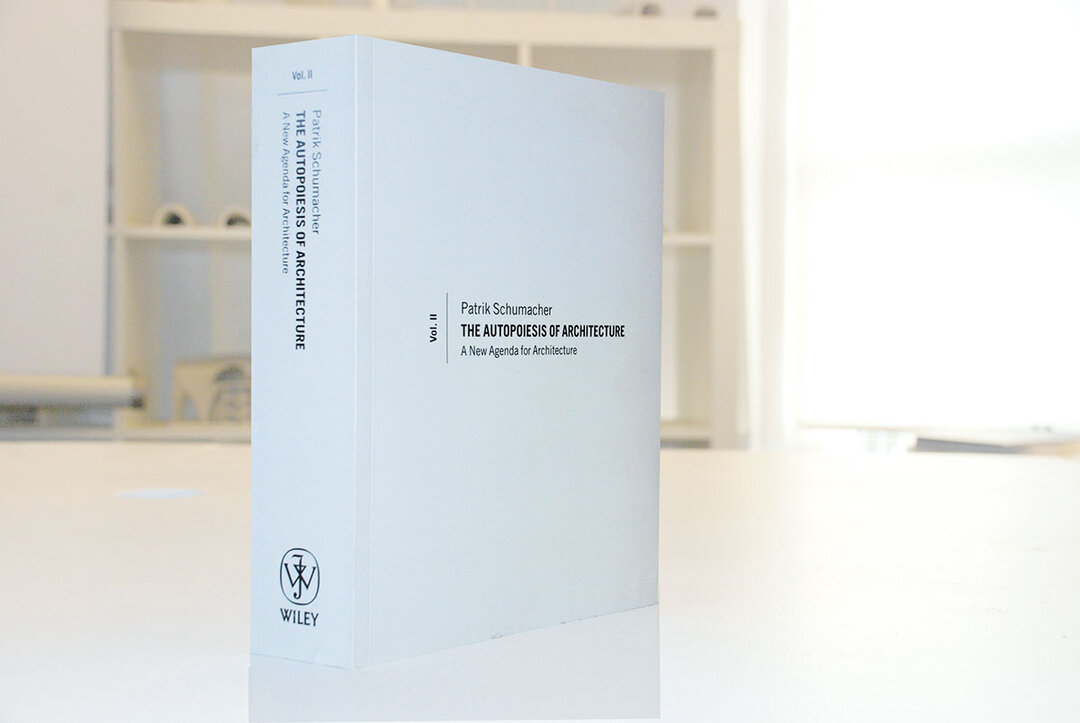
Patrik Schumacher, The Autopoiesis of architecture. A new Framework for Architecture, 2011-2012.
Michael Weinstock, Metabolism and Morphology, 2008.
Nonstandardstudio is a Vienna based architectural practice, led by Daniel Bolojan, dedicated to challenging conventional design methodologies, with a passion for experimentation, development of innovative design methodologies and strategies, enacted through the medium of computation, towards urbanism, architecture and design.
Agenda
Nonstandardstudio's research agenda is focused on generative strategies that target the creation of highly complex autopoietic systems that offer new opportunities for an architectural organization, articulation, and signification strategies that emerge from growth processes, rule based, multi-agent based systems, bottom-up driven design, rather than externally top-down driven design.
The agenda is focused on the creation of complexly interrelated autopoietic systems, more like in natural systems, with subsystems capable of increased awareness, adaptability, towards all its components and towards their environment. Capable not only of adapting to existing environments, but also of creating new environments and new ecologies, therefore creating open, highly differentiated and correlated systems, rather than closed systems.
Medium - Supercomputing (GPGPU) - Stigmergy Systems
As presented in Steven Johnson's book Emergence: The Connected Lives of Ants, Cities, and Software, urban fields are a manifestation of emergence. They operate as a dynamic, adaptive system, based on neighboring interactions, pattern recognition and indirect control. Therefore, are like any emergent system, a pattern in time.
Supercomputing enables new design methodologies for architects and designers, to move from a static parametric based model towards simulation of complex systems based models, that require a massive computation power, such as MAS (multi-agent systems), learning algorithms and stigmergy model simulations, social agent simulations, fluid simulations, and other growth algorithms or computational physics algorithms.
If before, the design process was driven by a more sequential process, where design was generated and evaluated in a sequential manner towards different fabrication, accessibility, navigation, structural, efficiency, environmental parameters, the new computational resources allow for a simultaneous process that allows a high correlation and articulation of one system, its subsystems or other external systems.
Advances in computer technology enable architects to reflect upon the possibility of being able to gain access at structures physics, materials, structural behaviors and social behaviors at multiple scales. At the same time allows them to embed, in the design/ form-finding process, constraints and inputs of fabrication, social interaction, navigation, environmental constraints in a simultaneous manner, rather than sequential manner. In this way all constraints modify and get modified, deriving into highly optimized-differentiated complexity that starts to resonate with the complexity of the ecology. In this way, the ecology of autopoietic complex structures emerges, that can control local dynamic information to influence and adjust larger urban life-processes by embedding intelligence in the formation, organization and performance of urban spaces, user activities, social behaviors, structural behaviors, interfaces, structures and infrastructures.
Organization - Urban Fields
Organization through stigmergy model can occur only if individual parts of one system, or separate multi-systems are capable to communicate with each other through sematectonic communication. That implies a type of indirect communication which occurs when agents sense and modify their shared local environment, and their behavior is being tuned by the modification occurred in the shared local environment.
In the ecology of self-organized systems, there will always be different types of agent systems, with different behaviors and desires that will sense or modify their environment in a different way, based on their own characteristics. At urban scale, each main functional type (office, retail, recreation, housing, culture, transportation), will have its own agent system with its functional type specifics/constrains. Series of interdependent differences, and correlation of resulting differentiated series, will emerge according to the resulting stigmergy ecology, responsible for degrees of differentiation, different affiliation rules, and degrees of correlations.
Communicational local local rules of physical and visual connectivity are extracted and used as a bottom-up strategy, to generate algorithms of growth that will regulate communicative and spatial formations. By implementing these simple neighboring rules, a wide variation and possible combinations of gradients of physical and visual connectivity emerges, ranging from a full absence of visual and physical integration between spaces, to a visual or physical integration only, to maximized physical and visual integration. These rules unfold at an urban level by encouraging correlation of multiple systems by means of principles that would be shared by all systems.
Neighboring relations based on physical and visual connectivity; don't allow only a local neighboring negotiation, but also a global neighboring negotiation. The result is a coherent field not only on a local scale, but also on a global scale.
After a layer of shared properties is established, an urban field is generated with the dominance of a system, establishing a hierarchy within the overall system. This field is gradually altered and updated by the information of the newly system introduced in the field. Each system acts within its own limits that had been already ascribed to it, and cause particular changes when it interacts with the existing field. The ecology of agents allows correlating multiple systems, and encourages the contributive coexistence of different articulation layers, on a global or local scale.
Tectonic Articulation - Structural Articulation
By self-tuning critical variables of force distribution within a structural system the ecology of agents develops an automatic mechanism of self-regulation - homeostasis/autopoietic system - where the system becomes self-producing, allowing for a correlated and differentiated multi-system. Where like in natural systems, compositions are so highly integrated that they cannot be easily decomposed into independent subsystems. It becomes a system with self-reference and self-regulation which further evolves by using structural coupling. Therefore, recognizing that the outside influences cannot shape the system's internal structure, they can only act as a trigger that causes the structure to alter its current attractors. The resulting system is a highly dense articulated system within itself, as well with a highly dense articulation between different other systems.
The transition through structural tectonic morphing, emerged through applied principles of stigmergic collaboration and structural coupling, allows for articulation between a gradient of spaces that sets the stage for varied communication framed scenarios.
Signification
The ecology of agents will act as an interface for non-linear negotiations between multiple behaviors and input data, in such a way that some agent types will gather data with regards to physical aspects of the environment, while other agents to structural, orientation and social behavior aspects.
The system of signification emerges through agent's awareness and self-awareness towards relevant morphological and locational clues, already embedded in the articulated formation that are not only informing but also tuning the agent's behavior accordingly, through sematectonic communication. This ability enables the system to accommodate agents that have organizational properties responsible for separating or connecting other classes of social agents that through interaction with each other and the physical/built environment will generate a sort of "social memory". The agents will be aware of the generated "social memory" that in consequence will lead gradually to the creation of the spatio-morphological system of signification. In this way, agents will be able to generate a semantically charged environment, with a high degree of differentiation that allows other social agents to orient and interact according to different conditions inscribed in the physical/built environment, in the morphologically articulated formation.
Metabolism and Morphology
"In the natural world, form and metabolism have a very different relationship [than in the history of built architecture]. There is an intricate choreography of energy and material that determines the morphology of living forms, their relations to each other, and which drives the self-organization of populations and ecological systems [...]"(Metabolism and Morphology, Michael Weinstock).
Our interest lies not in re-creating a particular form or organism found in nature, but rather in exploring differences in natural processes that are later applied in a novel way, to create new mediums, urban and architectural formations, that are systems with self-reference and automatic mechanism of self-regulation, and that allows for correlated and differentiated multi-systems therefore, being an ecology, a metabolism.
We are challenging conventional practice by creating architecture with a high level of complexly based on interrelated autopoietic systems that offer new opportunities for the three main dimensions of architecture's task - organization, articulation and signification.
References:
Manuel DeLanda, A new Philosophy of Society. Assemblage Theory and Social Complexity, 2006.
Steven Johnson, Emergence: The Connected Lives of Ants, Cities and Software, 2002.
Patrik Schumacher, The Autopoiesis of architecture. A new Framework for Architecture, 2011-2012.
Michael Weinstock, Metabolism and Morphology, 2008.