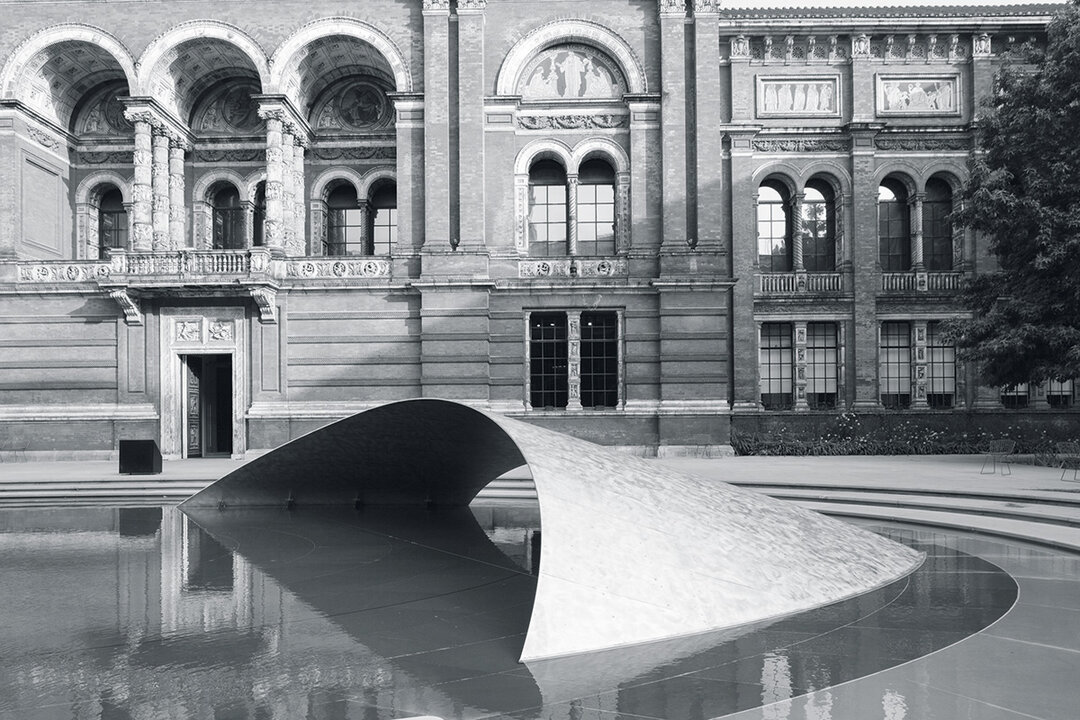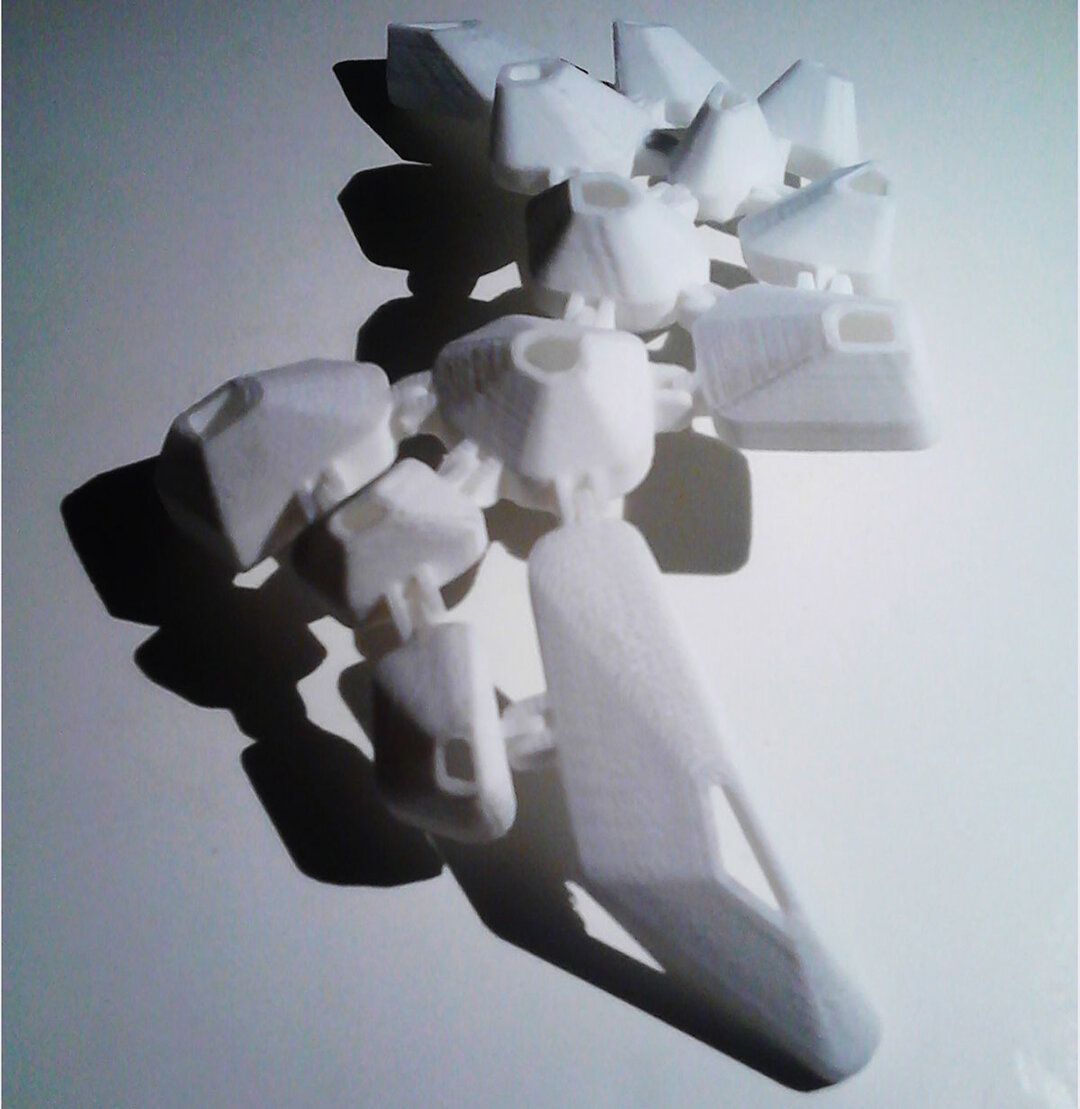
VES-EL - Design: Gareth Neal & Zaha Hadid

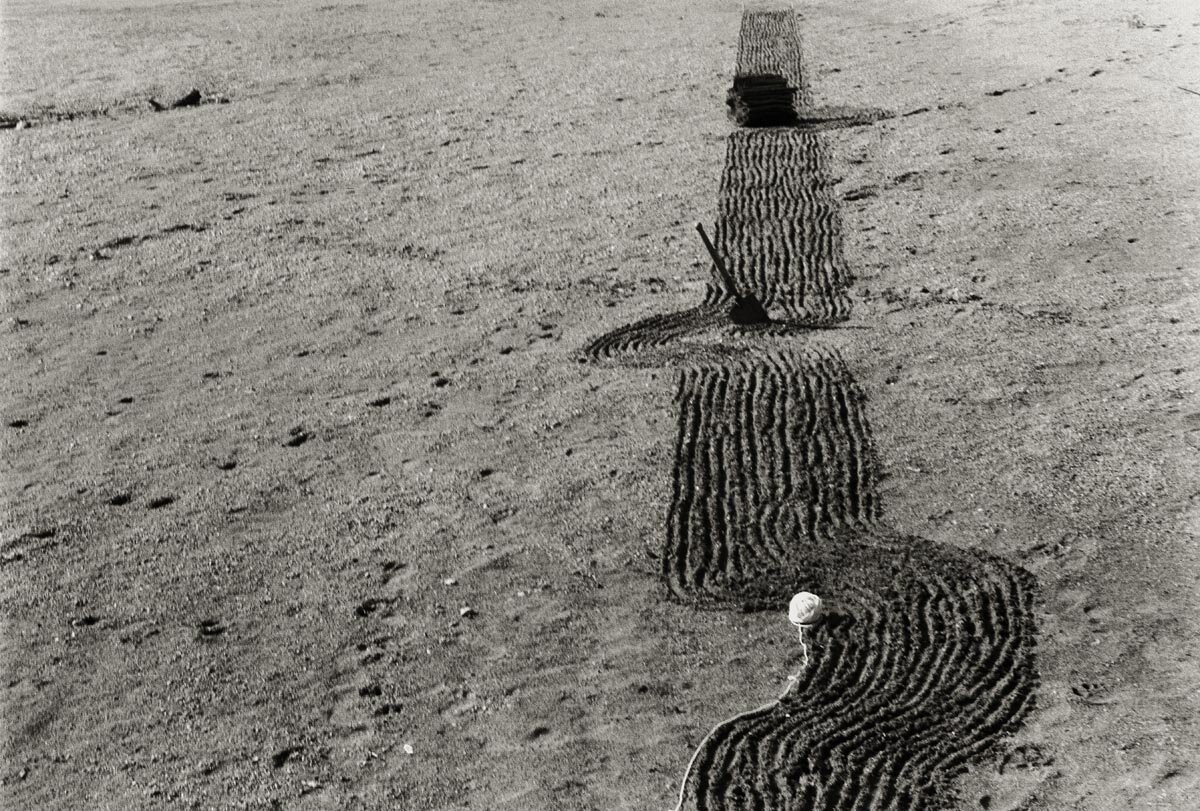
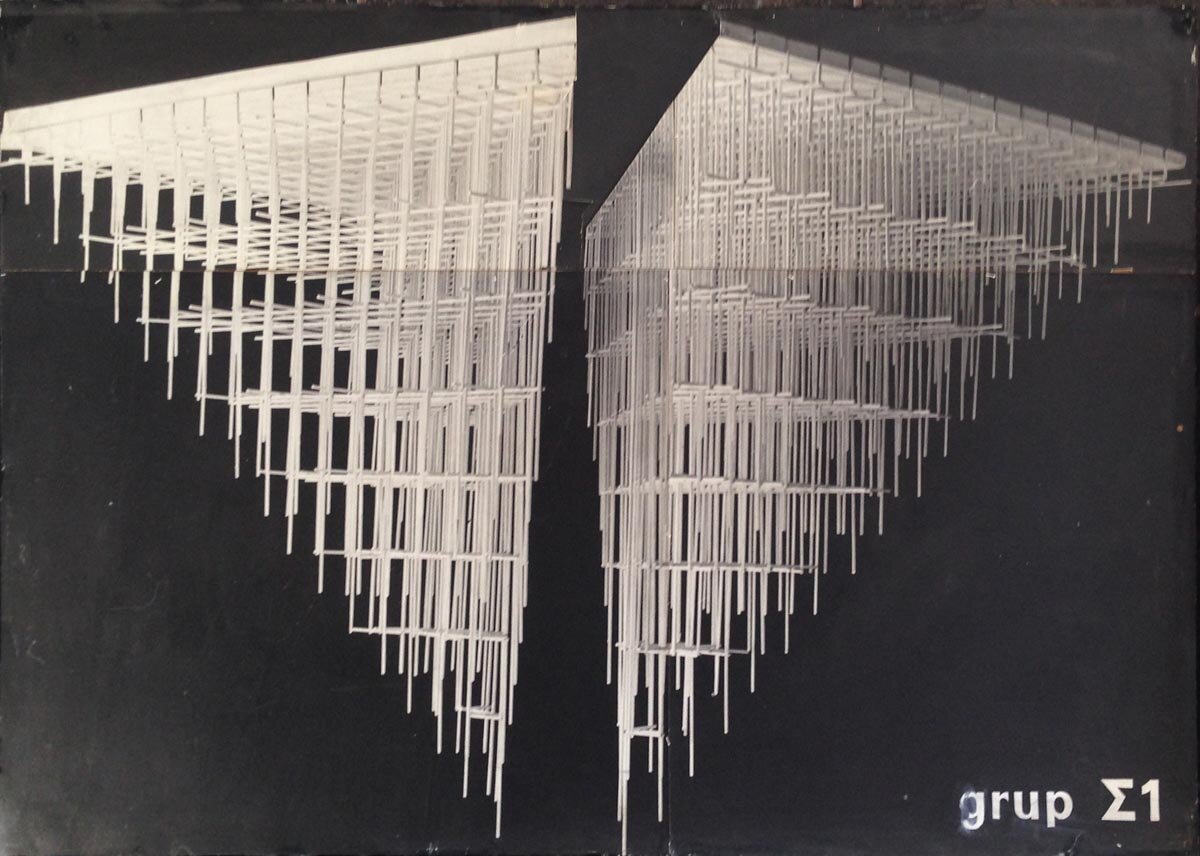
The exhibition SIGMA: The Cartography of Learning 1969-1983 is a first attempt to describe the ambitious project of pedagogical experimentation in art, design and architecture initiated by the SIGMA group. Founded in 1969 in Timișoara by the artists Ștefan Bertalan, Constantin Flondor, Ioan Gaita, Elisei Rusu, Doru Tulcan and the mathematician Lucian Codreanu, the artistic concept of the SIGMA group was based on the interest of its members in systemic thinking, advanced technologies and visual communication, associated with the extensive reinterpretations of early 20th century constructivism and affiliation to conceptualism and radical trends in education. As a comprehensive platform, SIGMA's artistic practice has been a model for various practitioners in art, design and architecture.
The exhibition reconstitutes the processual understanding of art by the SIGMA group in relation to the theories of learning applied at the Fine Arts High School in Timișoara (1969-1983), extended to the Faculty of Architecture (1970-1981) by Bertalan and Flondor, and to the Faculty of Electrical Engineering (1971-1972) by Codreanu and Gaita. The strongly interdisciplinary nature of SIGMA's work, which involved the heterogeneous juxtaposition of several theoretical references - from constructivism, cybernetics, bionics, mathematics, structuralism, semiotics, psychoanalysis and physics - produced a significant departure from the traditional perspective on learning in Romanian institutions at that time. Rather, the group promoted an interpretive and experiential program in art, product design and architecture, resonating with the visionary Bauhaus pedagogy of Paul Klee and Buckminster Fuller. SIGMA reimagined the school as a relational and situational space, where conventional distinctions between practice and theory, between different artistic media were rejected, where art was to participate in everyday reality (through the introduction of marketing and product design) and education was to be a rhizomatic, interdisciplinary process of continuous learning, and open-ended experimentation.
Given the SIGMA group's deep interest in the sciences and its organic connection with its own pedagogical program, the present exhibition aims to present a cartography of unexplored narratives, sources and points of view designed to reveal to the public a new reading as well as lesser-known aspects of the group. The aim of the exhibition is to reaffirm the topicality of SIGMA's pedagogical principles through the flexibility of the relationship established between teacher and artist, teacher and pupil/student, between the institutional space and nature, the art object and its context.
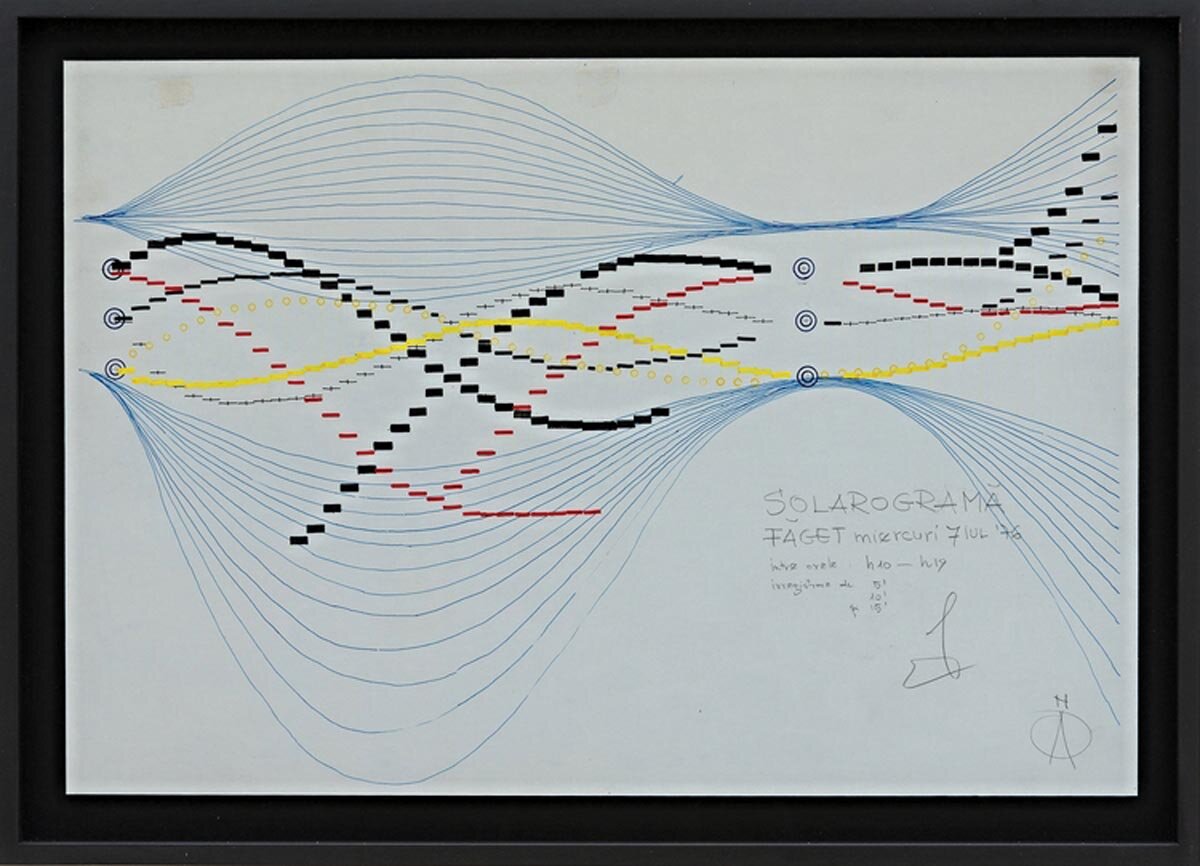
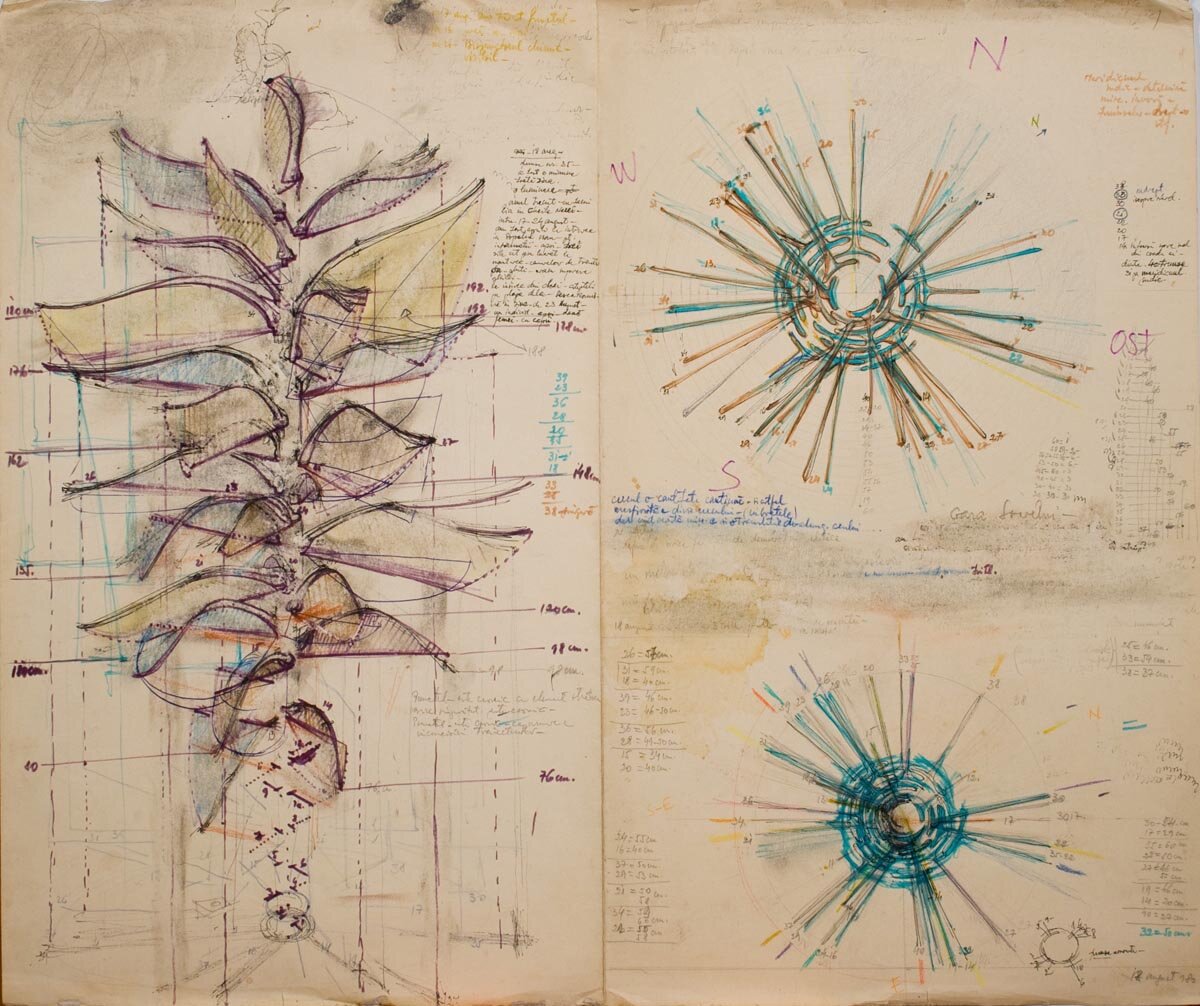
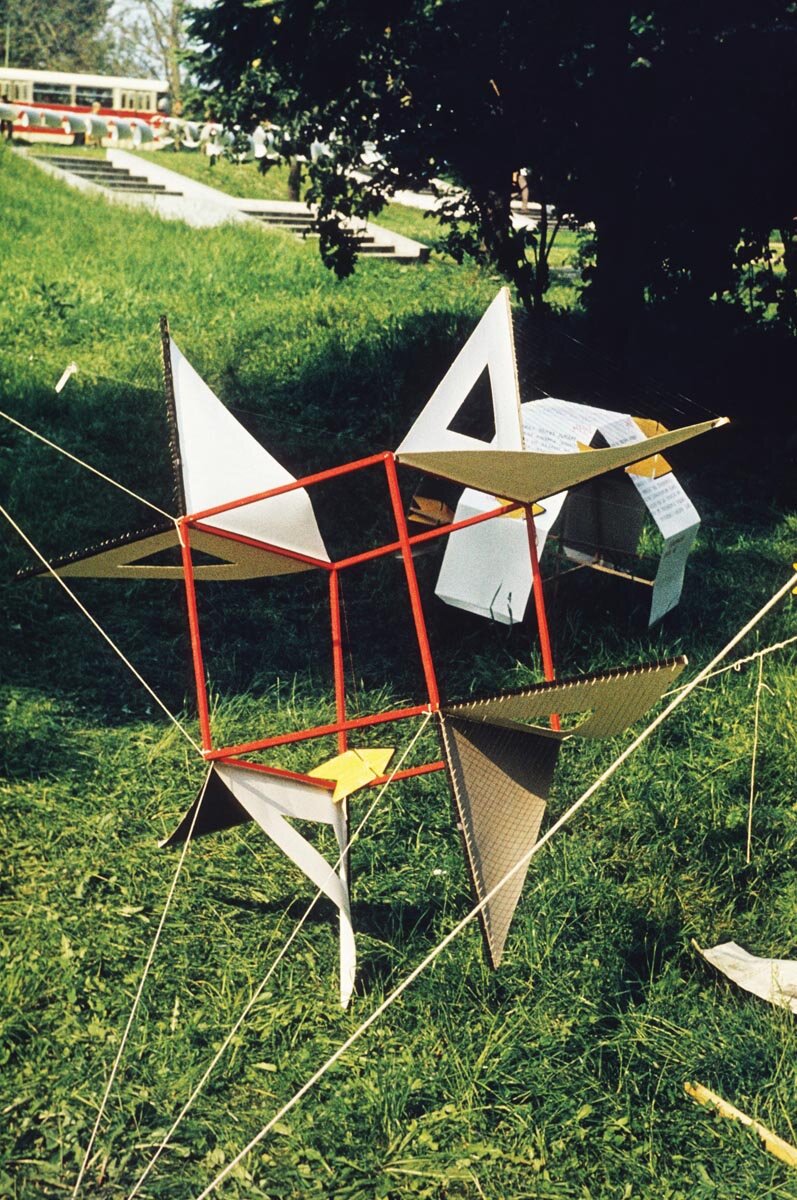
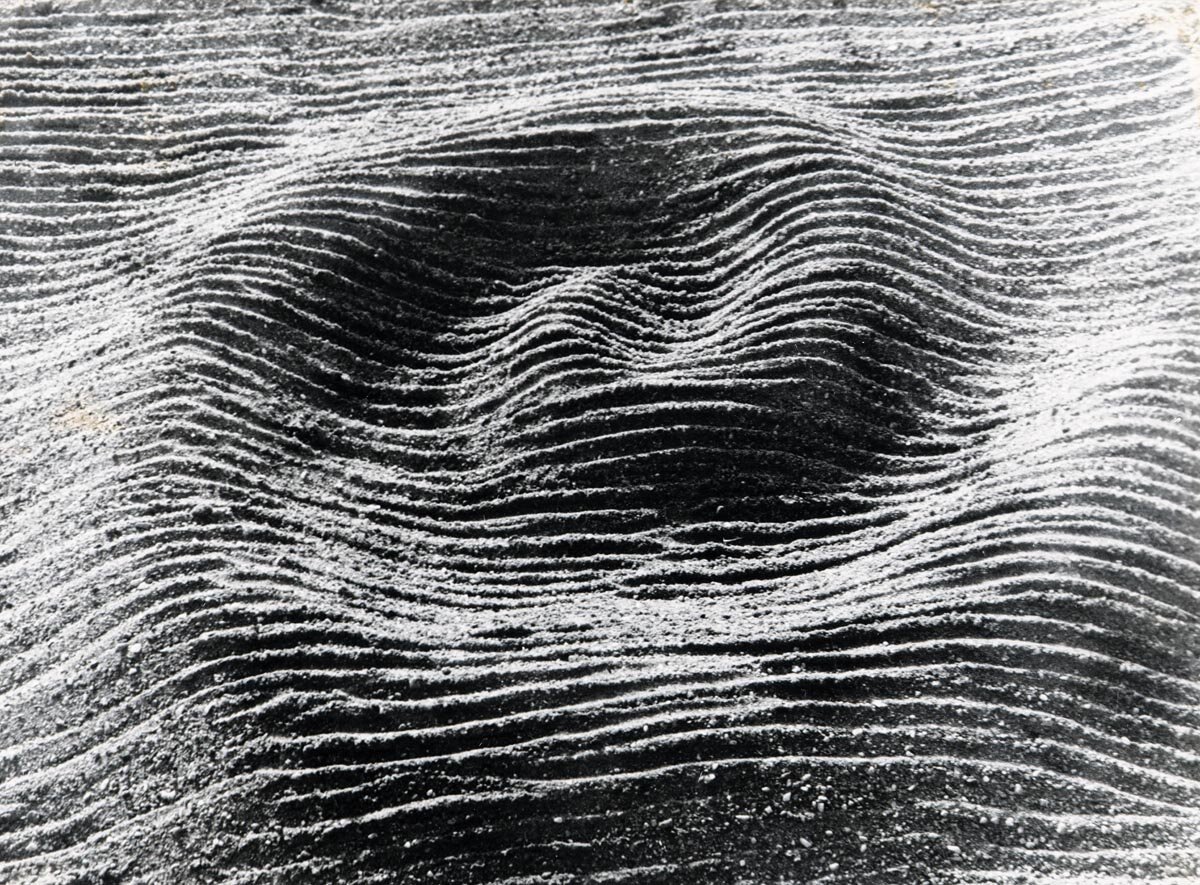
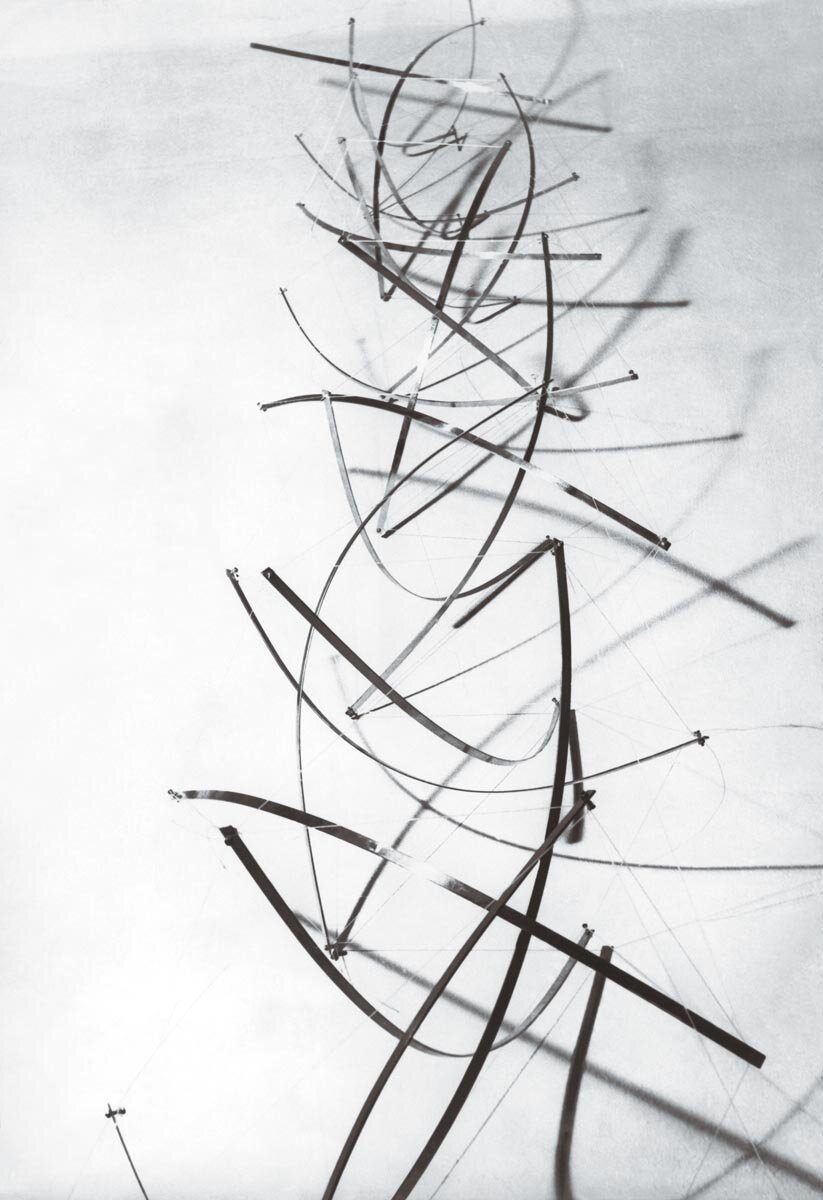
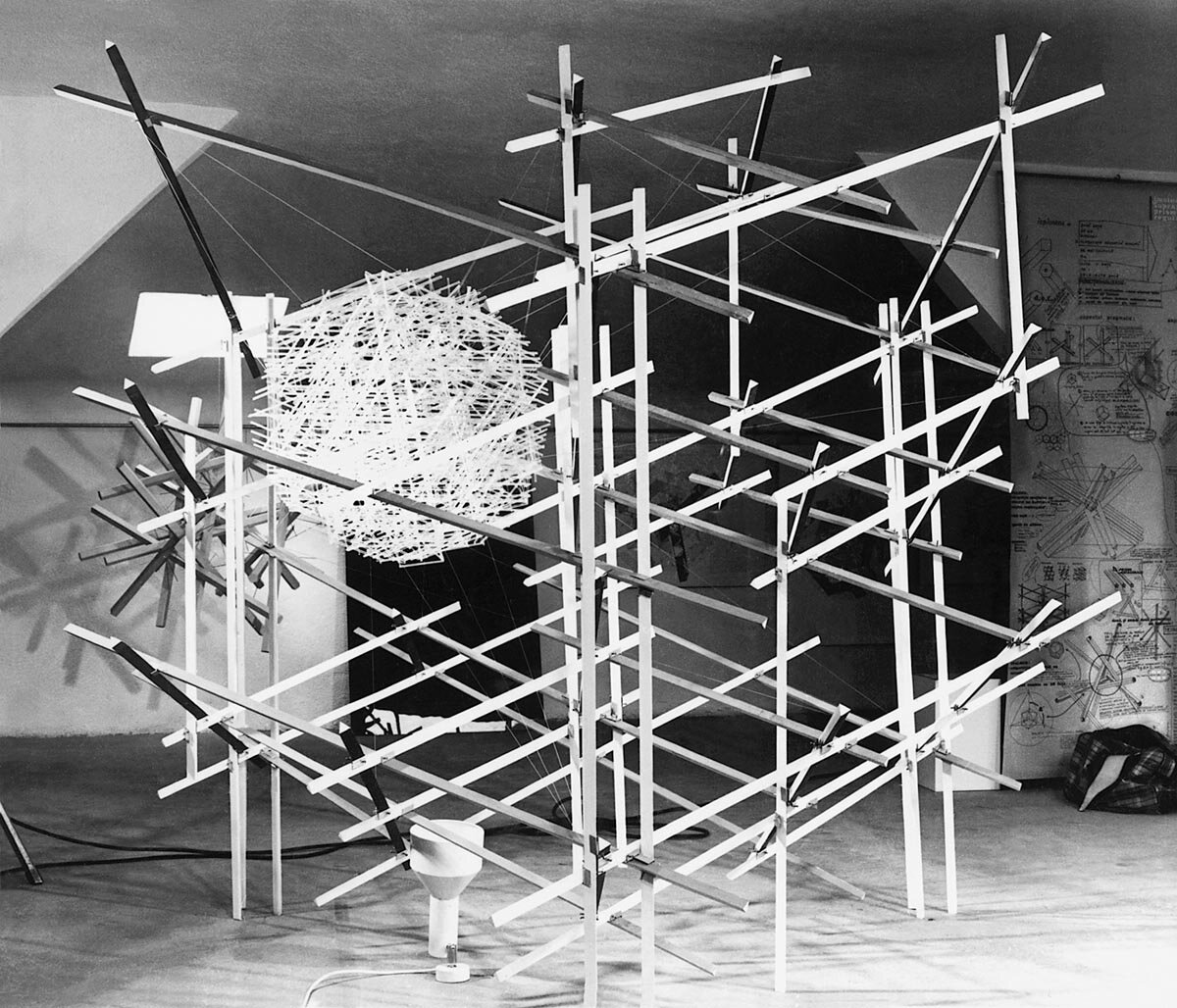
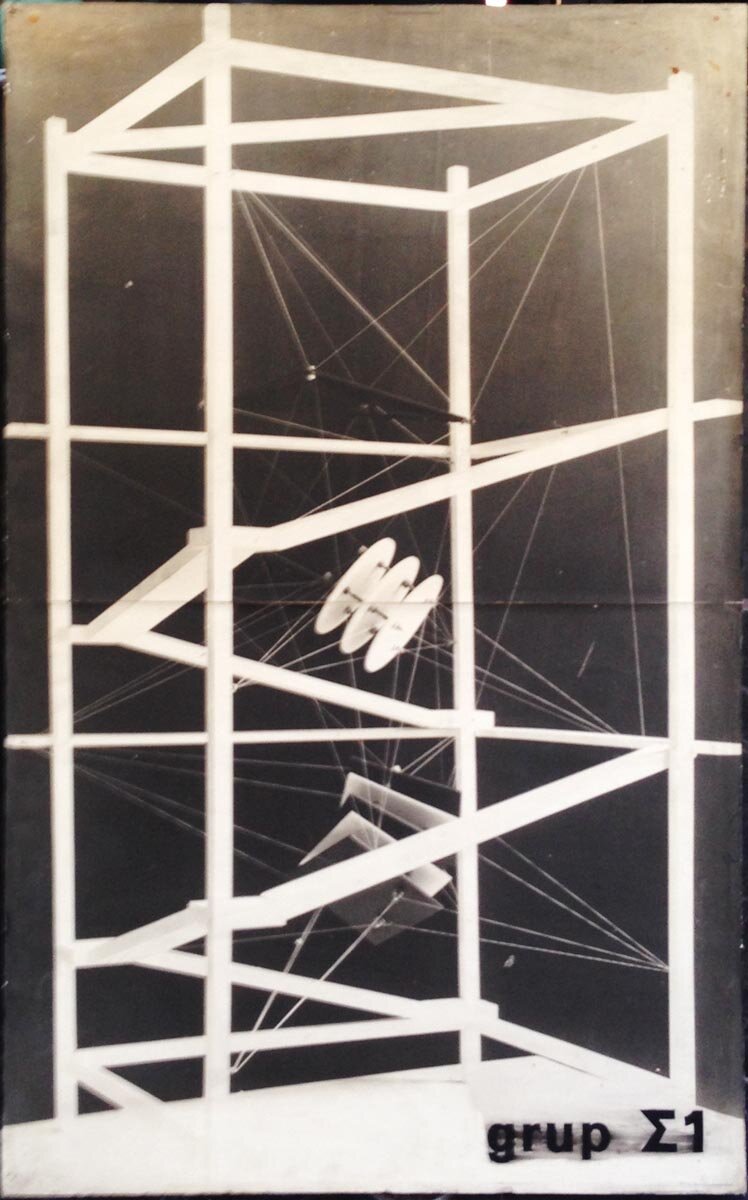
SIGMA: The Cartography of Learning 1969-1983 brings together a selection of works and archival materials documenting SIGMA's work as a group of artists and teachers, ranging from photographs, films and drawings to original works and reconstructed objects, notebooks and artist's texts, as well as works by pupils and students.
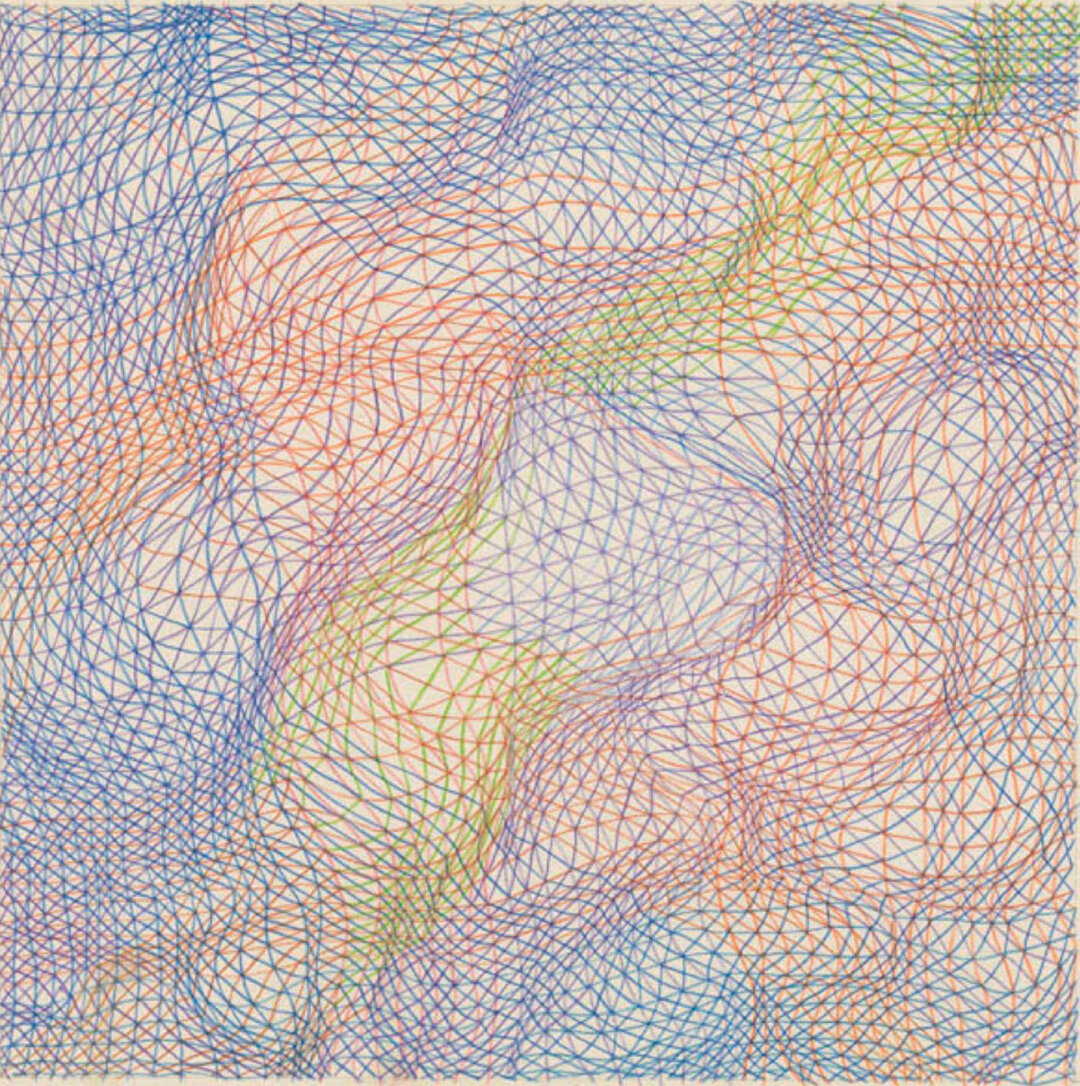
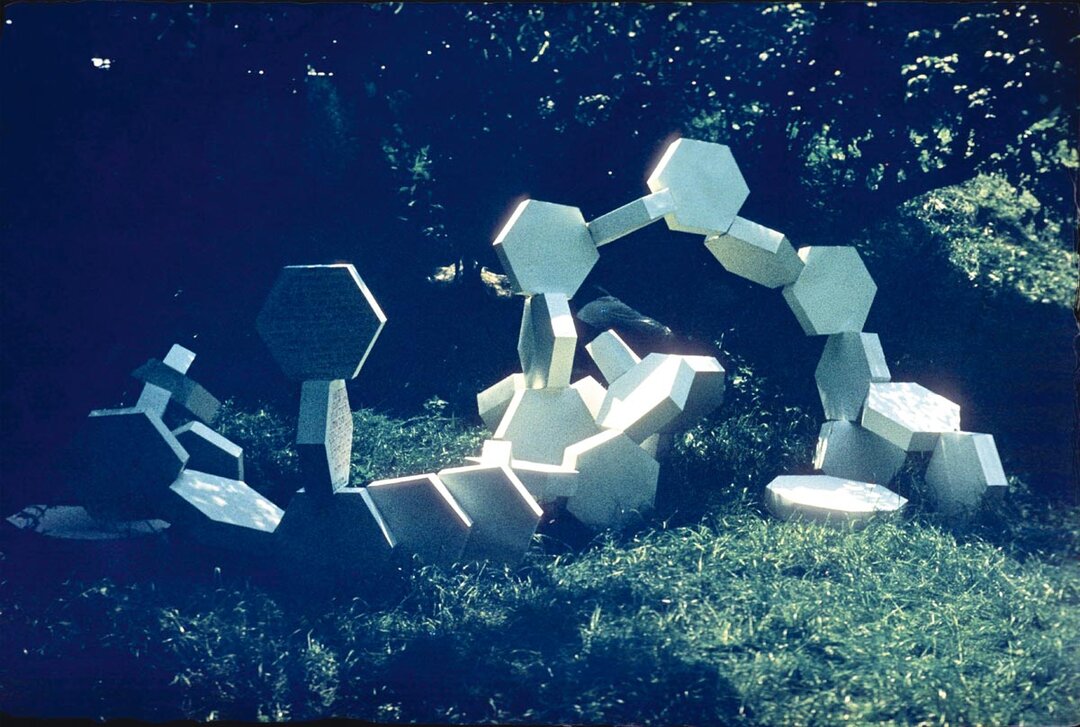
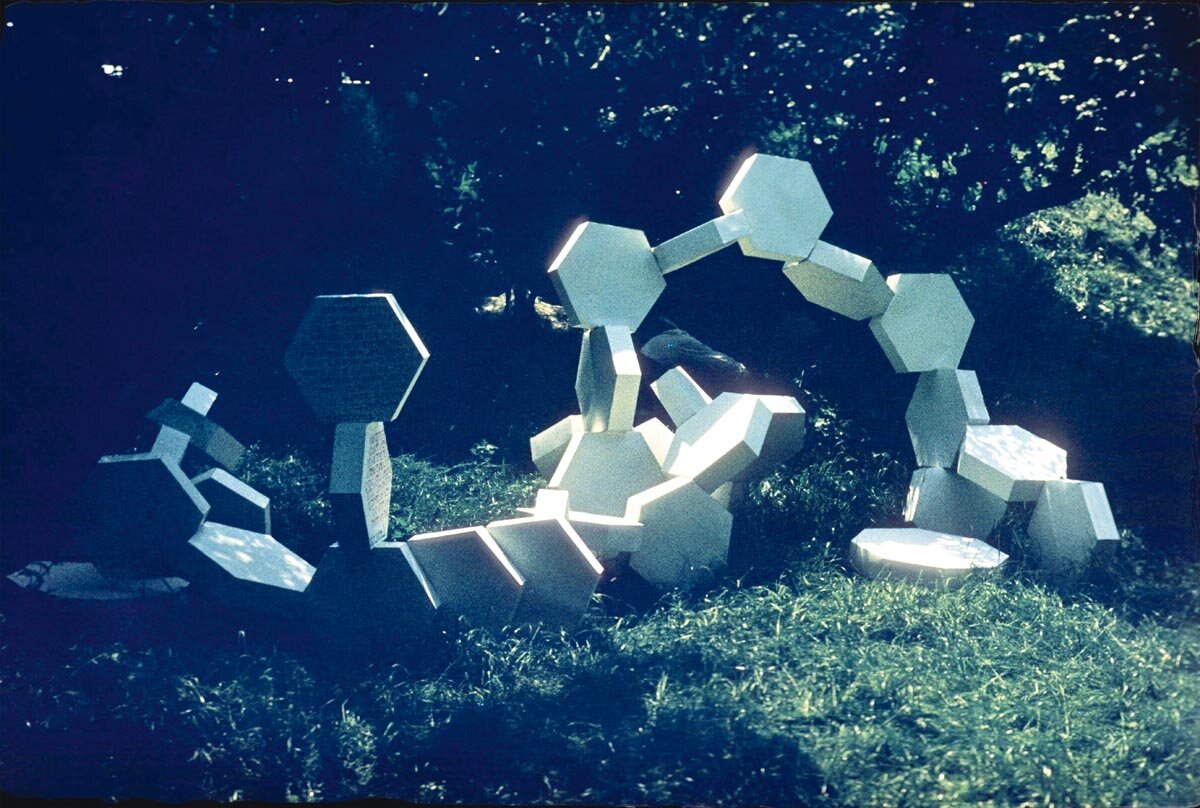
The exhibition is developed around three concepts presented through modular structures: Algorithmic Objects: from spatial structures to process design, dedicated to the study of mathematically generated forms (such as polyhedra, nets and balloons) and their behavior in a specific spatial environment or in relation to natural phenomena (light, movement, sound, color); Architectures of Space: Play, Action, Experiment, concerning environmental interventions and actions designed in collaboration with pupils/students, using a wide range of natural and synthetic materials to investigate new creative connections; and Sensitive Acts of Perception, concerning the influence of theories of visual and sensory perception on SIGMA and pupils/students' work, which will lead them to a series of extended investigations of the fundamental principles of nature and a sensitive deconstruction of the real in order to identify structures and morphologies shared by artistic and architectural forms.
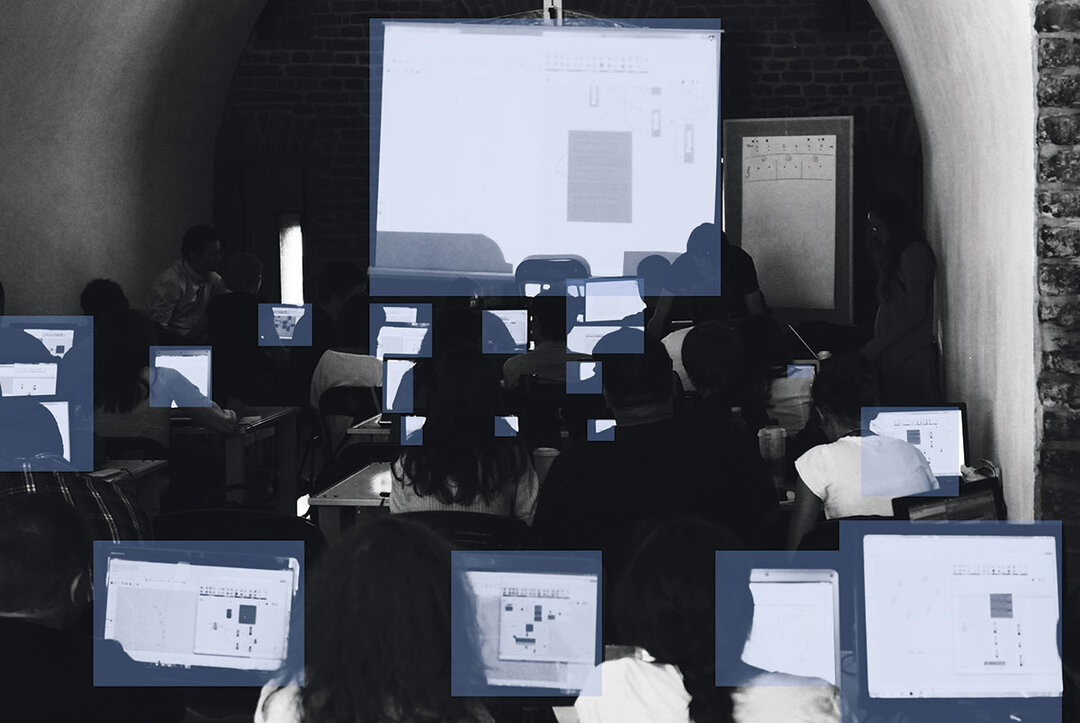
The three exhibition directions make up a visual montage that continues in the format of a workshop and symposium, entitled ALPHA BETA SIGMA, in which participants will apply and practice various themes and formats of SIGMA's creative practice and pedagogy for the purpose of contemporary study. Seeking to contextualize and reposition SIGMA's legacy through the prism of today's cultural and educational realities, the workshop will generate a collective handbook, a possible contemporary reinterpretation of the SIGMA phenomenon as a collaborative, educational and artistic program that emphasizes interdisciplinarity.
The exhibition is organized by the Order of Architects of Romania, Timis branch and Art Encounters Foundation within Art Encounters Timisoara | Arad and is part of the Timisoara Architecture Annual (a_ta), in collaboration with Interart Triade Foundation, Jecza Gallery, Timisoara Art Museum.
Curators: Alina Șerban, Andreea Palade Flondor, Space Caviar - Tamar Shafrir, Giulia Finazzi, Martina Muzi, Joseph Grima
Artists: Ștefan Bertalan, Lucian Codreanu, Constantin Flondor, Ioan Gaita, Elisei Rusu, Doru Tulcan
Organization team: Oana Simionescu, Simina Cuc, Alexandra-Maria Garomfir, Andreea Duminică
Volunteers: Răzvan Alexandru Todirică, Timotei Badea, Nica Mădălina, Varga Bettina, Popa Milena, Carpencu Pop Glad, Gaia Tiberiu
Custodians: Alda Nathali, Silviana Câlnicean, Tiberia Moțoc, Adriana Panțuru
Venue: City Business Center, building 5
Sponsors: Lipoplast, eta2u, BENQ, Elba
Collaborators: Interart Triade Foundation, Jecza Gallery, Timișoara Art Museum
Supported by: Constantin Flondor, Doru Tulcan, Ioan Gaita, Lucian Codreanu, Sorina Jecza, Andrei Jecza, Ovidiu Șandor, Victor Neumann, Luminița Paul, Vlad Gaivoronschi, Ioan Andreescu, Radu Radoslav, Mihai Zegrea, Șerban Sturdza, Cristian Blidariu, Mircea Lăzărescu, Sorin Costina, Adrian Ilica, Volker Diehl
Project partially funded by the Architecture Stamp