VES-EL - Design: Gareth Neal & Zaha Hadid

Supervisors: Zaha Hadid, Patrik Schumacher
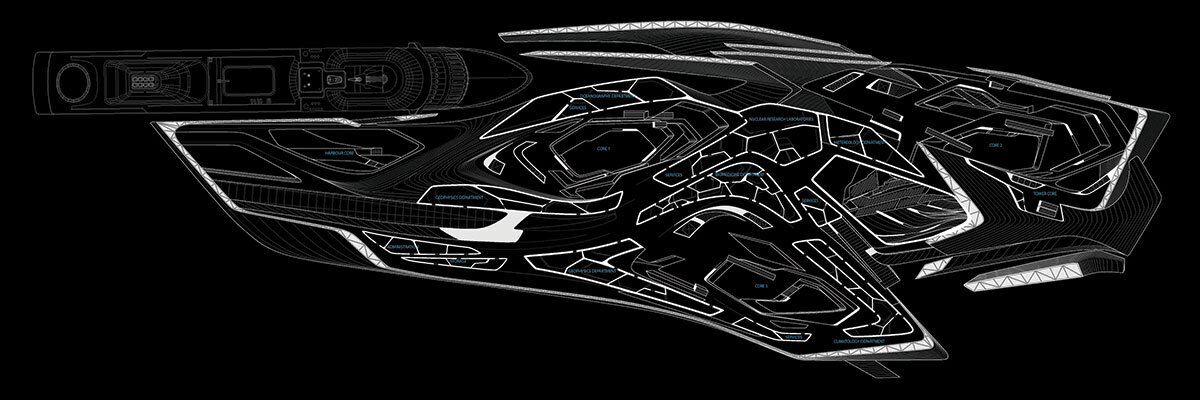
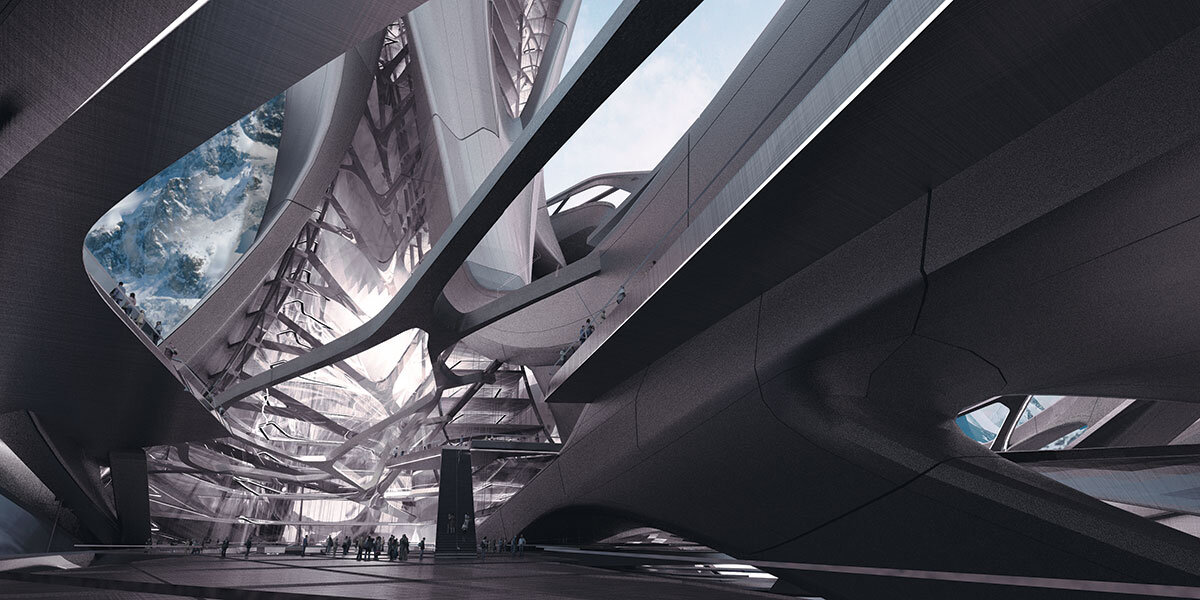
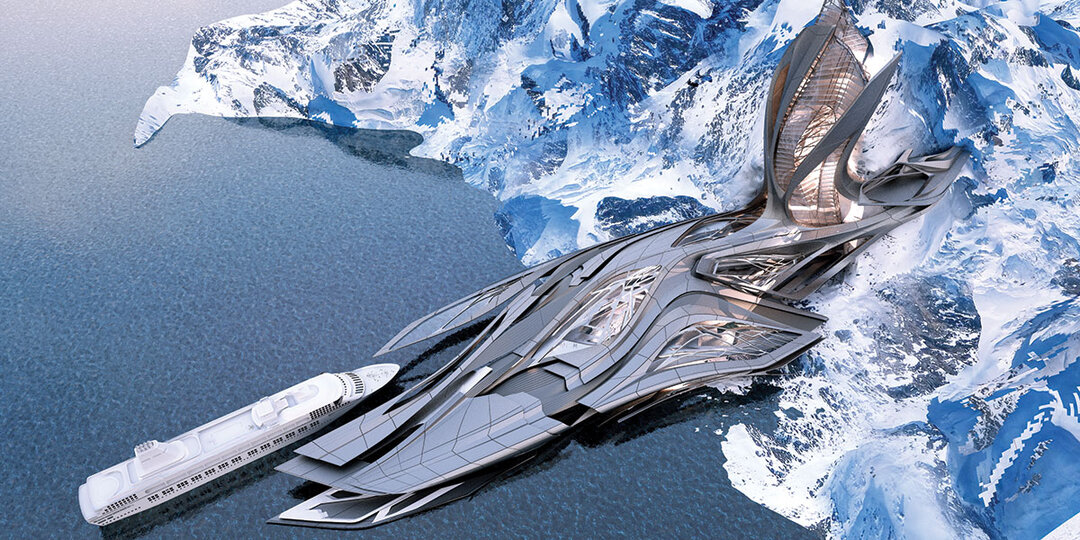
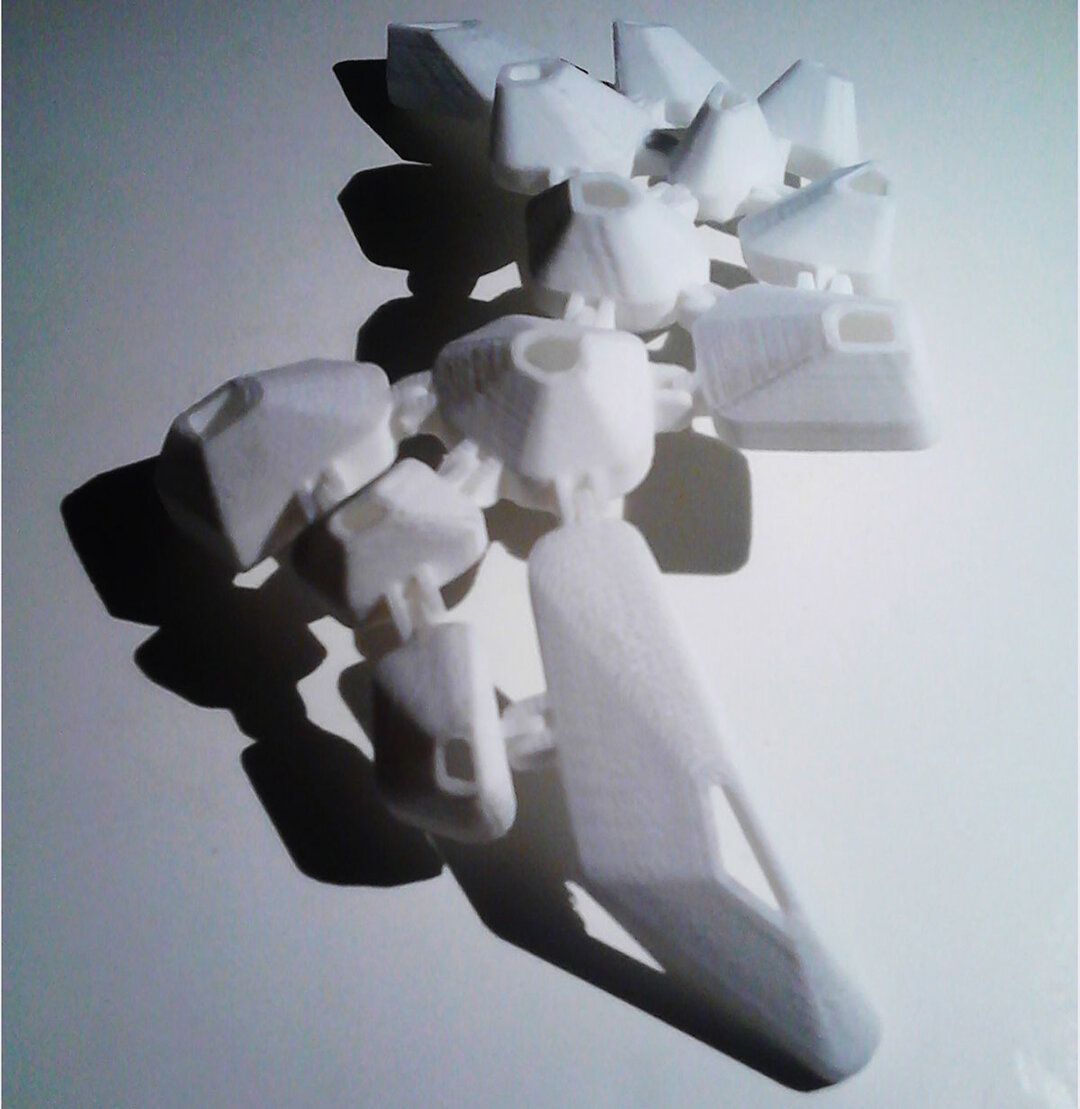
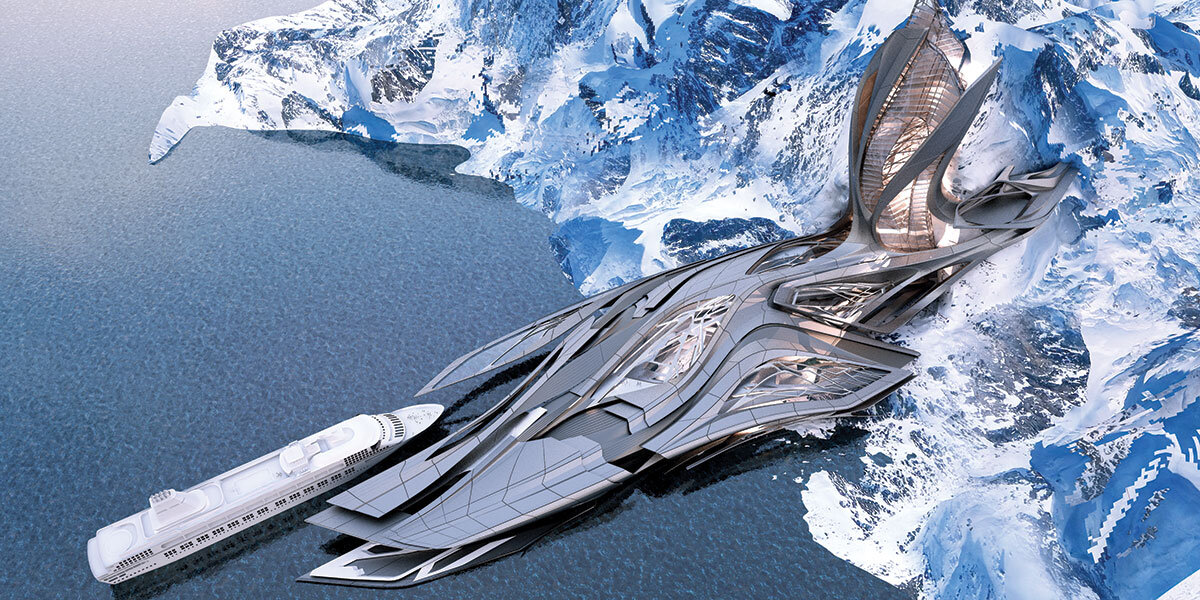
The aim of this project, to build a transformable research facility in Antarctica, is to explore the range of architectural features present in research facilities and their generative potential to develop new building typologies for extreme environments. The research units are specialized in various applied sciences such as advanced engineering, biomedicine and biomedical engineering, biology, geology, oceanography, astronomy, glaciology and geophysics, climatology, meteorology and hydrology, and as a result are highly site-dependent. Extreme environments, be they very cold or very hot, very arid or very wet, are often of great importance because here scientists can investigate a range of aspects of life, the surrounding world and even outer space.
This project is located in Antarctica. The specific characteristics of this environment, such as extreme winds, temperatures and precipitation, the permanent process of transformation from solid to liquid and vice versa, the unique play of light due to the local alternation between day and night, or the constant need for living organisms to adapt to seasonal changes in climate are all parameters that will have to be analyzed and integrated into the design process.
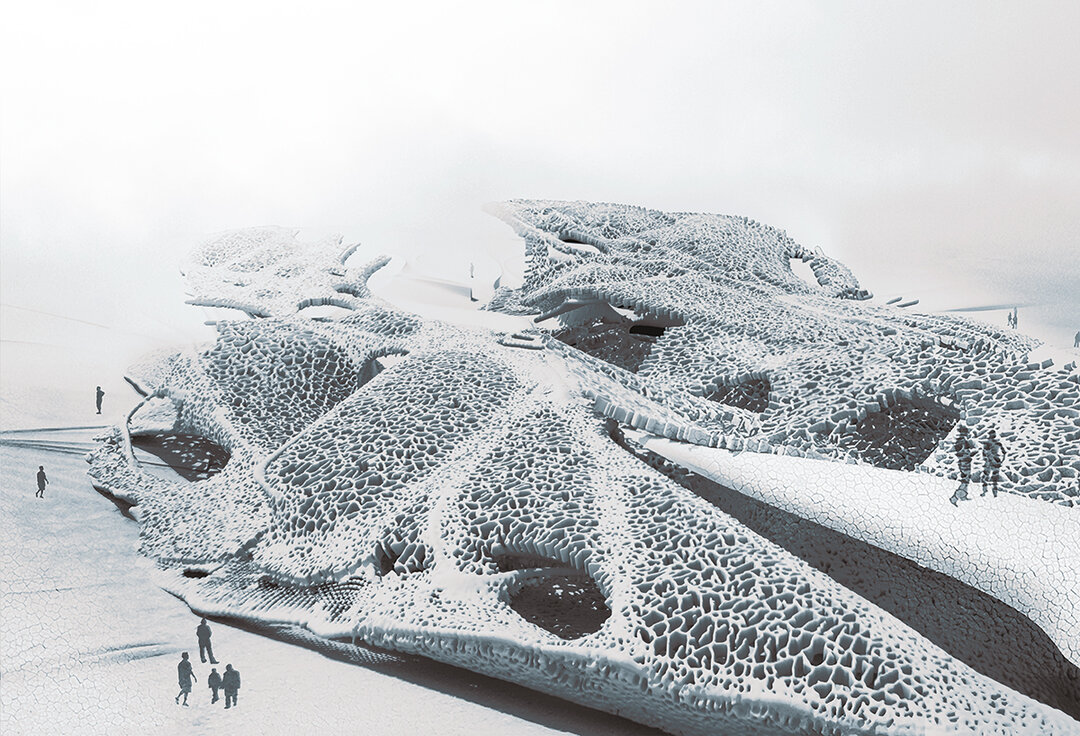
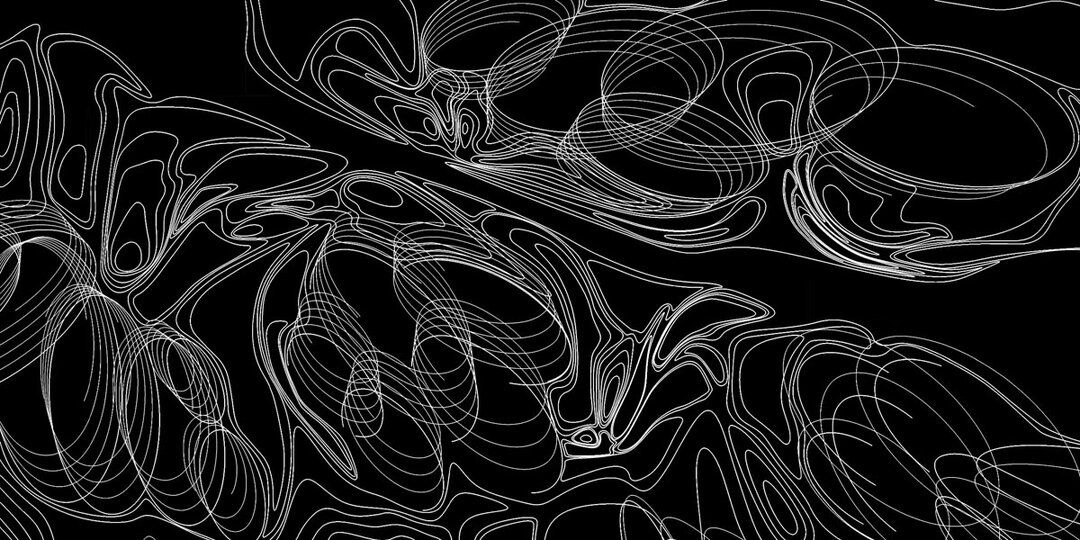
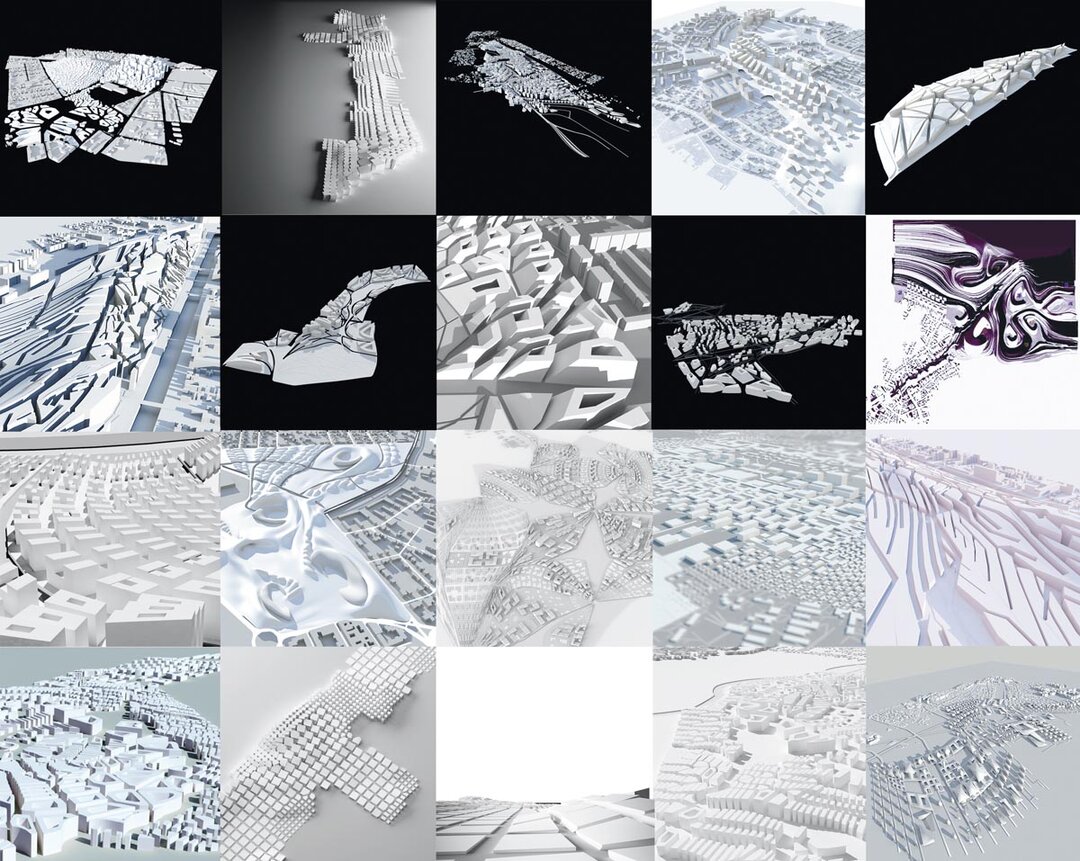
The objective is not to follow conventional design strategies but to investigate new, alternative processes such as biomimicry, bionics and biomorphic design. Examining the patterns, systems, algorithms and elements of nature does not aim to imitate them, but to understand the intricate and complete way in which they intertwine, the complex and multiple layers that make them up.
The project attempts to fuse the aesthetic qualities and complex functionality of the existing environment and biodiversity in order to design a station fundamentally different from existing units in the polar zone; by this it aims to increase the capacity to transform and adapt to external environmental factors, and by modifying the structure and envelope it attempts to design a more compact or porous structure, depending on the season, to conserve energy and increase efficiency according to programmatic needs.
In order to further explore the innovative potential of the process, the project proposes a combination of two distinct programs: the bounded and introverted space of a research station on the one hand, and - with reference to the current trend towards tourist exploration in extreme weather conditions - the open and communicative space of a tourist station, thus creating the opportunity for the negotiation and combination of completely different programmatic requirements and their relation to the external conjuncture.
Therefore, the aim is to create a mixed program that includes - in addition to research spaces - permanent and temporary accommodation, public exhibitions, leisure and training spaces, conference rooms and observation points, docking stations, helipads and runways.
Research stations are usually designed in such a way as to meet technical requirements and ensure a minimum standard of living conditions. Ignoring the architectural element in the design process results in a diminished quality of life, which limits the program to basic functions.
The tourist experience also remains limited, lacking the possibility to diversify and explore the full spectrum of activities offered by this extreme but fascinating environment.
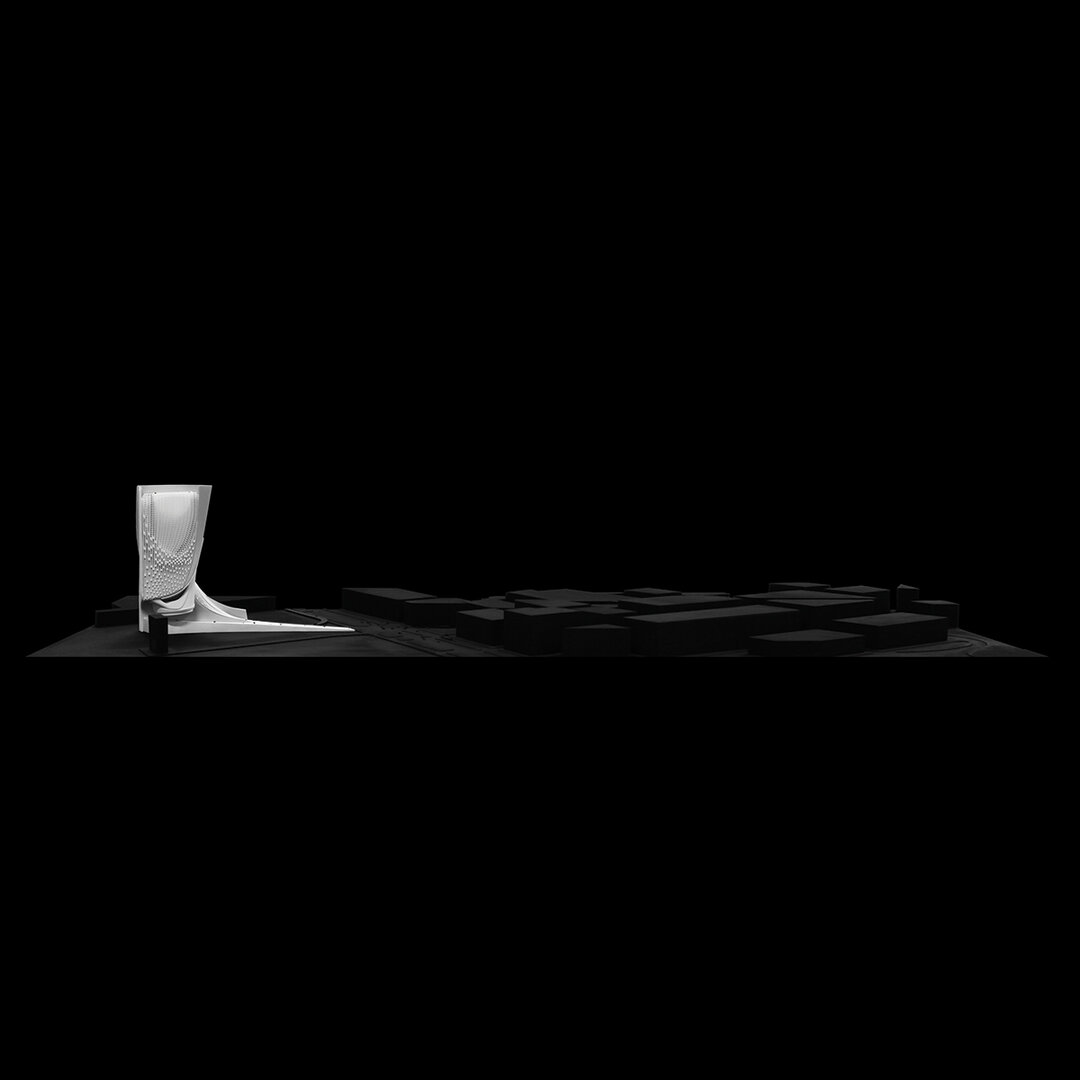
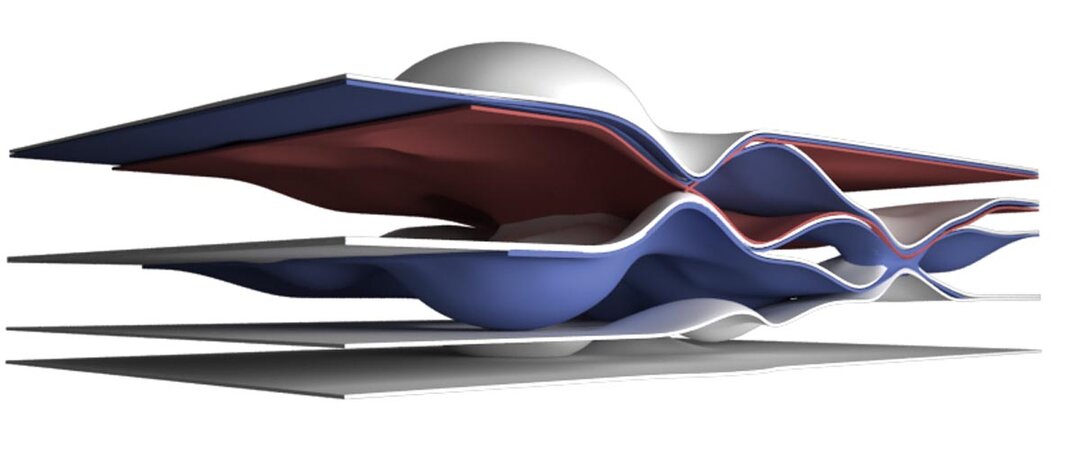
The project rigorously takes into account the context of this Antarctic site by incorporating the volume of the structure in a linear and vertical system according to its topographic location and orientation, and by including parameters such as variability and constant transformation in response to the changing site conditions.
Tutors: Mario Gasser, Christian Kronaus, Jens Mehlan, Robert Neumayr, Hannes Traupmann, Mascha Veech.
Studio Zaha Hadid - Institut fur Architektur - Universitat fur Angewandte Kunst Wien, June 2014