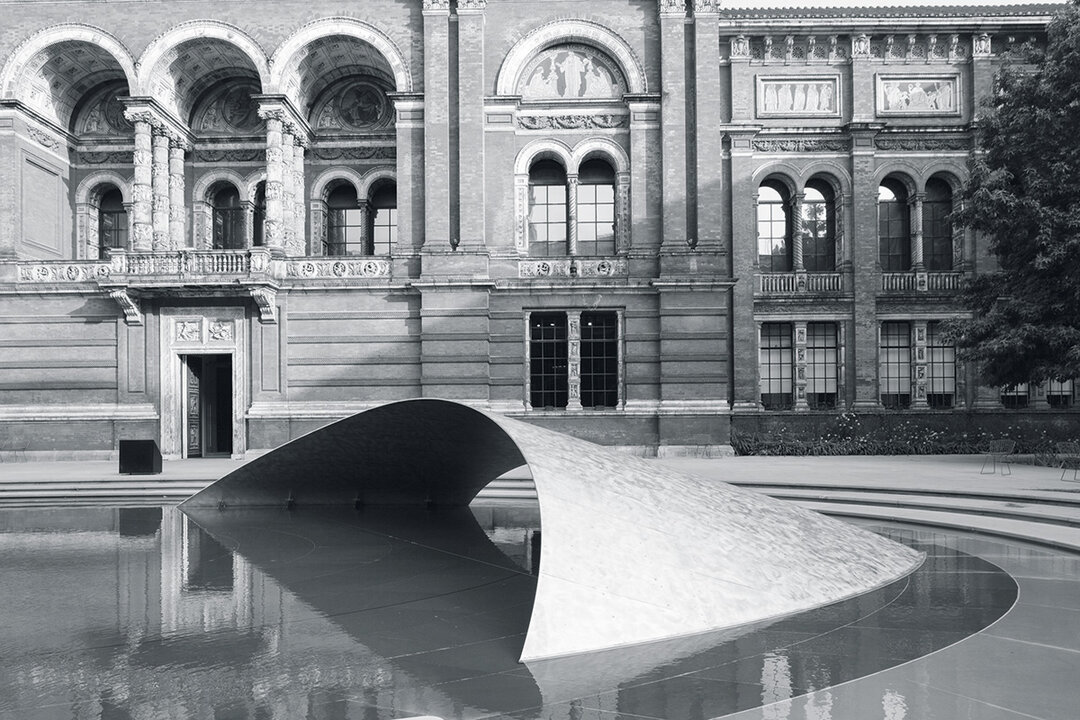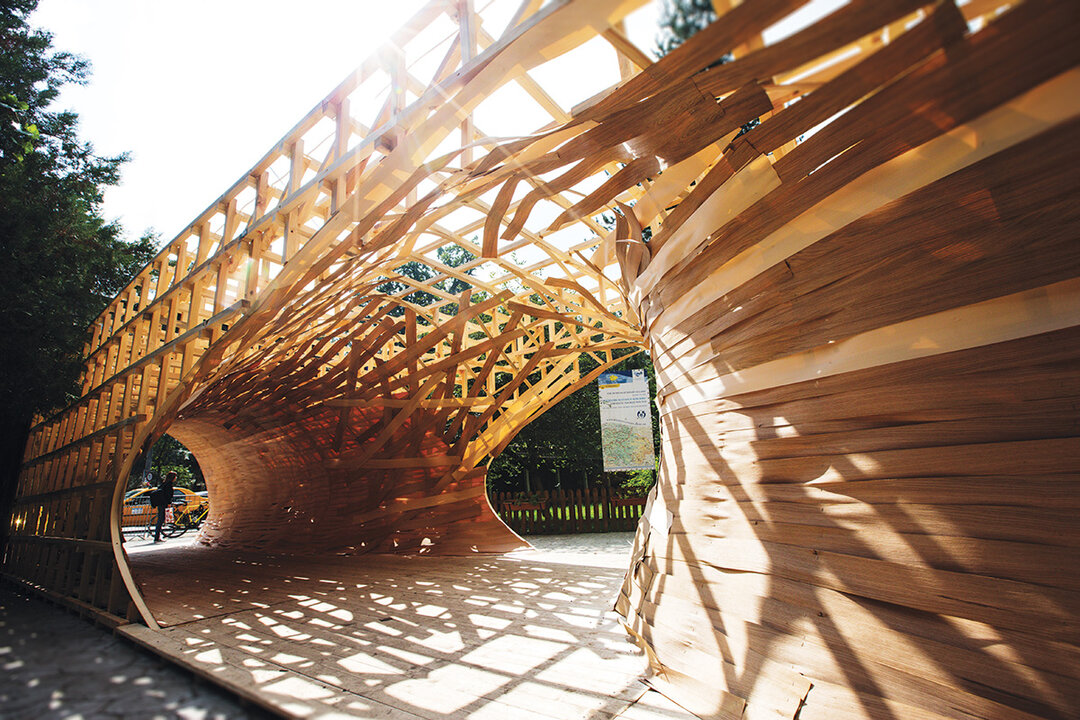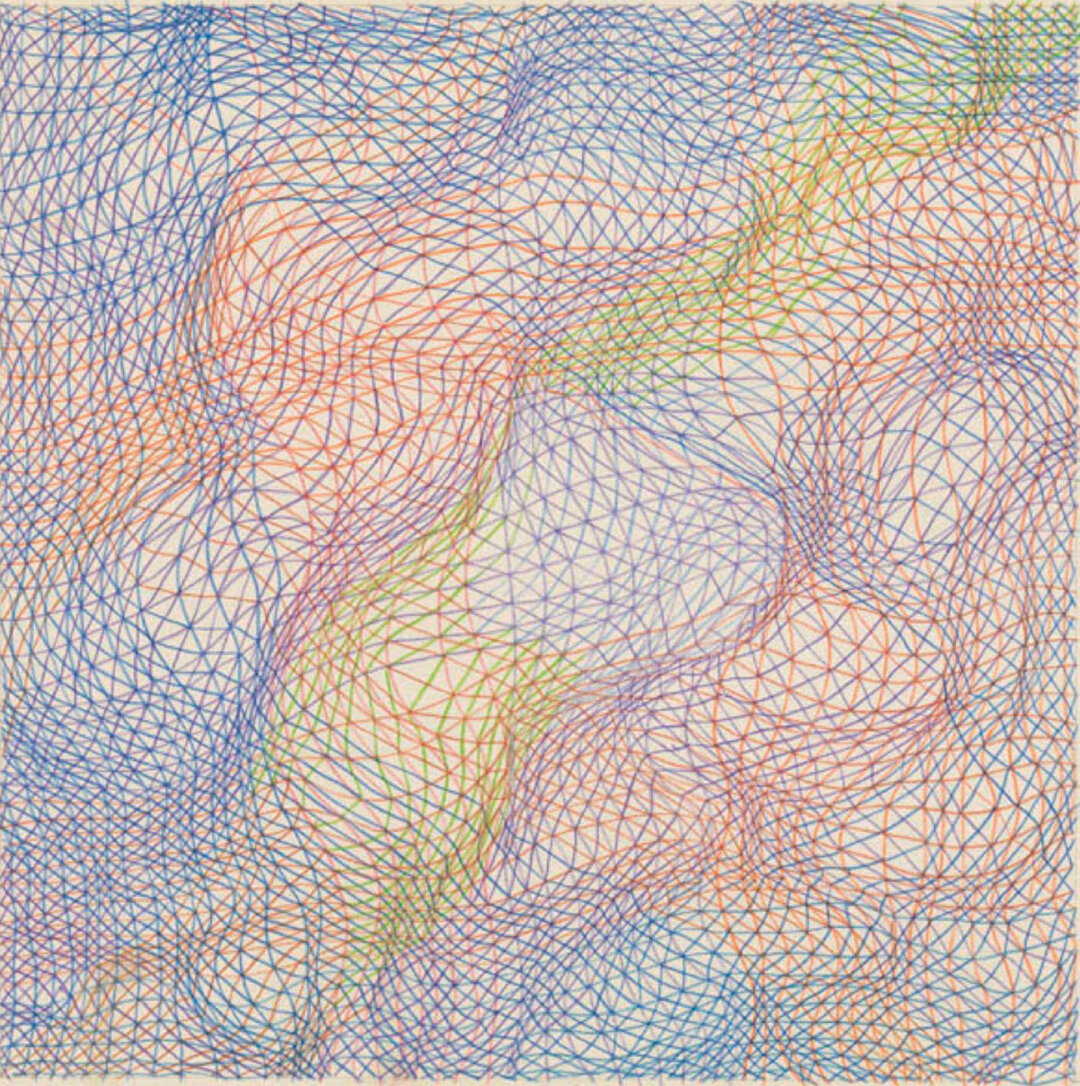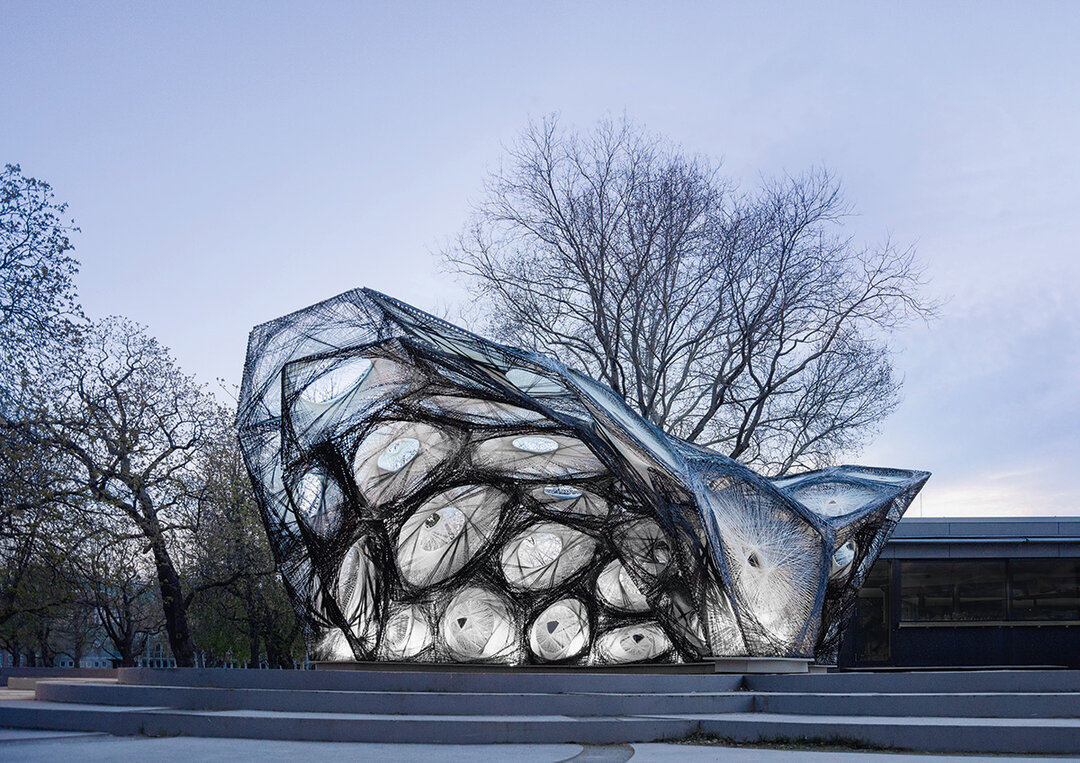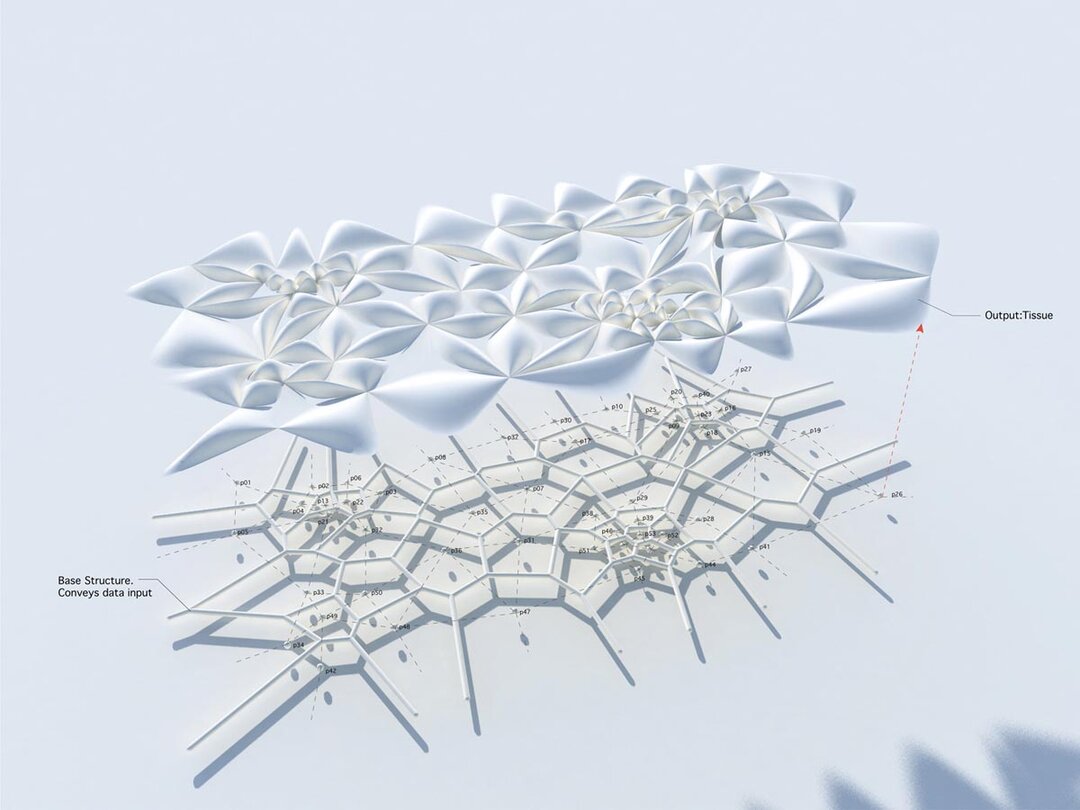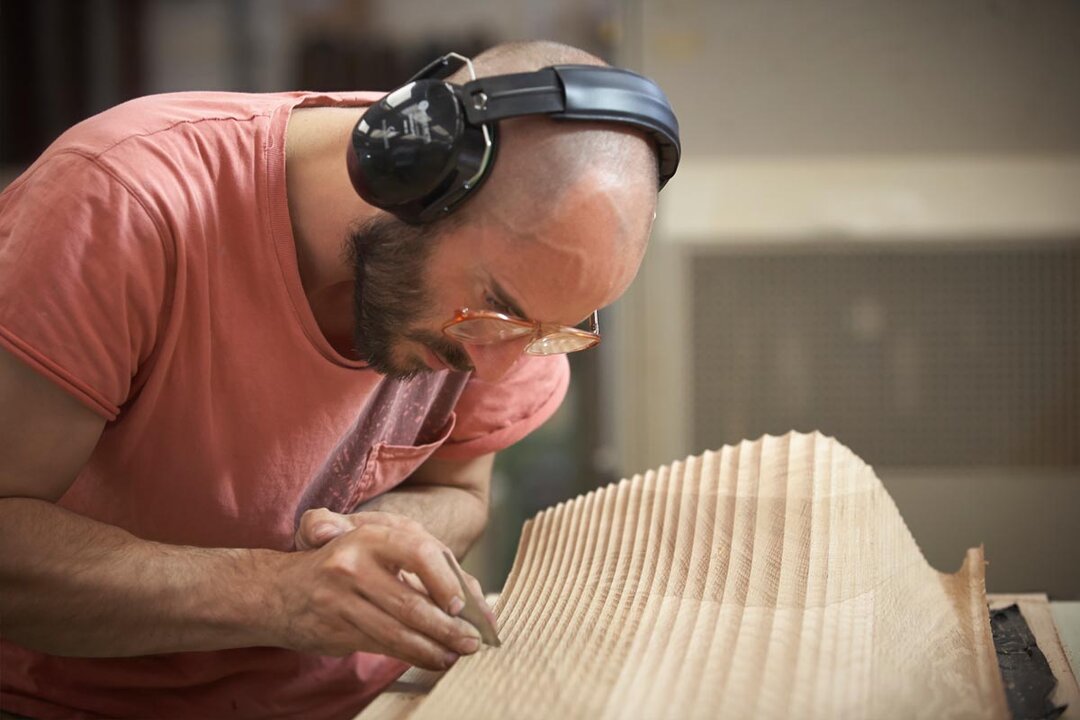
VES-EL - Design: Gareth Neal & Zaha Hadid

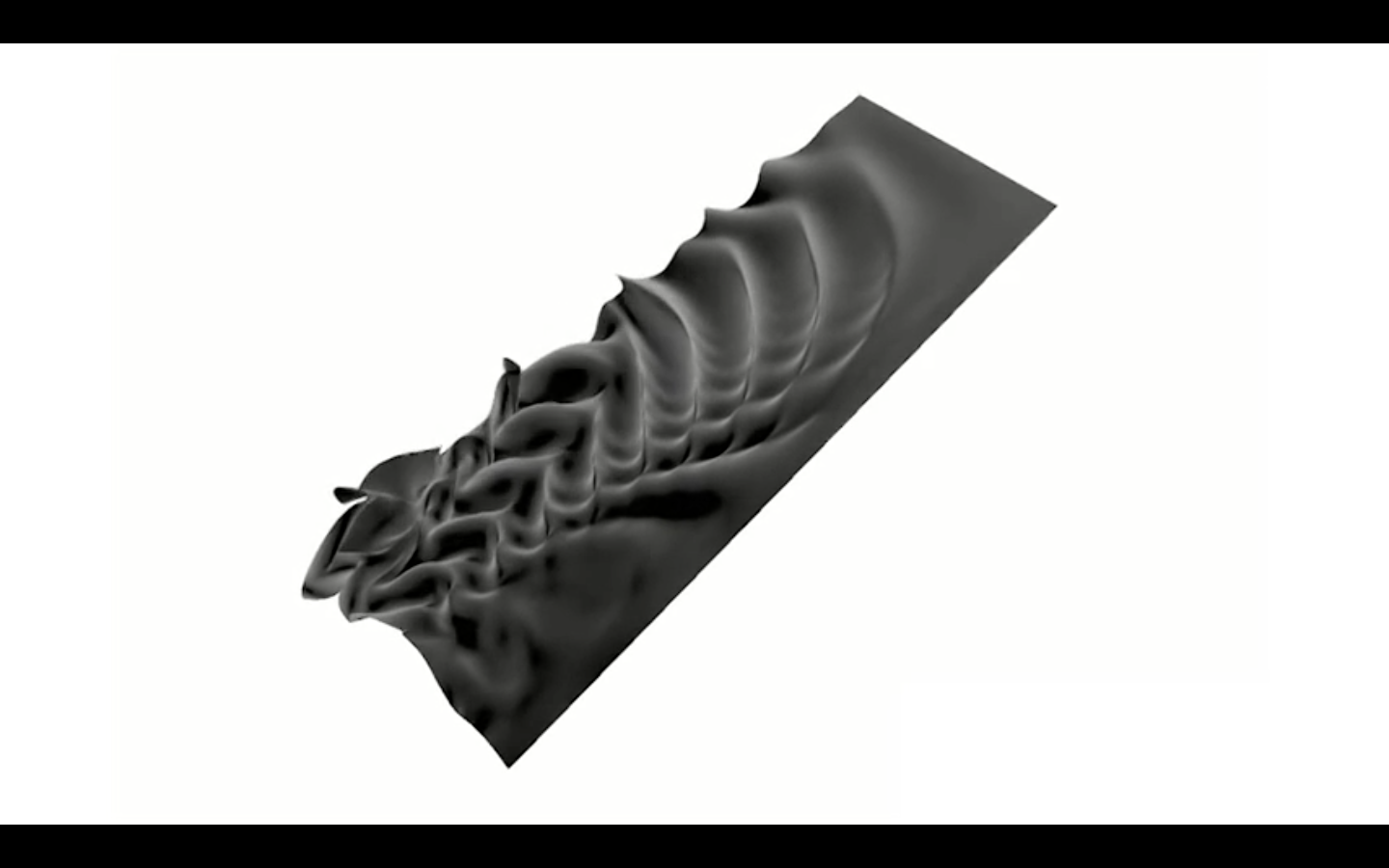
In recent decades, architectural design strategies, as well as architectural theory and education, have undergone crucial paradigmatic shifts. The growing inability of modernism to address, not to say solve, the increasingly complex problems facing society has forced architects, urban planners, theorists and scholars to search for other ways of working.
This has led, on the one hand, to a re-evaluation of the supposed hidden potential of the modernist project within its logic, a tendency Svetlana Boym calls "off modern", as it "[...] makes us explore all sorts of side alleys instead of taking the straight path of progress"1.
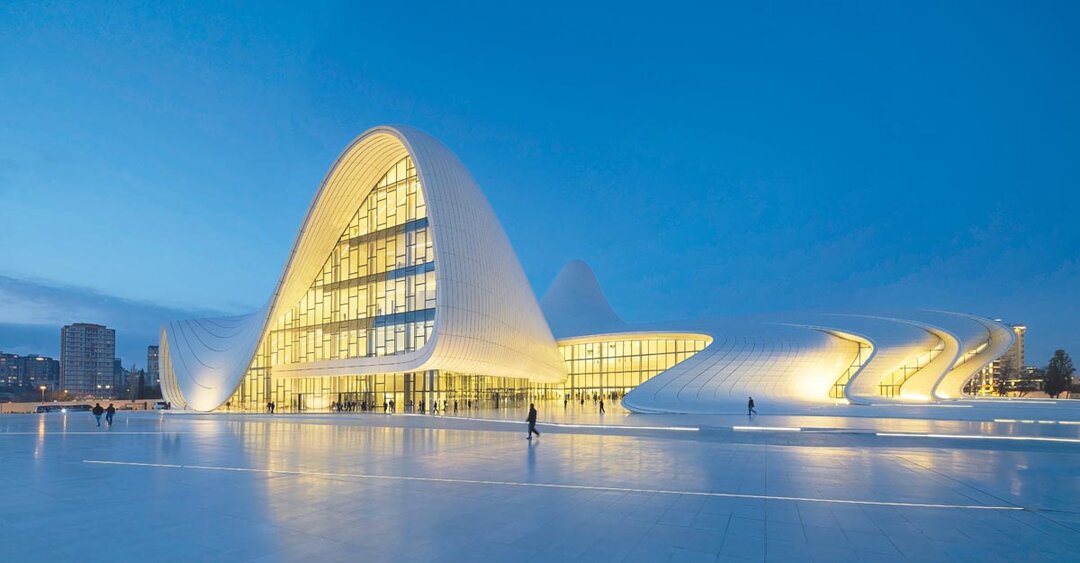
On the other hand, the relatively recent renunciation of the linear and binary systems of perception, which had long dominated our worldview, had opened wide the way to new areas of scientific research, considerably changing our conception of architecture and propelling the profession into a completely new paradigm. Abandoning traditional platonic forms and orders in favor of formal complexity, architects came to see the built environment as a continuous field incorporating diverse elements, a spatial organization capable of negotiating between those elements, which in turn exist under the changing forces and currents that determine their use. As Stan Allen observes, "field conditions change from one to many, from individuals to collectives, from objects to fields"2.
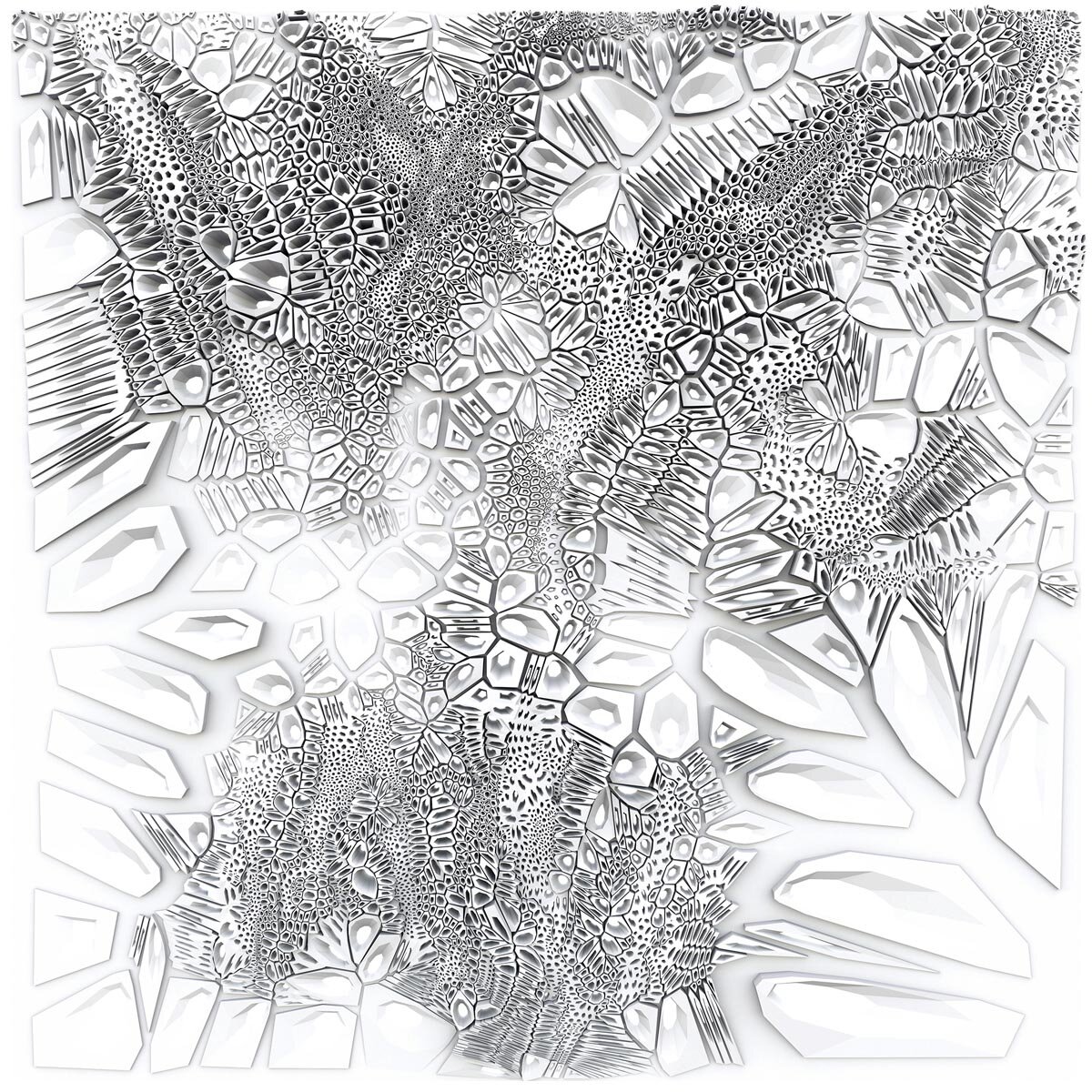
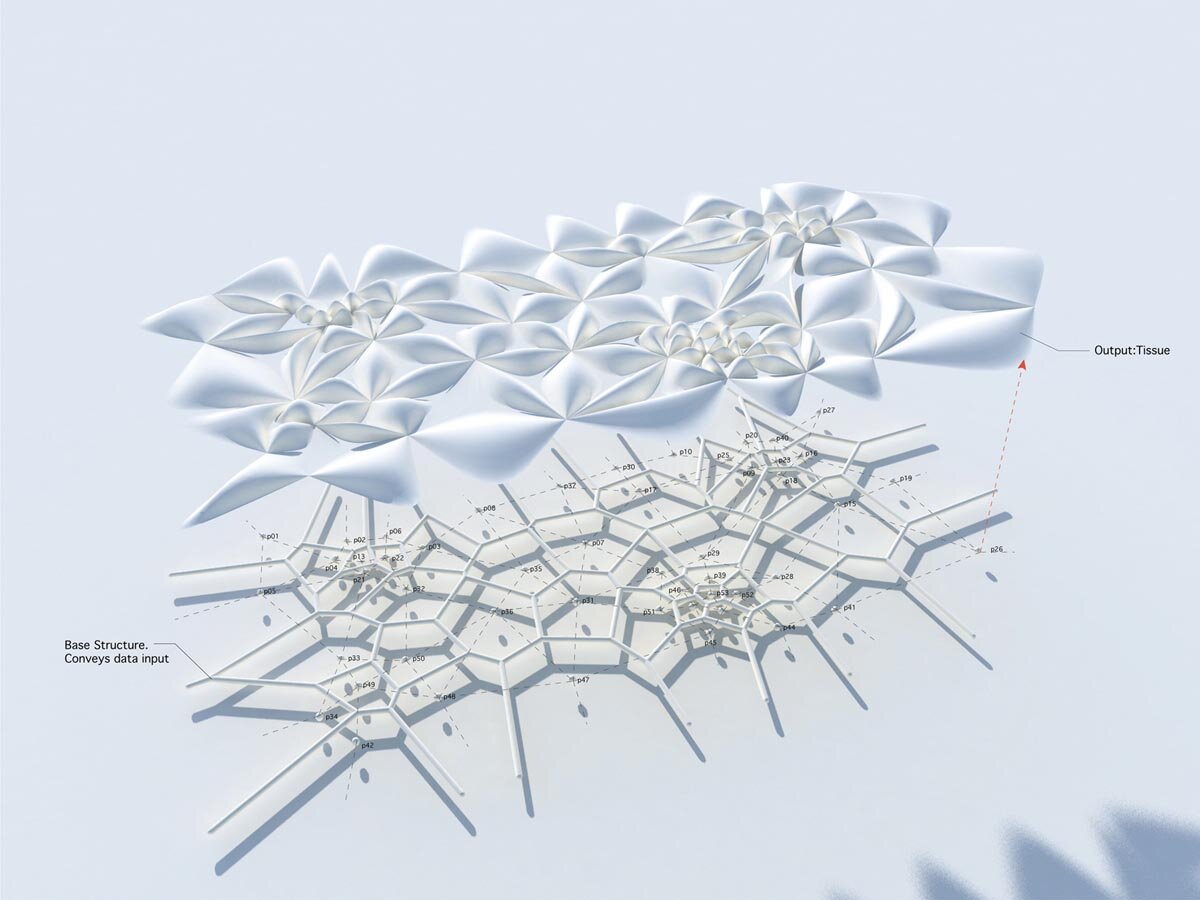
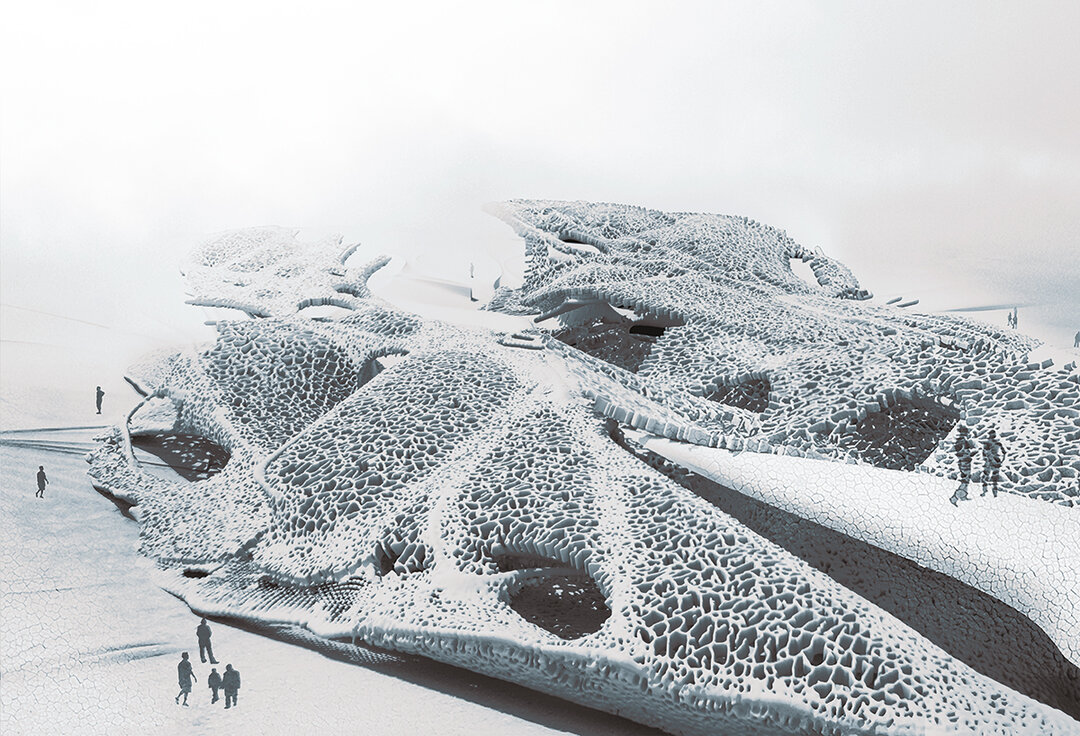
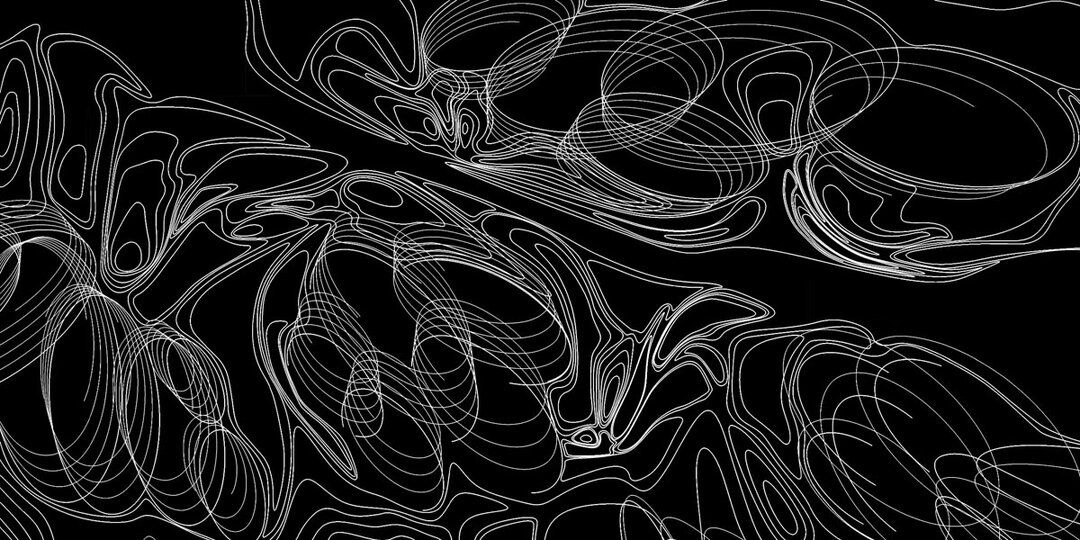
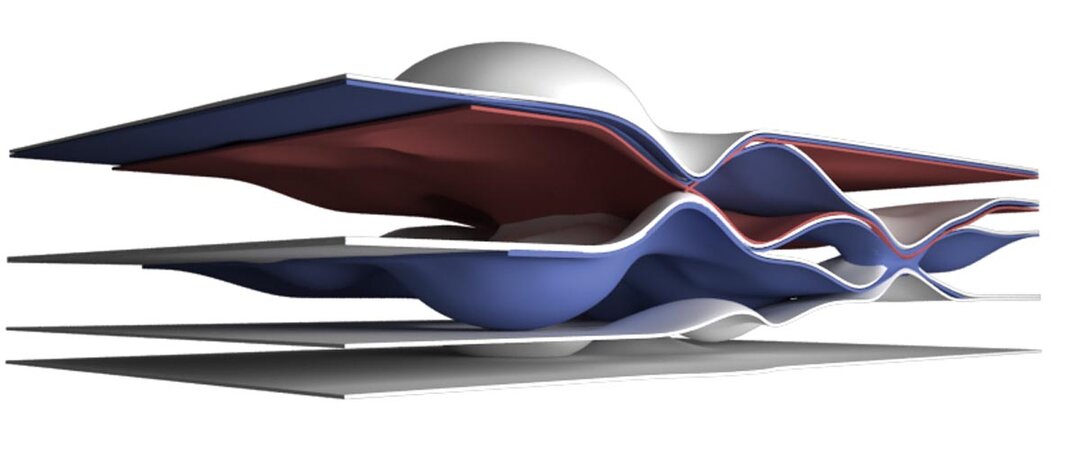
The transfer of these systems from their original domains to the fields of architecture and urbanism and their methodical digital development aim to generate complex, parametrically controllable geometries with an extremely high potential for adaptability and connectivity. The continuous variation and differentiation of simple elements reflects the changing, mutually influencing forces within the different layers of a system, ultimately articulating a complex architectural system that relates the spatial organization to its environment, its inhabitants and their constant patterns of use. This involves the controlled and simultaneous development of function, form, structure and material and requires careful consideration of the associative qualities of all individual components.
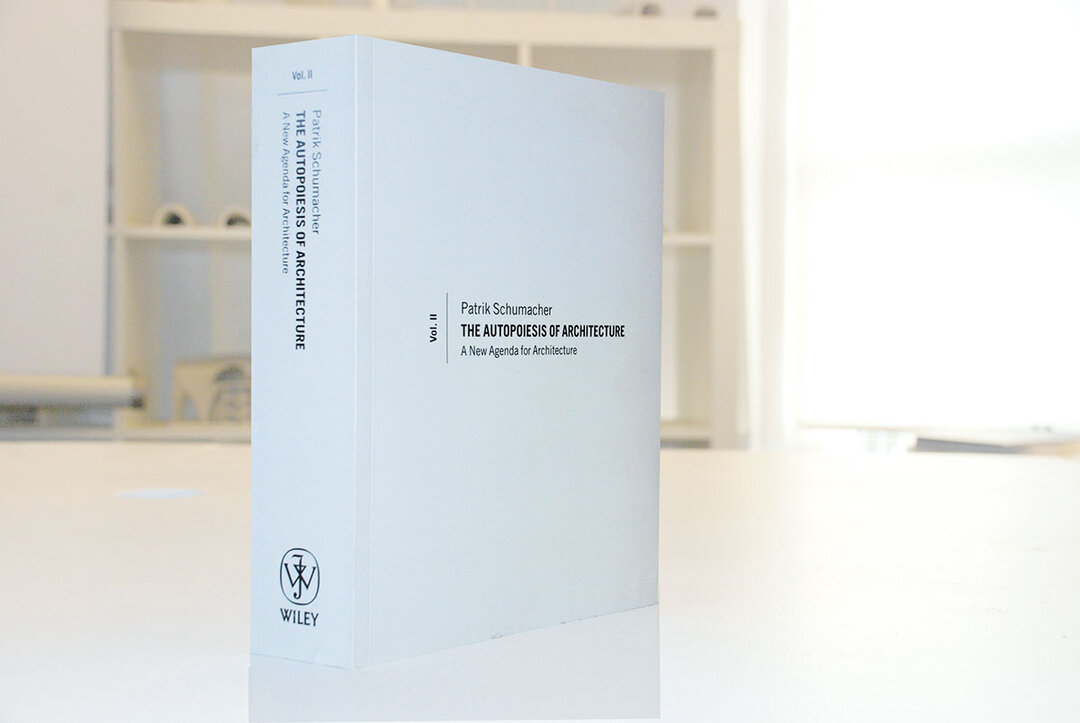
The strength of this parametric approach lies in its ability to understand architecture as a system of correlations and differentiations in search of an appropriate and complex articulation. As Patrik Schumacher remarks: "Like natural systems, parametric compositions are integrated to such an extent that they cannot easily be broken down into independent subsystems - a major difference to the modernist design paradigm being the clear separation of functional subsystems"3.
At the same time, the increasingly rapid transition to digital design processes and the development of new digital computational tools and parametric techniques, characterized by a high level of interactivity and real-time flow control, have brought radical new changes to the field of architecture. Suddenly, computer tools could be used to systematically explore the vast spaces of design, creating a whole series of complex, repetitively changing forms; eventually, computer technologies ceased to be used for representational digital visualization and were instead employed in processes of digital form-making.
It was precisely at this time that Zaha took over the studio then called "Studio Architekturentwurf 1" from Zvi Hecker and, capitalizing on the school's avant-garde position in the European academic context, set up a laboratory for contemporary digital design strategies. Embedded within an international framework of diverse but like-minded institutions such as technical universities, art schools, architecture schools, professional offices, critics and researchers, design research was undoubtedly understood and undertaken in the most efficient way possible: as a collaborative effort that took advantage of diverse external preconditions and constraints.
Zaha always organized his students in a kind of "vertical office", in which inexperienced and advanced students always worked together in self-organized teams, collaborating on the same topic and complementing each other's skills and talents, and this also constitutes our firm belief that students can learn as much from their peers as from their teachers, and that working in a close-knit team has become one of the mandatory conditions of design practice today
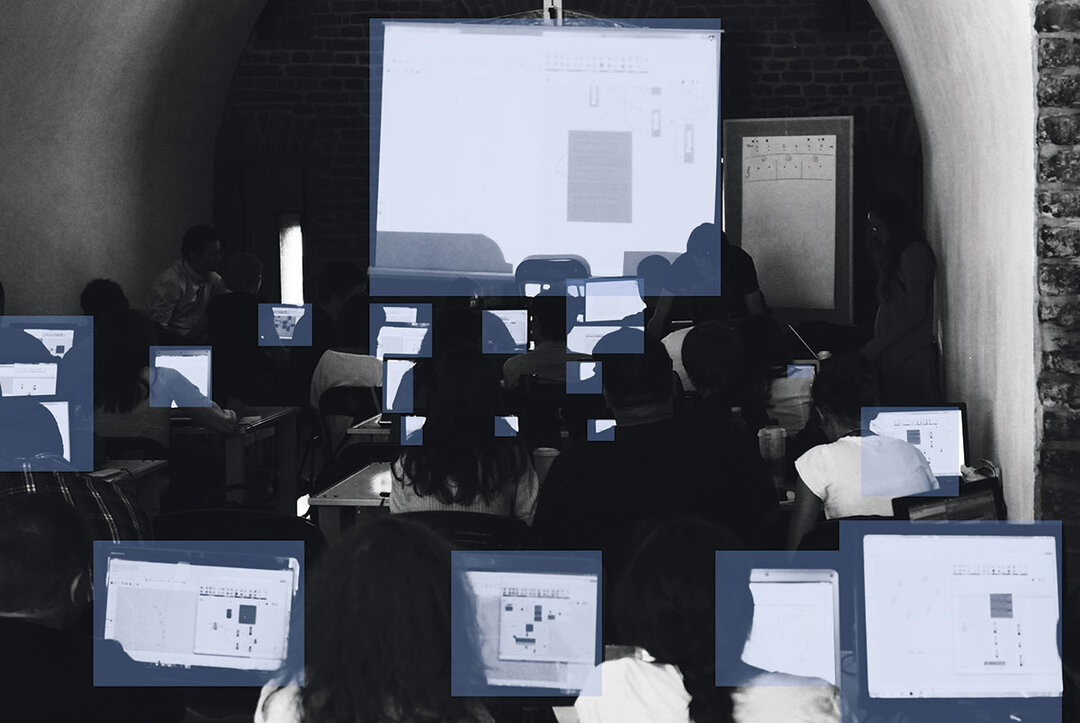
It has always been considered an important didactical aspect that students, according to their specific abilities and ambitions, can develop their own procedural design methods in activities carried out within scripted or parametric systems. Therefore, contrary to popular belief, scripting and programming knowledge has never been considered mandatory in the office.
The office was predominantly based on an open-source model, which meant that all previously acquired knowledge was collected, organized and stored for redistribution to students.
Drawing inspiration from several concepts belonging to different fields of expertise, the office's projects were initially developed programmatically to rethink architectural design strategies, concepts, traditional forms and media with the aim of breaking through the boundaries imposed on architecture at the time. But over time, as Zaha's and Patrik's ideas began to consolidate towards a precise theoretical direction, areas of research began to gravitate around that trajectory, being reiterated and reformulated over time, always building on previous design research and the evolving theoretical framework, systematically testing design strategies at various scales of architectural and urban experimentation, from urban planning and skyscraper clusters to building components, interior design and accessories characteristic of the fashion industry.
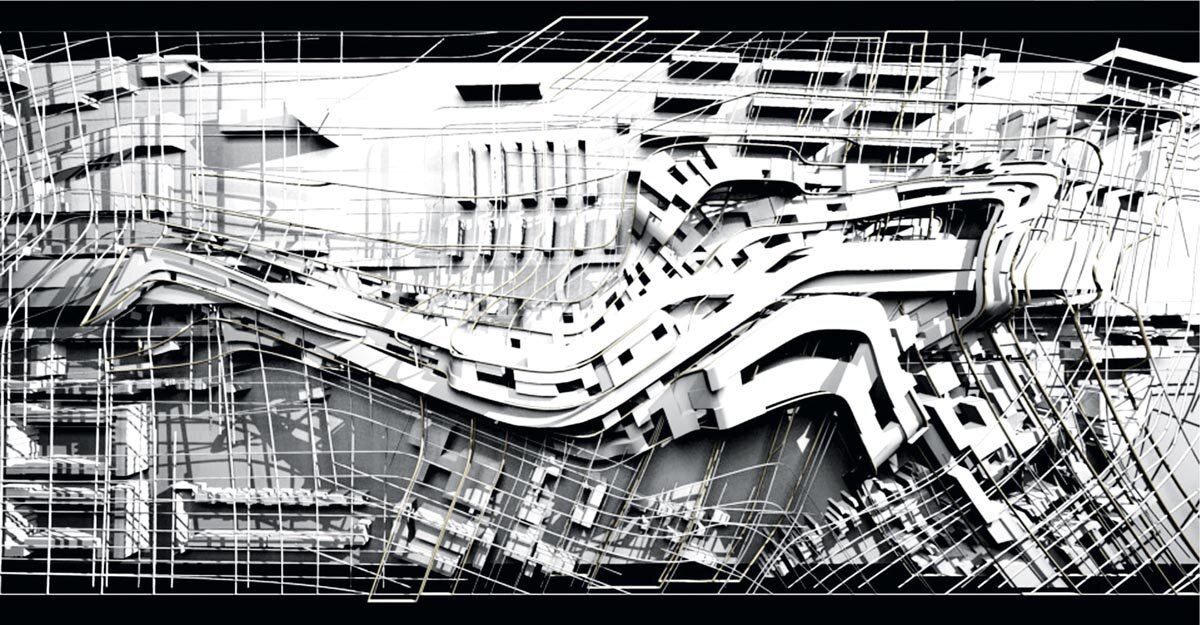
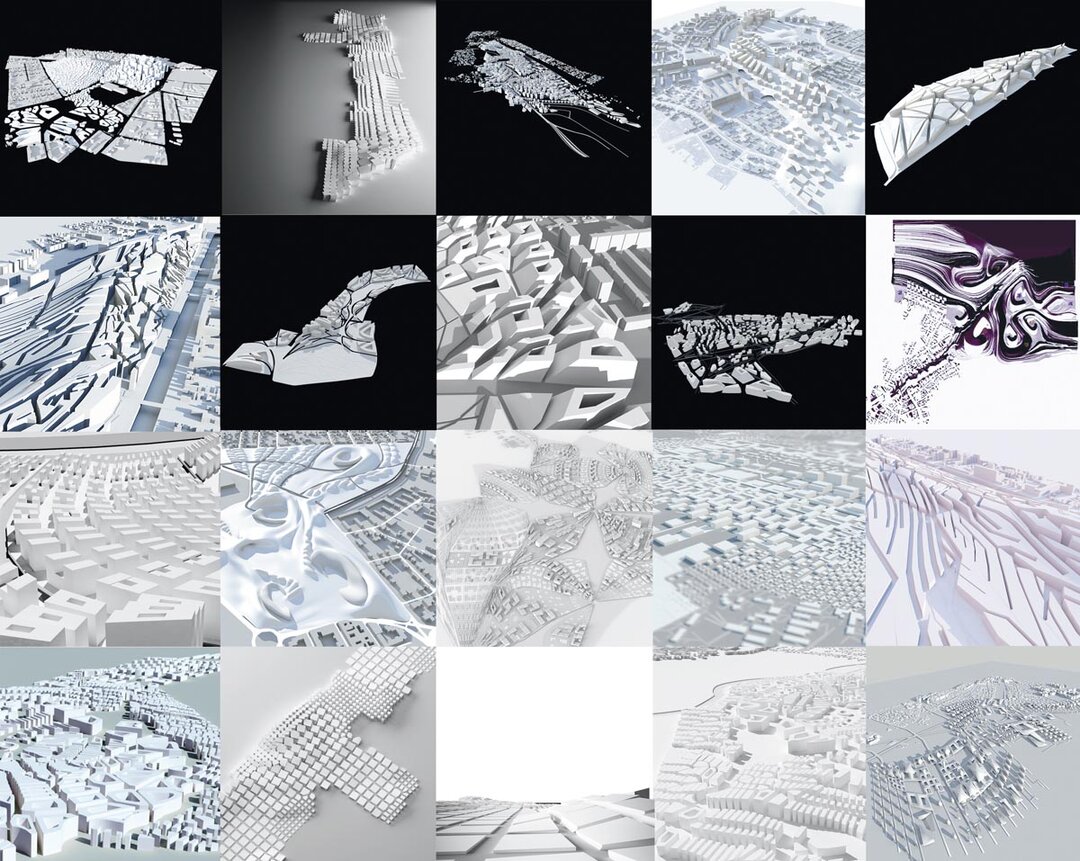
For example, with the help of a set of tools and techniques developed over a period of more than ten years, the various investigations undertaken at the urban scale have repeatedly explored the generative logic of the city as a complex relational system of different but interacting informational layers, reflecting our dynamic understanding of the urban condition, all producing highly varied results.
Over time, desk-based design research has evolved with its theoretical framework, the concept of parametricism, its agenda shifting from "[exploring] a space rich enough to prevent the architect from considering all possibilities in the preliminary stage"4 to strategically integrating an increasing number of complex information layers into increasingly complicated digital systems. The office's most recent design themes have been conceived with the intention to further broaden the scope of research and further the advancement of contemporary architectural discourse by more directly integrating areas such as civil construction and energy design into the parametric design process or by attempting to find appropriate responses to current societal problems through the exploration of semiological and human-adaptable/transformable urban and architectural environments.
Although after 15 years of existence Studio Hadid in Vienna has become history, and Kazuyo Sejima, another Pritzker Prize laureate, is to take it over and chart a new direction, parametricism has remained an ongoing and ever-evolving architectural and theoretical project.
Zaha Haid was director of the Hadid Studio at the Institute of Architecture at the Vienna University of Applied Arts from 2000-2015, where she taught together with Patrik Schumacher and Mario Gasser, Christian Kronaus, Jens Mehlan, Robert Neumayr, Hannes Traupmann and Mascha Veech. In total, 262 students have been part of the dynamic office environment and 141 have obtained a diploma or master's degree. 7 of these graduates are Romanian.
NOTES
1 Svetlana Boym, The Future of Nostalgia, New York: Basic Books, 2001
2 Stan Allen, Points + Lines. Diagrams and Projects for the City, New York: Princeton Architectural Press, 1999, p. 92.
3 Patrik Schumacher, 'Parametricism as Style - Parametricist Manifesto', London, 2008, http://www.patrikschumacher.com/Texts/Parametricism%20as%20Style.htm.
4 Manuel DeLanda, "Deleuze and the Use of the Genetic Algorithm in Architecture" [2001], in AD: Designing for a Digital World, Neil Leach Ed., Wiley-Academy, 2002.
Editor's note - Bogdan Zaha and Daniel Bolojan are among the seven Zaha Hadid Studio - die Angewante graduates
Architectural design strategies and - for that matter - architectural theory and education have undergone crucial paradigmatic shifts in the most recent decades. The increasing inability of modernism to address or let alone resolve society's increasingly complex problems forced architects, urbanists, theoreticians and scholars to look for different approaches.
This led on the one hand to the re-evaluation of supposedly still hidden potentials of the modernist project within its one logic, a tendency, that Svetlana Boym coined "off modern", as "[...] it makes us explore slideshadows and backalleys rather than the straight road of progress."1
On the other hand however, the then recent renunciation of linear and binary systems of perception, which for a long time had been dominating our world view, had opened up totally new areas of scientific research, changing our conception of architecture considerably and propelling the profession into a completely new paradigm. Shifting away from traditional platonic shapes and orders towards formal complexity architects had come to understand the built environment as a continuous field of diverse elements, as a spatial organization that is able to negotiate and interpolate between those elements, which are subjected to the changing forces and currents that guide their use. As Stan Allen remarks, "field conditions move from the one toward the many, from individuals to collectives, from objects to fields."2
The transfer of such systems out of their initial domain into architecture and urbanism and their methodical digital development aims towards the generation of complex and parametrically controllable geometries, which contain highly adaptive potentials and connectivity. Variation and continuous differentiation of simple elements reflect the changing and mutually influential forces within a system's different layers in order to eventually articulate a complex architectural system that ties together a spatial organization, its environment, its inhabitants and their constantly changing patterns of use. This implies controlled and simultaneous development of function, form, structure and material, and requires attention on the associative qualities of all single constituents.
The strength of this parametric approach lies in its understanding of architecture as a system of correlations and differentiations seeking adequate and complex articulation. As Patrik Schumacher puts it: "Just like natural systems, parametricist compositions are so highly integrated that they cannot be easily decomposed into independent subsystems - a major point of difference in comparison with the modern design paradigm of clear separation of functional subsystems."3
At the same time, the increasingly rapid move towards digital design processes and the development of new digital software tools and parametric techniques, which were characterized by a high level of interactivity and real-time flow control, subjected the field of architecture to further radical changes. Computer tools could suddenly be used to systematically explore the vast design spaces, creating a whole series of complex, iteratively changing shapes and forms, finally moving computer technologies from representational digital visualization to digital form finding processes.
It was precisely at that time, when Zaha took over what was then known as the "Studio Architekturentwurf 1" from Zvi Hecker and, making use of the school's avant-garde position within the European academic context, started to set up a laboratory for contemporary digital design strategies. Embedded in an international framework of different similar minded institutions, such as technical universities, art schools, schools of architecture, professional practices, critics and teachers, design research was understood and undertaken in its probably most effective way: as a collaborative effort taking advantage of the various external preconditions and constraints.
Zaha always organized her students in a "vertical studio", meaning the inexperienced and advanced students always worked together in self organizing teams, collaborating on the same brief and complementing each other's individual skills and talents, manifesting our firm beliefs that students can learn at least as much from their fellows as from their teachers and that closely knit group work has become one of the prerequisites of contemporary design practice.
It was always considered an important didactic aspect that students, according to their specific abilities and ambitions, can set out their own procedural design methods while working within the paradigm of scripted or parametric systems. Therefore, contrary to popular belief, scripting and programming knowledge was never considered to be a requirement in the studio.
The studio was strongly based on an open-source model, meaning that previously acquired knowledge was collected, organized and stored to be redistributed among the students.
Drawing from concepts of different fields of expertise, the studio's briefs initially were programmatically developed to rethink traditional architectural design strategies, concepts, forms and media, to simply perforate the then existing boundaries of architecture. But over time, as Zaha's and Patrik's ideas started to consolidate into one precise theoretical direction, fields of research started to spiral around that trajectory, being reiterated and reformulated over the years, always building upon previous design research and a constantly unfolding theoretical background, systematically testing parametric design strategies in various scales of architectural and urban experimentation, from urbanism and high-rise clusters to building components, interior design and fashion accessories.
For example, using a constantly advancing set of tools and techniques throughout a period of more than ten years, various investigations into urban scale repeatedly explored the generative logics of the city as a complexly networked system of different interactive layers of information, reflecting our dynamic understanding of the urban condition and all yielding vastly different results.
Over the years the studio's design research has co-evolved with its theoretical framework, the concept of Parametricism, thus shifting its agenda from "[exploring] a space rich enough so that all the possibilities cannot be considered in advance by the designer"4 (de Landa, 2001) to strategically integrating more and more complex layers of information into increasingly intricate digital systems. The most recent studio briefs were devised with the intention to further broaden the field of research and advance the contemporary architectural discourse by integrating related fields such as structural engineering and energy design more directly into the parametric design process or by trying to find adequate answers to current societal issues by means of exploring semiological and human-adaptive transformable transformable architectural and urban environments.
And while after 15 years Studio Hadid Vienna has become history now and Kazuyo Sejima, another Pritzker Prize laureate, will take over the studio and reset its direction, its old agenda, Parametricism has remained an ongoing and evolving architectural and theoretical project.
Zaha Hadid was head of Studio Hadid Hadid Vienna at the Institute of Architecture at the University of Applied Arts from 2000 to 2015, where she taught with Patrik Schumacher and Mario Gasser, Christian Kronaus, Jens Mehlan, Robert Neumayr, Hannes Traupmann and Mascha Veech. A total of 262 students were part of the studio's dynamic environment, and 141 of them graduated from the studio with a diploma or master's degree. 7 of the graduates were Romanians.
NOTES
1 Svetlana Boym, The Future of Nostalgia, New York: Basic Books, 2001,
2 Stan Allen, Points + Lines. Diagrams and Projects for the City, New York: Princeton Architectural Press, 1999, p. 92.
3 Patrik Schumacher, "Parametricism as Style - Parametricist Manifesto", London, 2008, http://www.patrikschumacher.com/Texts/Parametricism%20as%20Style.htm.
4 Manuel DeLanda, "Deleuze and the Use of the Genetic Algorithm in Architecture" [2001], in AD: Designing for a Digital World, Neil Leach Ed., Wiley-Academy, 2002.