VES-EL - Design: Gareth Neal & Zaha Hadid

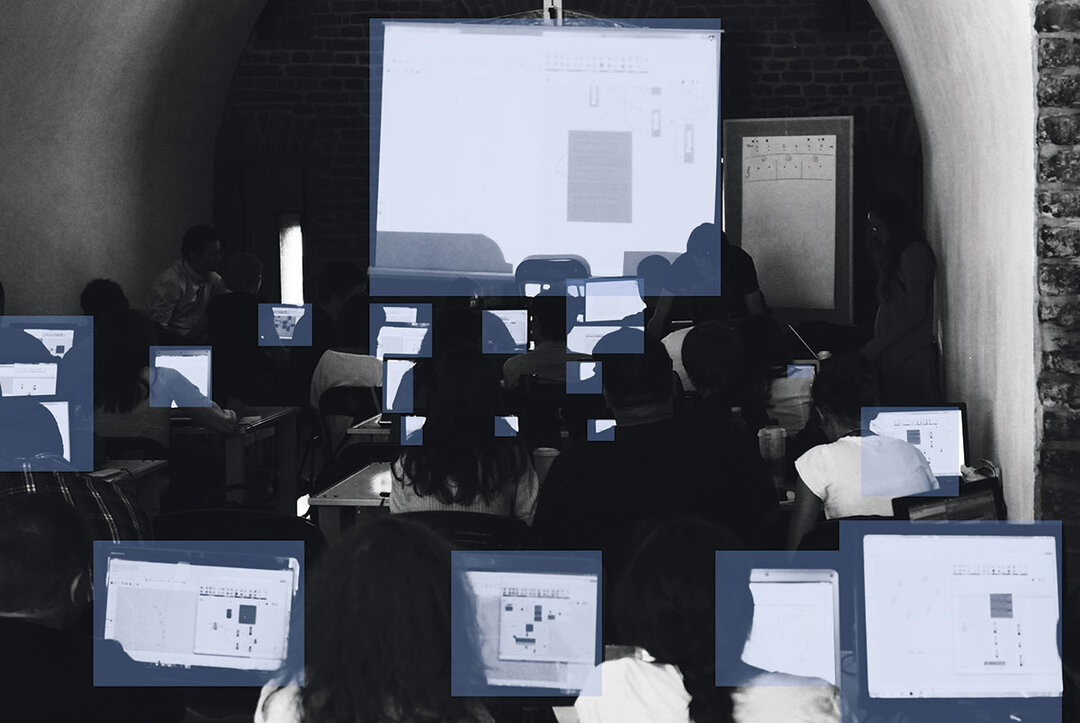
Locusts in the Ether (LiE) is the experimental side of edukube, an educational hub for digital tools in art and architecture. The project started 4 years ago, when together with three young architects we kicked off a series of events aimed at exemplifying the potential of parametric architecture and digital fabrication methods to reanimate semi-abandoned spaces. Thus, we started to organize workshop series composed of intensive training sessions, complemented by applied activities that included both 3D printing and actual building of installations.
The name of the workshop is made of two components: the name of the program used - Grasshopper, in translation "grasshopper", and a derivative from the location of the first workshop, the courtyard of the Aethernativ café, short for "Aether", where edukube has been running for 3 years.
The structure of the LiE workshop consists of three parts - the method, the experiment and the result.
Method
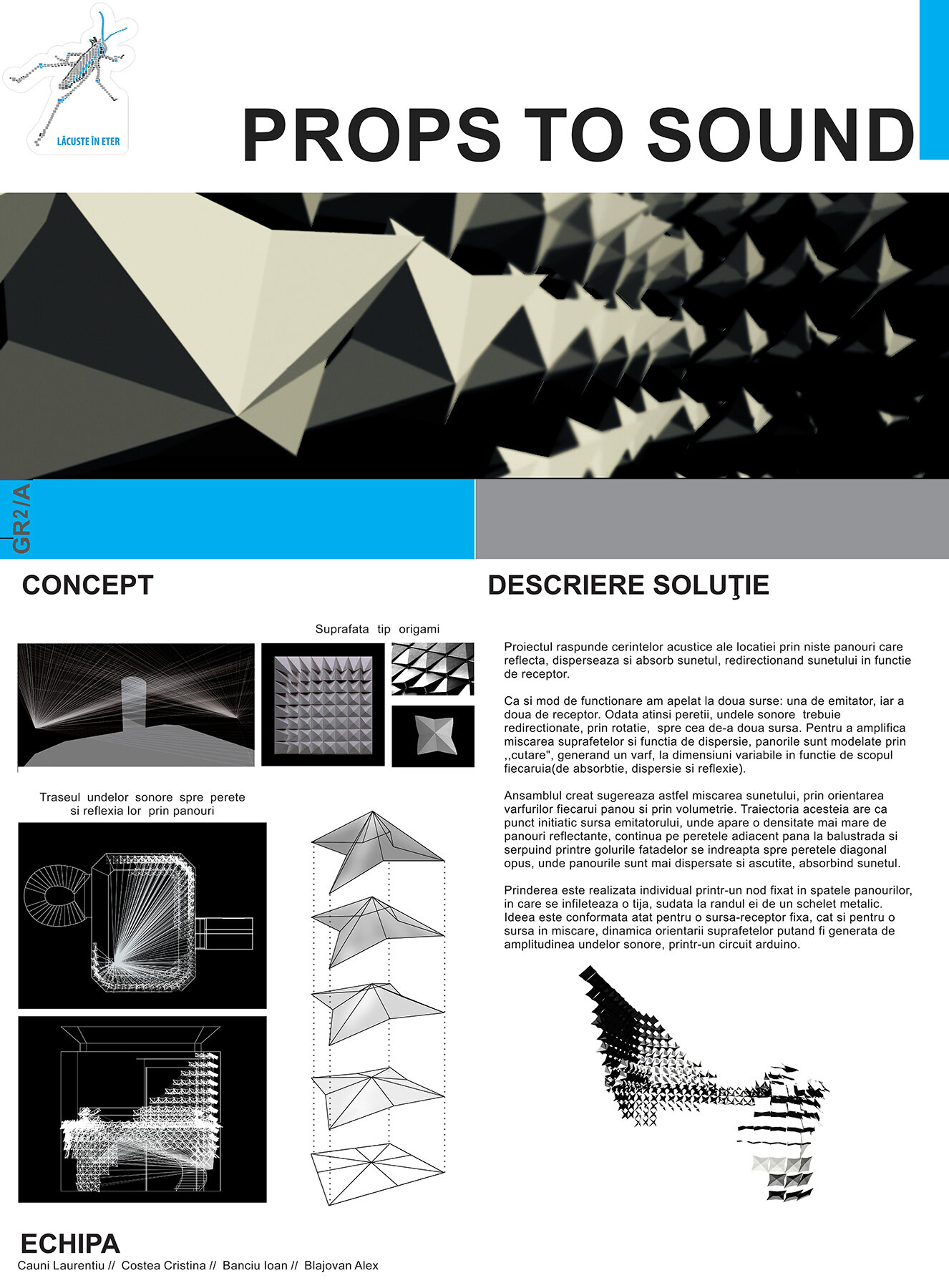
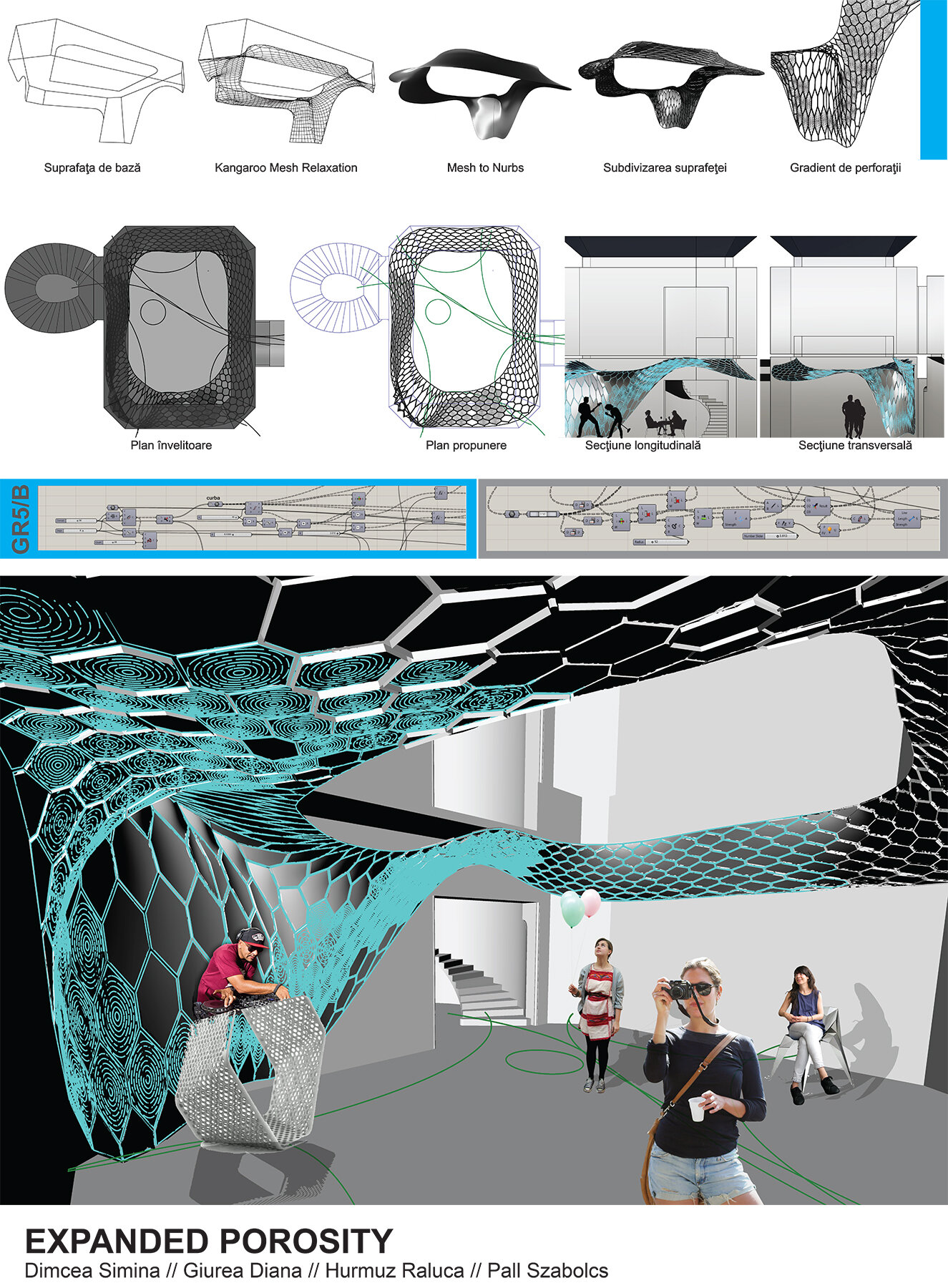
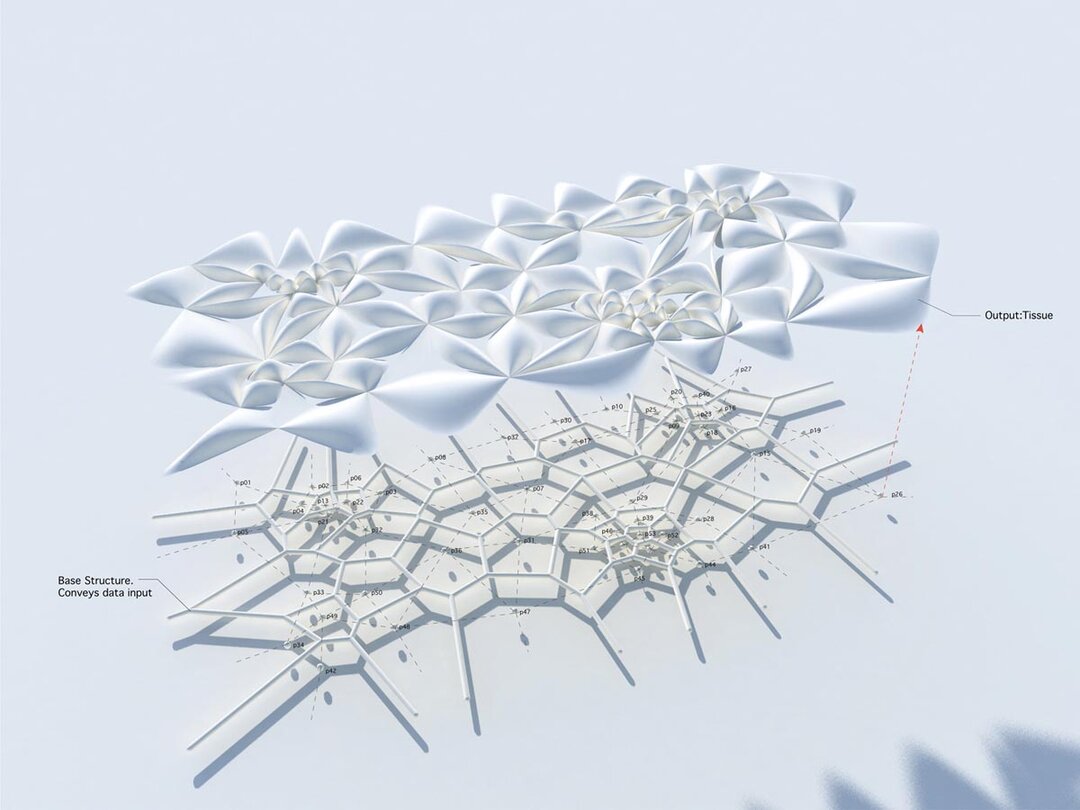
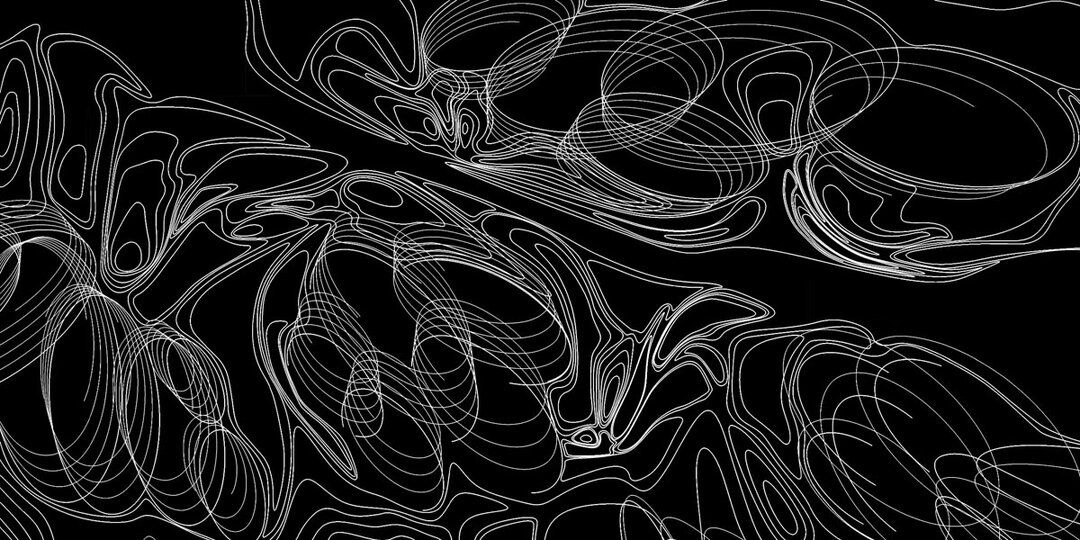
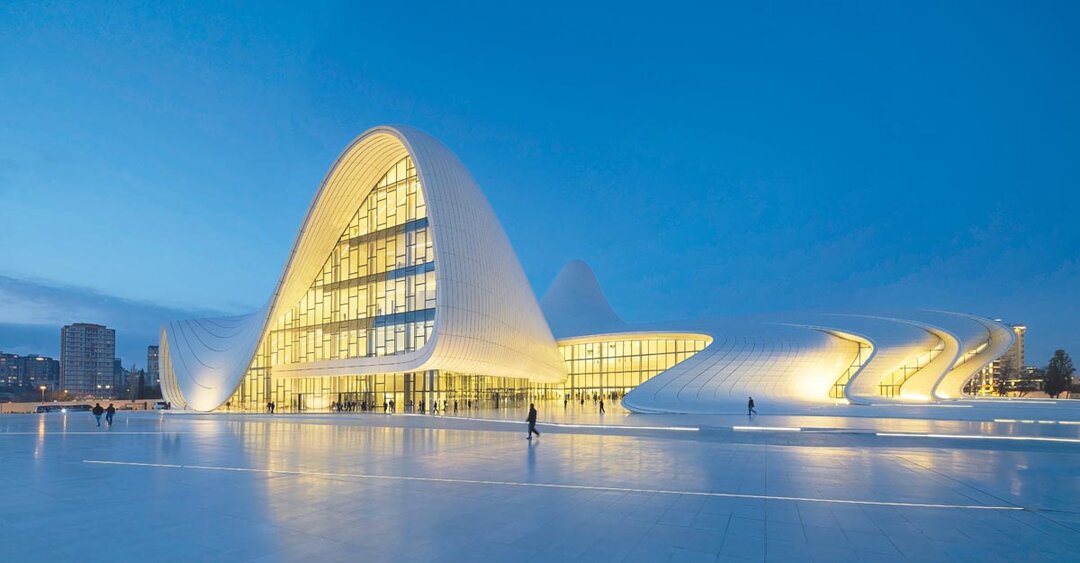
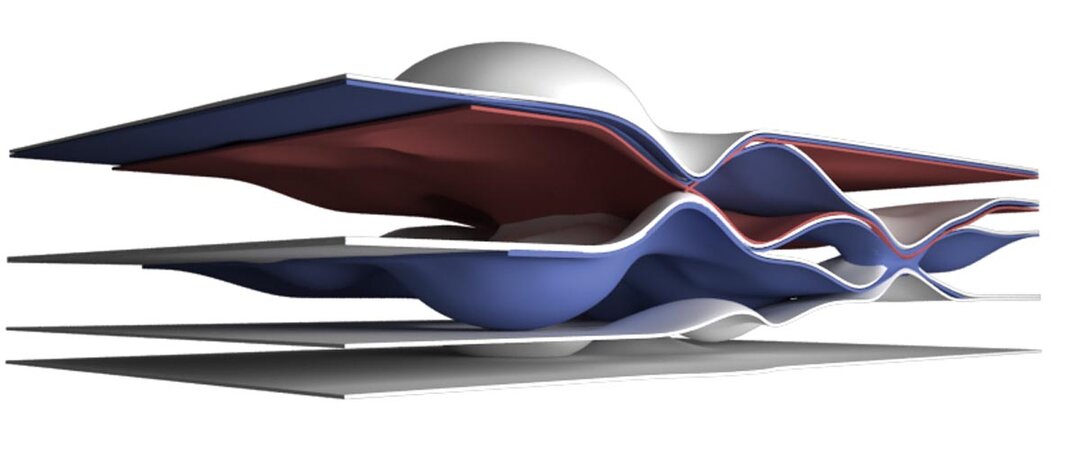
Parametric design is a process based on algorithmic thinking. Thus, it allows to express the collected data and their composition rules in a contemporary visual language. The data and rules define and clarify the relationship between the concept behind the design and the volumetry resulting from the design process.
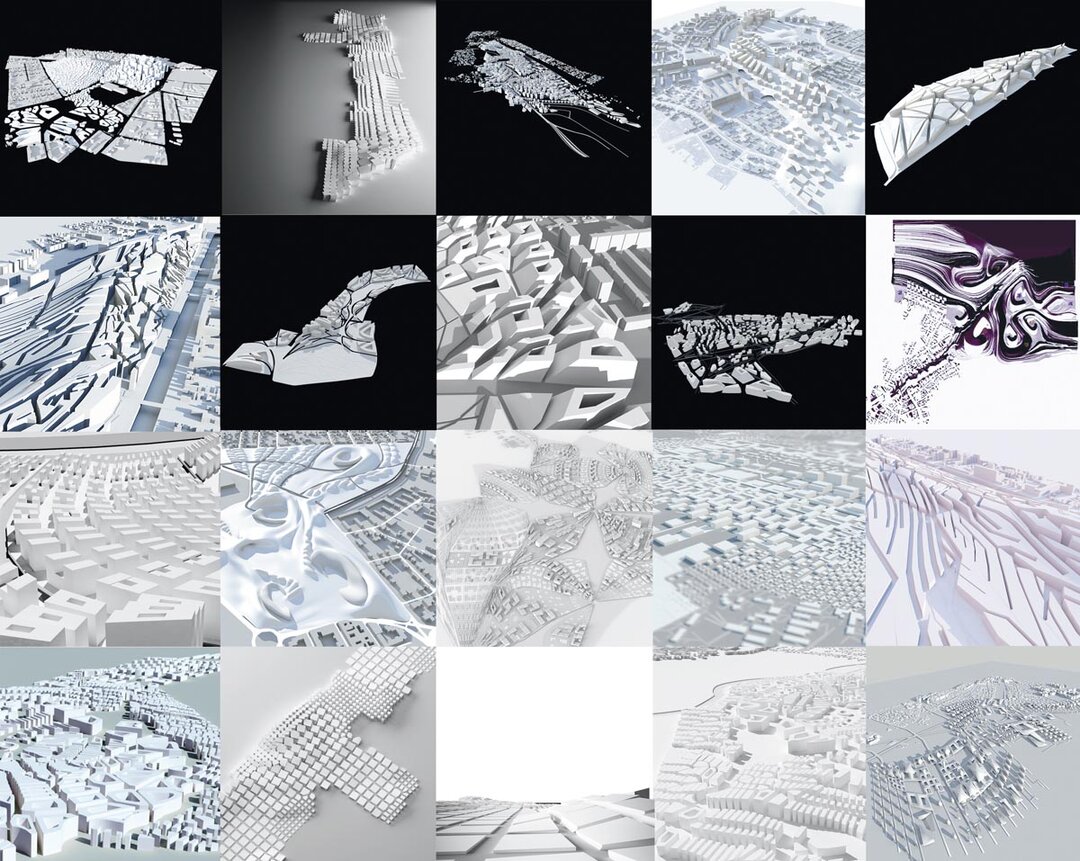
Since the first edition, the desire of the team behind the workshop has been to convey the fact that today's computing technology is not simply a drafting environment, but has morphed into an experimentation environment, where a single concept can trigger an infinite number of iterations that vary depending on the parameters used.
The experiment
The recipe consisted in mixing a varied number of trainers specialized in algorithmic design, such as Ionuț Anton, Dana Tănase, Andrei Ivănescu, Daniela Kronehart, Andrei Pădure, Zoran Popovici and participants with very different backgrounds and interests. To this mix we add the intensive hours of Rhino and Grasshopper training complemented with long brainstorming sessions.
The result
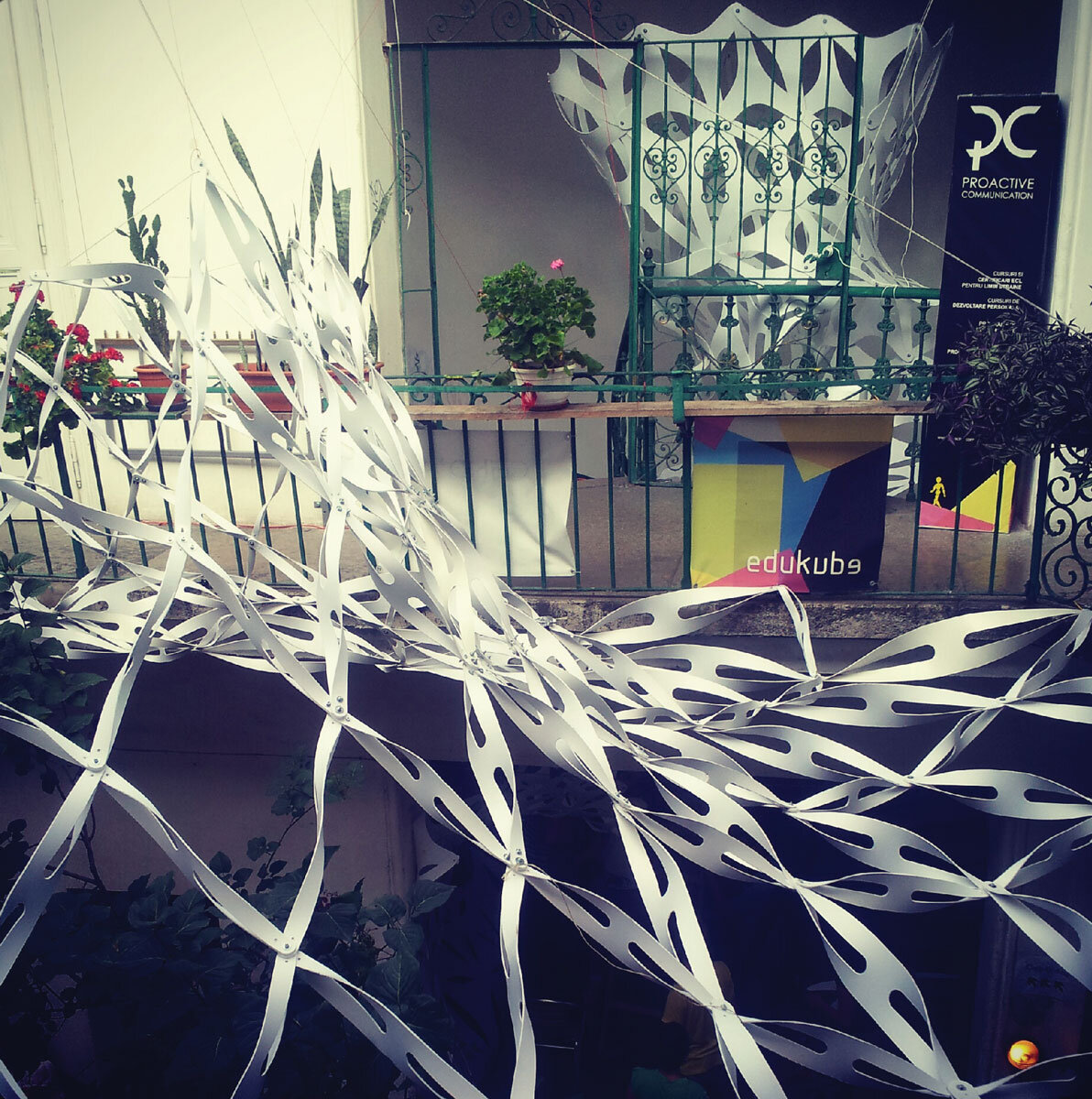
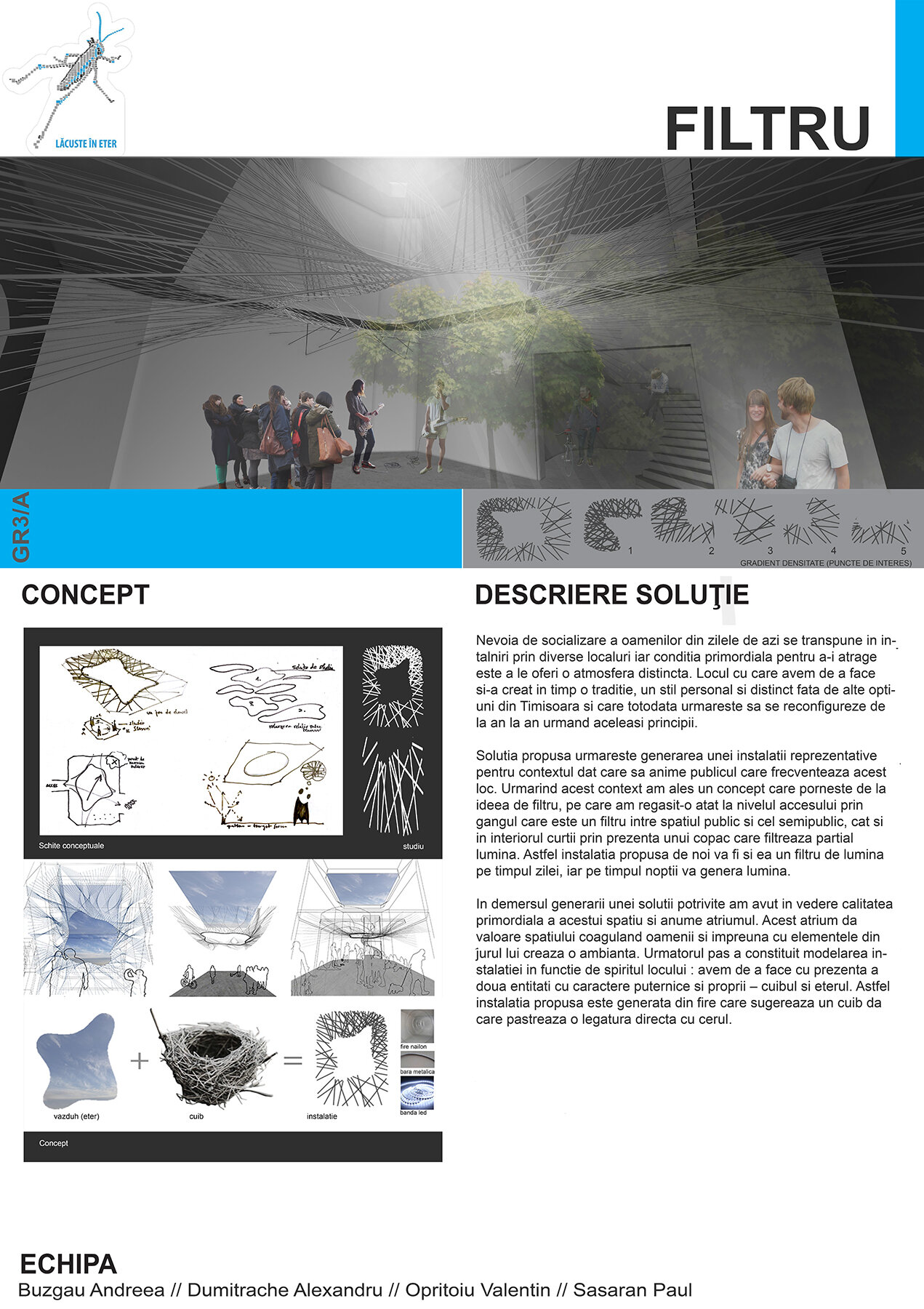
Timisoara's old premises used to be full of life. Around the corridors there was always a close-knit community; the inner courtyards were organic spaces in their human content. Over the past decades, this kind of relationship with the common space has largely disappeared. The discordant note in this seemingly irreversible phenomenon is the courtyard of the building at 14 Mărășești Street, which in a relatively short time has been revitalized through various activities undertaken by different creative groups, redefining a micro-community.
Digital technologies play a very important role in recognizing the changing way we design, build and experience architecture. Ecological and social consciousness, on the other hand, require us to observe and understand behavioral trends in the environment we live in - both natural and man-made. Therefore, the use of parametric platforms in this context will give participants the opportunity to go beyond the use of design as a tool serving pragmatic, aesthetic and semiotic functions, to the use of design as a regulator of internal and external environments, controlling bioclimatic, social, behavioral flows.
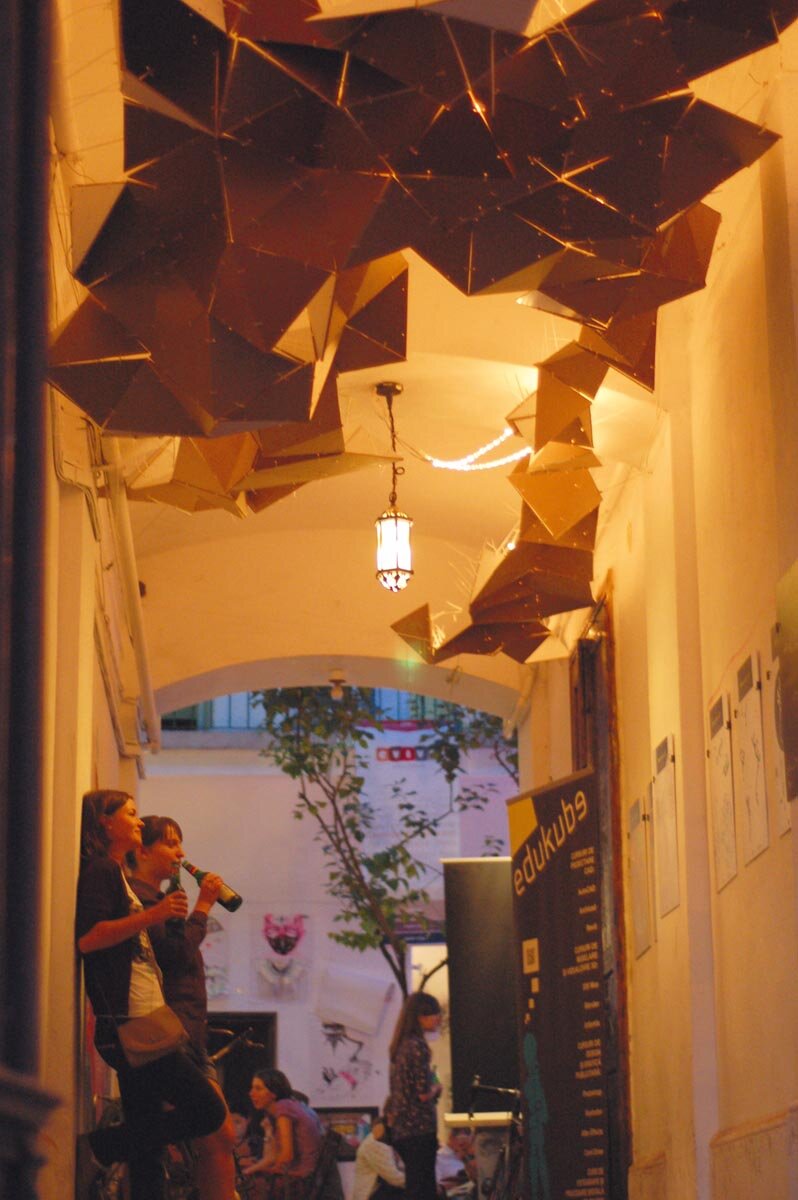
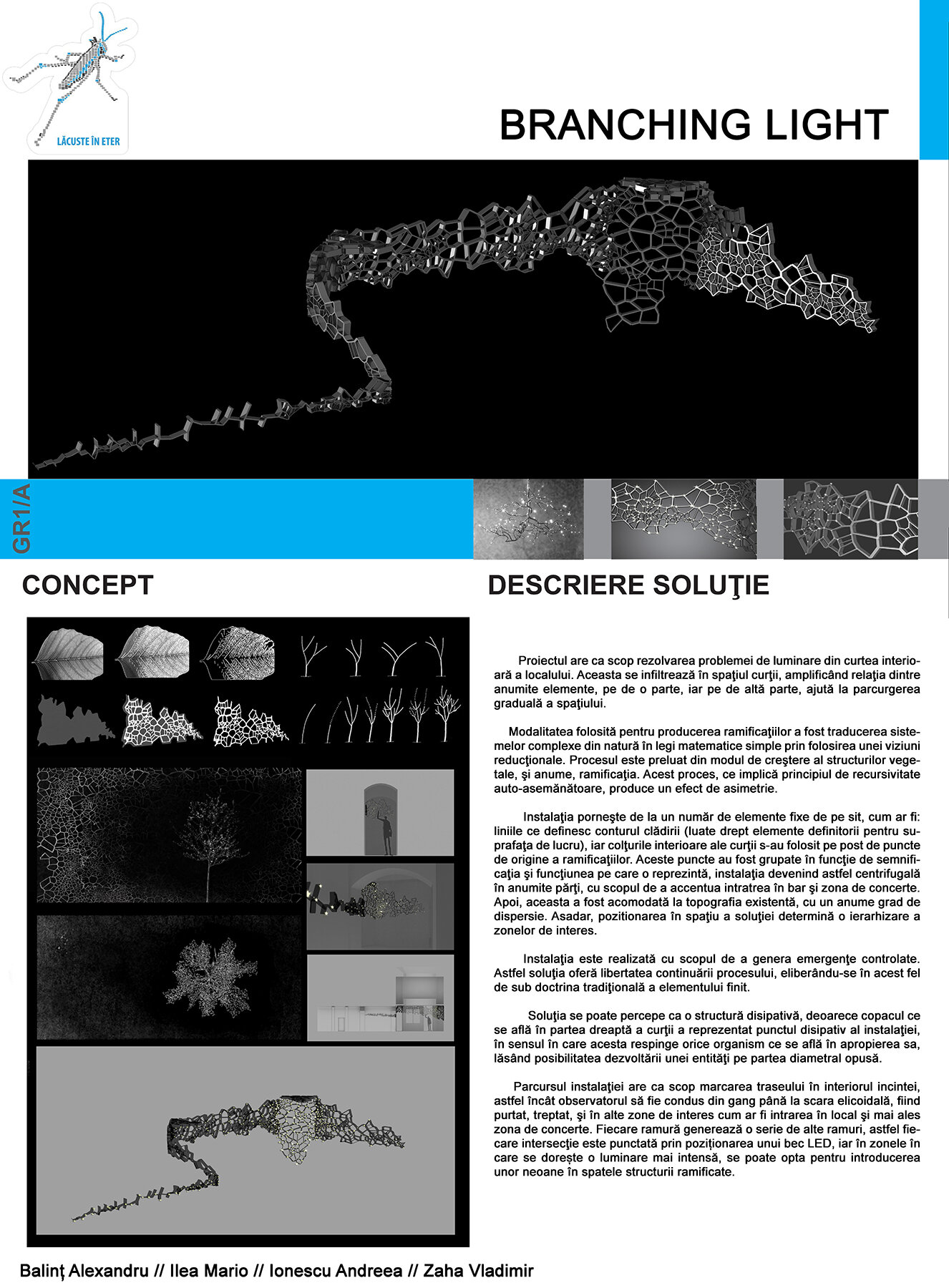
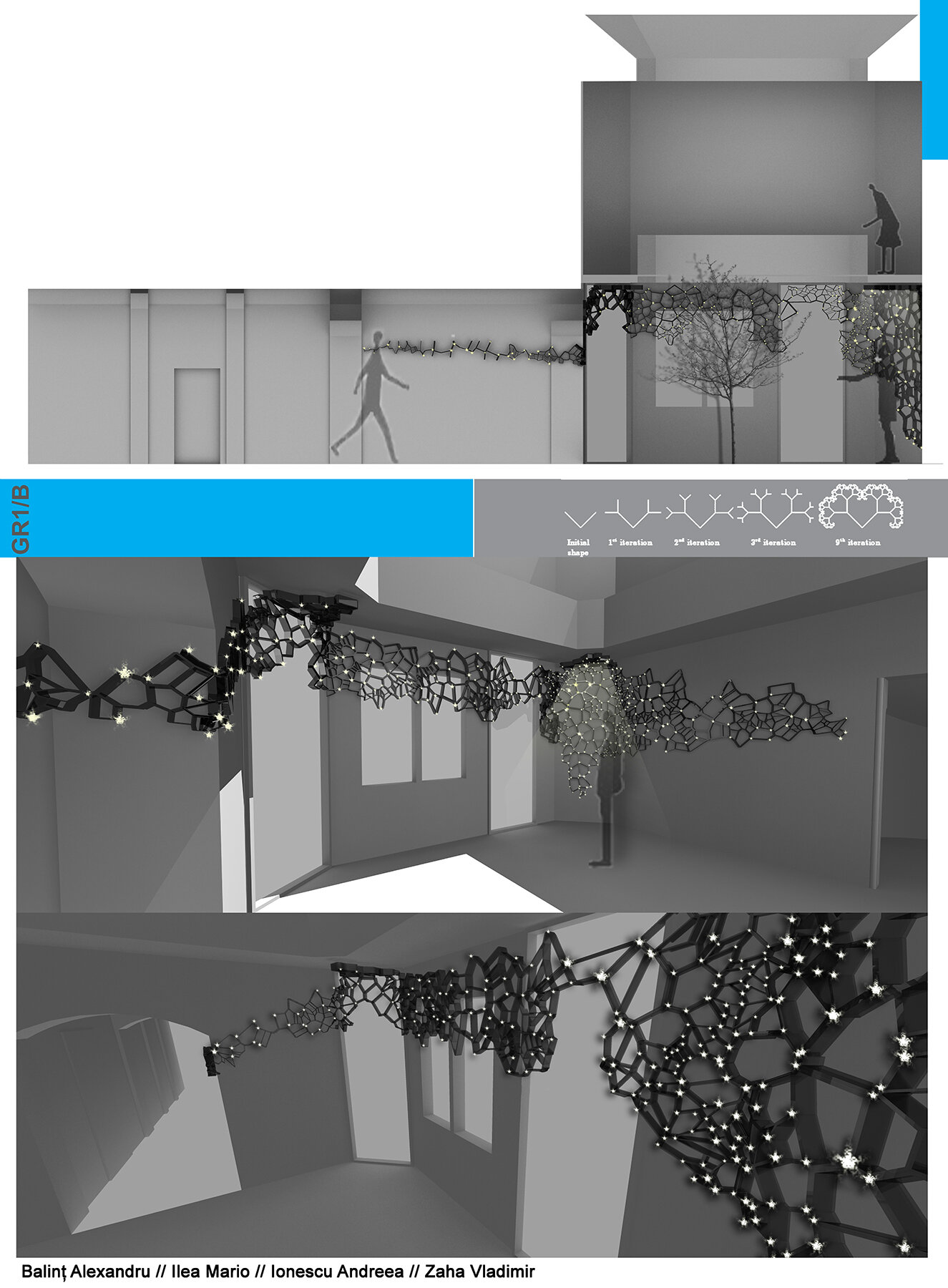
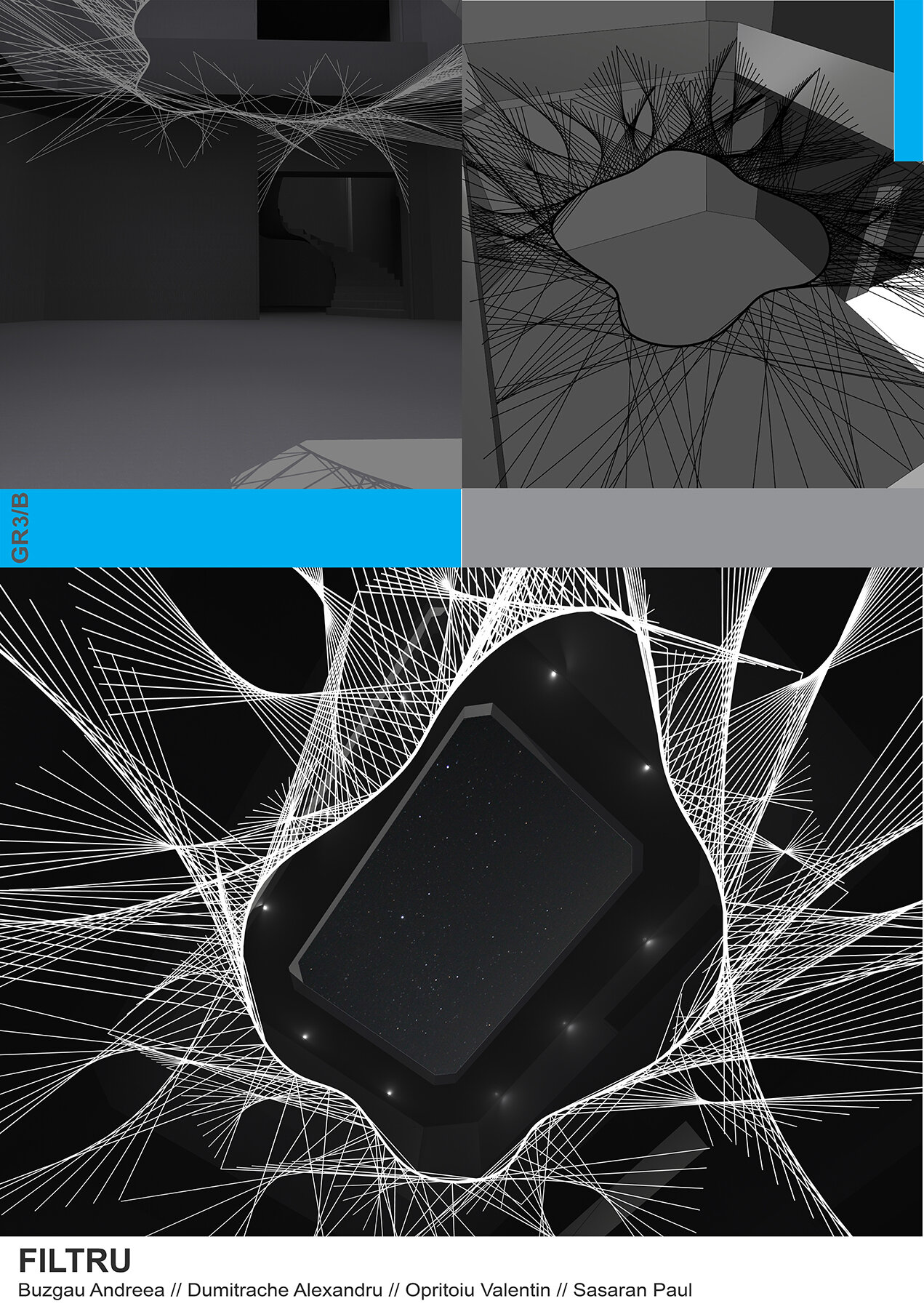
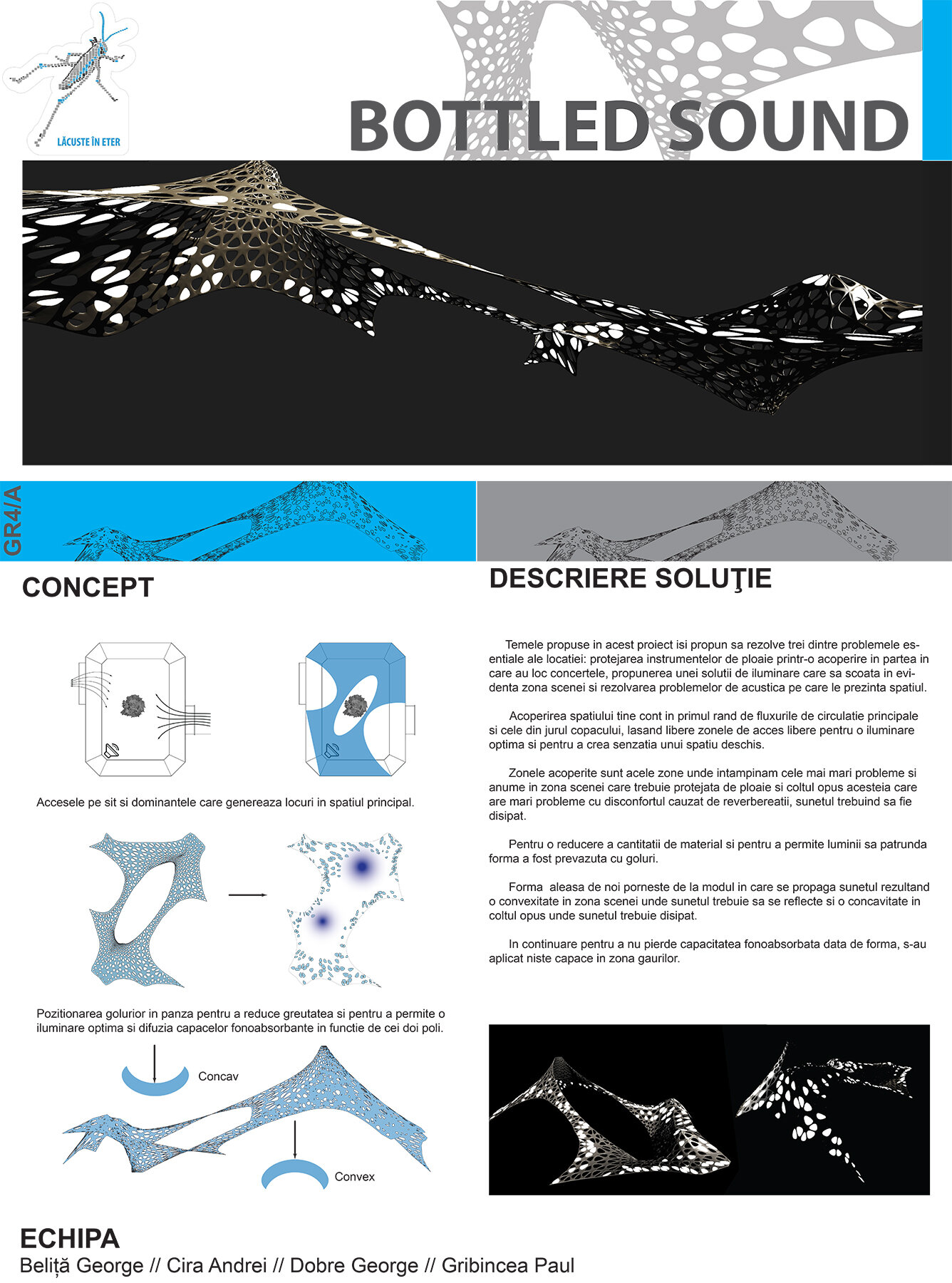
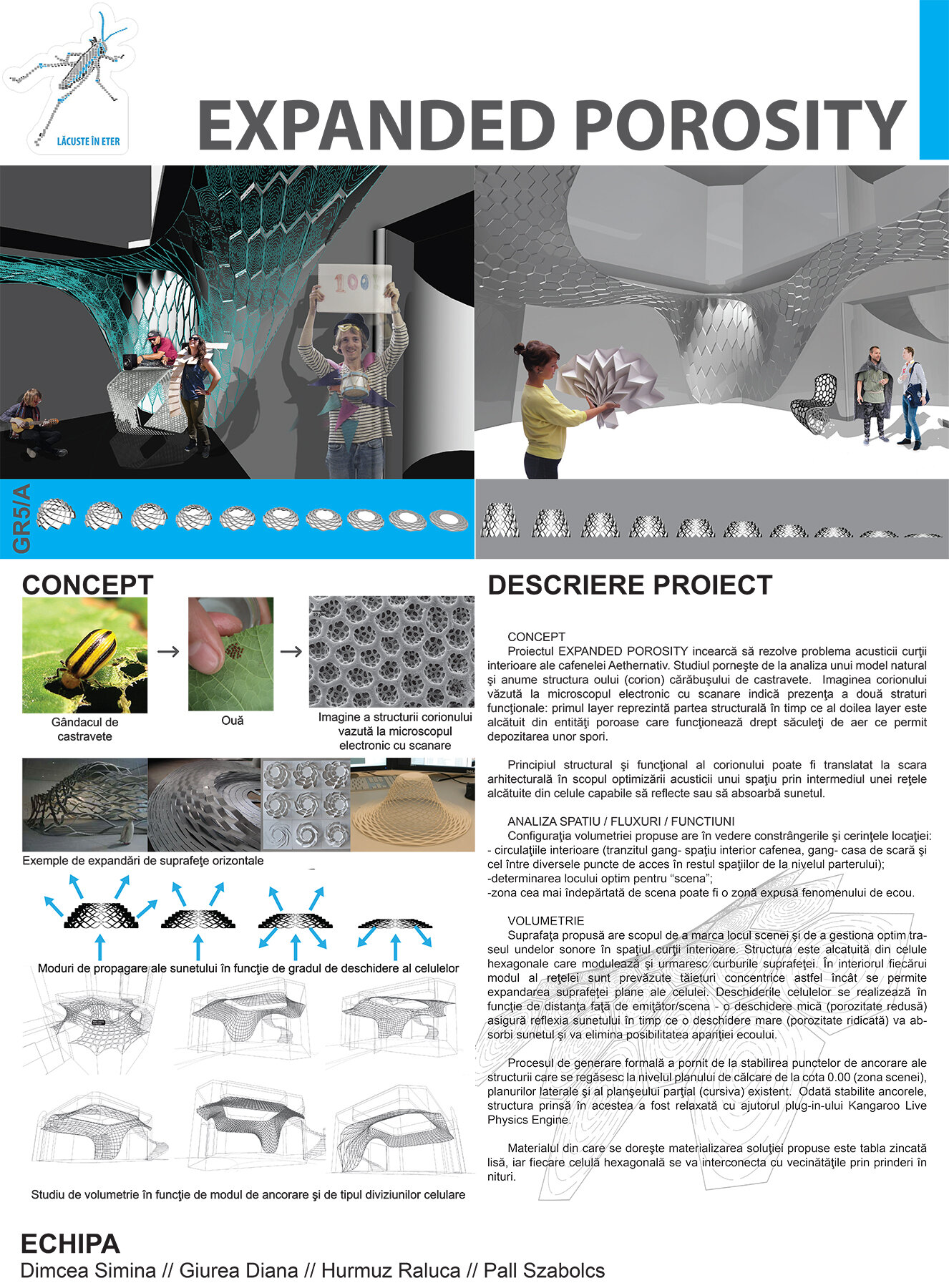
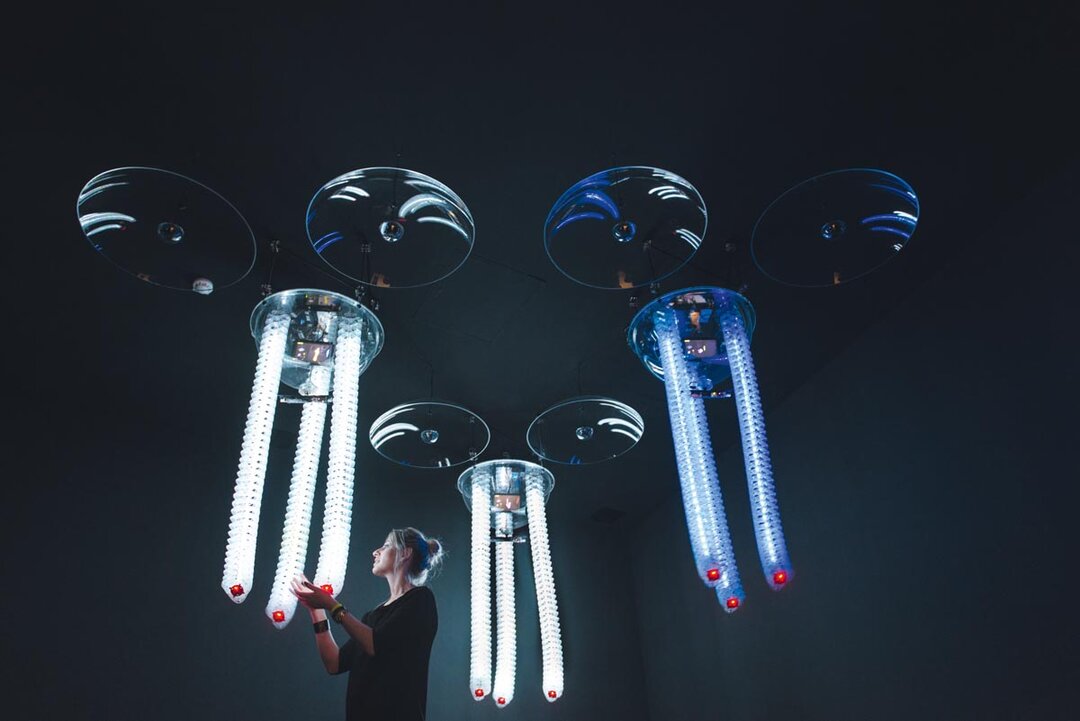
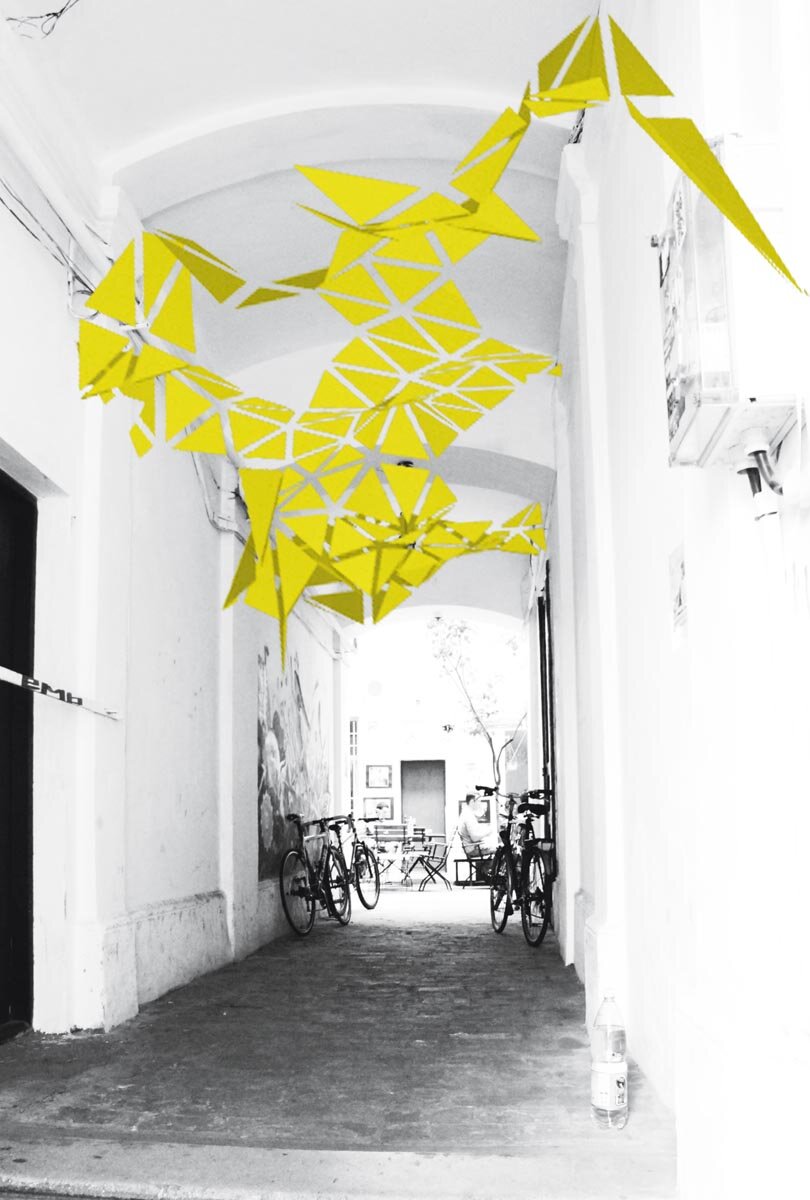
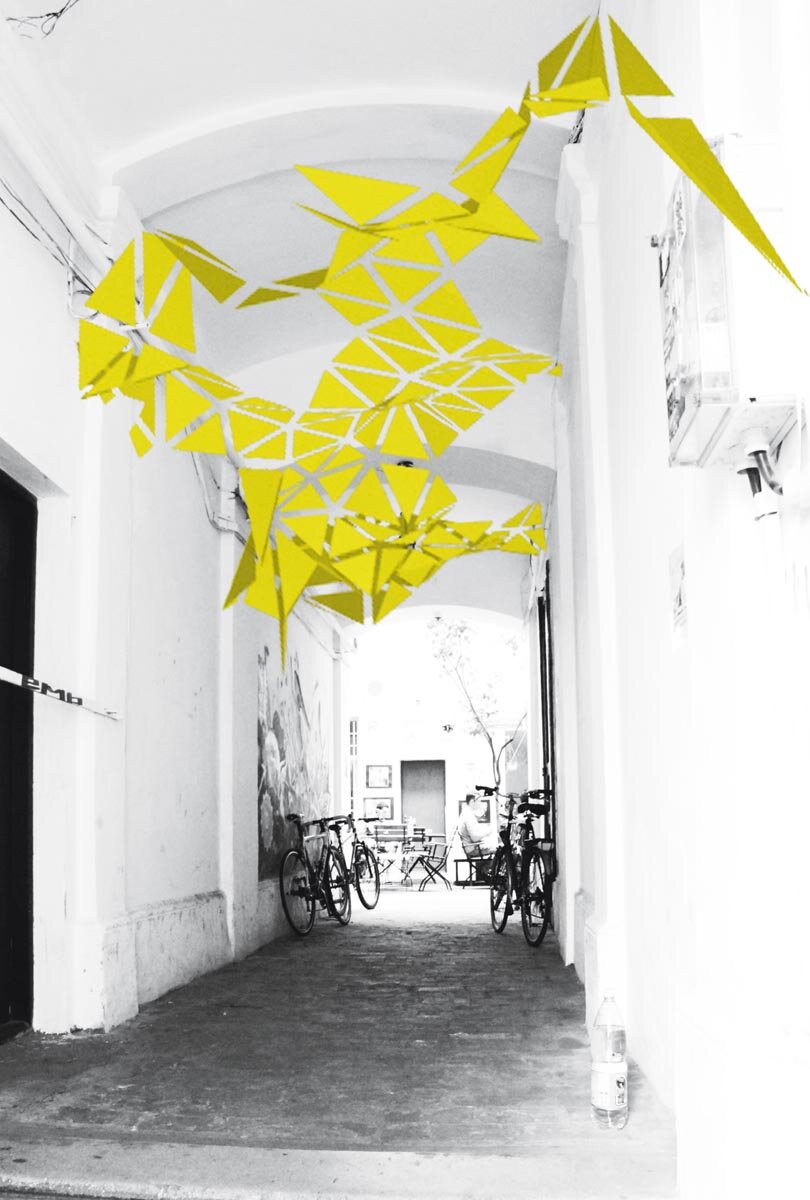
If the first edition of the workshop was finalized with a temporary installation, Locusts in the Ether 2 aimed at transforming a semi-abandoned passageway into an exhibition space, by designing a lighting fixture with a dual role: marking the access area and efficiently illuminating the walls on which temporary works were to be exhibited.
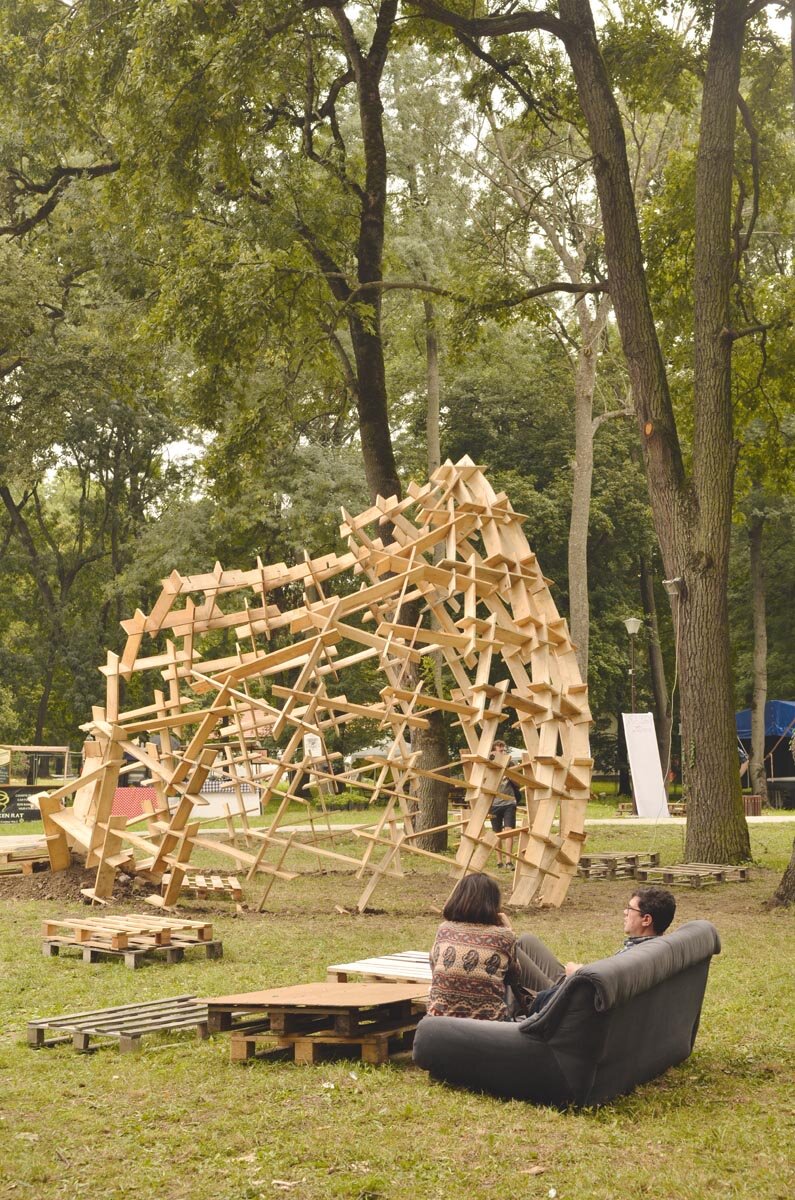
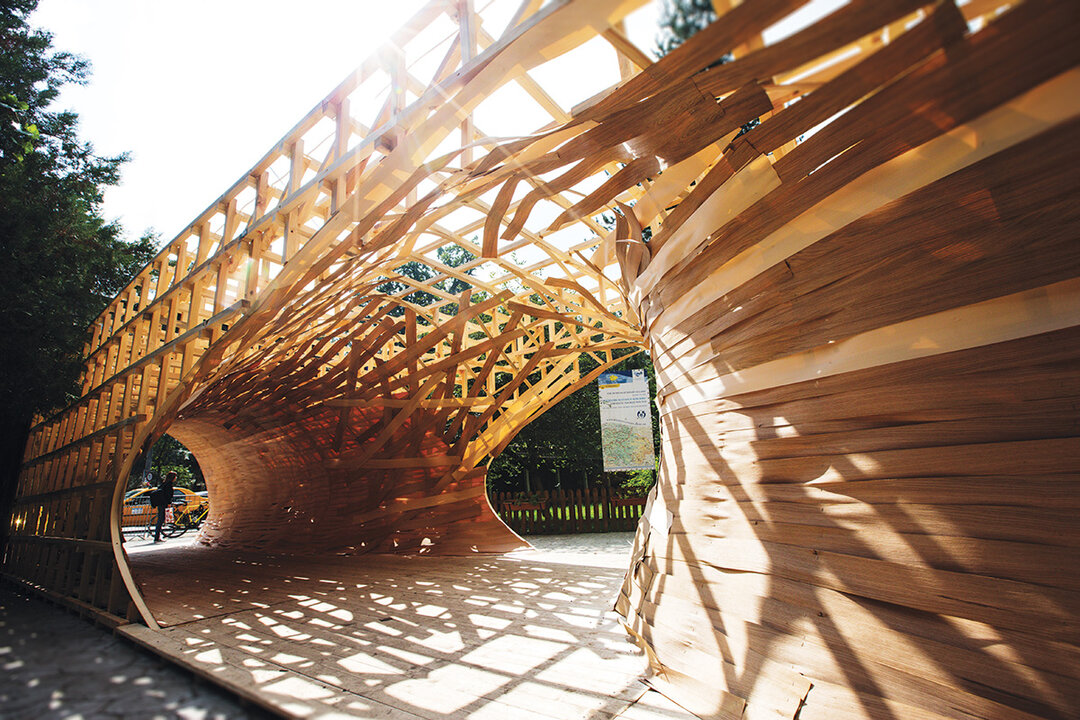
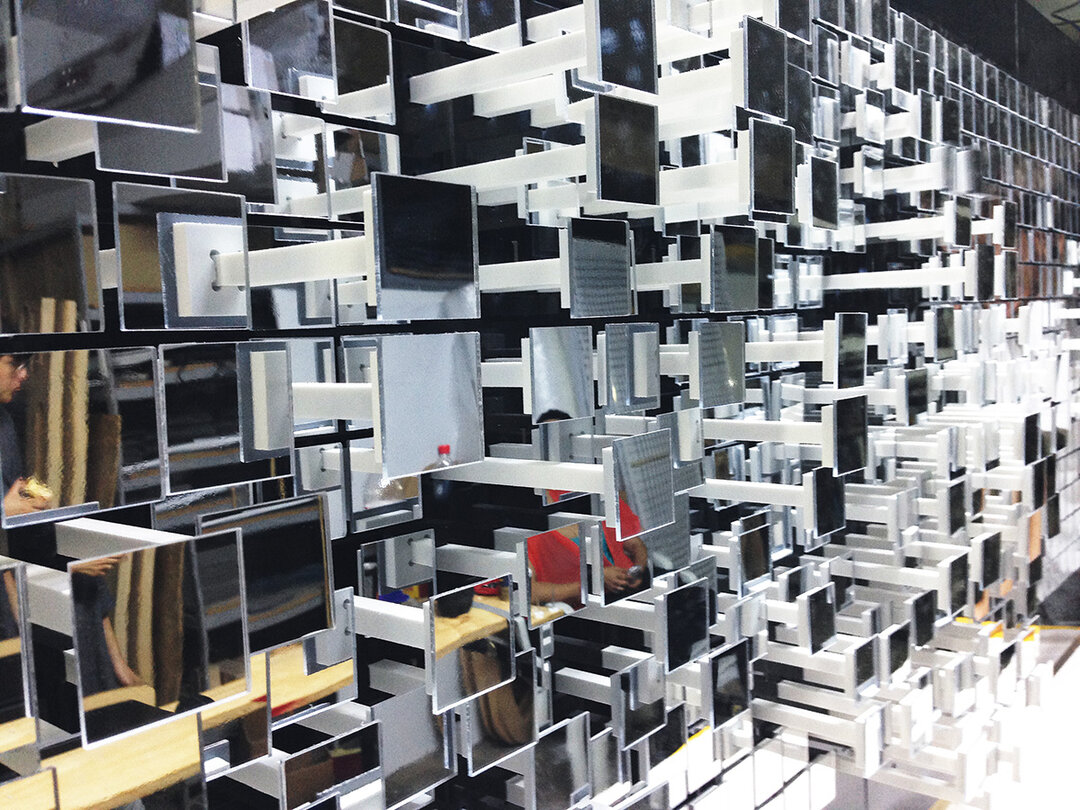
In 2015, Plai Festival hosted both LiE 3, which materialized in a pavilion with a reciprocal structure, and this year's LiE 4.3, which resulted in a pavilion that marked the access to the event, a structure detailed in the article "Hidden Nest".
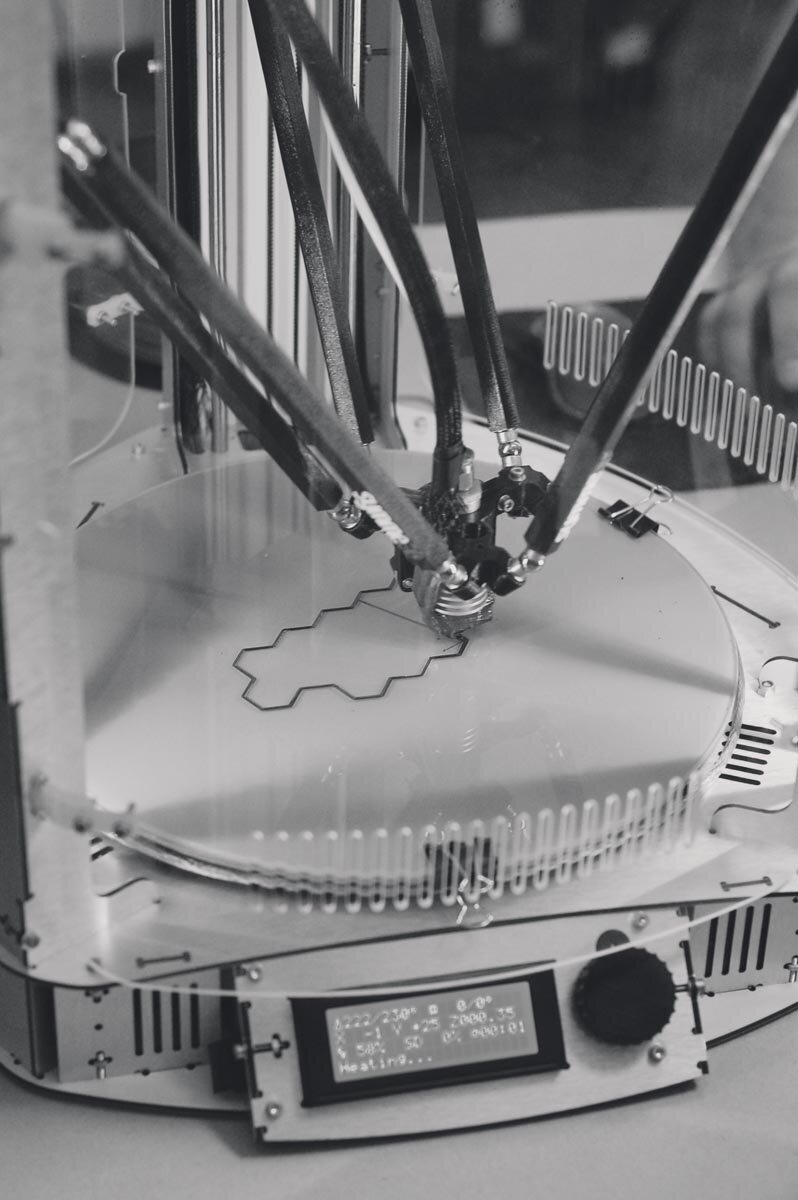
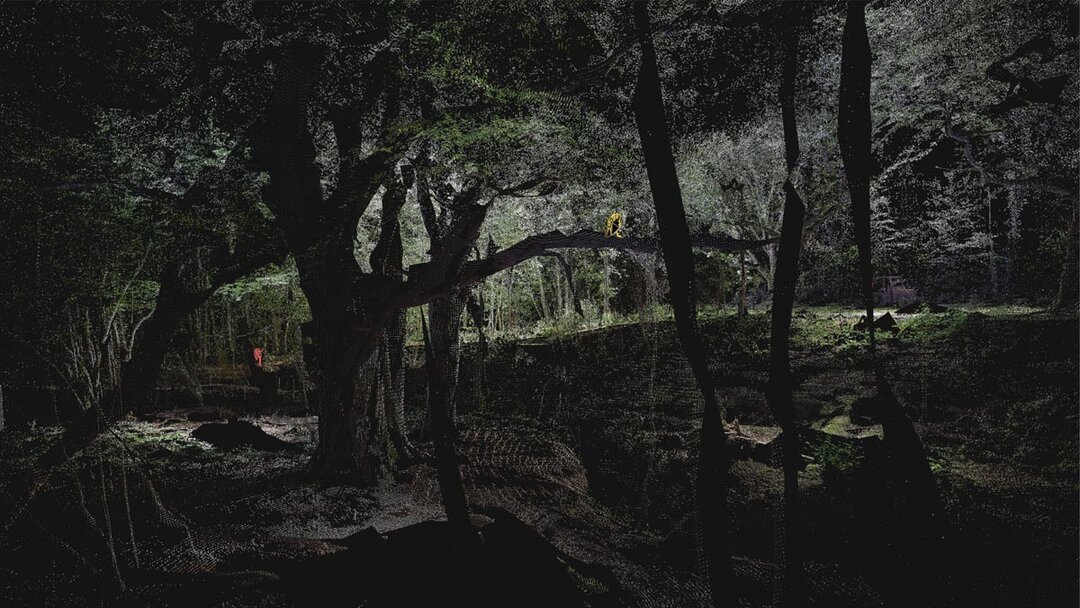
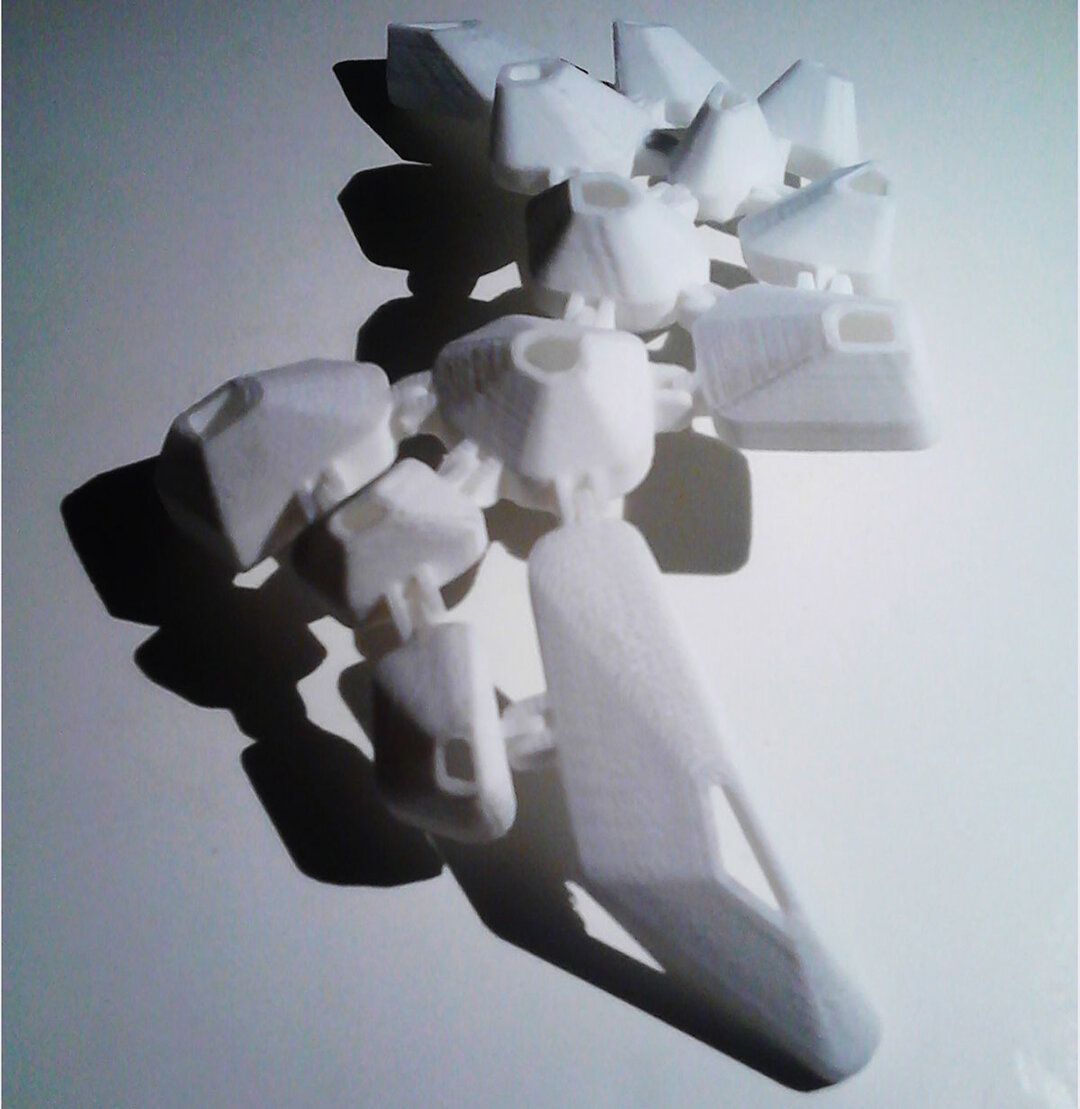
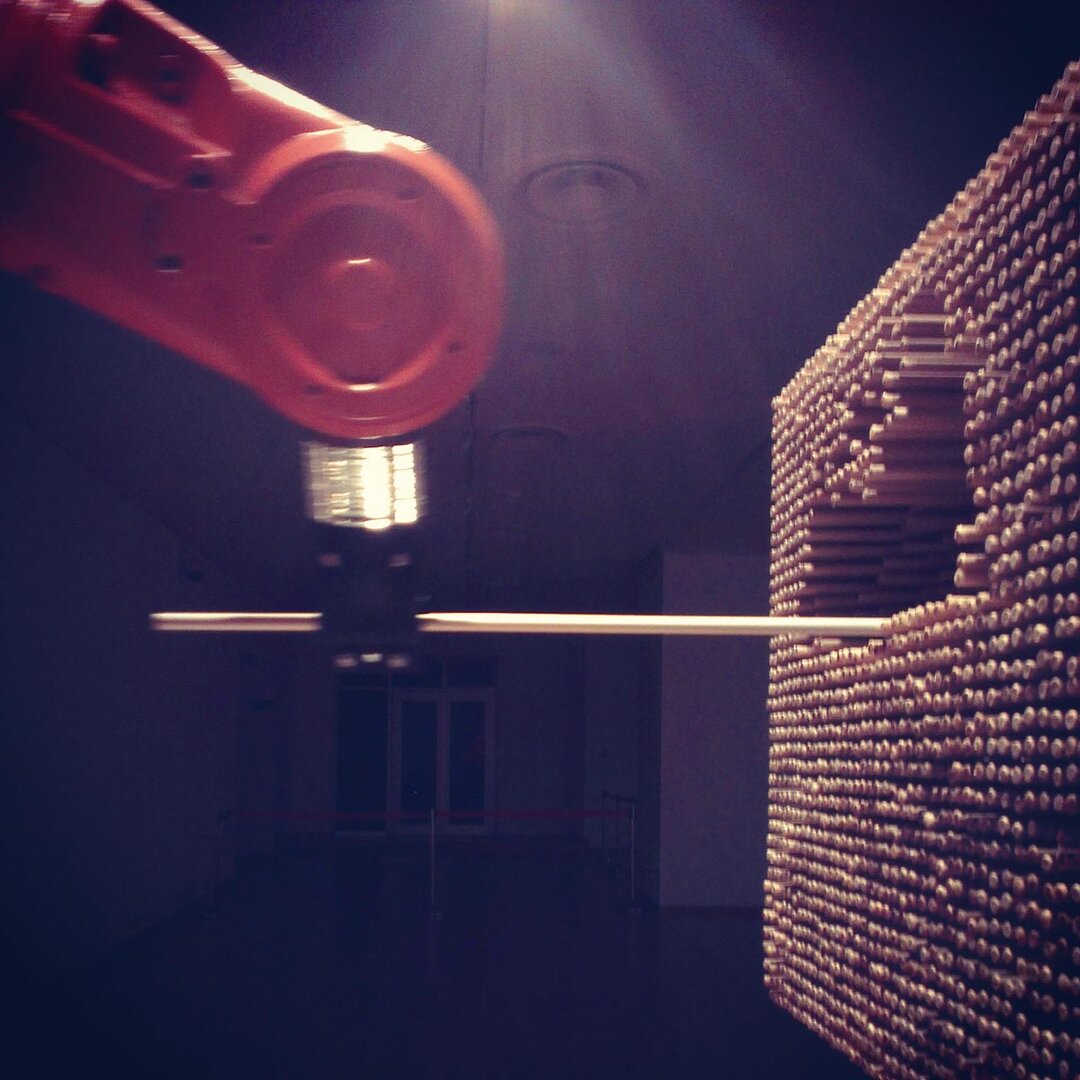
The results of the workshop are, in fact, the material traces of a complete working process, starting from physical parameters transposed into the digital environment. These are processed computationally, generating a virtual object, which is then rematerialized through digital fabrication techniques. Throughout the workshops, participants have hands-on experiences with many cutting-edge technologies, using an open source 3D scanner (Kinect), 3D printer with abs (Symme 3D), as well as classic tools such as a chisel, hammer or chisel, and the use of this mix of tools is driven by the desire to complete the installation within a tight budget and timeframe.