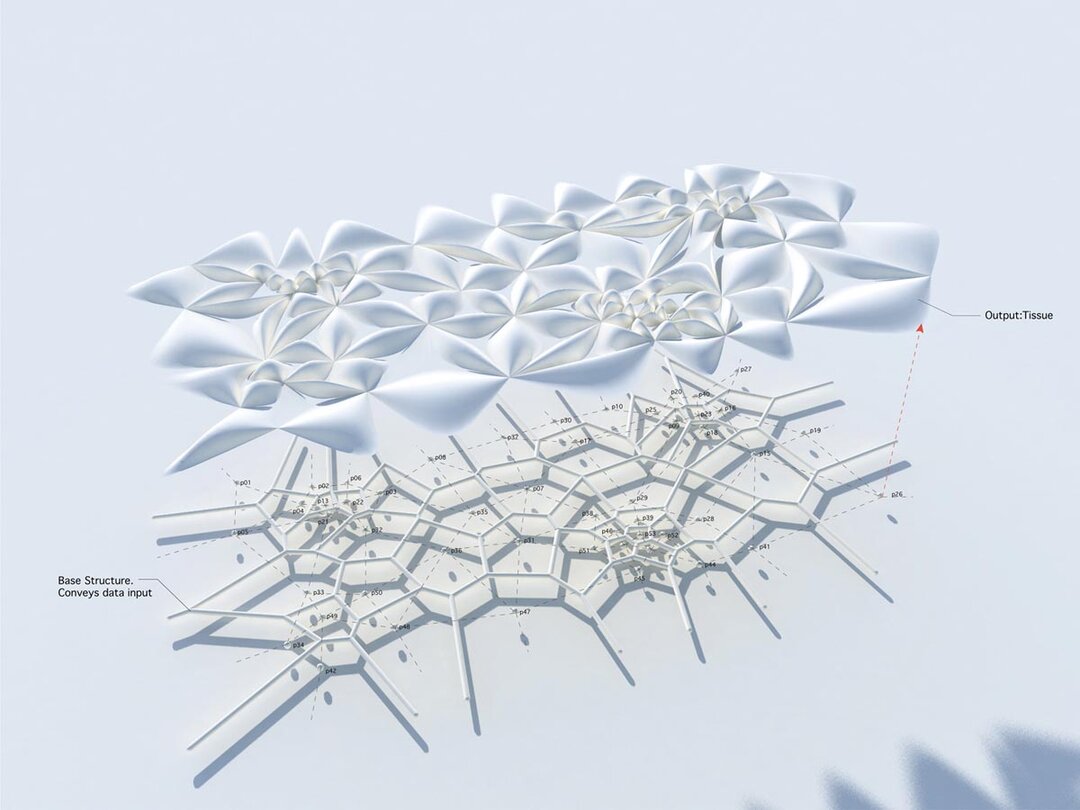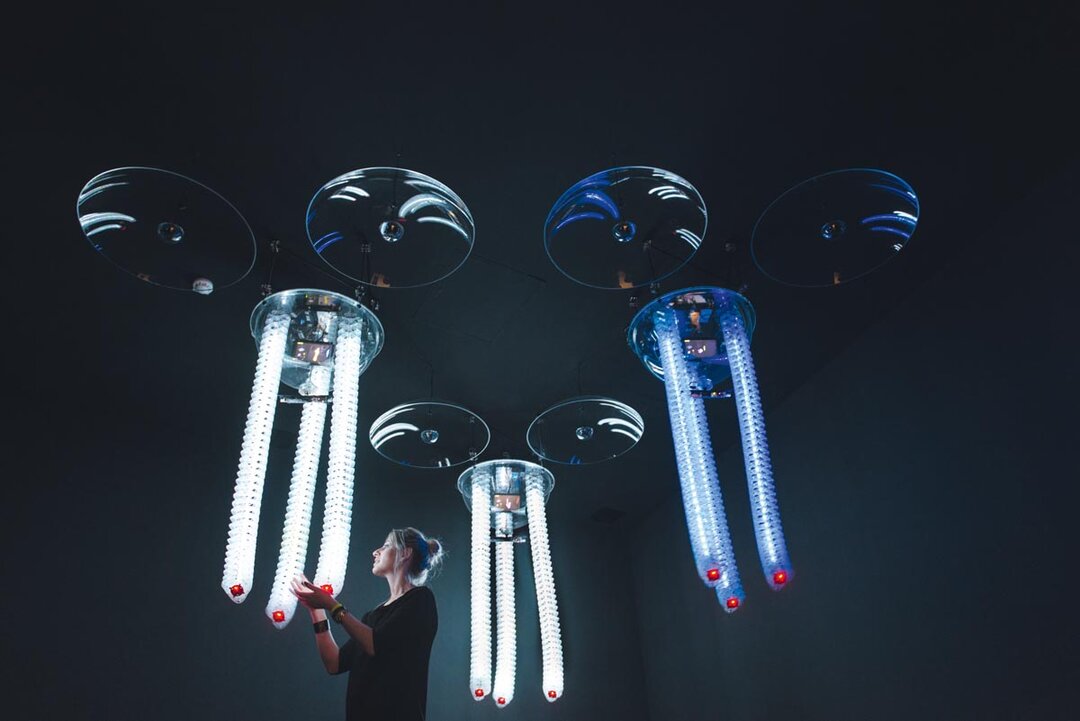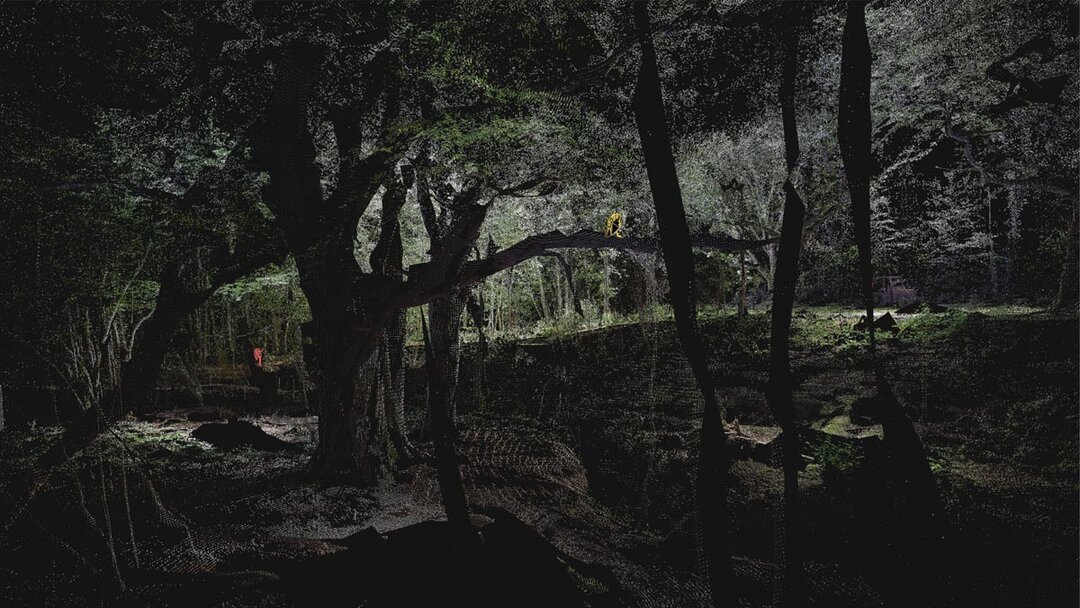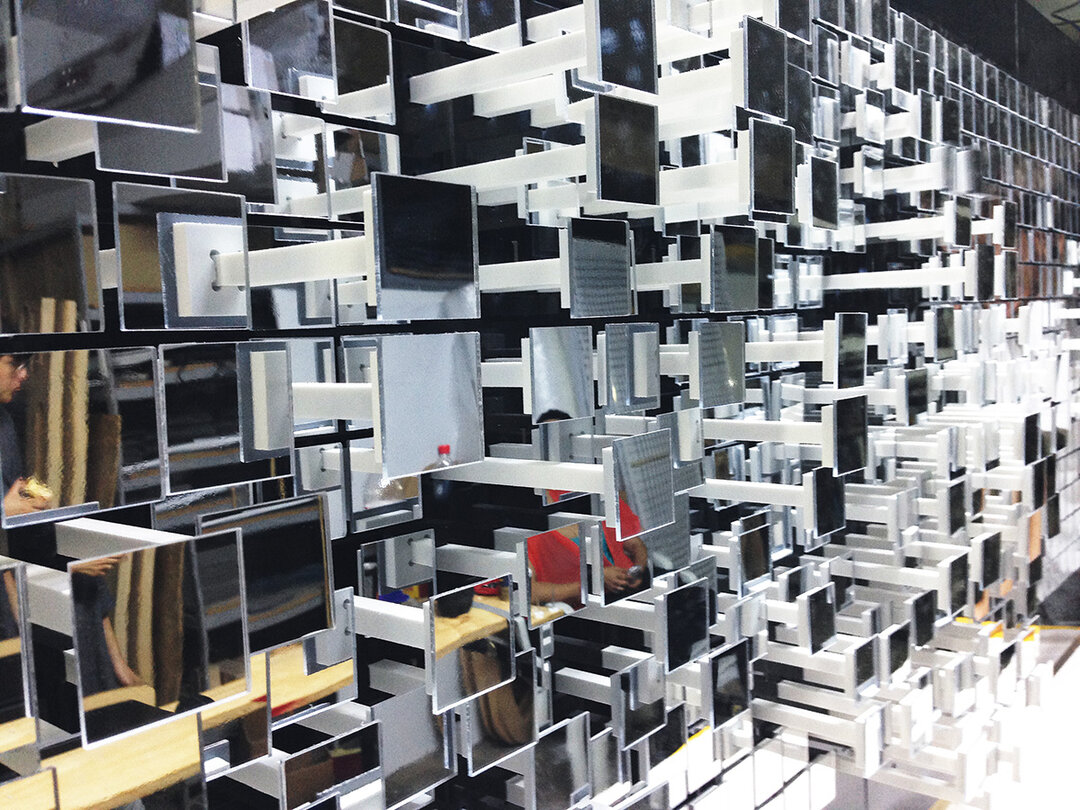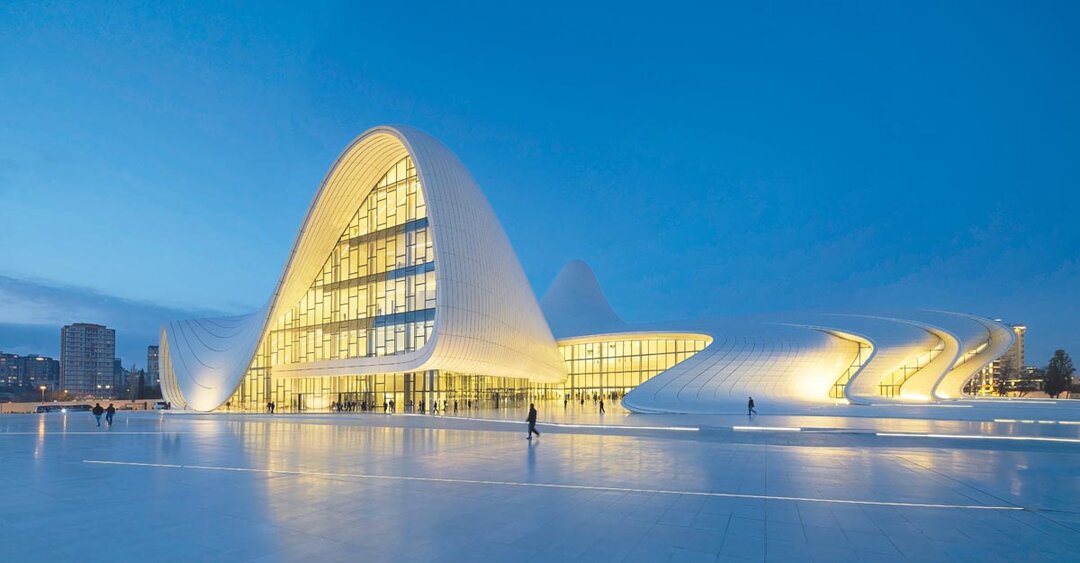
VES-EL - Design: Gareth Neal & Zaha Hadid

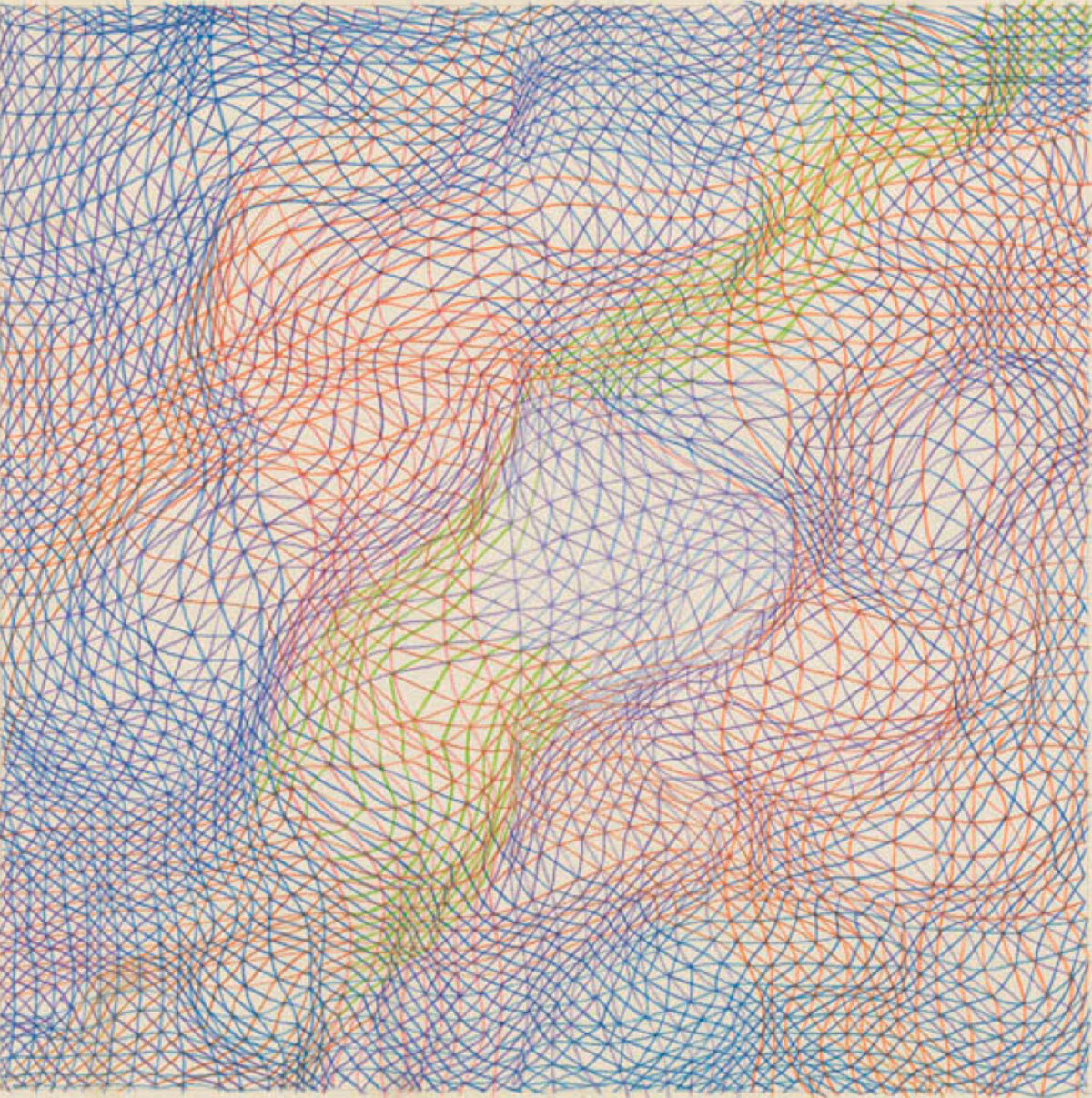
Digitalism = discourses and tools, attitudes and skills, modes and methods that experiment with and shape space and reality through computational intelligence
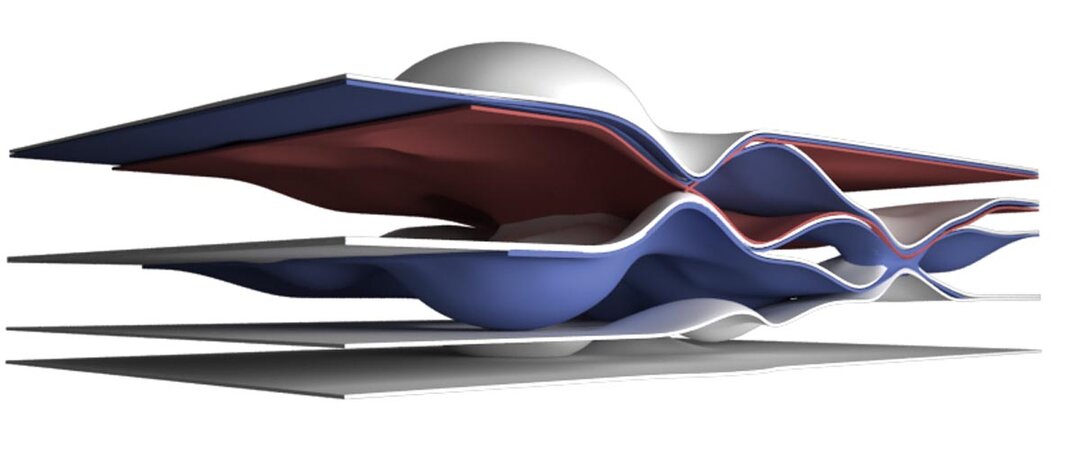
The evolution of computational technology that brought "NURBS" free curves and double curved surfaces into the architectural language in the mid-1990s allowed for the first time the proper experimentation with shapes and spaces that went beyond the limitations of representation specific to Euclidean geometry. The encounter between architecture and the digital produced the "blob", practically opening the way to new languages. But in this first wave of formal discoveries, architecture operated more within the limitations of technology, as digitalism was merely a means of modeling and representing a still analogical world.
Today, in the real and tactile world we occupy, the digital is everywhere, both visible and concealed, in the spaces and surfaces with which we establish contact... a computational intelligence awaiting its consciousness... With or without our will, we are part of this reality, immersed in the projective worlds that digitized space constructs around us, either virtually, through the technological protections of augmented realities, or concretely, through the constructed/embodied discourse specific to the most "advanced" avant-garde of the architectural field. Today's digitalism, defined by disjunction, fragmentation, confusion and order, robotics and technological protections, chaos and heuristics, virtualism and responsiveness, therefore distances itself from the logic of subjective modeling of the "blob", embracing parameters, algorithms and the discipline of mathematical thinking specific to the tools of the maker. In place of CAD (Computer Aided Design), we have AAD (Algorithmic Aided Design) and the whole plethora of digital parameterization tools available to the architect. However, can we summarize the digital world only in this basic package of tools, of impersonal facilitators of efficient architecture, or should we think of it in terms of a new theoretical paradigm capable of changing both the ways in which architectural space is produced and the way in which it is read?
Continuing in some ways the cybernetic thinking of early postmodernity, the digital thinking of the present captures, in fact, the most advanced incarnation of Deleuzian protean god. A "god" belonging, in fact, to a complex pantheon of hyper-specialized deities, permanently connected to Big Data streams, avatarically inhabiting the layers of the "Global Cloud", transforming the classical language of everyday forms into bits and parameters, and subsequently into spaces and objects. Morphologies that until yesterday seemed comprehensible to the entire architectural field thanks to construction techniques, but above all thanks to a trans-partinic, trans-stylistic, trans-aesthetic "common sense" are today rewritten in the purest avant-garde style. But this rewriting is by no means postmodern. Although it feeds epistemically from the semiotics and semiology defined by postmodernism, the rewriting is neither de/ constructivist nor re/ constructivist, because computational architecture and parametricism in particular experiment and operate with the fabric of a new digitized reality. On the one hand we have the forms as a consequence of thinking, analytical, algorithmic, parametric, which shape the architecture like a biological, performative organism, on the other hand we have the formless forms or responsive surfaces in front of which the user is the architect and vice versa. Faced with the world of concrete realities, with the past, with tradition, computational architecture and parametricism in particular adopt a belligerent stance, typical of the avant-garde, proposing, first and foremost, 'other kinds of spaces'. Declaiming the past and its traditions, proposing a new way of reading the world, constantly generating programmatic manifestos dedicated to a complex and at the same time specific palette of subjects, today's digitalism seems to be nothing but a reencounter of the futurist ethos, this time built around a new paradigm. The mechanical world of pistons is replaced today by the digital world of parameters.
But is Romanian avant-garde architecture connected to these flows? Let us remember that on February 20, 1909, Fillippo Tommaso Marinetti's Futurist Manifesto was published simultaneously in Paris, Rome and Craiova, in the pages of the magazine "Democratia", and that, despite this programmatic explosion at European level, the local avant-garde remained more dependent on the forms and less on the content. Nor could they have had it any other way as long as, in agrarian Romania, these discourses lacked precisely their main raison d'être, industry. The Romanian avant-garde thus wrote their narratives by adapting, with more or less grace, to the contextual conditions in which they operated, whether locally or at European level. But what is Romania like today? In the logic of the new global flows of information, do we even observe the same differences in the way they are staged? Today, perhaps more than ever, the avant-garde is concentrated, as Manuel Castells observes, in the command centers of power and capital flows. Therefore, an issue dedicated to digitalism as the spearhead of today's avant-garde cannot ignore this important dimension of the expatriates positioned in the flux, of Romanian architects who, following the model of the first avant-garde artists who went to Zurich or Paris, operate, in their turn, from the heart of the field, from London, New York or Vienna, just as it cannot overlook the contacts with the small but dynamic local scene.
The proposed issue will thus speculate on these tangents between local and global, between discourse and product, between virtual and real, attempting to offer an x-ray of the Romanian digital architecture scene without, however, claiming to be an exhaustive survey... because the digital is everywhere, both visible and disguised, an intelligence that awaits its consciousness... and what will this awakening be like?