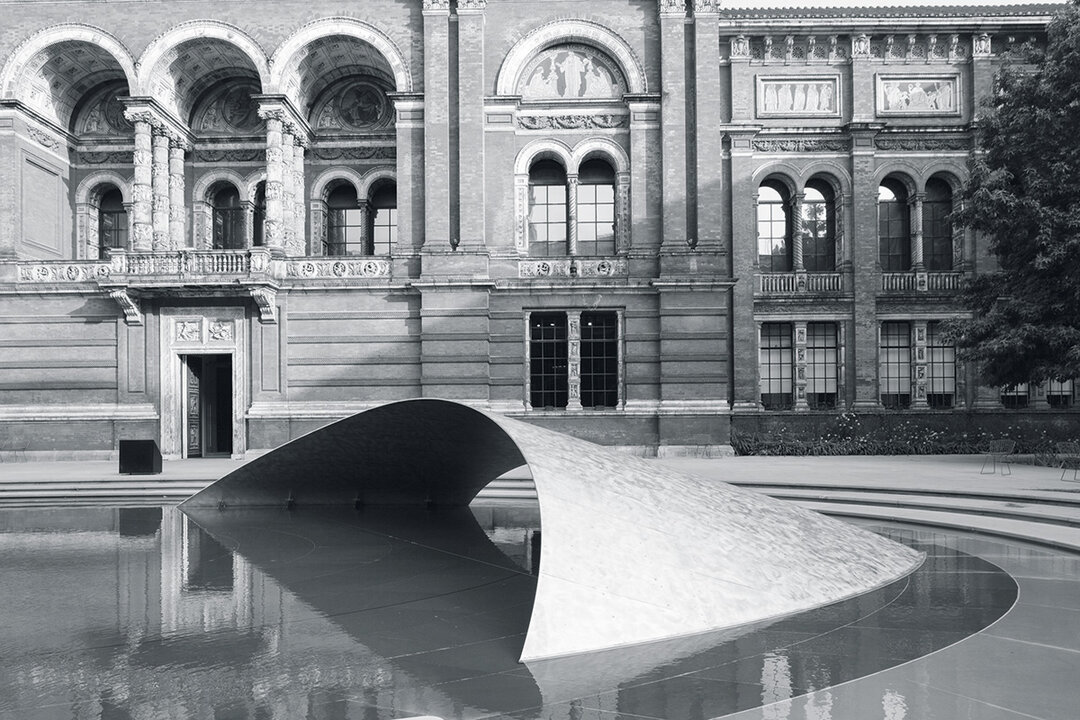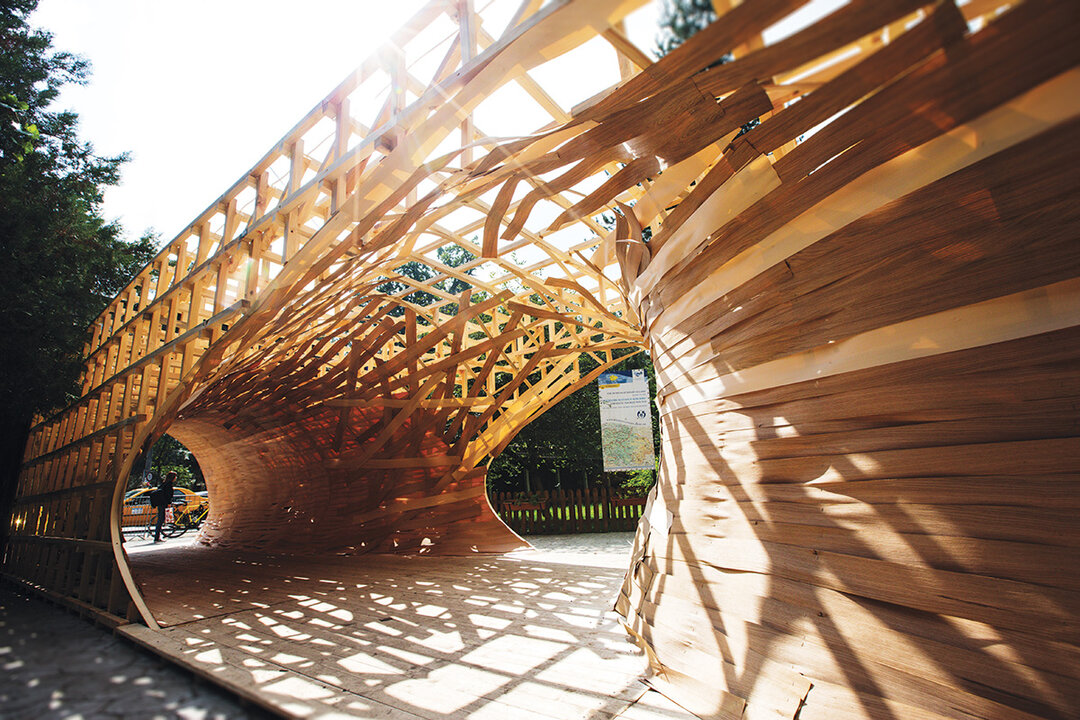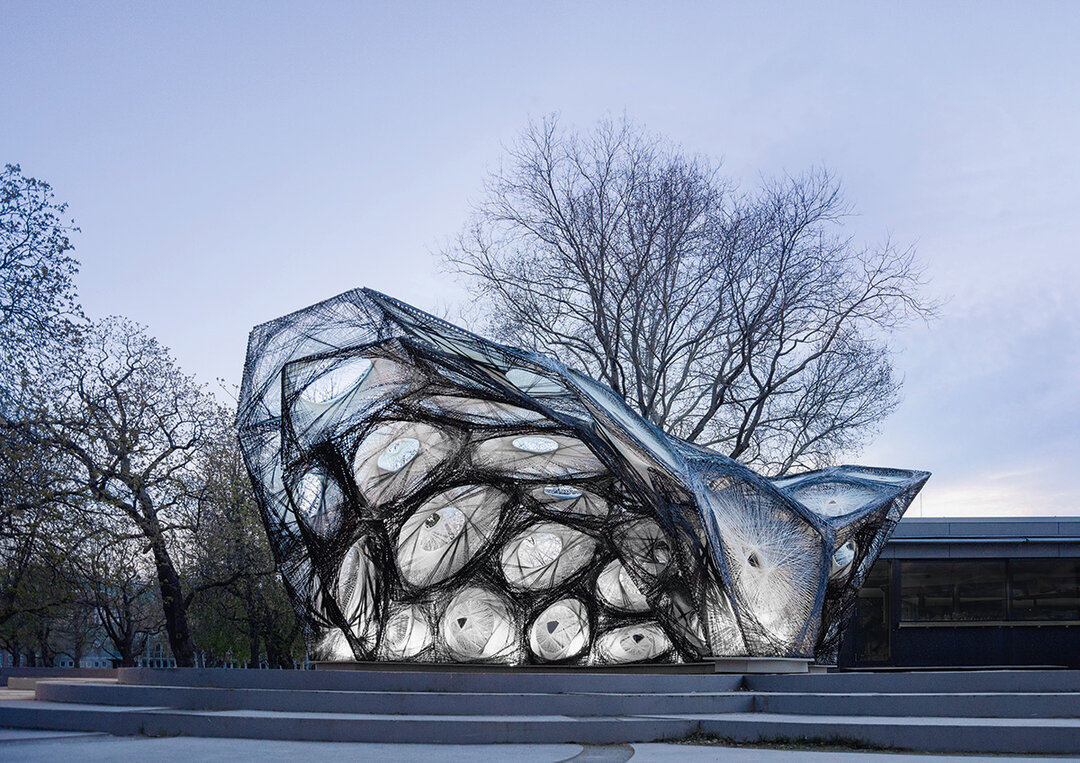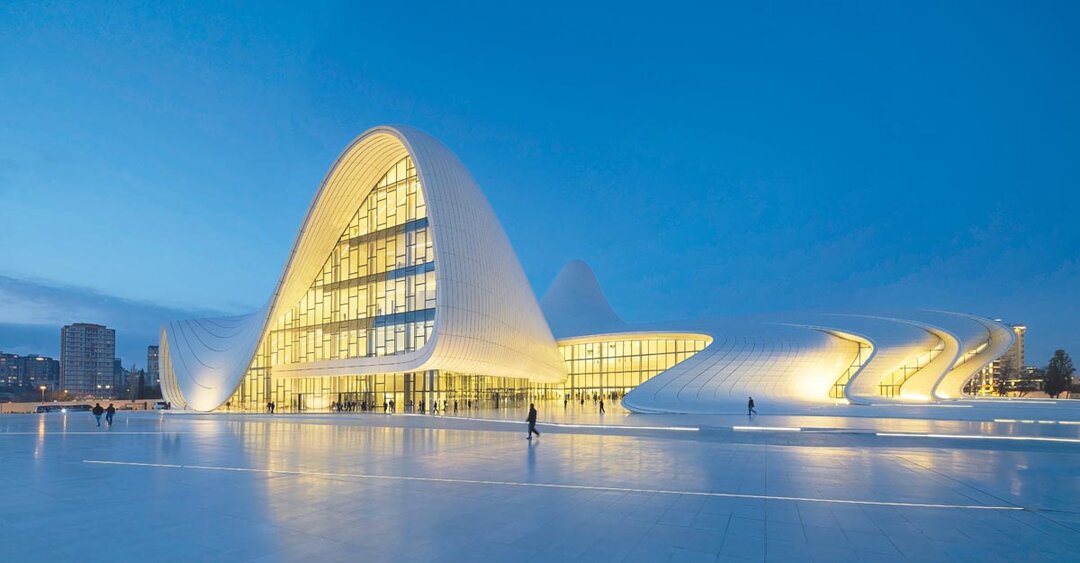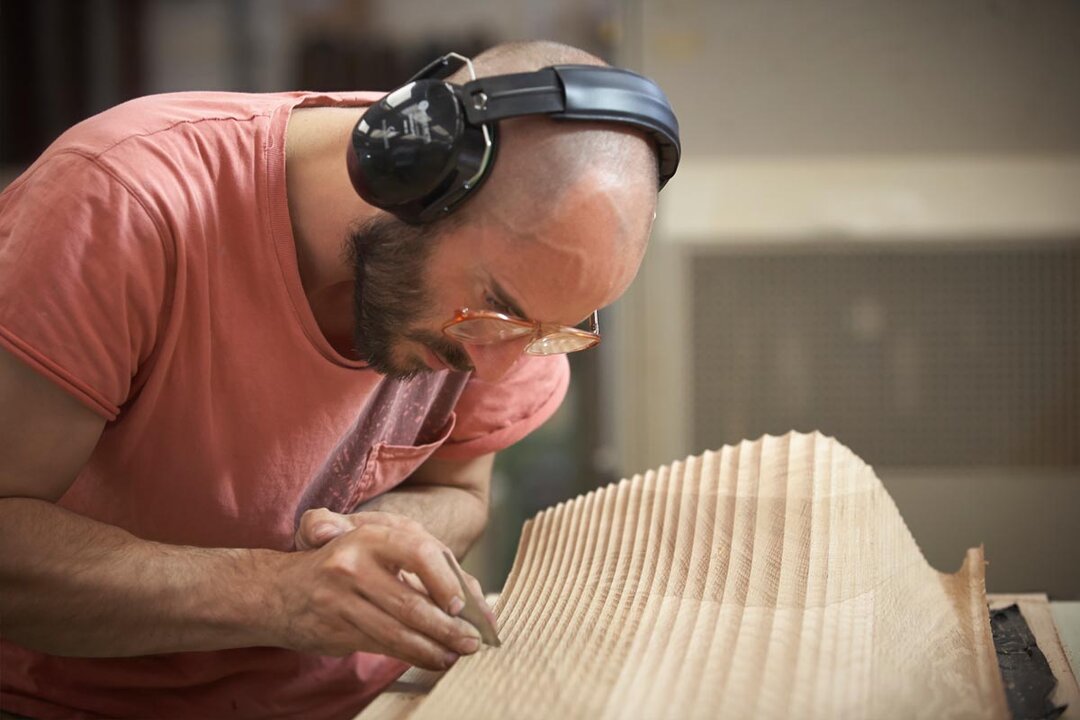
VES-EL - Design: Gareth Neal & Zaha Hadid

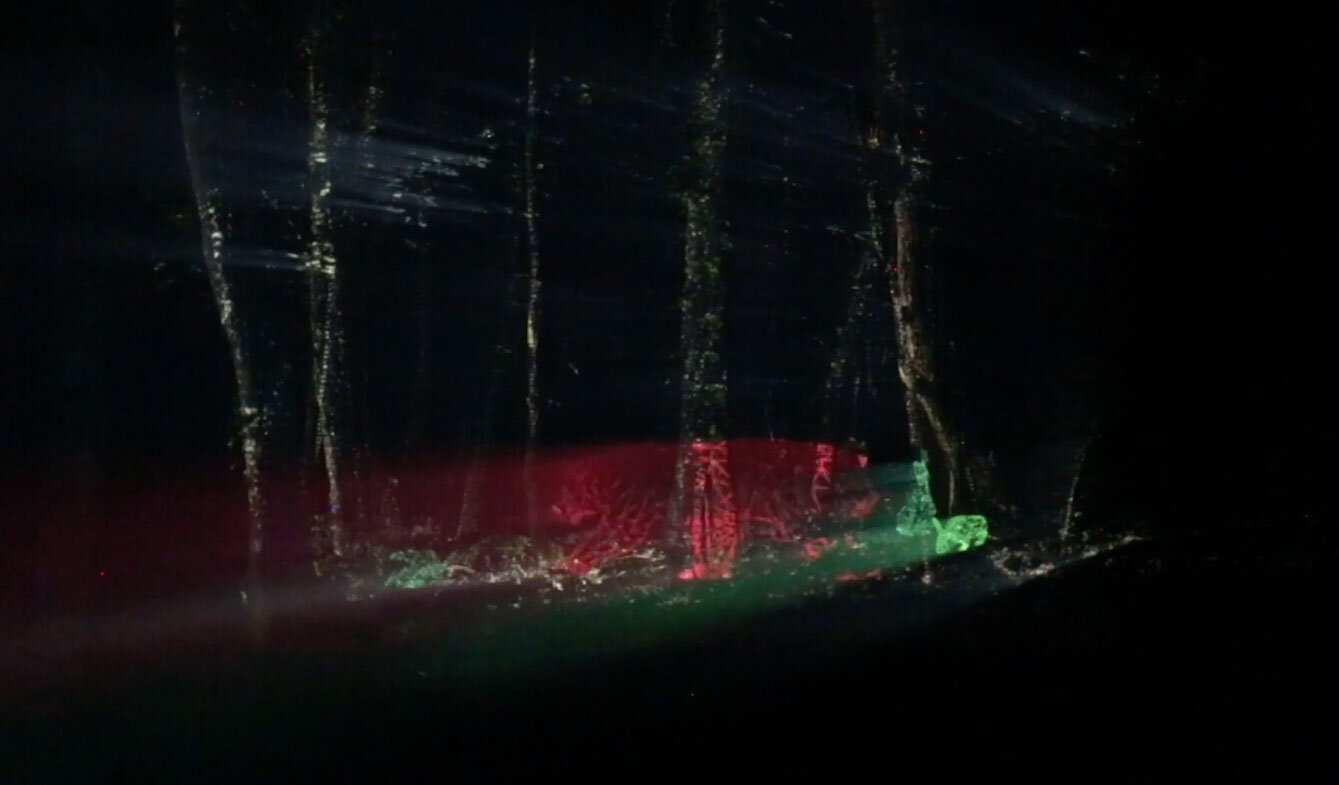
I woke up from a nightmare... in it architecture was no longer digital. When you wake up you can't tell if you recognized a reality or a fear in the dream.
Architecture is no longer realized digitally, it becomes itself digital... an architecture in which personal spaces lose their function, becoming useless, immune to daily routine. The home becomes the nocturnal shelter, the primordial cave in which rooms merge, juxtaposed in a single support-space.
Physical space no longer matters.
Physical space becomes simple.
As a simple space of needs, it is distinguished from nomadic shelters by the eccentricity of desires, by the aesthetics of the new digital frame.
Today, the walls that once demarcated the spaces of the physical world, the boundaries of existence, become the protective screens of immaterial worlds.
They exist only to be dismantled, deconstructed, defragmented... digitally, brick by brick, bit by bit.
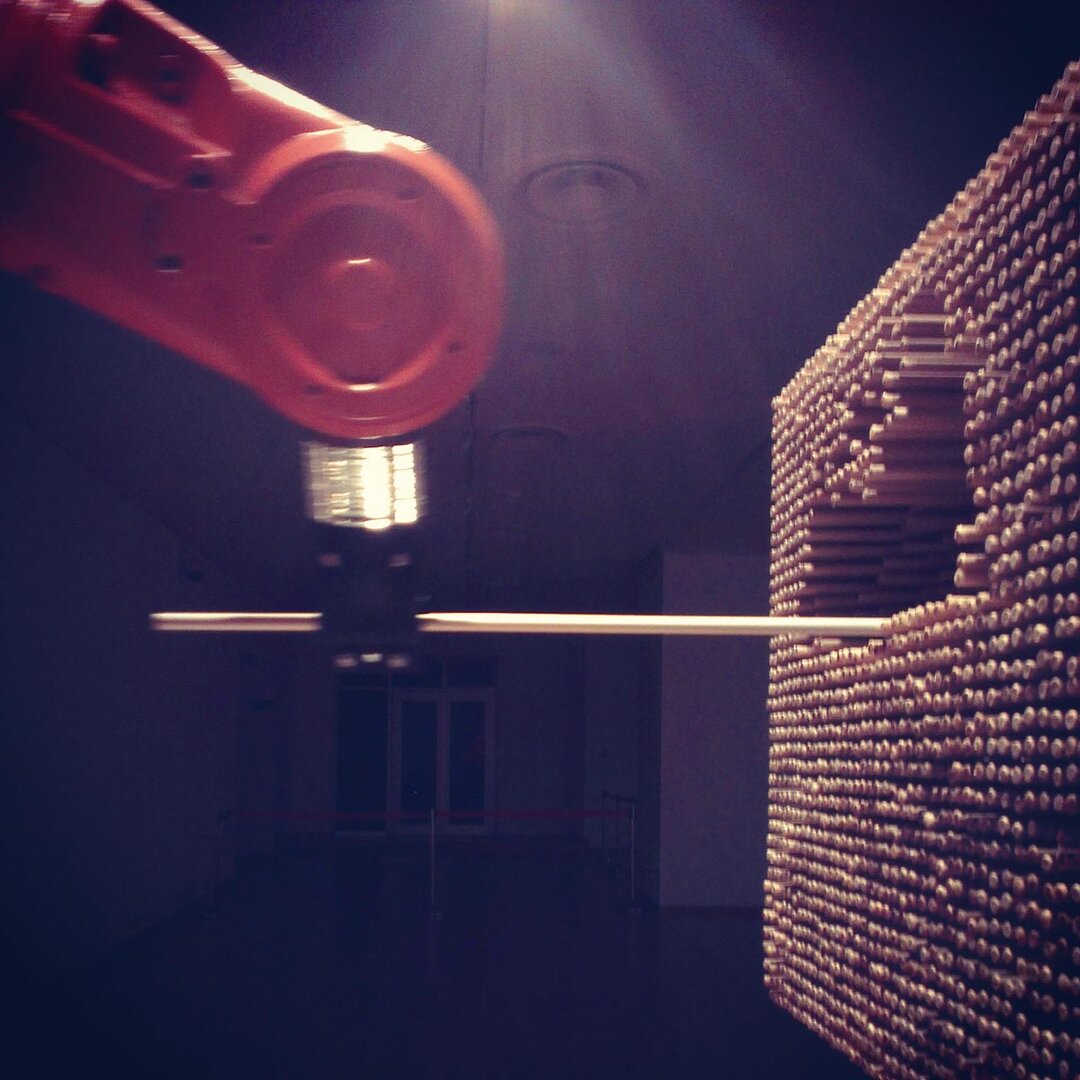
Real time culture captures the performative aspects of space, its projections, artificial intelligence, the kinetic systems and generative tools that define our patterns of mobility and spontaneity, the robots and prosthetics that facilitate the comforts of contemporary existence... Systems, codes and procedures whose history and routines are written parallel to our own, imperceptible, indifferent.
This is the world I have chosen to speculate. How can the real time culture of the contemporary world be translated into architectural terms? What are its formal, structural and communicational errors? What would be the value of the errors?
What defines space in such a hypostasis, if it is defined at all?
What will be the relevance of its form, its materiality, when it will have acquired artificial intelligence and, with it, autonomy in self-determination?
Oliviu Lugojan-Ghenciu, Universal Assembly Unit