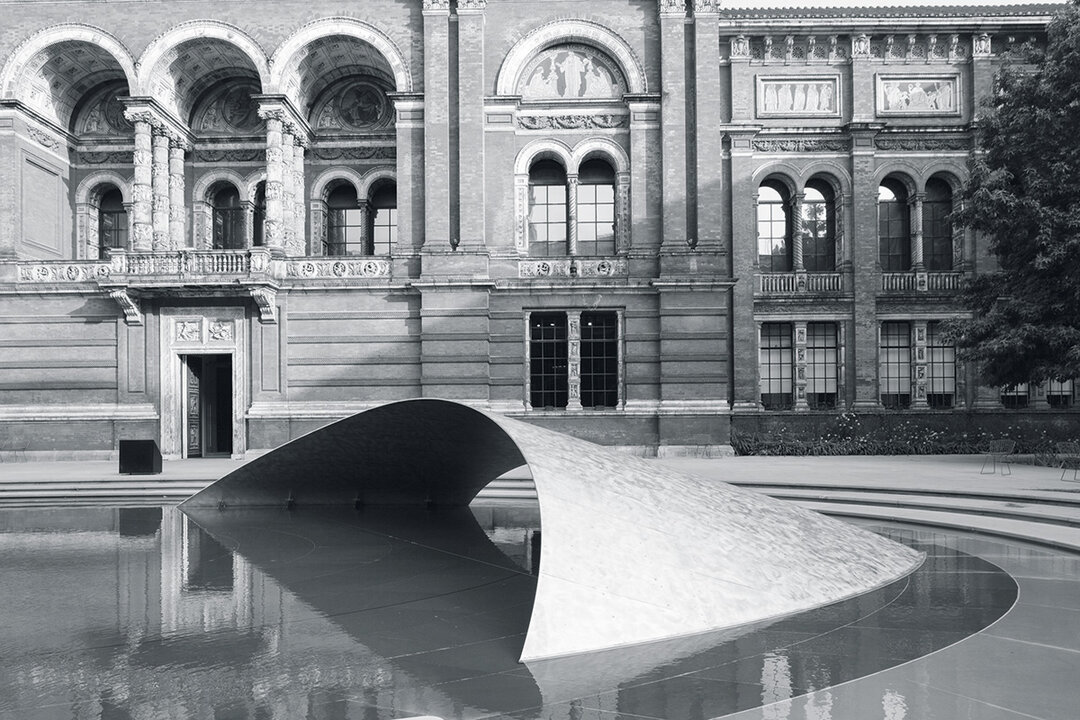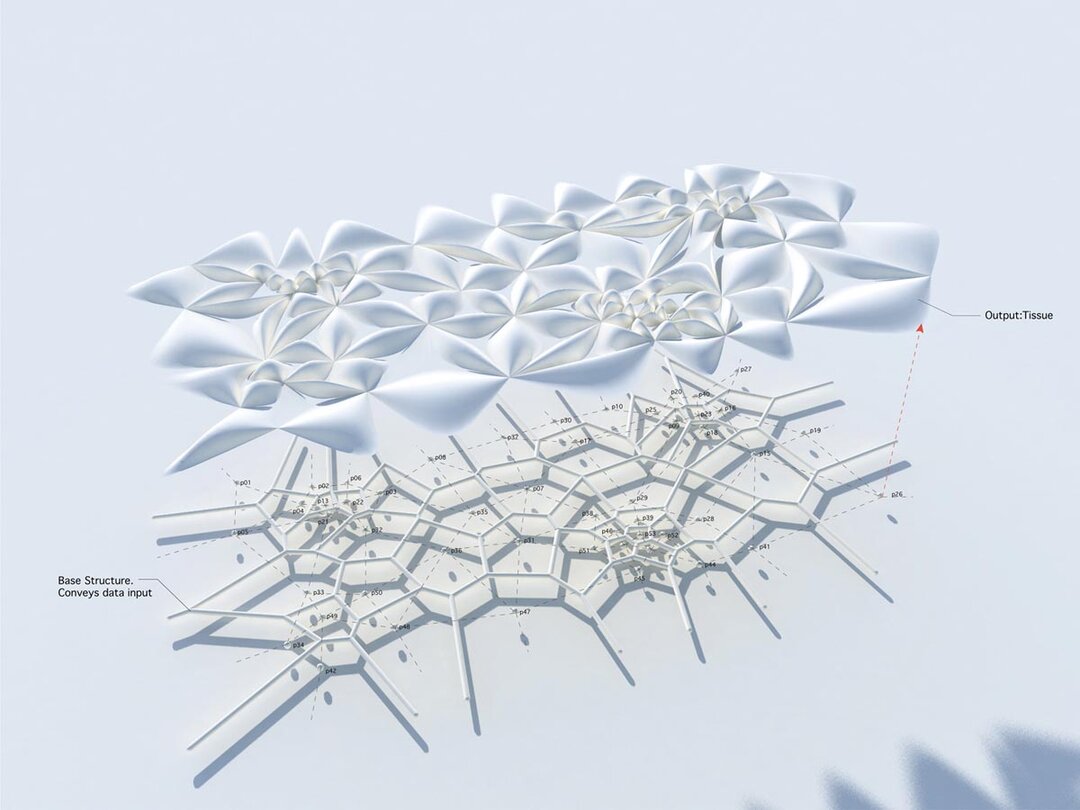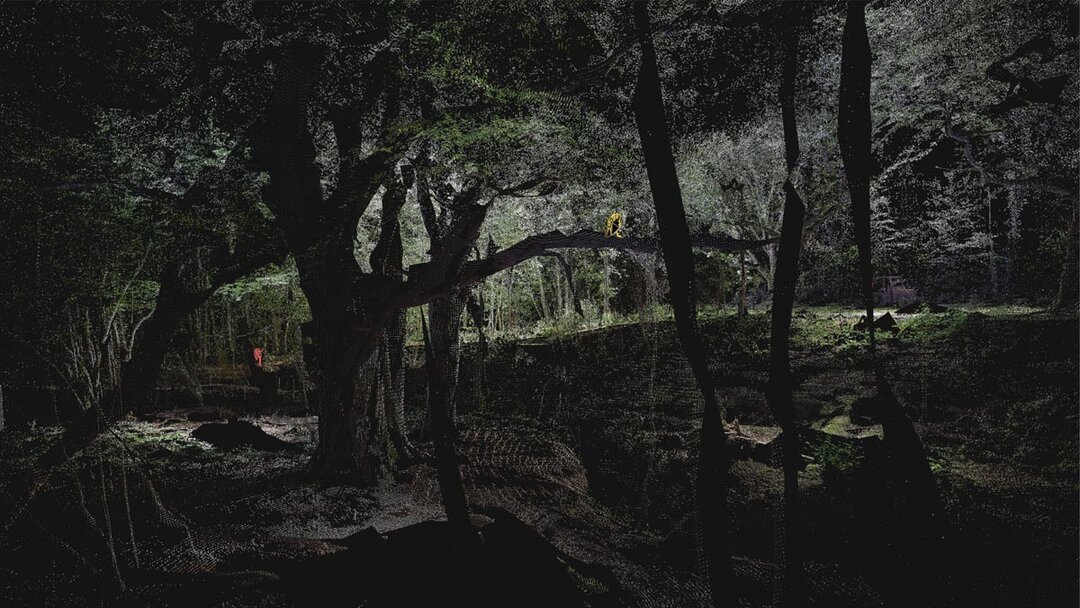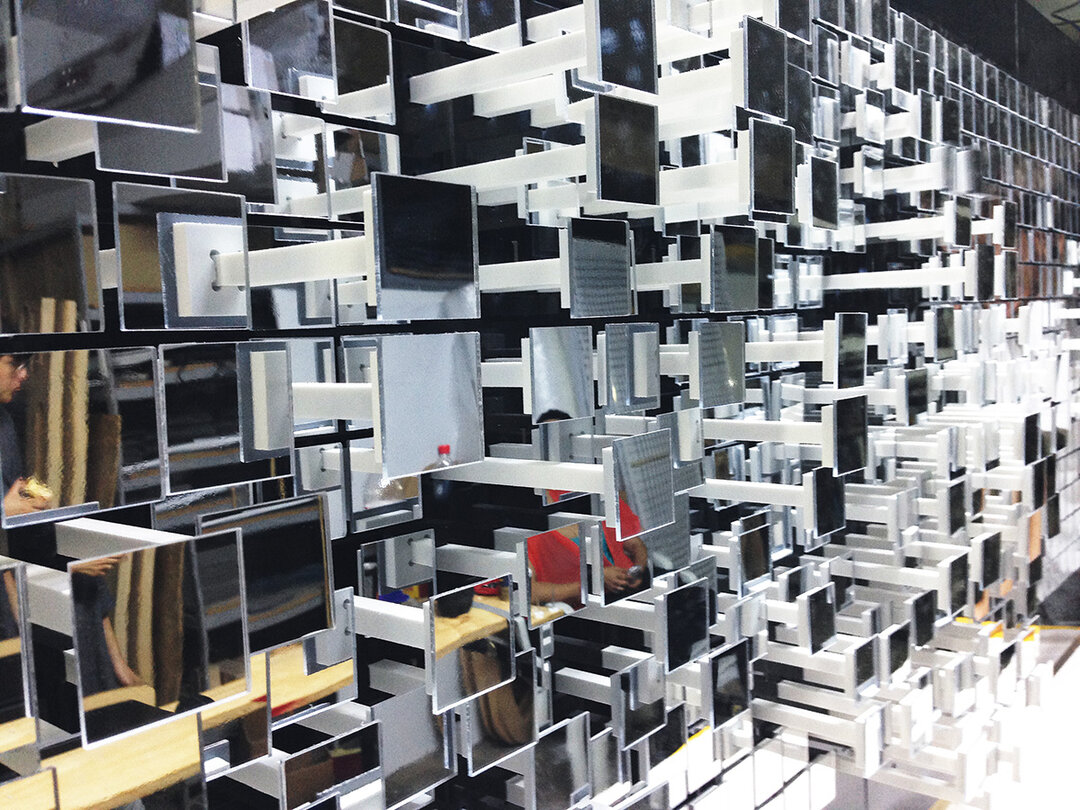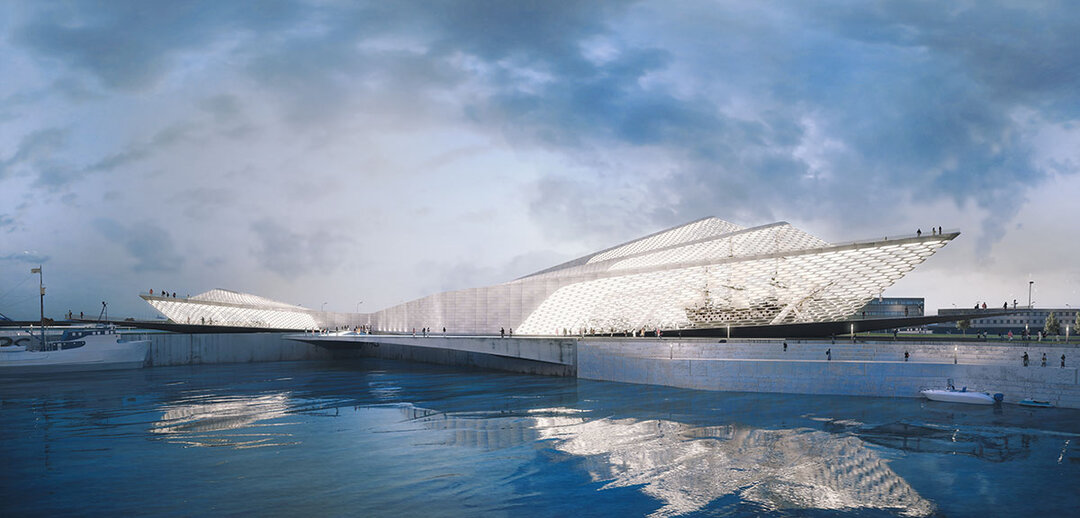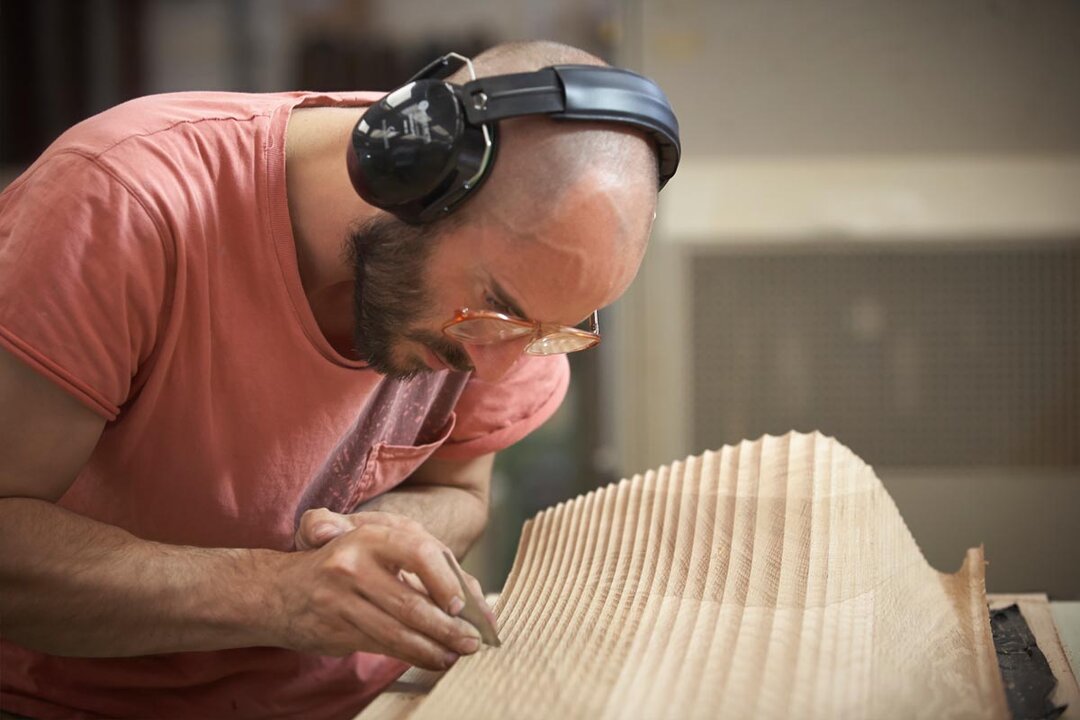
VES-EL - Design: Gareth Neal & Zaha Hadid

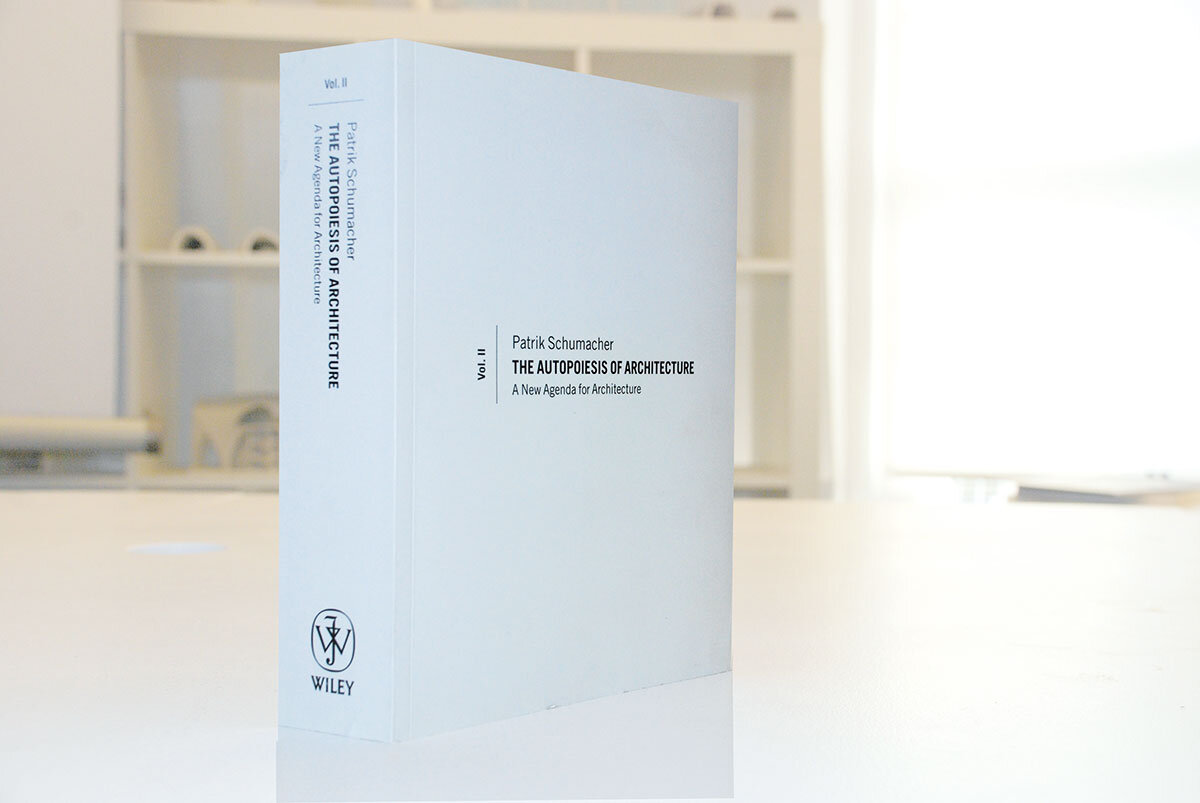
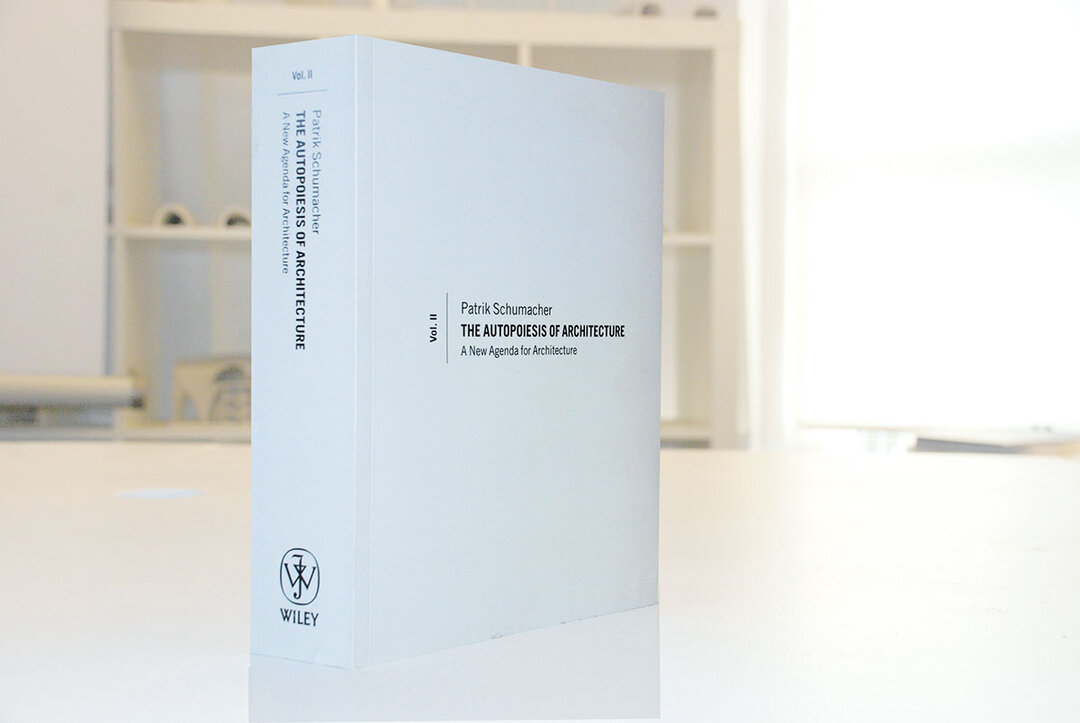
Under this title, Patrik Schumacher, a partner at Zaha Hadid Architects1 and founding director of the Design Research Laboratory at the Architectural Association2, proposes a new unifying theory of architecture. Schumacher's Autopoiesis is a veritable architectural treatise that seeks to propel us through a total departure from modernism and the acceptance of a new global style in architecture, parametricism. This split is prepared and argued by declaring architecture as an autopoietic3, autonomous, self-forming and self-regulating system. Negative and positive heuristics4, taboos and dogmas separate modernism from a new maturing global style, which is characterized as progressive, the result of a natural evolution, provided by the research of contemporary avant-garde. The demarcation of architecture from art, science and engineering in Schumacher's theory is presented as a necessity, also emphasizing the distinction between architecture and design disciplines. The field of architecture is constantly evolving and is recognized by Schumacher as a self-conscious discipline beginning with the Italian Renaissance. Each subsequent stage has been characterized by theoretical efforts aimed at evolution.
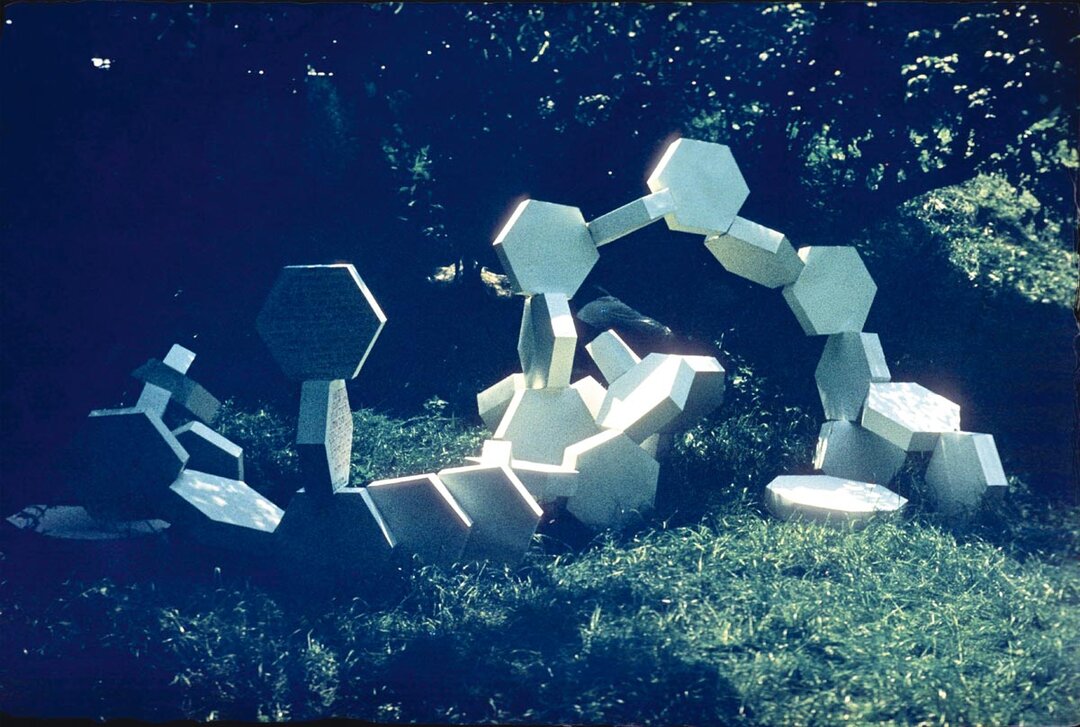
Patrik Schumacher offers us a work impressive in volume and structure, a unified theory of architecture in 12 parts, 60 sections and 250 chapters and a series of theses, the result of 15 years of research. The most important influences Schumacher declares come from outside architecture, from Niklas Luhmann, a sociologist and philosopher whose views on society provide the framework within which the author places his discourse. Influences also came from Kant, Marx, Weber, Durkheim, Simmel, Simmel, Benjamin, Adorno, Adorno, De Saussure, Wittgenstein, Popper, Lakatos, Habermas, Foucault, Derrida, Deleuze, Guattari, DeLanda and others. From the profession, the most influential declared theorists are Alexander, Tafuri, Koolhaas, Kipnis and Lynn, among many others, but the most important experience for Patrik Schumacher's career is the collaboration with Zaha Hadid, which began in 1988. The proposed unified theory interprets architecture as an autonomous communication system. The generic question posed in Autopoiesis of Architecture is how does architecture relate to society as described by Luhmann? Historically speaking, the discipline of architecture was refounded in modernism. On this occasion, Schumacher reminds us, the transition from building to space was made5.
The author's entire theoretical construction tells us that we are in a somewhat similar moment of a refounding of the discipline and that the avant-garde of design6 has a role to play in this. The relationship between the avant-garde and the mainstream7 implies a mutual dependence, and schools of architecture have, in the author's argument, two main missions: the first is to scan society to identify architectural problems, to anticipate challenges and to seek answers to them, and the second is to proliferate new formal repertoires by exploring new media, currently computer models. Patrik Schumacher ascribes to the academic laboratory both the role of inspiring the avant-garde and founding general practice. Here I would venture to provoke reflection on the extent to which some schools do or do not take on these roles, and the serious question: are schools those environments in which the well-known is passed on, or in which evolution is stimulated from the known, through open innovation, to what might follow? Schumacher notes two strong orientations of some great schools of architecture8, saying that they should be found simultaneously in every school, without insisting on a priority: the programmatic orientation and the form/technical orientation. These are, in fact, the elements of the binary code of architecture, utility and beauty, to which, through the contribution of the avant-garde, a third code is added, also defining, that of novelty, of originality. Schumacher explains why the binary approach is necessary and, above all, why architecture cannot be reduced to utility or engineering, an argument that is worth reading because we are confronted daily with the problem of immeasurable dimension.
Deepening the organization of architecture as an autopoietic system, he emphasizes the autonomy of architecture and indicates how it operates through the decisions of the design process9. Schumacher devotes significant space to explaining the notion of architectural style, considering it to be, in fact, a research program. We can easily observe how the author prepares the argumentation for a new epochal style, as Patrik Schumacher calls parametricism. I wonder very seriously whether his treatise is not encountering problems of reception and acceptance precisely because it is seen as a platform for this emerging, or consolidating, style, which perhaps some, not a few, cannot accept as the one that will take the place of modernism, with the same unifying force, and will displace current practices by replacing them with approaches specific to this new complexity. However, Schumacher investigates the societal role of architecture and affirms innovation as the expression of this role. Architecture must provide original solutions to the problems it faces. Architecture, as a communication system, operates through themes and projects. Here, in order to show even more clearly the autonomy and capacity of architecture as an autopoietic system to self-theorize, a comparison with the other major systems of societal functions: art, science, education, politics, the legal system, the economy, the media, the medical system and morality is presented.
The matrix presented at the end of the first volume of the treatise provides for all of them the criteria of self-demarcation, mode of operation, basic distinction, binary codes, programs, programs, environment, mission, societal function and self-description. I think that, again, we can see that Schumacher's theory is at least comprehensive and innovative in its openness of angles of approach. Demarcation is for Schumacher a mode of explicitation, and architecture is seen as distinct from other design disciplines and perfectly delimited. We can talk about demarcation as a method or even as a recurring theme that seems to me to be useful in explicitation, but not necessarily a savior in terms of the current approach to building phenomena, against which, we must admit, architecture is not yet the big winner. Patrik Schumacher makes the transition from the classical mission of architecture, distribution, construction and decoration, to a new formulation that combines mission and code. The architectural order is related to the social order, this order is achieved through organization and articulation. The central competence of architecture is proclaimed as articulation.
The author develops a whole theory of complexity, seen as extensive and intensive, explaining also complication, architectural excess and surplus, given that social space, he says, is always under-articulated. He speaks of territorialization and territory as a fundamental semiological unity. Developing the discourse of articulation, Schumacher points to the need for recourse to the configurational sciences as a supplement to architecture. An important and, I would say, specific section of this theory, which is undoubtedly worth considering by any reader interested in architecture as a contemporary phenomenon, is the one dedicated to the design process10. It is, in fact, a theory of process interpreted as problemsolving11 . Design is thus a process, but also a social system of communication. The project processes information and establishes evaluation criteria. Here, Schumacher makes the transition to scripting12, a technique that has as its main advantage the unique possibility of discovering surprises by exploring different iterations with the guarantee that all variants comply with the set criteria. The autopoiesis theory of architecture distinguishes between the architect's design, the client's design, the engineer's design and the contractor's design, which again brings us back to the issue of successive decision-making in processes. Further on, architecture is presented as a global system13, just like society - also global. Schumacher argues the need for architecture to periodically revise its theory, redefining itself in relation to the evolving, and therefore changing, society. An extremely interesting reference to the authorship of design generally attributed to one person is inserted in this chapter.
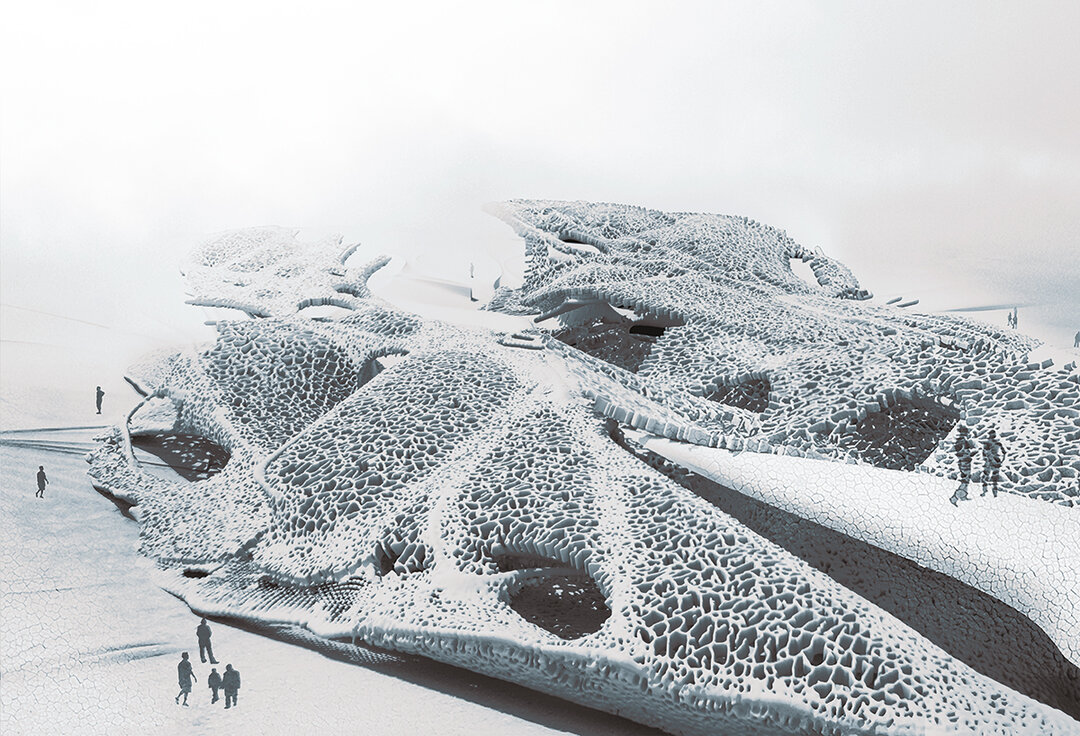
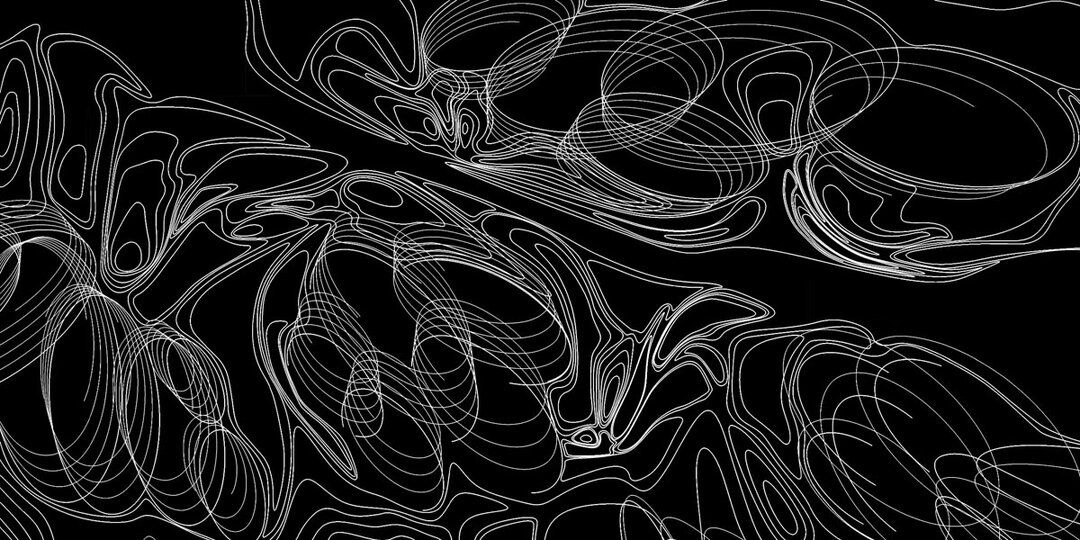
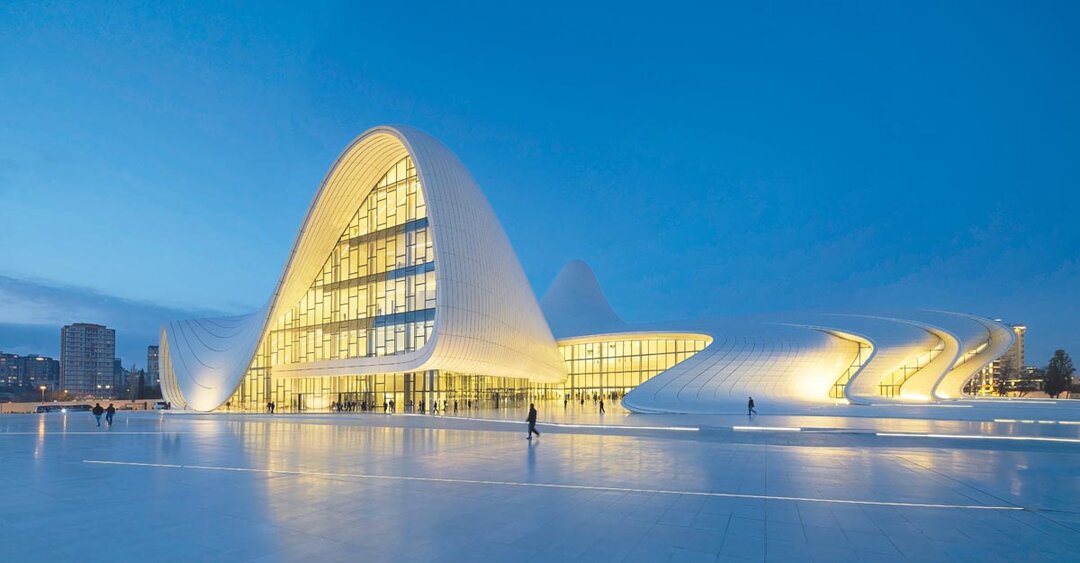
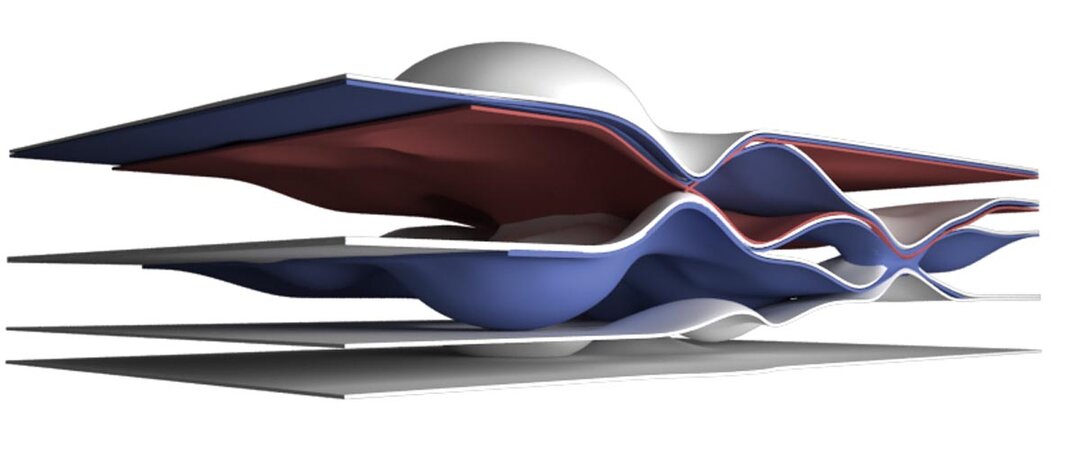
This is followed by an introspection into the relationship between architecture and politics, which he comments on as turning from tautology into oxymoron. At this point in the development of theoretical construction, Patrik Schumacher makes a novel comparison based on 12 thematic criteria, defining for a unified theory, and themselves generating theories, between 4 historical architectural treatises: Alberti14, Durand15, Le Corbusier16 and... Patrik Schumacher. It seems to me to be one of the most interesting perspectives opened by the author within the theory of autopoiesis, which generates a matrix of connection to the evolution of the field of architecture. Again, his theory seems to me to take the form of a pedestal for parametricism, which the author speaks of as "the best bet that can be made today". The parametric paradigm leads to the formation of a new style, he says. The modernist articulation based on separation, specialization and repetition is to be abandoned in the contemporary, networked, post-Fordist17 society. A new shift is being made, from space to field18, and examples from avant-garde practice and, in particular, from the studies and projects by Zaha Hadid and within the AADRL abound. In the epilogue, Patrik Schumacher confesses that the project of a theory comes from a practitioner who observes the profound crisis of modernism, established since 1970, after 50 years of research within the style, and which, after almost another 50 years that have passed since then, is in a moment of 'historical alignment'.
The treatise can be read in a myriad of ways. Even just reading the excerpted theses, 60 axiomatically resonant statements, all grounded in the body of theory, can be an essential way of going through a work that in extenso runs to 1,500 pages. I would only quote the last one, which apparently stands out from the context created and developed with great structural rigor: "Elegance is the aesthetic expression of a complex order". I cannot help thinking and wondering whether The Autopoiesis of Architecture is a science fiction novel or a structured forecast, and I believe that any reader who gives himself the patience to go through this substantial theoretical construction will have his moments of revelation or reactions of contradiction. I cannot count how many times I have disagreed with some of Schumacher's statements in Autopoiesis.
But I have also wondered whether we are prisoners in a camp of modernism from which we don't bother to leave, even if the guards have long since retired. And I wonder whether fidelity to such an imperfect modern world is not becoming more and more a fundamental sin from which you cannot be absolved unless you are willing to open yourself to and absorb a reasoned thought of a new theory. In this sense, Patrik Schumacher is a pedantic collector of arguments, a unifier who starts from Marx and stays with Luhmann, talking about relations and irritations in the context of the autonomy of the field of architecture. You could say, at the end of reading the marathon treatise, at which pauses to change batteries are certainly necessary, regardless of any reader's consumption, that you are in possession of an exhaustive theoretical apparatus and all that remains is to get to work, to construct a new world. It seems obvious to me, however, that parametricism is not bottom-upunstable19 and then I look out of the window and feel my curiosity about what tomorrow's world will be like growing immensely. And a final remark that cannot be overlooked: the treatise is dedicated to Zaha Hadid.
NOTES
1 Zaha Hadid Architects, international architecture and design firm founded by Zaha Hadid in London.
2 AA DRL is a research department founded by Patrick Schumacher with Brett Steele at the Architectural Association School of Architecture in London in 1997.
3 Niklas Luhmann's (1927-1998) theory of social systems, the main basis of Schumacher's theory, which considers architecture as a self-regulating unitary system.
4 Procedures that serve to discover new knowledge.
5 Gabo, Pevsner, in the theories of modernism in the 1920s.
6 The term design is used in the sense of design.
7 In the sense of mainstream, common practices.
8 Berlage Institute and Columbia University, cited by the author.
9 Design decisions, in the original.
10 Design process, in original.
11 Problem-solving process, in original.
12 A term for programming in various specific languages.
13 World architecture, in original.
14 Leon Battista Alberti, De re aedificatoria libri decem [1450], Florence, 1485.
15 Jean-Nicolas-Louis Durand, Precis des lecons d'architecture, 1805.
16 Charles-Édouard Jeanneret (Le Corbusier), Vers une architecture, Paris: G. Cres, 1923.
17 Later than the mass production mode developed by Henry Ford.
18 From space to field, in the original.
19 From bottom to top, from base to superstructure.