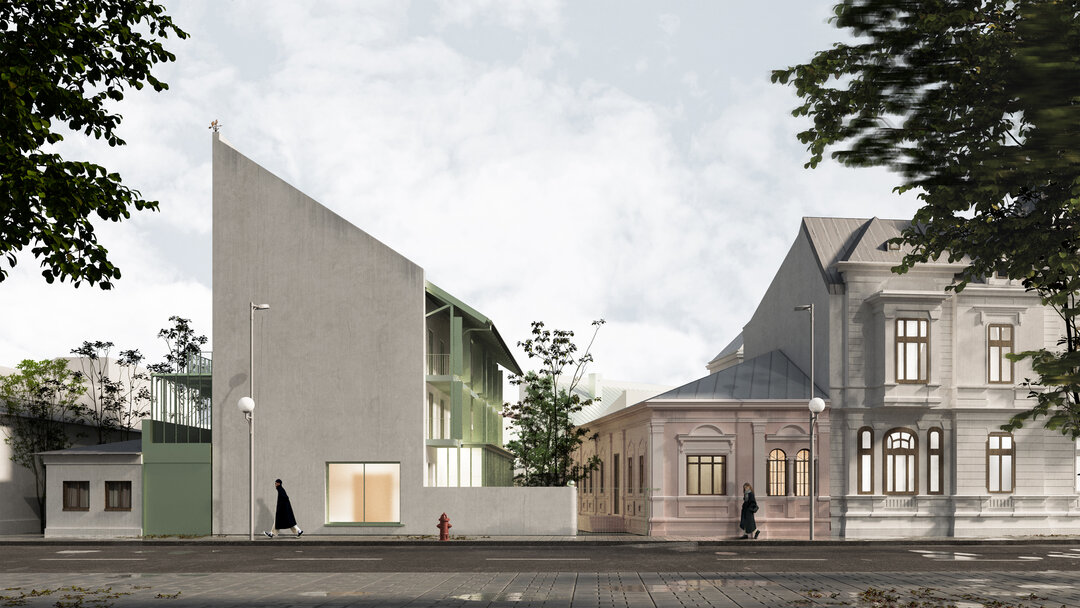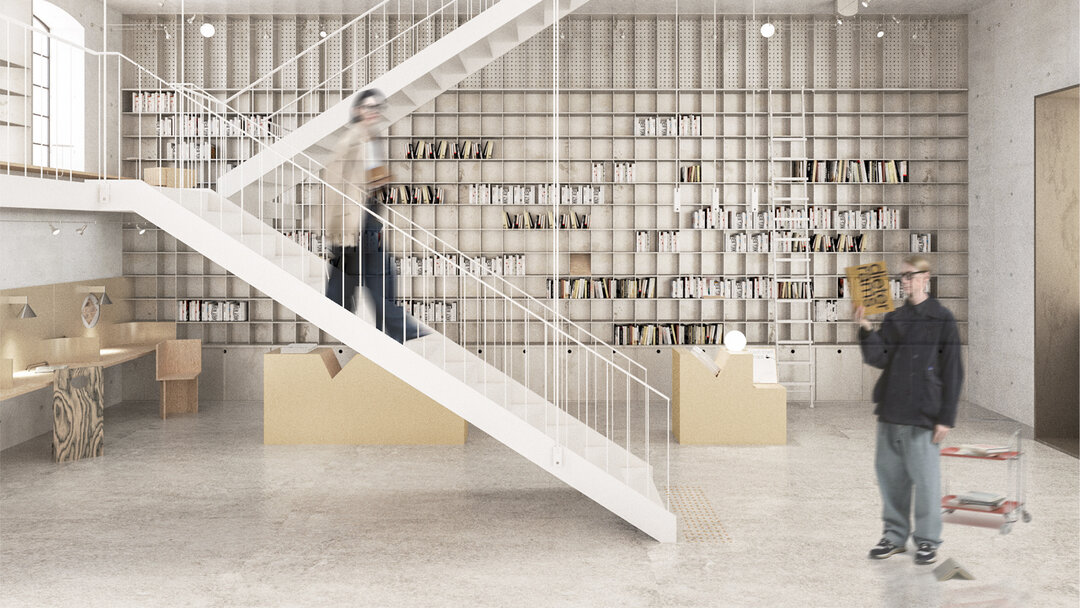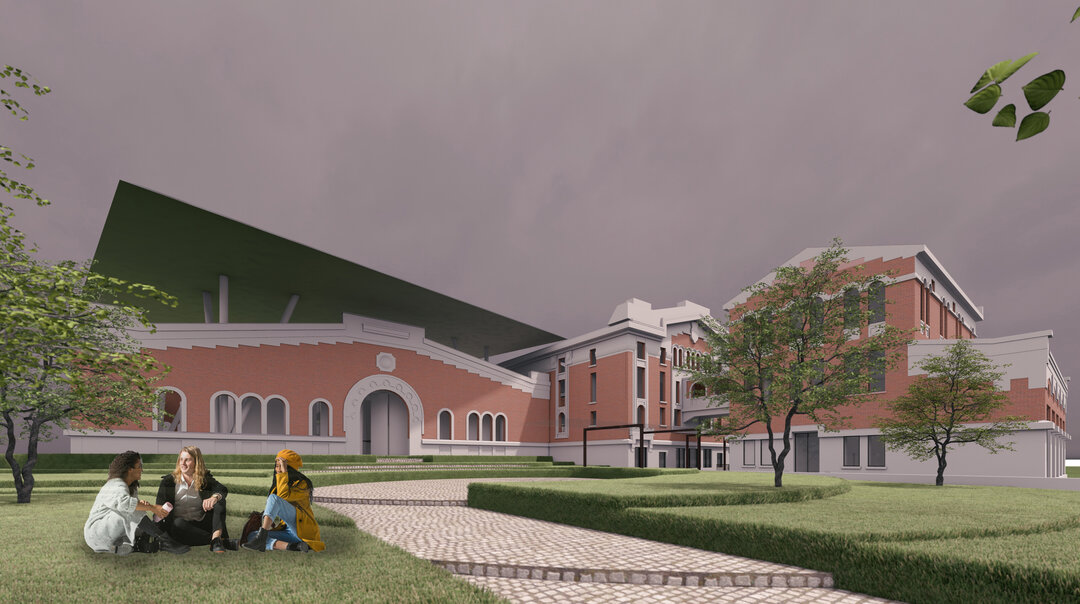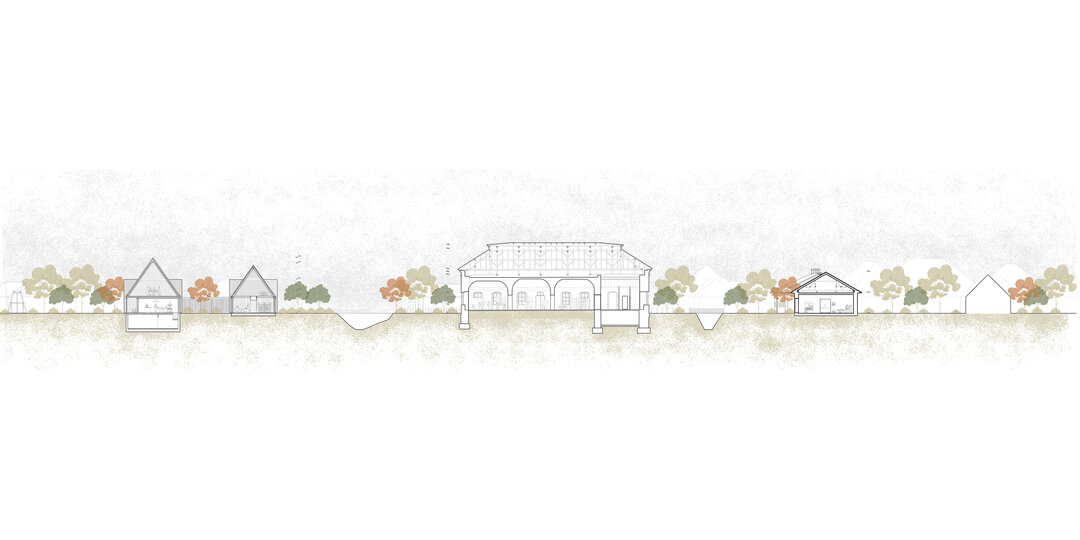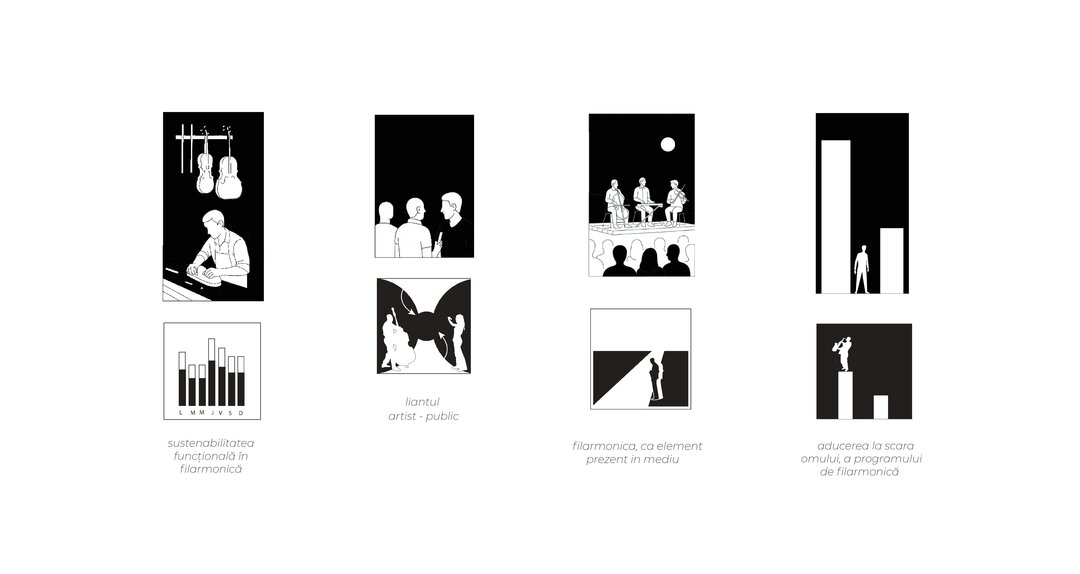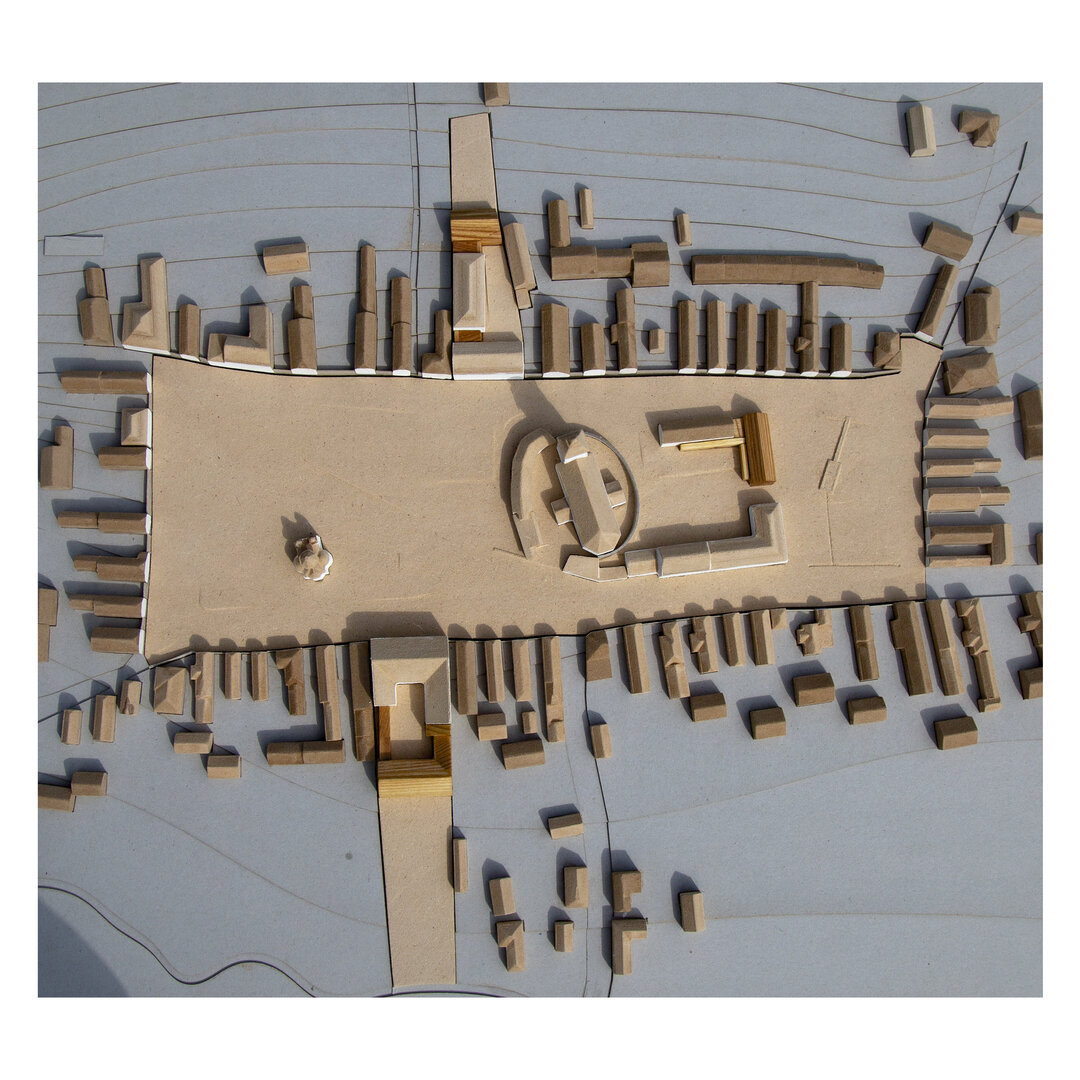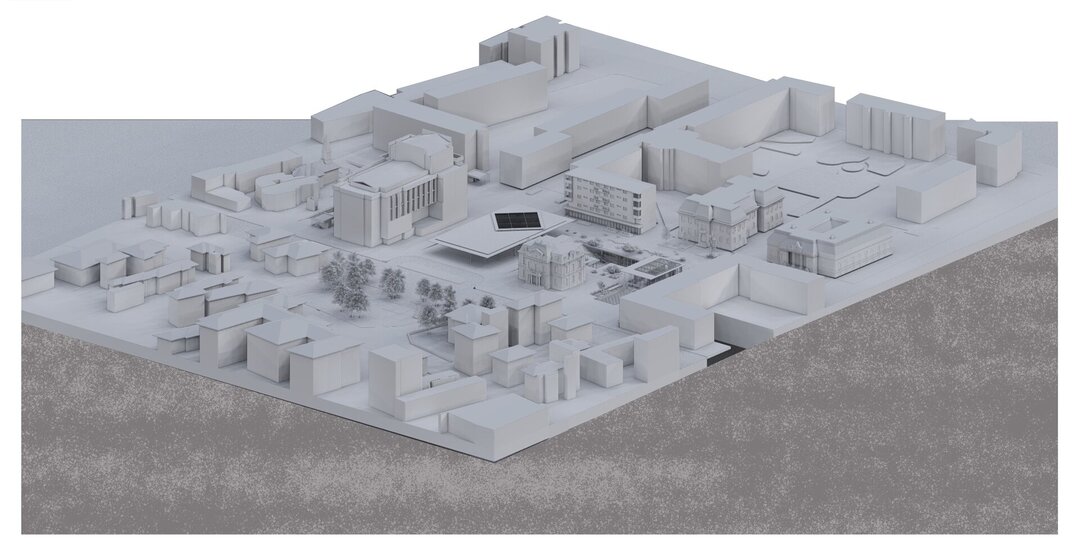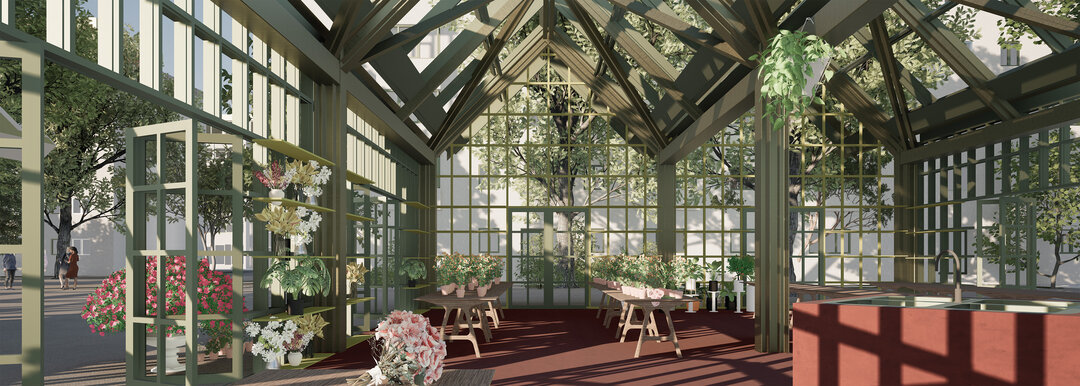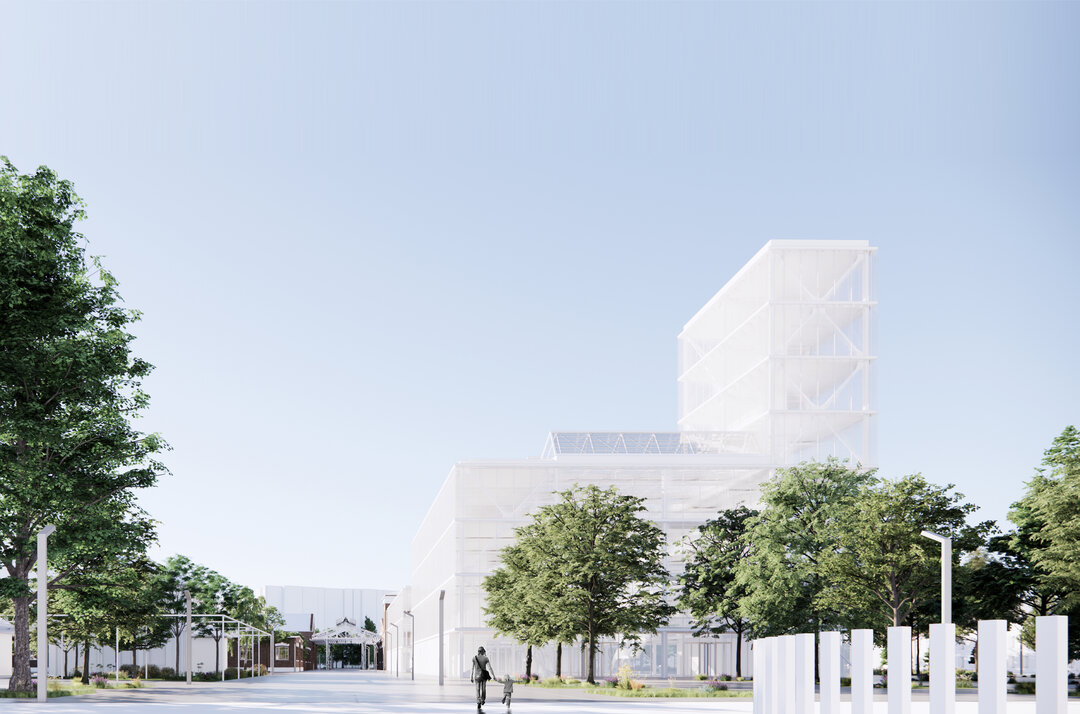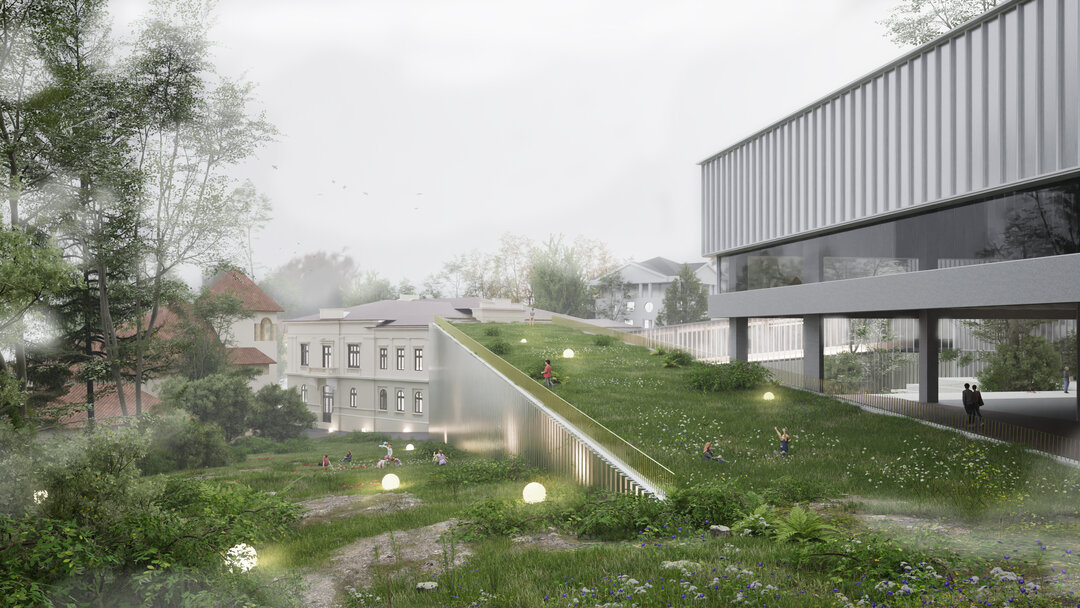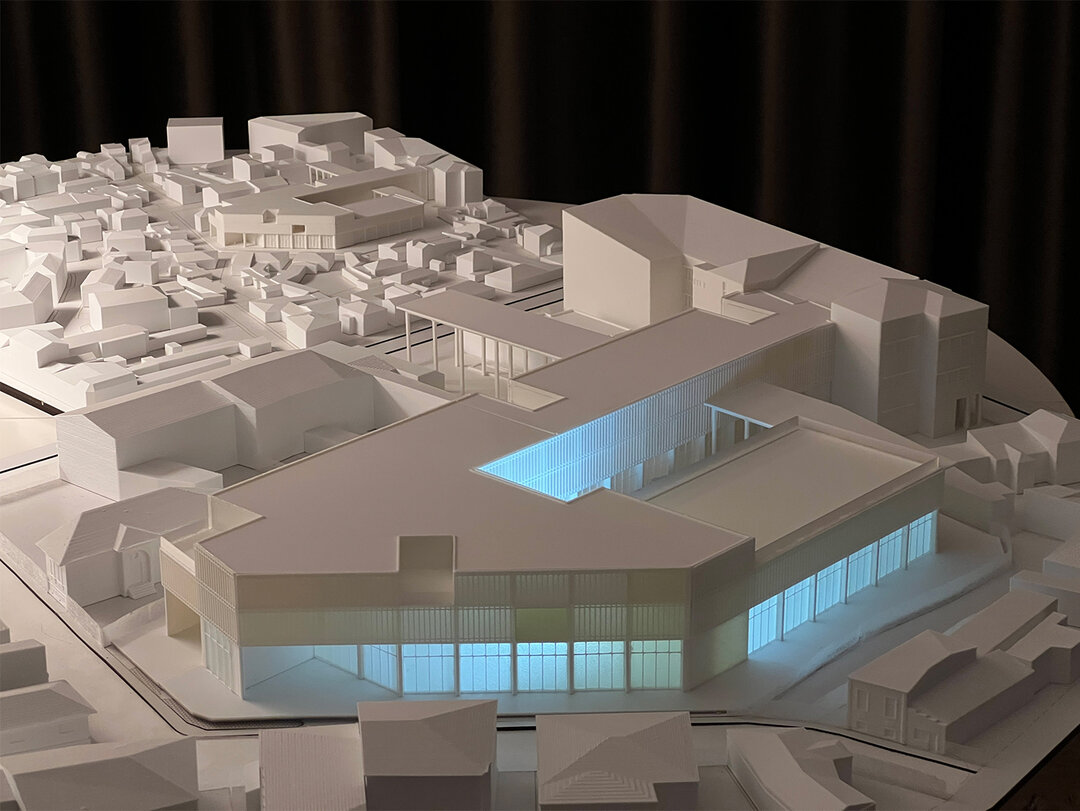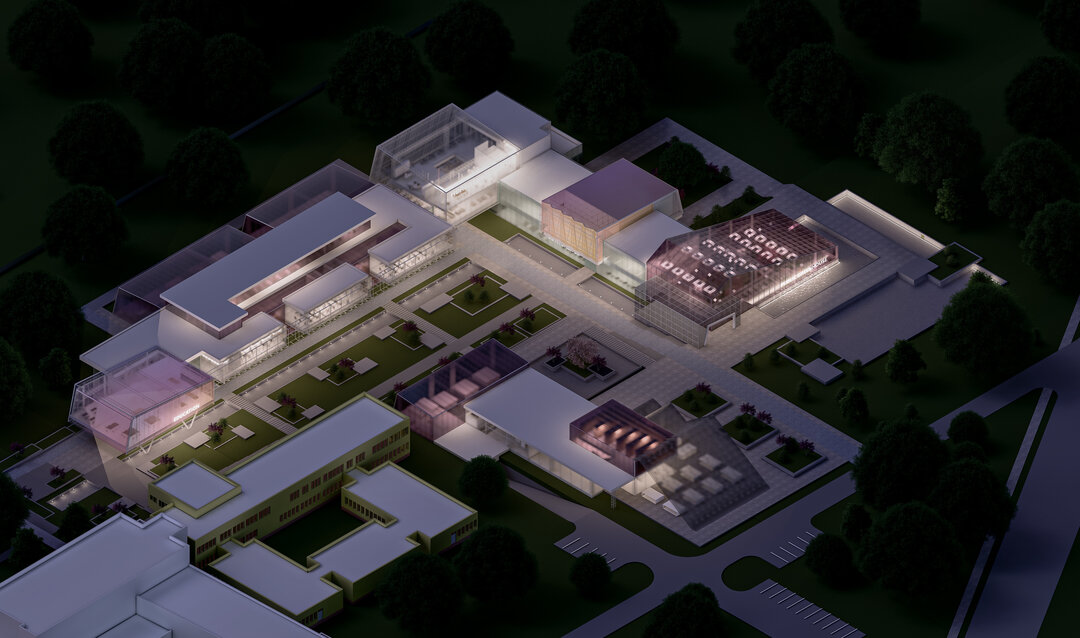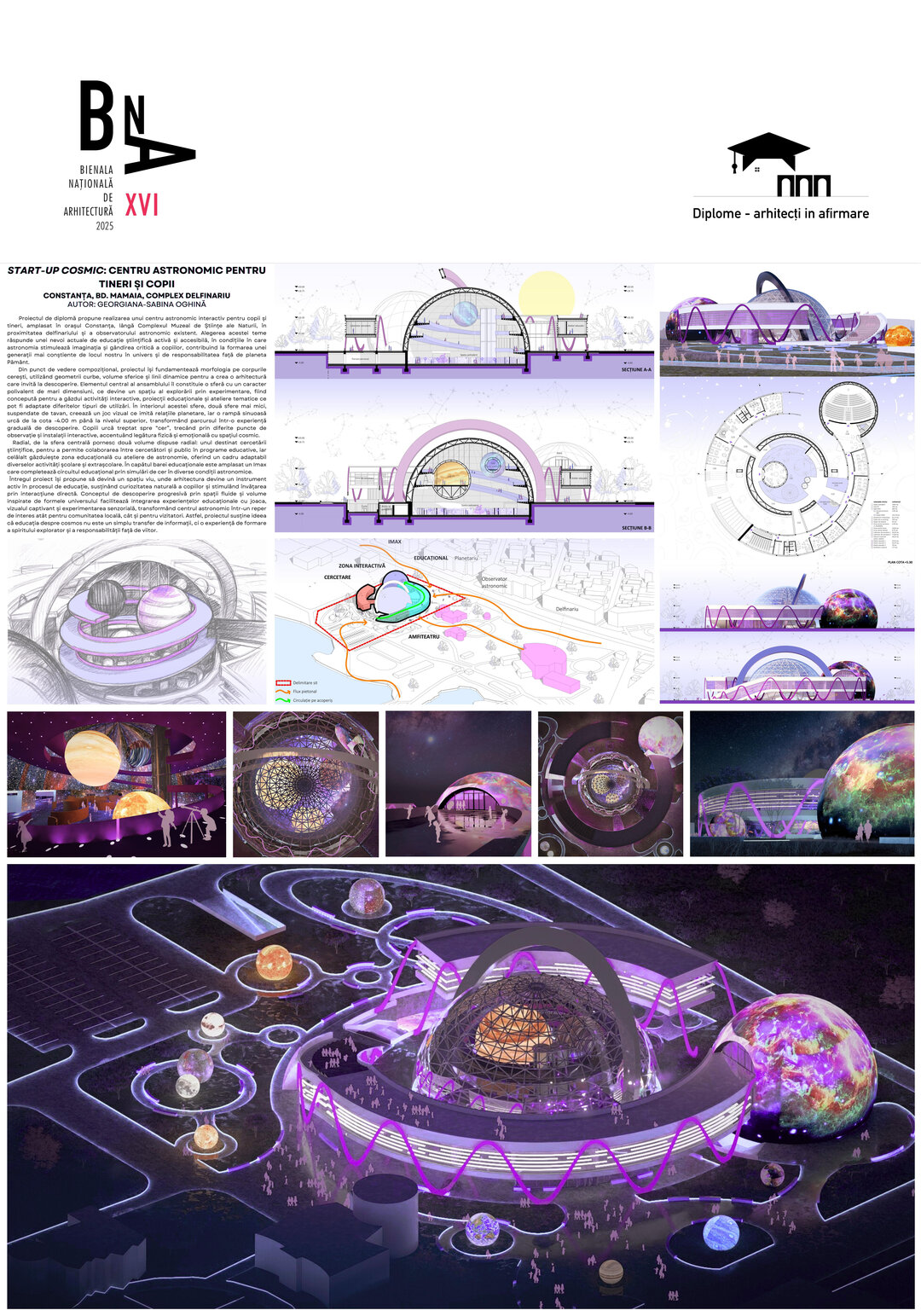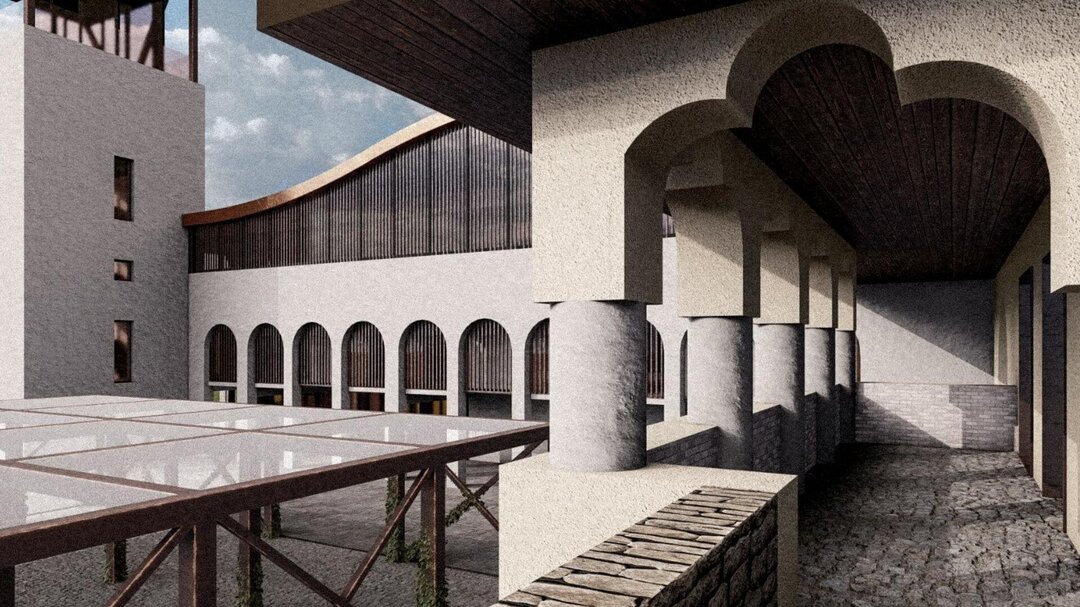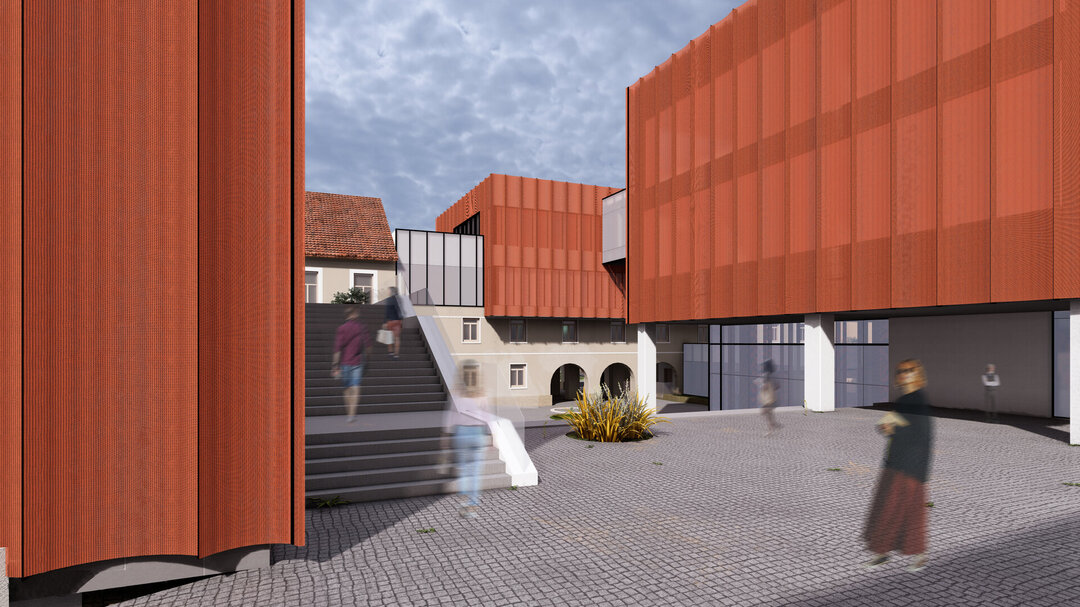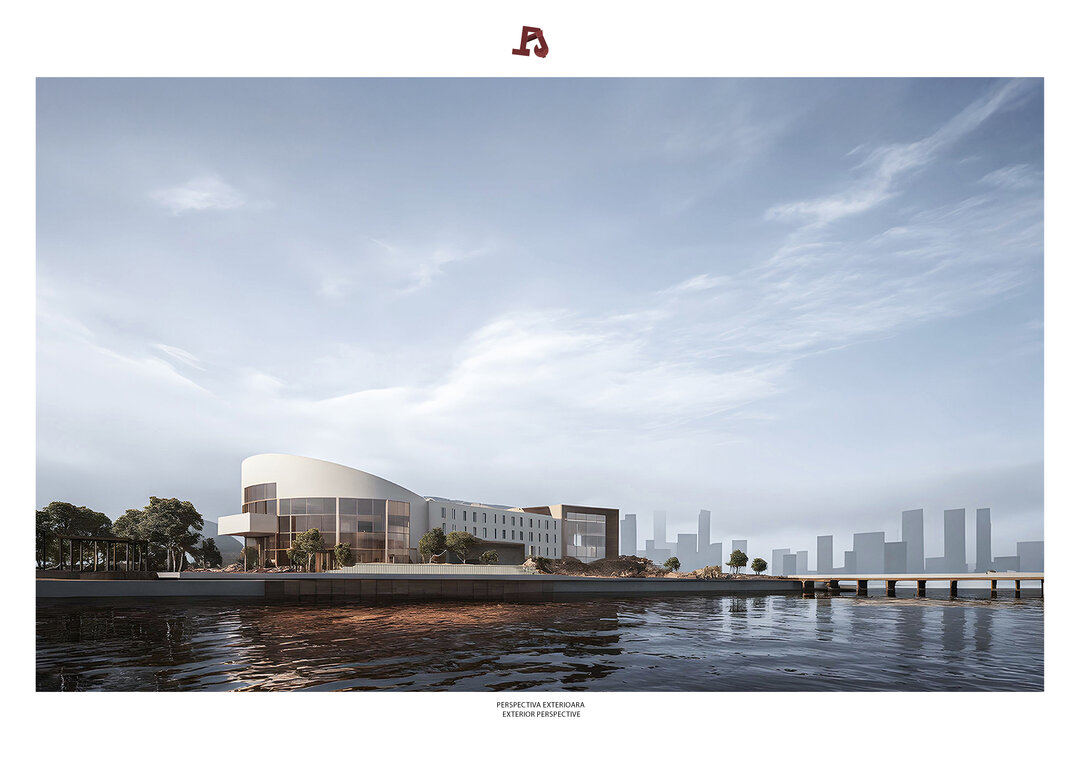
Student and diploma projects at BNA

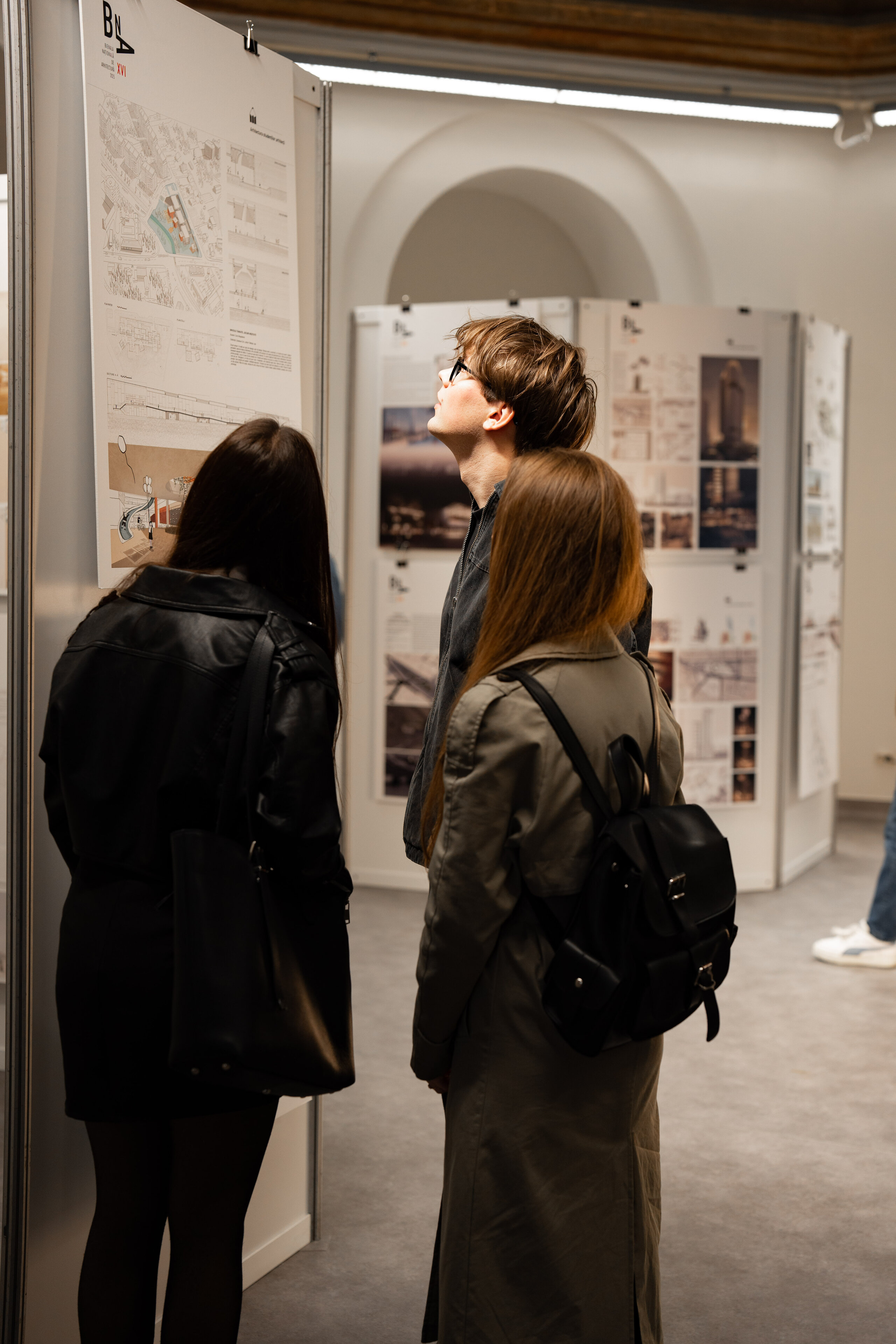
BNA has several characteristics that give it identity and value for the landscape of architecture in Romania: it covers the whole country, it has continuity and reputation as a compass or mirror of recent architecture for several decades already, it is always inventing angles of view and methods of addressing the architectural community and it has a good public visibility. For all of them, being awarded at the BNA has become a legitimization of the highest value in Romania. For young people it is the most powerful springboard for building their career reputation.
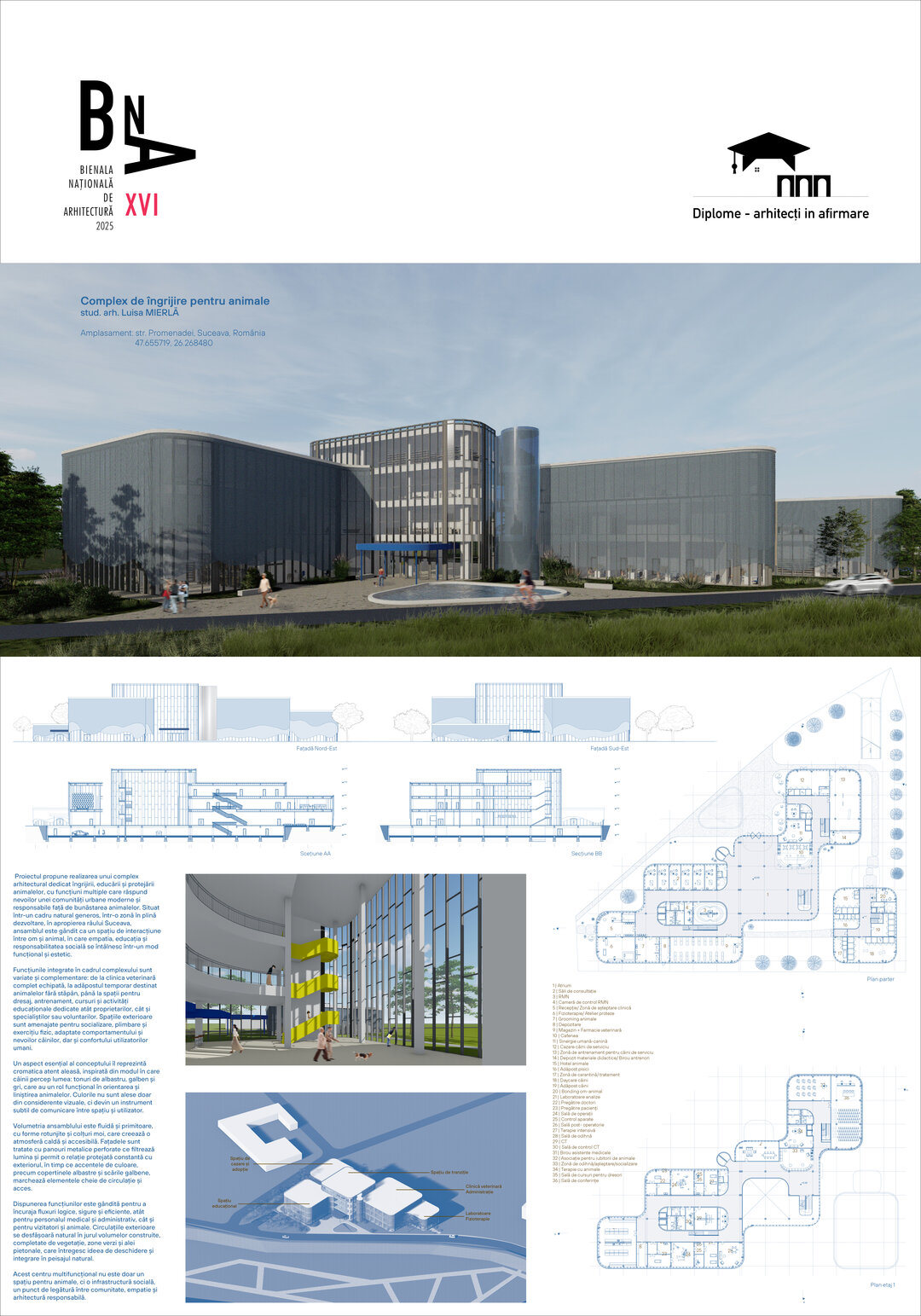
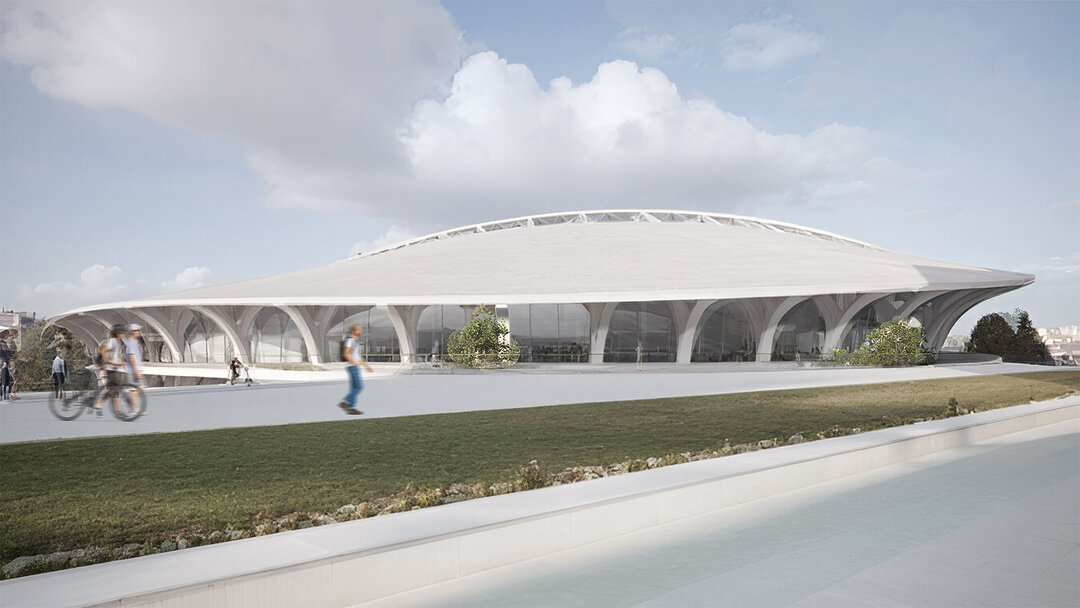
The question arises whether it is important for the NAB to continue to organize award sections for diploma projects and for student, workshop projects, which were invited for the first time in the 2026 edition. And not only that. There is also the question of how these sections should be organized and evaluated, because adopting the model of those dedicated to architecture by programs and categories might not be the best. I would begin my comments with a few points of principle. The attention of professional organizations to the education of future architects and the collaboration between universities and organizations is very important, because any decoupling can lead to undesirable problems in both categories. The statement is intuitive, but it can be proven with arguments. Creating a framework for architecture schools and architects to meet has multiple benefits. The schools themselves need a framework in which to meet, compare and inspire each other. This is the basis for progress, even if there is some competition between curriculum providers. In fact, even among members of professional organizations there is competition in the markets, yet they join together for common interests. Diploma projects are very important for architecture graduates, more so than in many other specialties and areas of undergraduate training. They are the bridge between school and profession through a work of the greatest complexity and with the greatest creative freedom both in college and quite possibly in later careers. Throughout the world, there is a regular exhibition and comparison, i.e. the awarding of prizes after assessment, of the diploma projects of architecture graduates. The question arises how to judge projects which have completely different themes, which may or may not have been created by the project authors themselves, which is different from real professional life, and which are also guided by different professors? What do you value more, the theme, the response to it, both? And according to what criteria? It is not easy, but not impossible to establish what you are looking for: projects with broad applicability, projects that address very particular situations extending the field of architecture, projects with high value from a sustainability perspective, projects with very high artistic, social, environmental, etc. value.
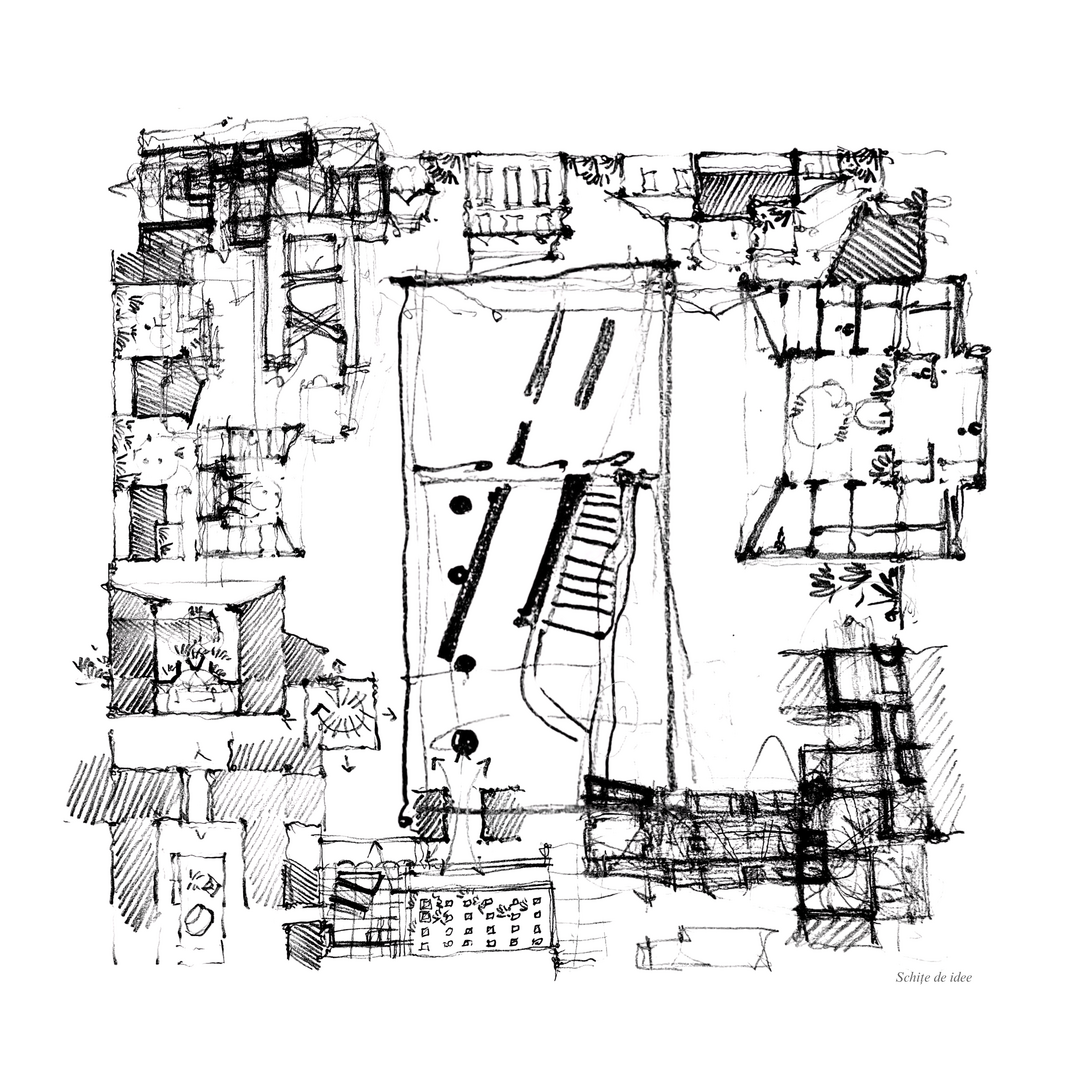
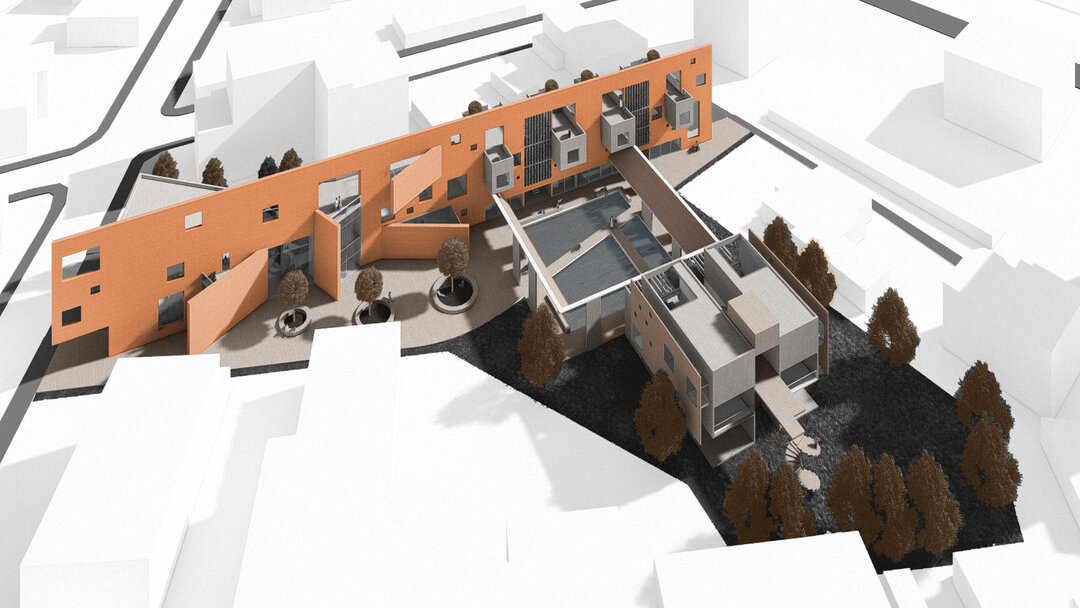
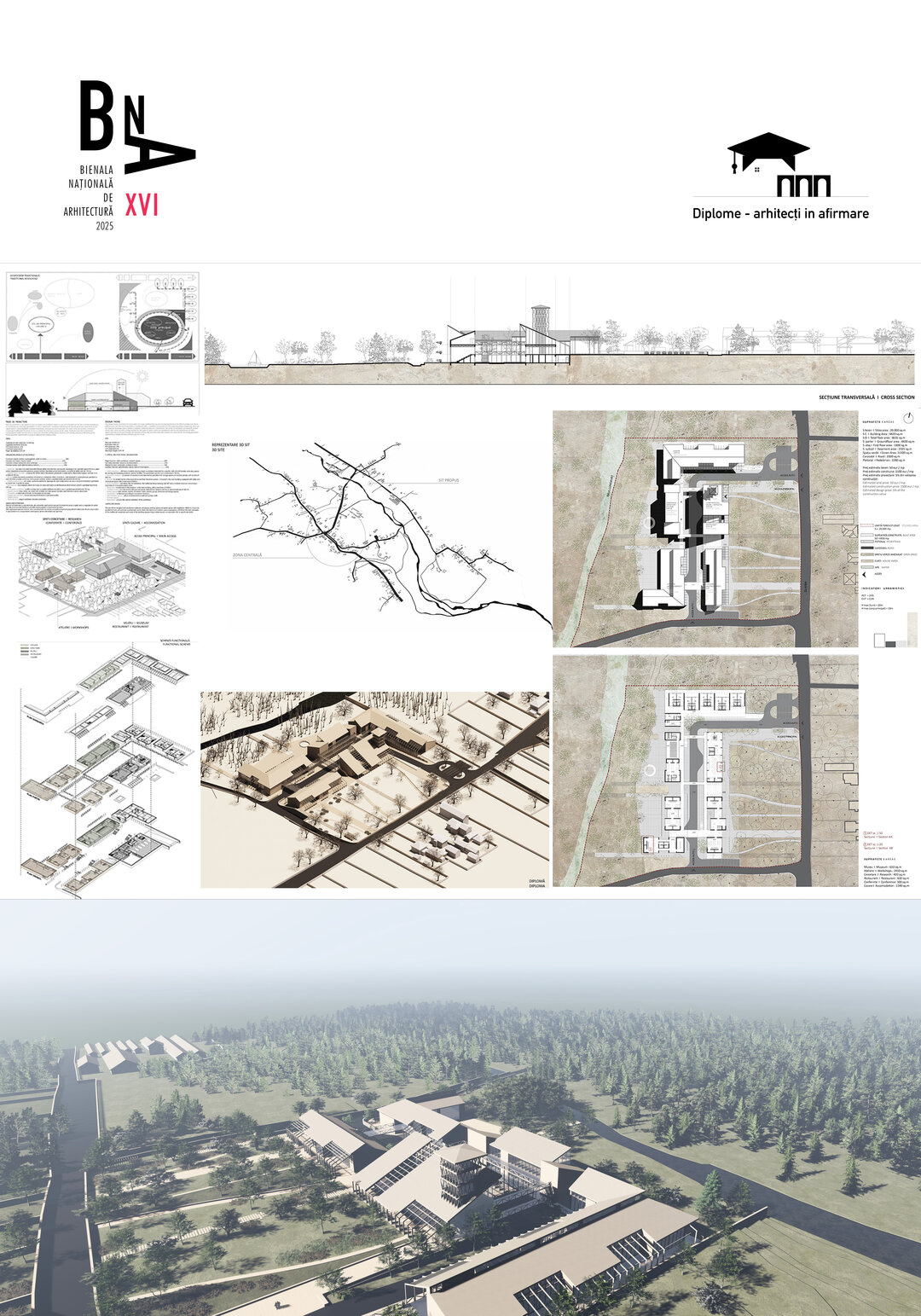
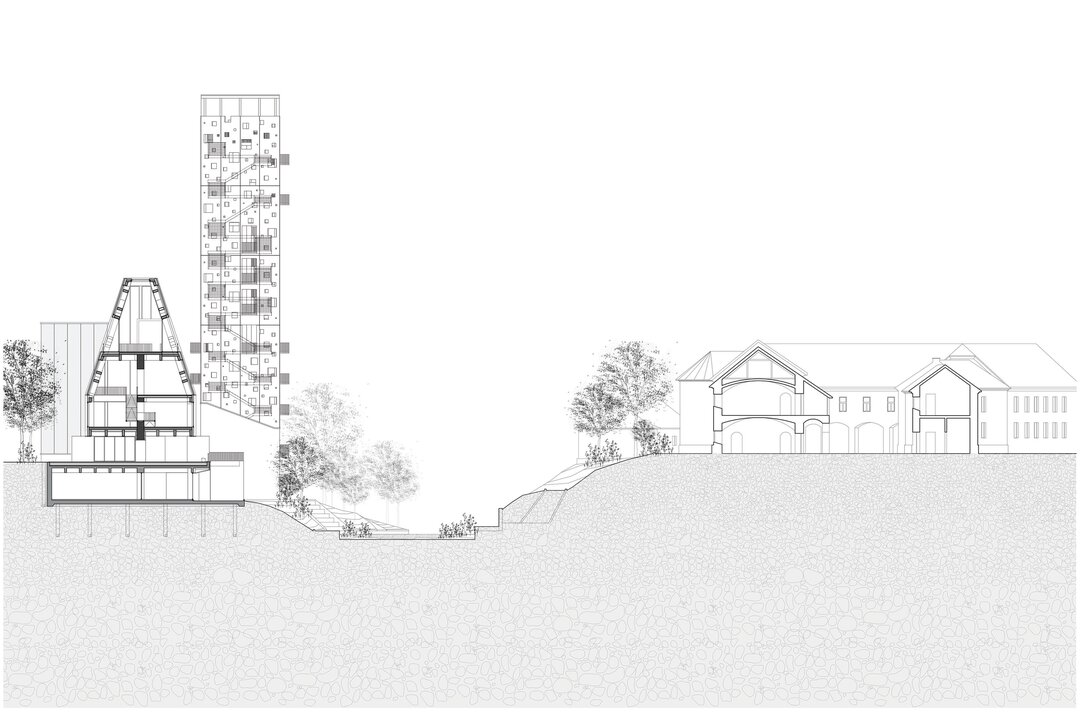
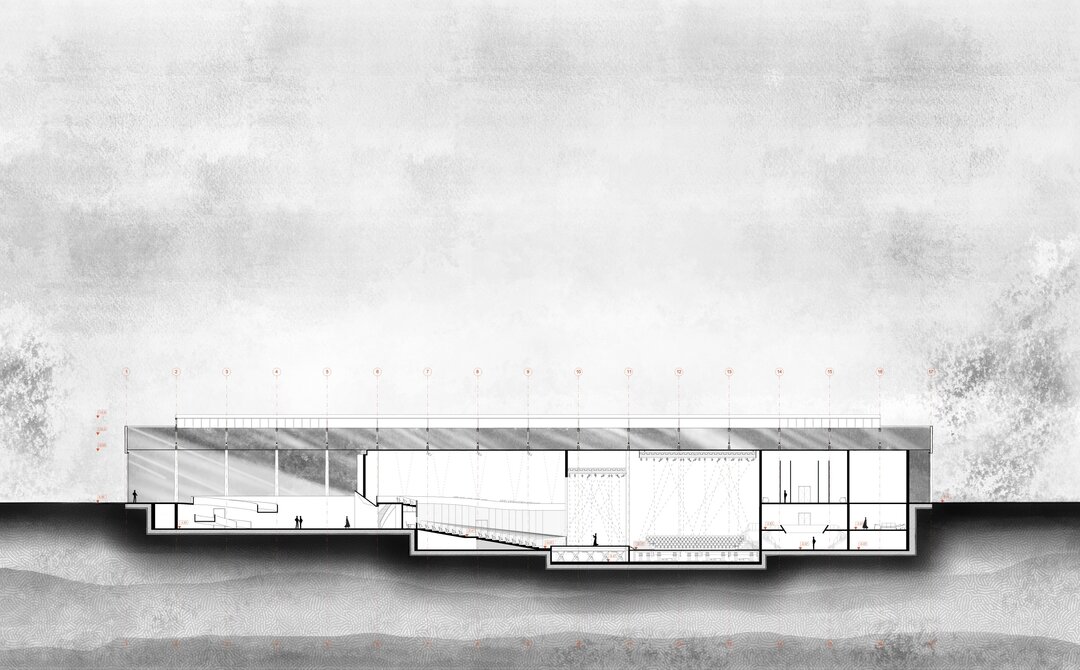
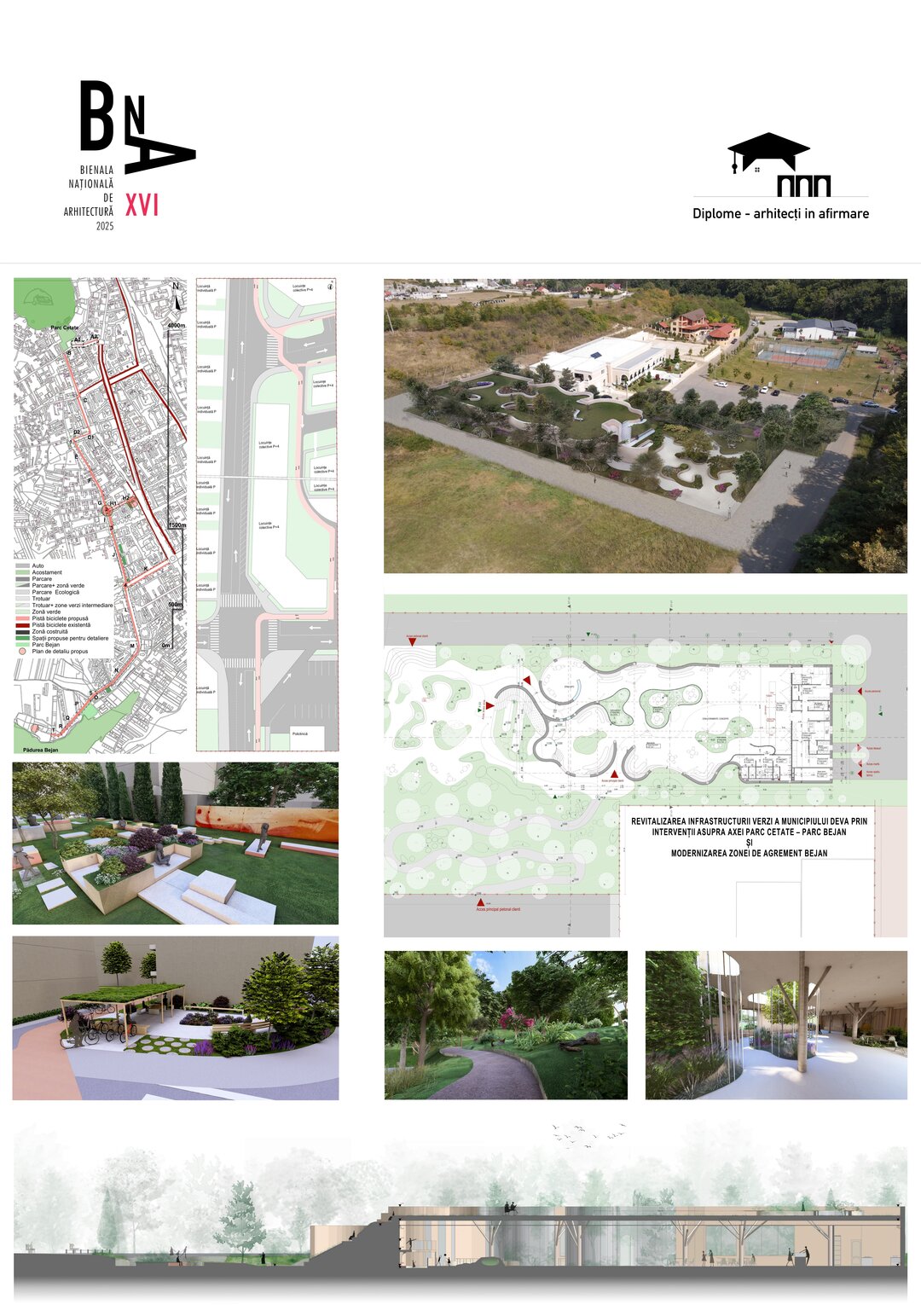
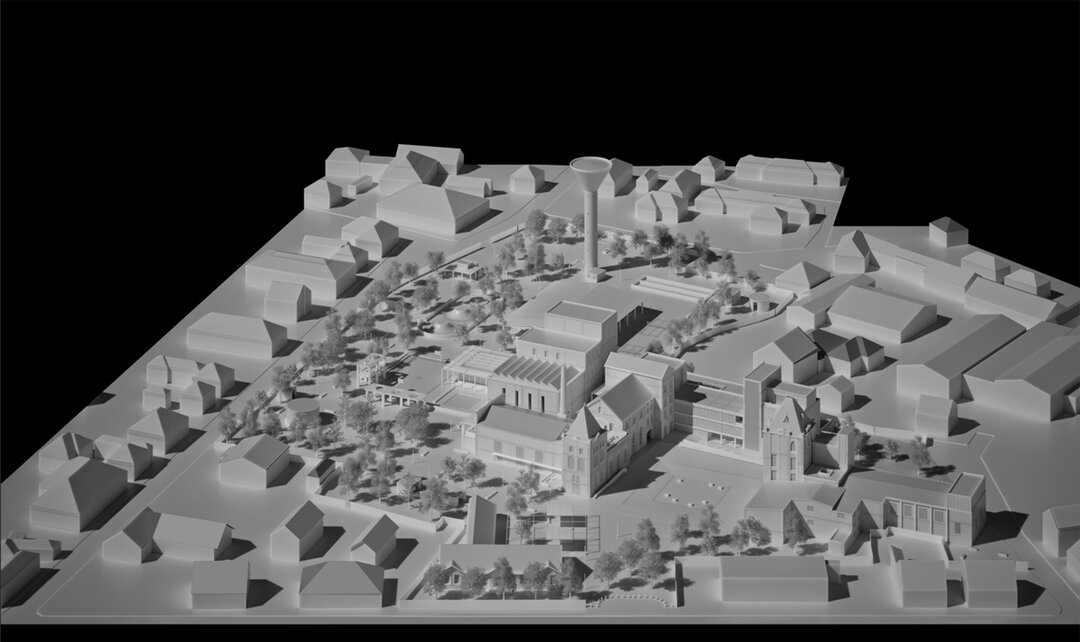
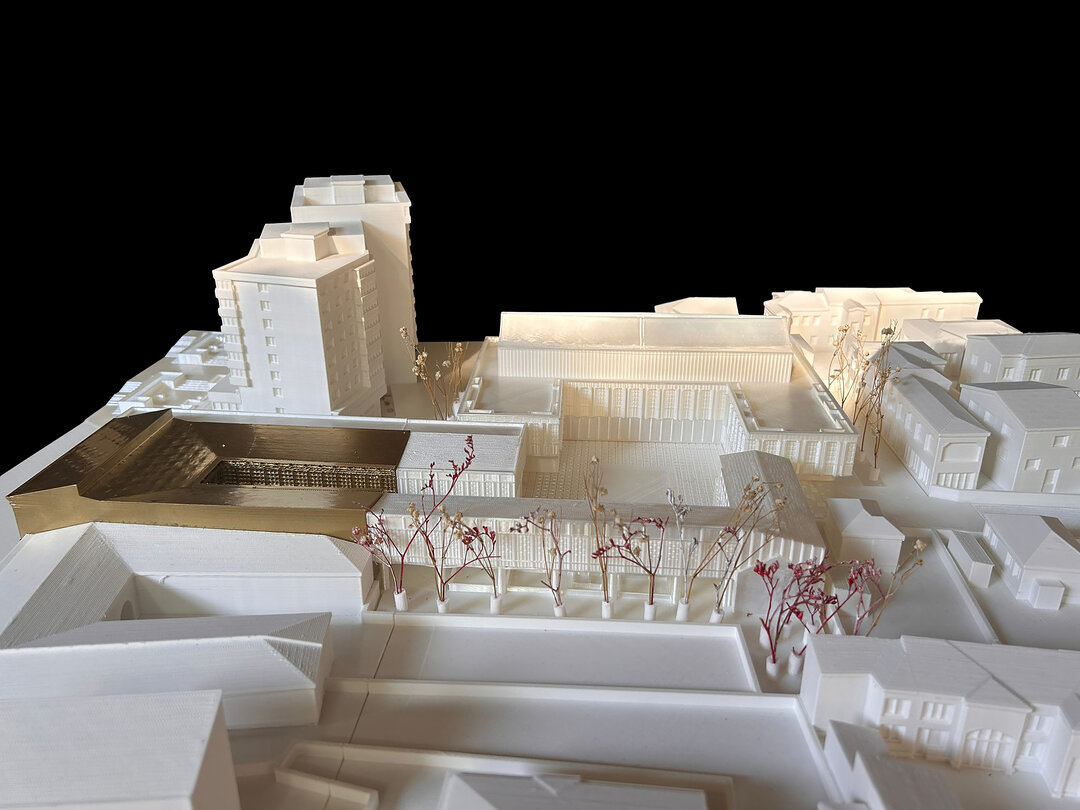
About diploma projects I think they should have an open system of appreciation and not one similar to the other categories, i.e. nominations and award, or ex-aequo awards. I think a larger number of projects could be awarded by specifying which is the main value for which the award was given. I see, for example, ten equivalent prizes, which is not many if we consider that in one year around 600 young people in Romania finish architecture, so in two years, at the Biennale's pace, the number could be over 1,000. Of course, if there is a good harvest, 10% of the graduates' projects can enter the competition, i.e., also under good conditions, the percentage of the very valuable ones.
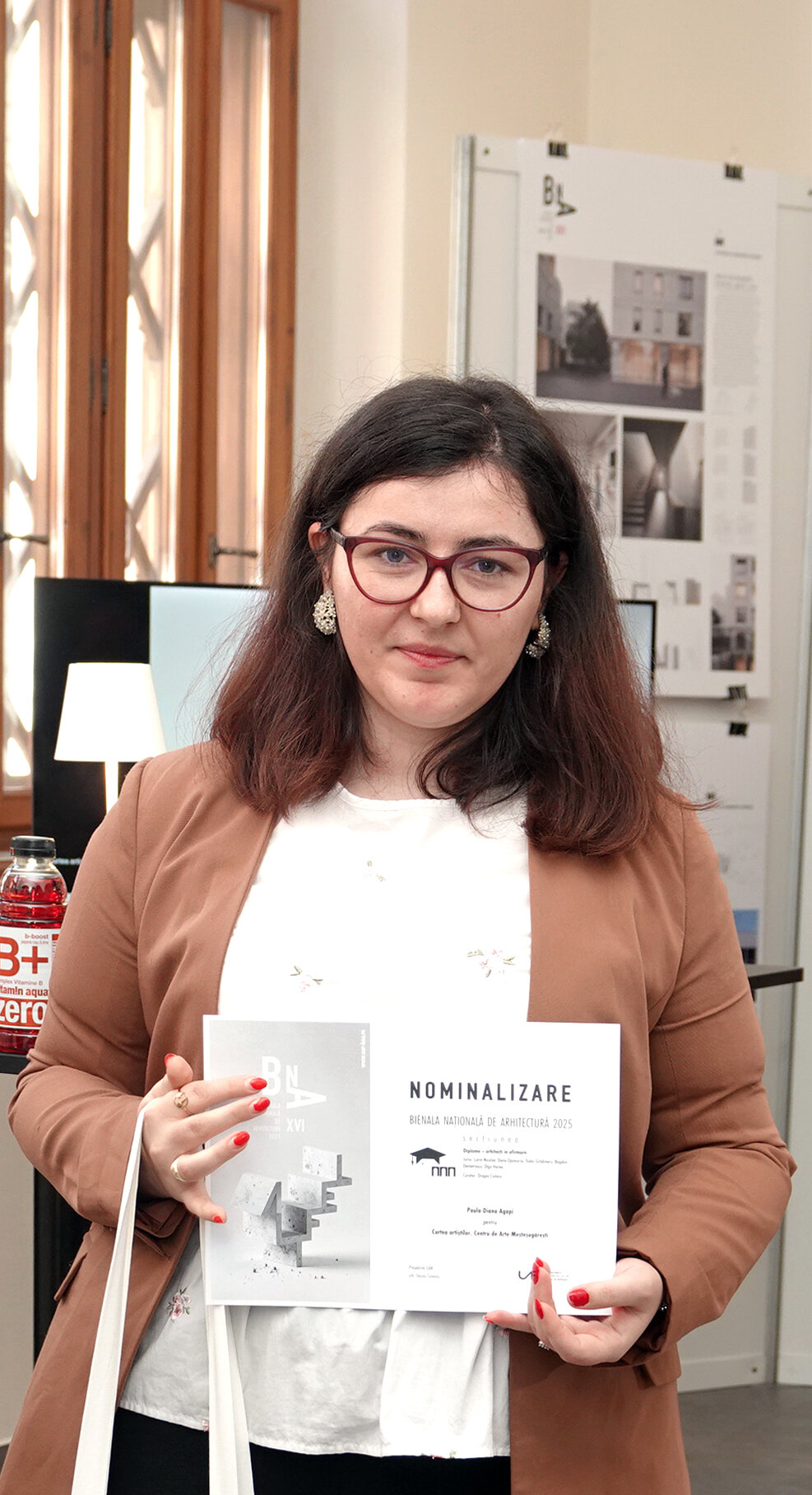
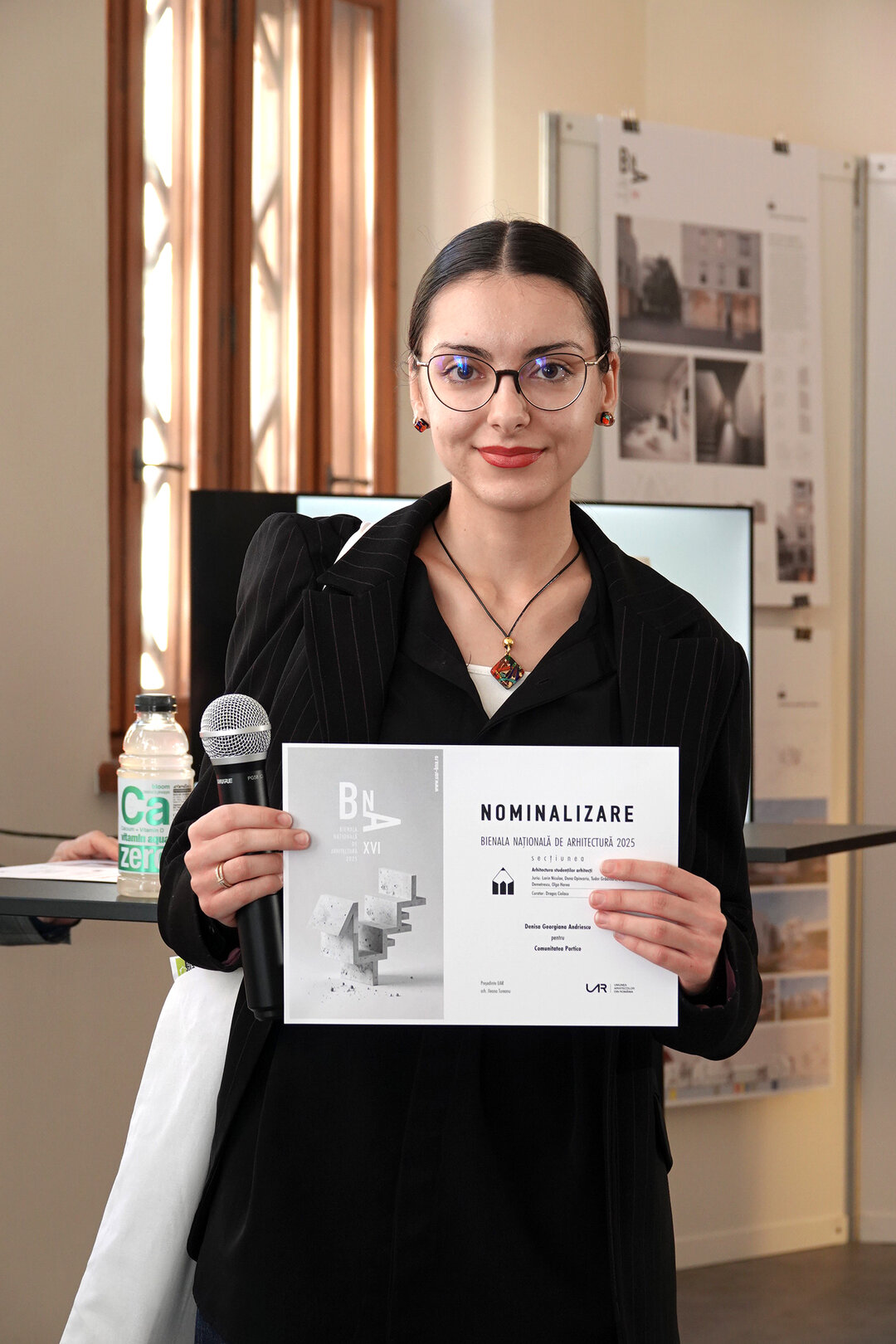
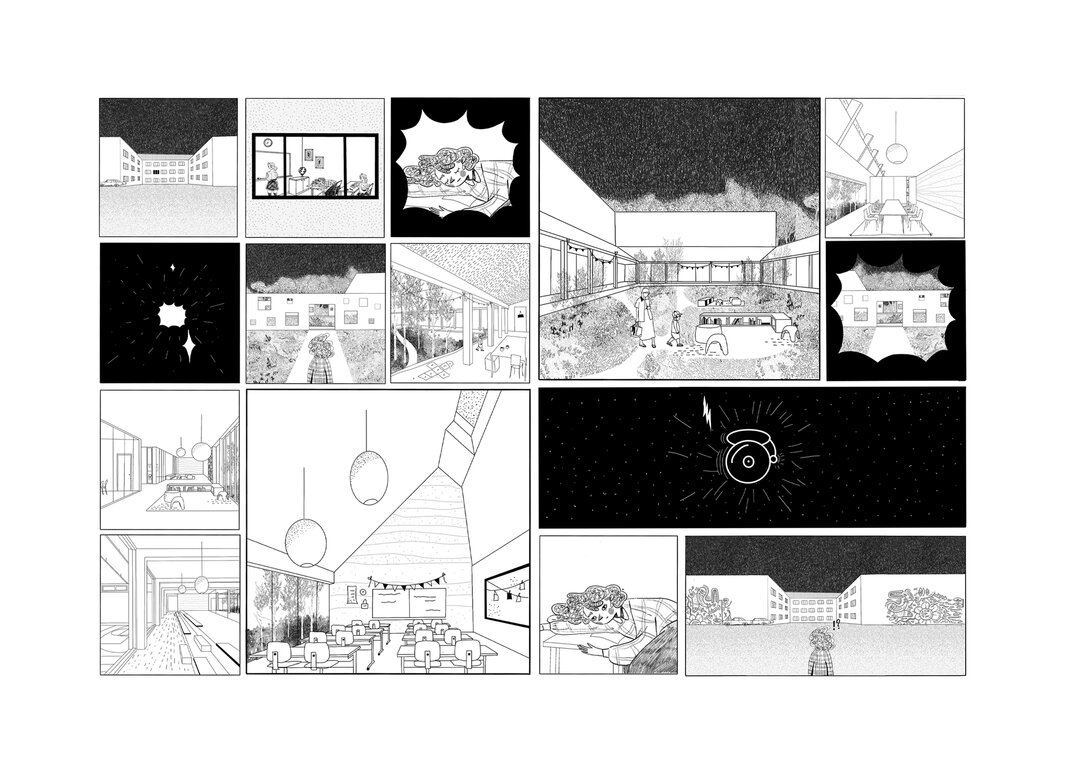
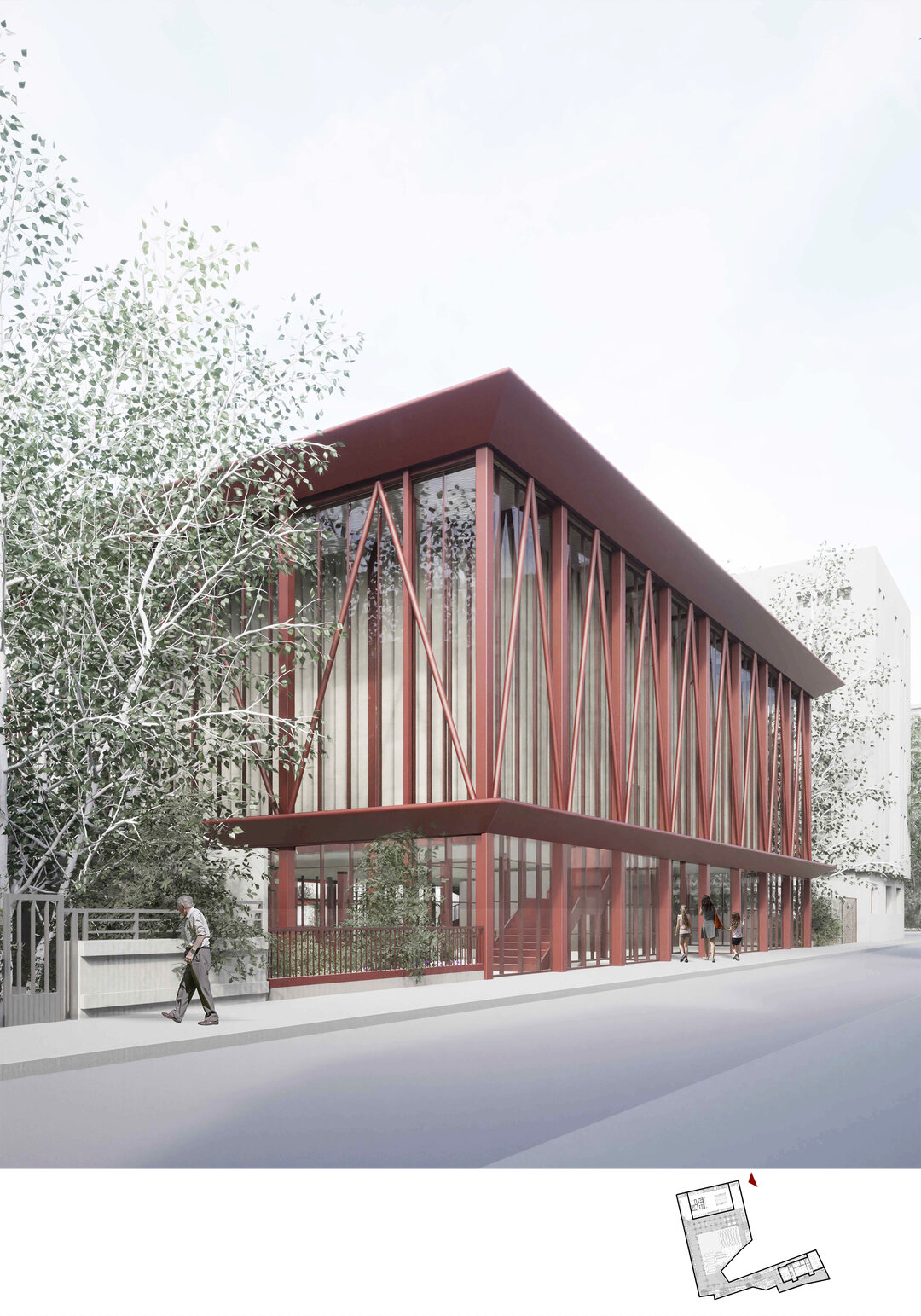
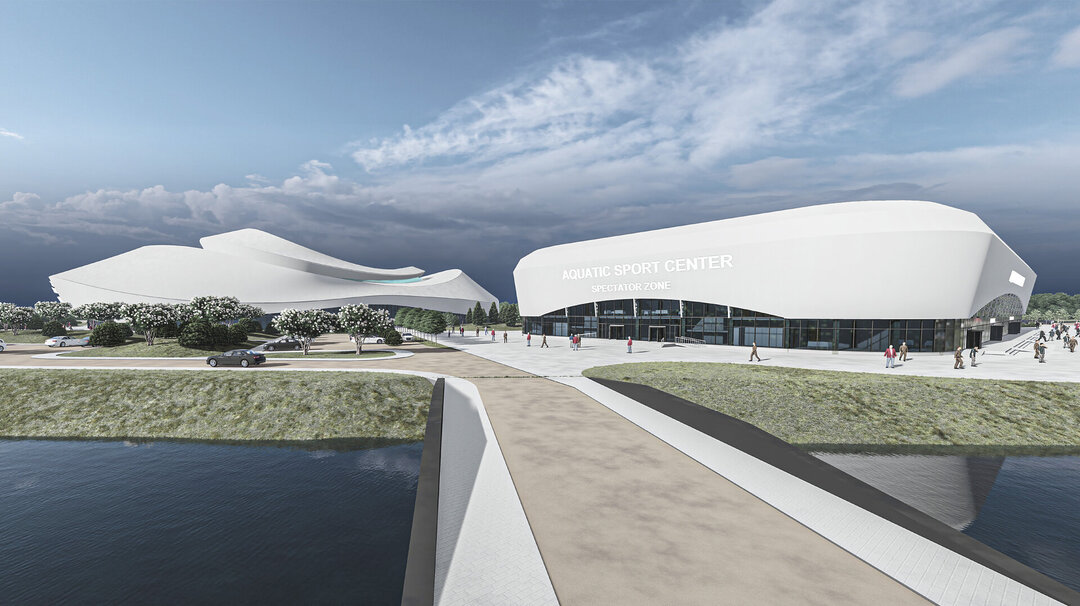
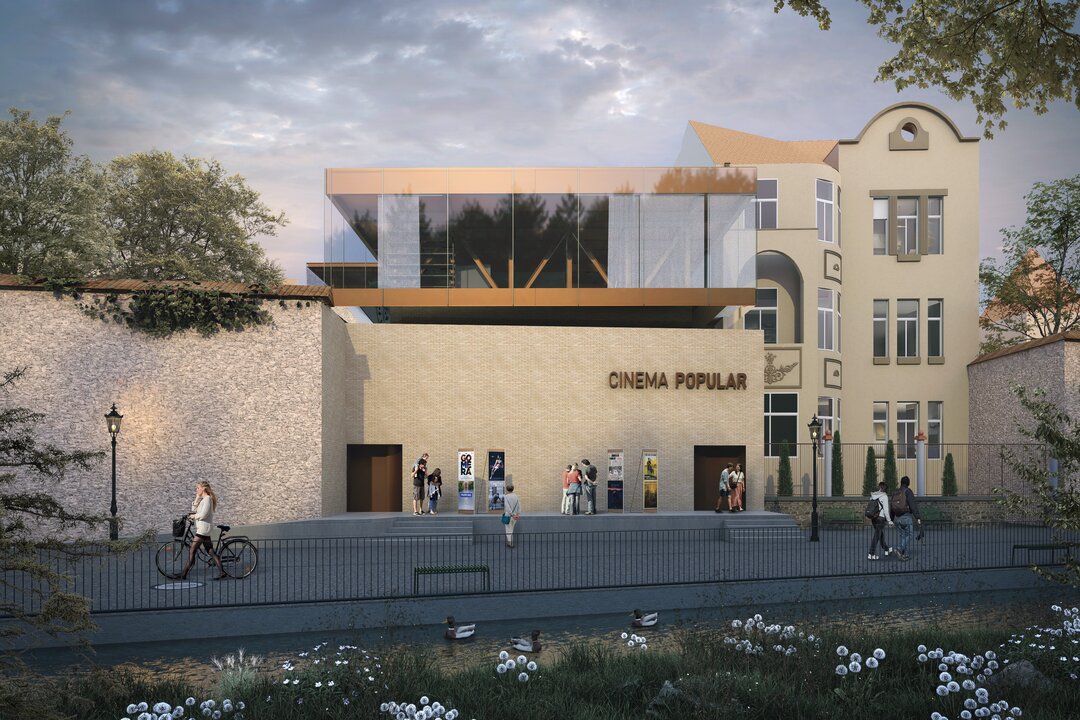
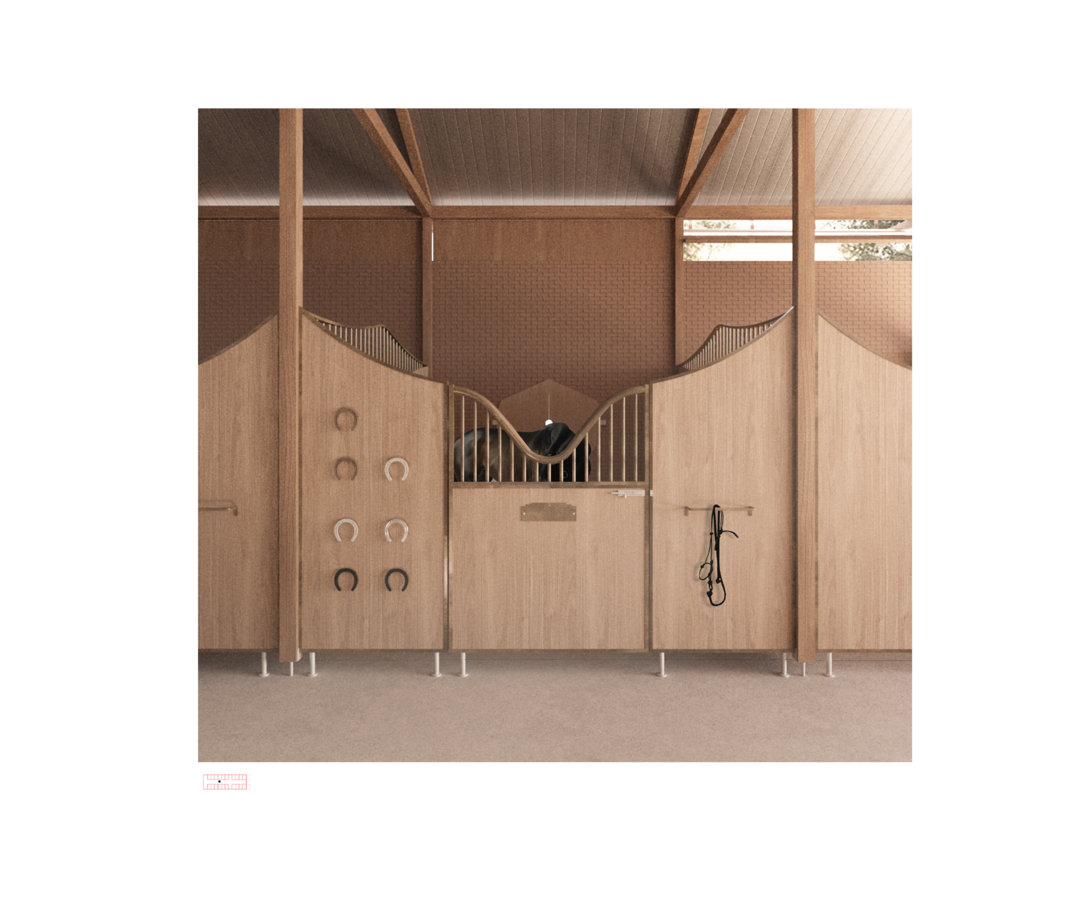
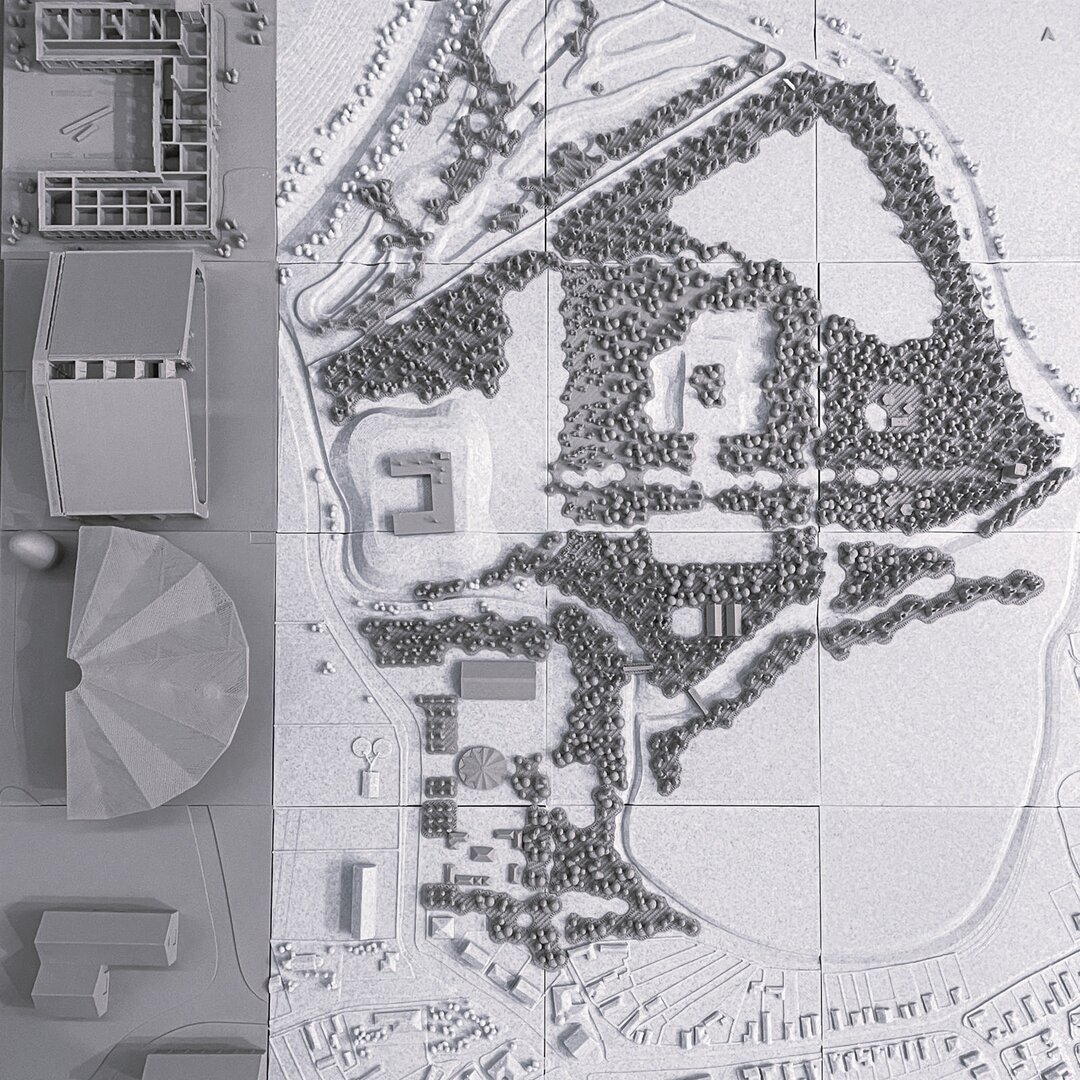
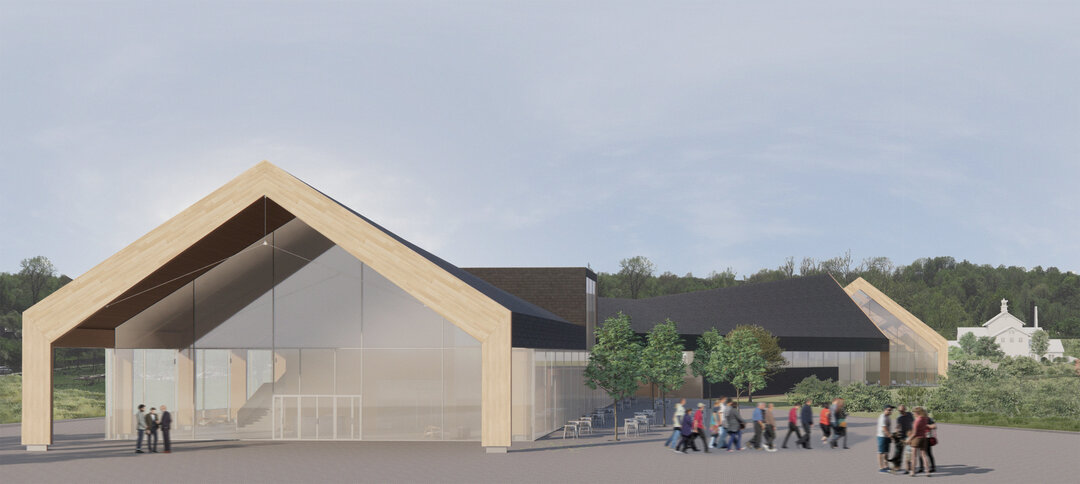
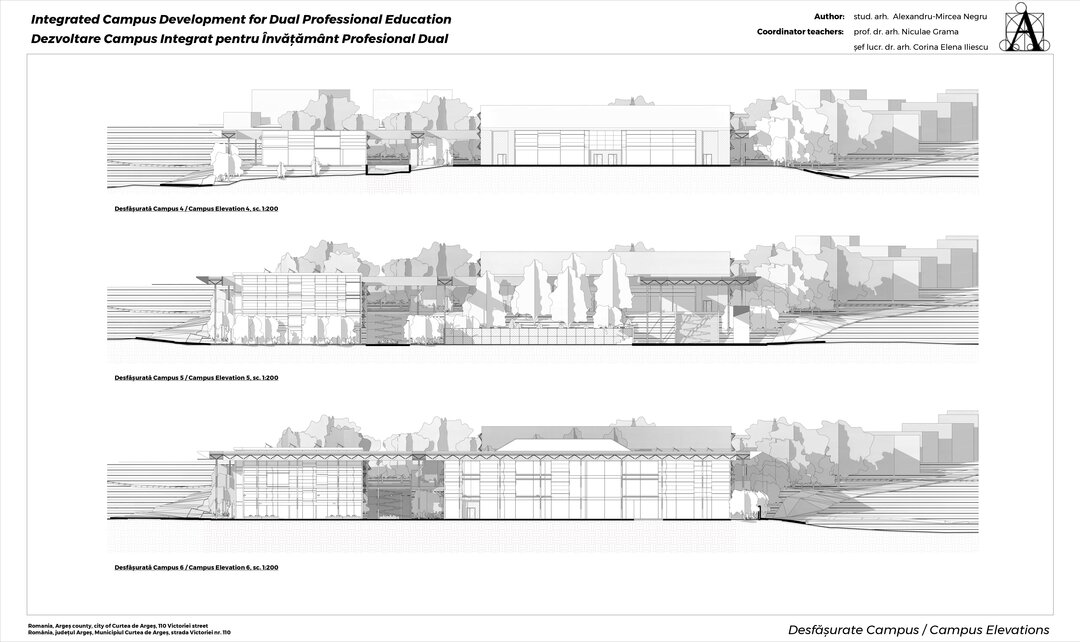
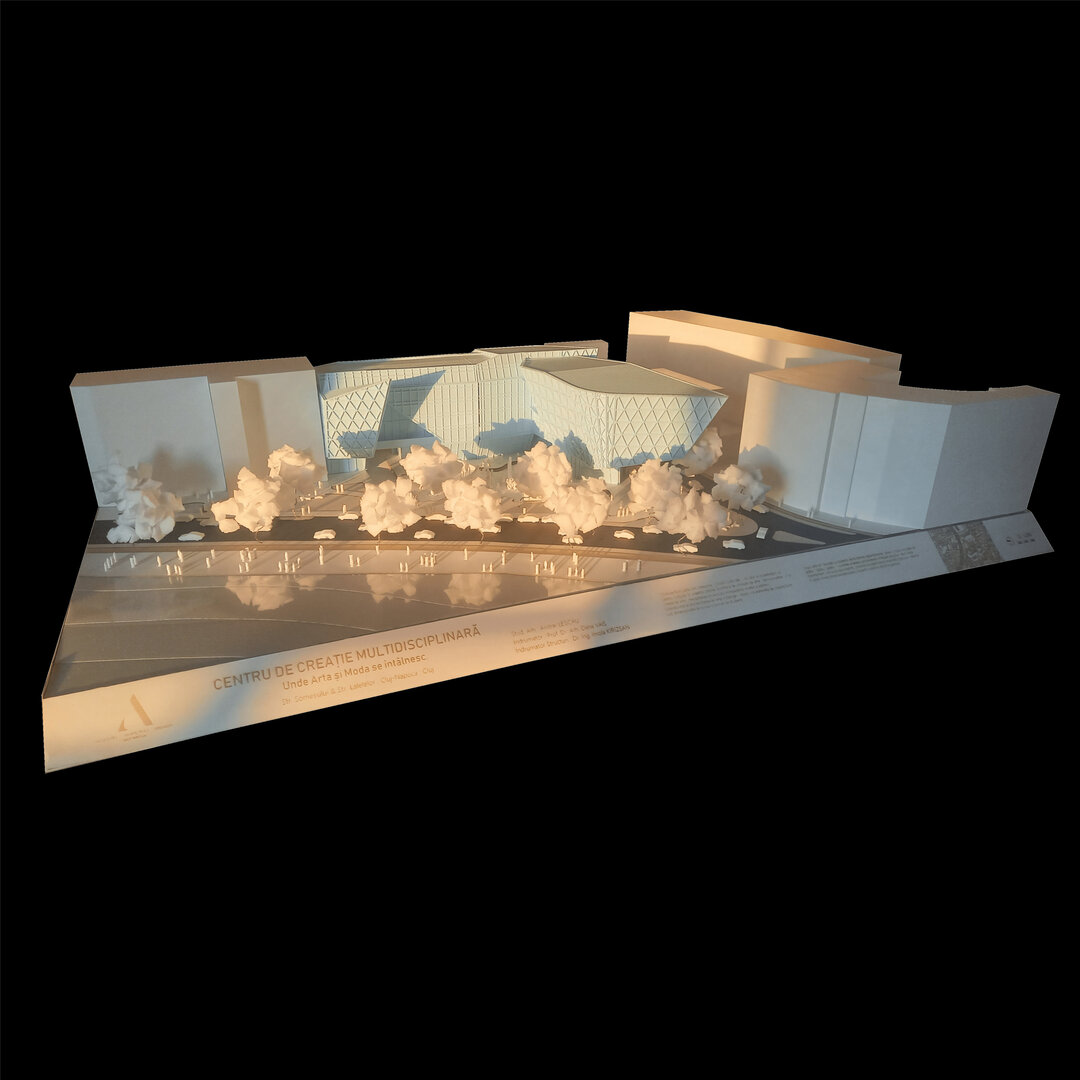
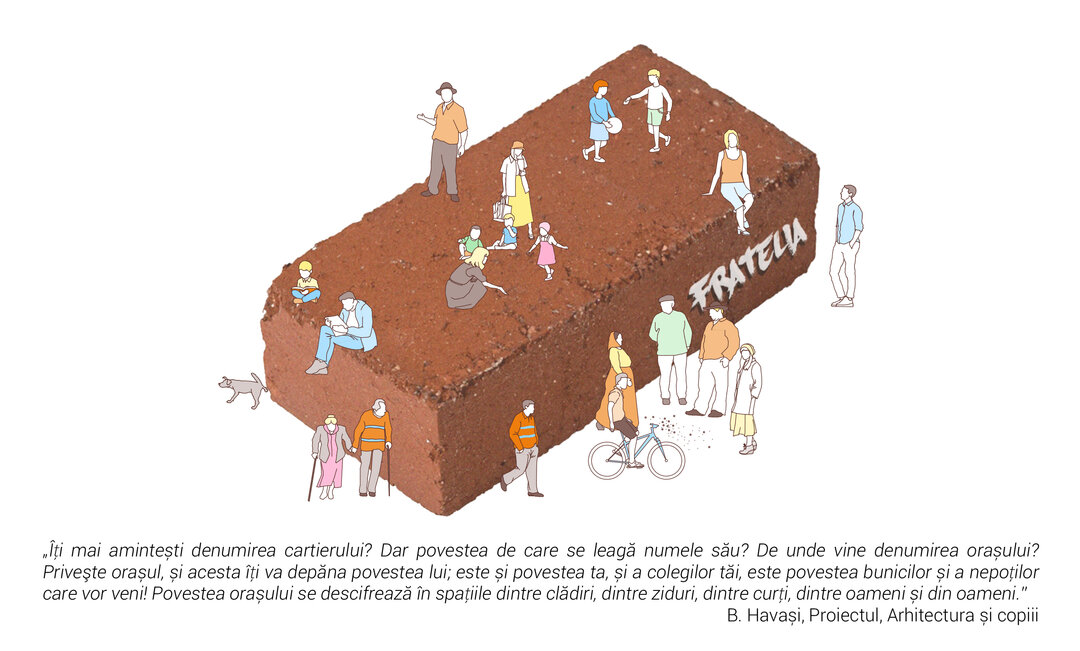
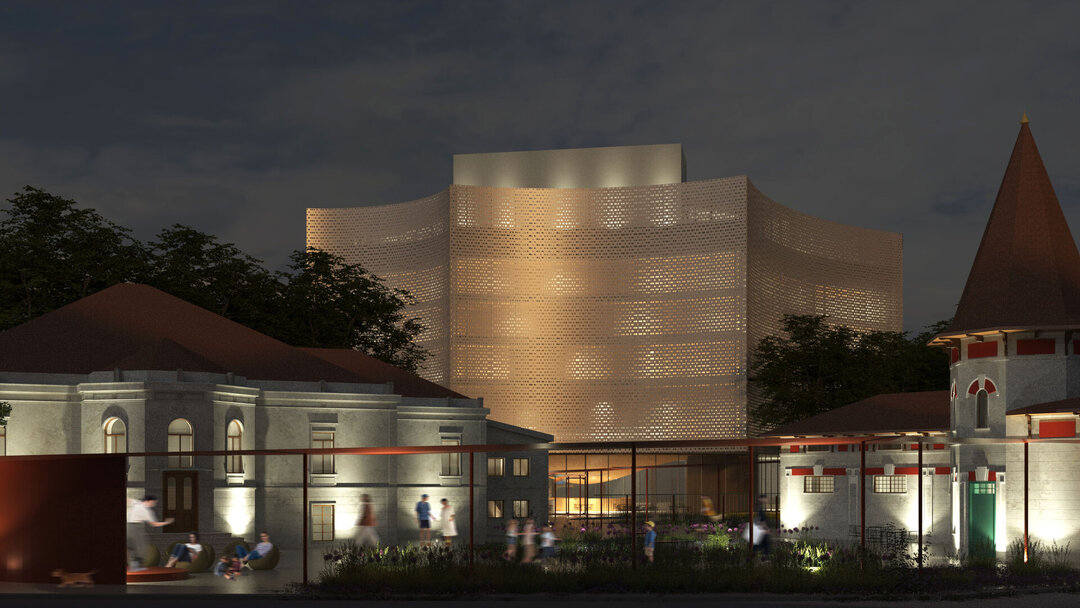
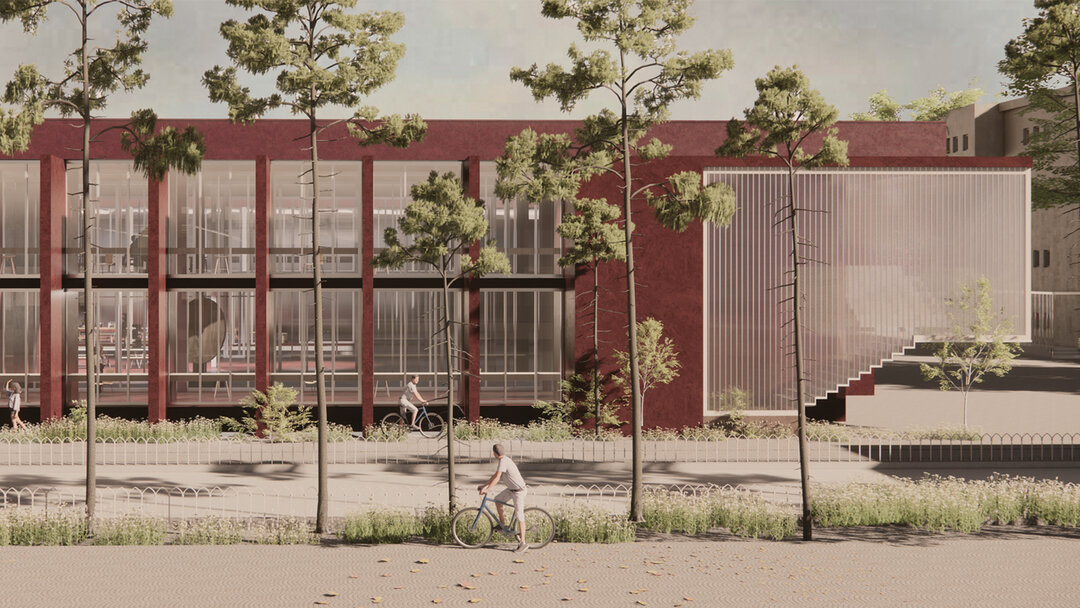
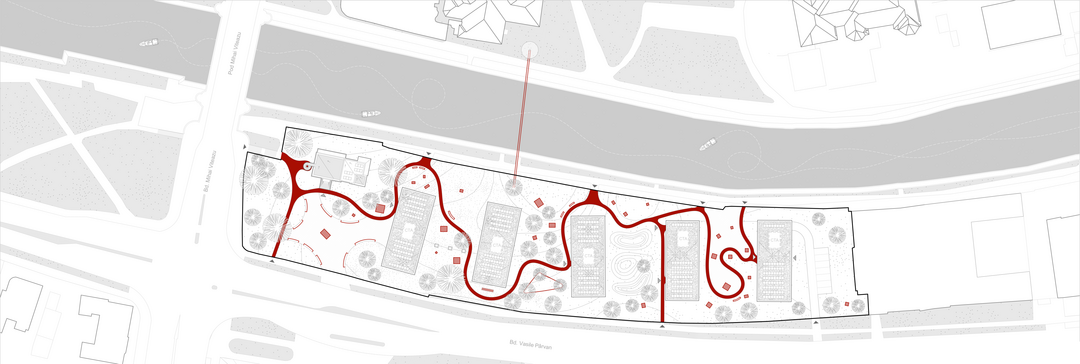
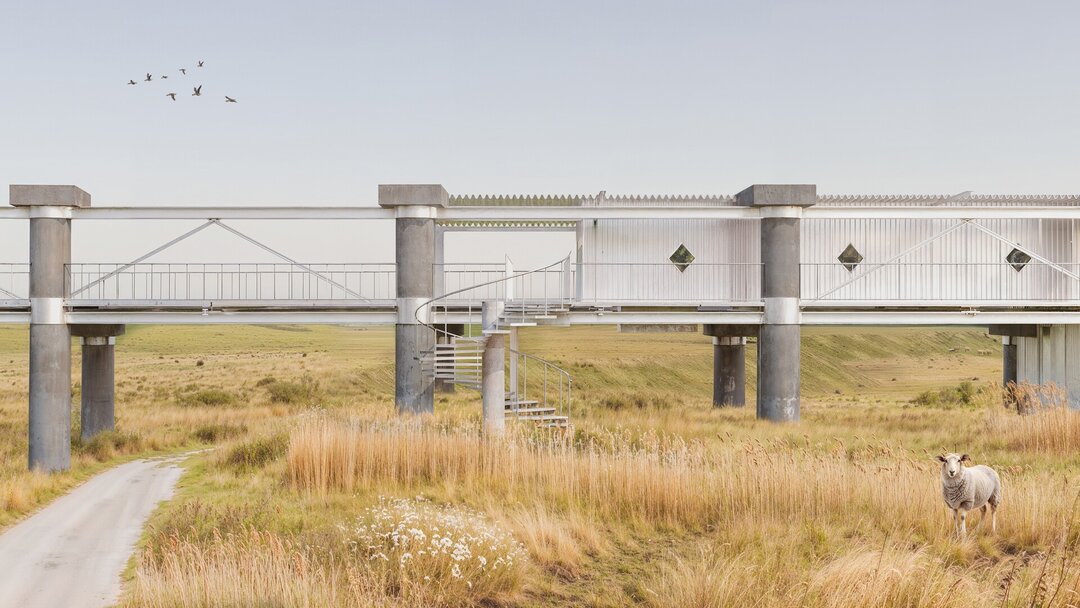
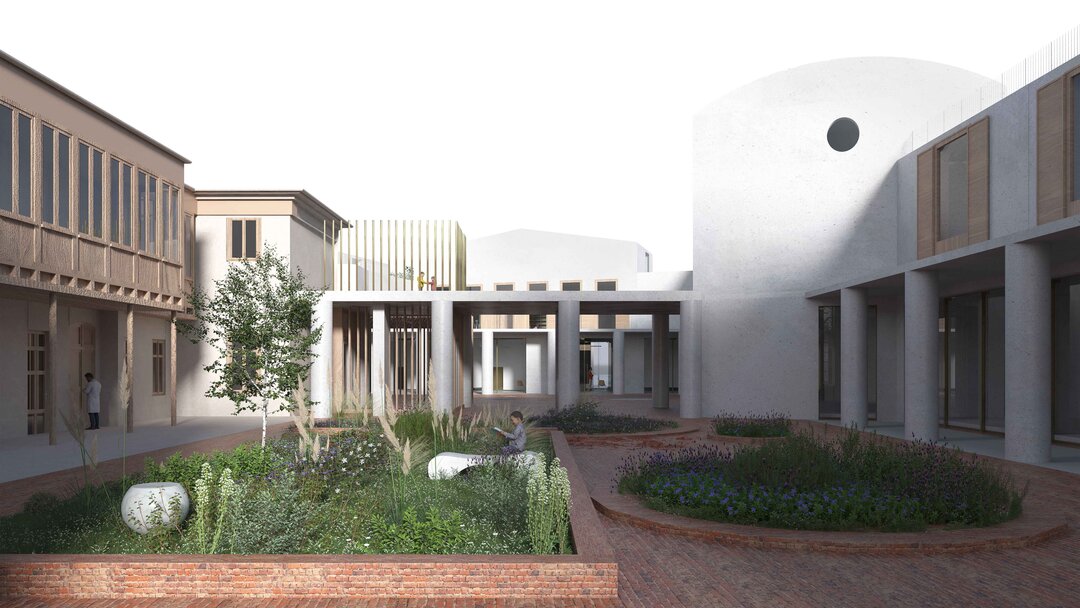
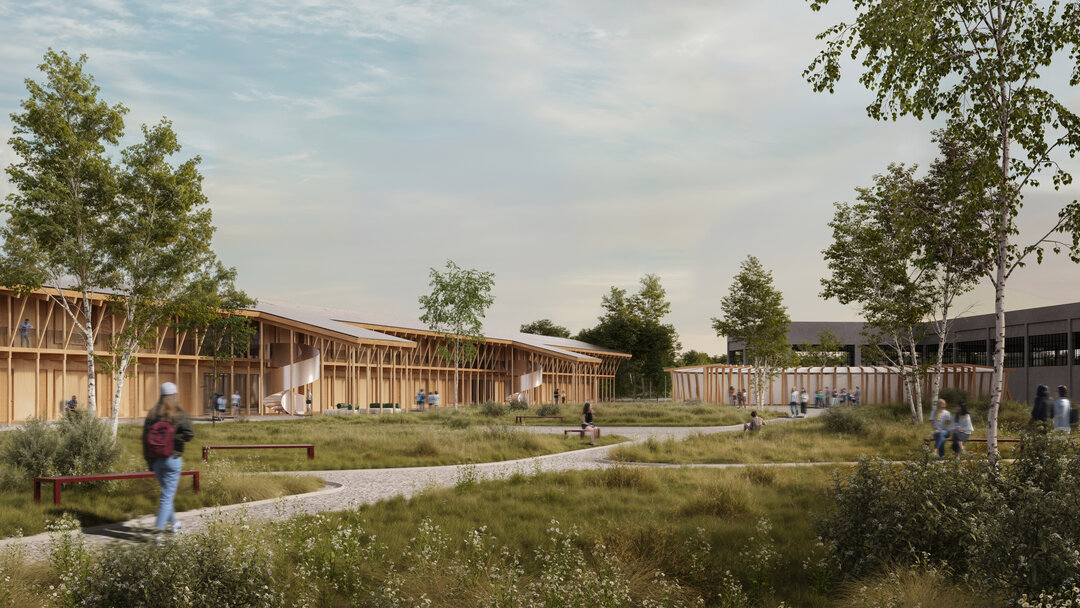
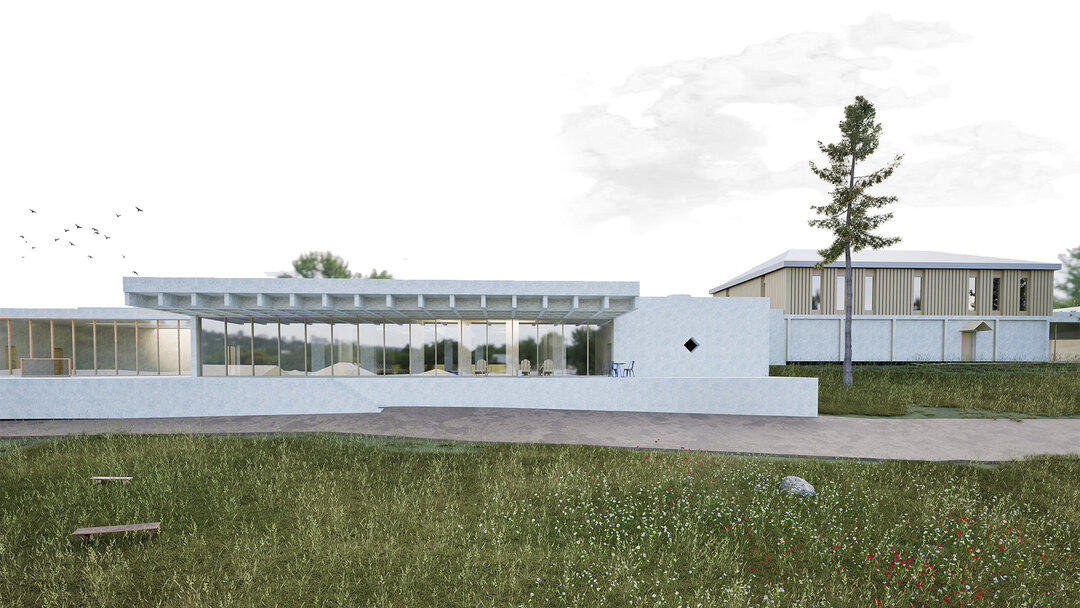
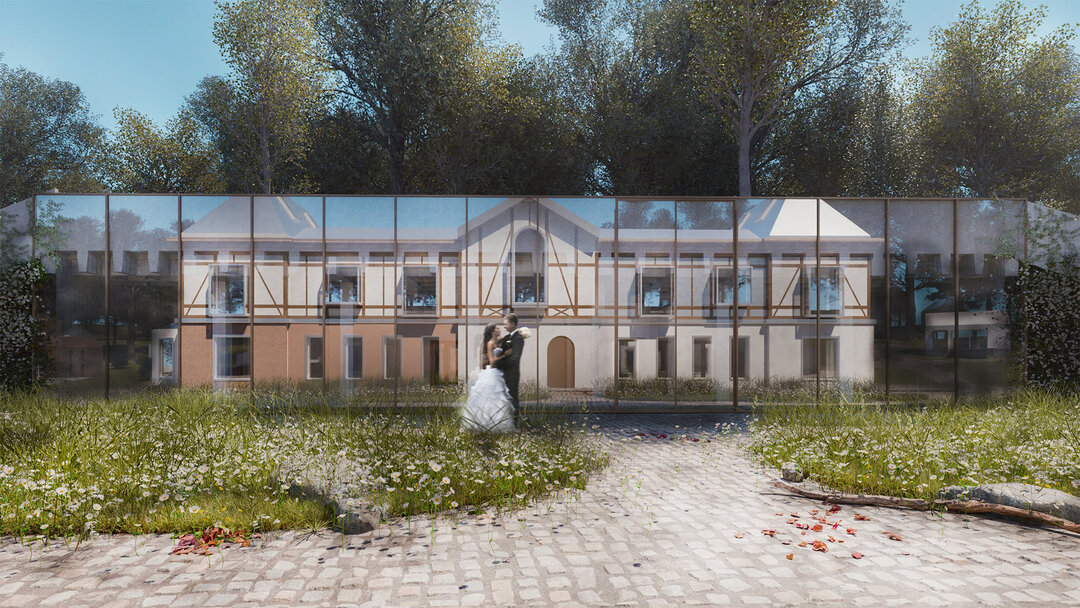
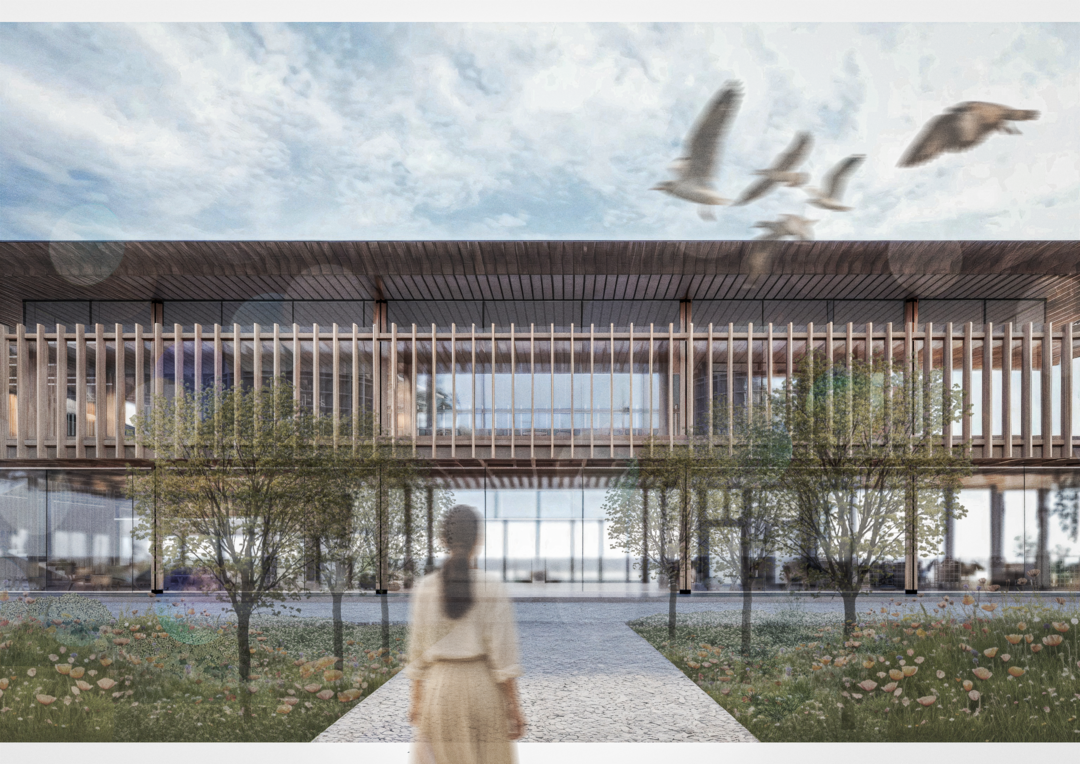
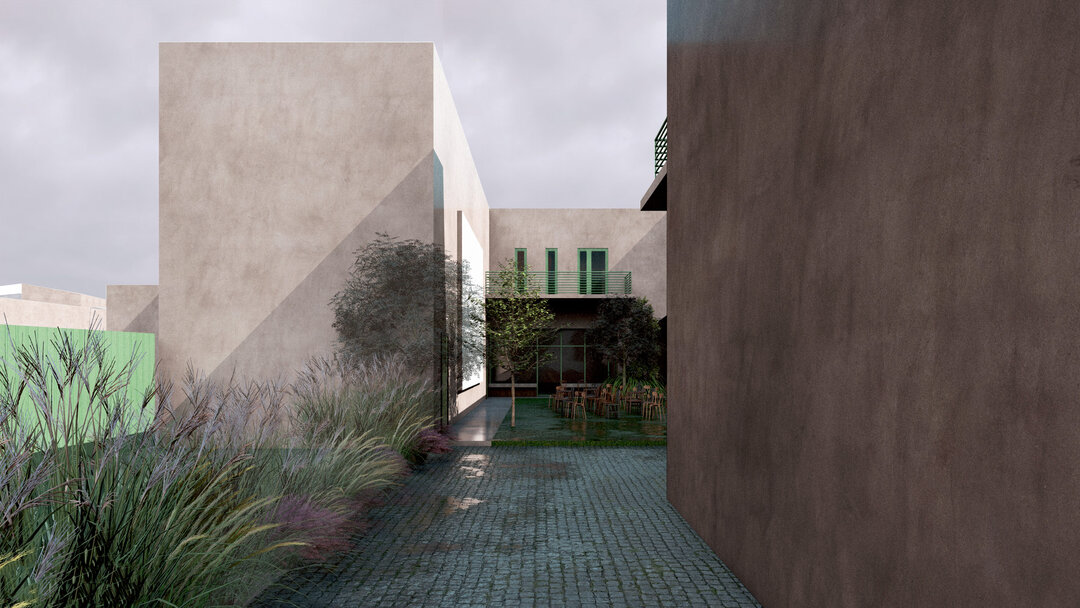
I now turn to the discussion of student workshop projects, which were introduced in the 2025 edition as a new competition category. They gave headaches to the jury, who had to invent their own criteria for judging and it was difficult in the absence of precedents. It seems natural to me. And in this case I think that we can evaluate and that we can enunciate these criteria and the way to evaluate and award the prizes, even if it is obviously difficult to compare different themes, different years of study, especially in the absence of themes and interaction with the authors, such as a presentation, supporting the projects in front of the jury, as is done in some competitions and is relevant. And here we can innovate, with time until the next edition to do it. This would also be an additional value of maintaining this category and awarding prizes. I am comparing the exercise with what was done in the past and is still done now for restoration projects, namely the visit of the jury to the nominated works, in order to have direct contact and not to judge on the basis of drawings and photographs which cannot lead to a full and perhaps fair perception. Sure, it takes resources to do this, but I am convinced it is worth it.
With these comments I don't want to offer precise solutions, because they should come from collaborations, I just want to emphasize that dealing with student and graduate projects is worthwhile and that we need to do it differently than the professionally produced, constructed categories of work. It's an invitation to dialog and work together.